Category: Cut, Proportion & Fit
Terms for silhouettes, lines, proportions, fit, and garment details that shape how clothing sits on the body and changes the visual effect of an outfit.
What does cut, proportion, and fit mean in fashion?
Cut, proportion, and fit describe how clothing is constructed, how it sits on the body, and how the individual parts of an outfit relate to one another. They influence whether a look appears longer, more balanced, softer, sharper, more relaxed, or more defined.
A garment can be the correct size and still feel unconvincing. The reason may be its fit , the placement of its waist, the width of its leg, the length of its hem, or the way its fabric creates volume. Understanding these details makes shopping and styling more precise.
What this category covers
This category explains the visual language of clothing, including:
- Silhouette , such as A-line, H-line, X-line, V-line, and O-line
- Proportion , or the relationship between lengths, widths, and volume
- Waist placement, including high waist , mid waist , and low waist
- Lengths such as sleeve length , skirt length , and hem length
- Lines that guide the eye, including vertical lines and horizontal lines
- Volume, balance, and shape through details such as shoulder line , waist shaping , pleats, sleeves, and draping
- Fit concepts such as regular fit , slim fit , relaxed fit , and oversized
Why cut and proportion matter
The effect of an outfit comes from more than color or trend. A cropped jacket changes the apparent length of the torso. Wide trousers create a different balance from a narrow skirt. A defined waist can add structure, while a dropped shoulder creates a softer, more relaxed line.
There is no universal cut that is right for every person or occasion. The goal is not to correct the body. It is to recognize what a garment does visually and decide whether that effect supports your comfort, personal style, and intended impact .
How to assess fit beyond size
Look beyond the label when trying on clothing. A useful fit check considers both comfort and visual balance.
Check the key points
- Shoulders: Does the shoulder seam sit where you want it, or is a dropped shoulder intentional?
- Chest, waist, and hips: Is there enough room to breathe, sit, and move without pulling folds?
- Waist position: Does the waistband create the proportion you want between the upper and lower body?
- Length: Where do sleeves, hems, jackets, and trousers end in relation to the body and shoes?
- Volume: Is fullness concentrated at the shoulder, waist, hip, or hem, and does it feel balanced?
- Fabric: Does the material hold shape, skim the body, or drape fluidly? Fabric drape can change the same cut significantly.
Pulling lines, tightness, or restricted movement can indicate a fit issue. Learn more about pull folds and movement allowance when a garment looks right on the hanger but feels wrong when worn.
Common questions about proportion and fit
Does a high waist always make legs look longer?
A high waist often raises the visual starting point of the legs, which can create a longer-looking lower body. The full effect also depends on top length, shoe choice, trouser cut, and color contrast.
Is oversized the same as buying a larger size?
No. Oversized clothing is designed with deliberate extra volume and adjusted proportions. Simply sizing up may change the shoulder width, sleeve length, and fit in ways that do not create the intended silhouette.
Why does the same garment fit differently in different fabrics?
Fabric weight, stretch, texture, and drape influence how a garment moves and holds its form. A structured woven fabric can create clearer edges, while jersey or a fluid fabric may follow the body more closely.
Practical focus
Small adjustments can make a noticeable difference to an outfit:
- Compare two hem lengths rather than judging one in isolation.
- Try a tucked, half-tucked, and untucked top to see how the waist position changes.
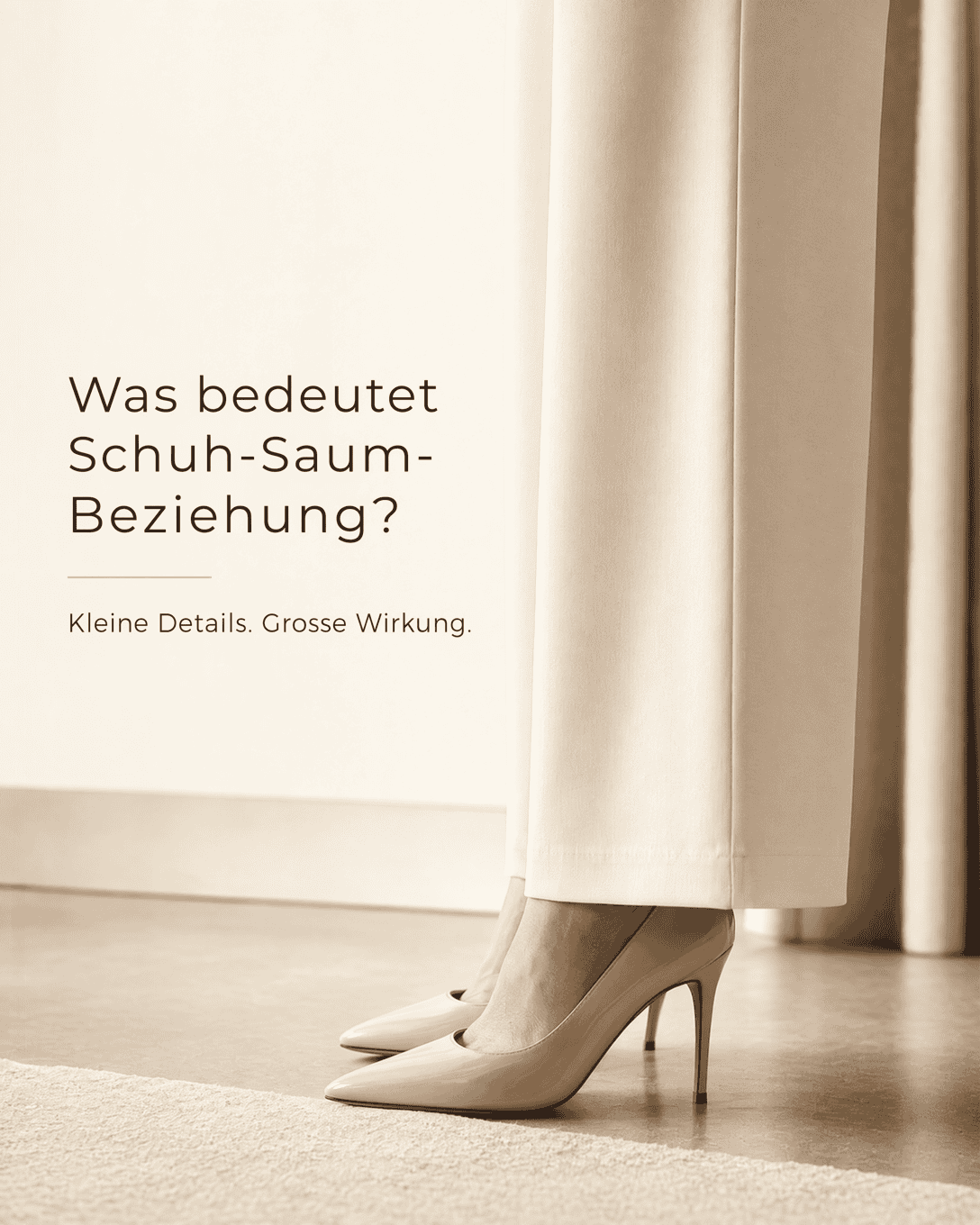
- Consider the shoe-hem relationship before deciding on trouser length.
- Balance volume consciously. A wide lower half may work beautifully with a more defined upper half, but contrast is a choice rather than a rule.
- Use a belt or waist emphasis only when it supports the look and feels comfortable.
ESKYNA Key Line
Fit is not only about whether clothing closes. It is about whether line, comfort, movement, and proportion work together for you.
Explore all terms in Cut, Proportion & Fit or start with Proportion , Fit , and Silhouette .
Cut, Proportion & Fit 165
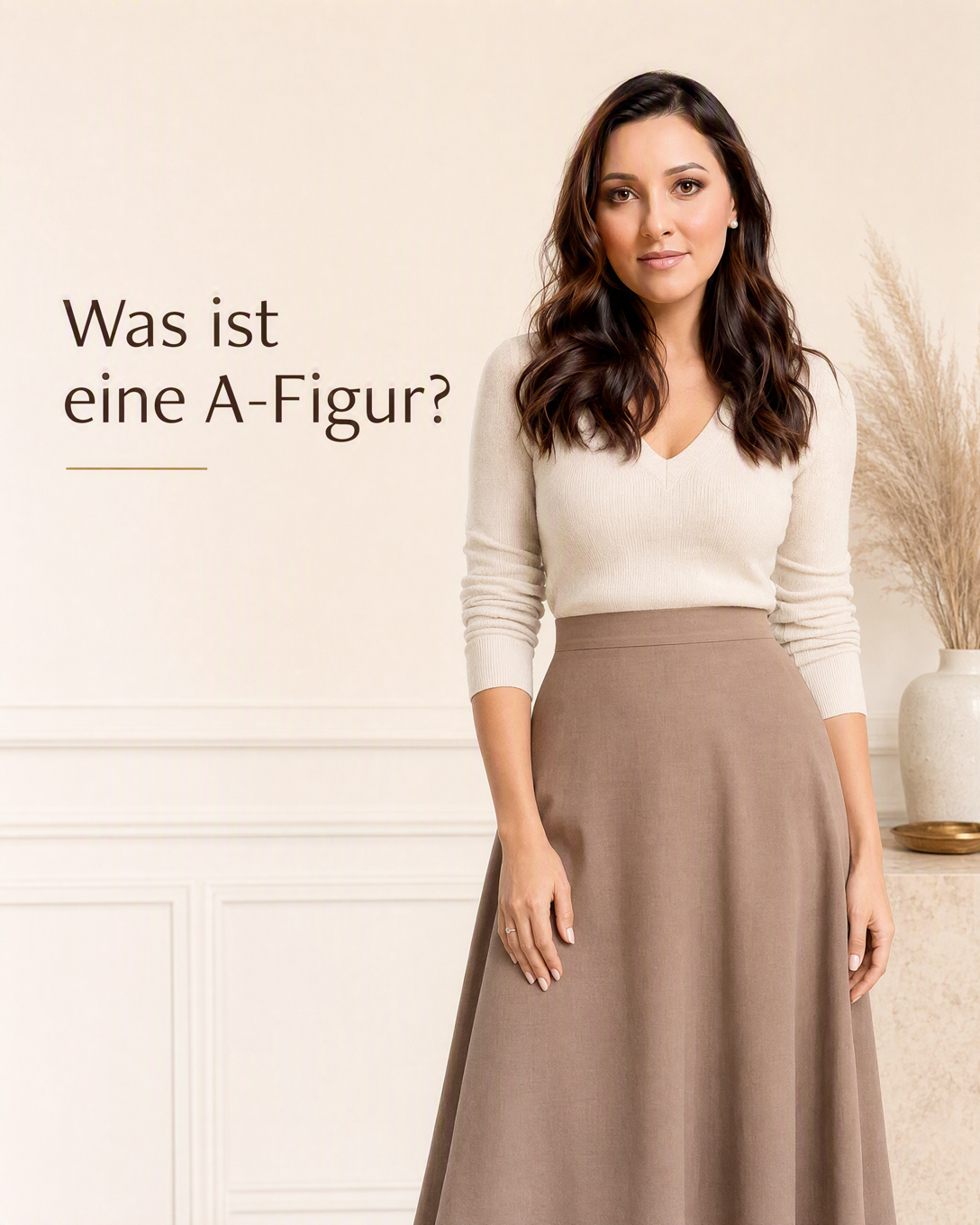
A-Figure Body Shape An A-figure body shape has hips that appear wider than the shoulders, often with a visibly defined waist. Learn how proportion, fit, and styling can support this silhouette.
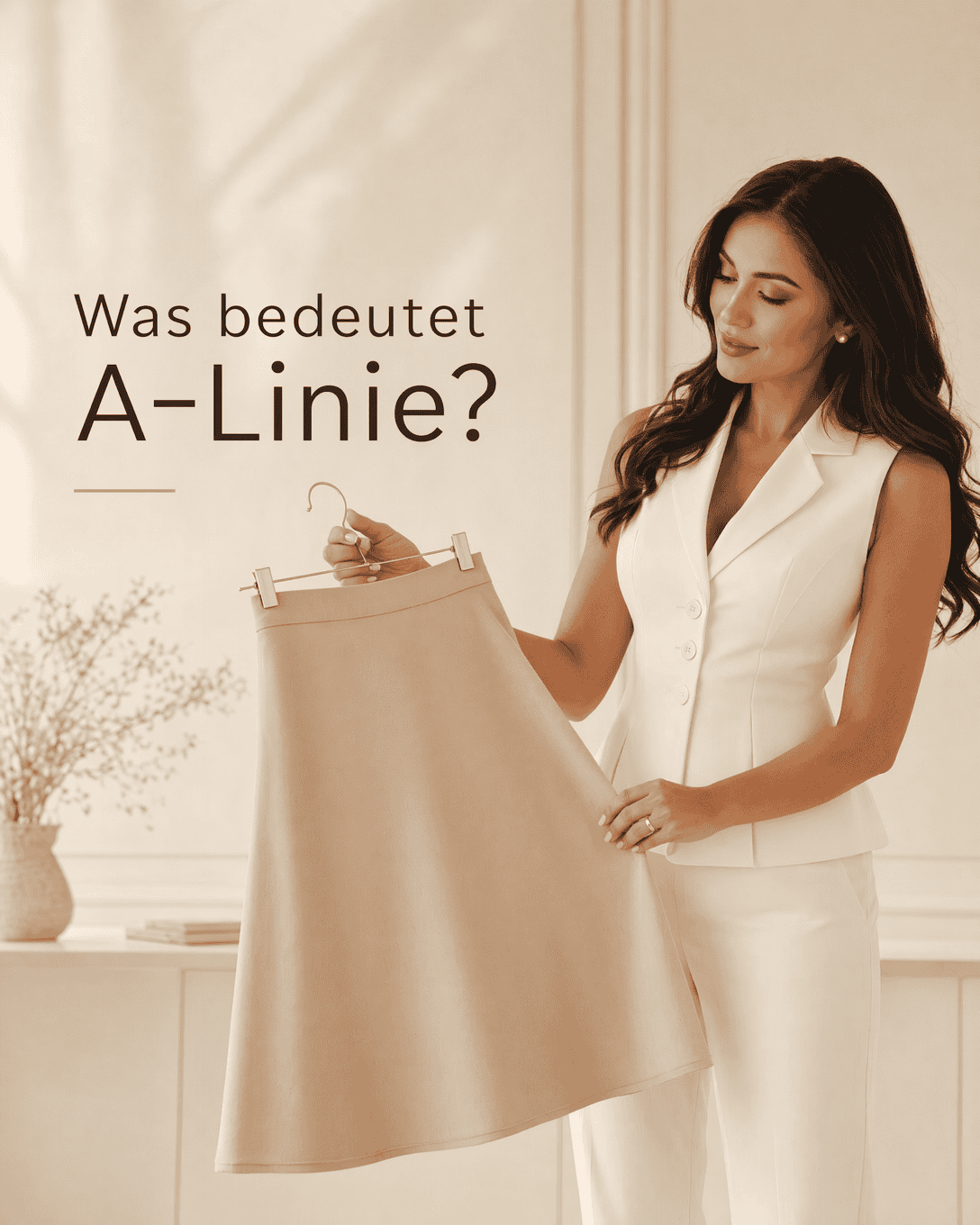
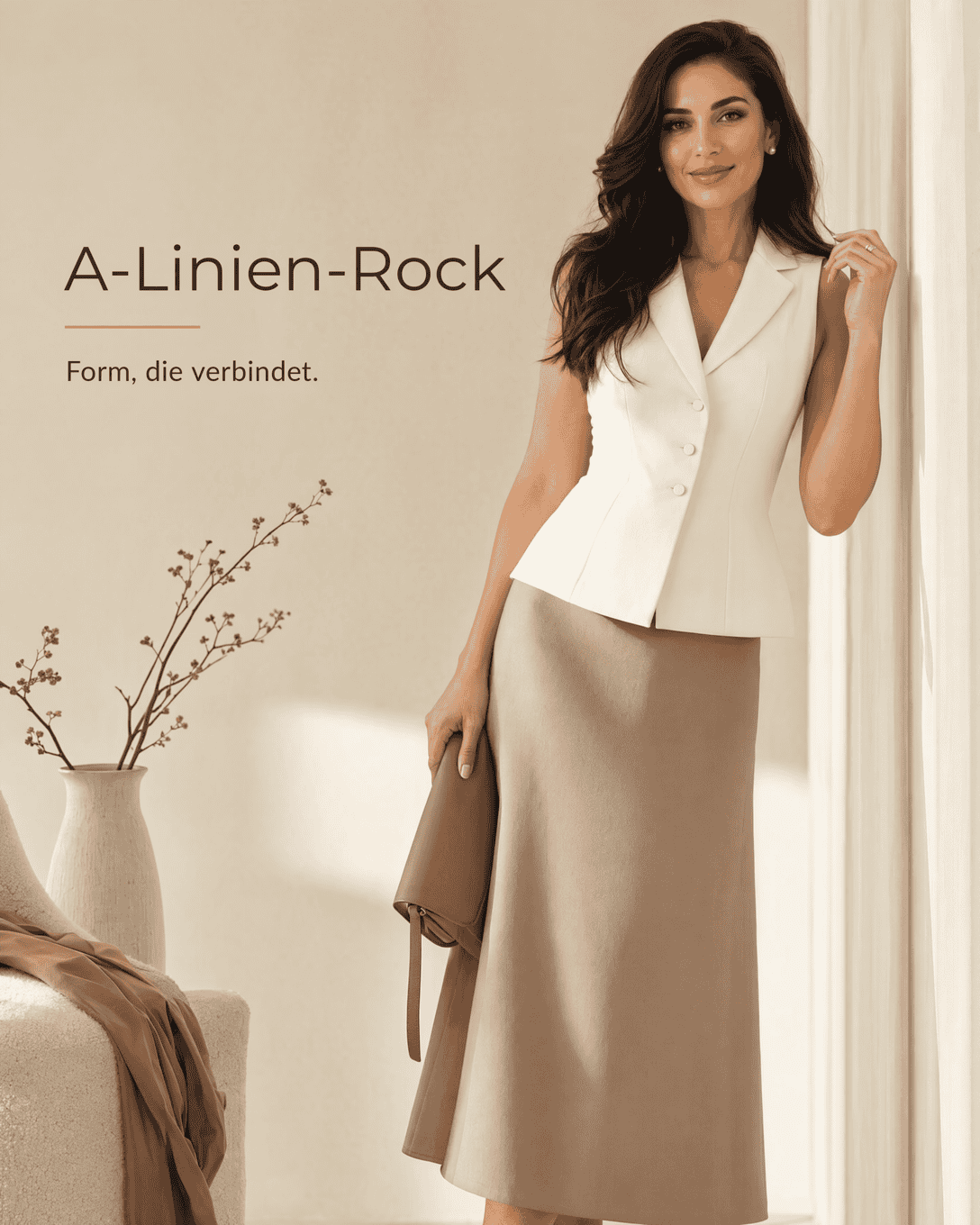
A-Line A-Line describes a silhouette that is narrower at the shoulders or waist and gradually widens toward the hem. It is common in dresses, skirts, coats, and tops because it creates a clear, softly flared shape.
A-Line Skirt An A-line skirt is fitted or narrower at the waist and gradually widens toward the hem, creating a clear A-shaped silhouette. Learn how to choose and style this versatile skirt shape.
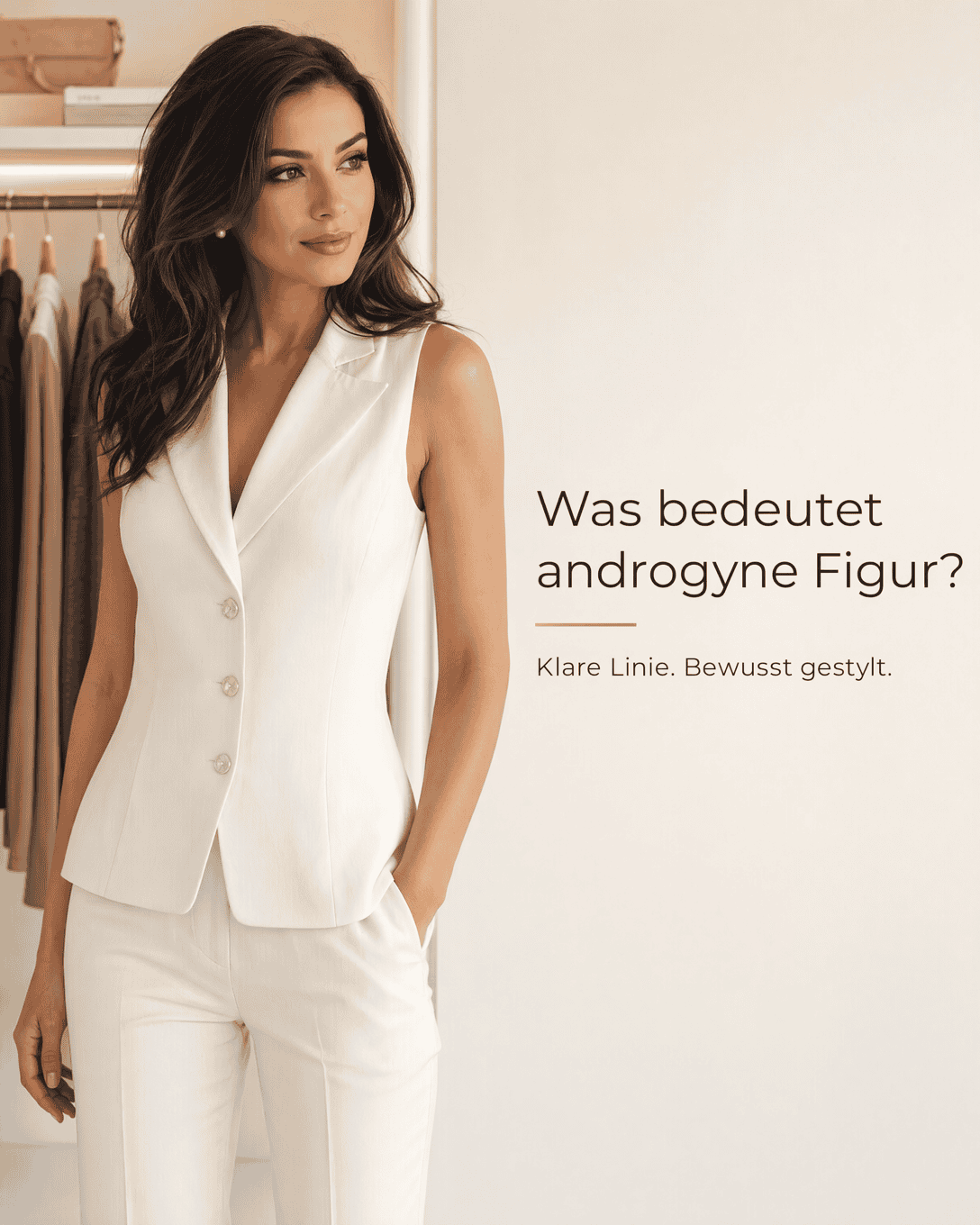
Androgynous Body Shape An androgynous body shape describes a straighter, less gender-coded silhouette created or emphasized through cut, fit, proportion, and styling.
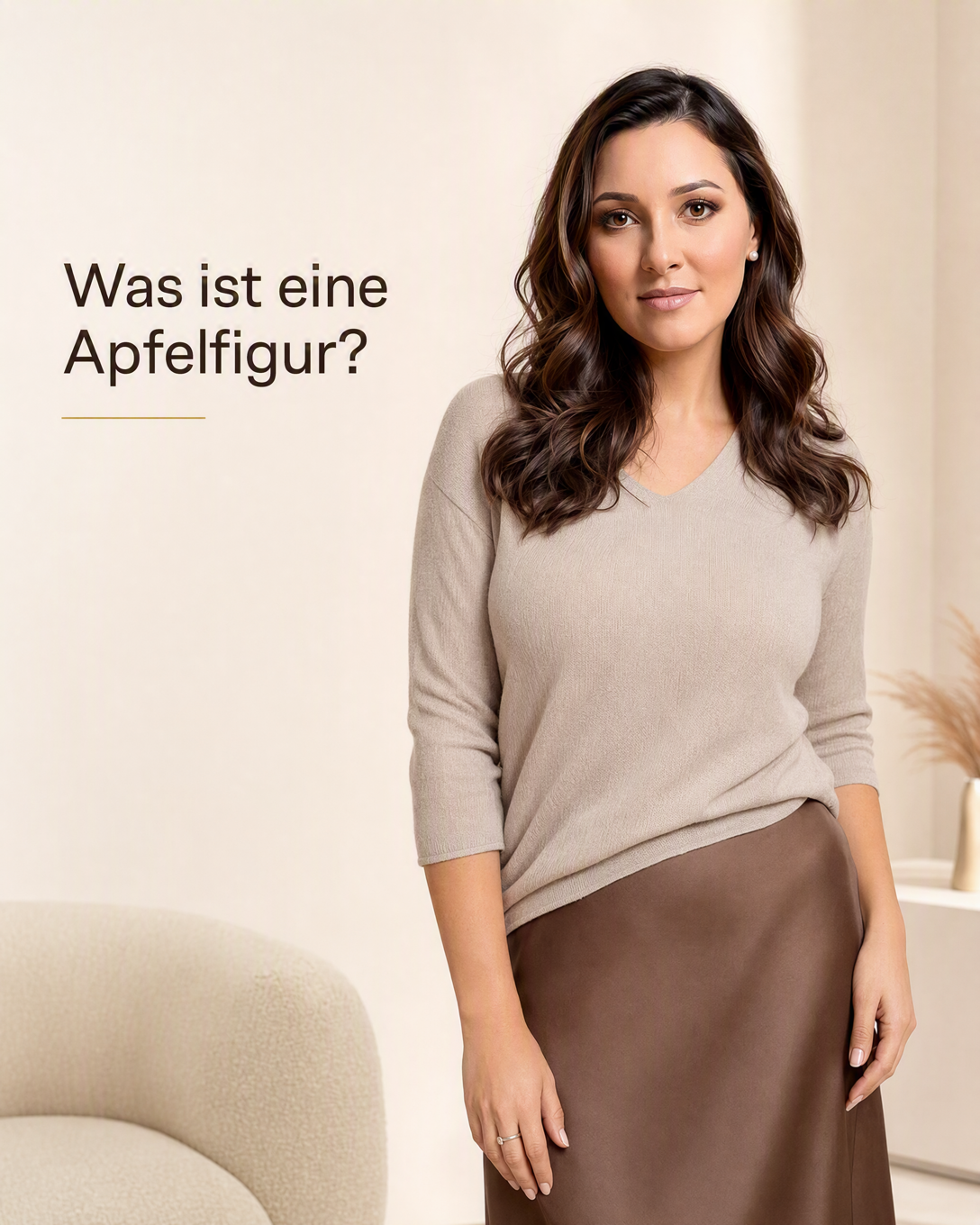
Apple Body Shape An apple body shape, also called an O body shape, describes a silhouette with more visual emphasis through the midsection. Learn how fit, proportion, and styling choices can create comfortable, balanced outfits.
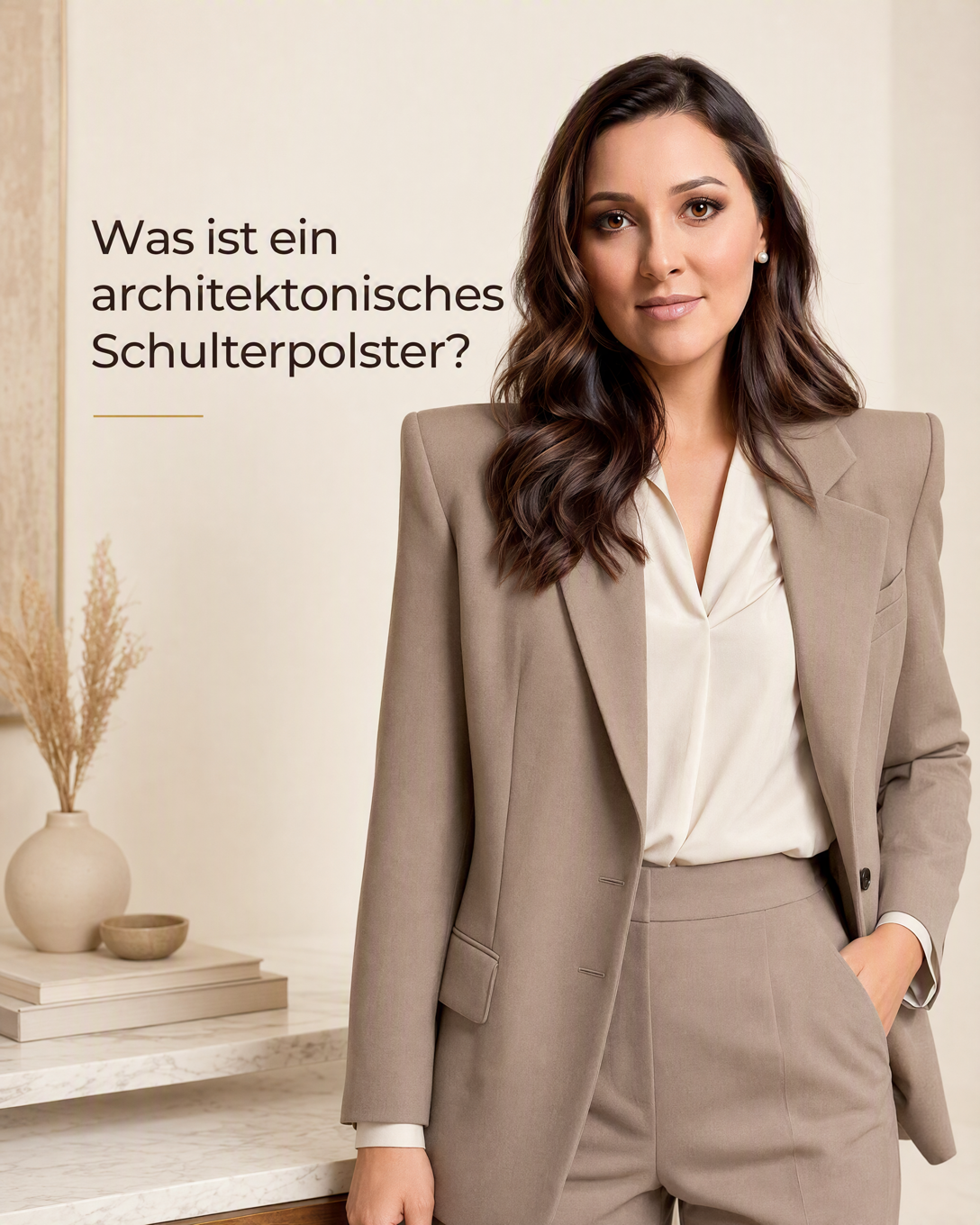
Architectural Shoulder Pad An architectural shoulder pad is a precisely shaped internal insert that supports the shoulder line and gives jackets, coats, and dresses a defined upper-body structure.
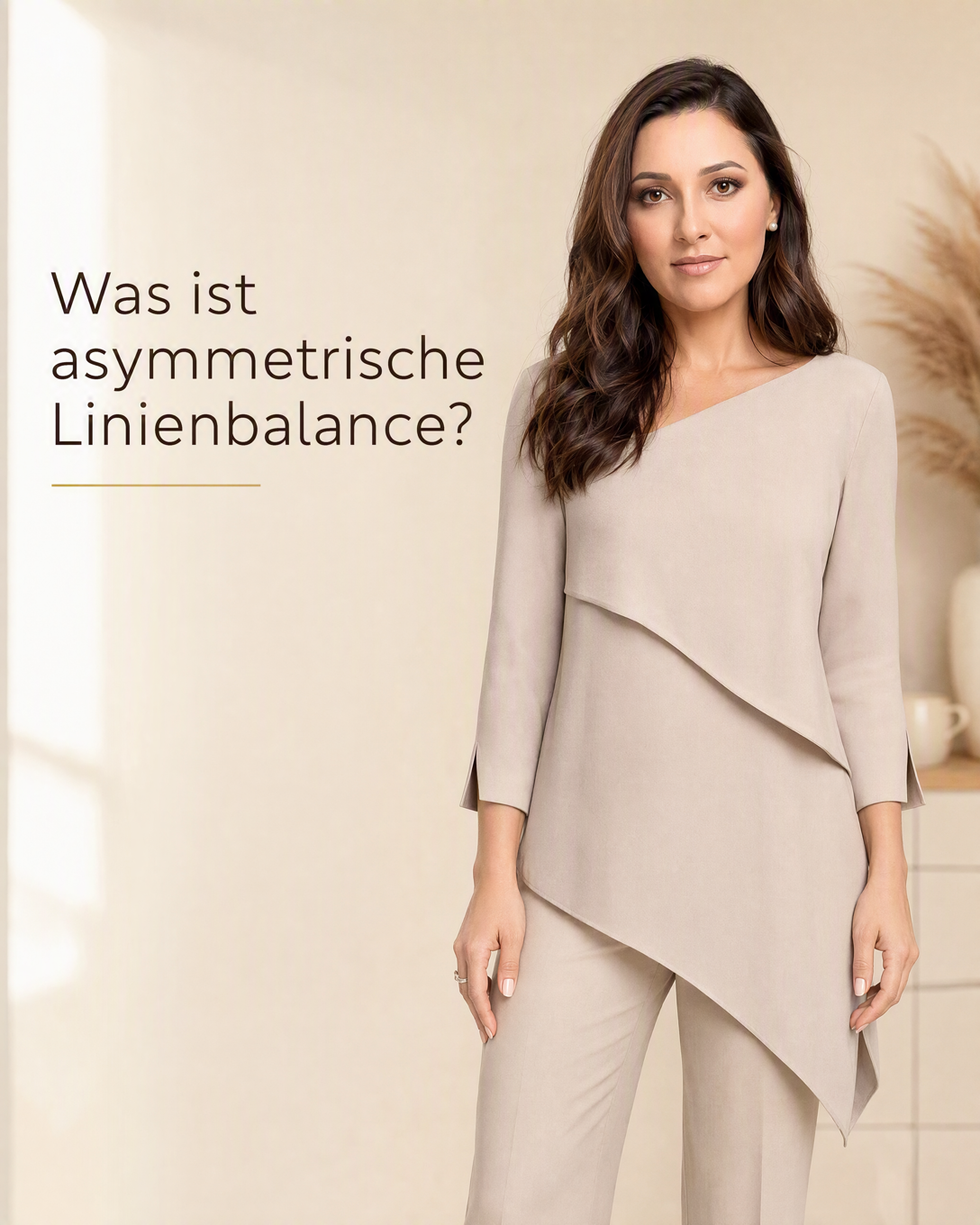
Asymmetrical Line Balance Asymmetrical line balance is a fashion design principle in which unequal lines, details, or fabric sections create a visually harmonious outfit. Learn how asymmetry affects proportion, movement, and styling.
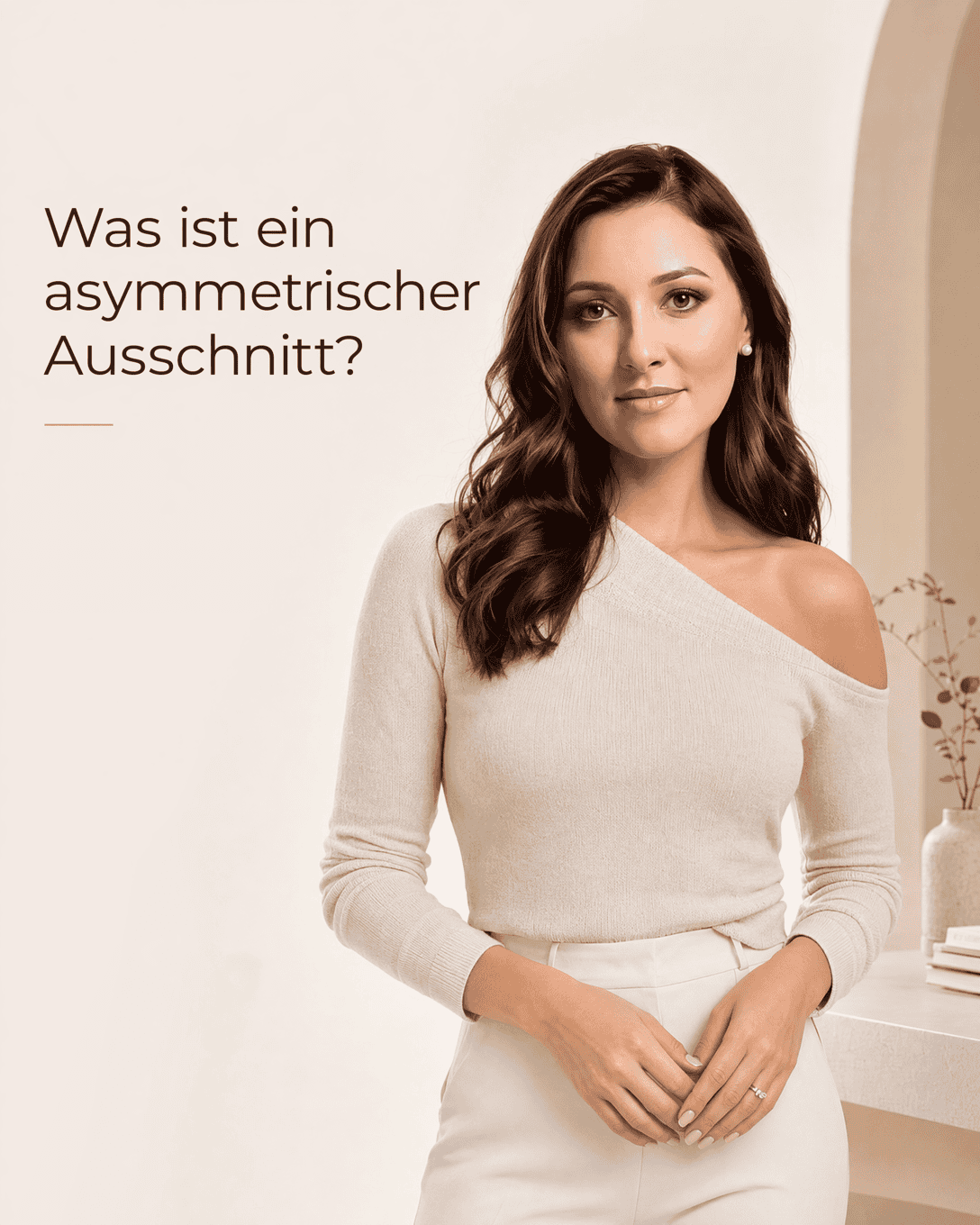
Asymmetrical Neckline An asymmetrical neckline is an off-centre neckline shape, often created with a one-shoulder line, diagonal edge, or uneven drape. Learn how it affects balance, fit, and styling.
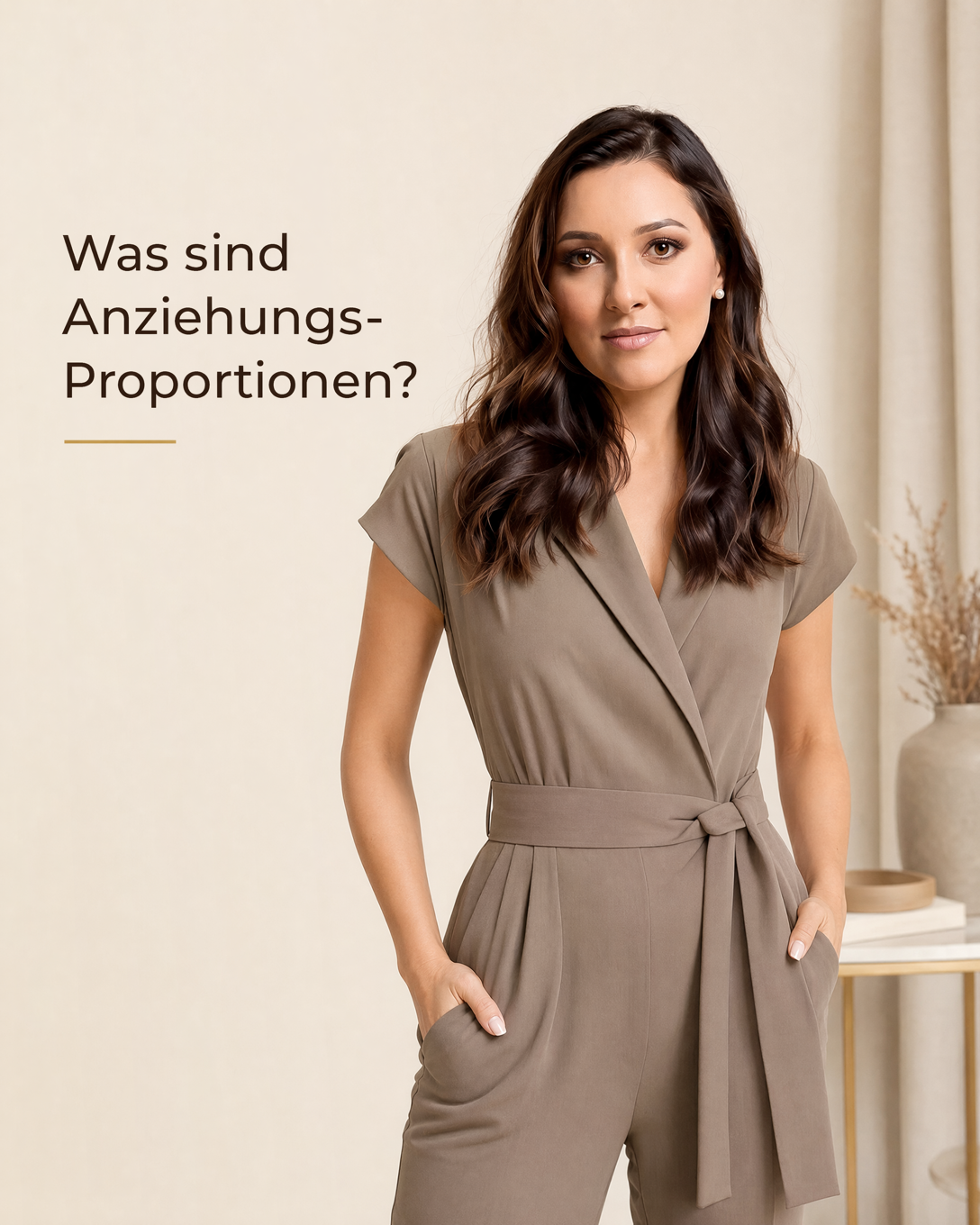
Attractive Proportions Attractive proportions in styling are the intentional use of fit, lengths, volume, and visual lines to create a balanced, harmonious outfit.
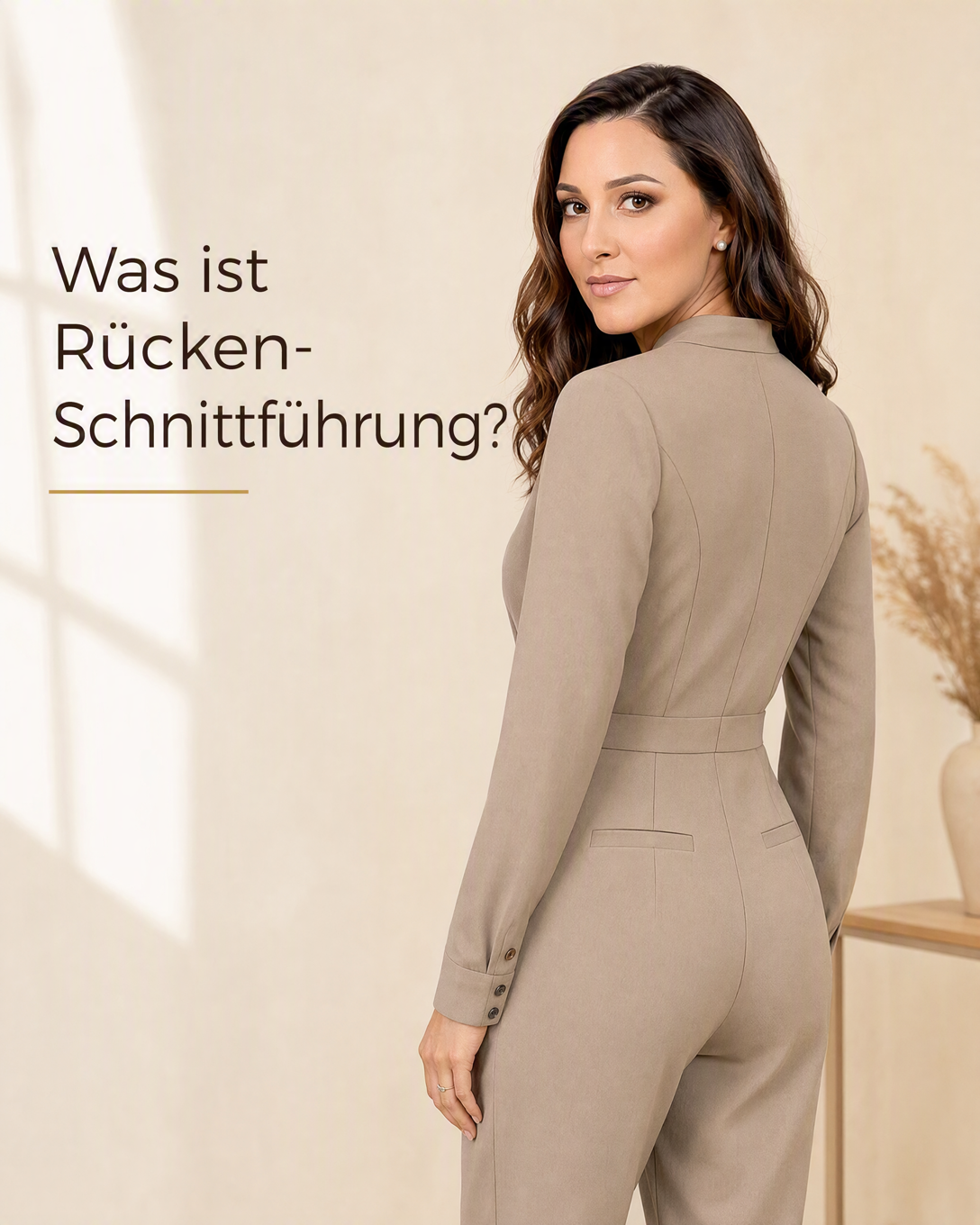
Back Cut and Seam Placement Back cut and seam placement describes how the back of a garment is shaped through seams, darts, panels, yokes, and shoulder construction. It strongly affects posture, shoulder balance, waist definition, comfort, and how clothing falls from behind.
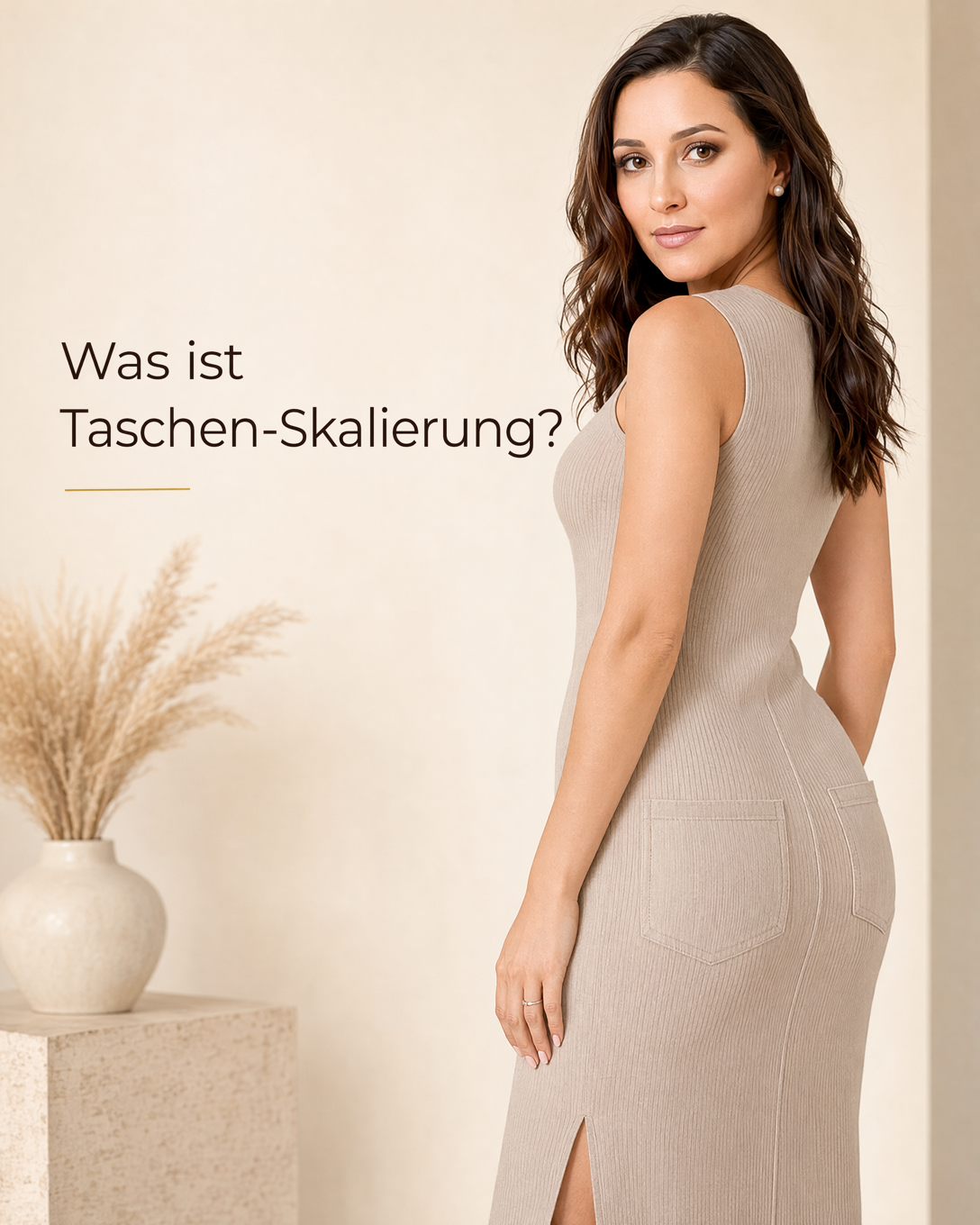
Back Pocket Placement and Scale Back pocket placement and scale describes how the size, height, spacing, angle, and structure of rear pockets shape the visual effect of jeans and trousers.
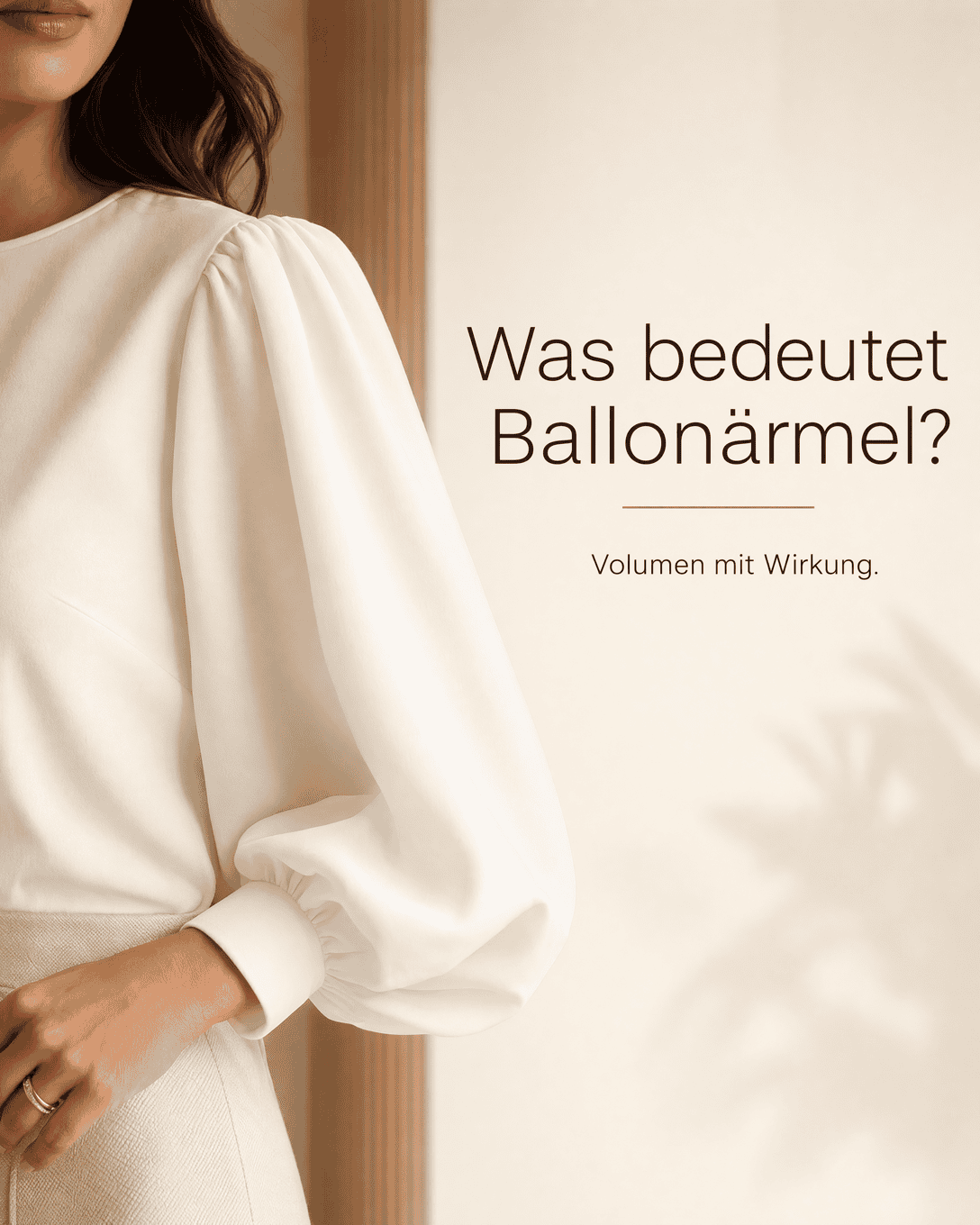
Balloon Sleeve A balloon sleeve is a full, rounded sleeve that gathers or narrows at the hem to create a soft, voluminous shape. Learn how balloon sleeves affect silhouette, proportion, and outfit balance.
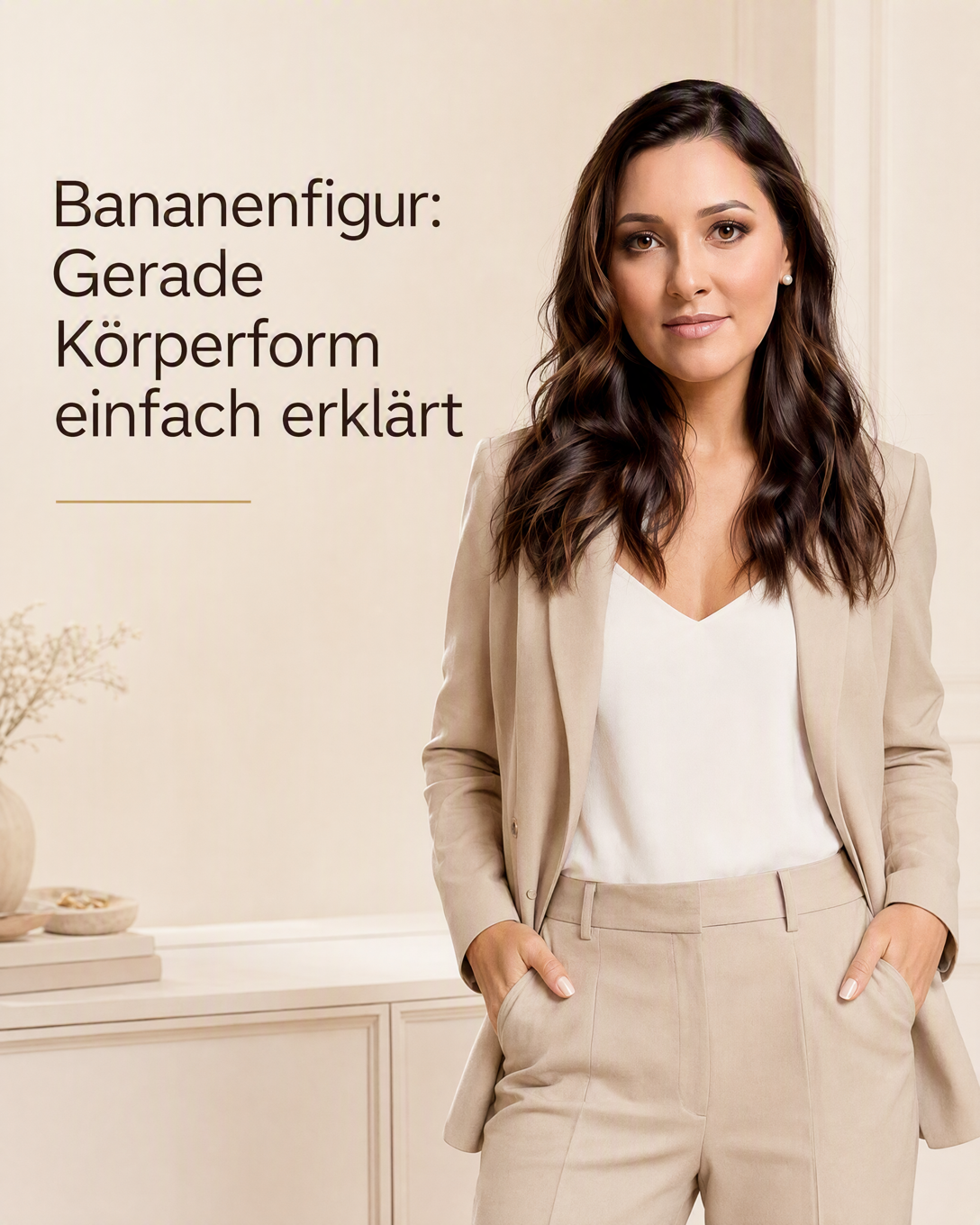
Banana Body Shape A banana body shape is an informal term for a straight H-shaped silhouette, where the shoulders, waist, and hips appear relatively similar in width.
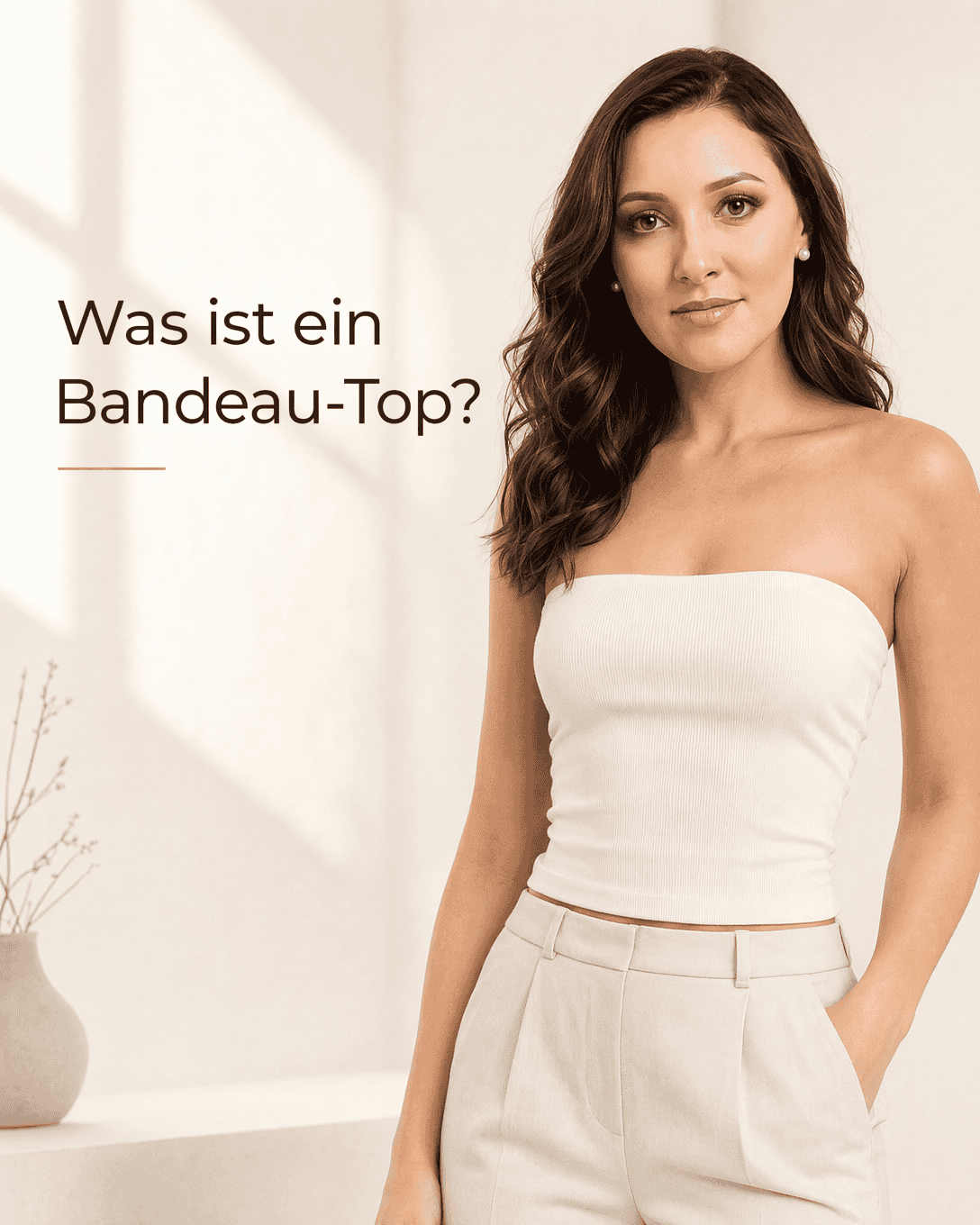
Bandeau Top A bandeau top is a strapless, close-fitting top that wraps around the bust. Learn how bandeau tops fit, how to style them, and what to check before buying.
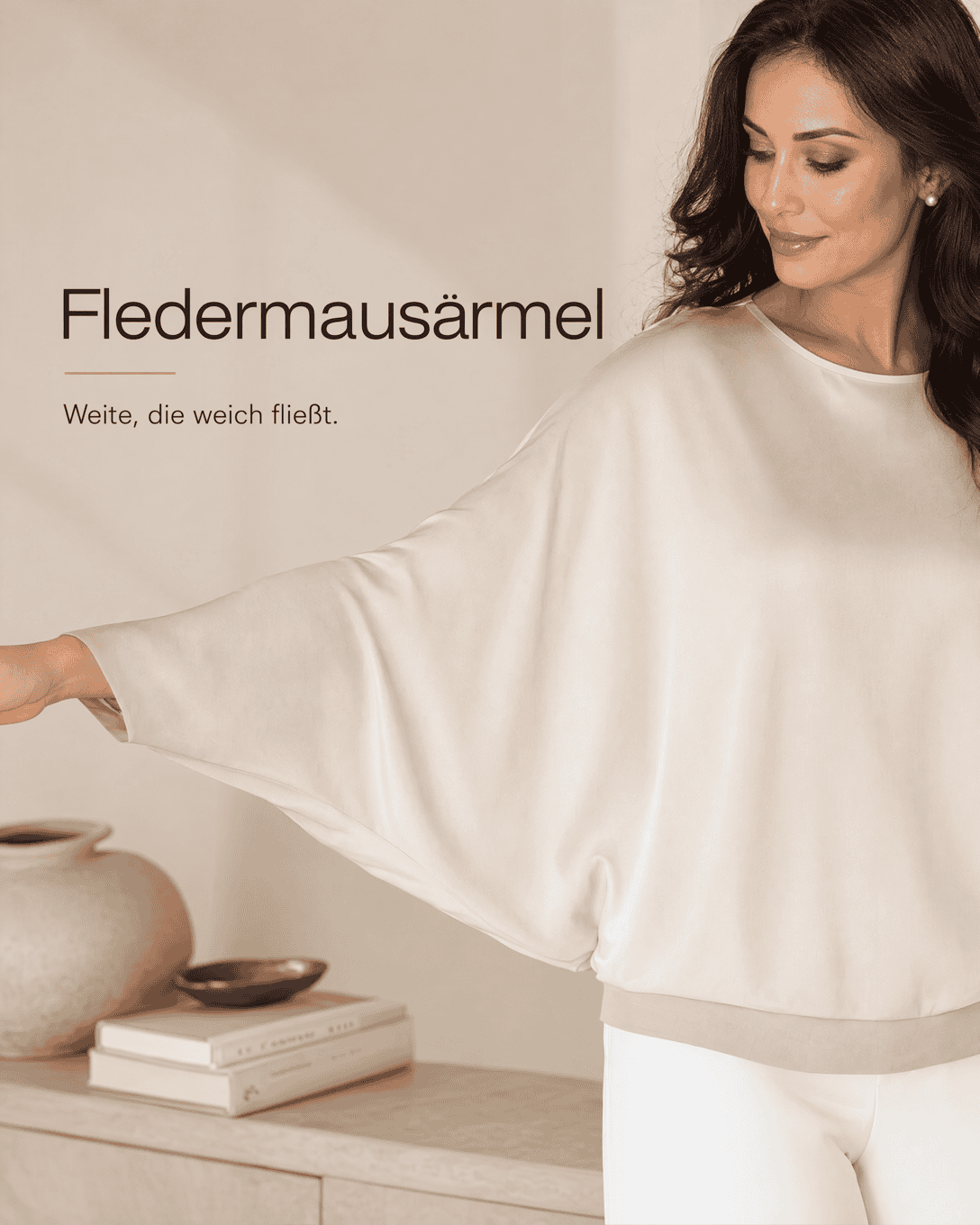
Batwing Sleeve A batwing sleeve is a wide sleeve that extends from a deep armhole and tapers toward the wrist. Learn how this sleeve shape affects silhouette, volume, fit, and styling.
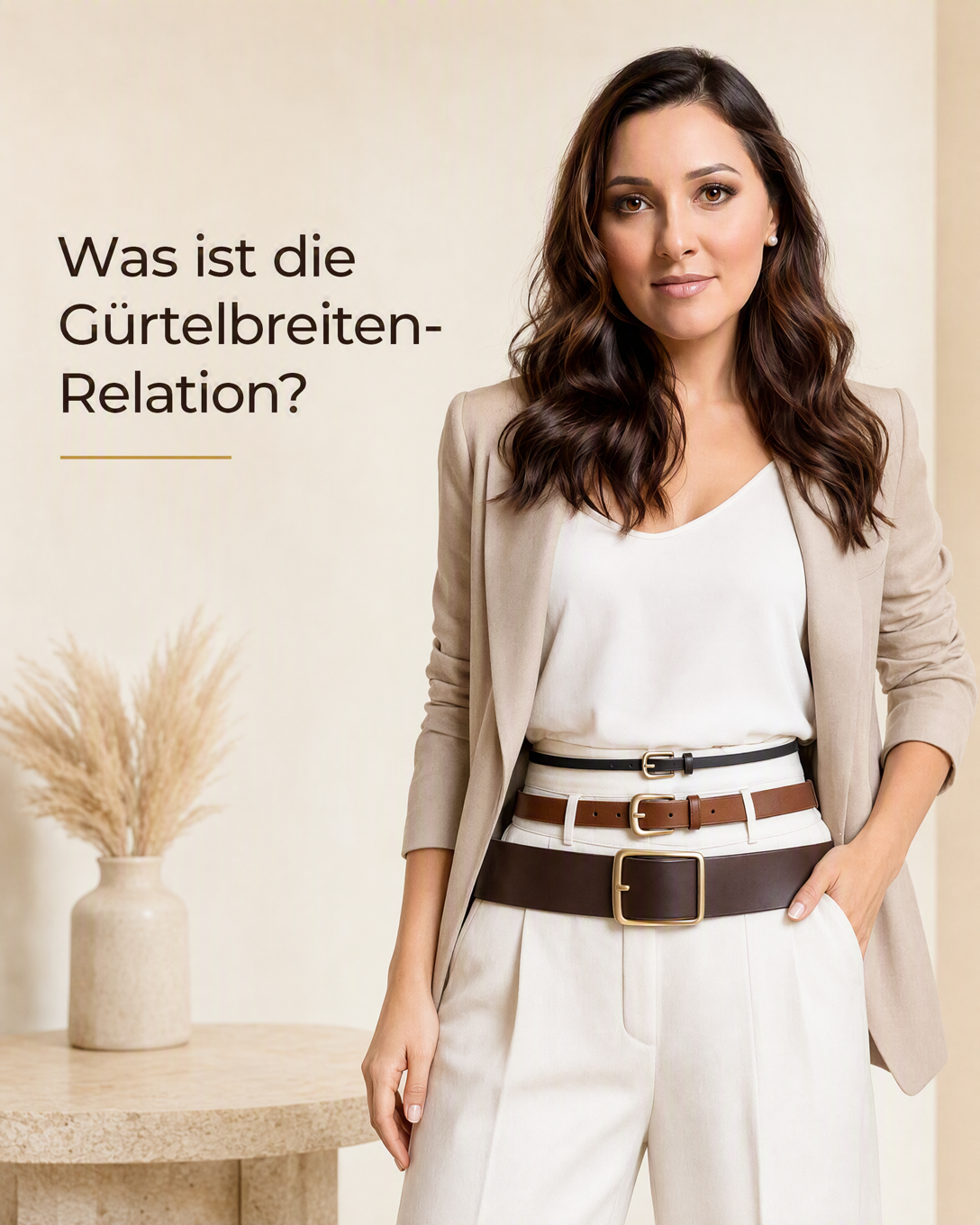
Belt Width Proportion Belt width proportion is the relationship between a belt’s width, the height of a waistband, and the visible length of the torso. It helps create a balanced waistline and a more intentional outfit silhouette.
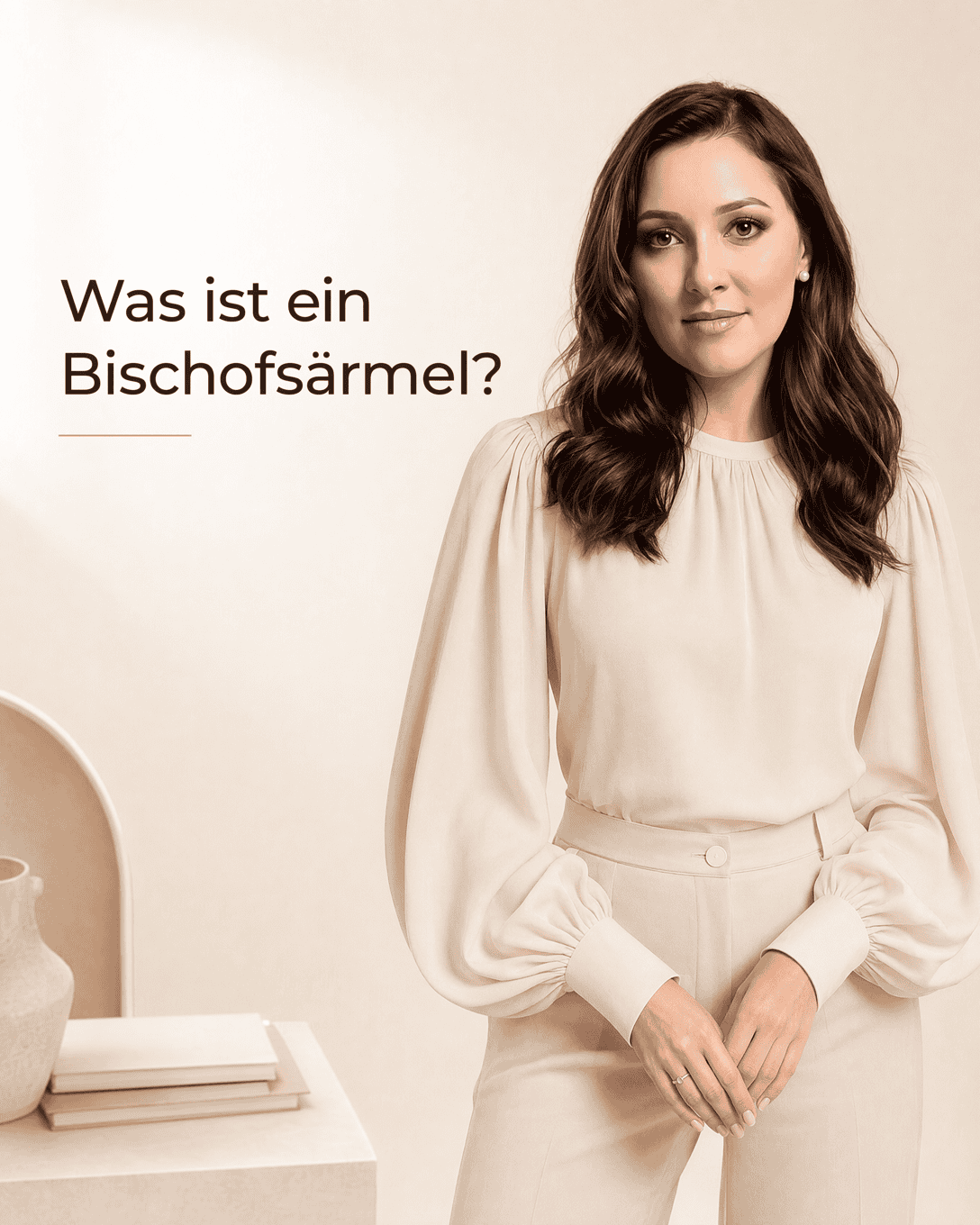
Bishop Sleeve A bishop sleeve is a full, softly gathered sleeve that narrows into a fitted cuff. Learn how this romantic sleeve shape affects proportion, movement, and outfit styling.
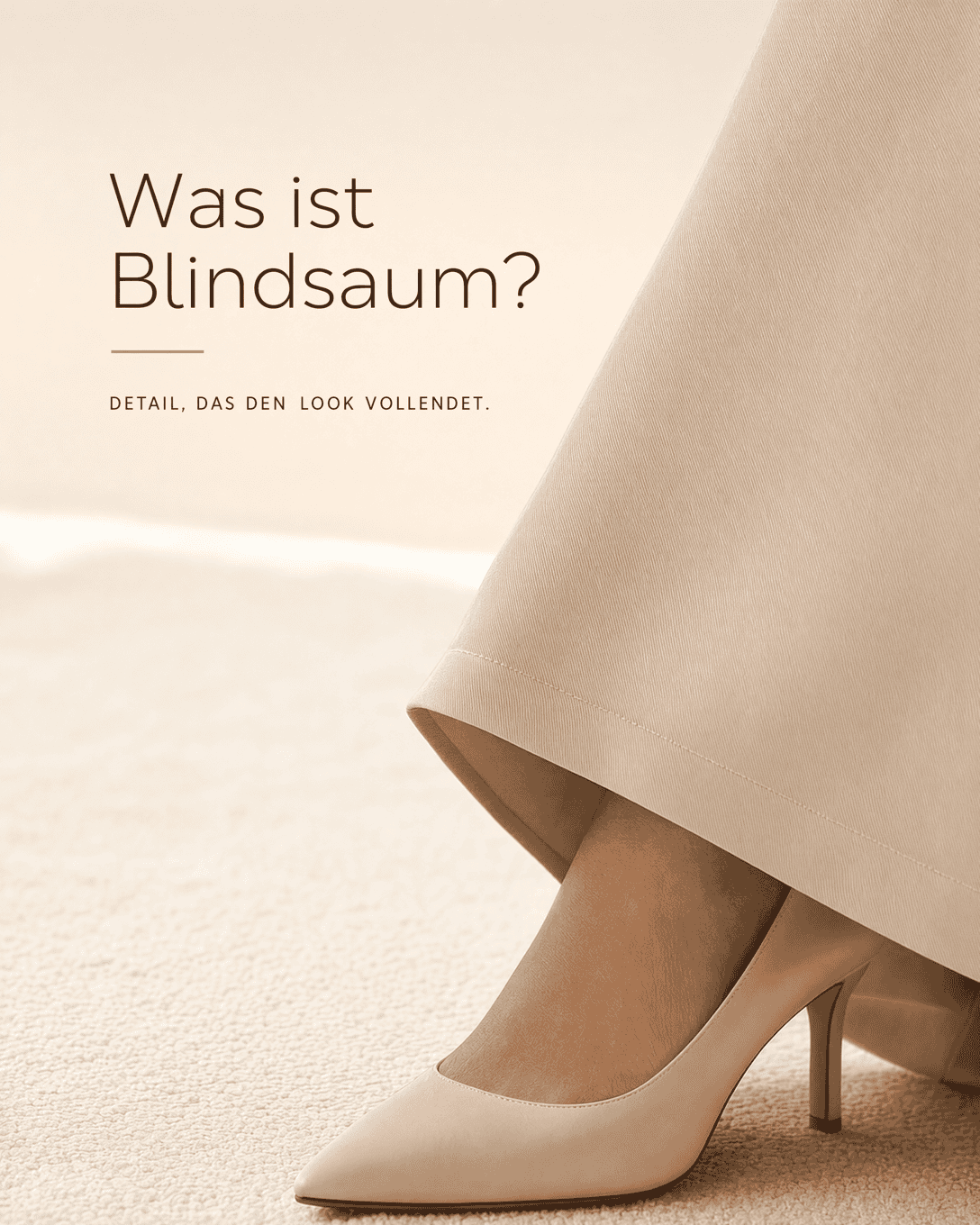
Blind hem A blind hem is a hem finish sewn by hand or machine so that the stitches are barely visible on the outside of a garment. It creates a clean, understated finish for trousers, skirts, dresses, and coats.
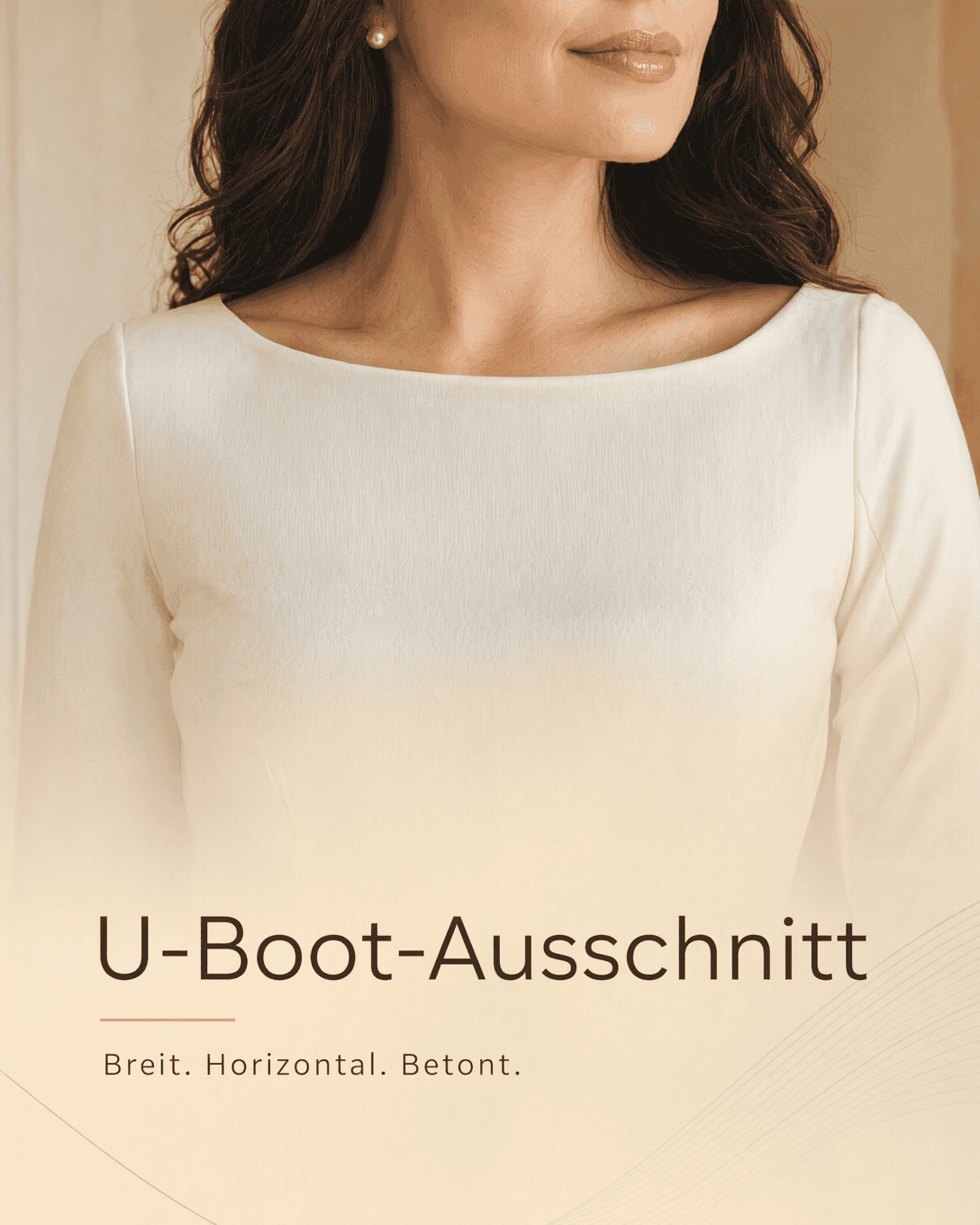
Boat Neck A boat neck, also called a bateau neckline, is a wide neckline that runs almost horizontally across the collarbone toward the shoulders. It creates a clean, open shoulder line and can make an outfit look elegant, graphic, or relaxed.
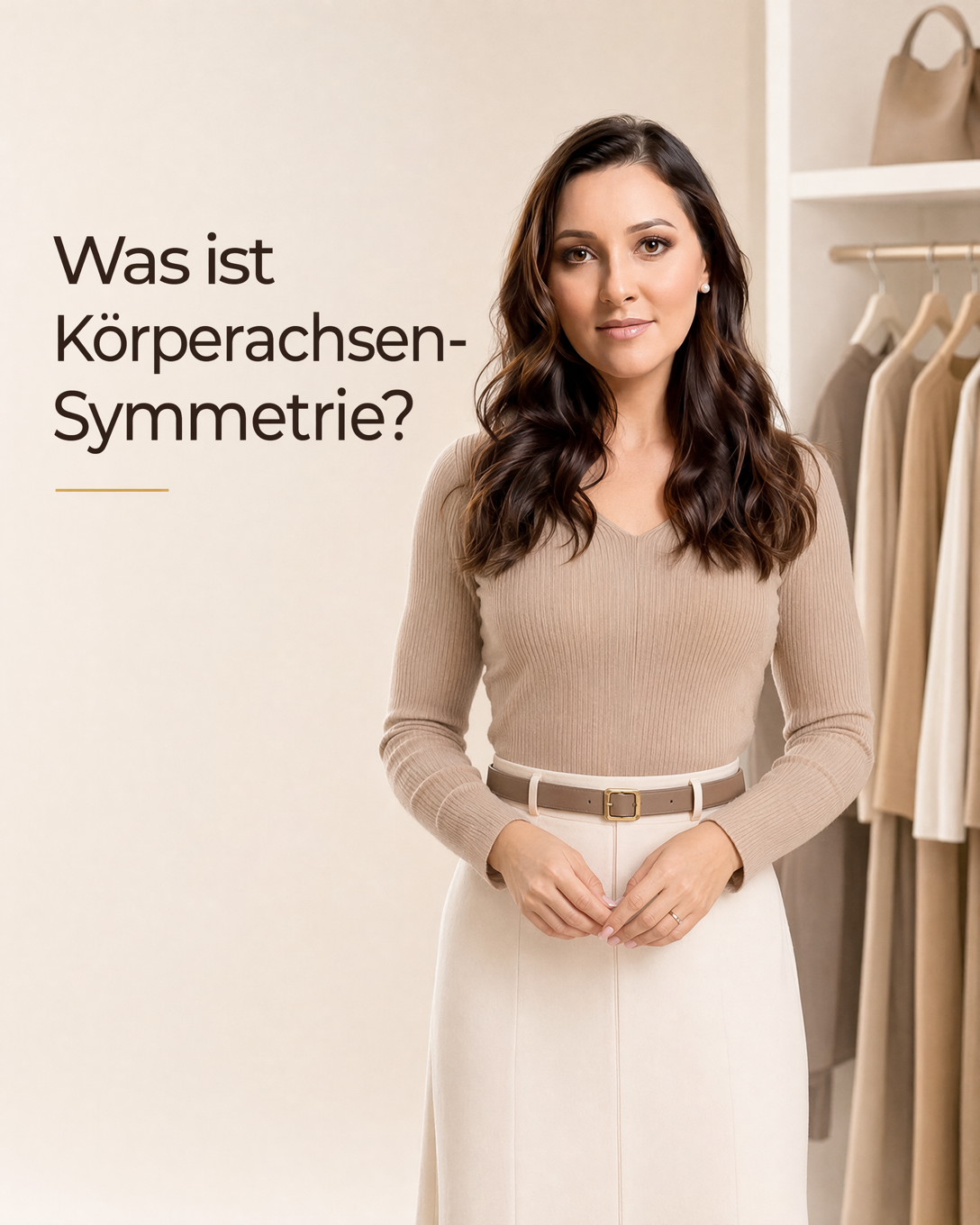
Body Axis Symmetry Body axis symmetry is the visual balancing of vertical and horizontal body lines through seams, color placement, and garment details. It helps create a more composed, intentional silhouette.
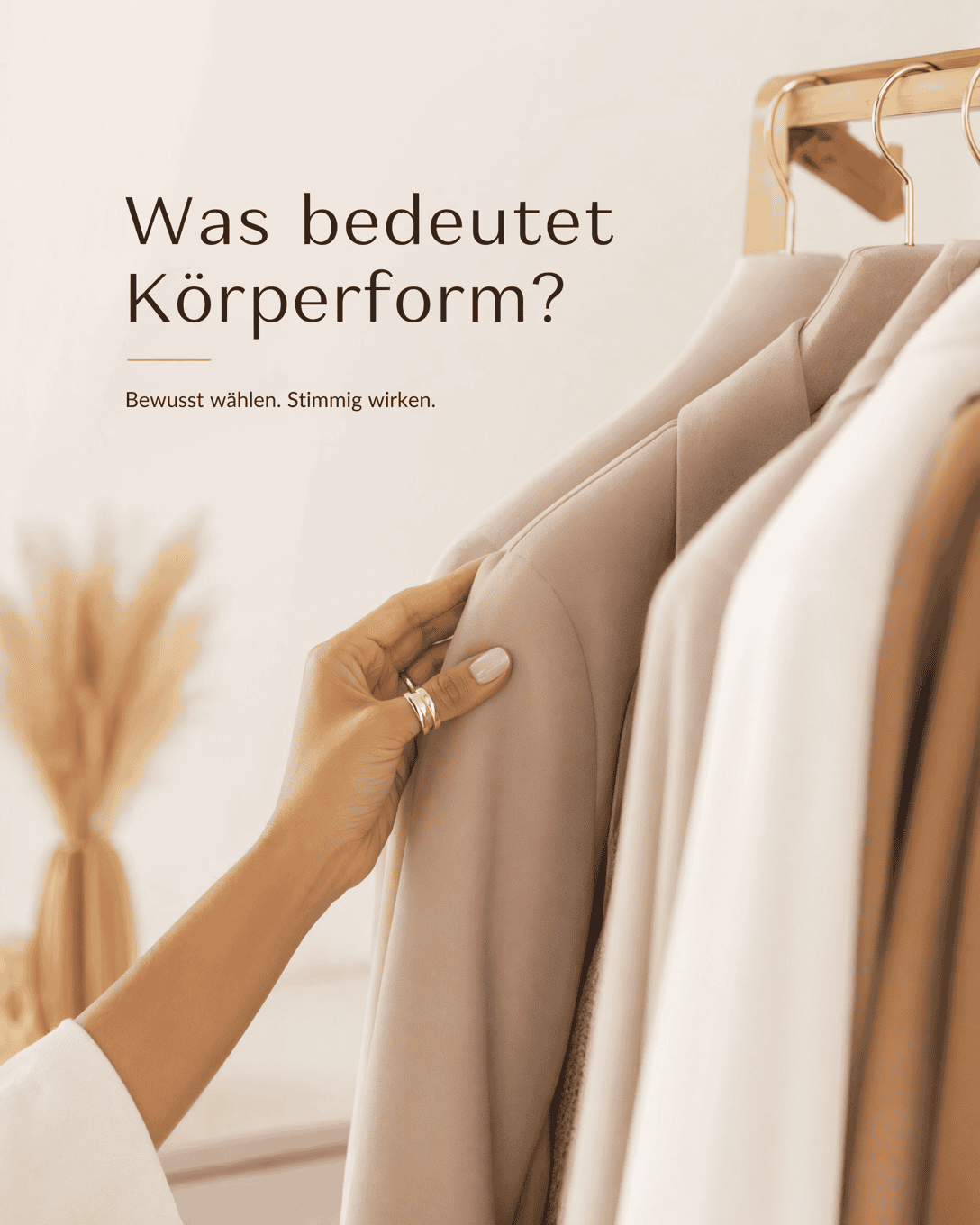
Body Shape Body shape describes the overall relationship of the shoulders, bust, waist, hips, and vertical proportions. It can help you assess balance and choose clothing intentionally without limiting personal style.
Body Shapes Body shapes describe the visible relationship between the shoulders, waist, and hips. They offer a neutral starting point for understanding proportion, fit, and styling choices.
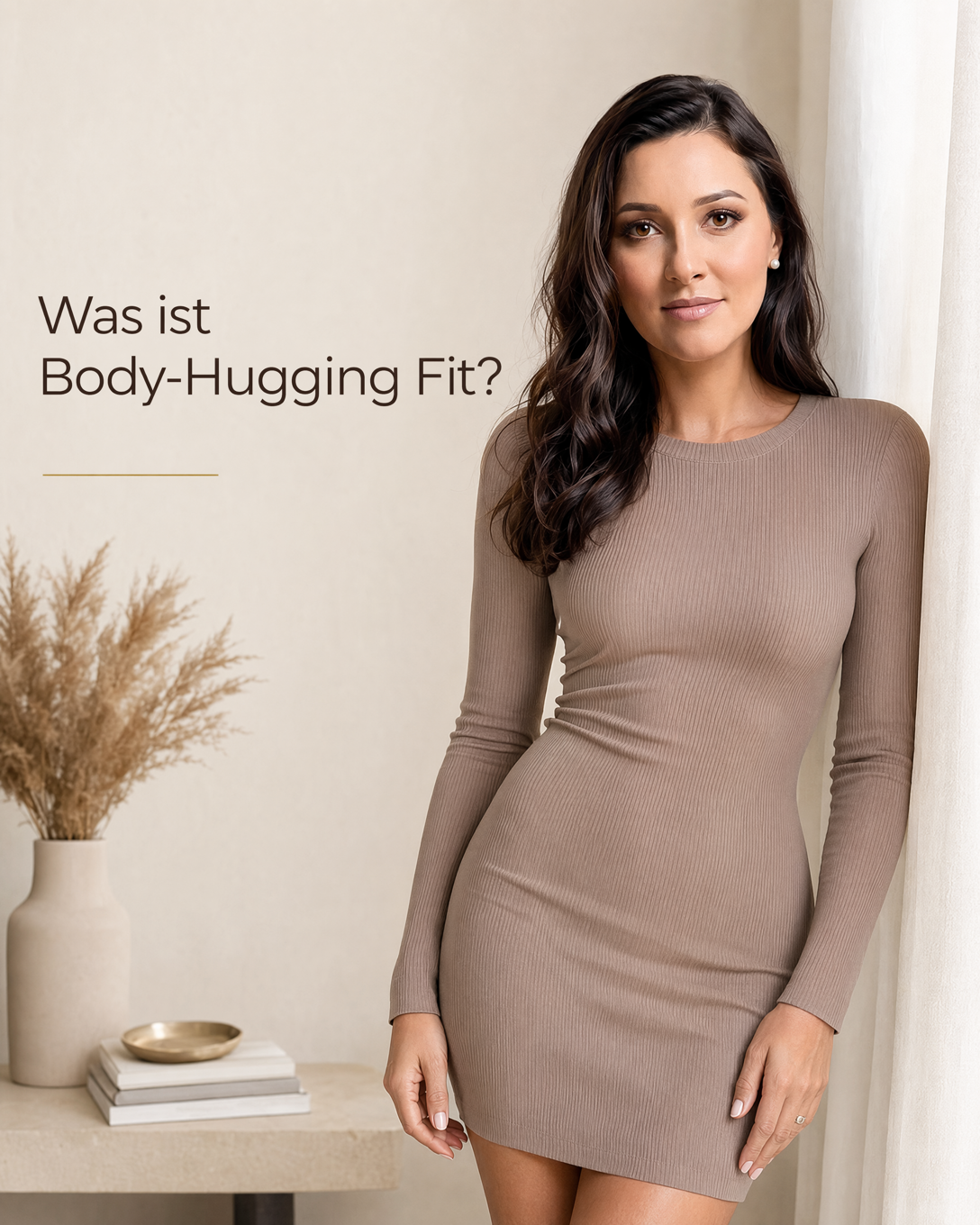
Body-Hugging Fit A body-hugging fit is an extremely close garment fit that follows the body’s contours with a second-skin effect. Learn how it differs from slim fit and bodycon clothing, how to assess comfort, and how to style it.
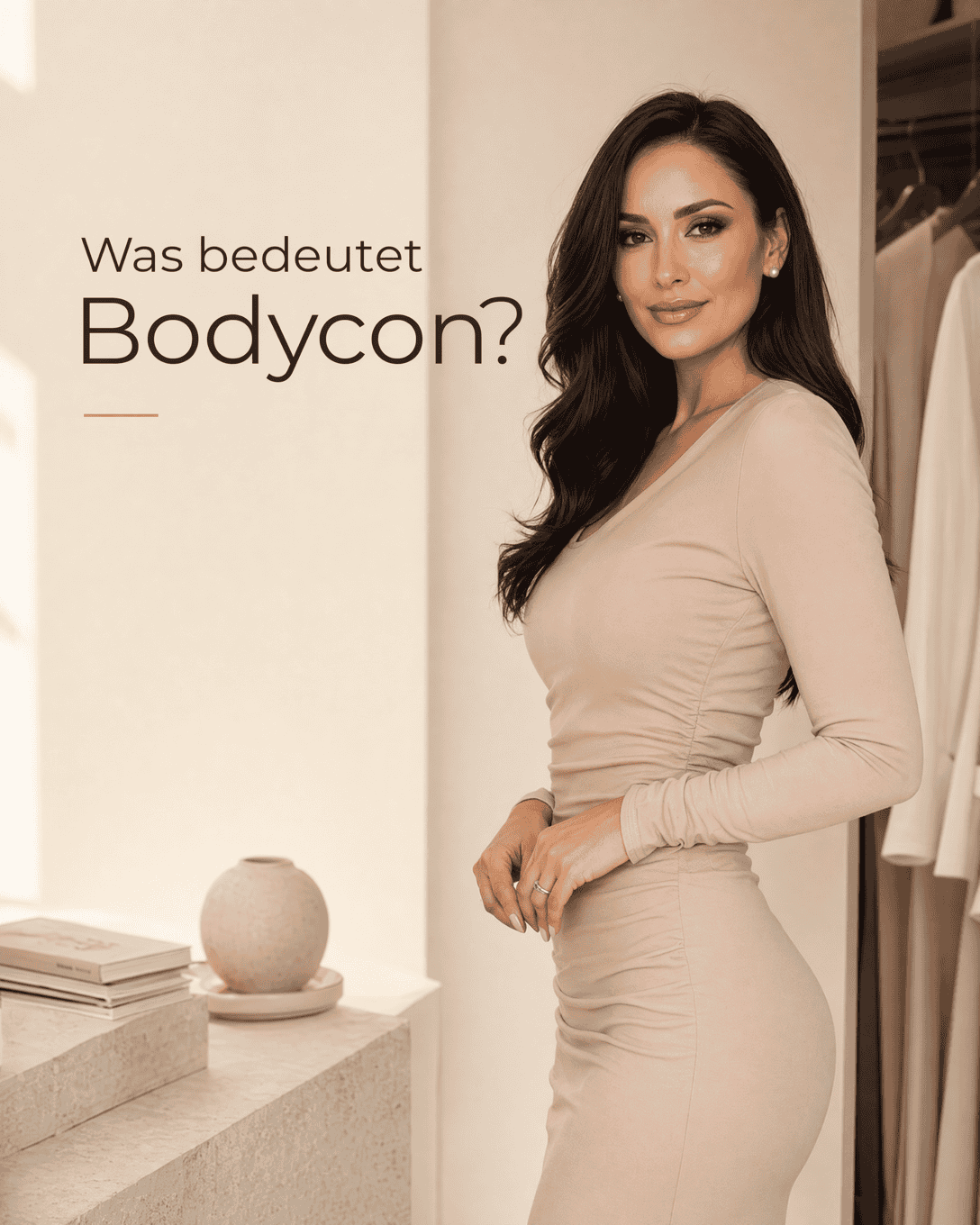
Bodycon Bodycon describes close-fitting clothing that follows and emphasizes the body’s natural contours. Learn what bodycon means, how it differs from shapewear, and how to style it with confidence.
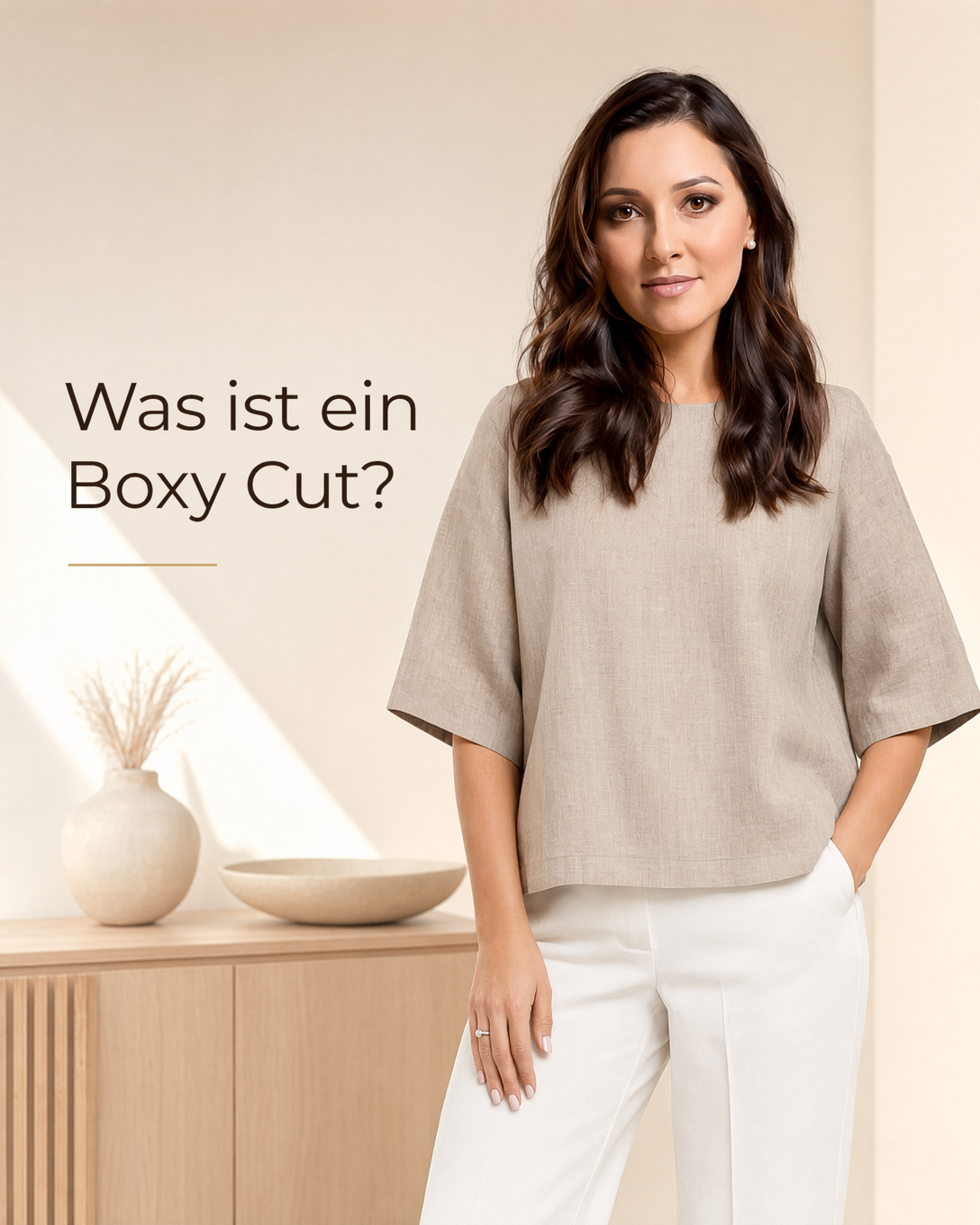
Boxy Cut A boxy cut is a straight, structured garment shape with little or no waist definition. Learn how boxy clothing fits, affects proportion, and can be styled with balance.
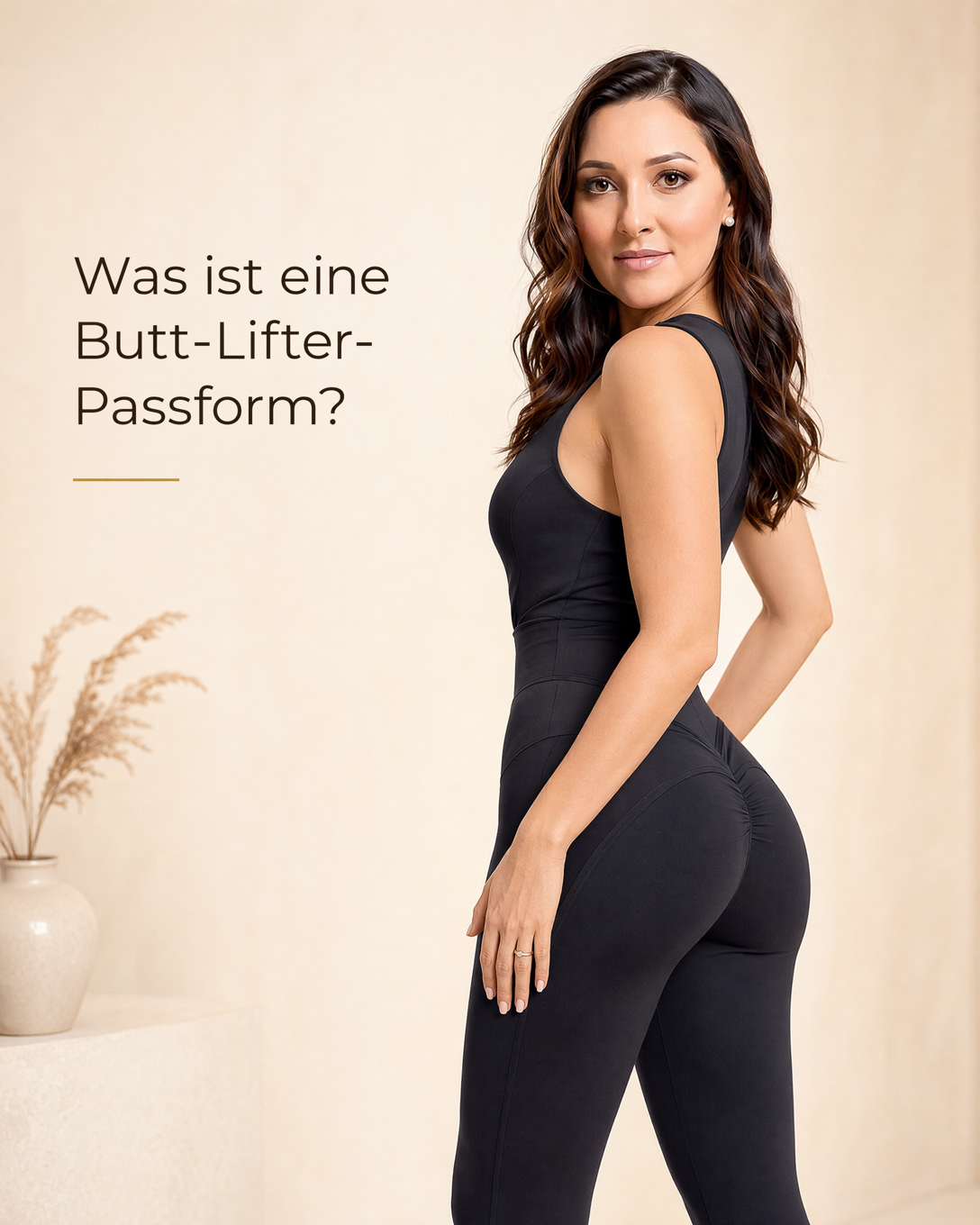
Butt-Lifter Fit A butt-lifter fit is a high-waisted garment construction with targeted support and compression below the seat to create a more lifted, defined silhouette.
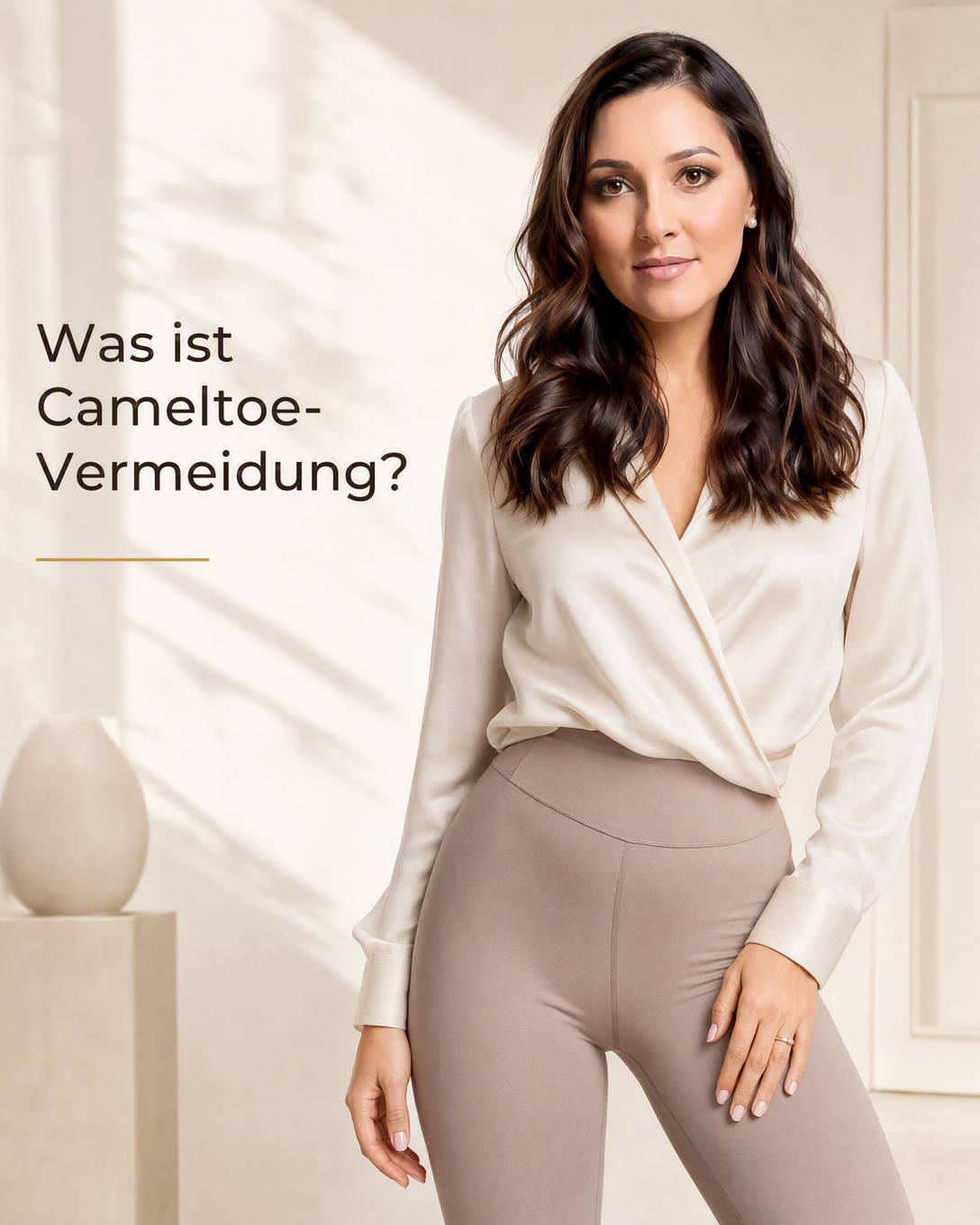
Camel Toe Prevention Camel toe prevention refers to fit, fabric, and construction choices that help reduce unwanted pulling or folding at the crotch in close-fitting leggings, shorts, and swimwear.
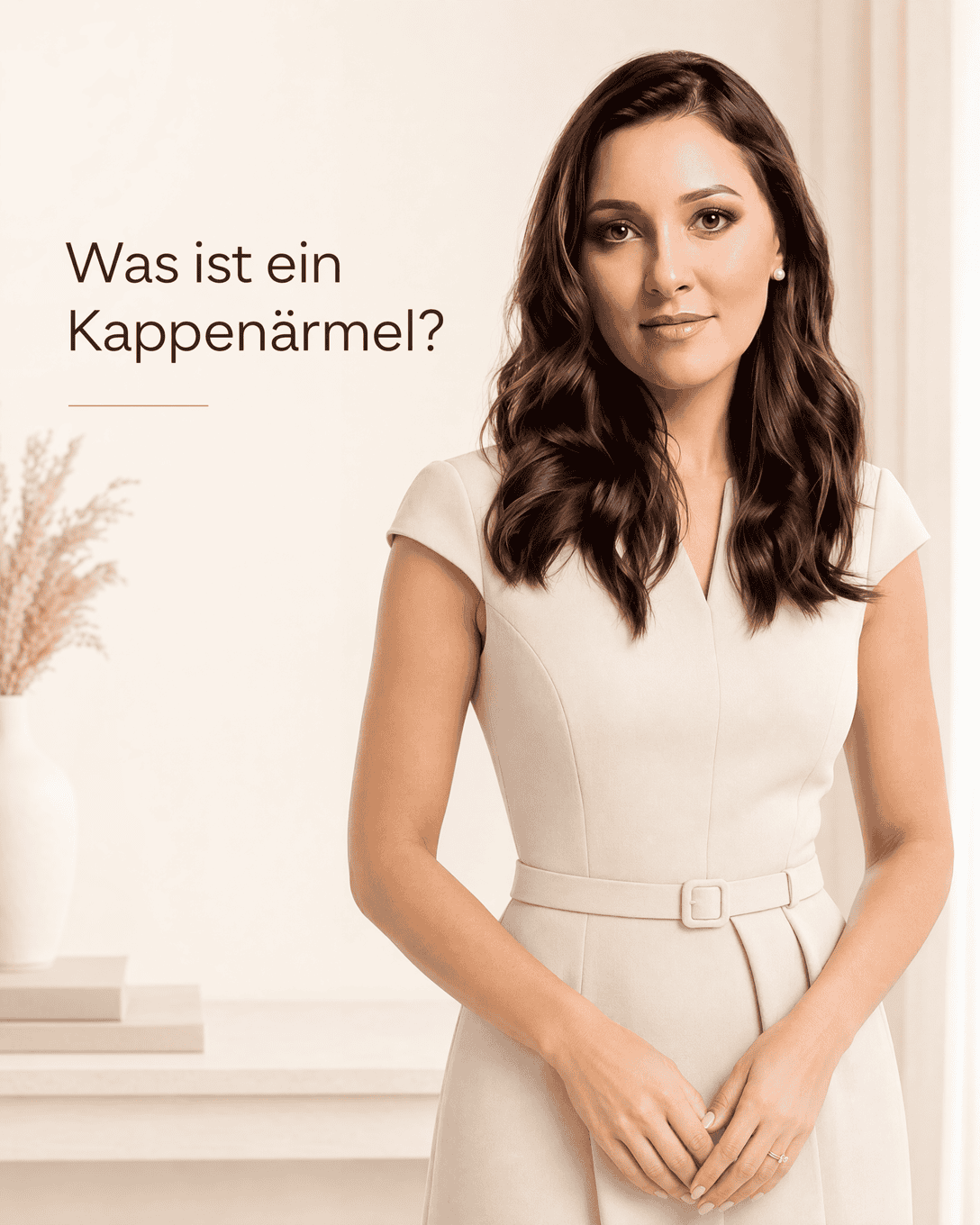
Cap Sleeve A cap sleeve is a very short sleeve that covers only the shoulder area. Learn how cap sleeves affect shoulder line, proportion, fit, and outfit styling.
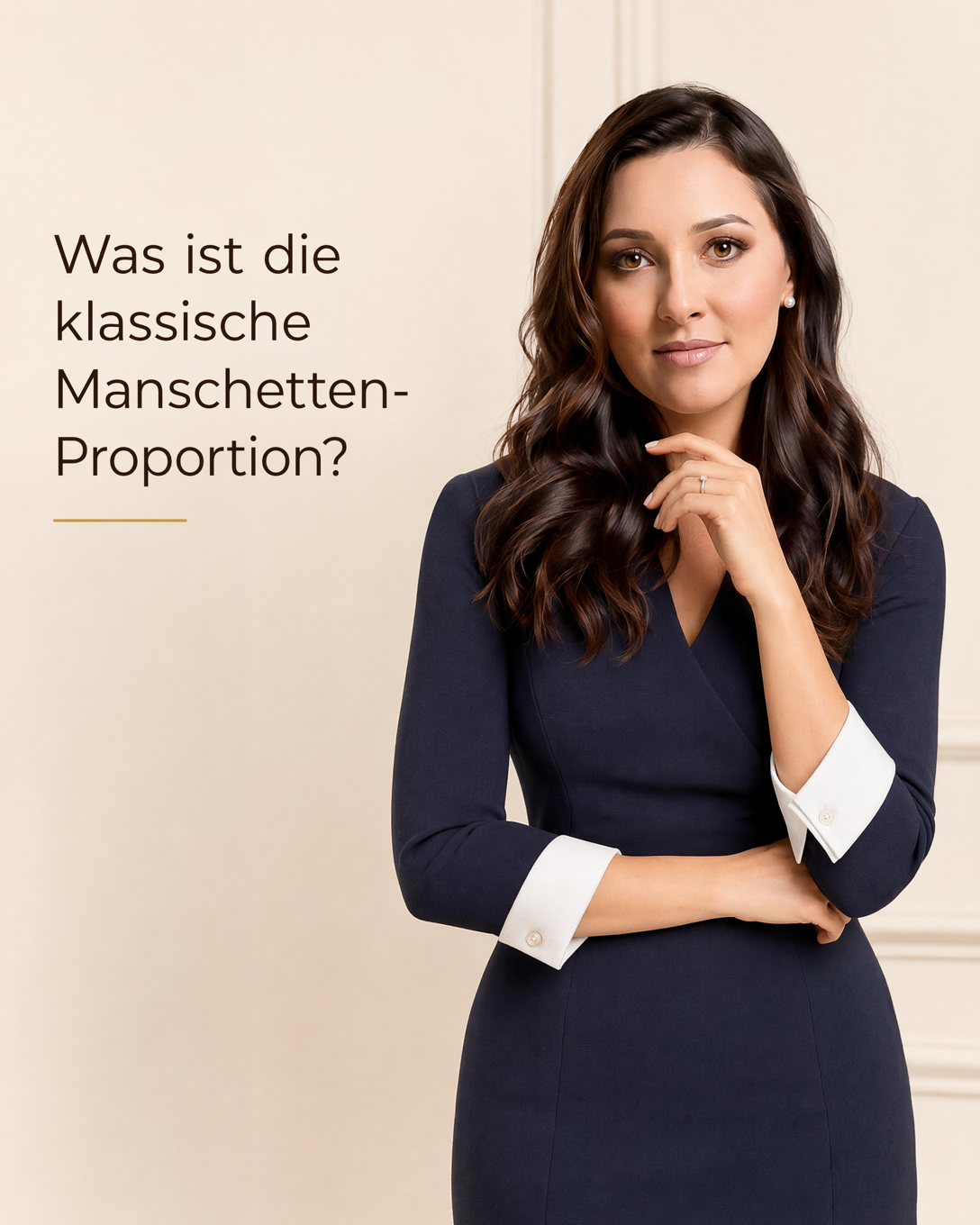
Classic Cuff Proportion Classic cuff proportion is the visible amount of a shirt or blouse cuff that extends beyond a jacket sleeve. It is a traditional tailoring detail that helps create a polished, well-fitted look.
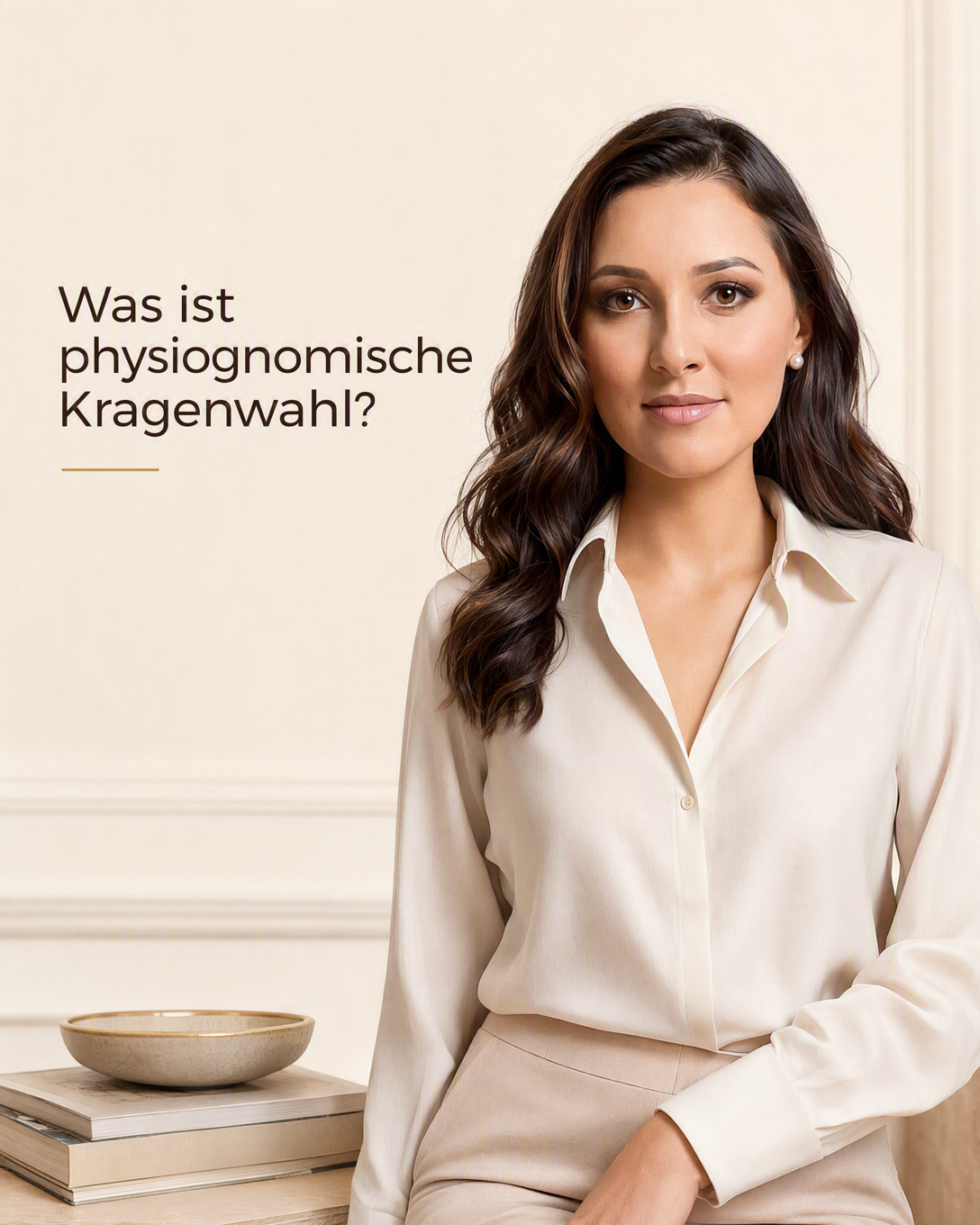
Collar Selection for Face and Neck Proportions Collar selection for face and neck proportions is the intentional choice of collar shape, height, width, and openness to create a balanced frame around the face.
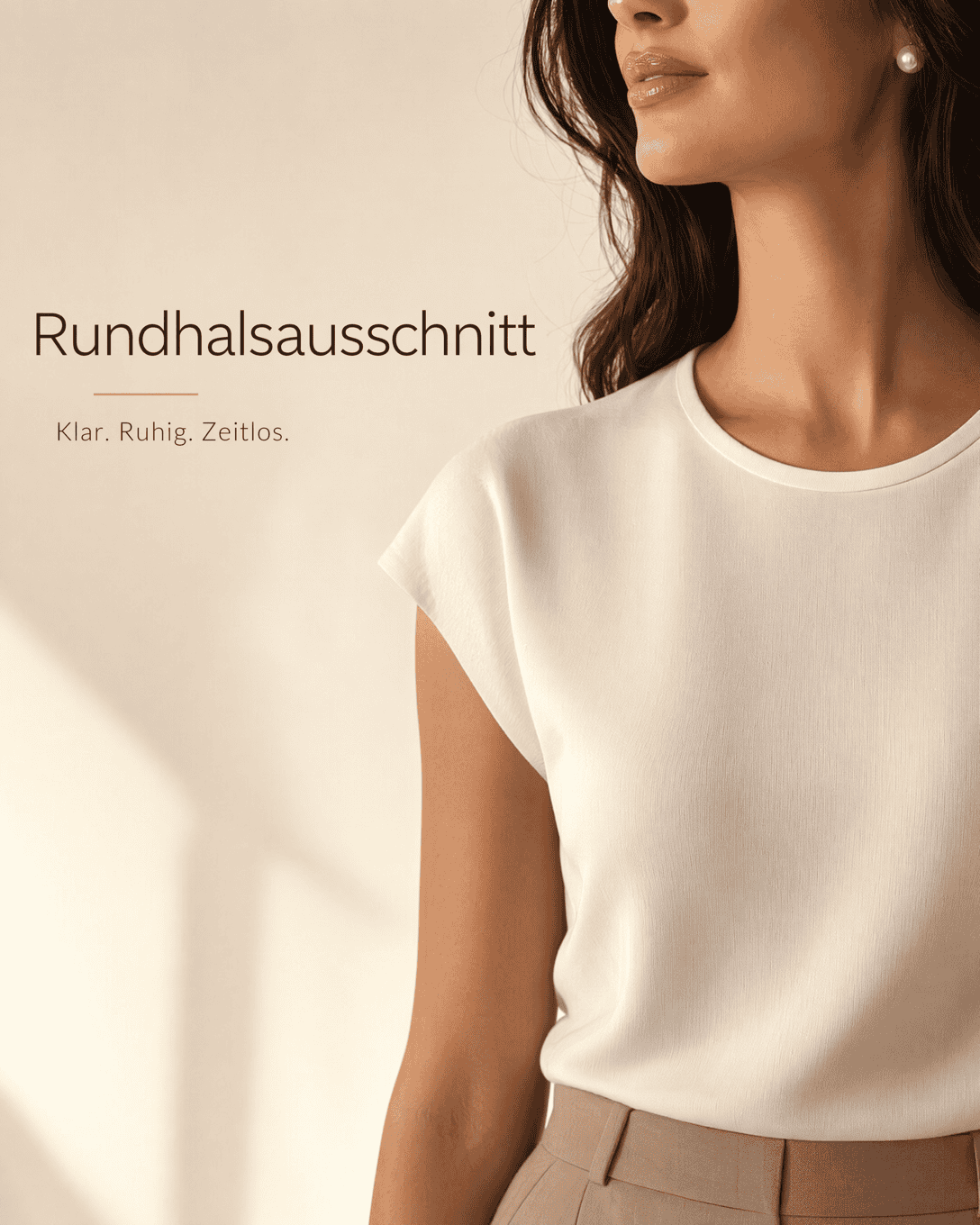
Crew Neck A crew neck is a close-fitting, round neckline that sits at the base of the neck. Learn how it affects proportion, face framing, comfort, and outfit styling.
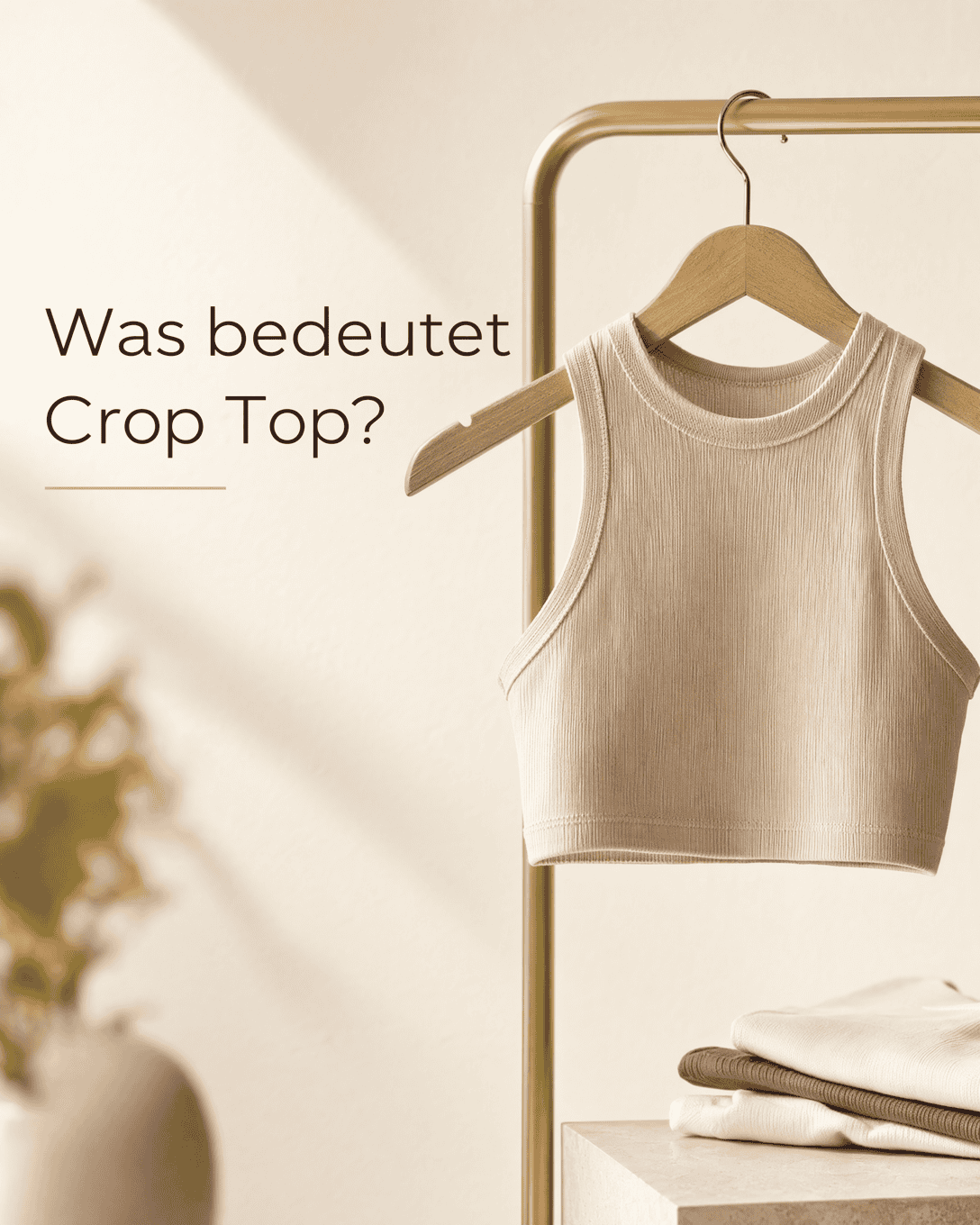
Crop Top A crop top is a top with a shortened hem that reveals part of the waist or midriff. Learn how crop tops affect proportions and how to style them for different outfits and occasions.
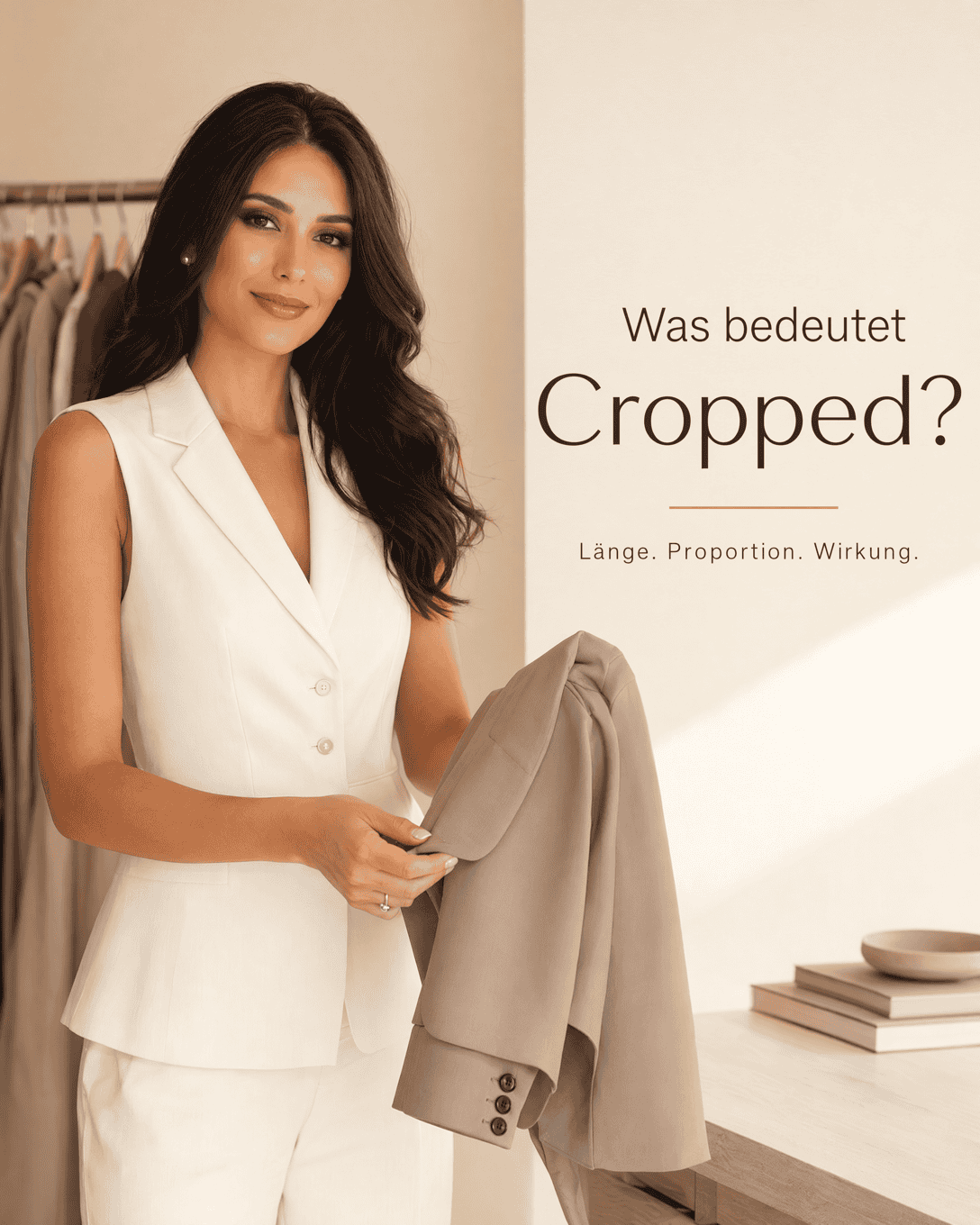
Cropped Cropped describes clothing intentionally cut shorter than a standard length. Learn how cropped tops, jackets, trousers, and hemlines affect proportion, silhouette, and styling.
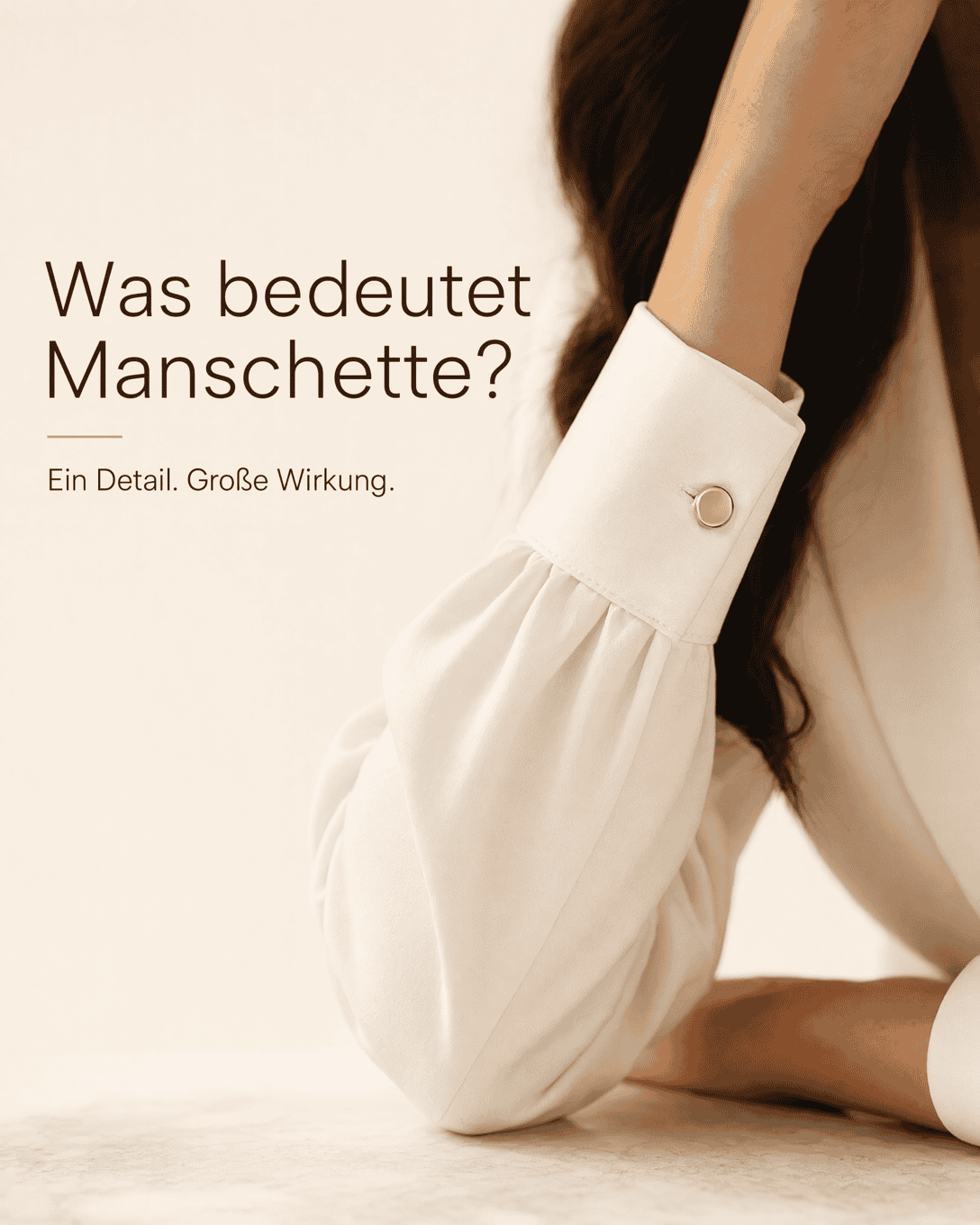
Cuff A cuff is a finished band or turned section at the edge of a sleeve or trouser leg. It shapes the garment’s fit, proportion, comfort, and overall level of formality.
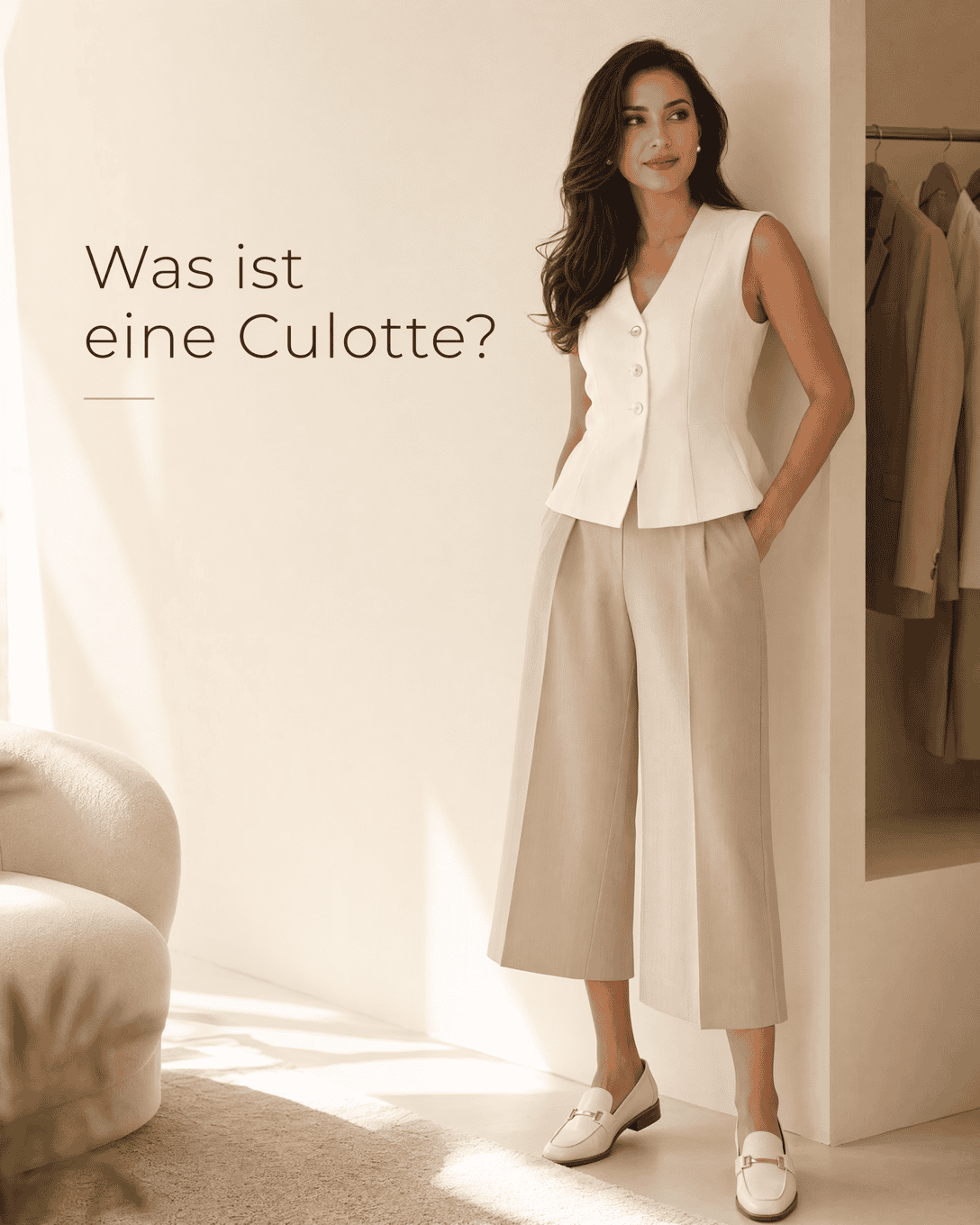
Culotte Culottes are wide-legged, cropped trousers that can resemble a skirt in movement. Learn how culotte trousers fit, how to style them, and what to consider for balanced proportions.
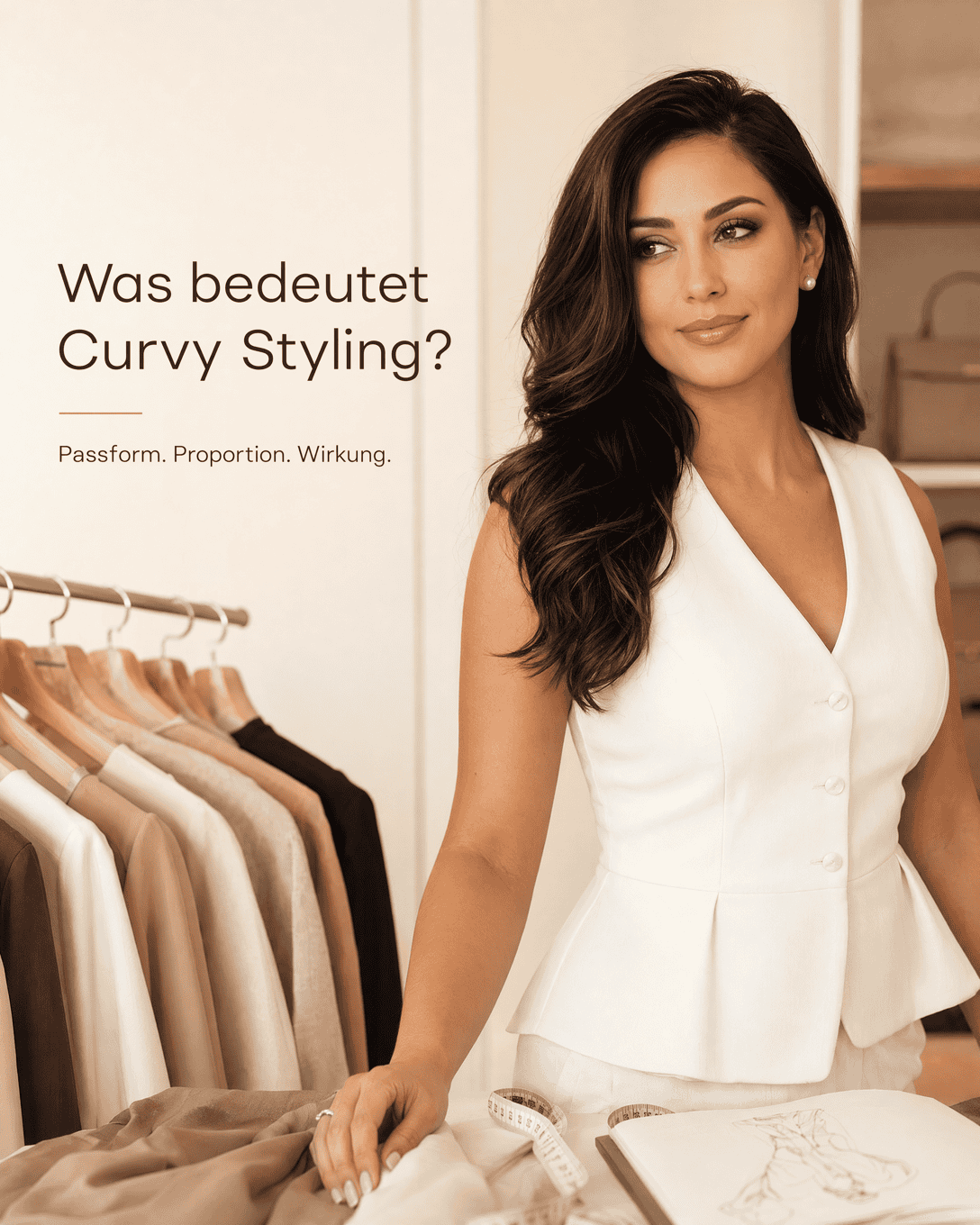
Curvy Styling Curvy Styling is an approach to fit, proportion, and outfit balance that helps people with curves choose clothing that feels comfortable, intentional, and true to their personal style.
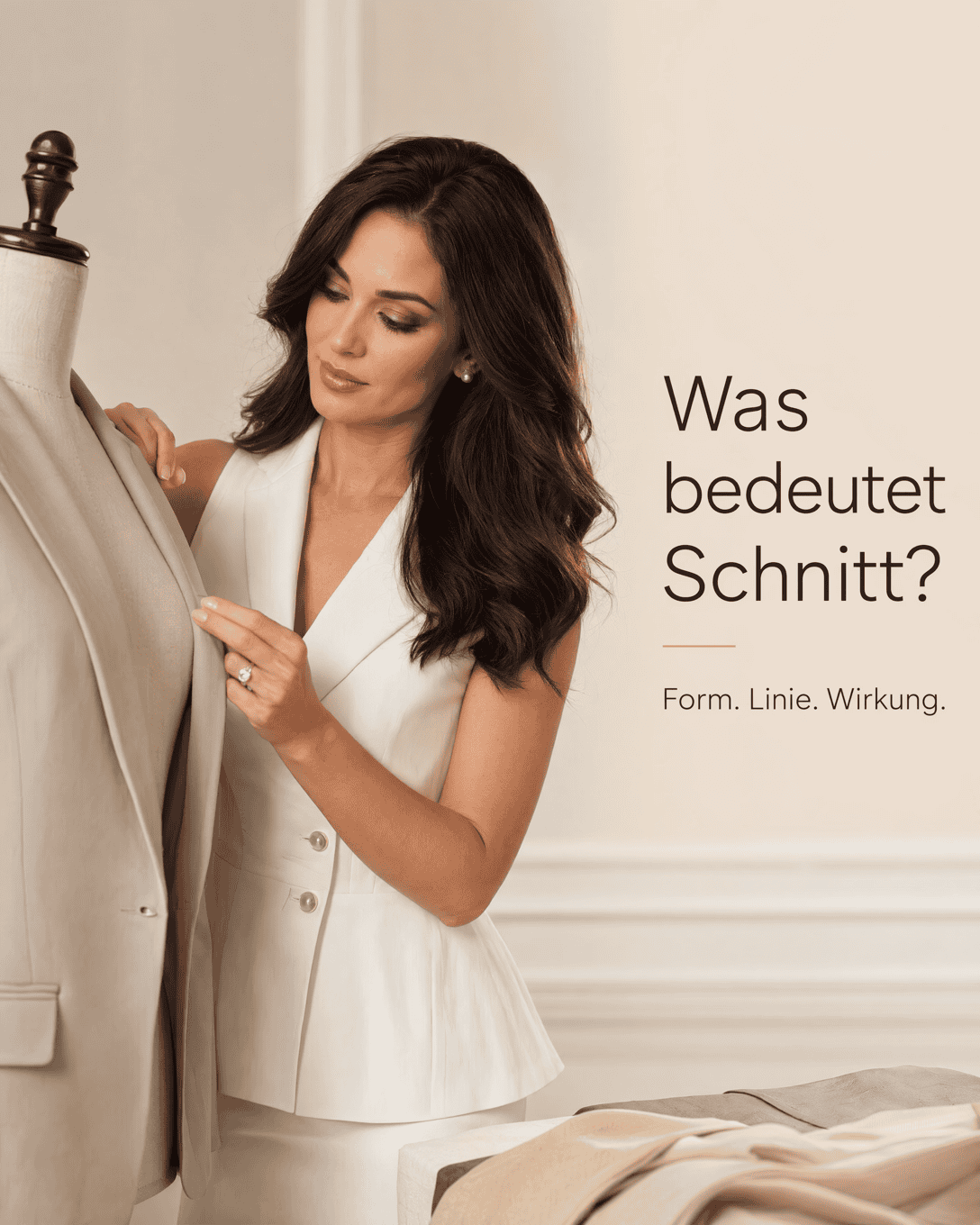
Cut Cut describes how a garment is shaped through its pattern, lines, seams, volume, and proportions. It determines silhouette, movement, fit potential, and visual impact.
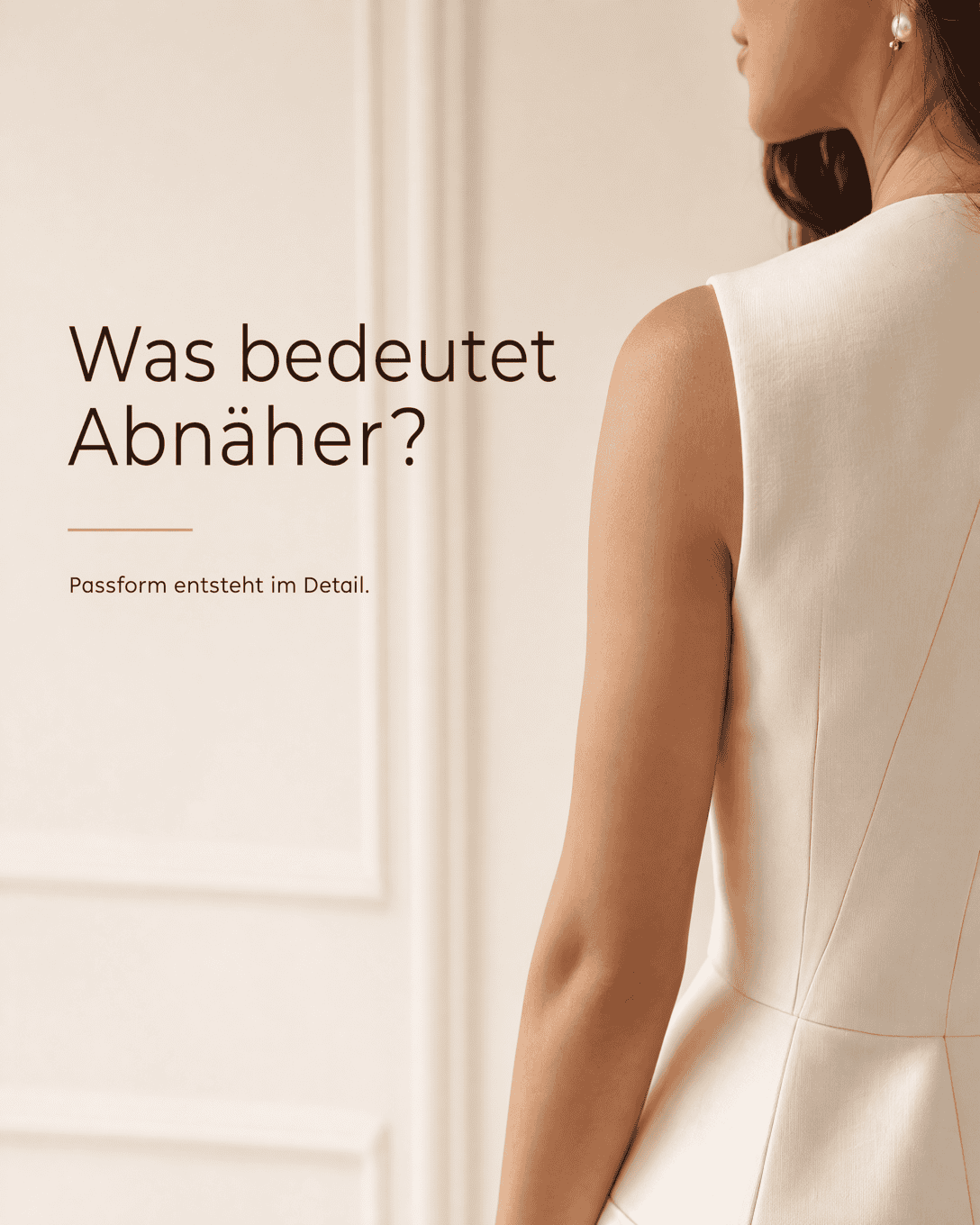
Darts Darts are stitched folds that shape a garment to the body. They remove excess fabric to improve fit, define the waist or bust, and create a more intentional silhouette.
Drop Shoulder A drop shoulder is a sleeve construction with the shoulder seam placed below the natural shoulder point. It creates a relaxed, easy silhouette often seen in sweaters, T-shirts, shirts, and casual jackets.
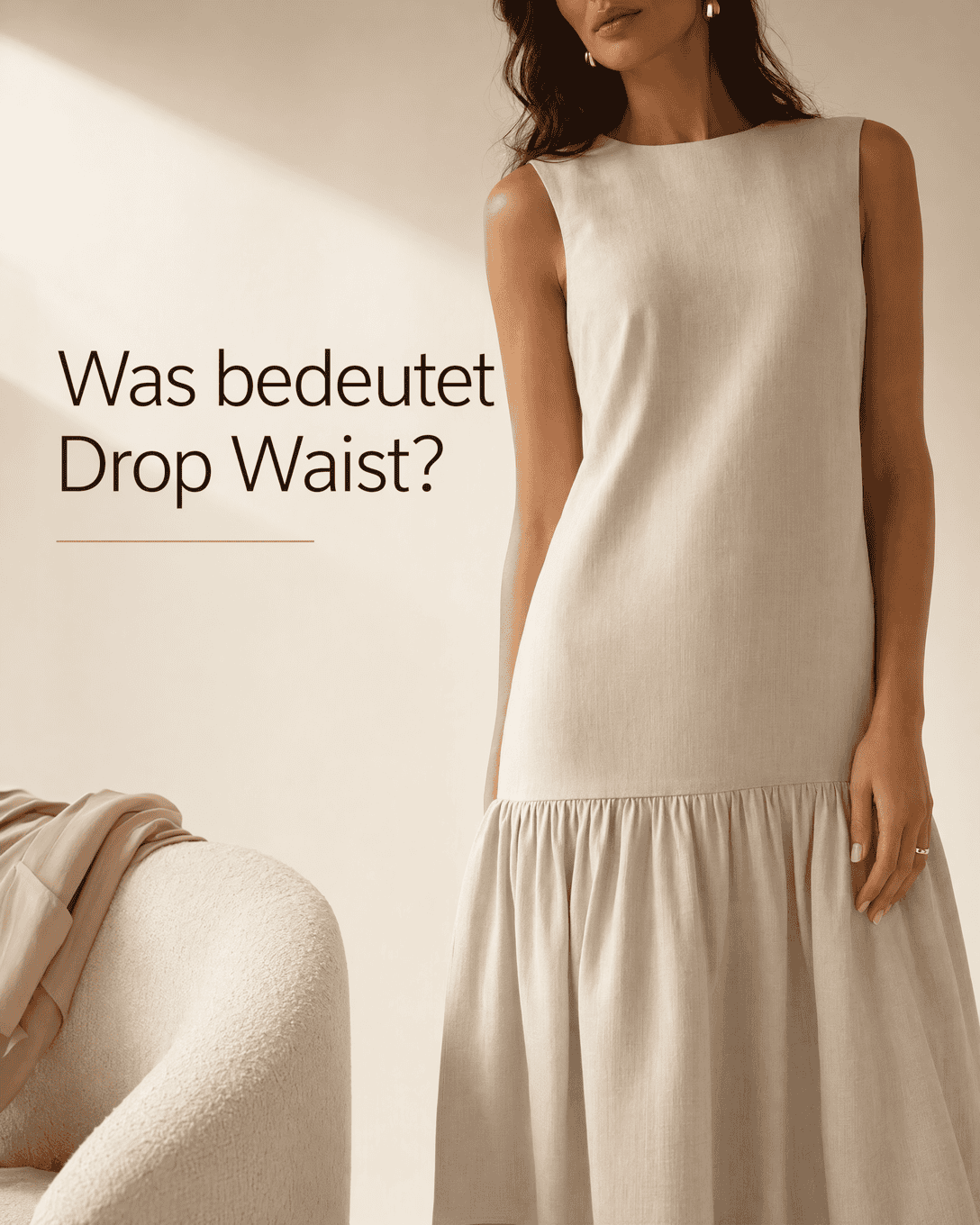
Drop Waist A drop waist is a dress or skirt silhouette with the waist seam placed below the natural waist, often around the hips. Learn how a dropped waist changes proportion, fit, and outfit impact.
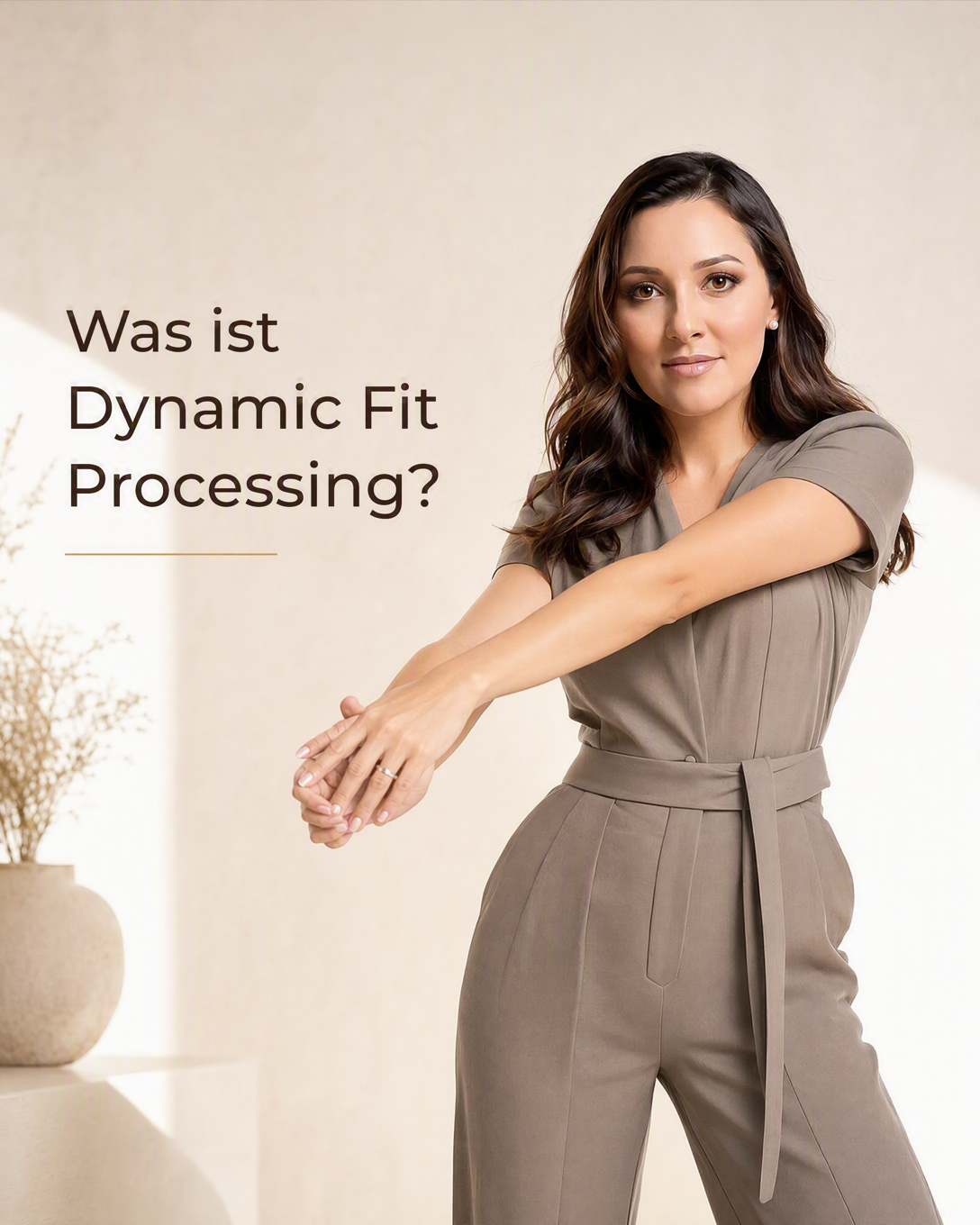
Dynamic Fit Processing Dynamic Fit Processing assesses how clothing fits not only when standing still, but through natural movements such as walking, sitting, reaching, bending, and lifting the arms.
Fell seam A fell seam, also called a flat-felled seam, encloses raw fabric edges within the seam and secures them with visible parallel stitching. It is a strong, neat seam finish commonly found in jeans, shirts, workwear, and durable everyday clothing.
Fit Fit describes how clothing sits and moves on your body. It includes comfort, balance, shape, and whether a garment creates the intended visual effect.
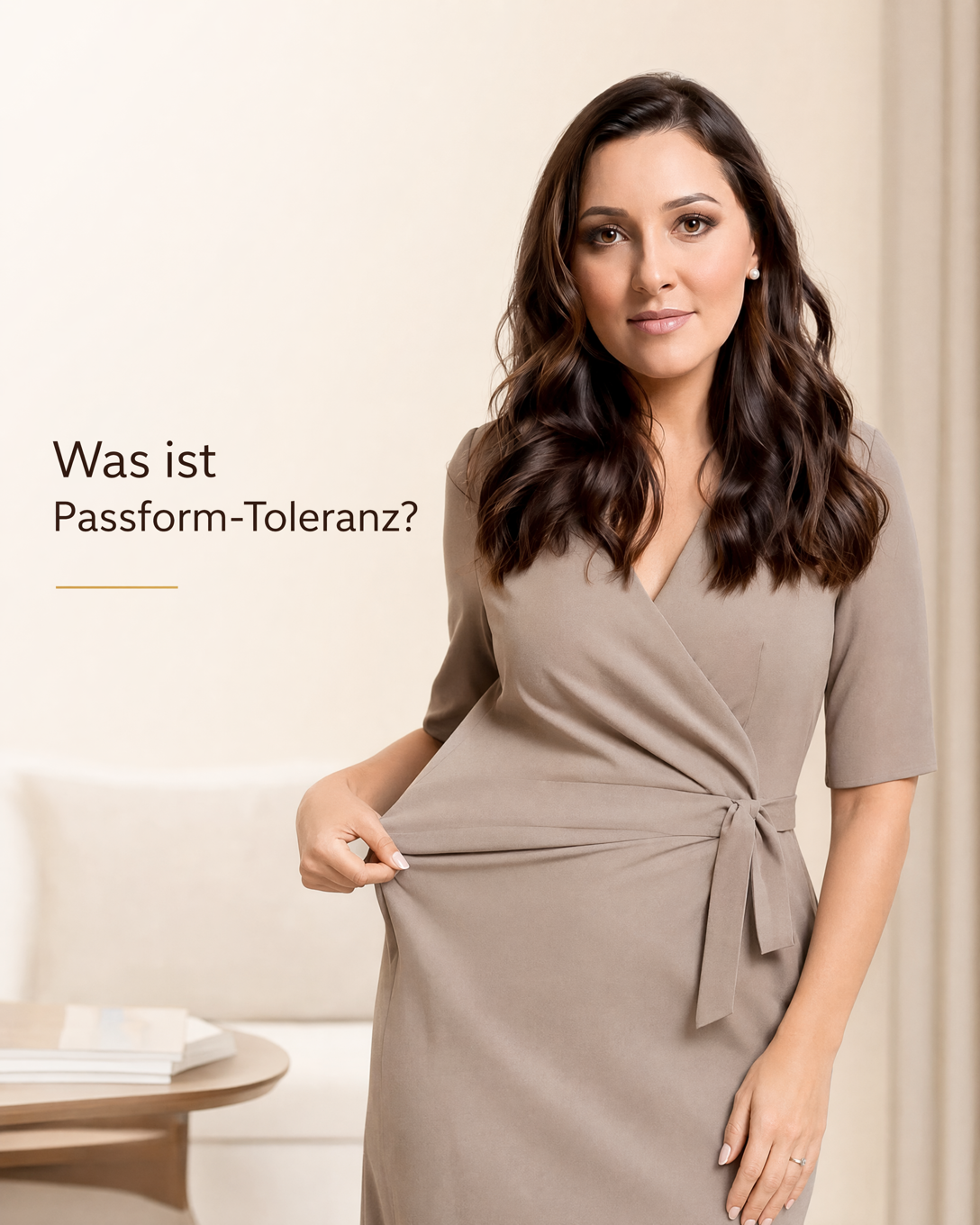
Fit Tolerance Fit tolerance is the planned amount of space between the body and a garment that allows comfortable movement while preserving a neat, close-to-body appearance.
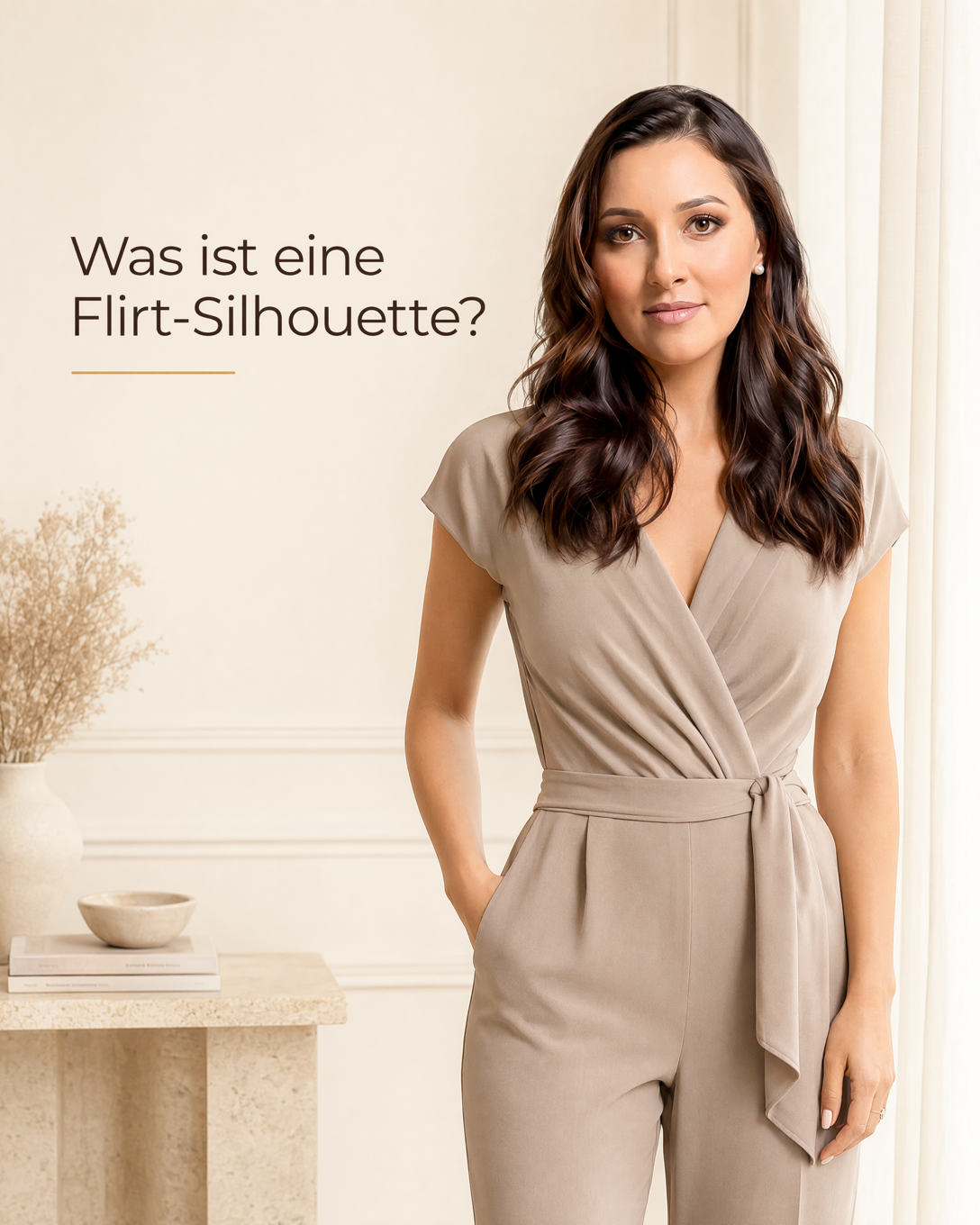
Flirt Silhouette A flirt silhouette is a softly body-aware cut that follows natural contours without restricting movement, creating a confident, dynamic, feminine, masculine, or androgynous effect.
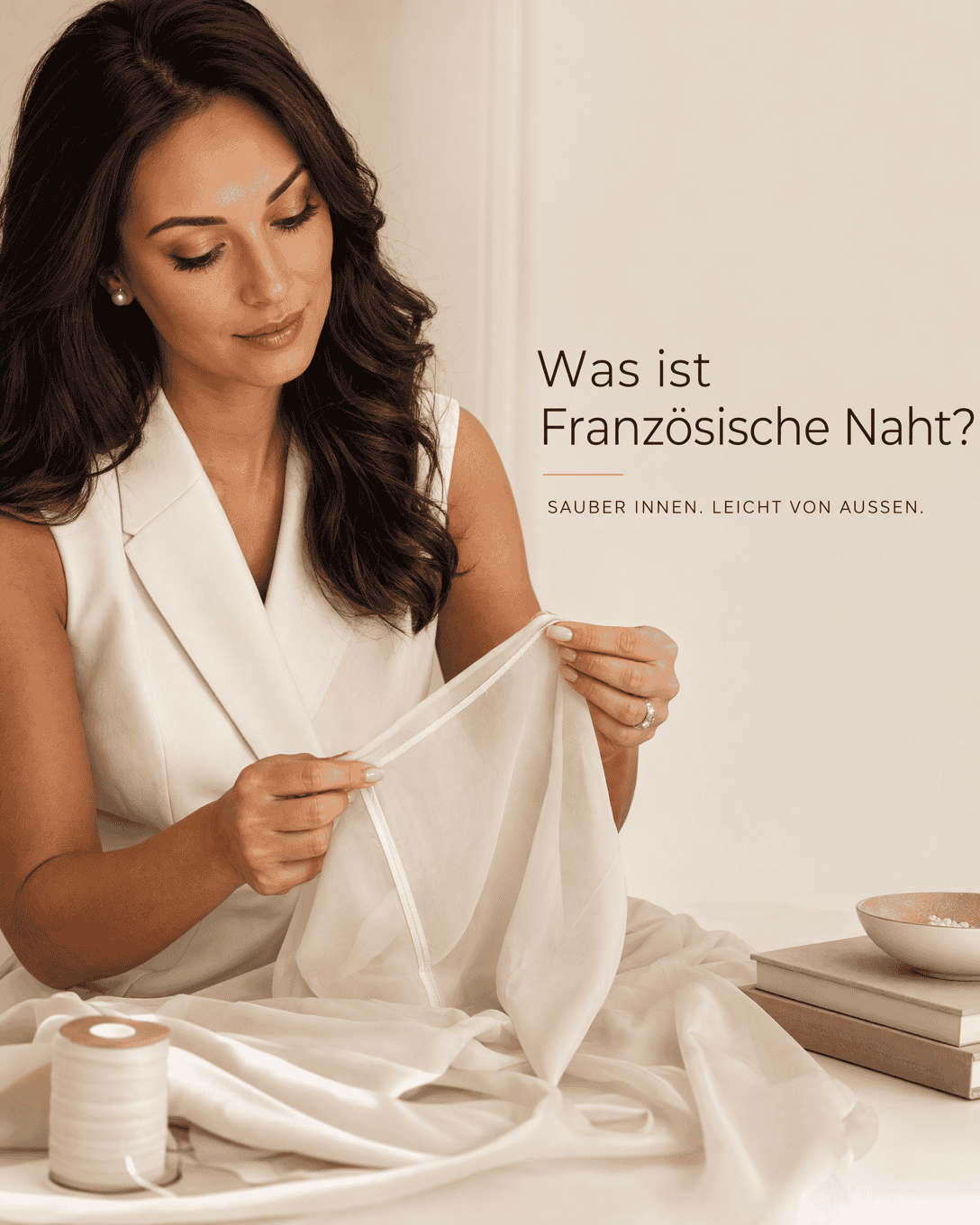
French seam A French seam is a neat enclosed seam finish that hides raw fabric edges inside a second seam. It is especially useful for lightweight, sheer, and fraying fabrics.
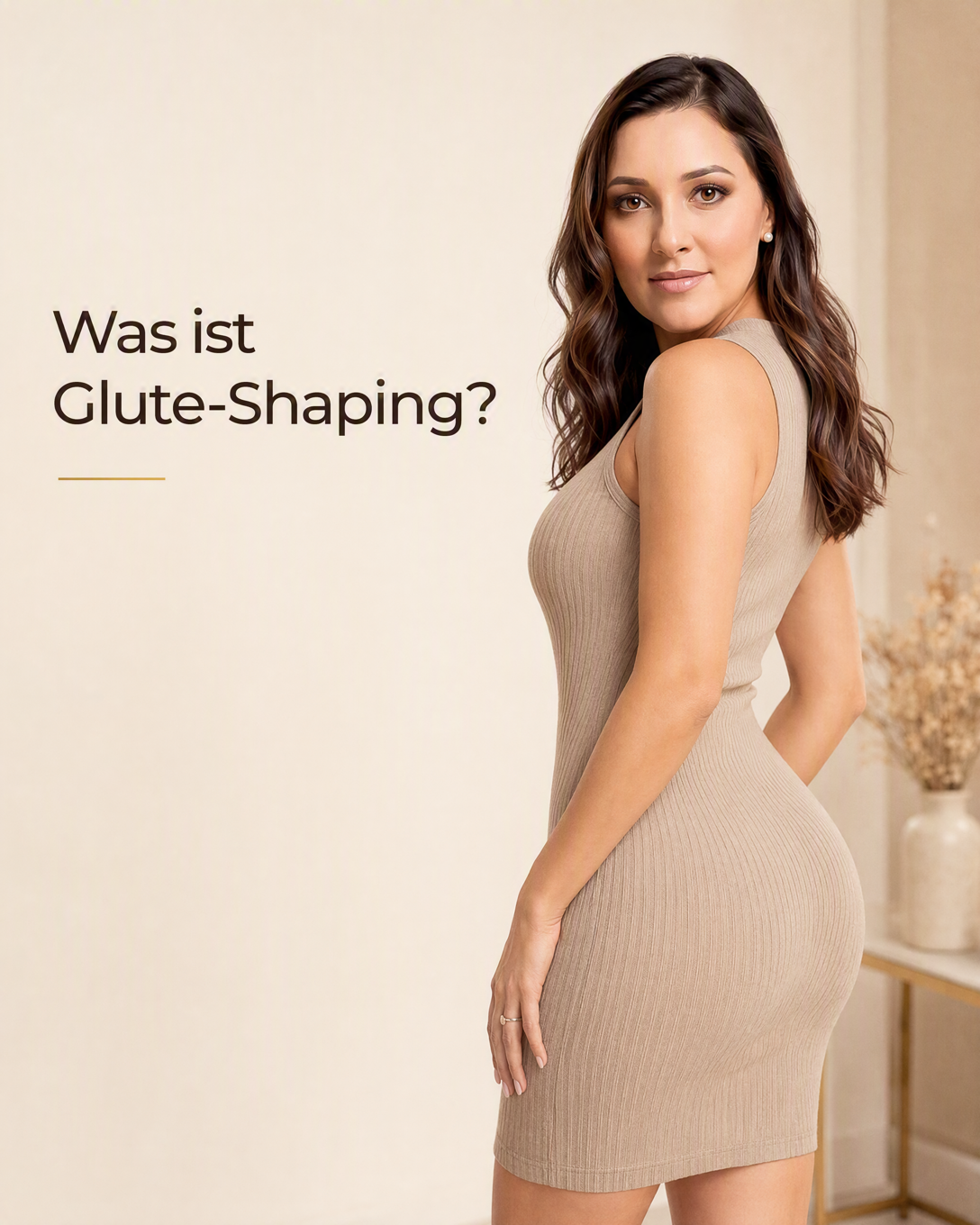
Glute Shaping Glute shaping describes how stretch fabric, seam placement, yoke construction, and pocket position work together to define or emphasize the curve of the hips and seat.
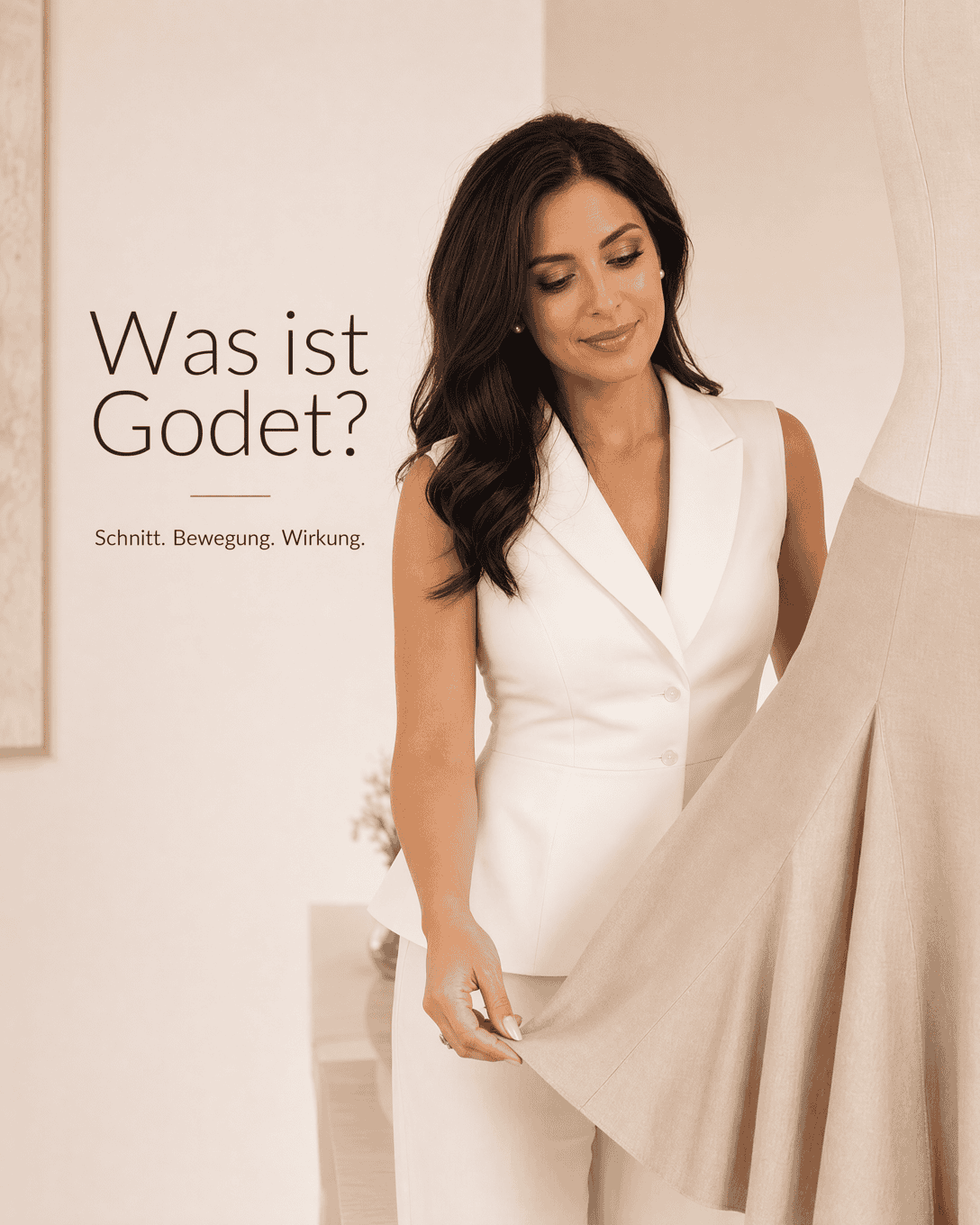
Godet A godet is a wedge-shaped fabric insert sewn into a seam to add controlled width, movement, and flare to skirts, dresses, and sleeves.
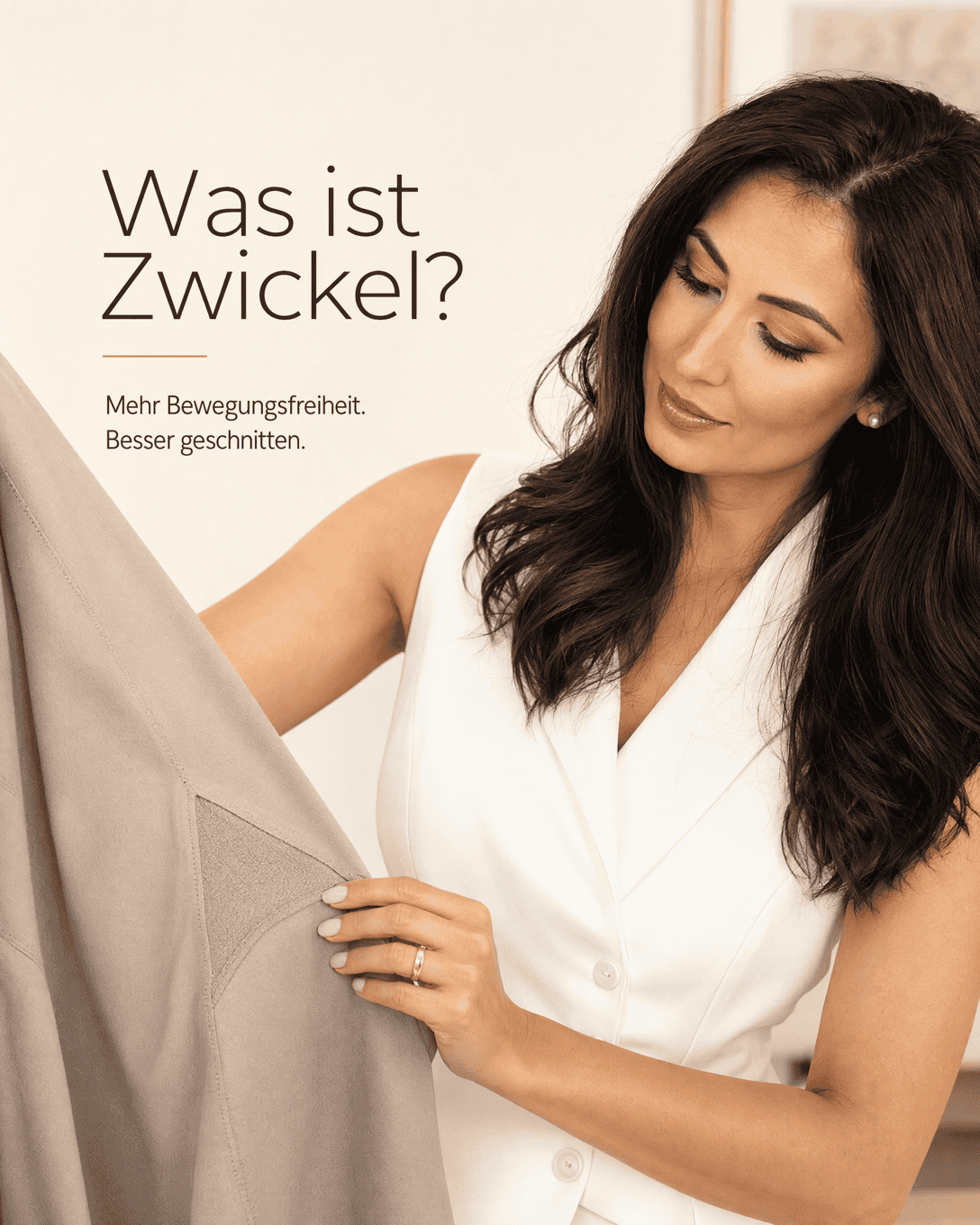
gore A gusset, also called a gore in some construction contexts, is an inserted piece of fabric that adds movement, shape, or stability where a garment is under strain.
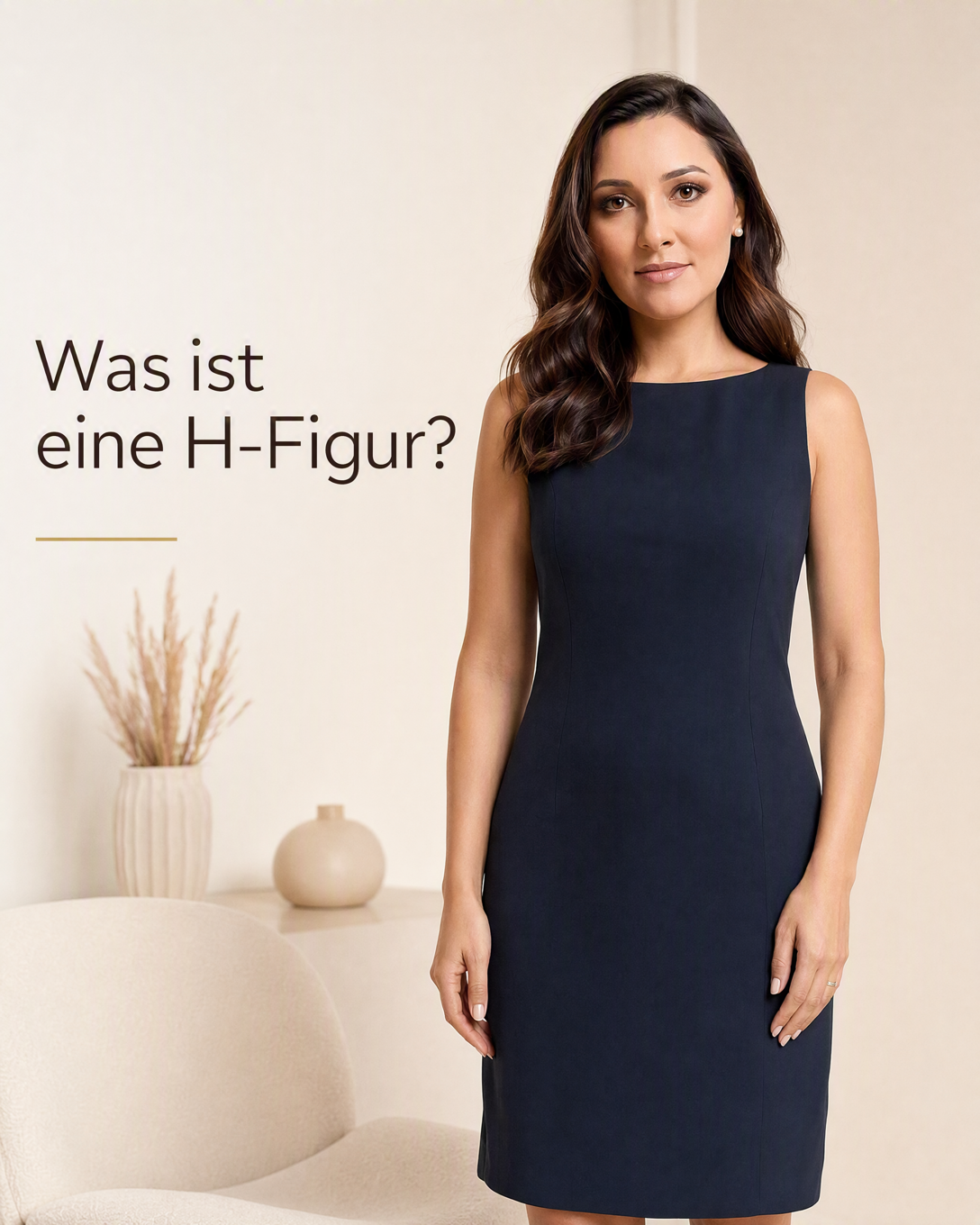
H Body Shape An H body shape describes a relatively straight body outline, where the shoulders, waist, and hips appear similar in width. Learn how clothing cuts, waist placement, and proportion can create definition or support a clean column silhouette.
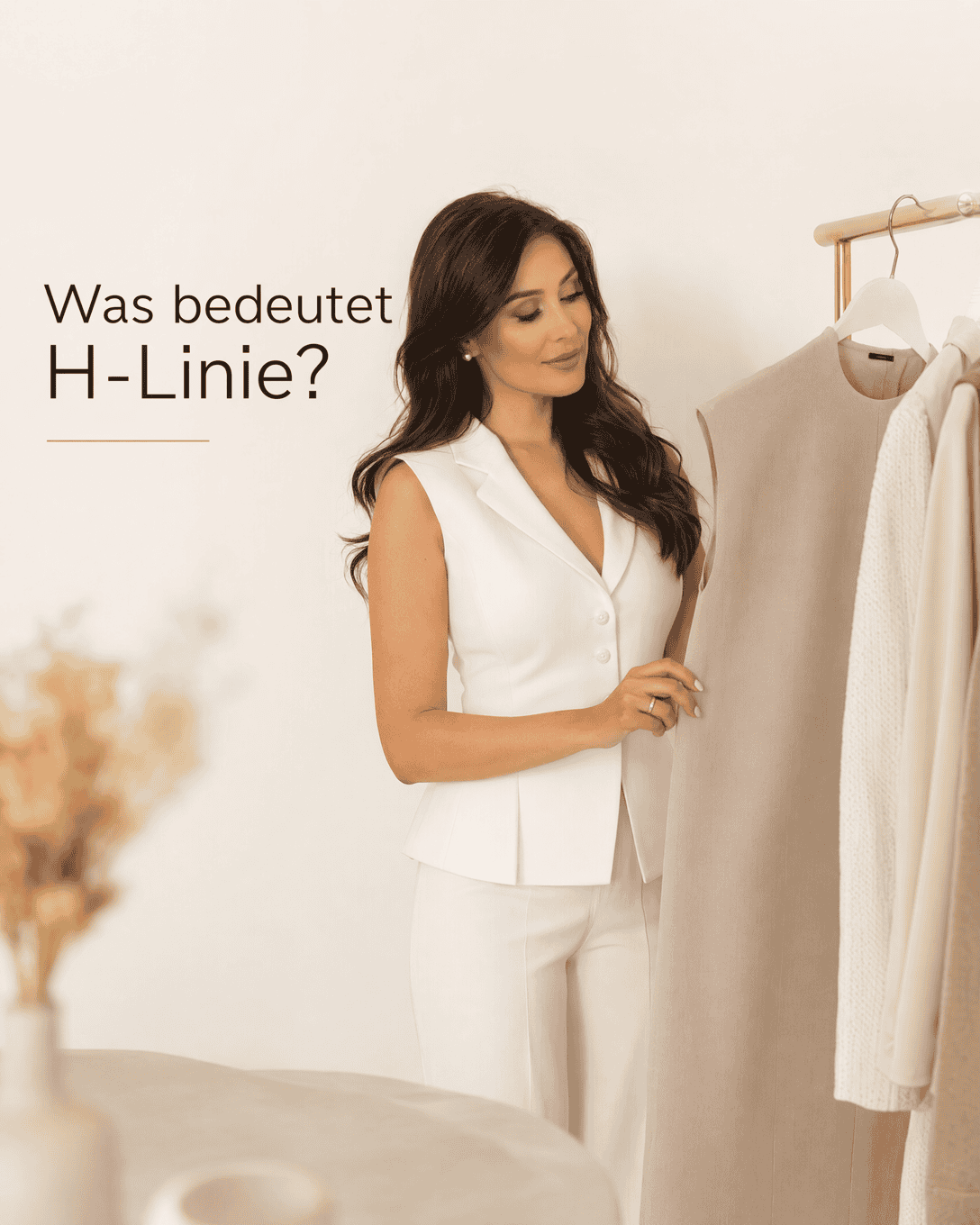
H-Line H-Line is a straight, elongated silhouette with little waist emphasis. It creates a calm, column-like outline through similar visual width at the shoulders, waist, and hips.
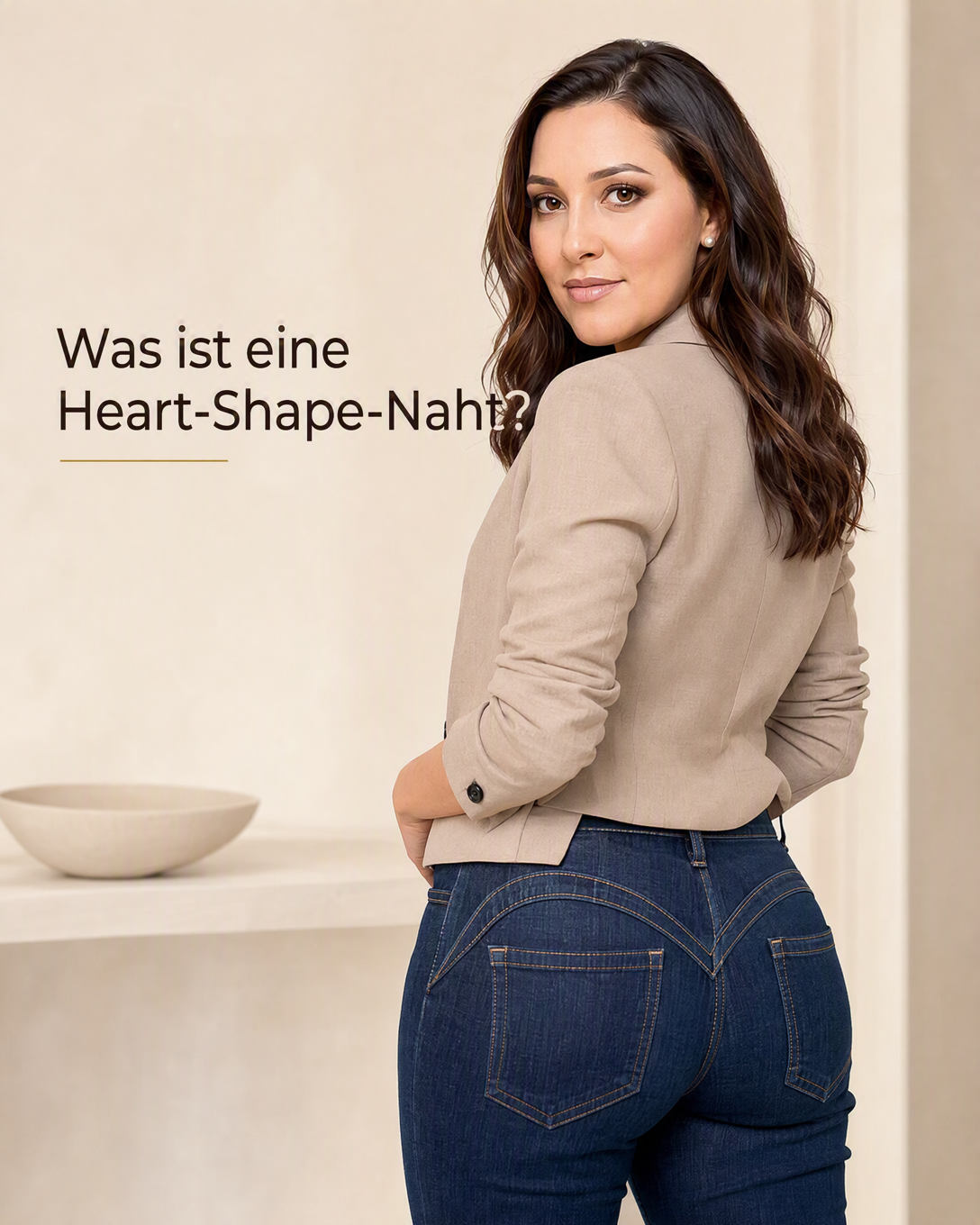
Heart-Shaped Back Yoke Seam A heart-shaped back yoke seam is a V-shaped or softly curved seam above the back pockets that can create a visually lifted, rounded seat in jeans and trousers.
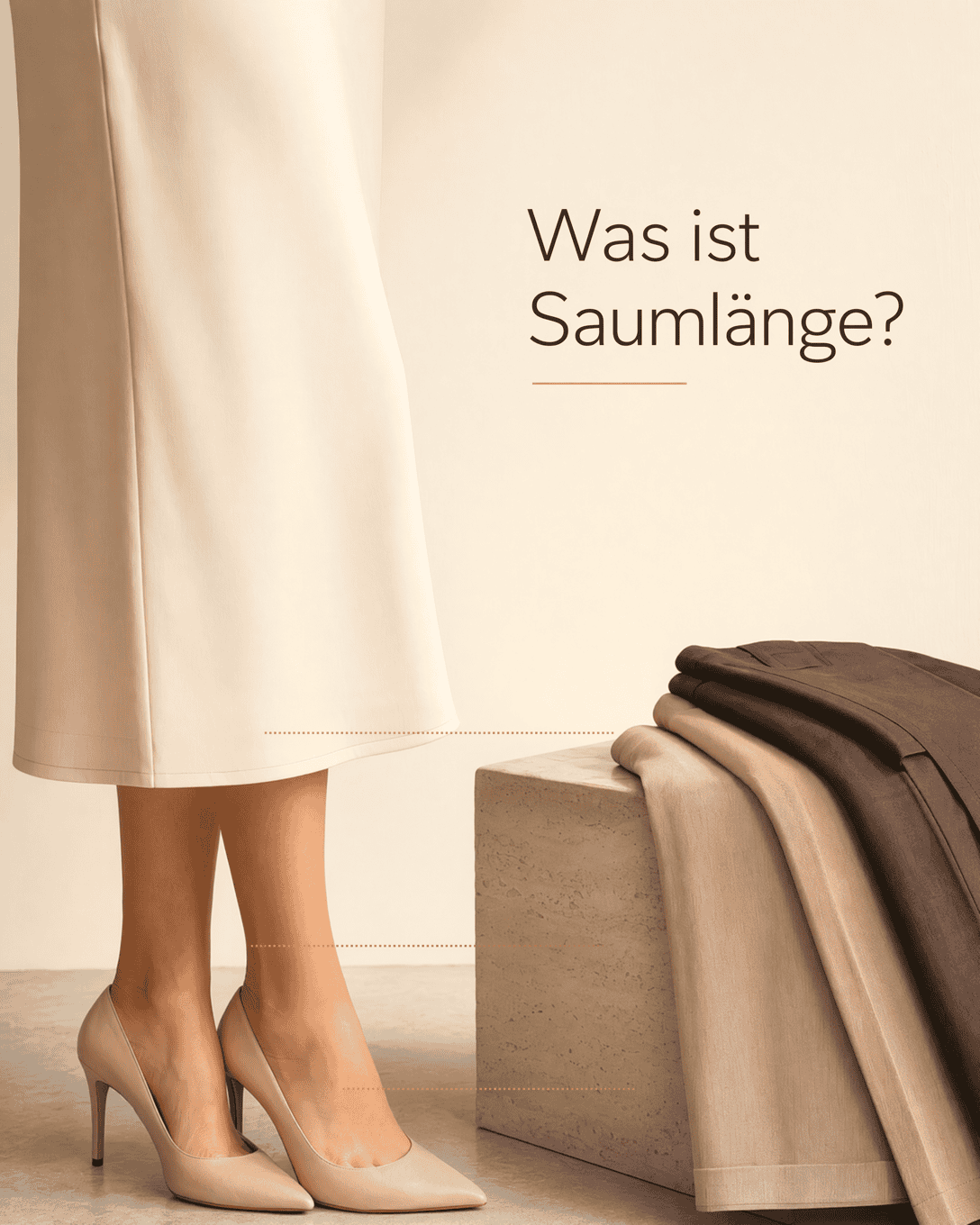
Hem Length Hem length describes where the lower edge of a garment ends on the body. It influences proportion, silhouette, movement, and how polished an outfit appears.
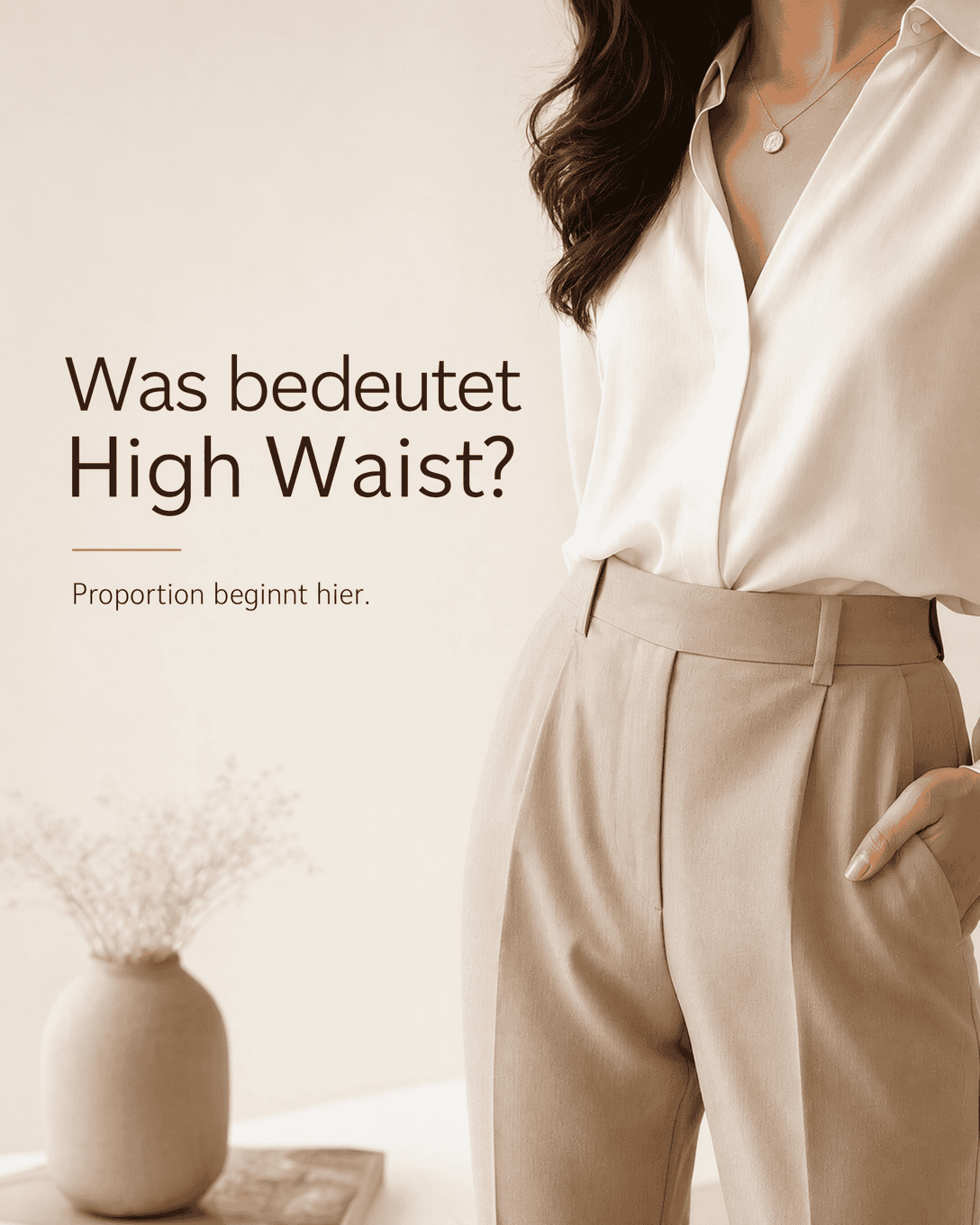
High Waist High Waist describes trousers, skirts, shorts, or dresses with a waistline placed at or above the natural waist, creating a higher visual waist position and changing body proportion.
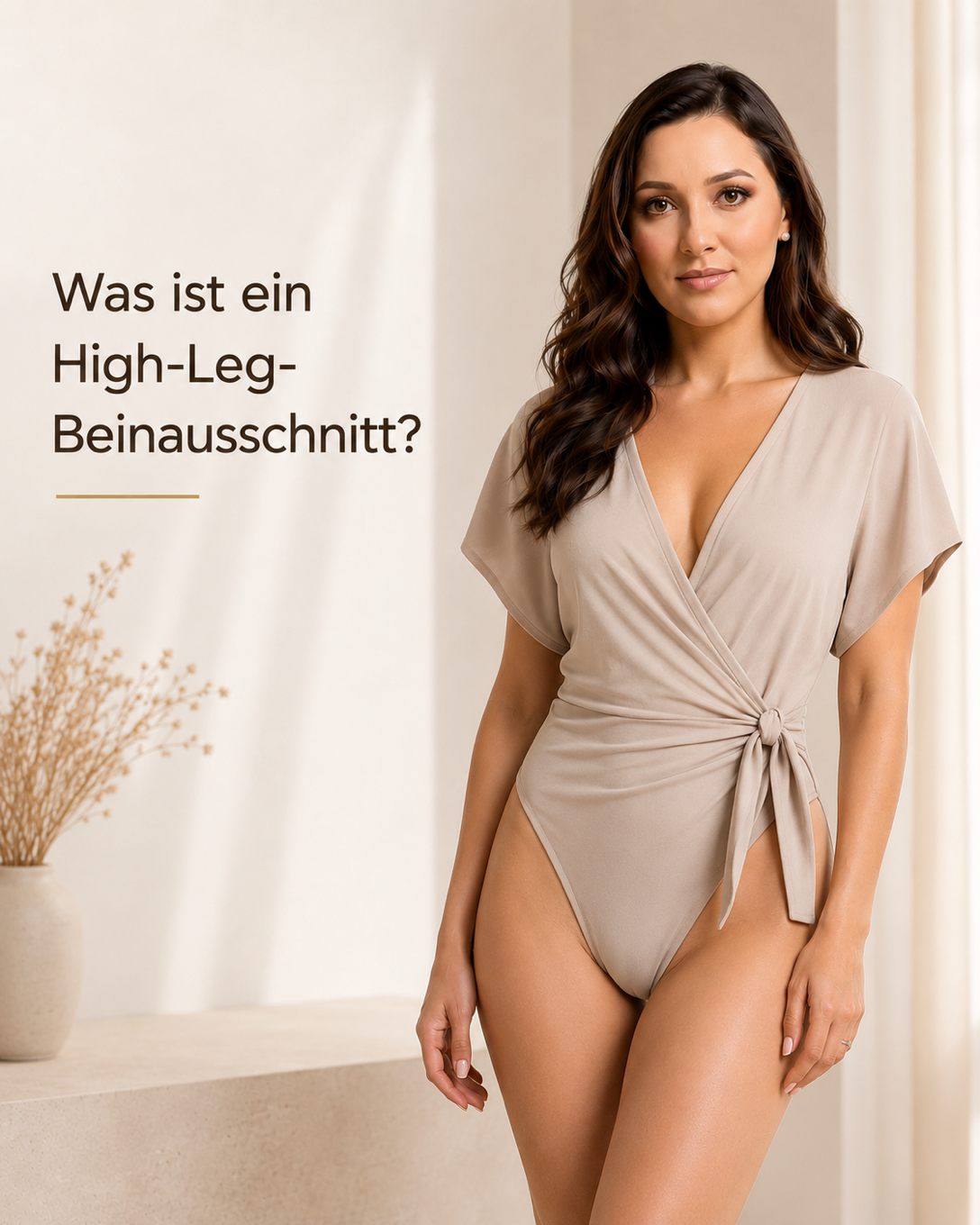
High-Leg Bikini Cut A high-leg bikini cut has leg openings that rise high over the hips, visually lengthening the legs and emphasizing the hip line.
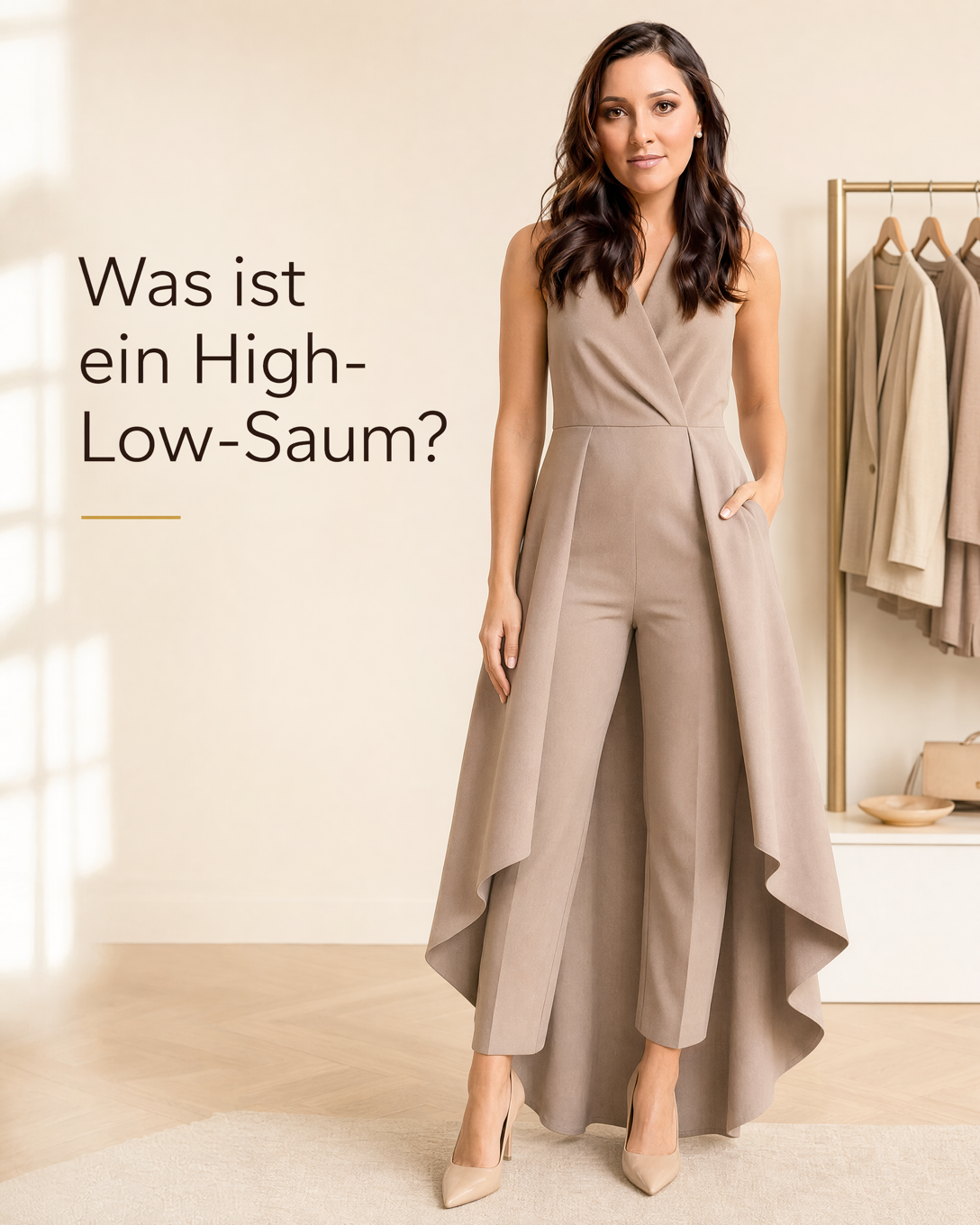
High-Low Hem A high-low hem is an asymmetrical hemline that is shorter at the front and longer at the back. It creates movement, visual interest, and a dynamic silhouette in dresses, skirts, tops, and outerwear.
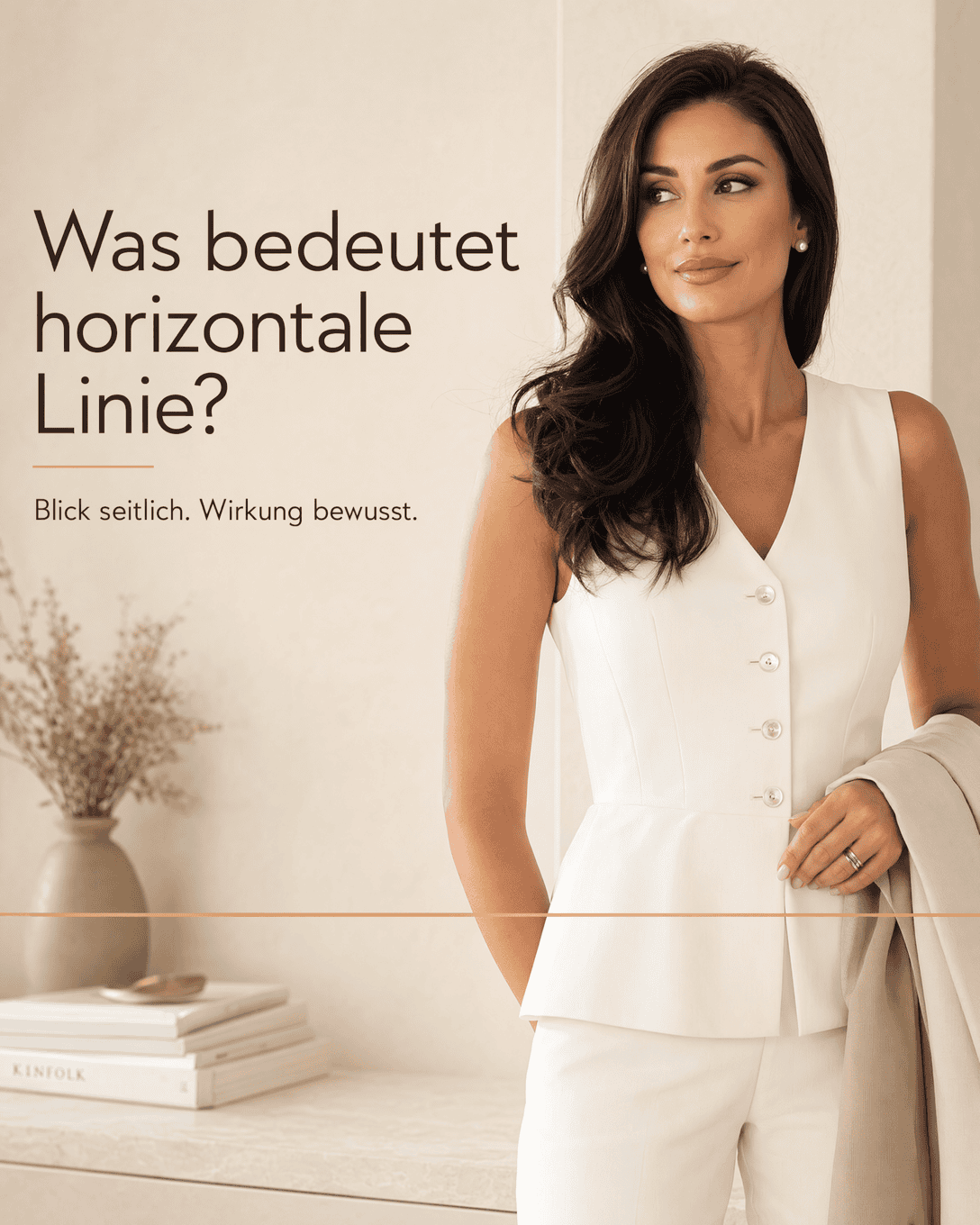
Horizontal Line A horizontal line in fashion is a visual line that runs across the body, created by hems, waistbands, stripes, color blocks, or design details. It can change perceived proportion, emphasis, and balance within an outfit.
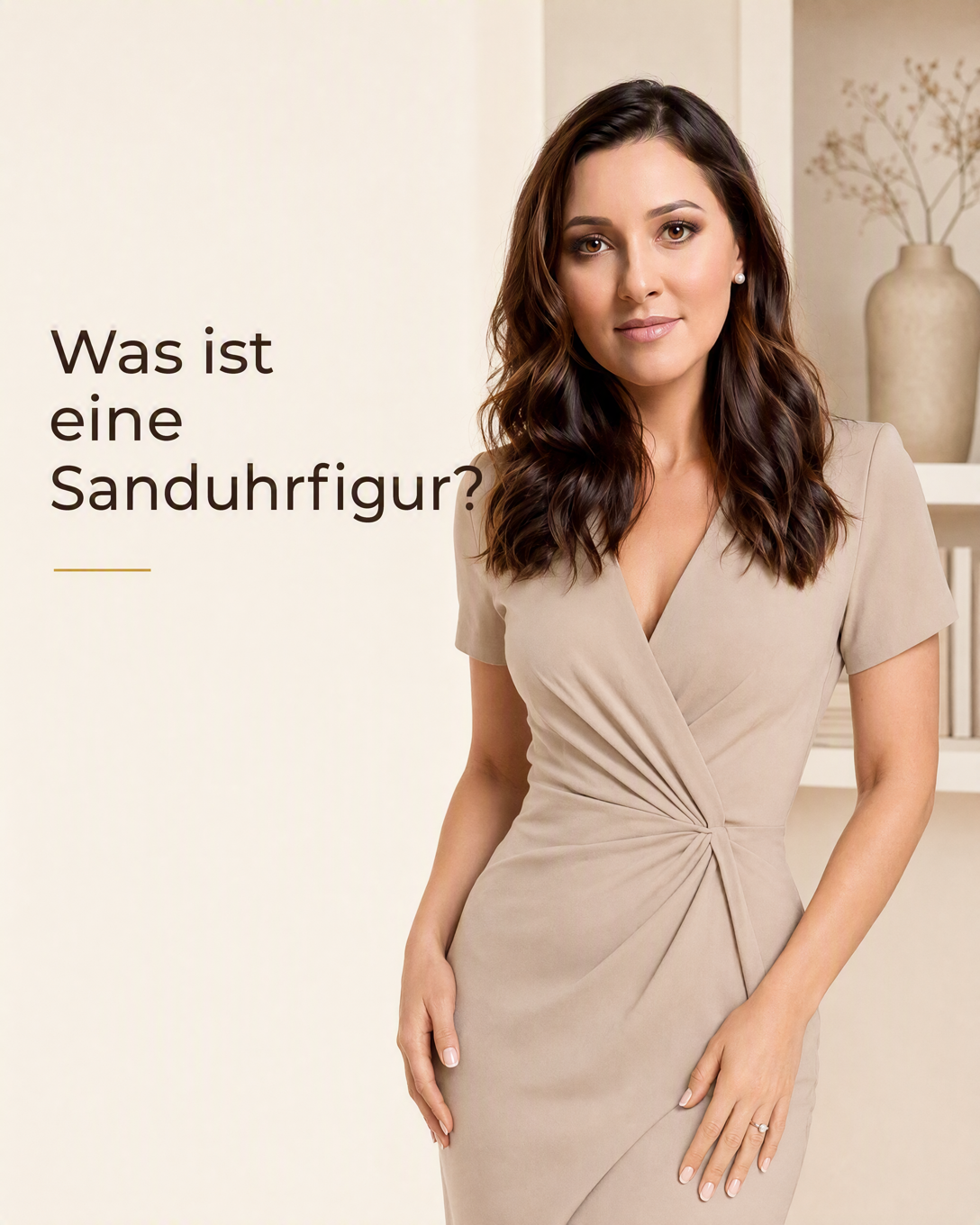
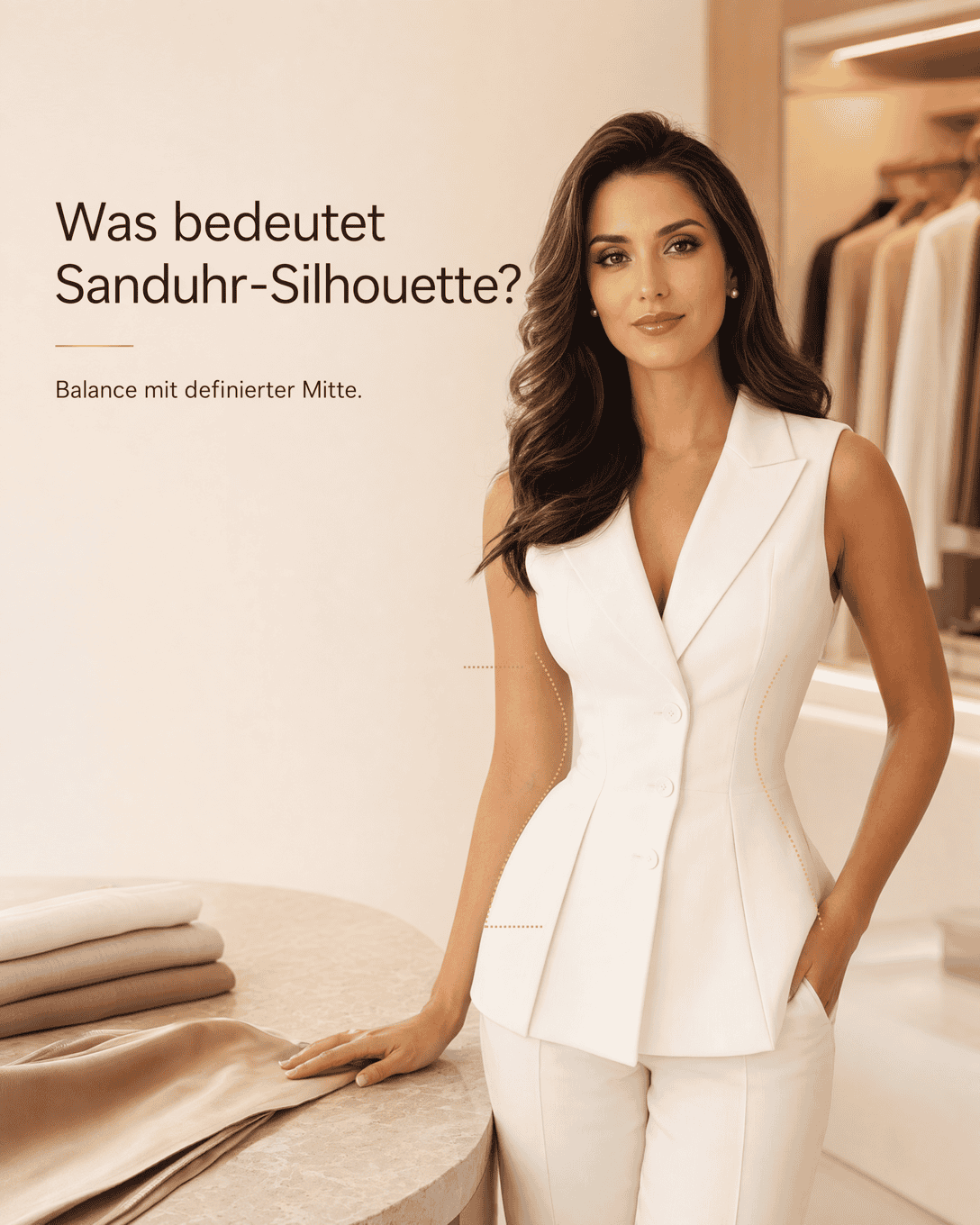
Hourglass Figure An hourglass figure describes a body outline with shoulders and hips that appear balanced in width and a clearly defined waist. It is also known as an X-shaped silhouette.
Hourglass Silhouette An hourglass silhouette describes a balanced outline with a visibly defined waist between the bust and hips. Learn how clothing cut, waist placement, and proportion can create or highlight this shape.
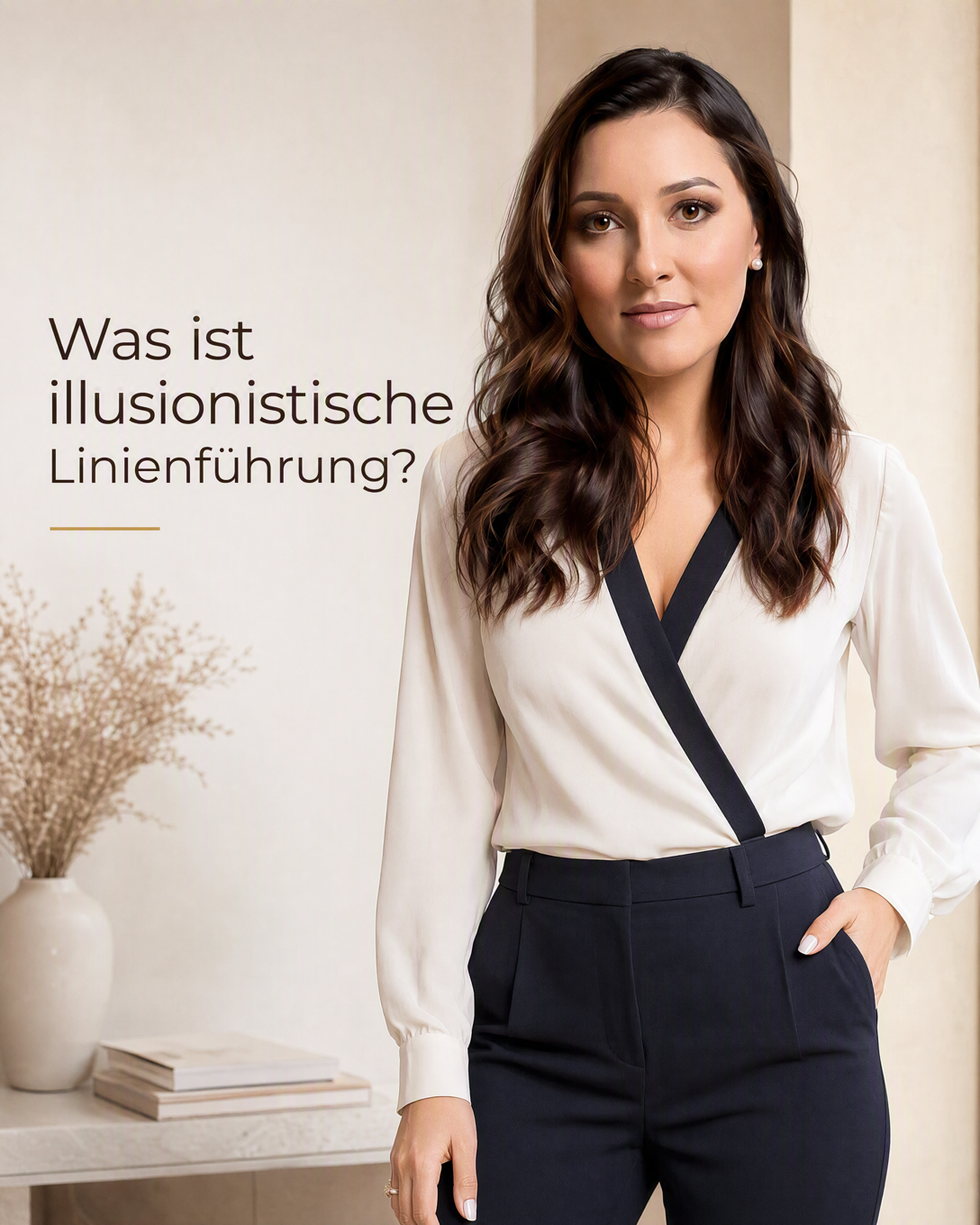
Illusion Lines Illusion lines in fashion are visual lines created by seams, diagonals, V shapes, color placement, and garment details to guide the eye and influence perceived proportion.
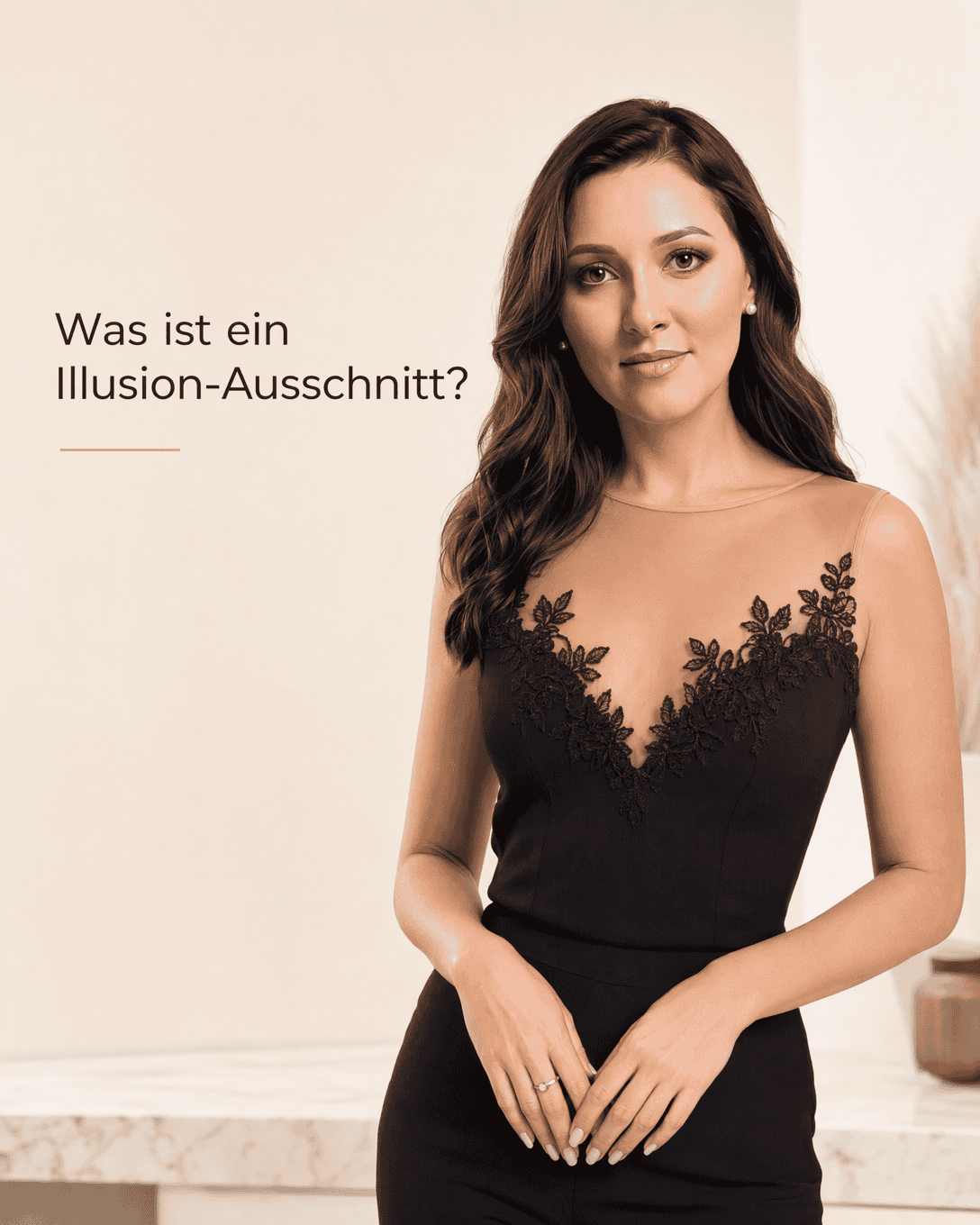
Illusion Neckline An illusion neckline uses sheer or skin-toned fabric to create the appearance of a lower, wider, or more open neckline while adding coverage and support.
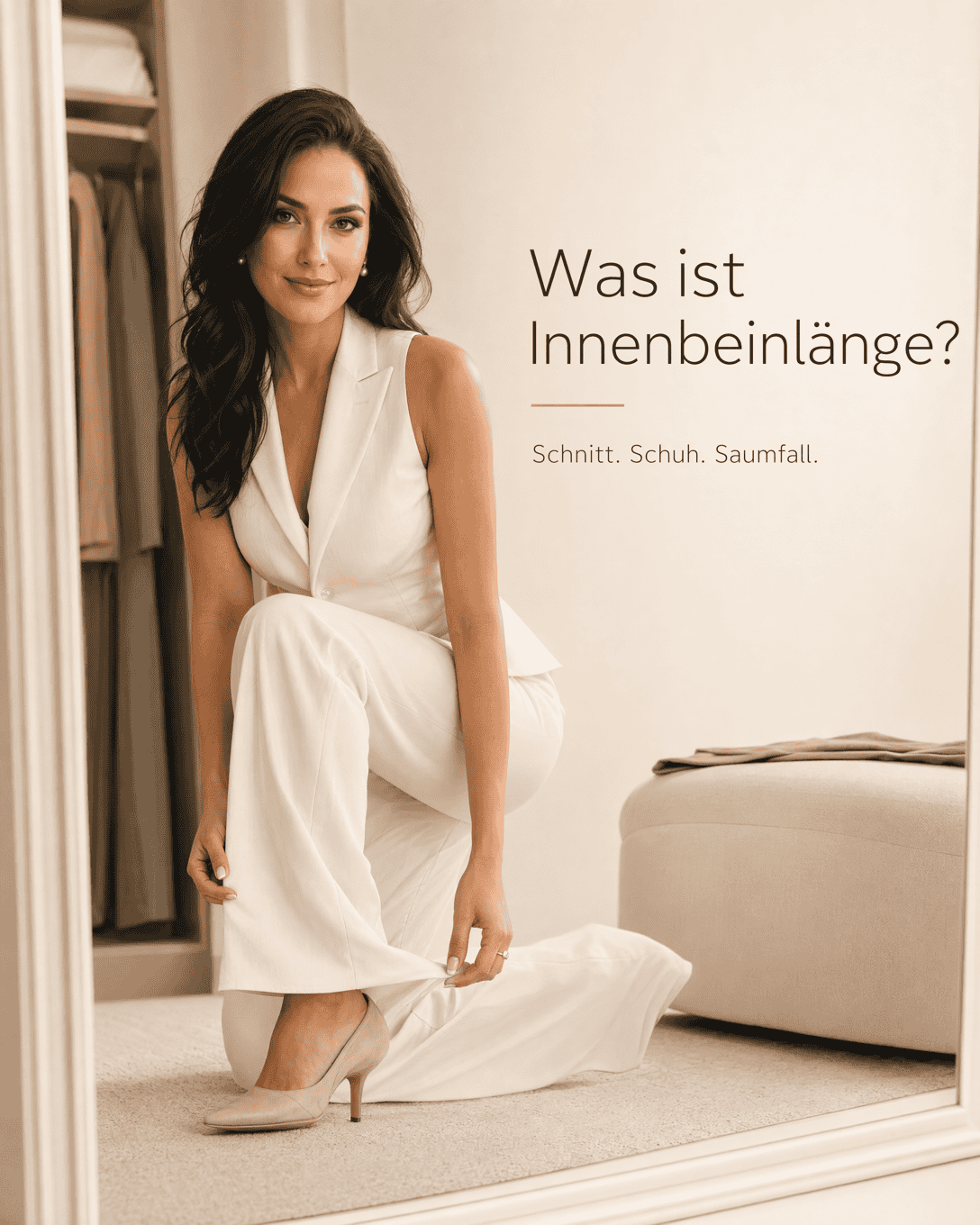
Inside leg length Inside leg length, also called inseam, is the measurement from the crotch seam to the hem of trousers. It helps determine whether trousers fall correctly with your chosen shoes and intended fit.
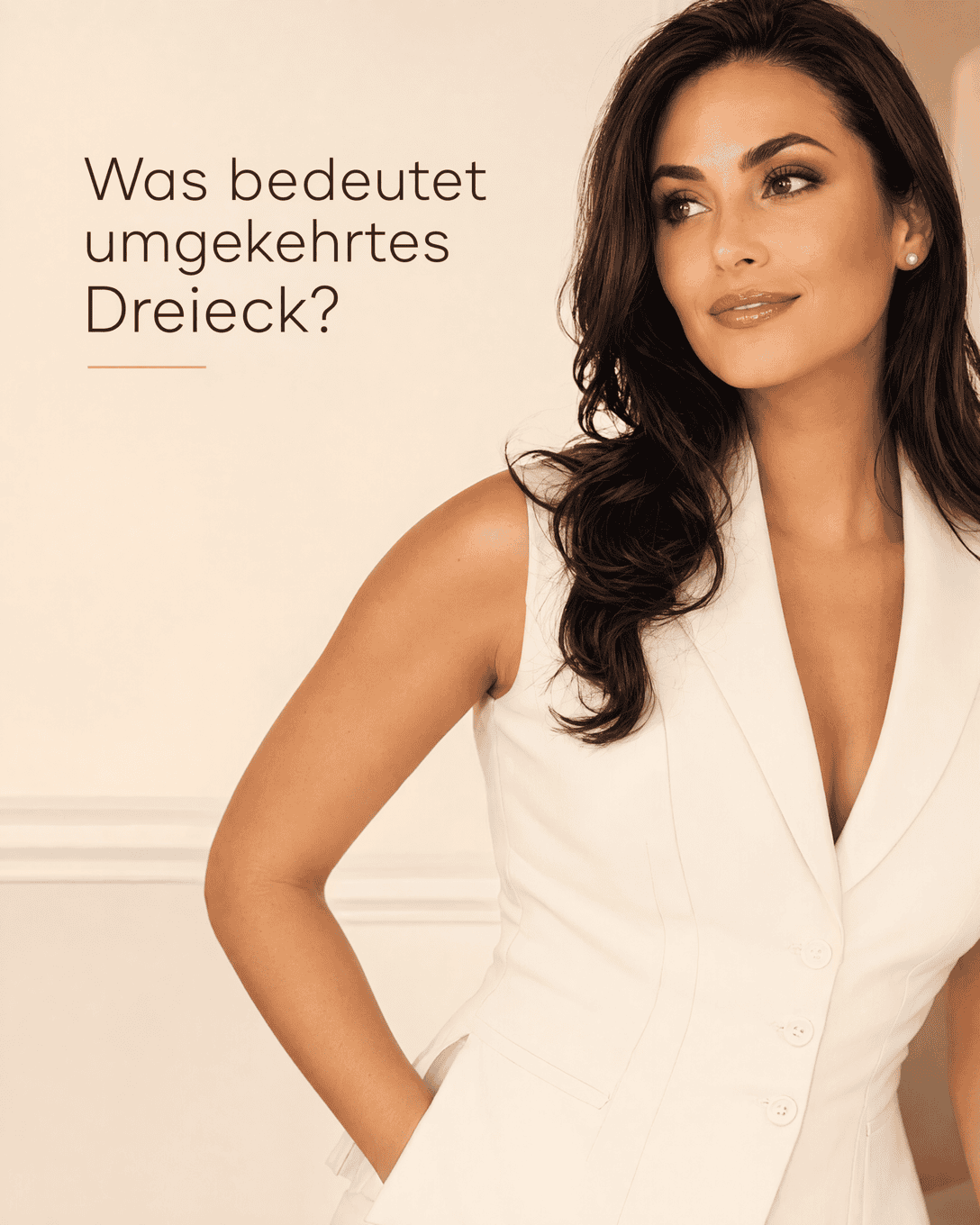
Inverted Triangle The inverted triangle body shape describes proportions in which the shoulders or upper body appear broader than the hips. Learn how clothing lines, volume, and styling can create balance without hiding your shape.
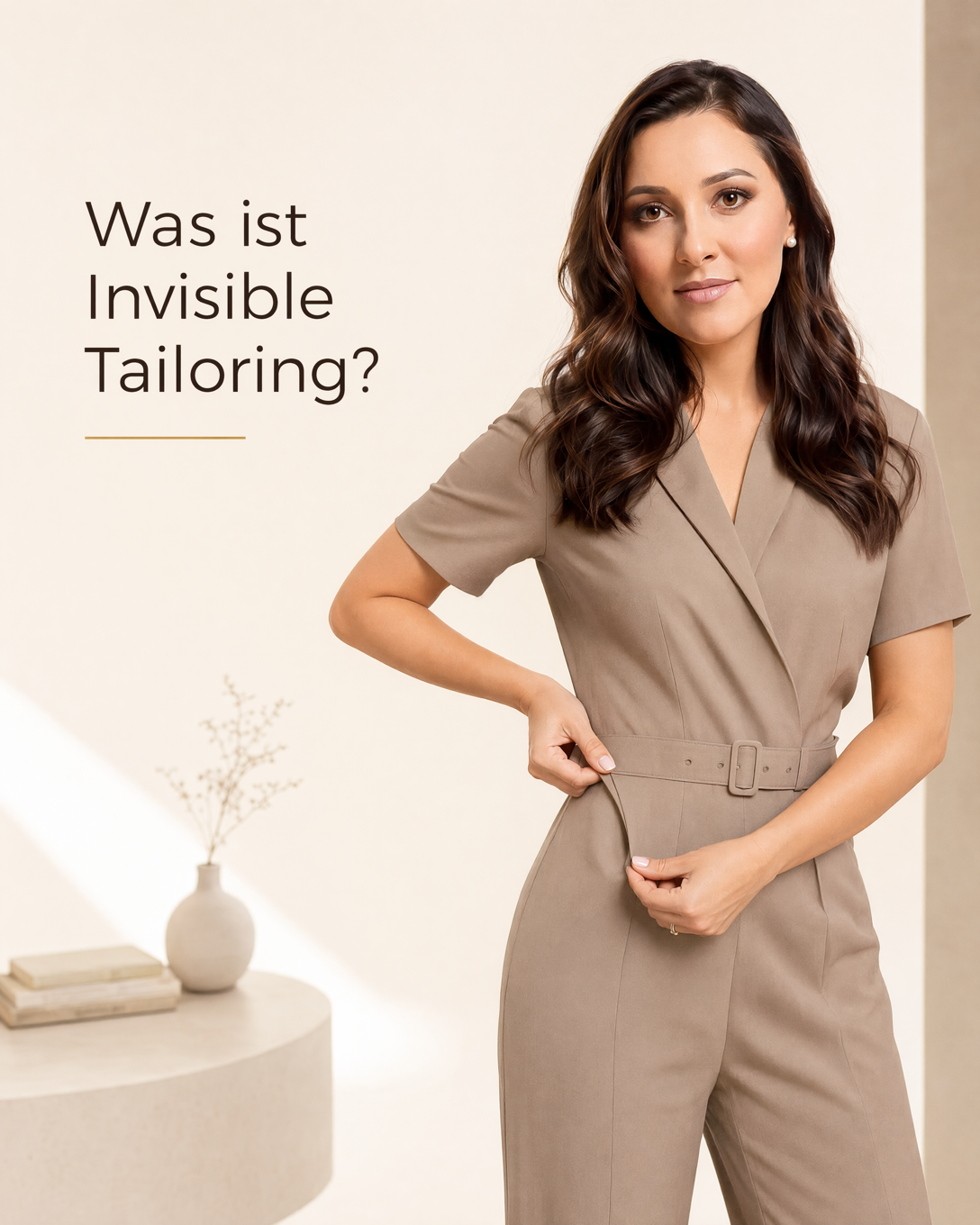
Invisible Tailoring Invisible tailoring uses subtle fit corrections and discreet styling adjustments to make ready-to-wear clothing look more precise, balanced, and personal.
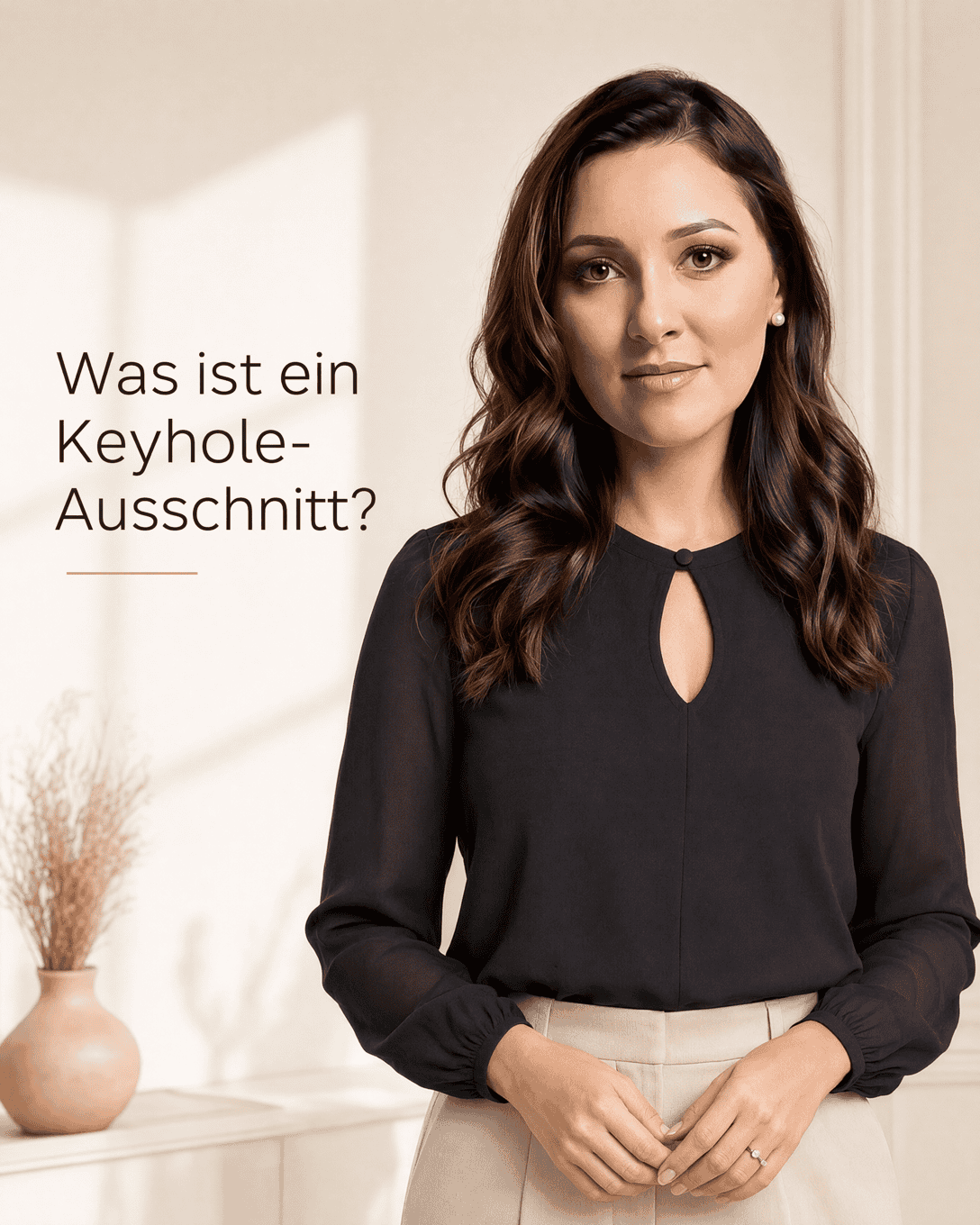
Keyhole Neckline A keyhole neckline is a small opening at the front or back of a garment, usually below the neck. Learn how this neckline detail affects coverage, fit, underwear choices, and styling.
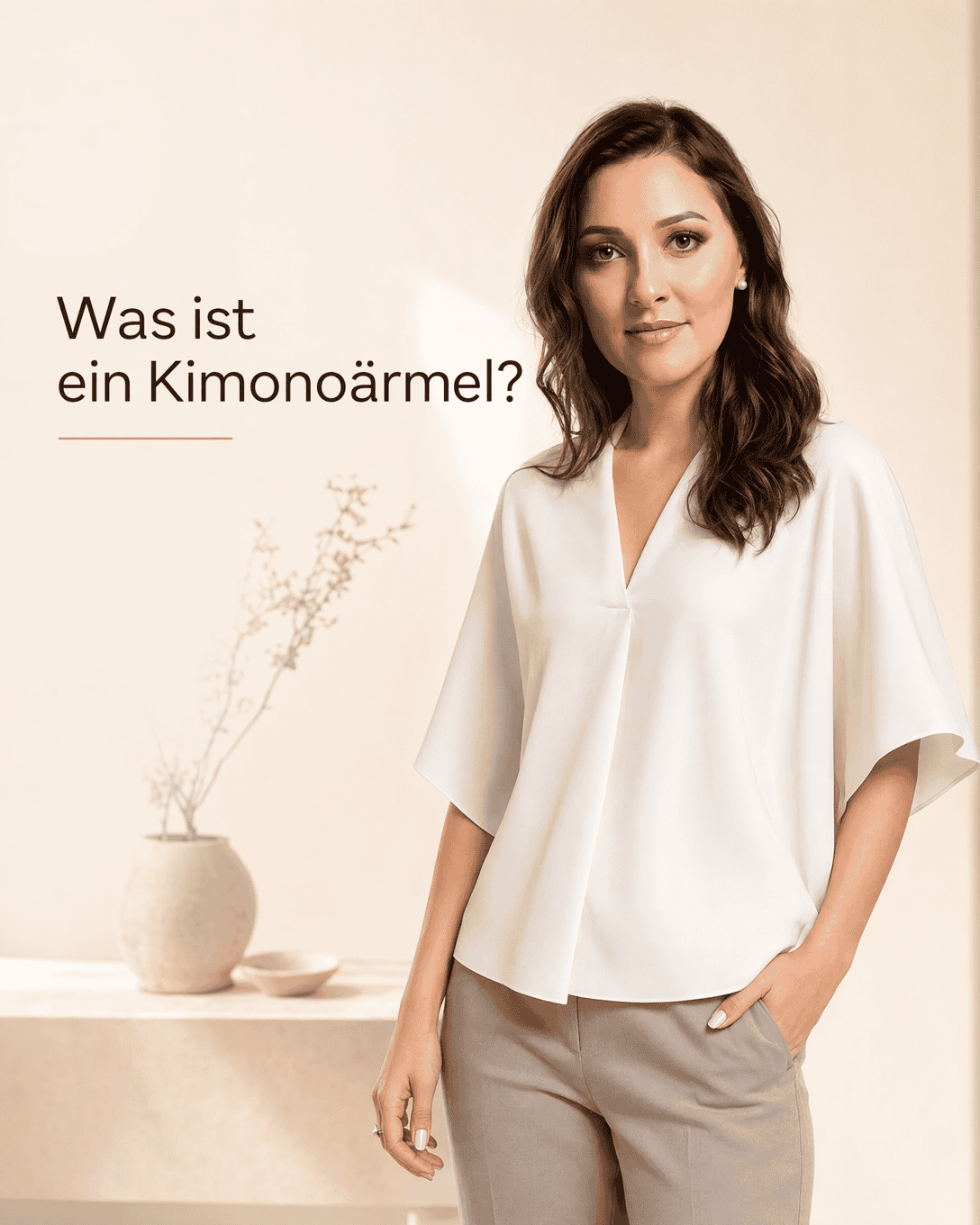
Kimono Sleeve A kimono sleeve is a sleeve cut as part of the bodice rather than set into a separate armhole. Learn how this sleeve shape affects fit, movement, silhouette, and styling.
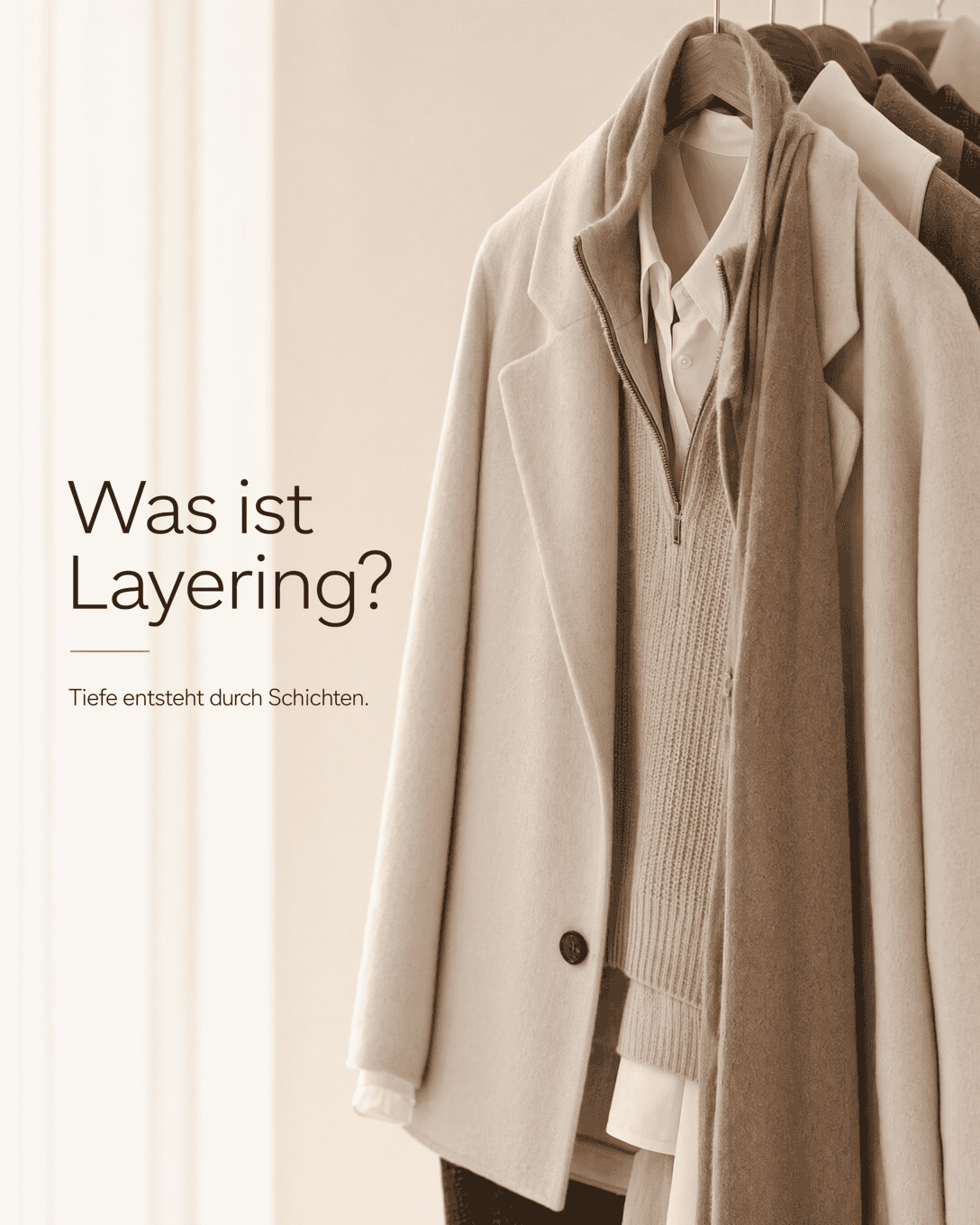
Layering Layering is the intentional combination of multiple garments to create warmth, depth, proportion, and a more considered outfit.
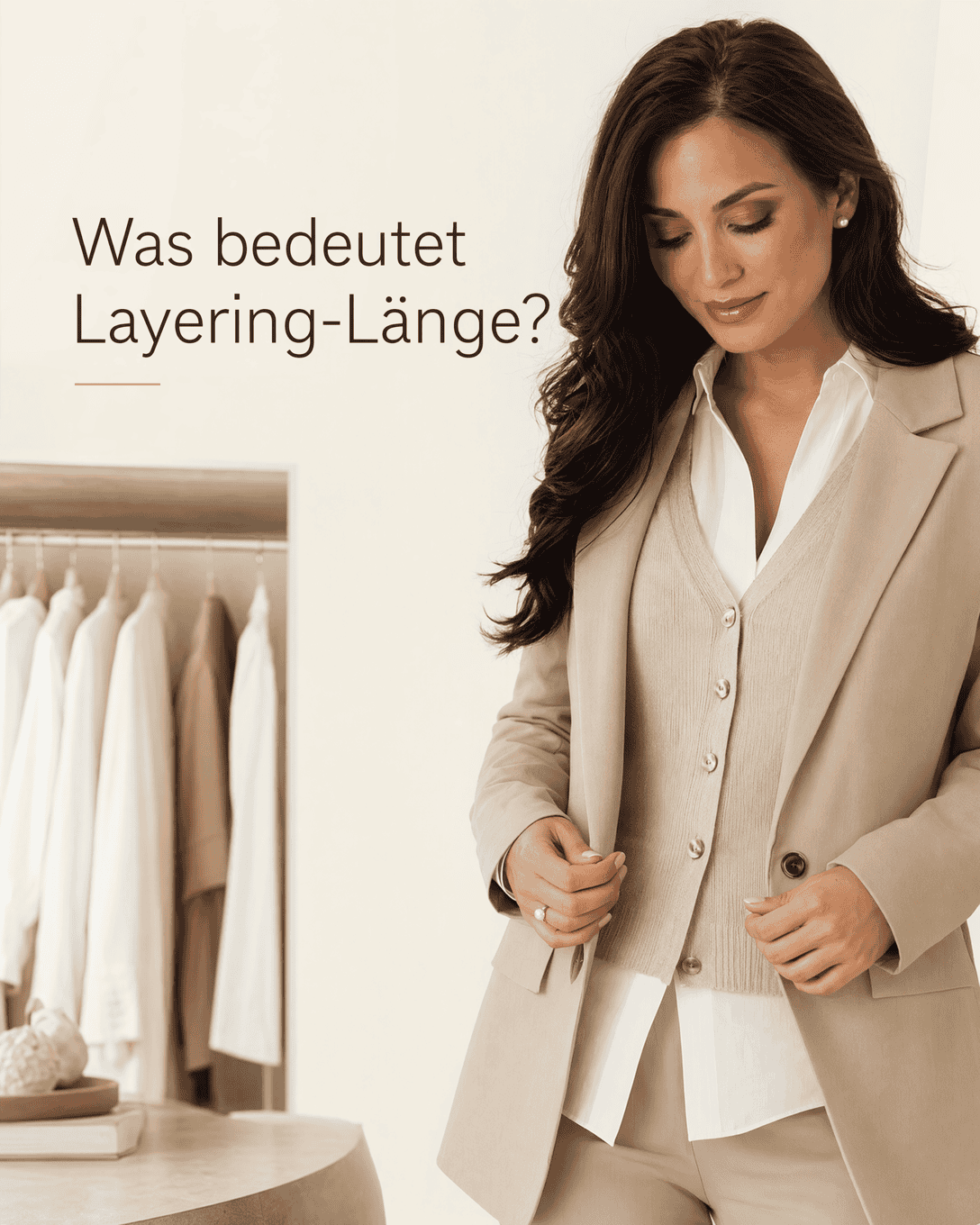
Layering Length Layering Length describes how the visible lengths of layered garments work together. It helps create balanced proportions, clearer silhouettes, and more intentional outfits.
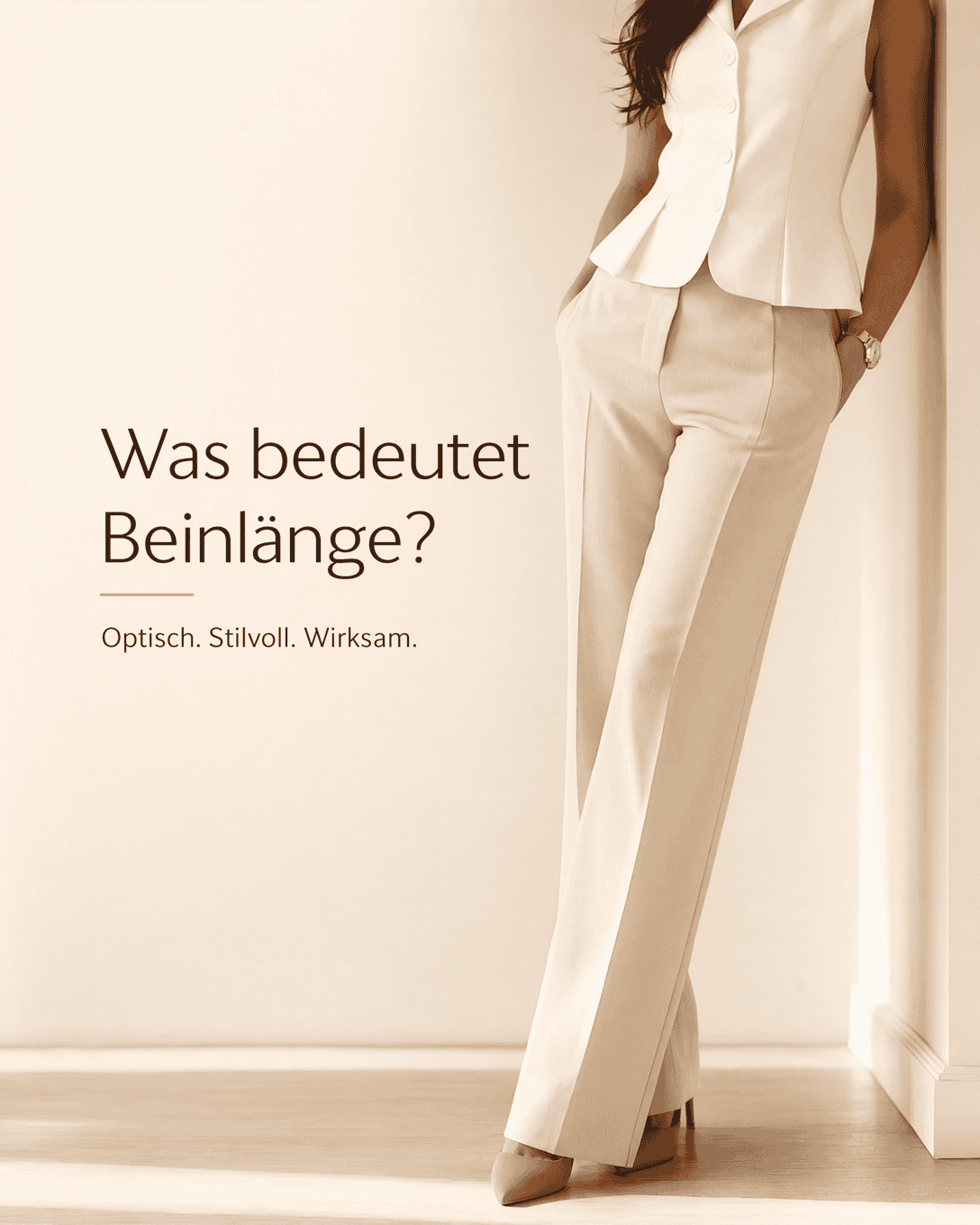
Leg Length Leg Length describes the actual or visually perceived length of the legs in relation to the torso. It helps you assess proportions and choose clothing that creates the line you want.
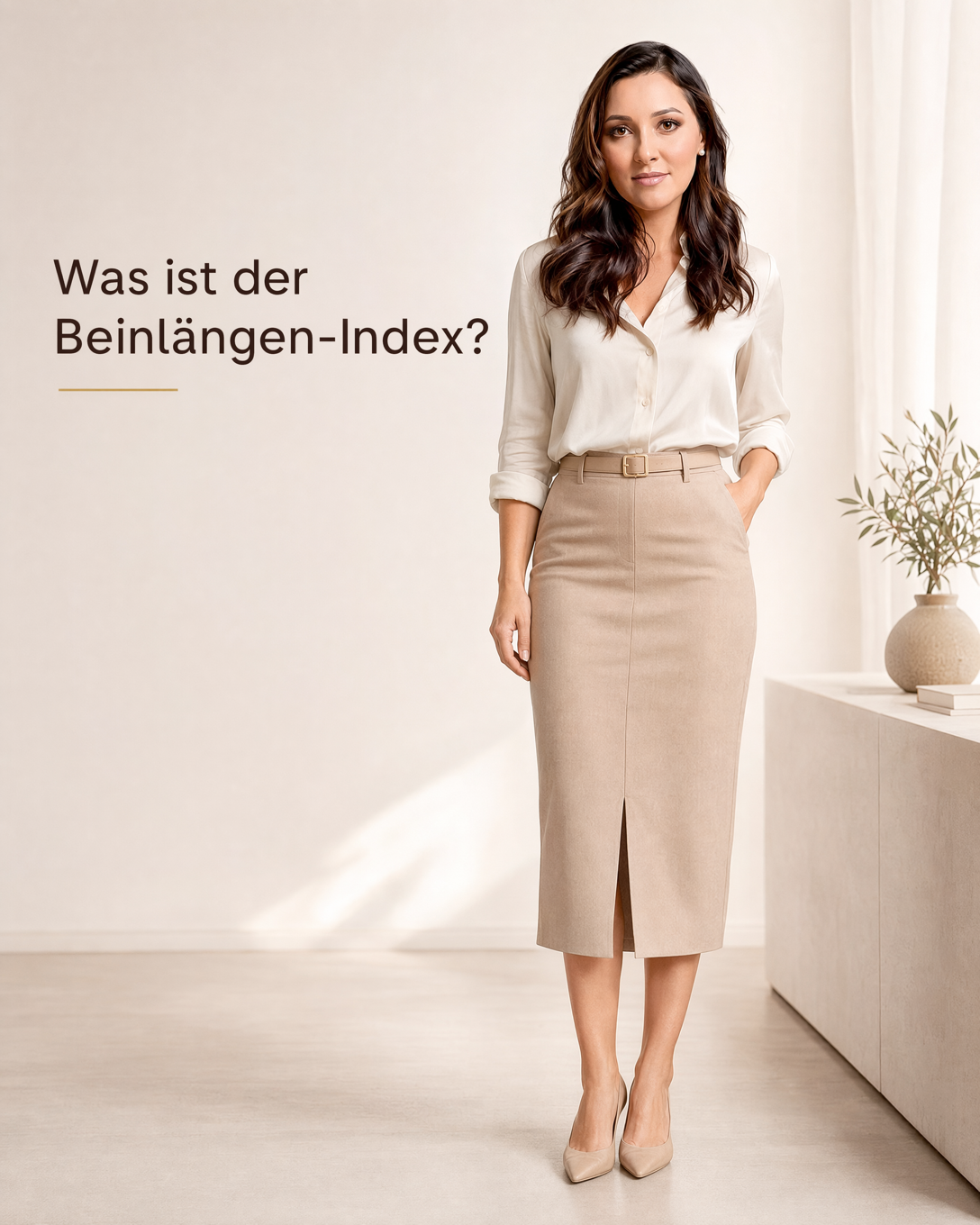
Leg Length Index A leg length index describes the visual relationship between the legs and the overall body. It helps explain how waist height, hems, shoe color, and outfit continuity can make the legs appear longer, shorter, or more balanced.
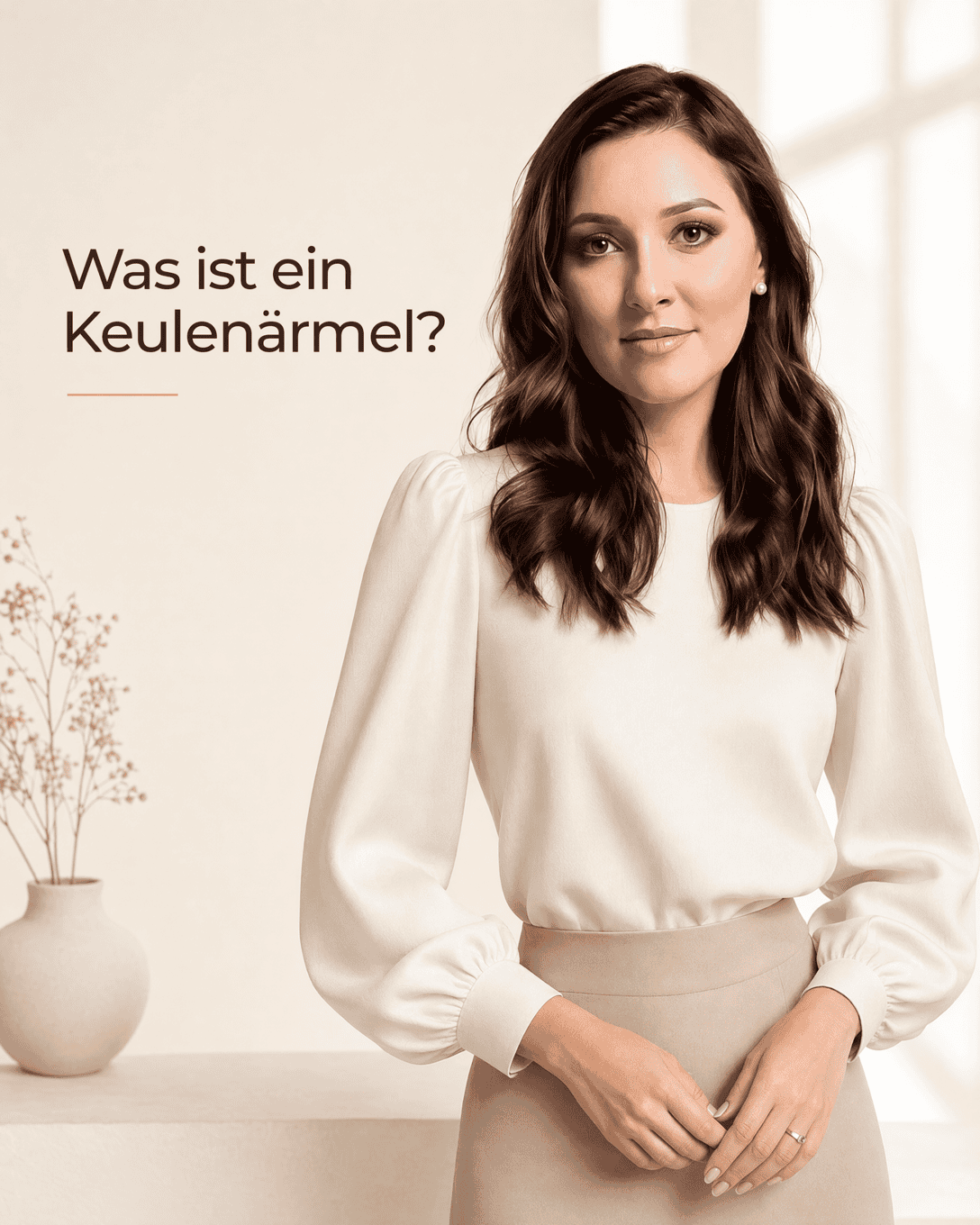
Leg-of-Mutton Sleeve A leg-of-mutton sleeve is a dramatic sleeve that is full at the shoulder and narrows closely toward the wrist. Learn how this historic sleeve shape affects proportion, fit, and outfit styling.
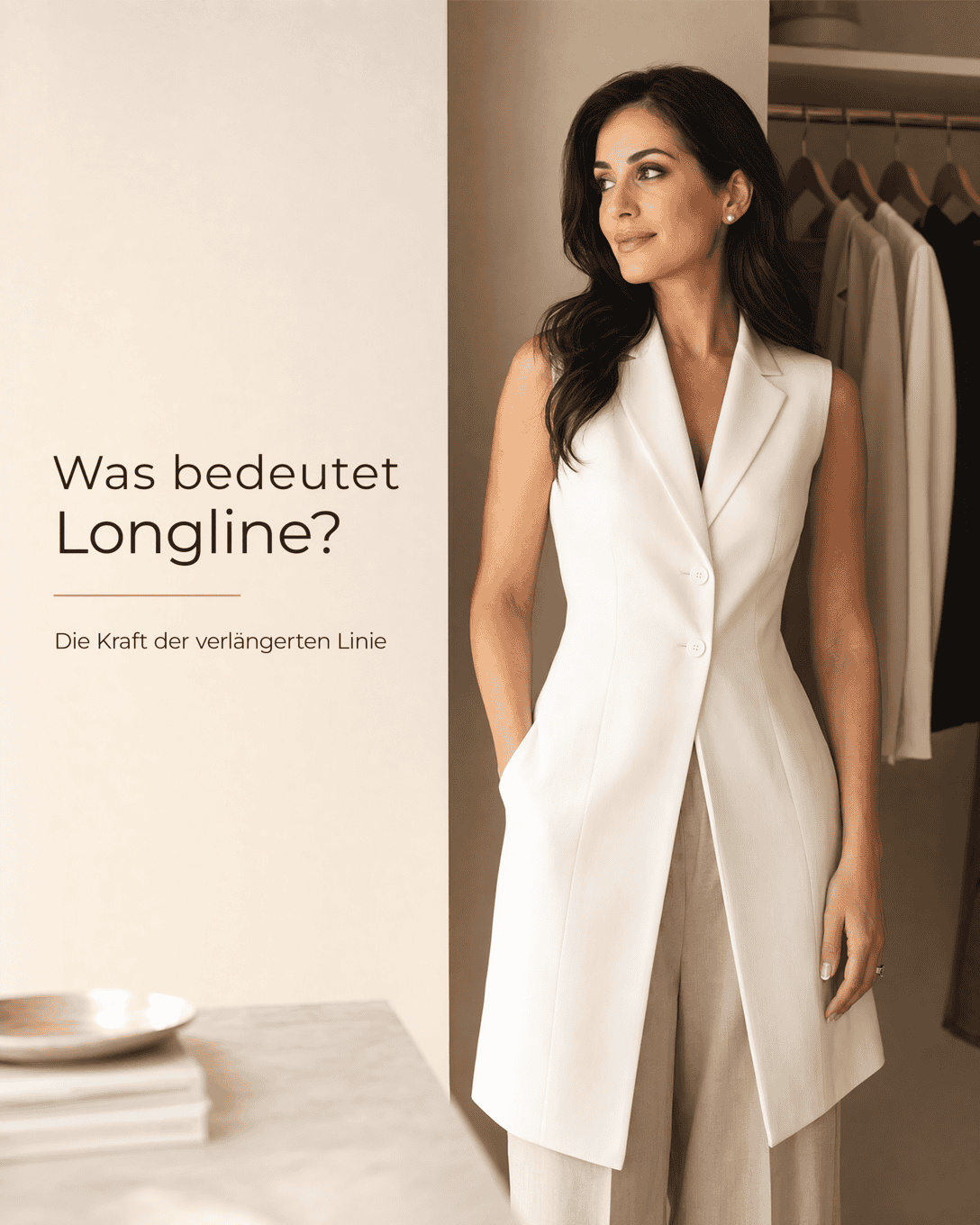
Longline Longline describes garments with an intentionally extended length, such as blazers, shirts, cardigans, or tops that fall below the usual hem position. It changes visual proportion, layering, and the overall silhouette.
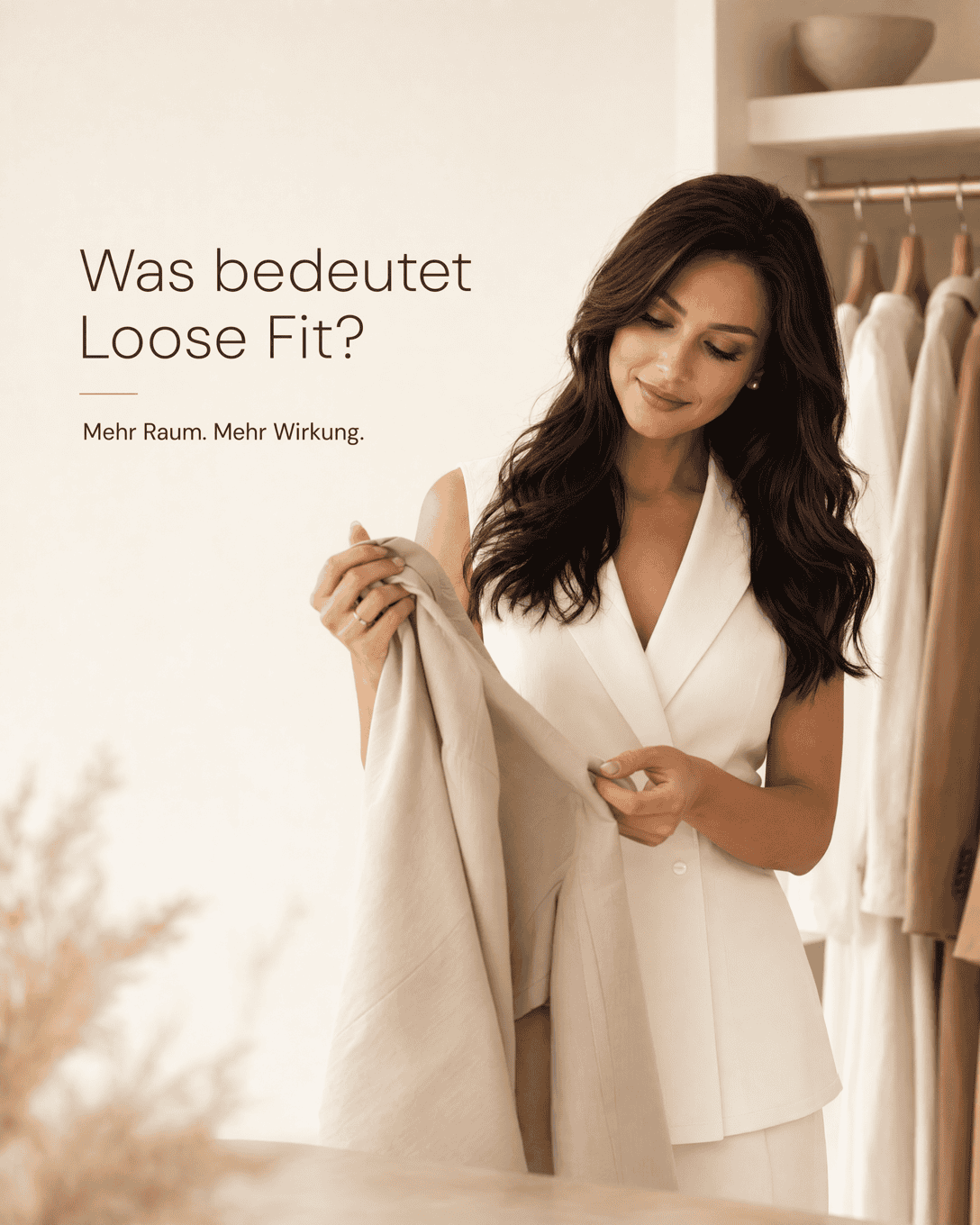
Loose Fit Loose Fit describes clothing cut with extra ease around the body for a relaxed silhouette, comfortable movement, and intentional volume.
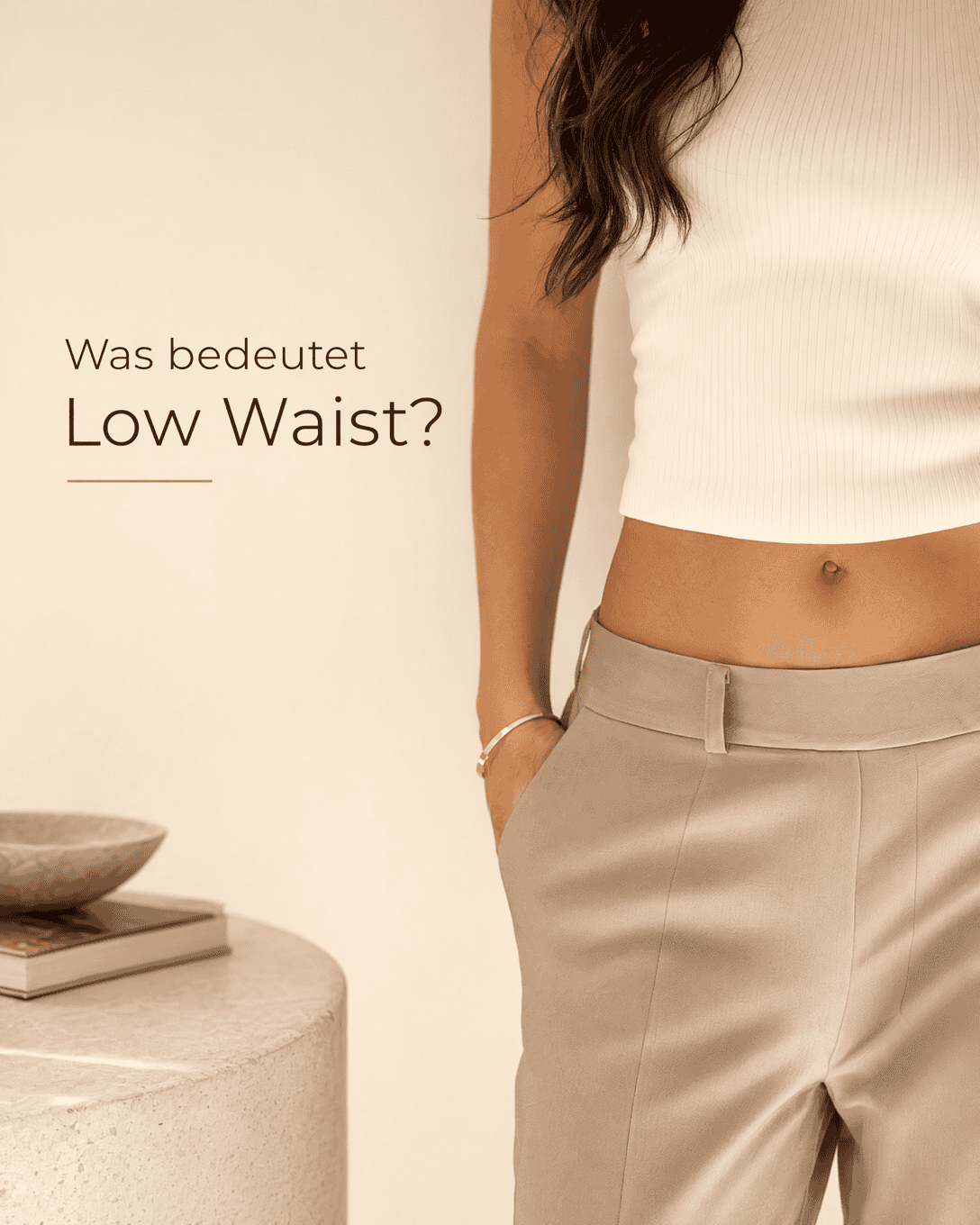
Low Waist Low Waist describes a waistband placed below the natural waist, often resting on or near the hips. Learn how a low-waist fit changes proportions, comfort, and outfit styling.
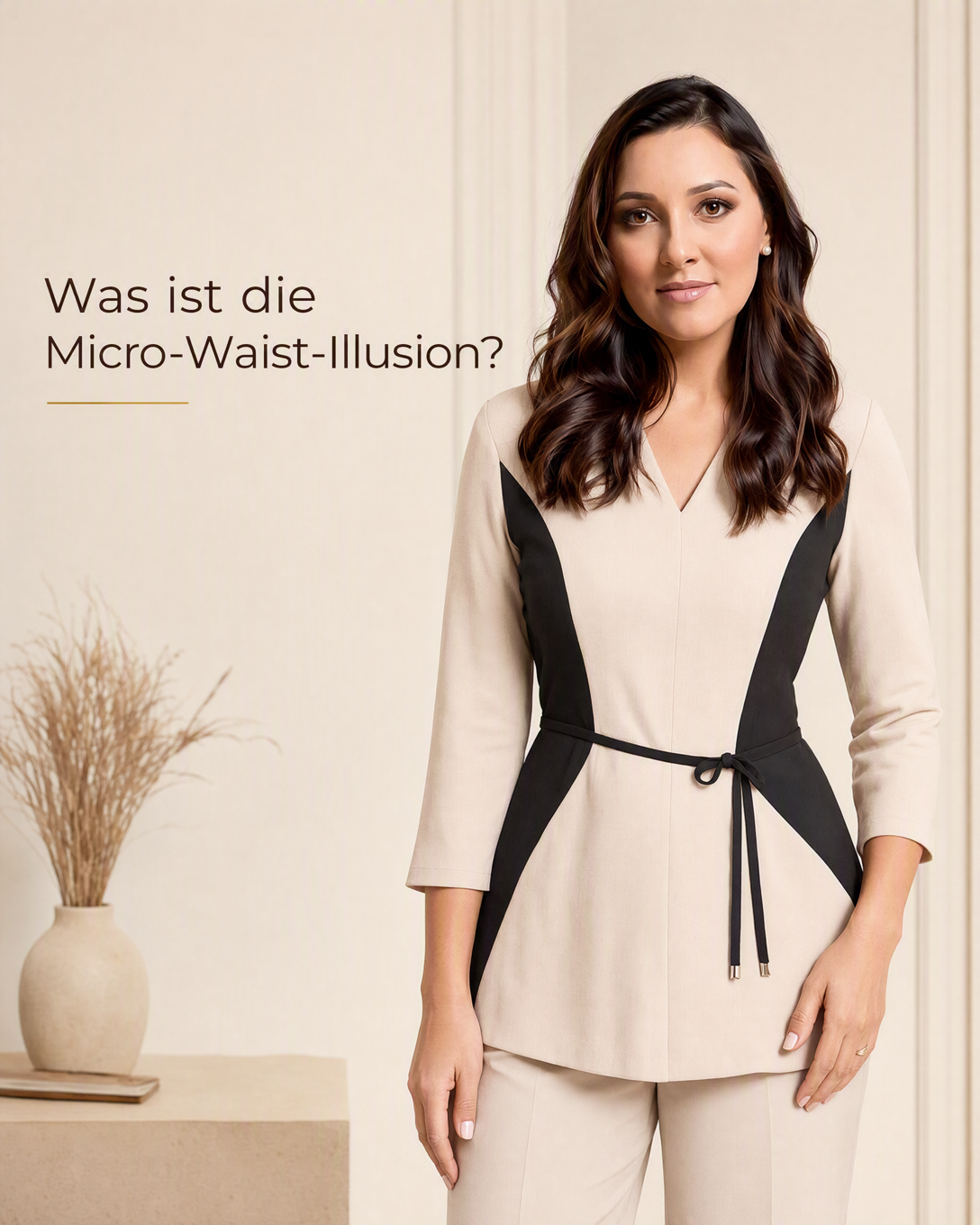
Micro-Waist Illusion Micro-Waist Illusion is a styling technique that makes the waist appear narrower through color placement, shaped lines, dark side panels, and diagonal details.
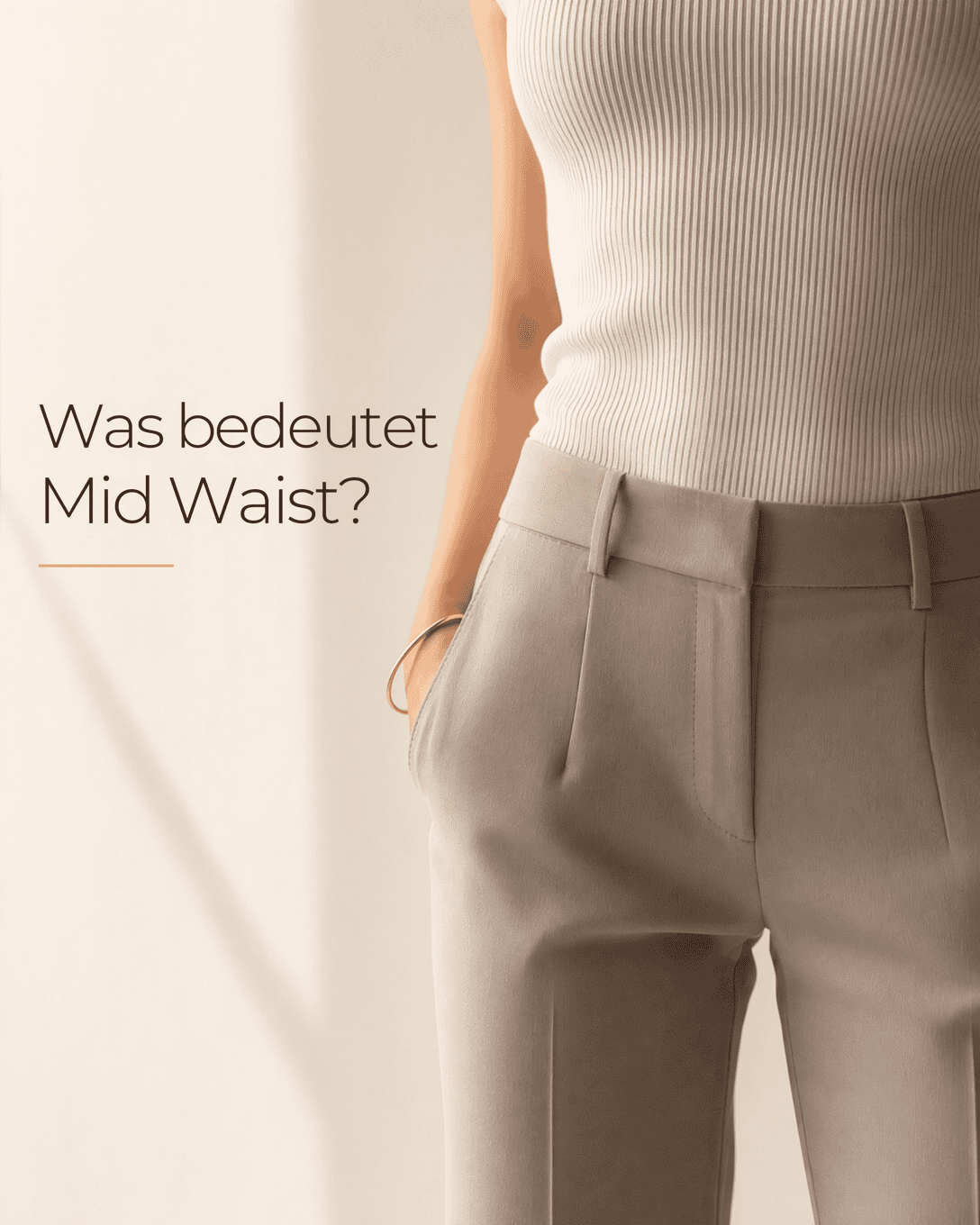
Mid Waist Mid Waist describes trousers, jeans, skirts, or shorts whose waistband sits between a low-rise and high-rise position. It creates a balanced waistline and can influence comfort, leg proportions, and the overall silhouette.
Motion allowance Motion allowance, also called movement allowance or ease, is the extra space between the body and a garment that makes breathing, sitting, walking, and reaching comfortable.
Neckline Effect Neckline Effect describes how the shape, width, depth, and placement of a neckline influence the face, upper body, proportions, and overall impression of an outfit.
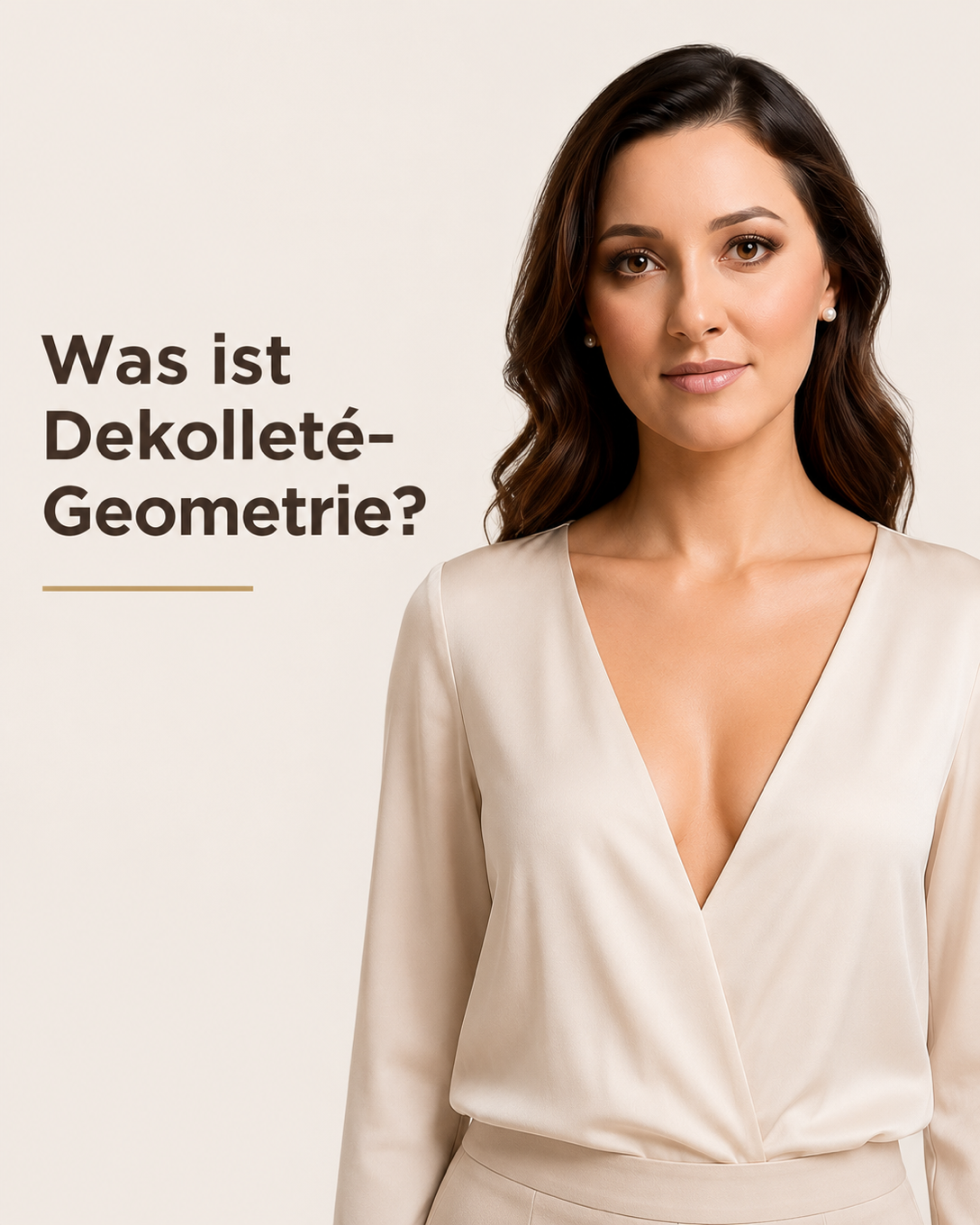
Neckline Geometry Neckline geometry is the relationship between a neckline’s shape, width, depth, collarbone area, and bust line. It helps explain why one neckline can feel balanced and comfortable while another changes the proportions of the upper body.
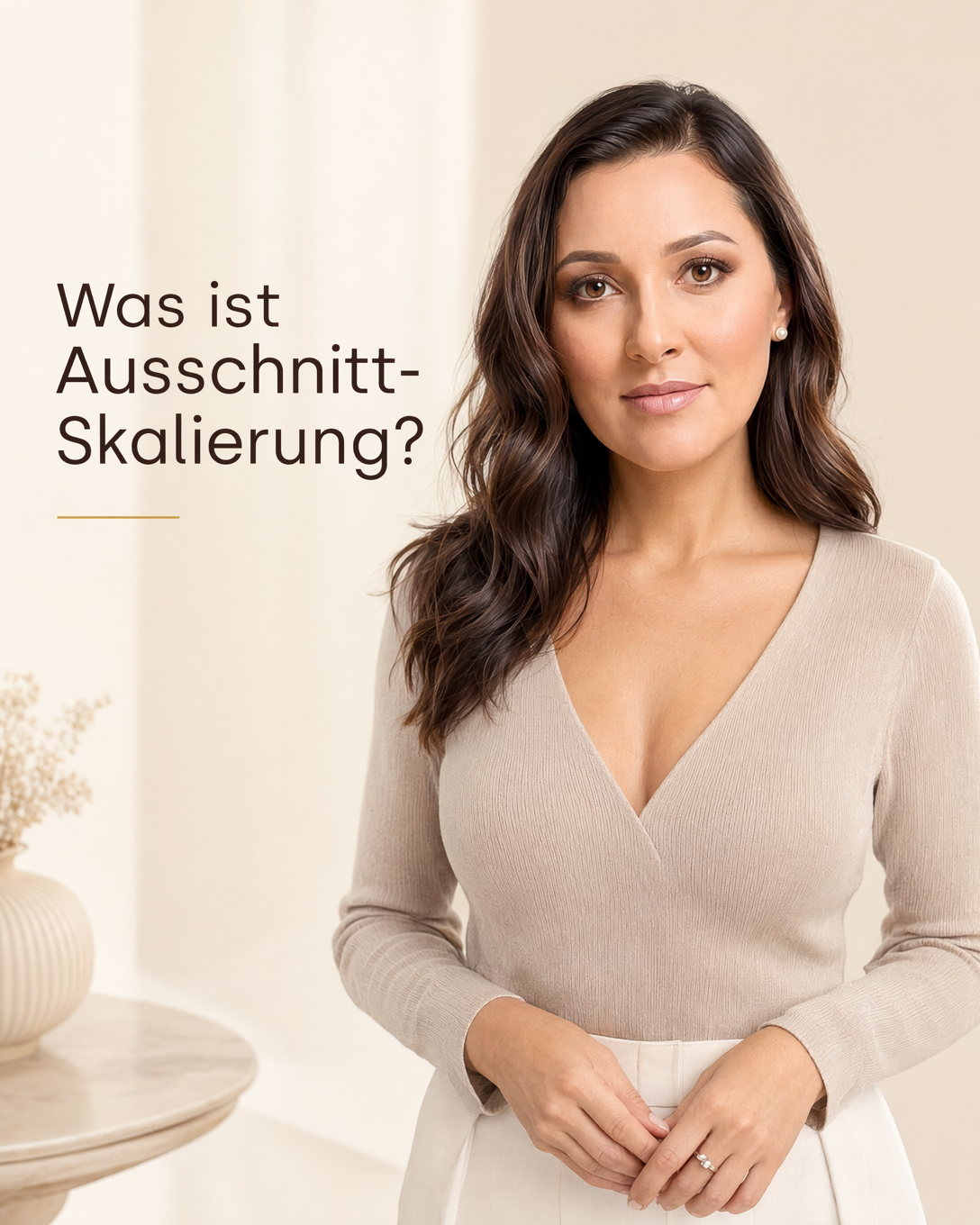
Neckline Scaling Neckline scaling is the adjustment of a neckline’s width, depth, and visual size to suit the wearer’s body scale, face width, and proportions.
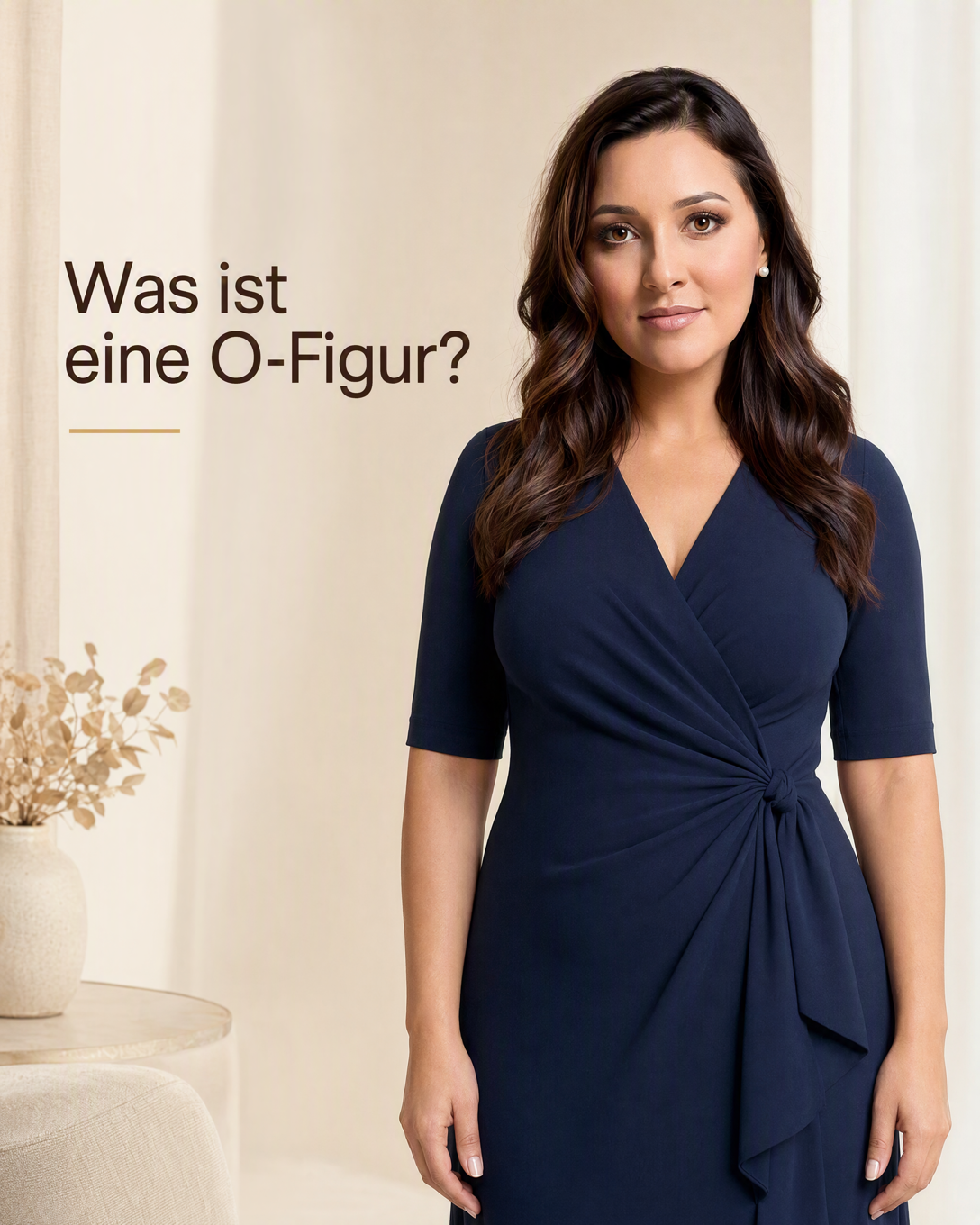
O Body Shape An O body shape describes a softly rounded silhouette with visual emphasis through the midsection and a less sharply defined waist. Learn how fit, proportion, fabric, and styling choices can create balance while respecting personal comfort and style.
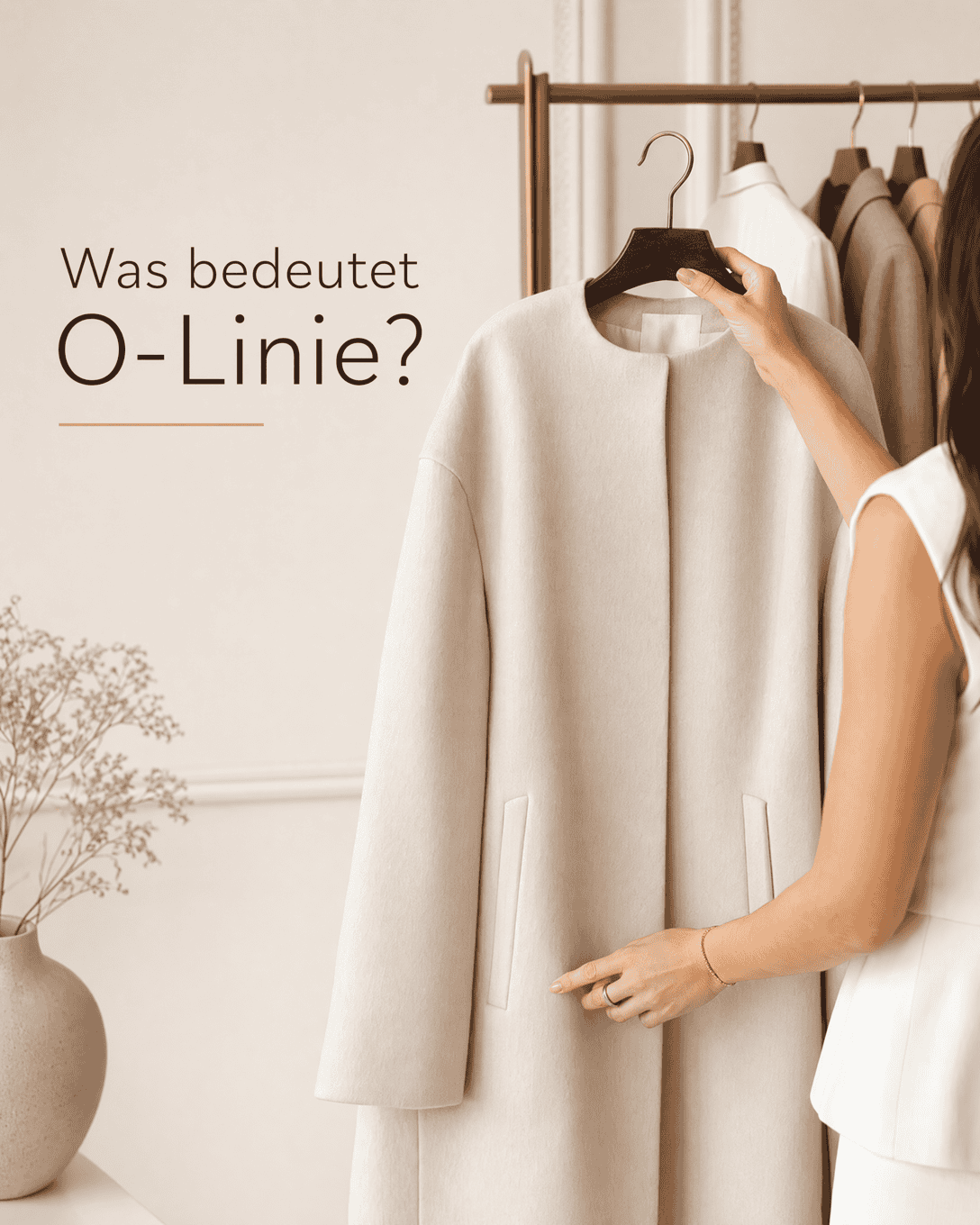
O-Line O-Line describes a rounded, cocoon-like silhouette that is fuller through the body and narrower at the shoulders and hem.
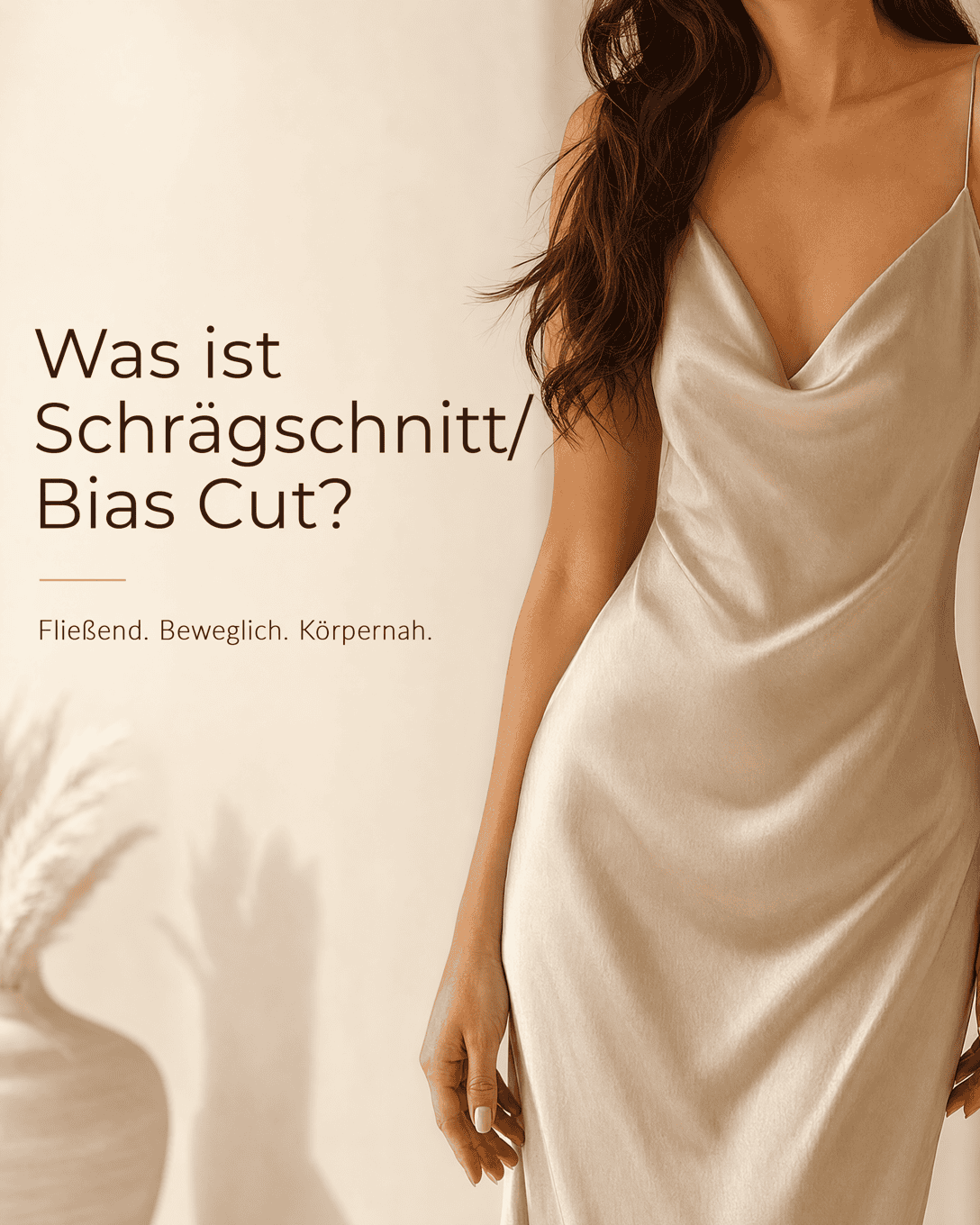
Oblique cut/bias cut A bias cut places woven fabric diagonally across the grain, usually at about 45 degrees to the warp and weft. This creates a softer drape, gentle stretch, and close body-skimming fit without elastane.
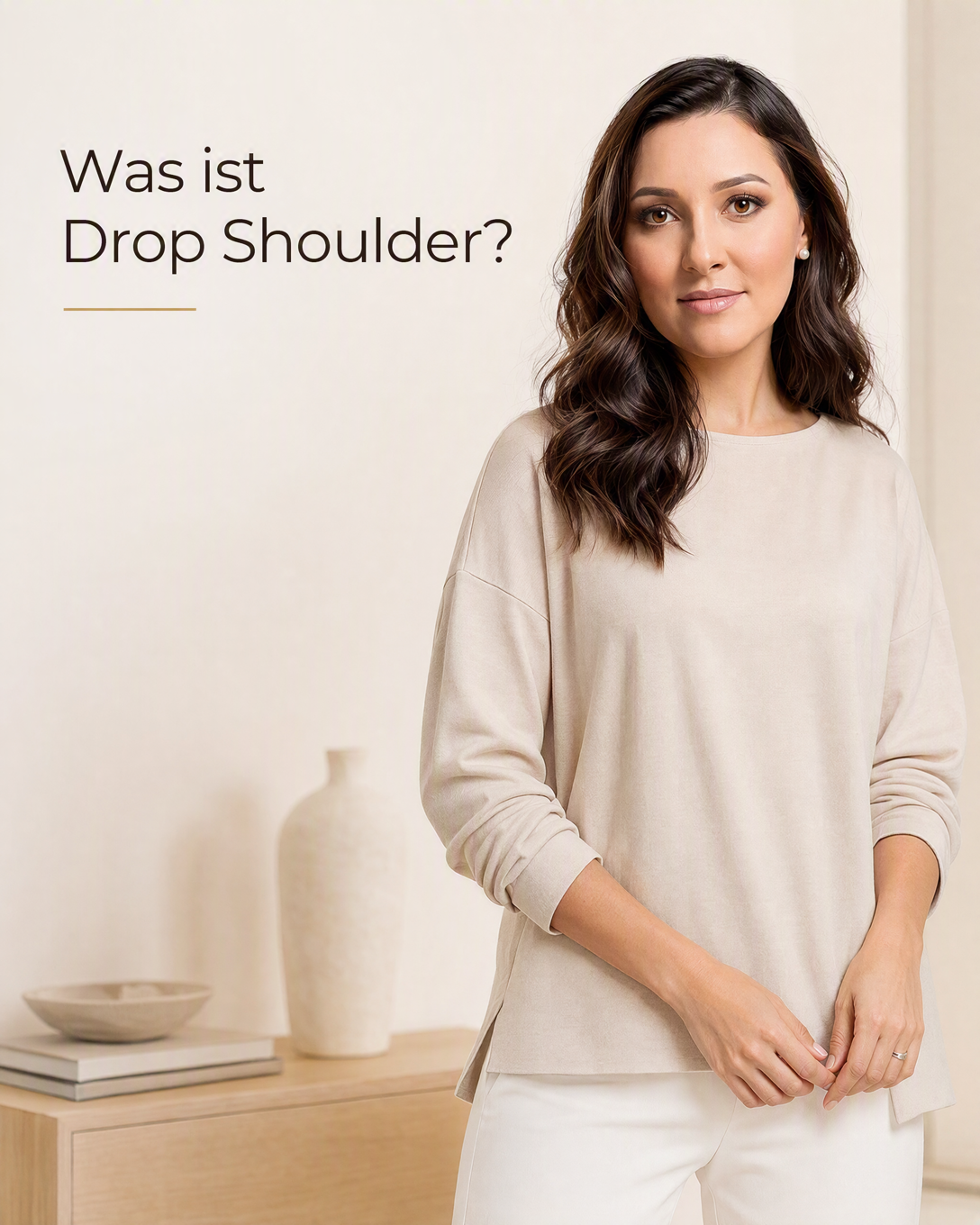
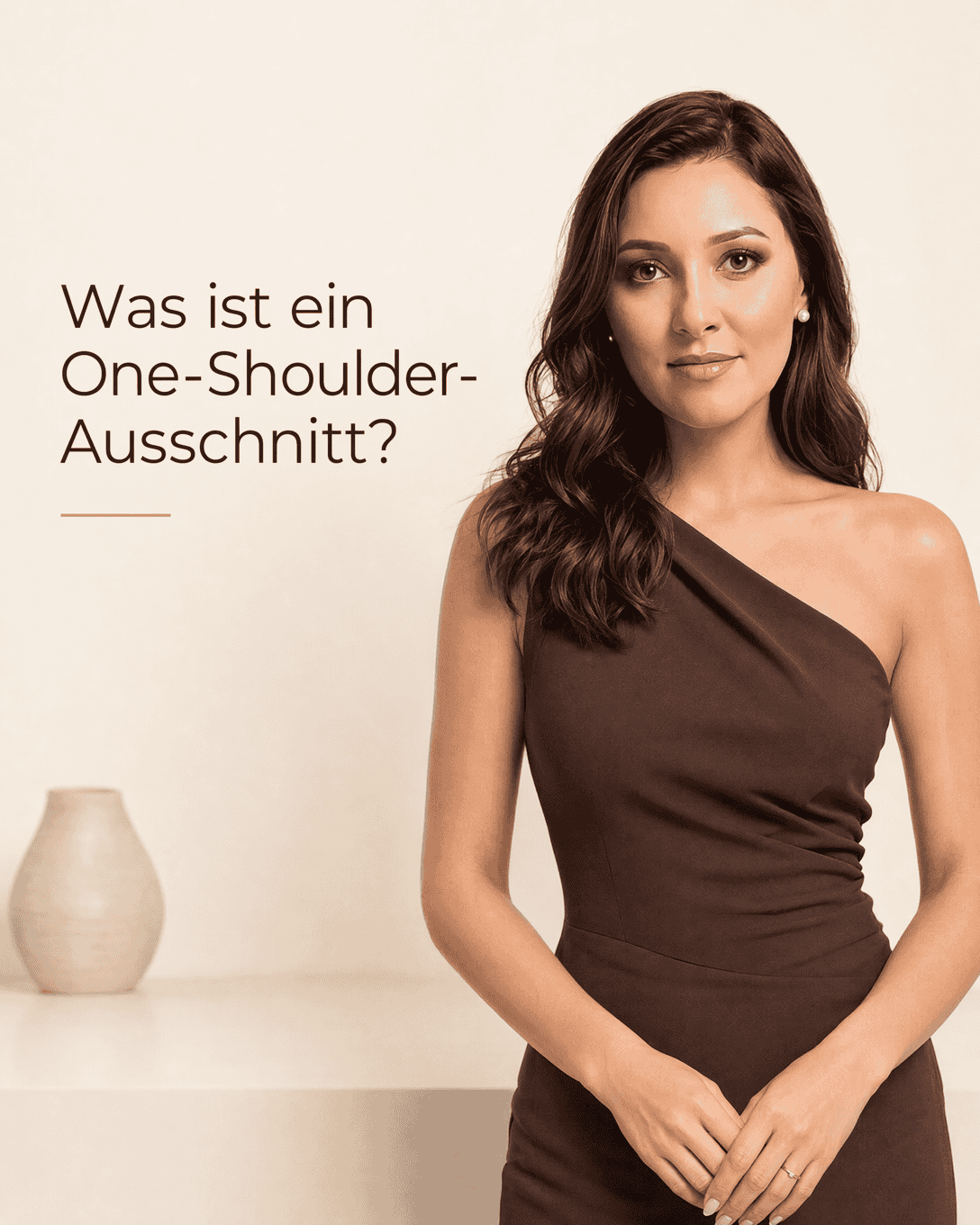
One-Shoulder Neckline A one-shoulder neckline leaves one shoulder exposed while the other is covered or supported by a strap, sleeve, or asymmetric bodice. Learn how this neckline affects proportion, fit, bra choice, and occasion styling.
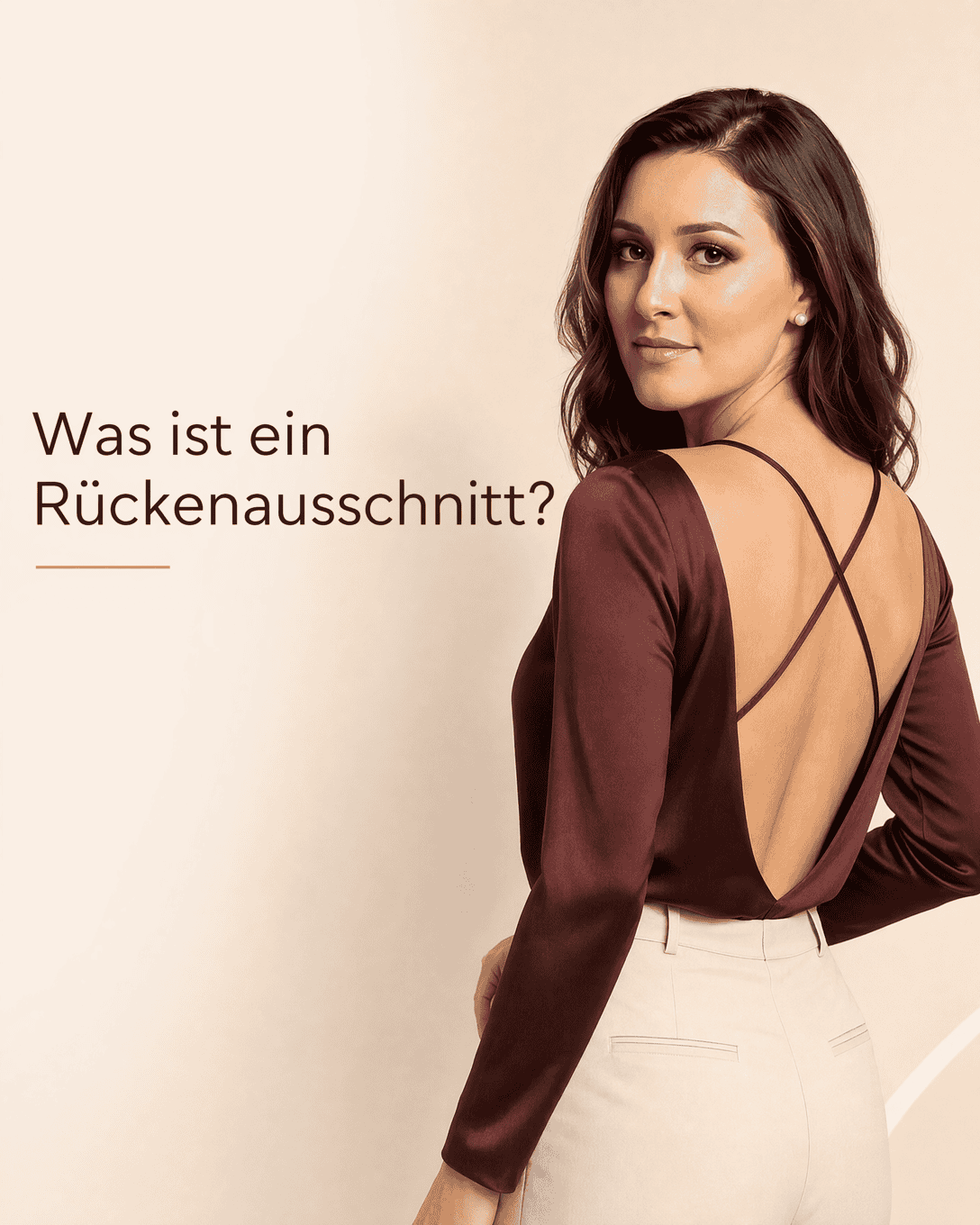
Open Back Neckline An open back neckline is a dress or top design that exposes part of the back. Learn how backless necklines affect fit, underwear, occasion suitability, and styling.
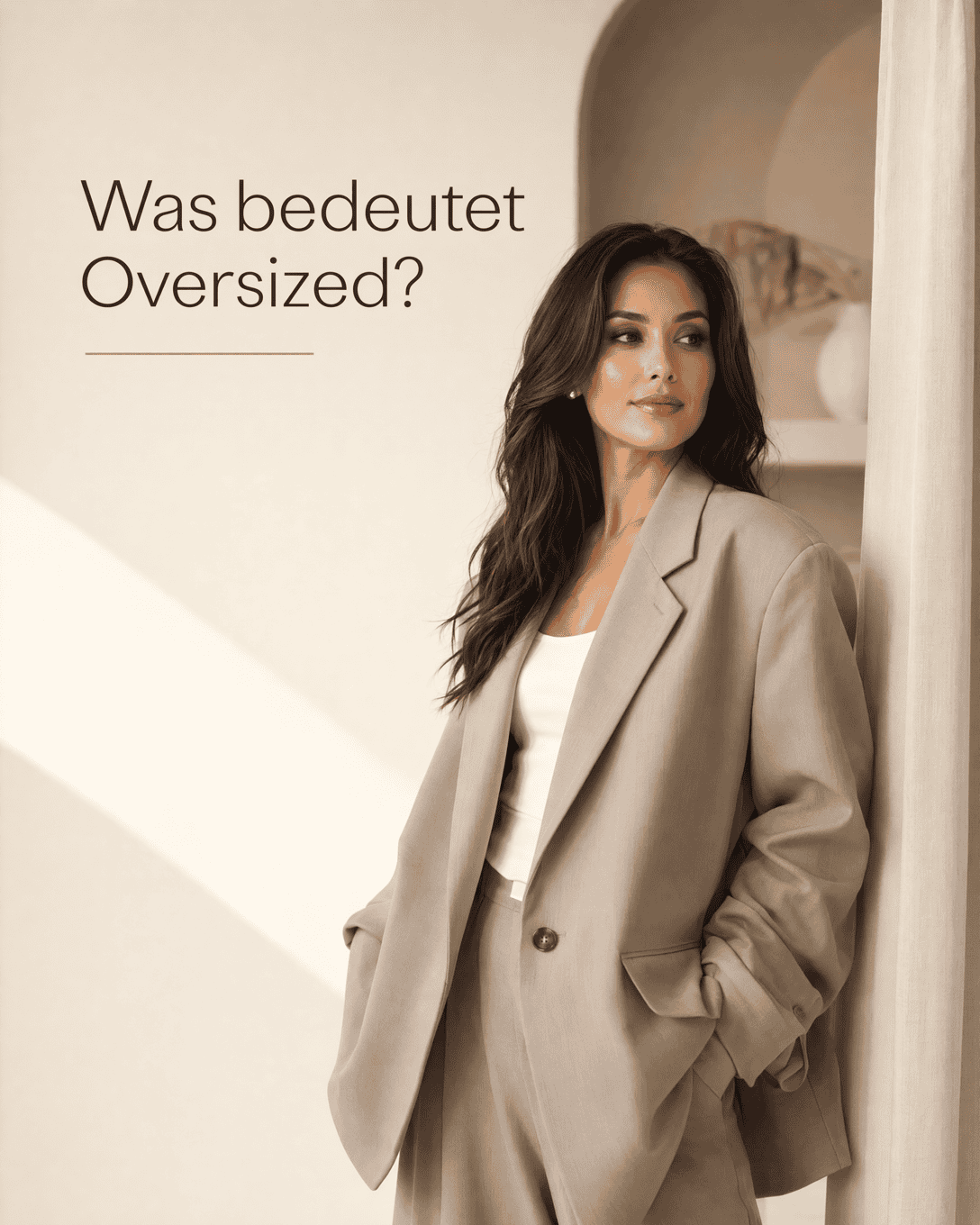
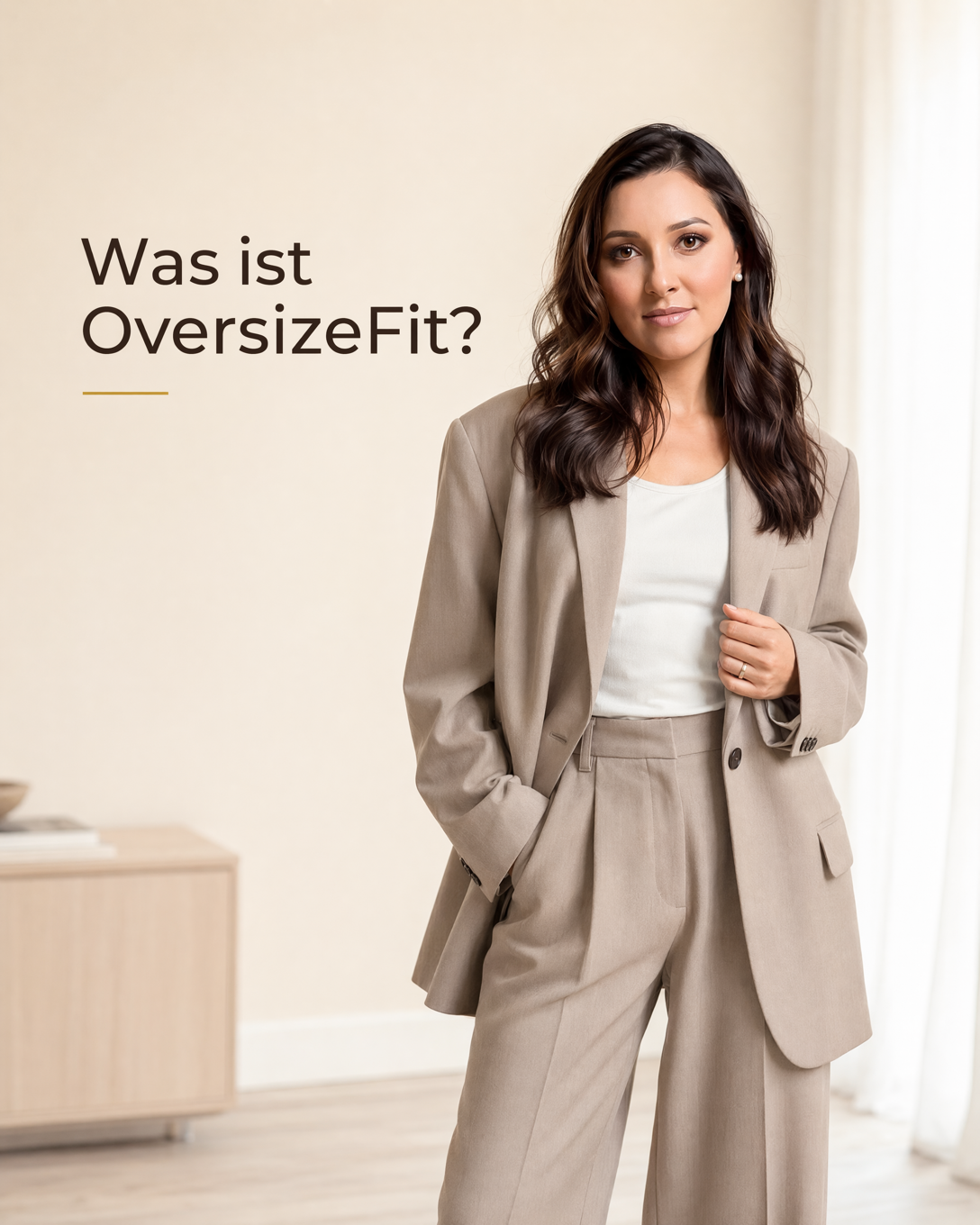
Oversized Oversized describes clothing deliberately cut with more volume than a regular fit. Learn how oversized silhouettes work, how to style them, and how to distinguish them from simply ill-fitting clothes.
Oversized Fit Oversized fit is a deliberately roomy clothing cut that creates intentional volume and a modern relaxed silhouette. Learn how oversized clothing should fit, how to style it, and how to avoid a shapeless look.
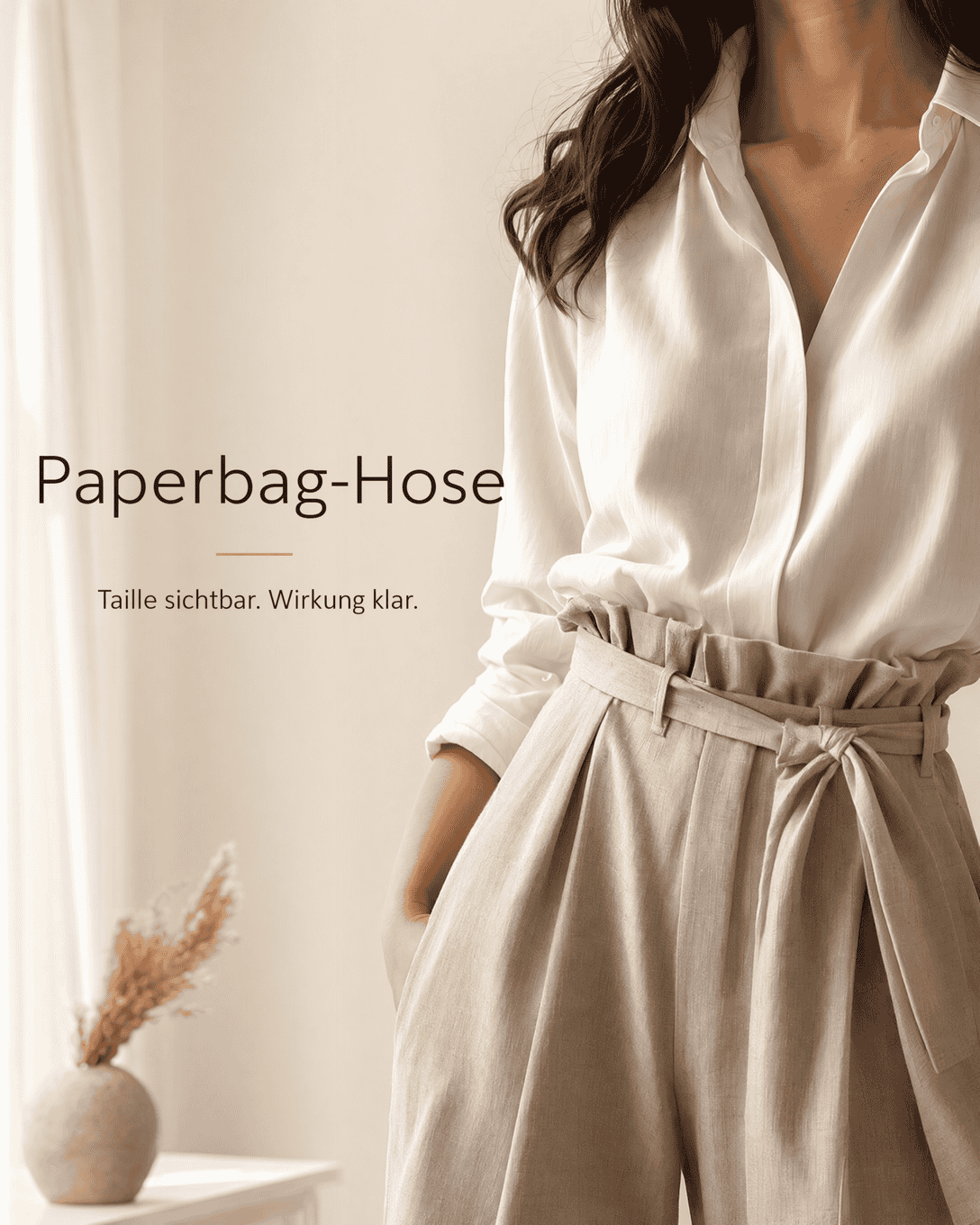
Paperbag Trousers Paperbag trousers are high-waisted trousers with extra fabric gathered above the waistband. Learn how this distinctive trouser shape affects proportion, fit, and everyday styling.
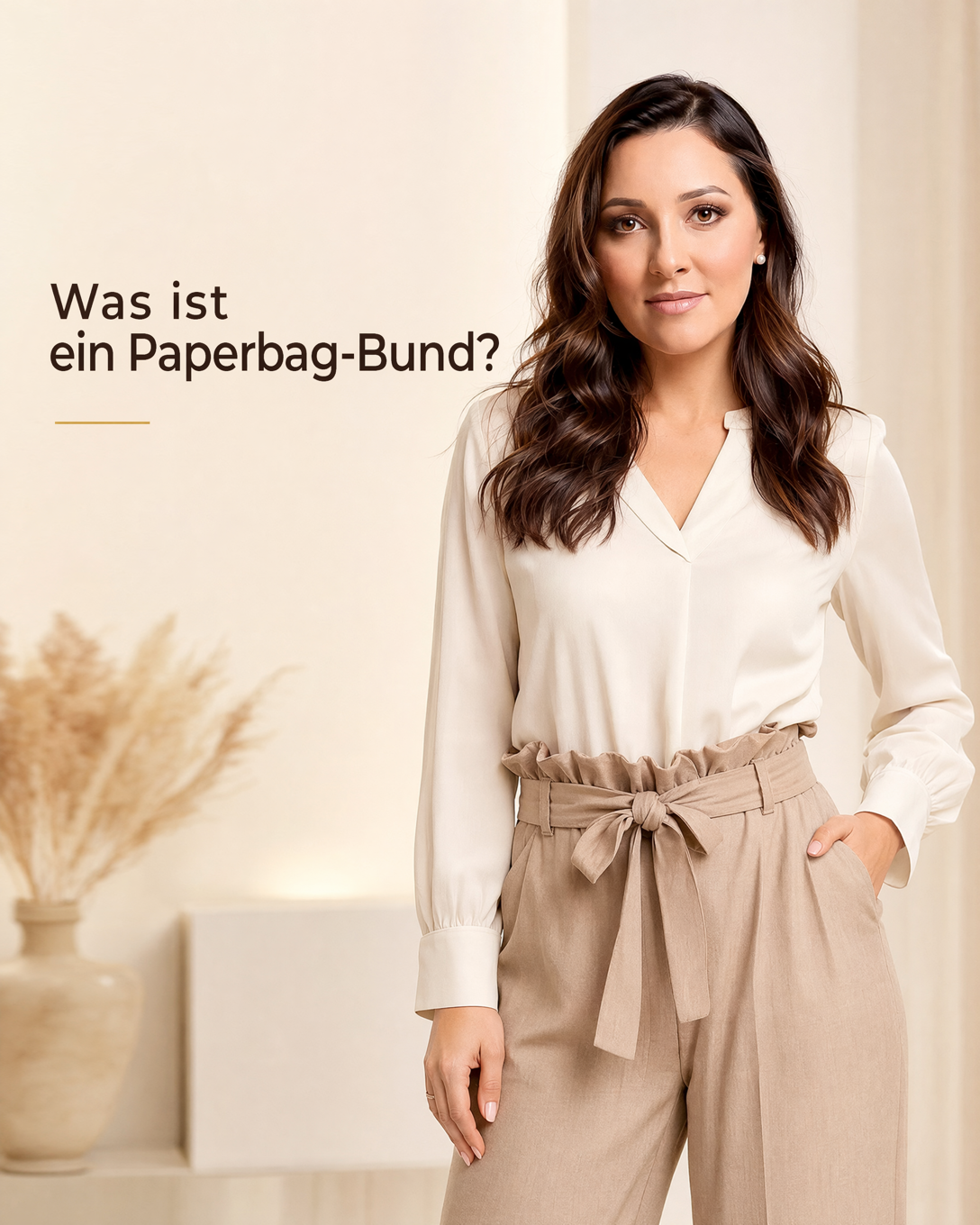
Paperbag Waistband A paperbag waistband is a high, gathered waist finish on trousers or skirts that rises above a belt or tie. Learn how it affects fit, proportion, and everyday styling.
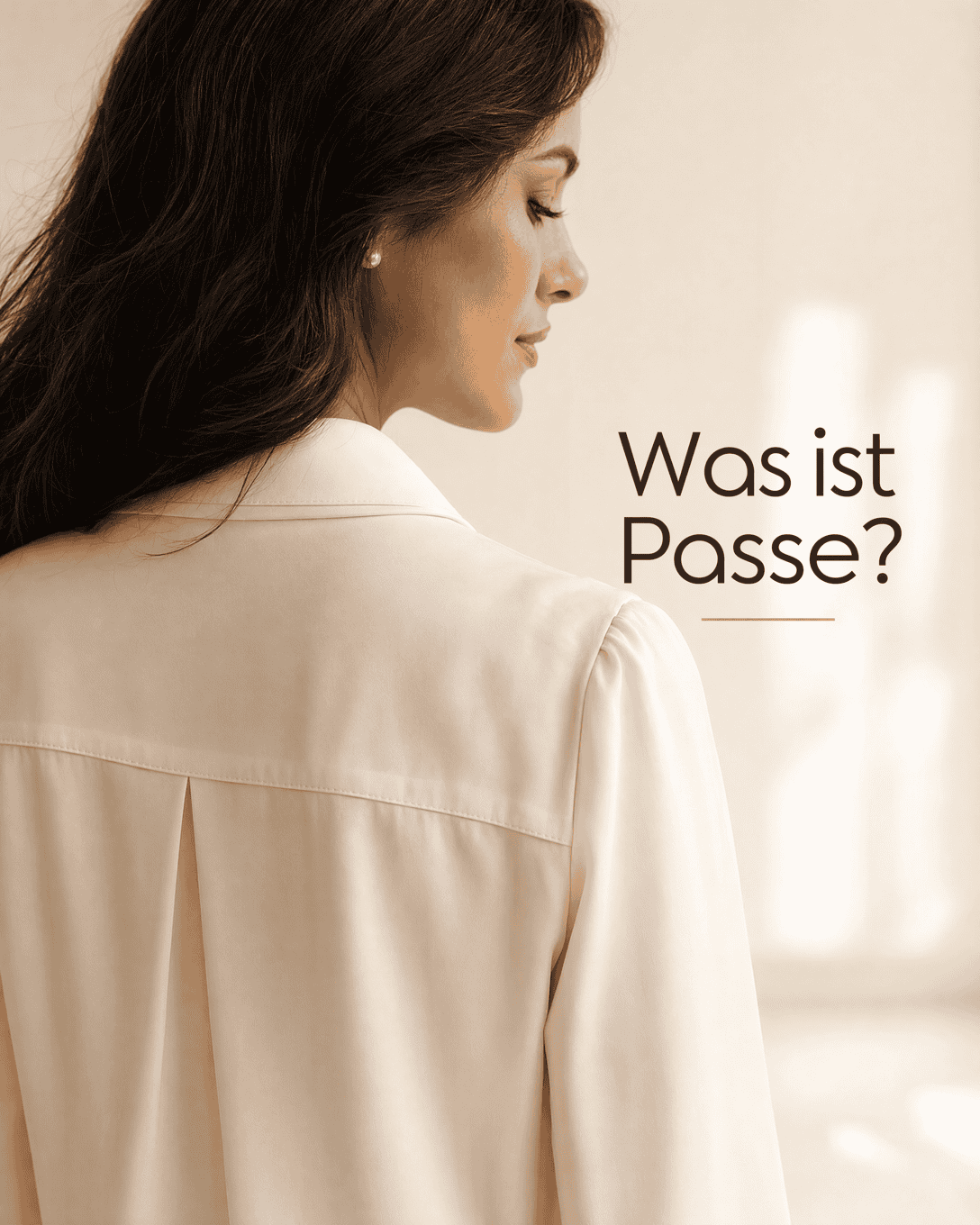
Pass A yoke is a shaped garment panel, also called a pass, that supports fit and distributes fullness across the shoulders, back, waist, or hips.
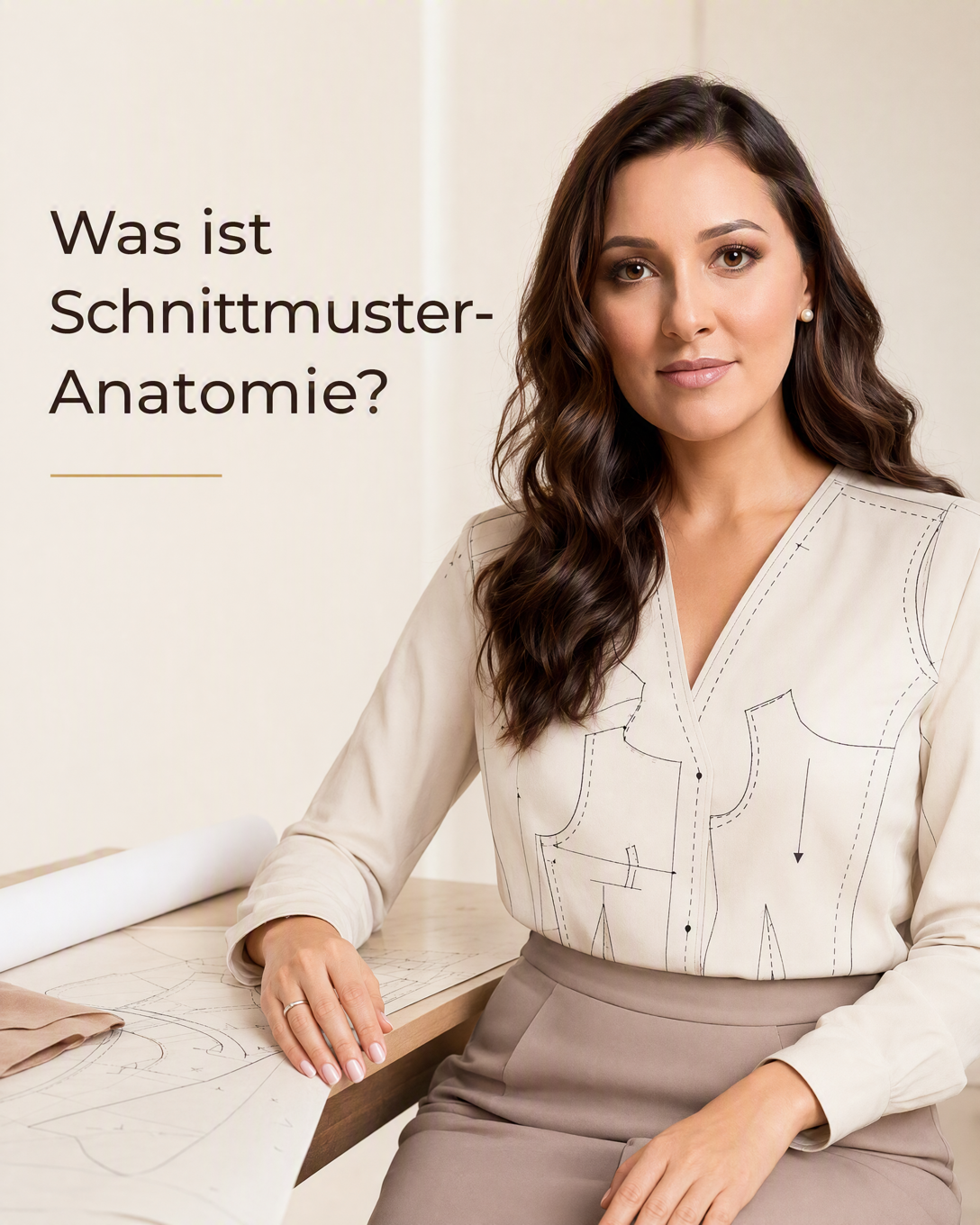
Pattern Anatomy Pattern anatomy explains how a garment is divided into individual pattern pieces that are shaped and positioned for specific areas of the body.
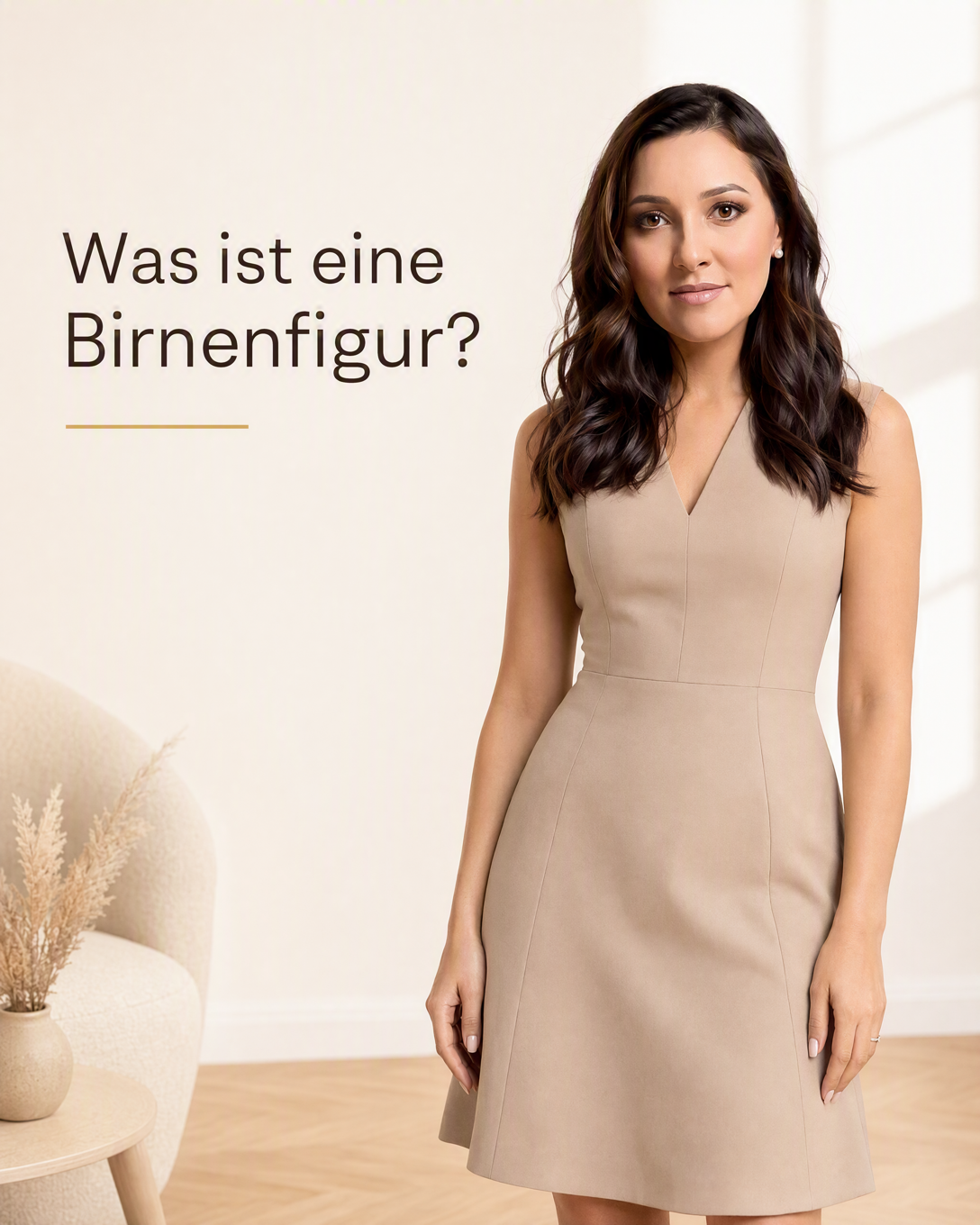
Pear Body Shape A pear body shape, also called an A figure, describes proportions in which the hips appear wider than the shoulders. Learn how clothing cut, proportion, and styling choices can create balance while supporting your personal style.
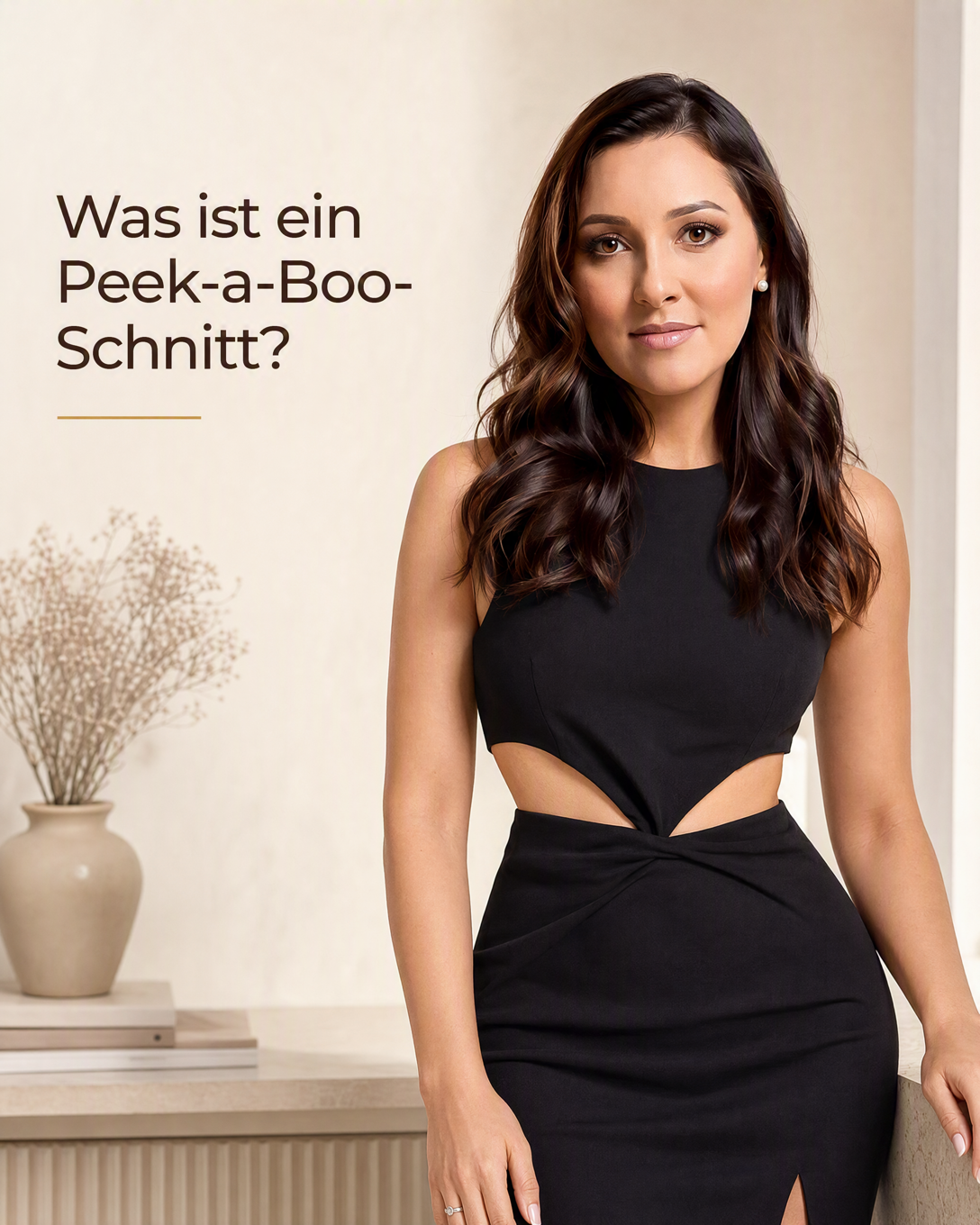
Peek-a-Boo Cut A peek-a-boo cut is a clothing detail with strategically placed openings that reveal small glimpses of skin, often becoming visible only through movement.
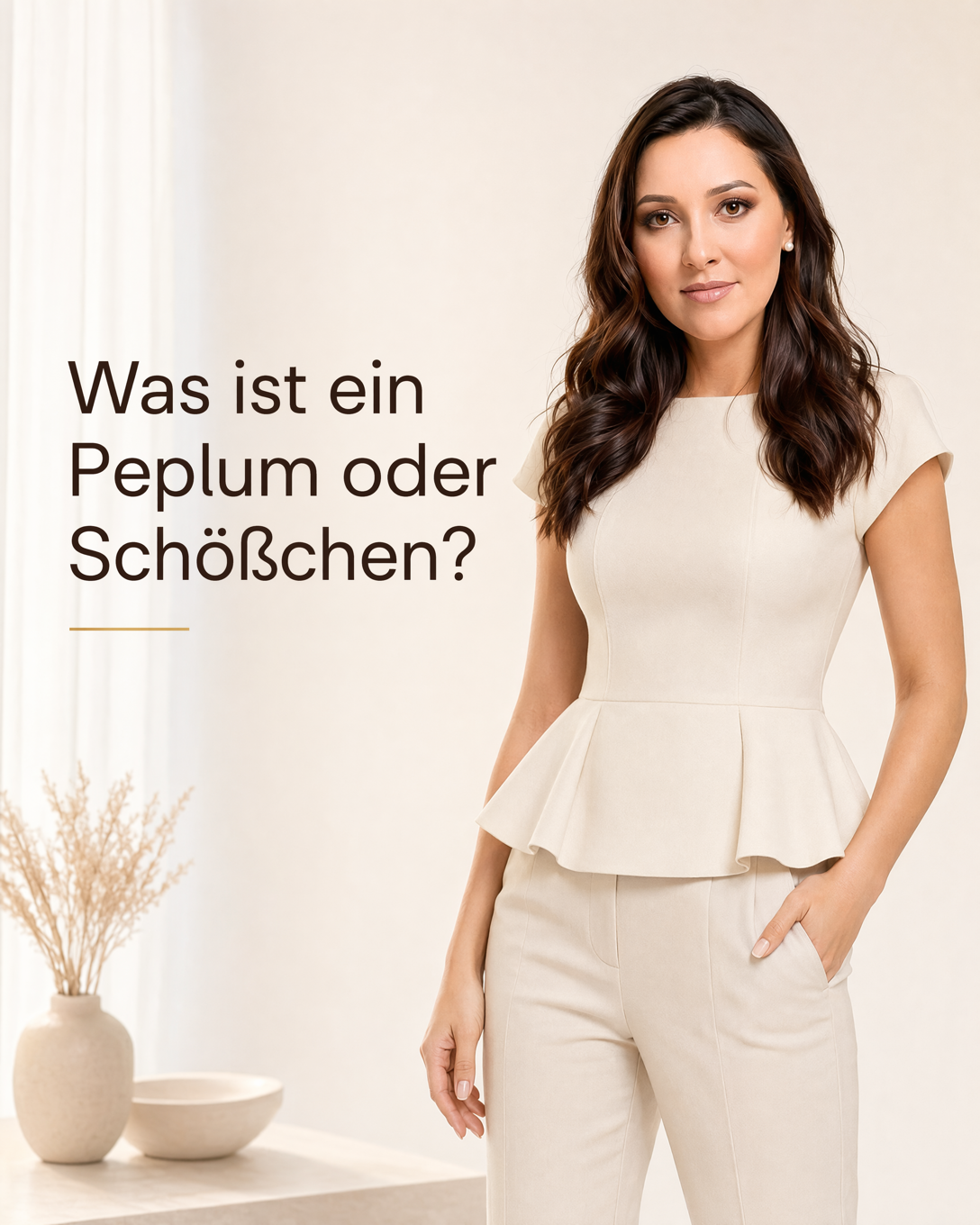
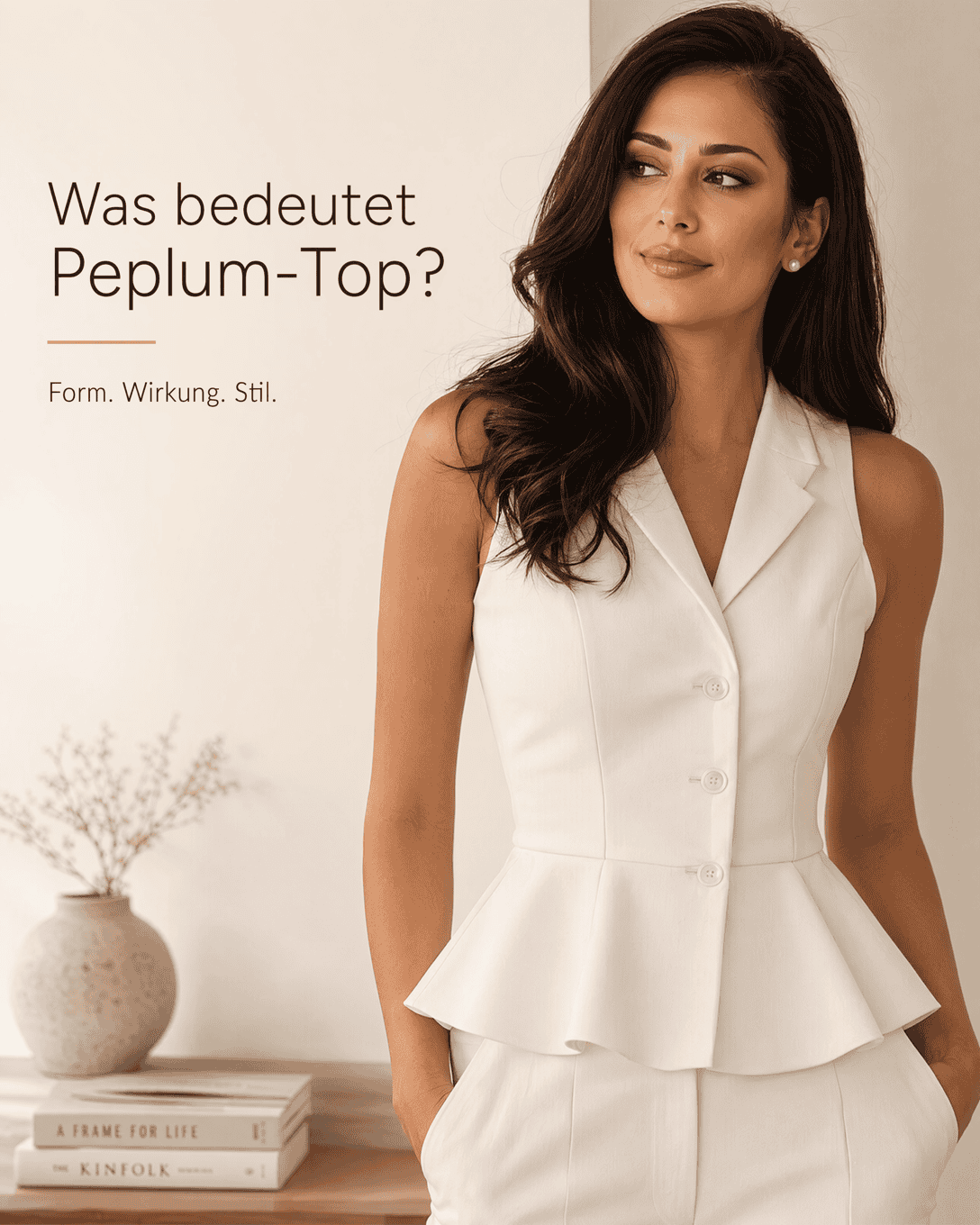
Peplum A peplum is a short flared panel attached at the waist of a top, jacket, dress, or skirt. It adds volume around the hips and creates a defined, waist-focused silhouette.
Peplum Top A peplum top is a fitted top with a short flared ruffle or overskirt at the waist. Learn how this shape affects proportion, fit, and outfit styling.
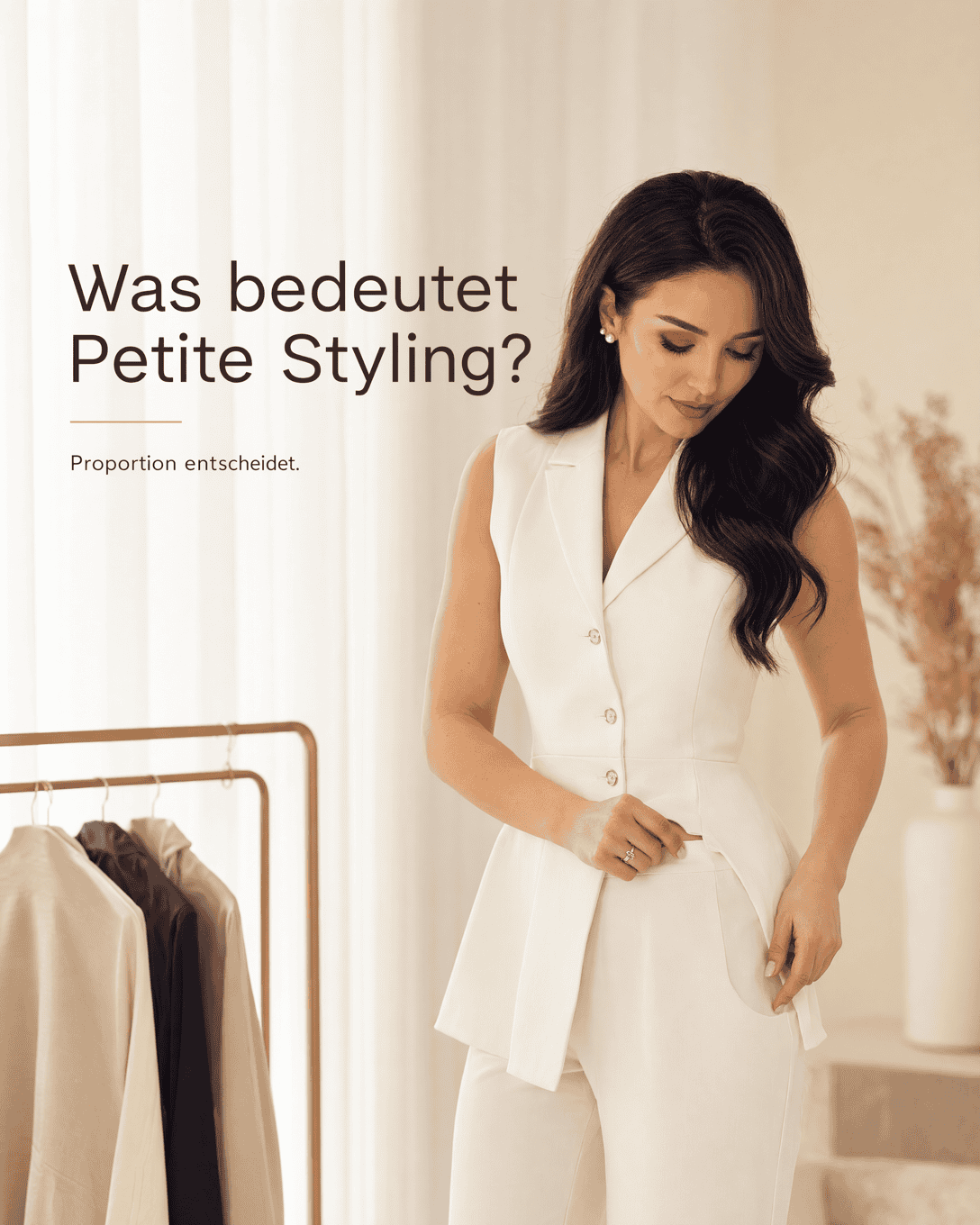
Petite Styling Petite Styling helps people with a shorter frame choose proportions, lengths, and details that create a balanced, intentional silhouette.
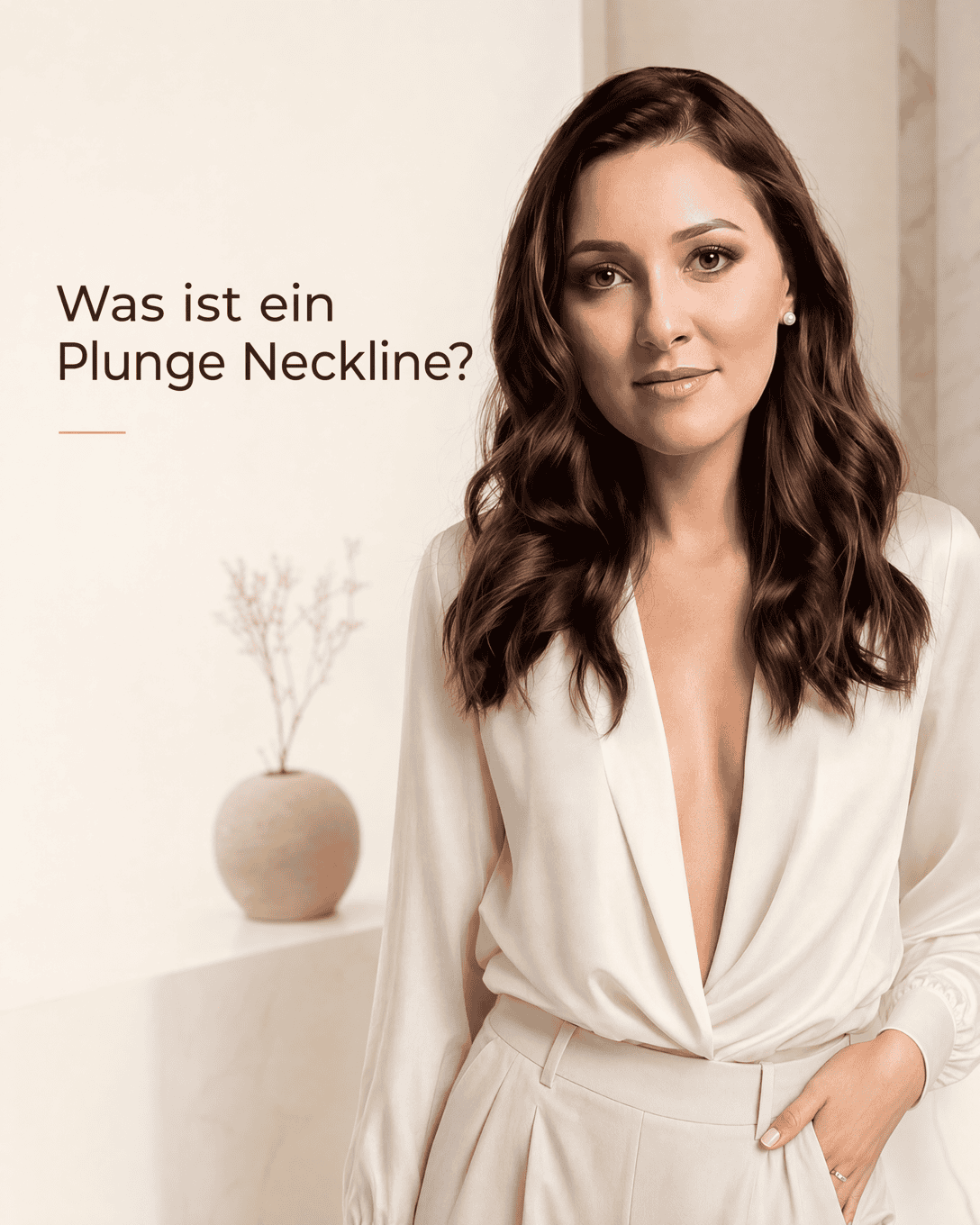
Plunge Neckline A plunge neckline is a deep V-shaped neckline that extends low on the chest. Learn how it affects proportion, coverage, support, and occasion-appropriate styling.
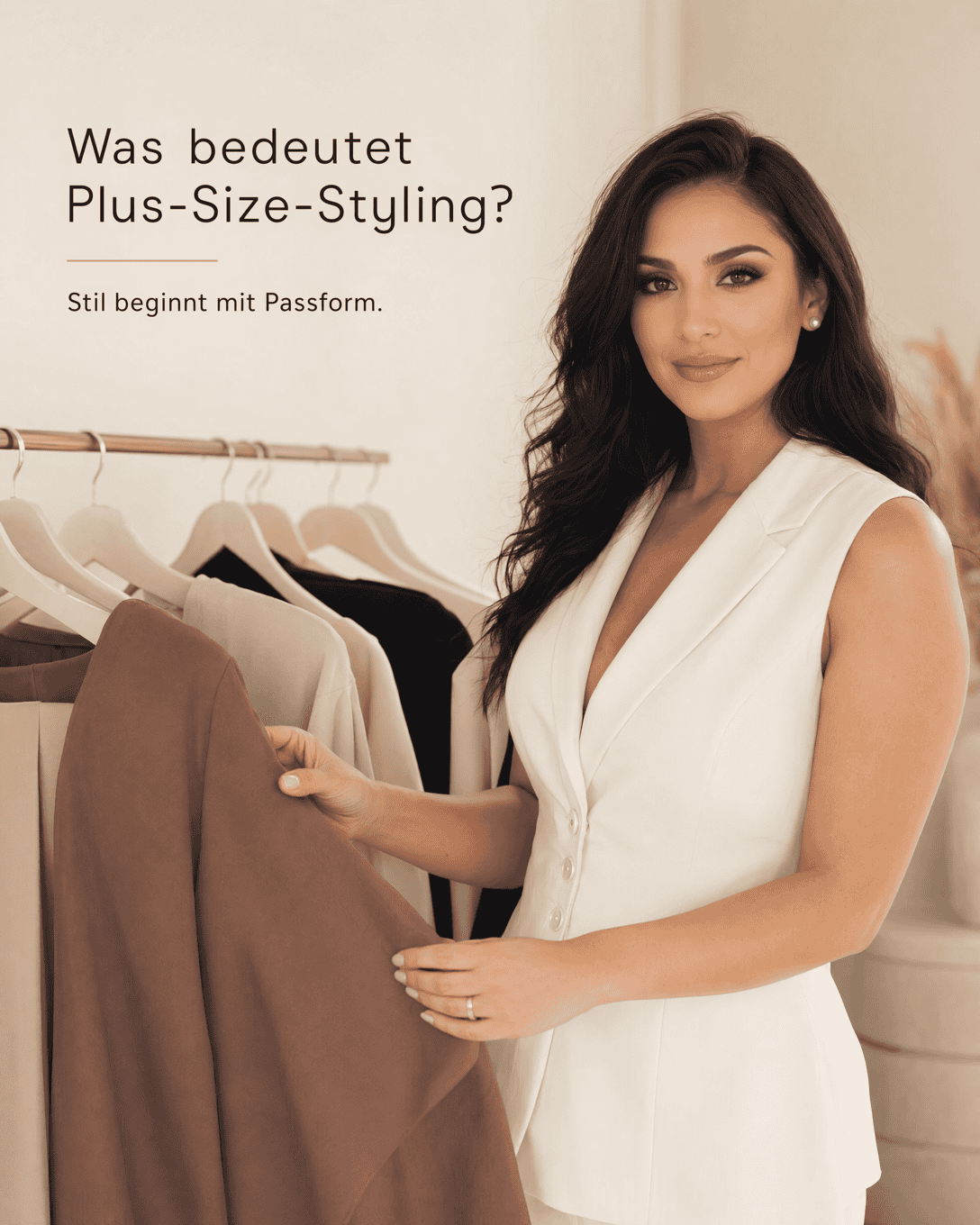
Plus Size Styling Plus Size Styling is the thoughtful use of fit, proportion, fabric, color, and personal style to create comfortable, expressive outfits for plus-size bodies.
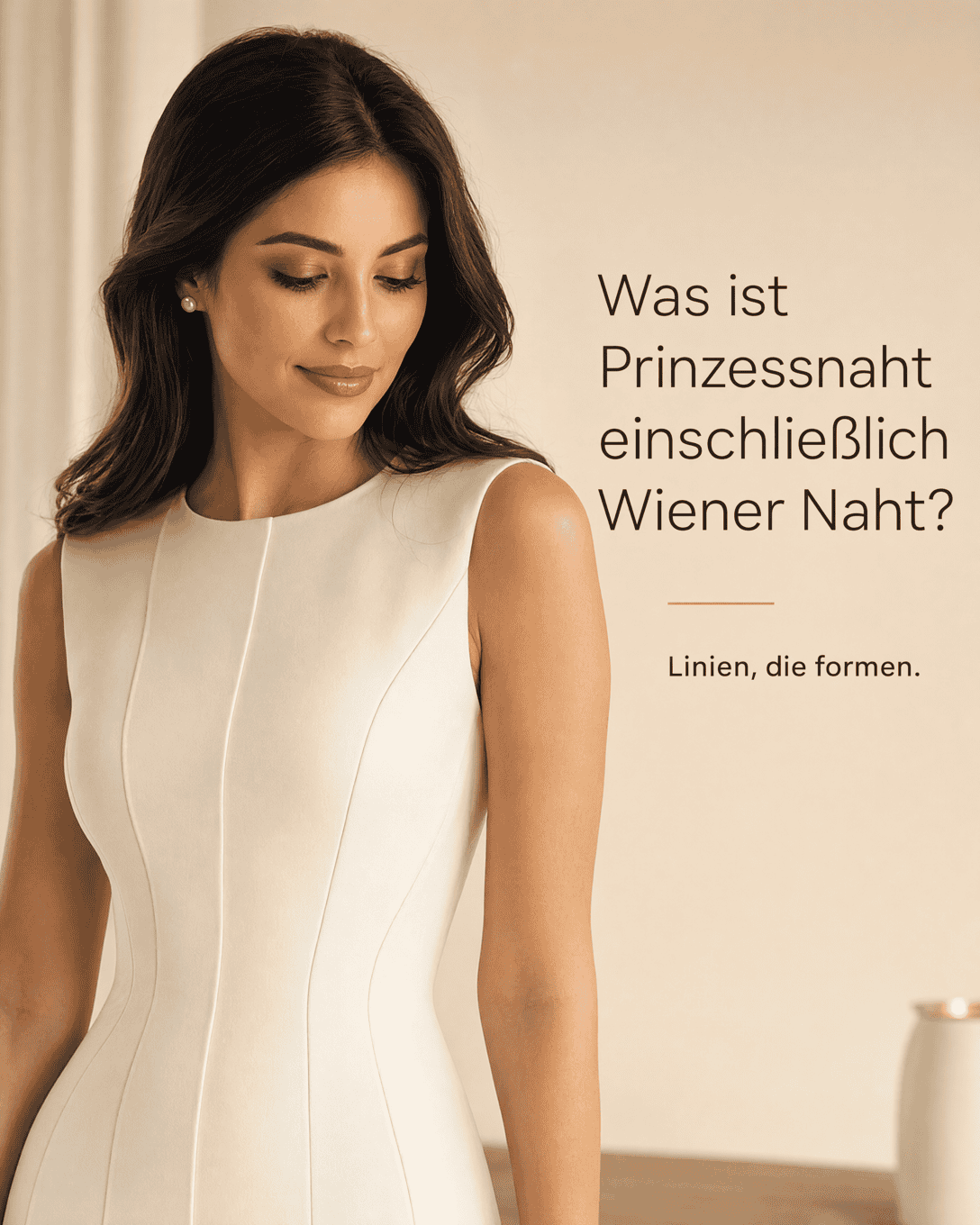
Princess seam including Viennese seam Princess and Viennese seams are long, curved shaping seams that create a close, tailored fit through the bust and torso. They replace or incorporate darts while creating a defined vertical line in dresses, blazers, coats, and tops.
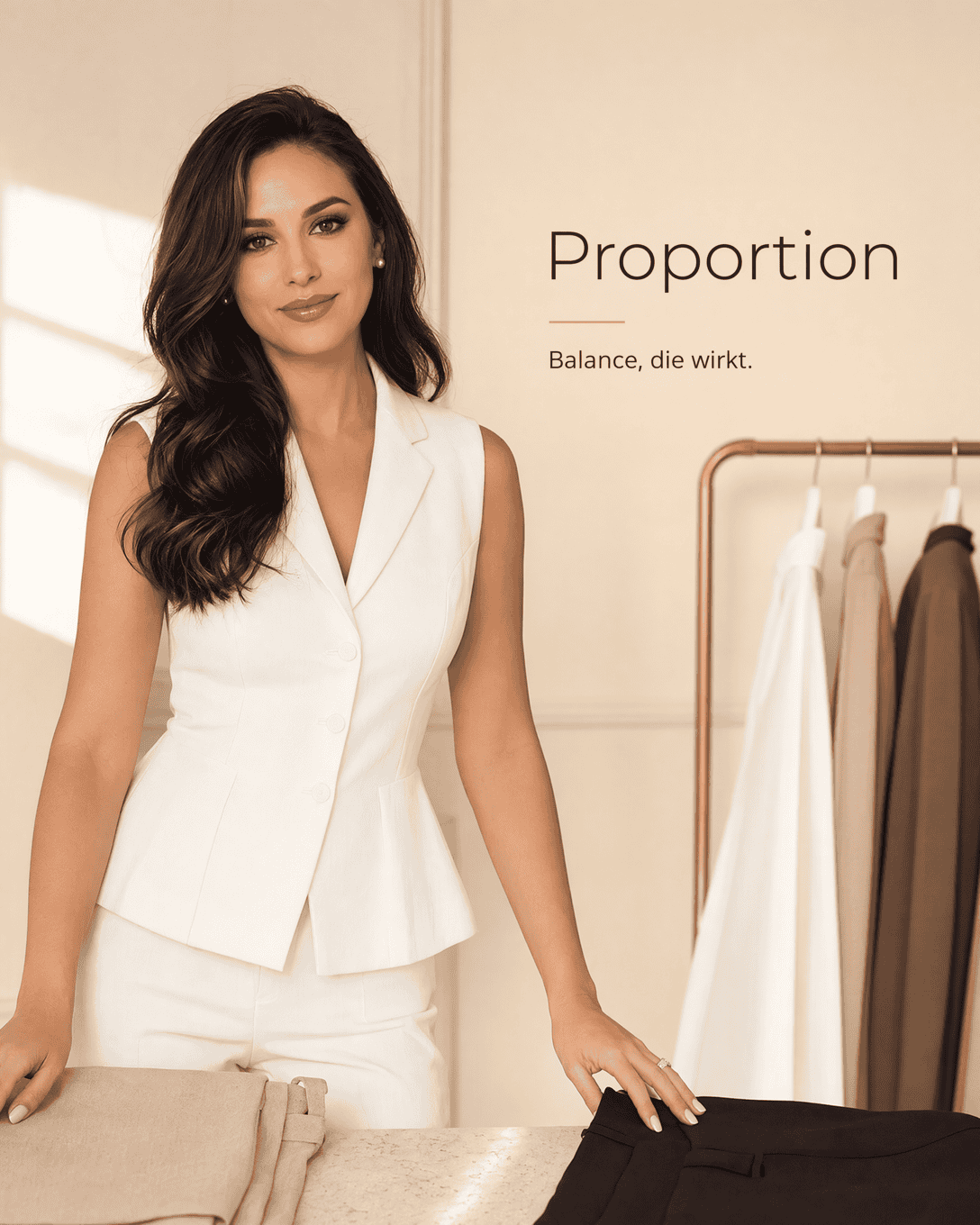
Proportion Proportion in fashion describes the relationship between lengths, widths, volume, and visual weight in an outfit. It shapes balance, silhouette, and the way the eye moves across a look.
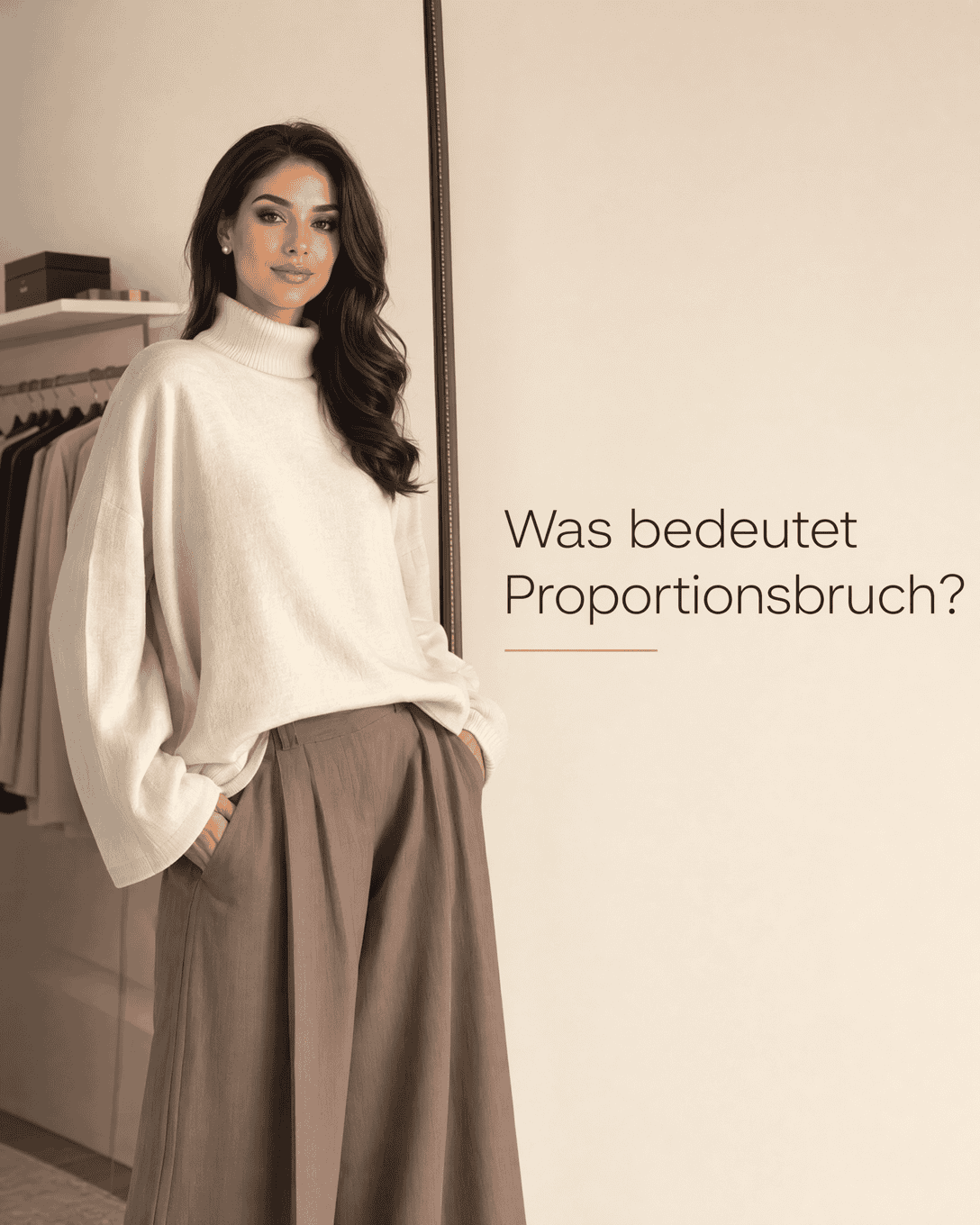
Proportion Break Proportion Break is the deliberate disruption of expected lengths, widths, or volume in an outfit. It creates visual tension and can make a silhouette feel more modern, directional, or expressive.
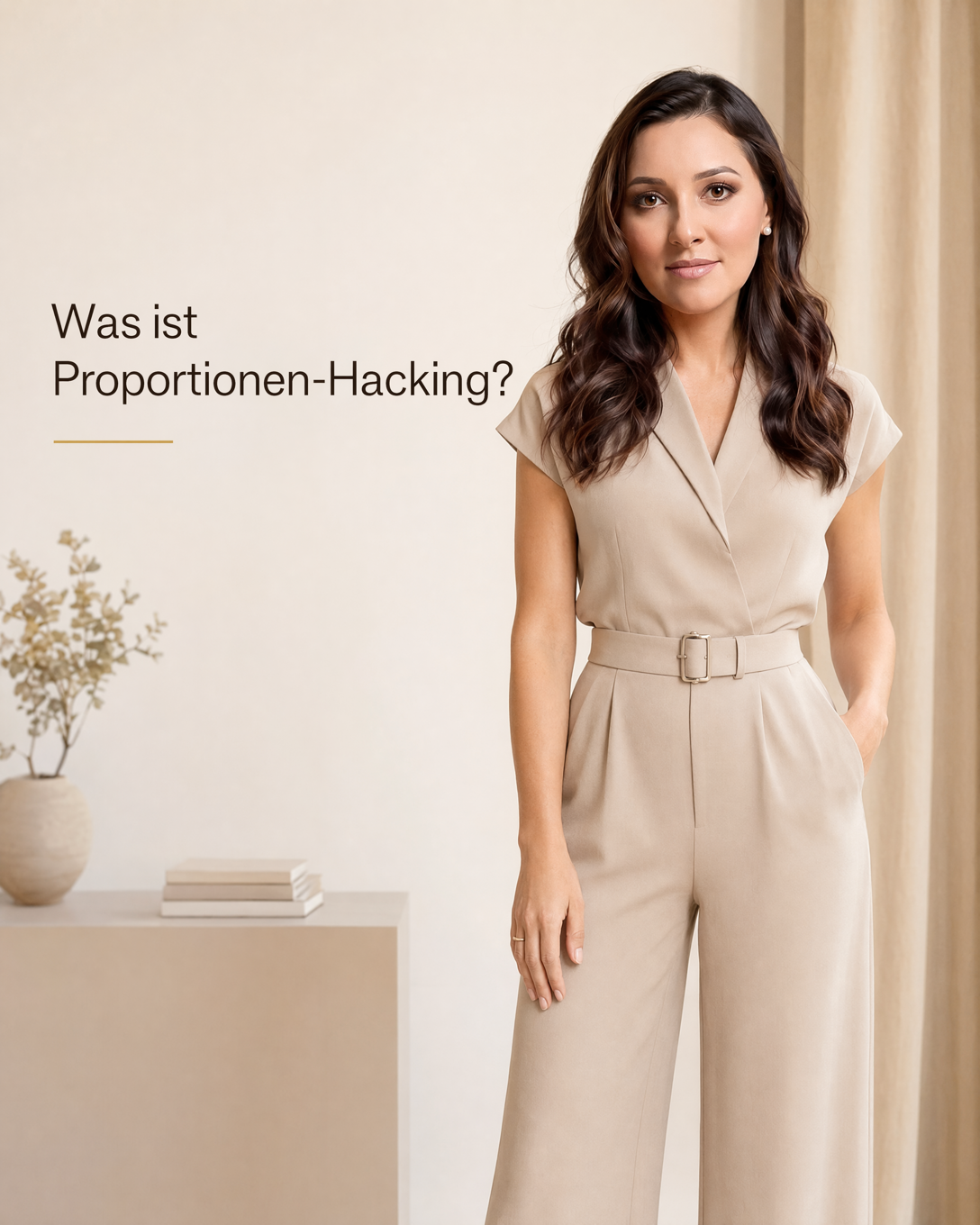
Proportion Hacking Proportion hacking uses strategic styling choices to visually lengthen the body, define the waist, balance volume, or create a more streamlined silhouette.
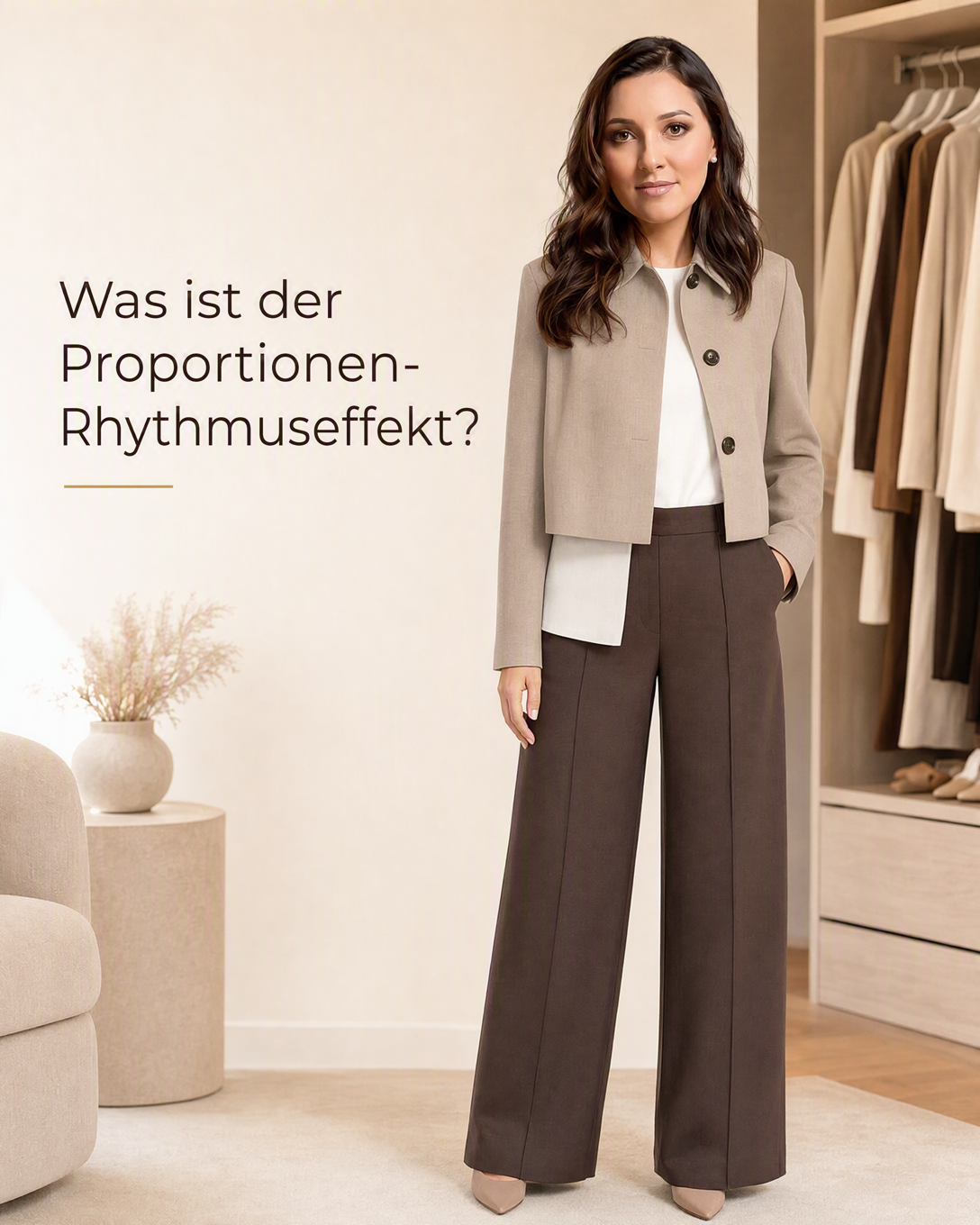
Proportion Rhythm Effect The proportion rhythm effect uses alternating short and long elements in an outfit to create movement, balance, and a more dynamic visual impression.
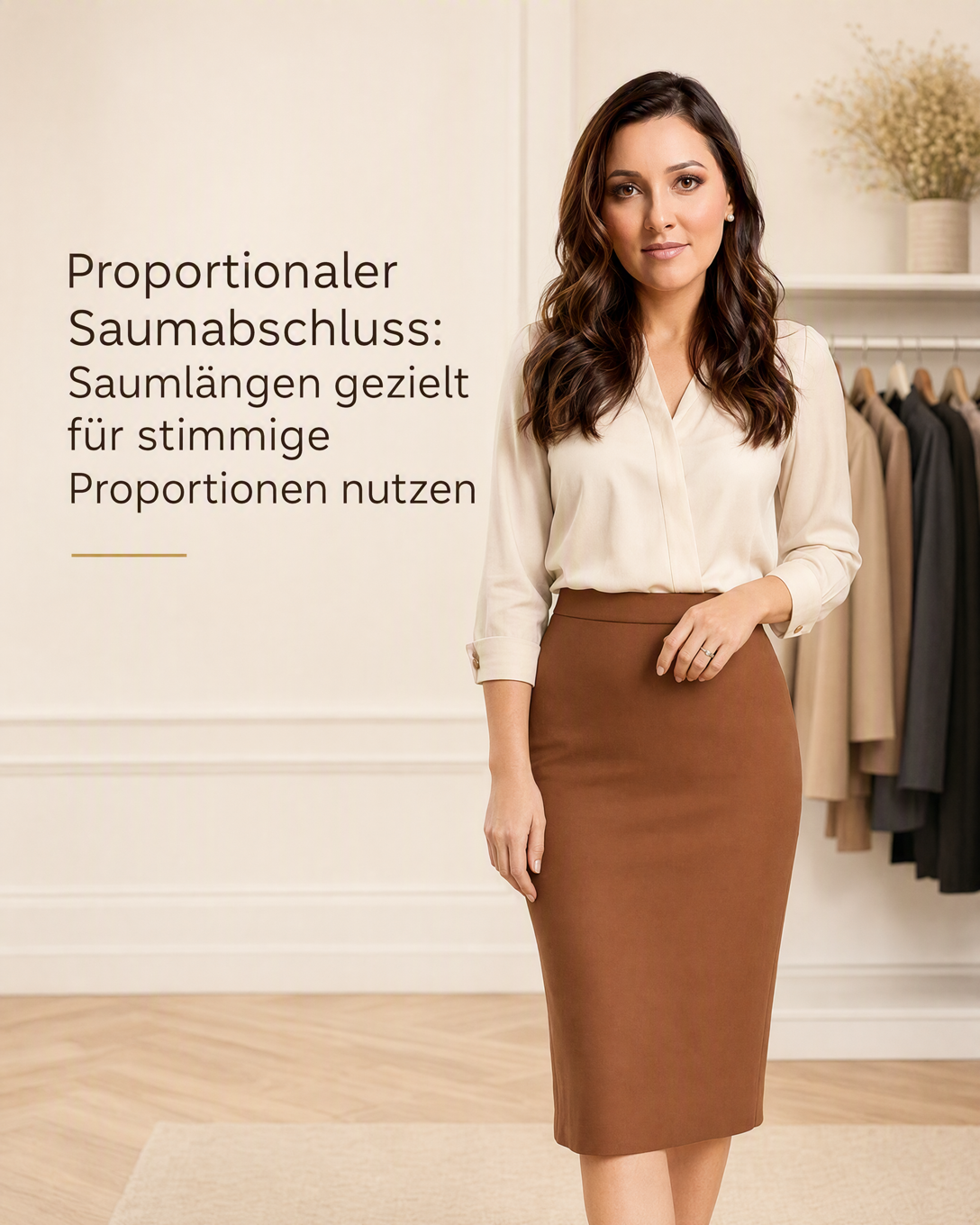
Proportional Hem Placement Proportional hem placement is the intentional positioning of skirt, trouser, jacket, or sleeve hems near narrower areas of the leg or arm to create a balanced visual line.
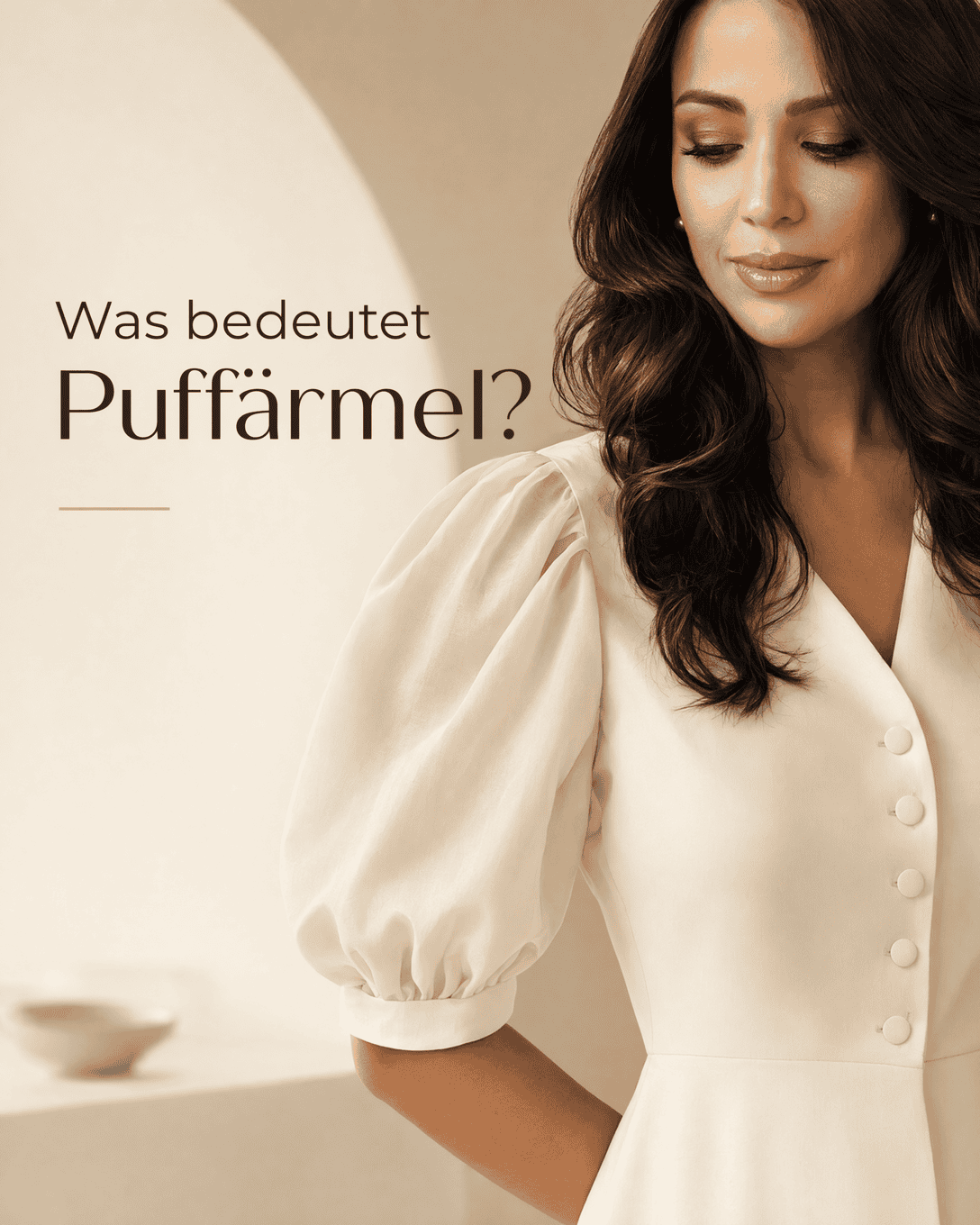
Puff Sleeve A puff sleeve is a sleeve with gathered or structured volume at the shoulder, cuff, or both. Learn how puff sleeves affect silhouette, proportion, fit, and outfit styling.
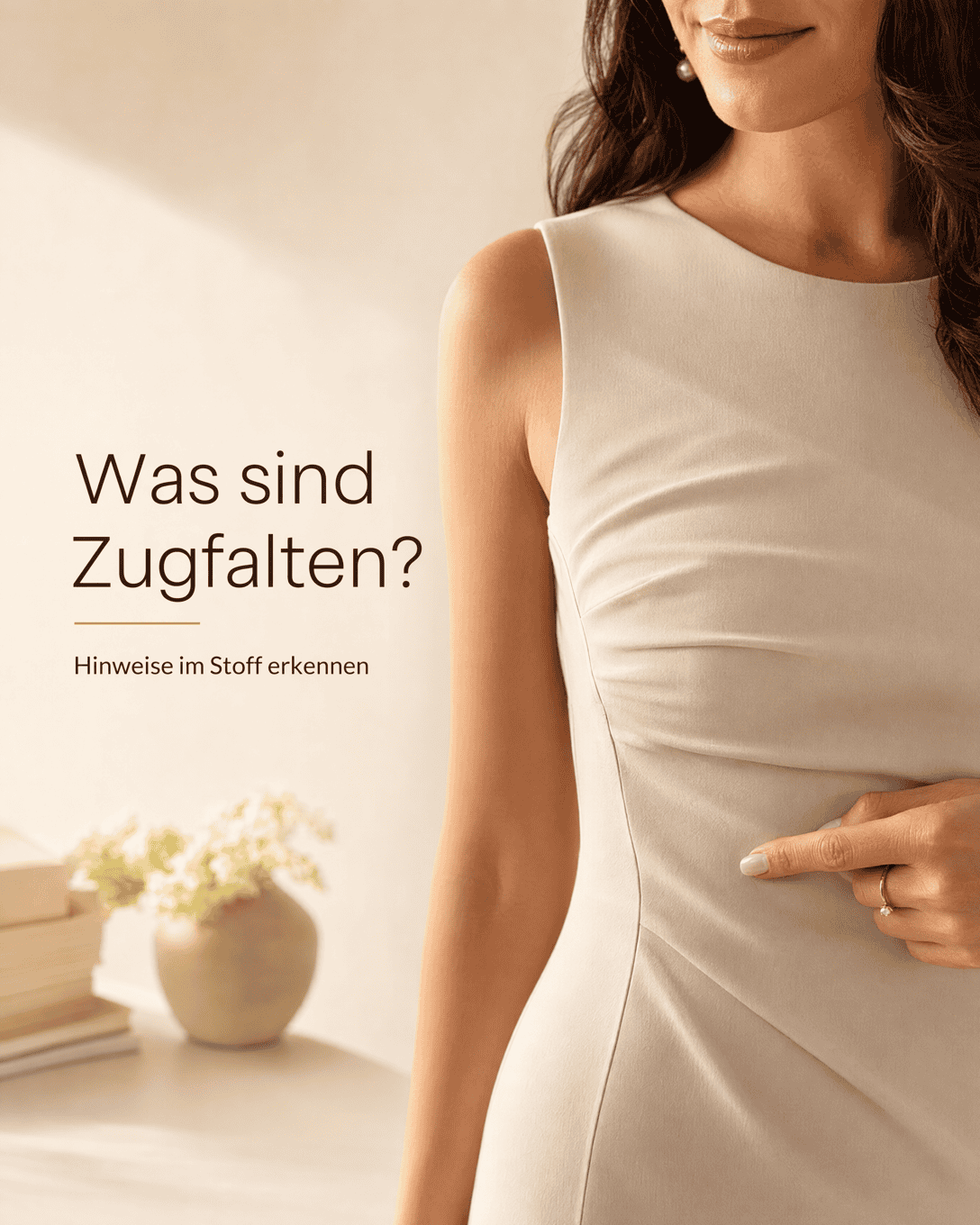
Pull Folds Pull folds, also called tension folds, are lines in clothing caused by strain, insufficient ease, or a mismatch between the garment's cut and the body. Their direction helps identify where fit needs more room or a different shape.
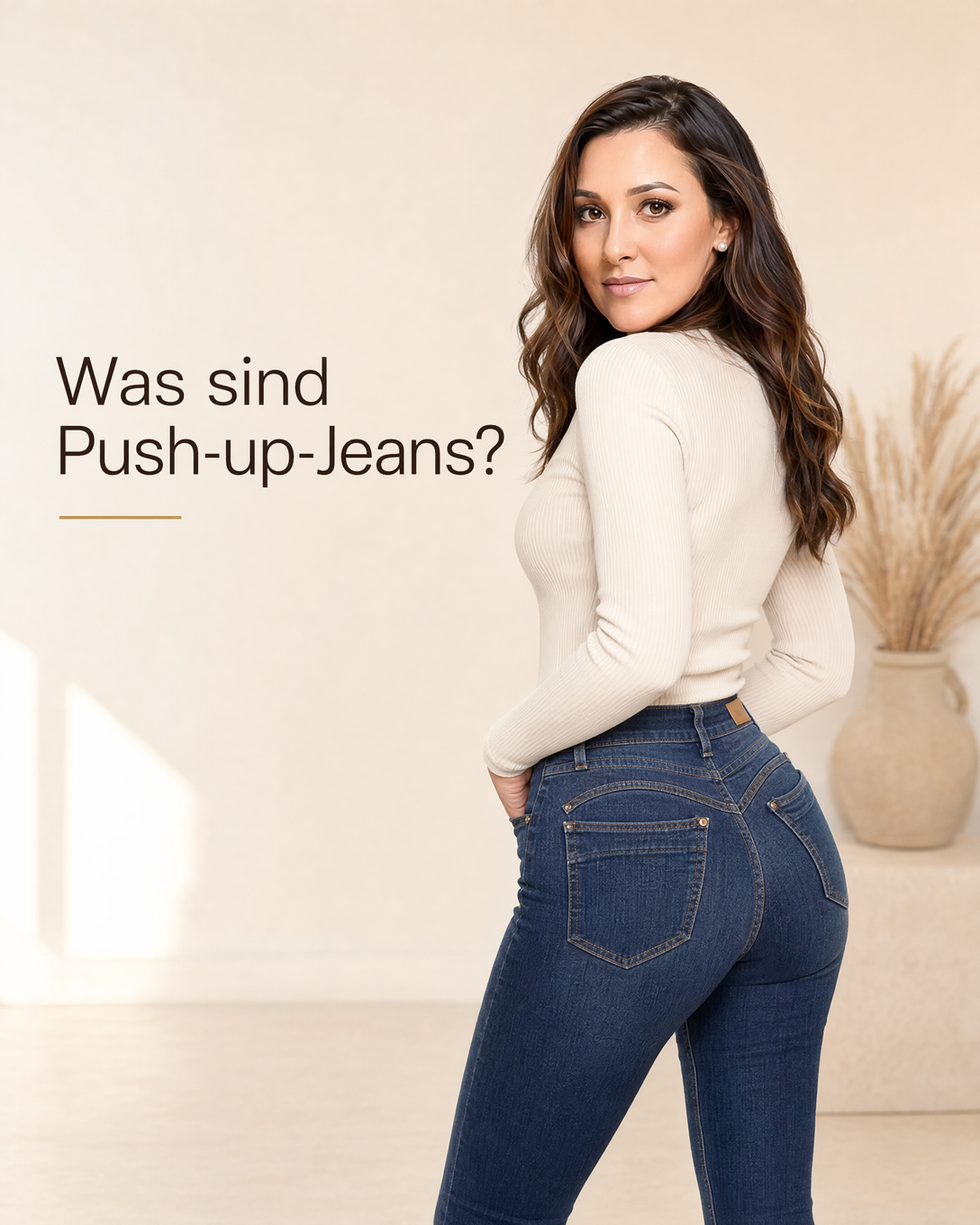
Push-Up Jeans Push-up jeans are denim trousers designed with seam placement, pocket position, and sometimes shaping panels to create a lifted, more defined look at the seat.
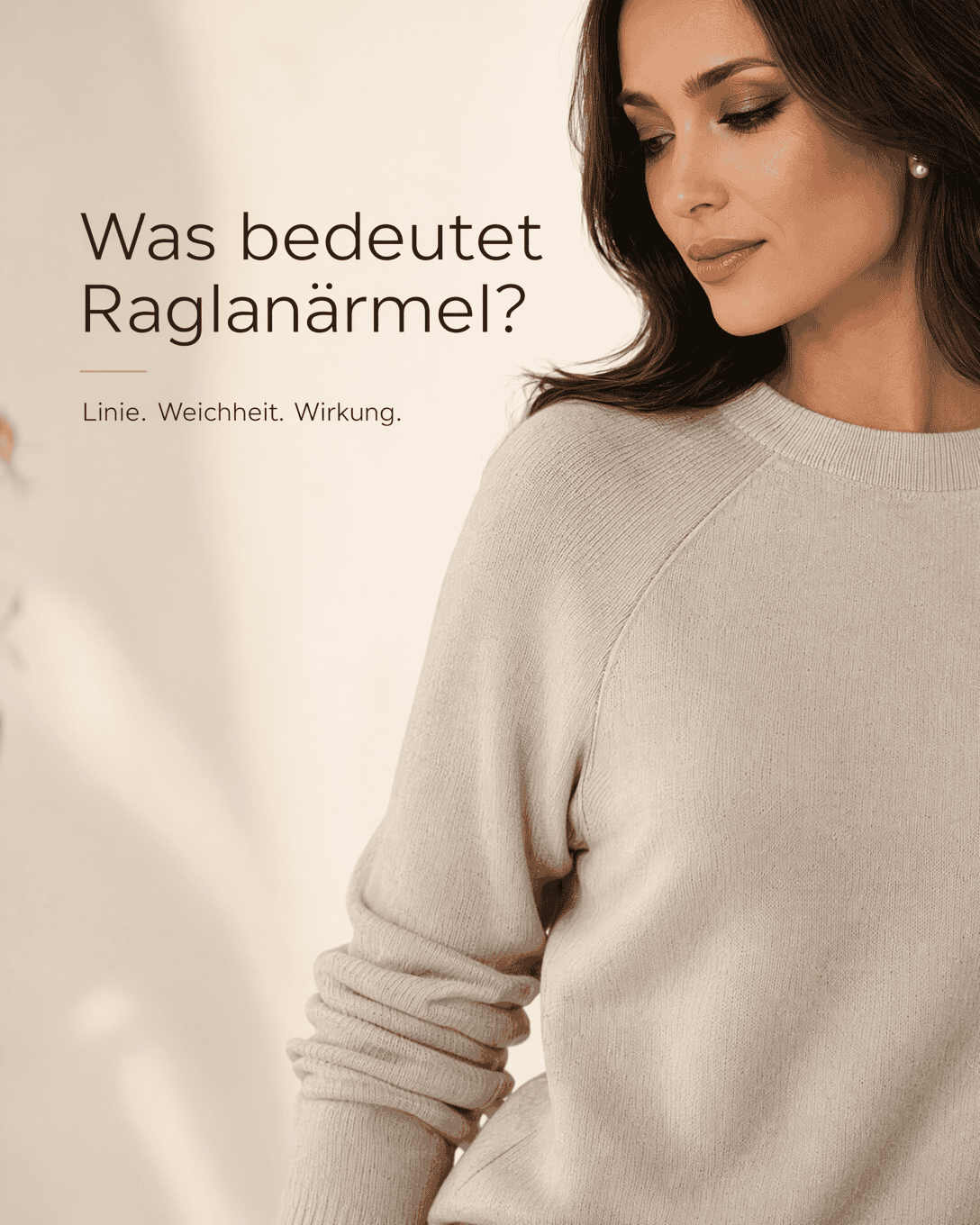
Raglan Sleeve A raglan sleeve is a sleeve cut that extends diagonally from the underarm to the neckline instead of ending at the shoulder seam. Learn how raglan sleeves affect fit, shoulder shape, comfort, and outfit proportions.
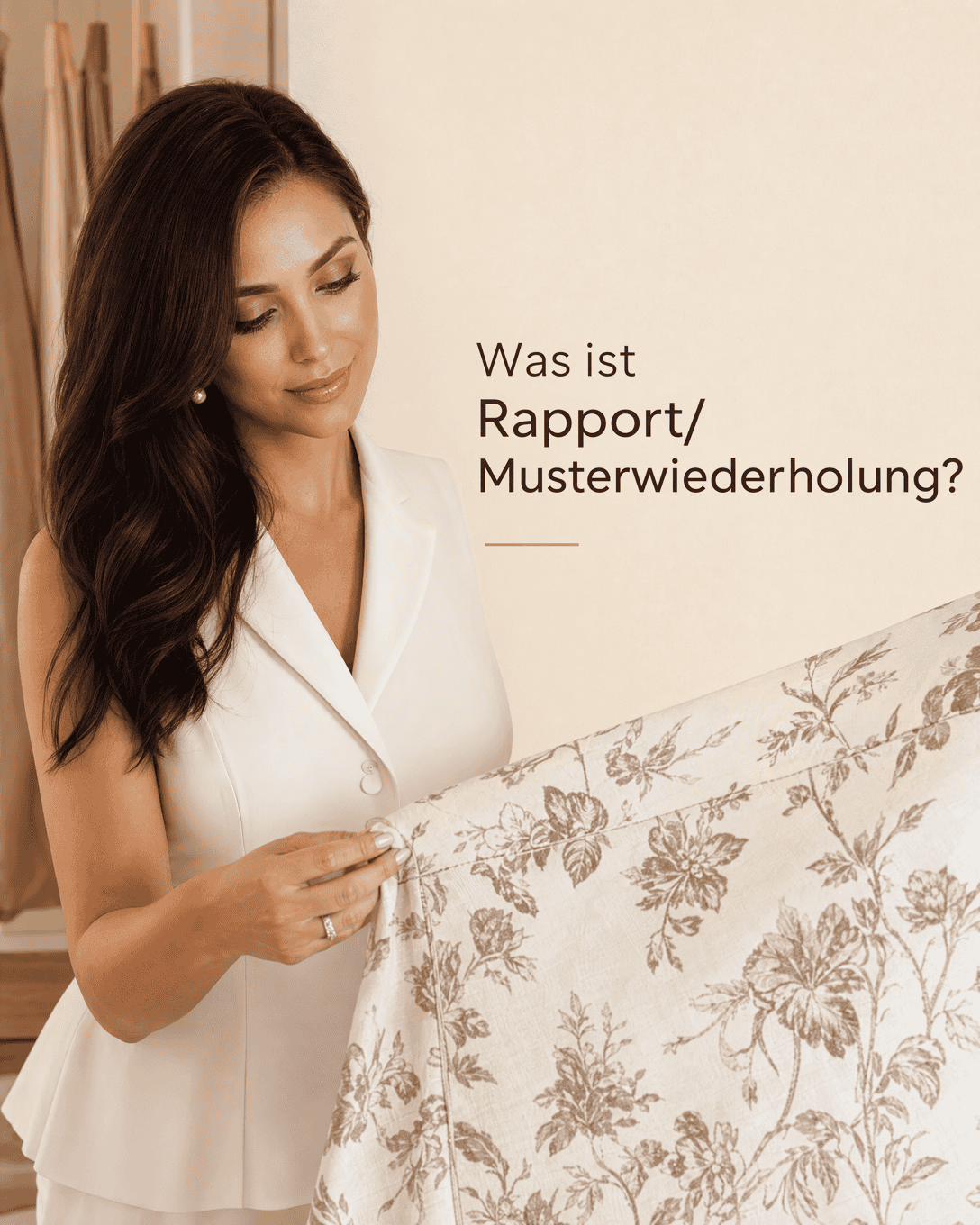
Rapport/pattern repetition A rapport, or pattern repeat, is the smallest complete unit of a textile pattern that repeats across a fabric. It affects fabric use, pattern placement, seam matching, and the finished quality of printed or woven garments.
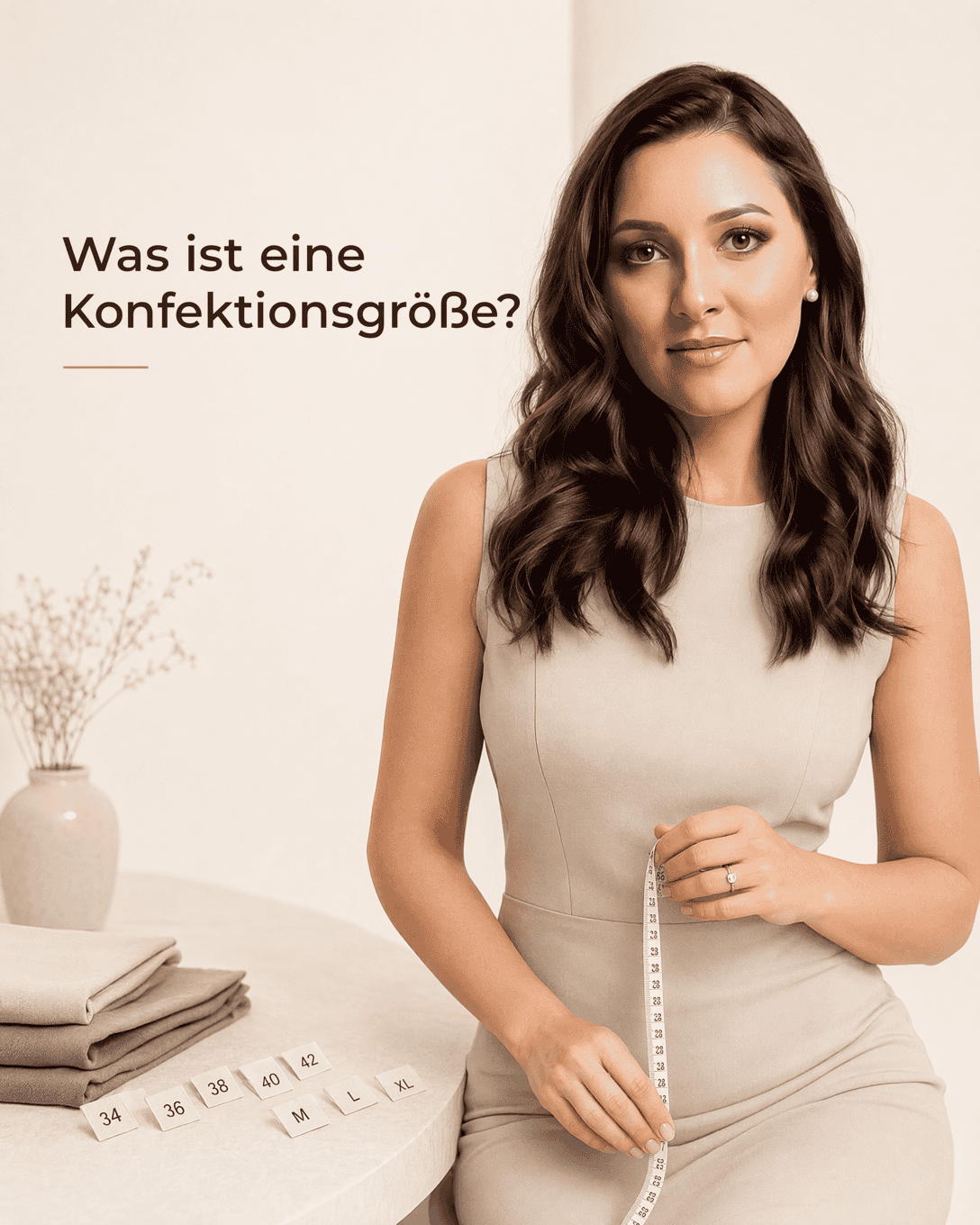
Ready-to-Wear Size Ready-to-wear size refers to the standardized clothing sizes used for garments made in advance rather than tailored to one person. Learn why sizes vary between brands and how to choose a better fit.
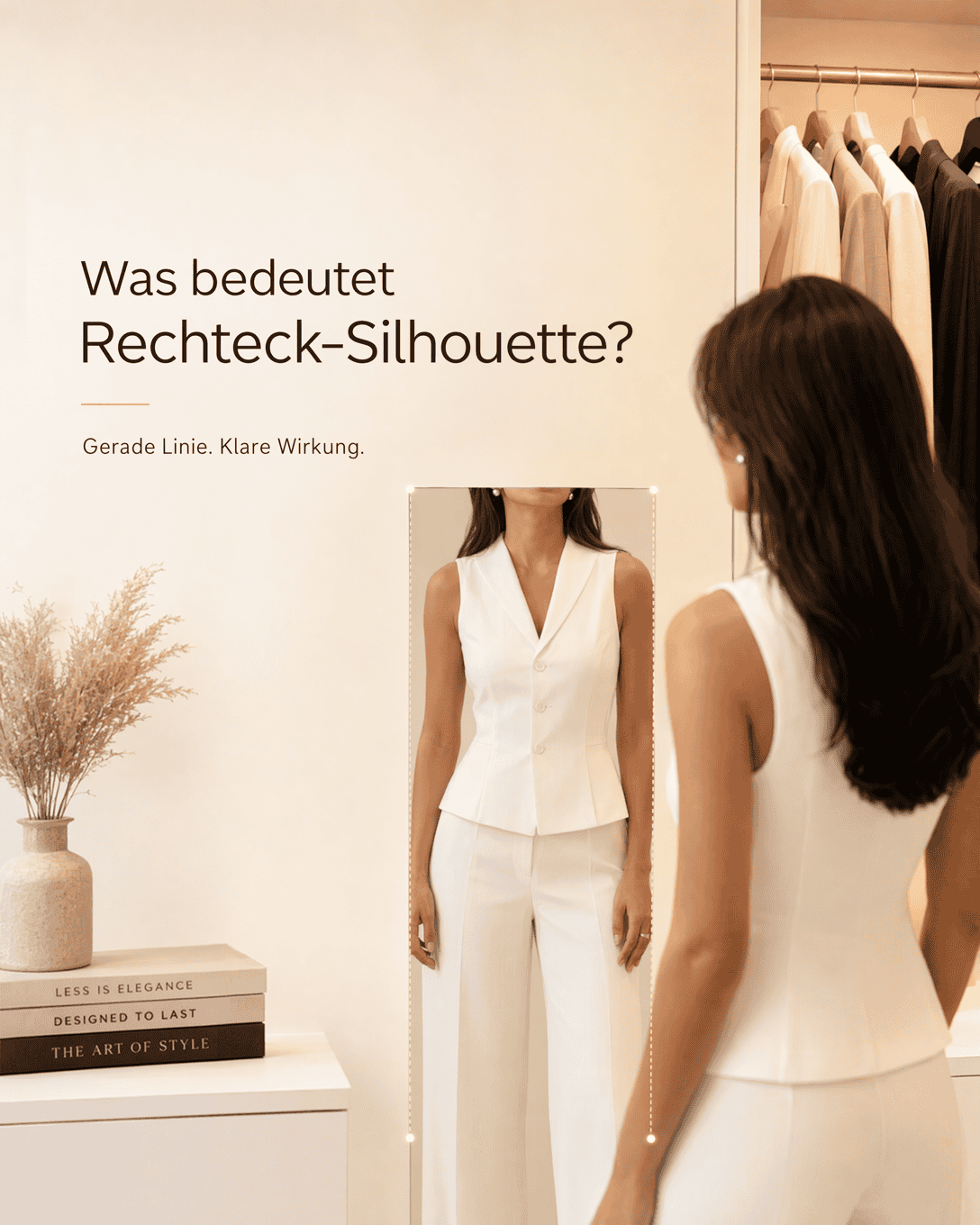
Rectangle Silhouette A rectangle silhouette describes a body line in which shoulders, waist, and hips appear relatively similar in width. Learn how clothing, waist definition, volume, and proportion can shape a rectangle body silhouette.
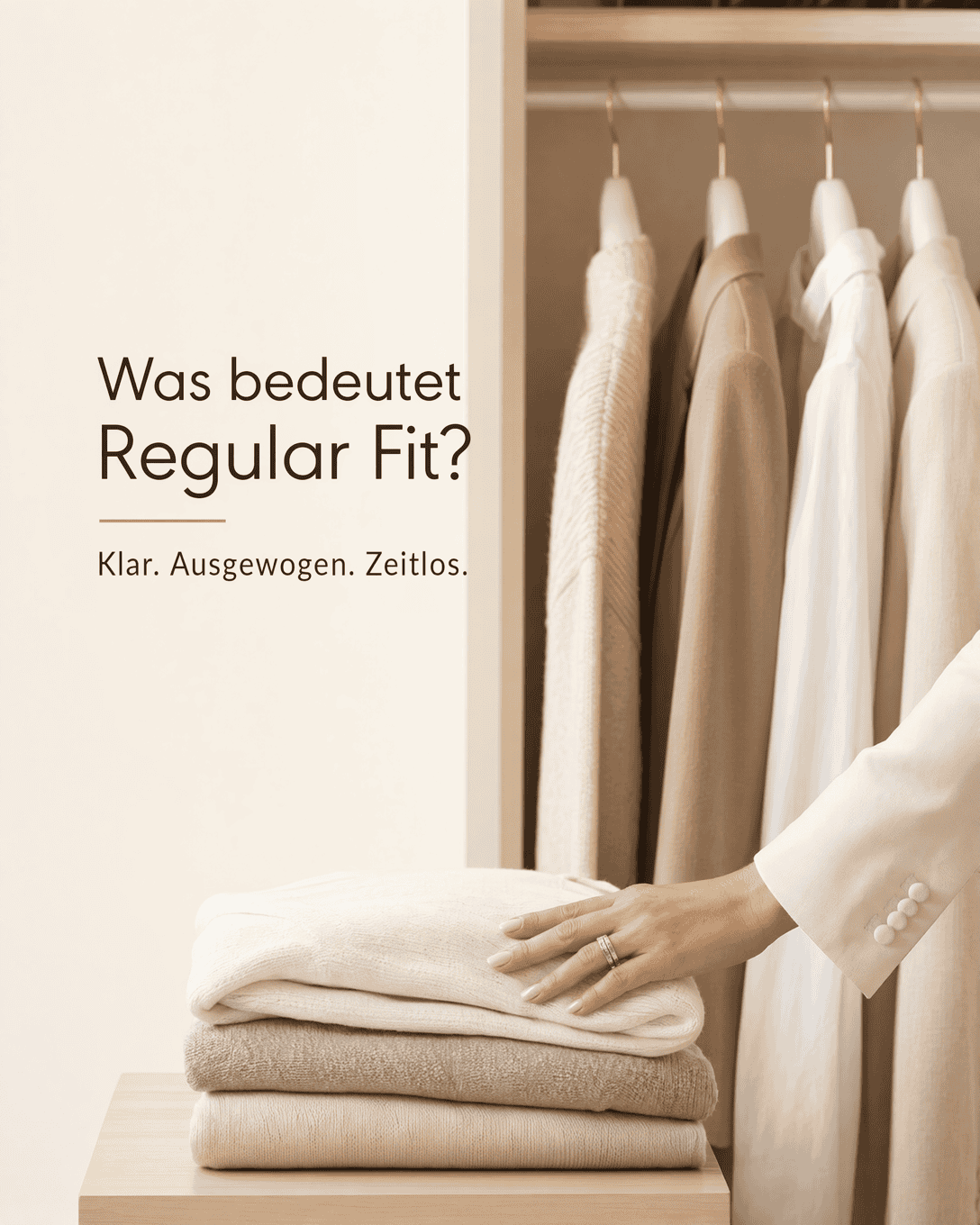
Regular Fit Regular Fit describes a standard, balanced garment cut with comfortable room through the body. Learn how it differs from slim, relaxed, and oversized fits.
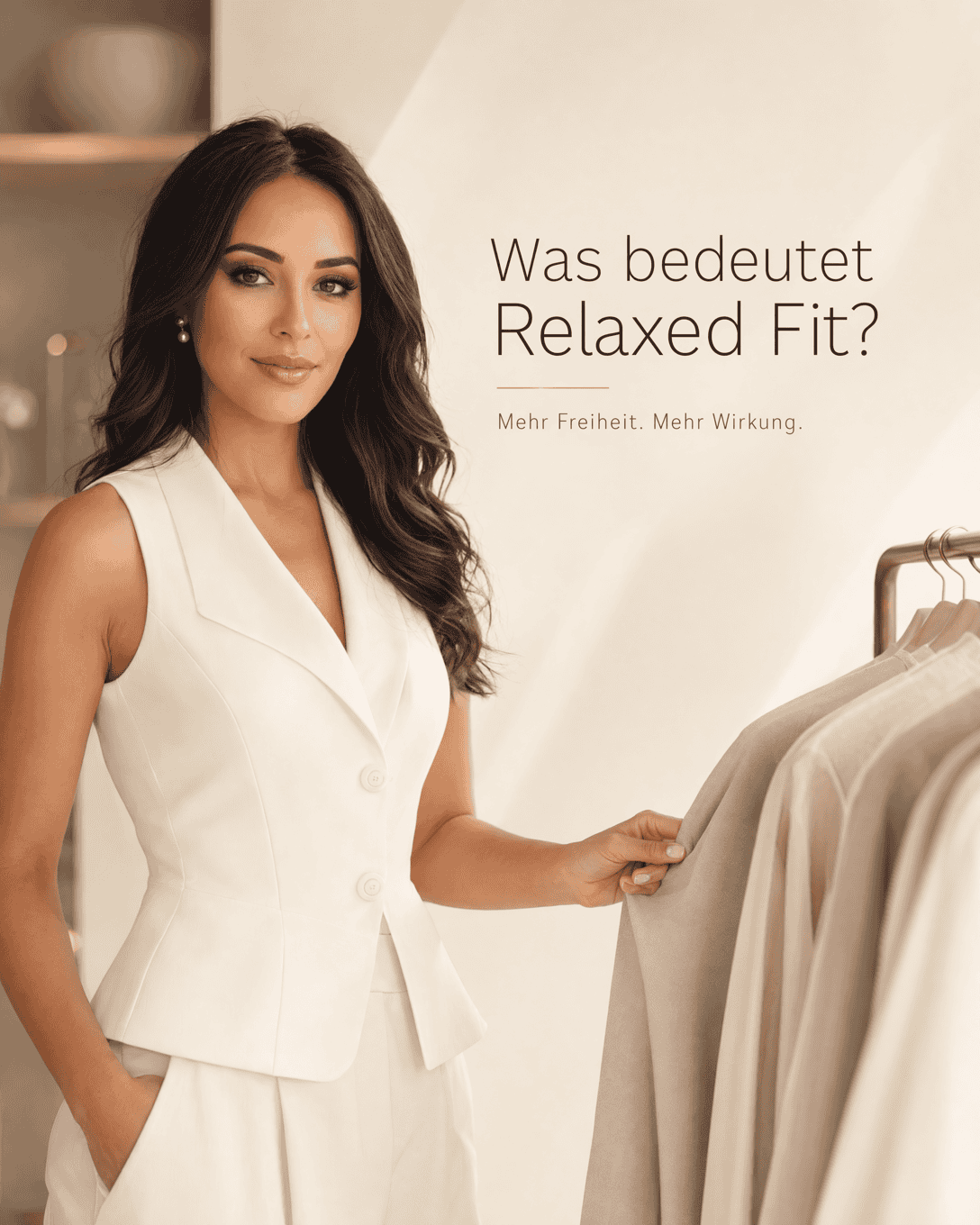
Relaxed Fit Relaxed Fit describes clothing with extra ease through the body, creating a comfortable, less close-fitting silhouette without necessarily looking oversized.
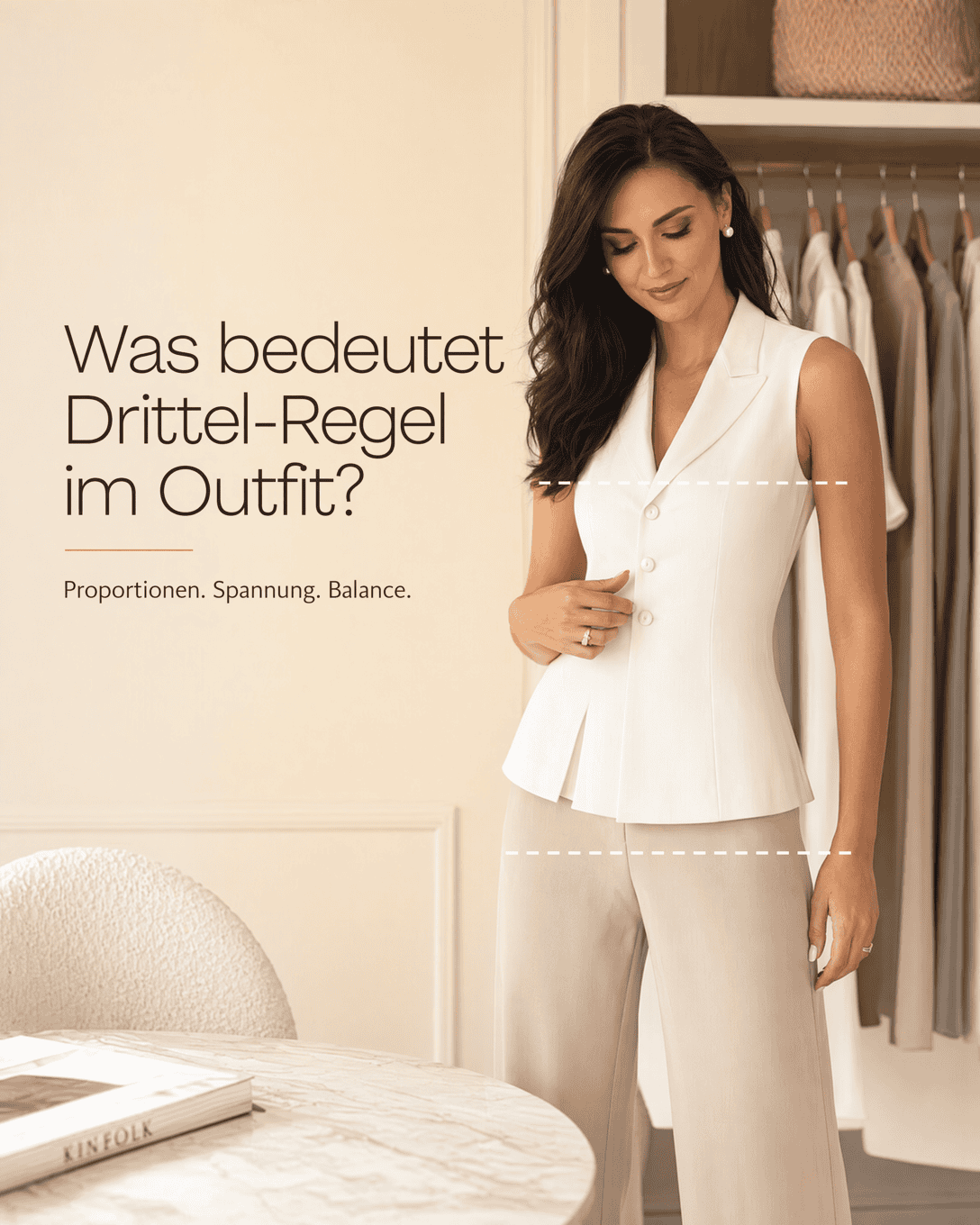
Rule of Thirds in Outfits The Rule of Thirds in Outfits is a styling guideline that divides an outfit into one-third and two-thirds proportions for a more balanced, visually dynamic silhouette.
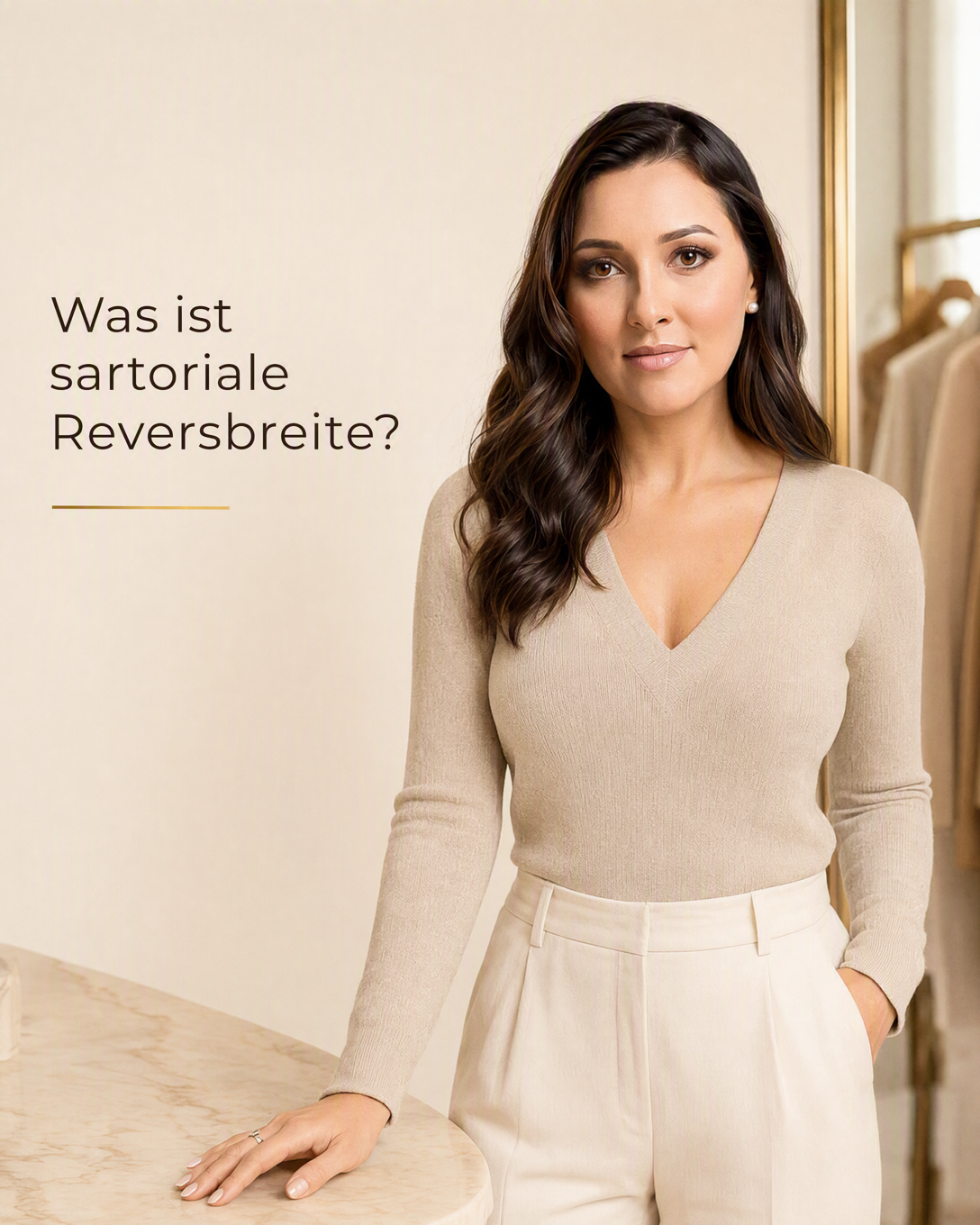
Sartorial Lapel Width Sartorial lapel width is the proportional relationship between a jacket’s lapels and the wearer’s shoulder width, chest scale, and overall build. It helps create a balanced, intentional tailored silhouette.
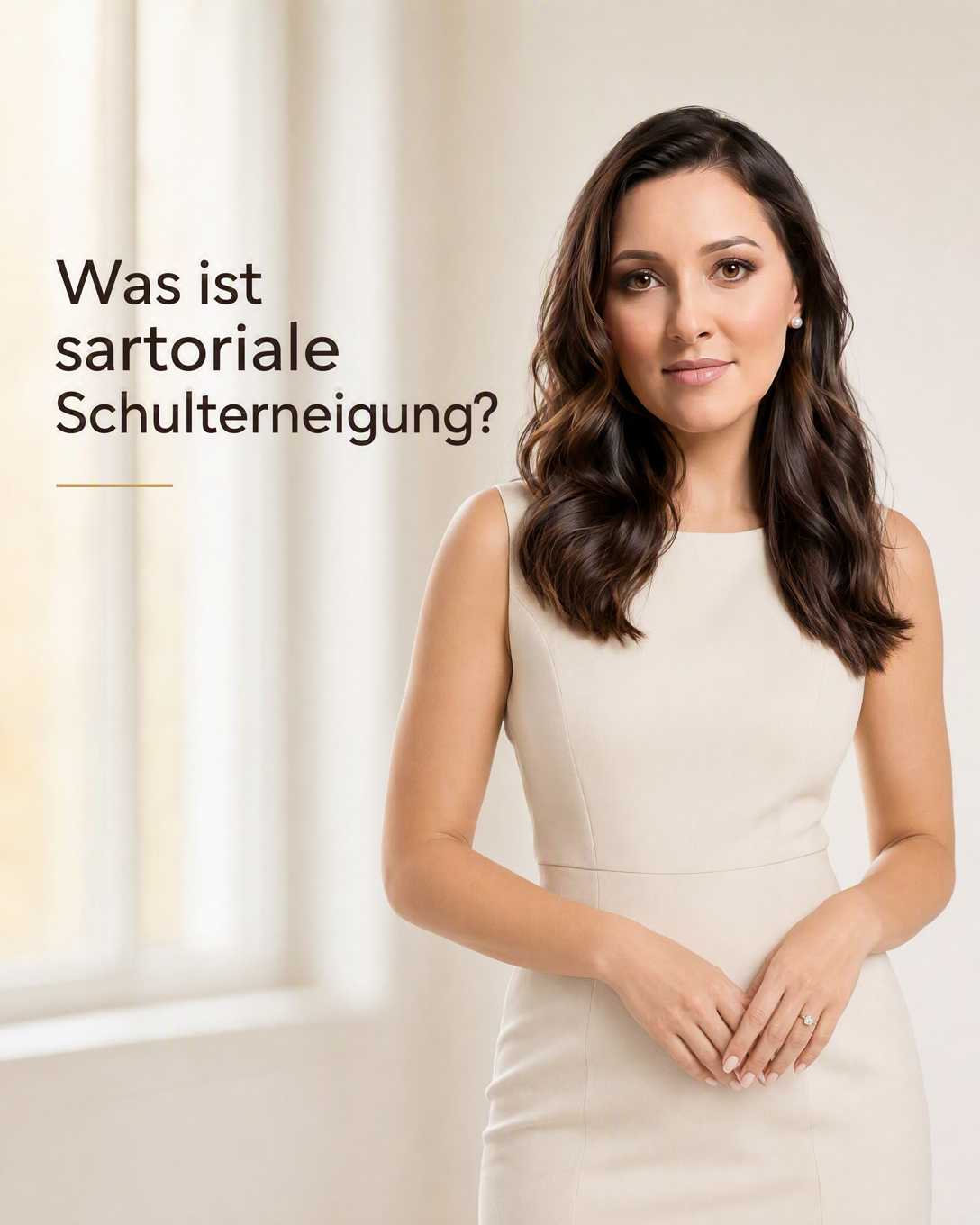
Sartorial Shoulder Slope Sartorial shoulder slope is the angle built into a jacket, blazer, shirt, or blouse shoulder seam to follow sloping, level, or uneven shoulders. It helps clothing sit smoothly at the neckline, shoulder point, and upper sleeve.
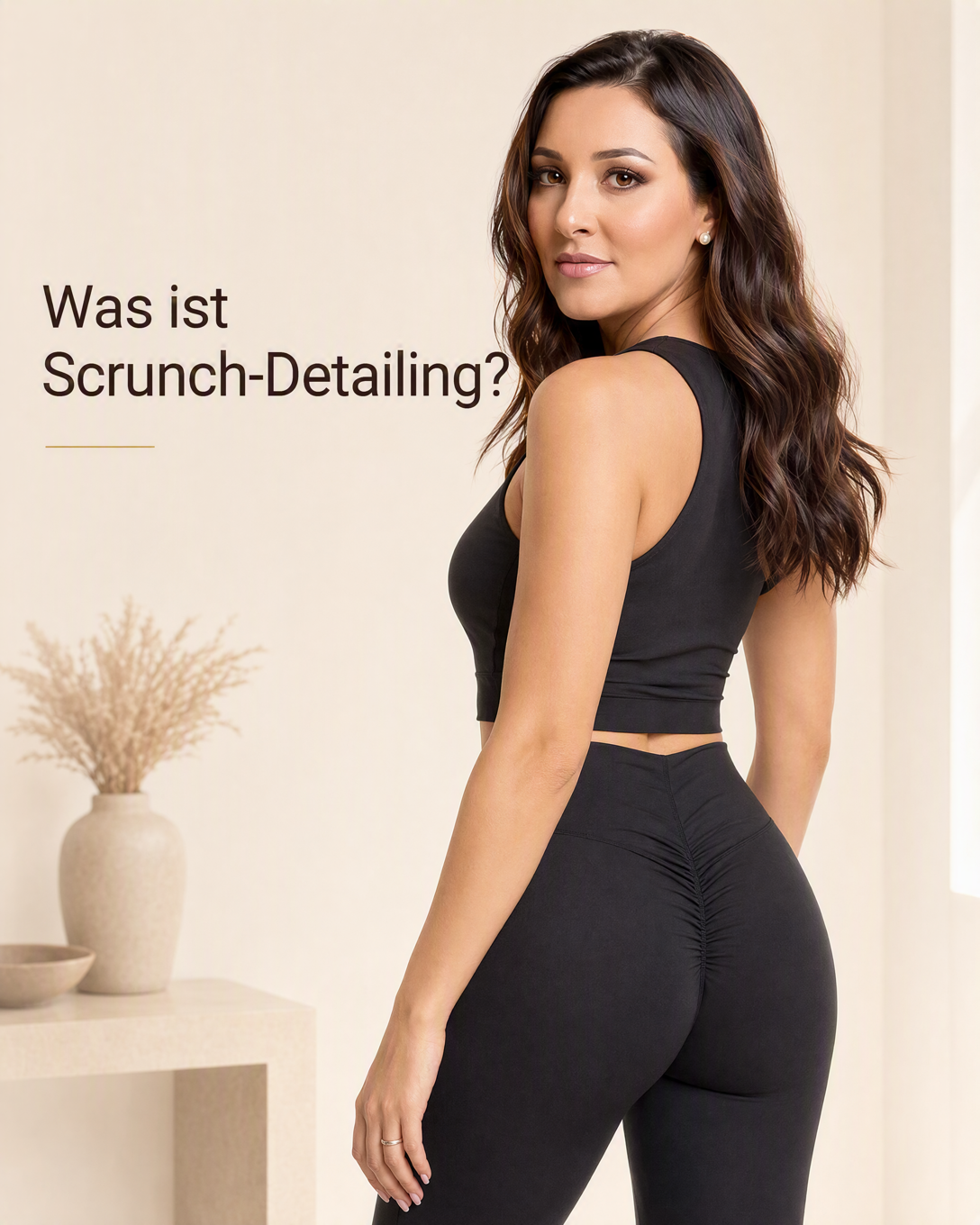
Scrunch Detailing Scrunch detailing is elastic gathering placed along the center back seam of leggings, shorts, trousers, or swimwear to emphasize the glute contour.
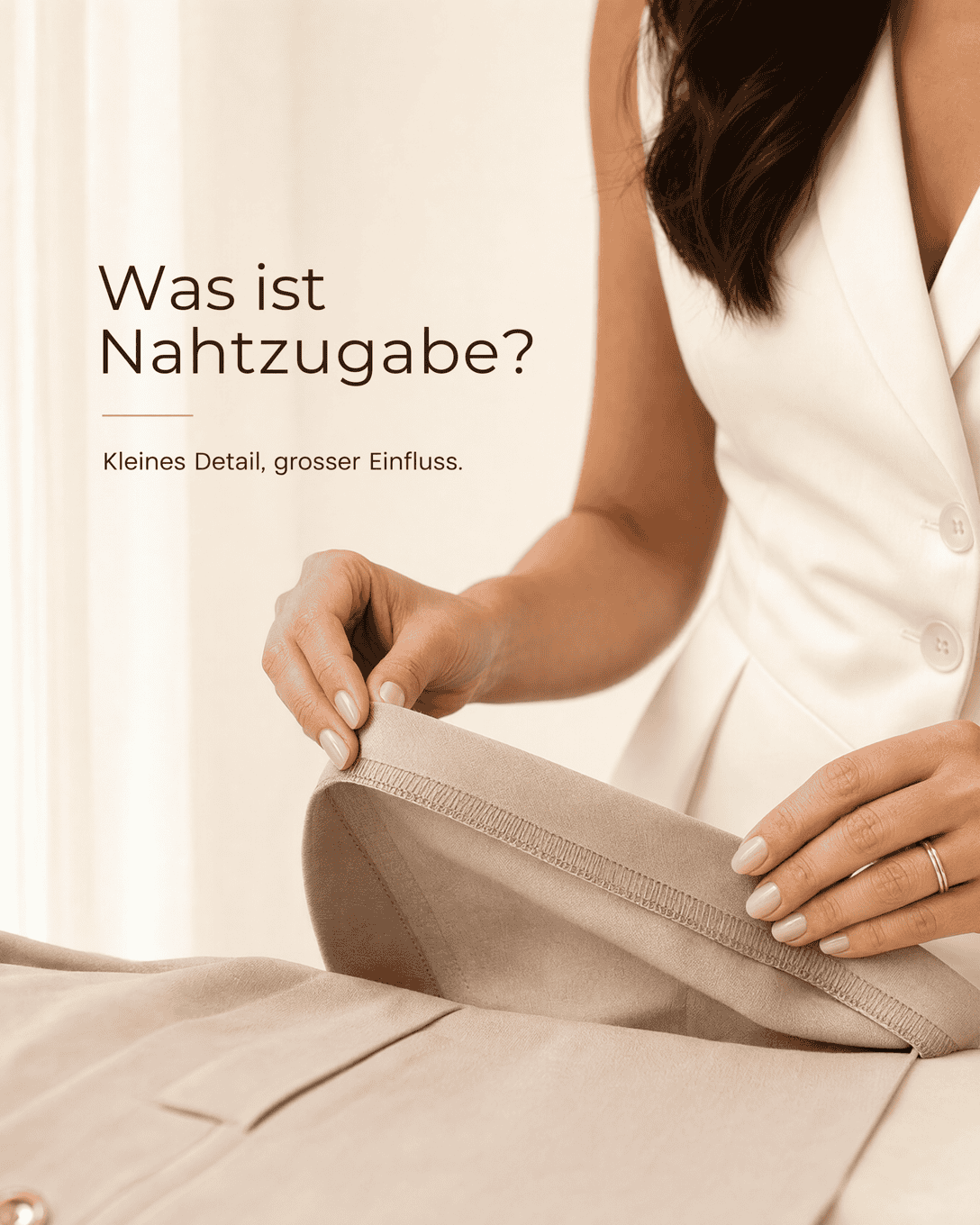
Seam allowance Seam allowance is the extra fabric between a garment’s seam line and cut edge. It makes sewing possible and can affect seam strength, finishing, fit alterations, and the longevity of a garment.
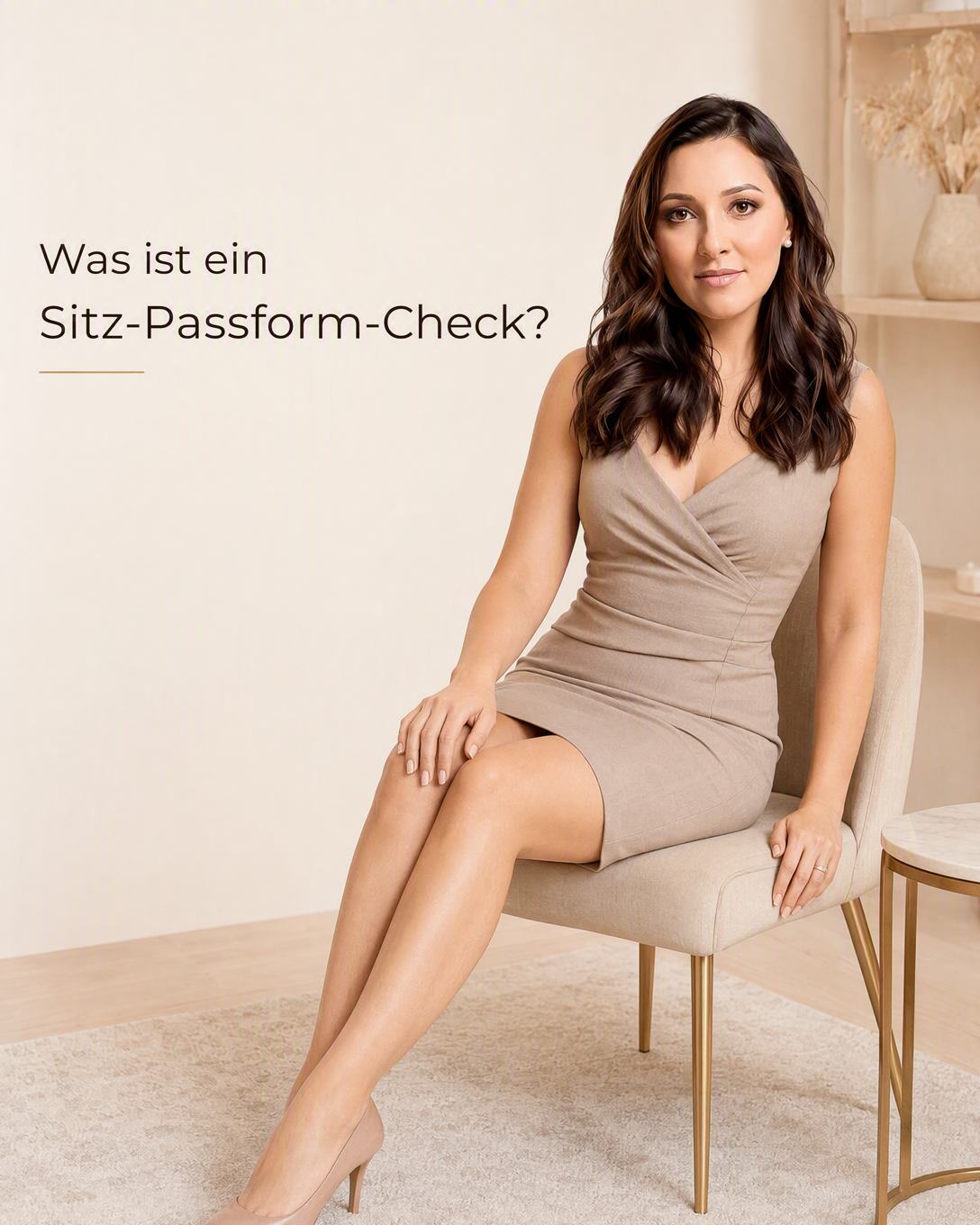
Seated Fit Check A Seated Fit Check tests whether a date outfit remains comfortable, flattering, and practical when you are sitting at a restaurant, bar, or event.
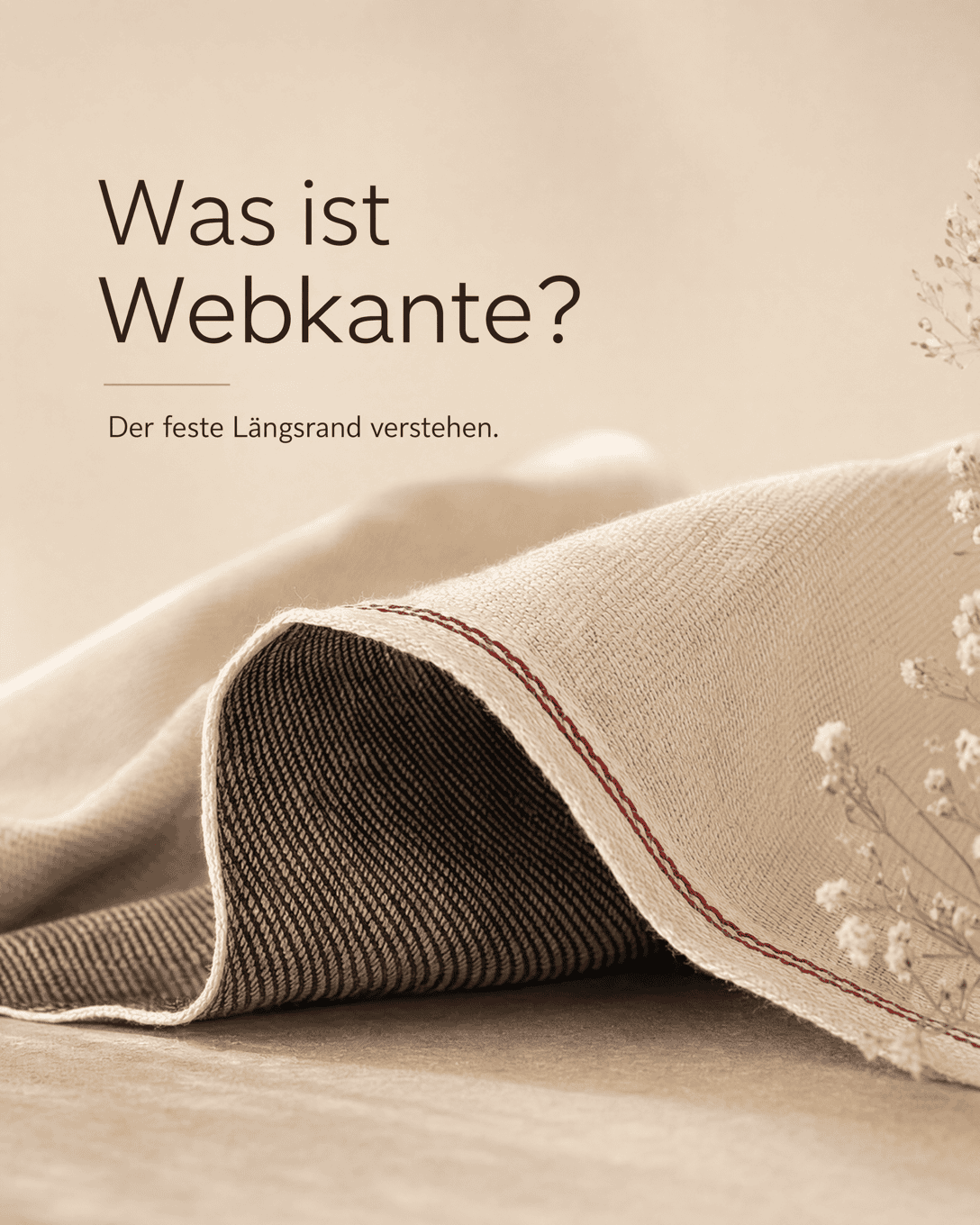
Selvedge Selvedge is the finished longitudinal edge of woven fabric, formed where the weft threads turn during weaving. It is a useful guide to grainline and is sometimes used as a visible detail in selvedge denim.
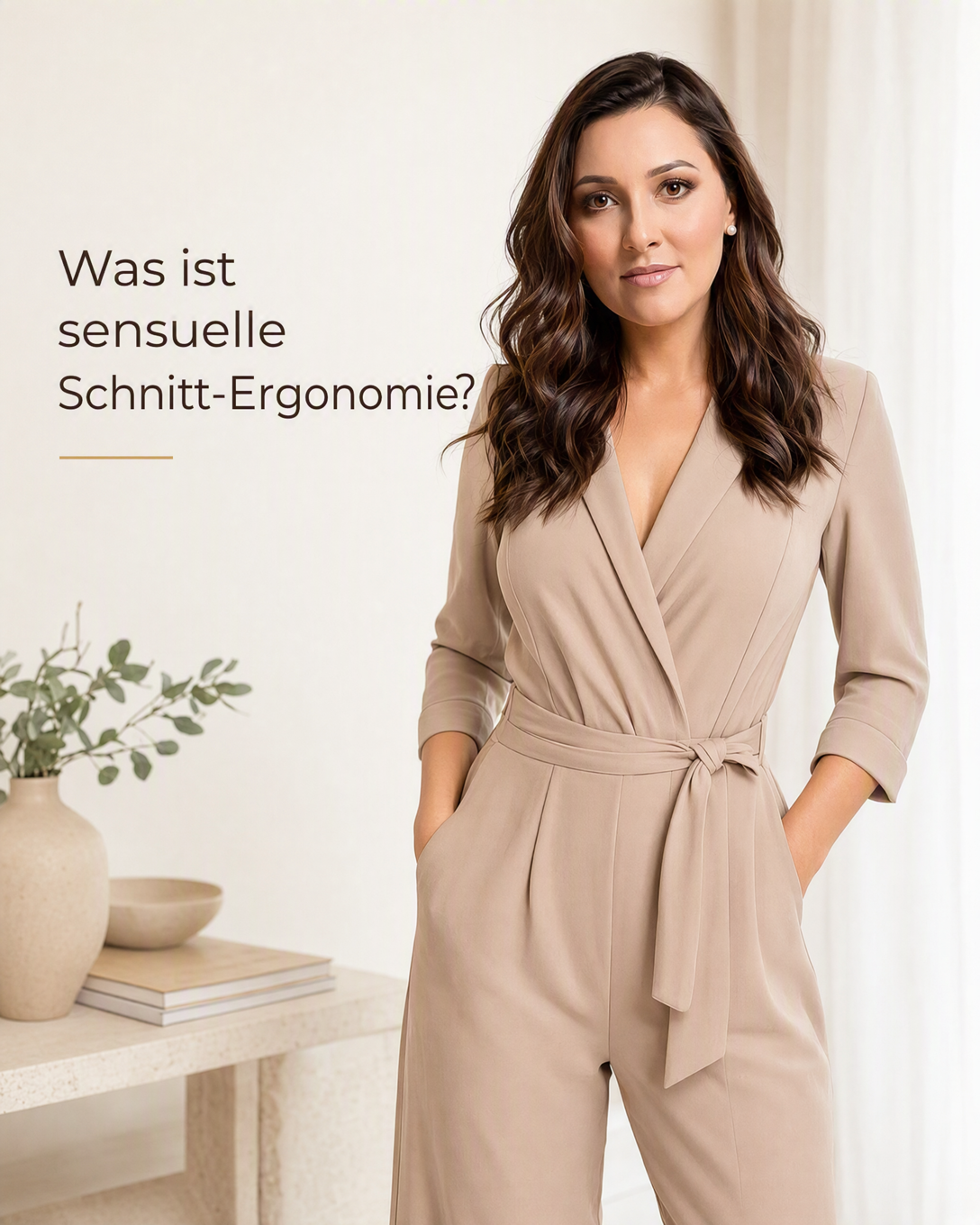
Sensual Cut Ergonomics Sensual cut ergonomics describes garment shaping that allows freedom of movement while following the body’s contours with a soft, fluid line.
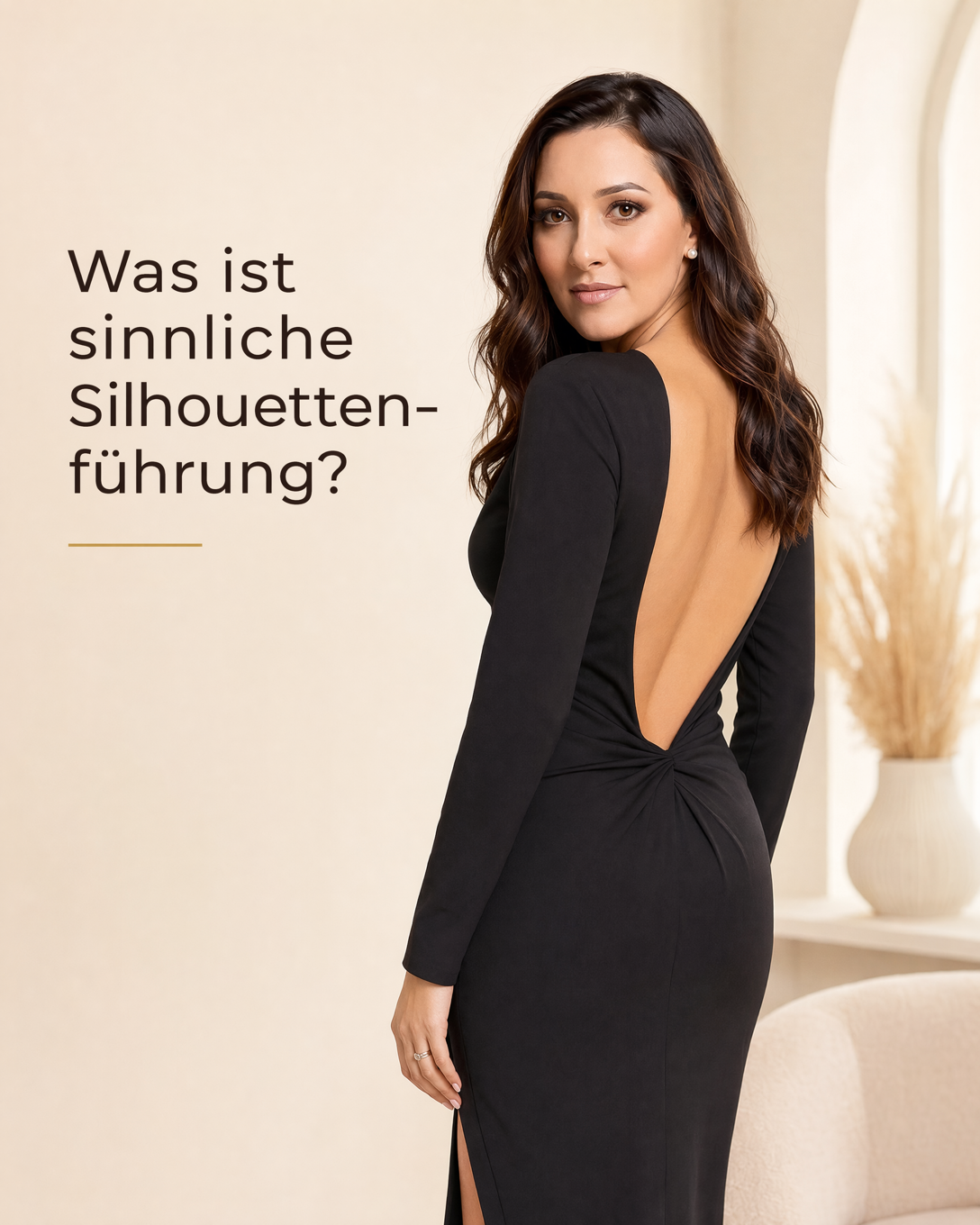
Sensual Silhouette Styling Sensual silhouette styling balances coverage, shape, and carefully placed revealing details to create a confident, refined, and timeless sensual effect.
Shoe-Hem Relationship Shoe-Hem Relationship describes how the length, width, and finish of a hem interact with the shape and height of a shoe. It is key to balanced proportions, a clean silhouette, and intentional outfit styling.
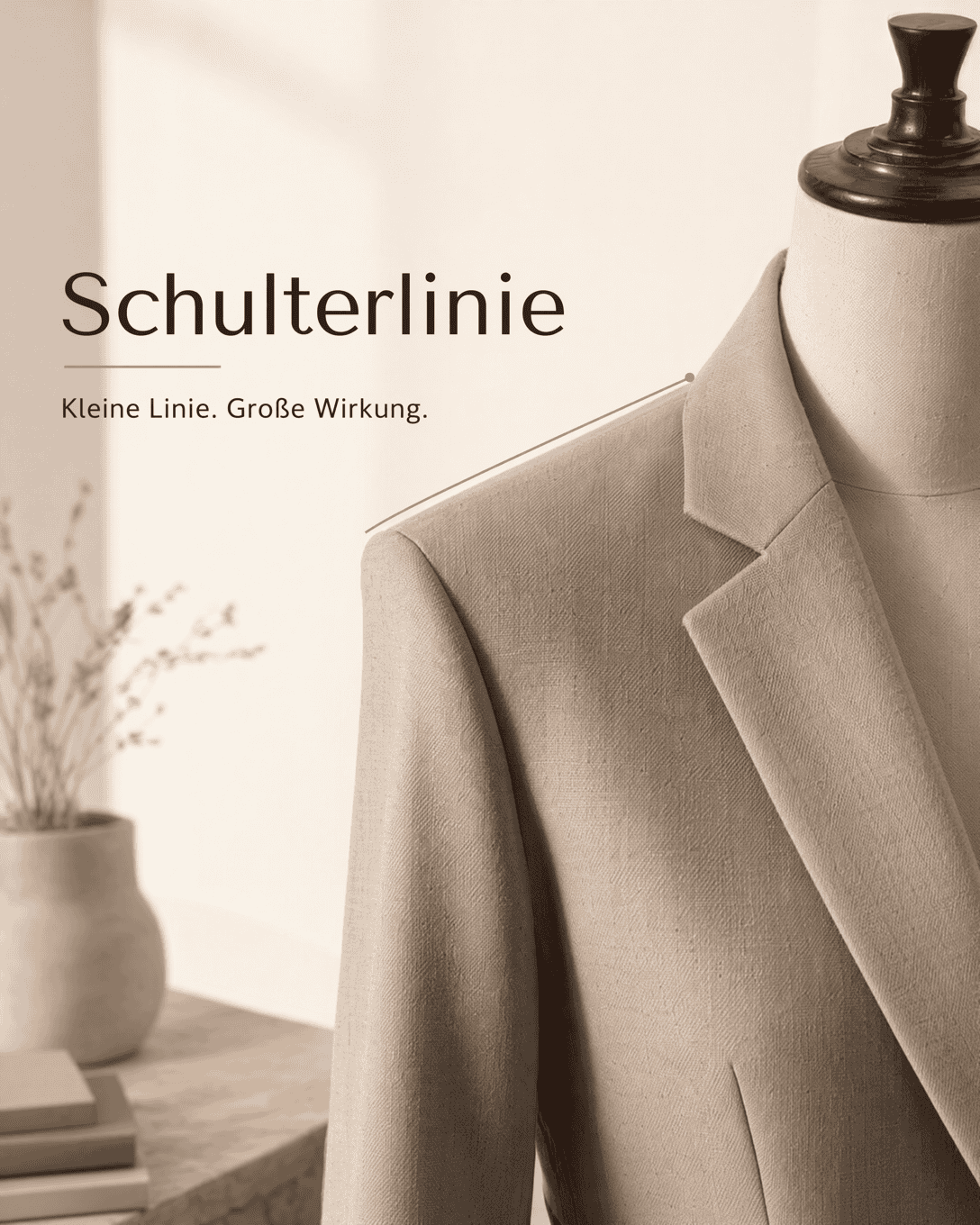
Shoulder Line The shoulder line is the visual and structural line across the shoulders, shaped by the shoulder seam, sleeve construction, padding, and fit. It strongly influences silhouette, proportion, and the overall impression of an outfit.
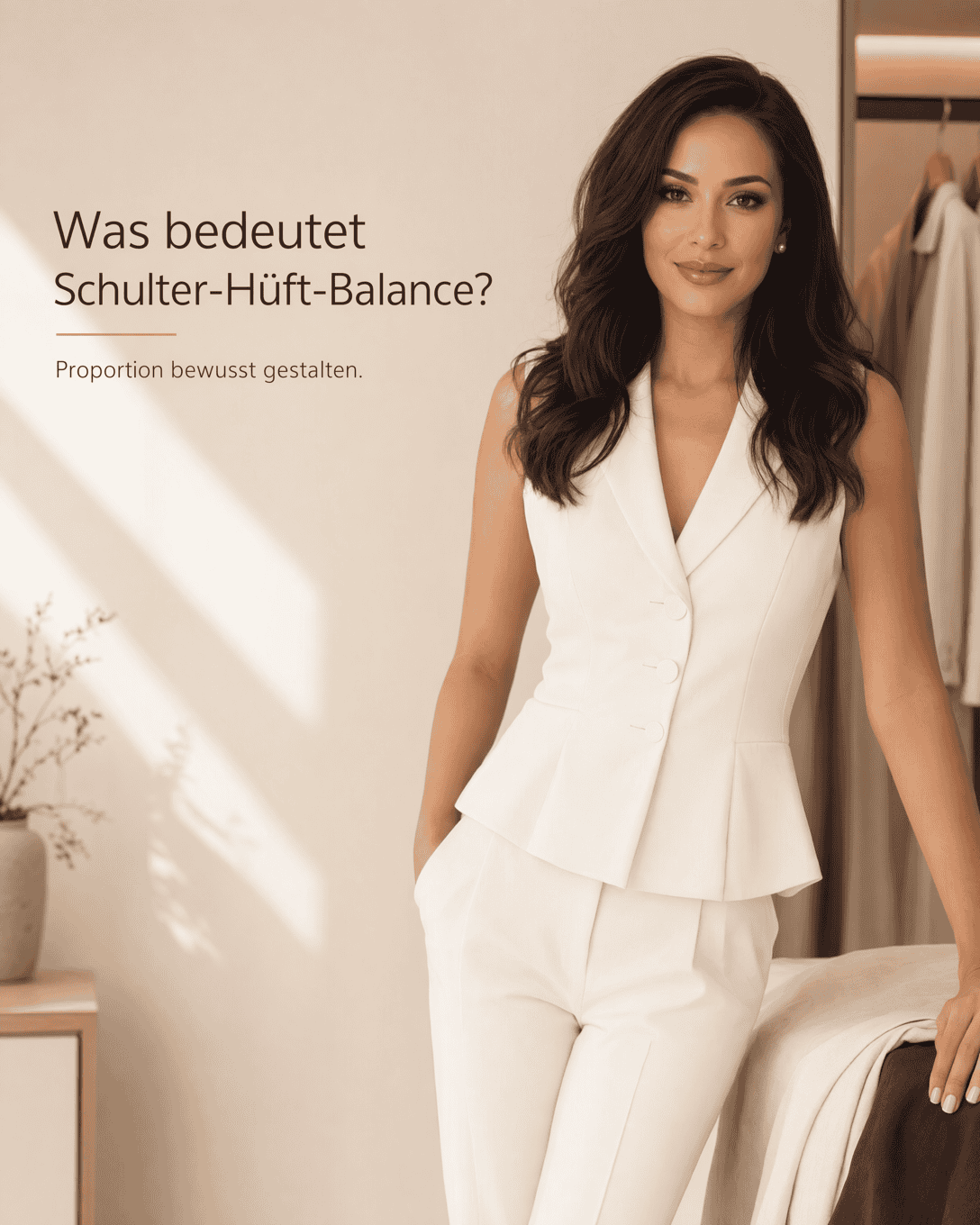
Shoulder-Hip Balance Shoulder-Hip Balance describes the visual relationship between the width, structure, and emphasis of the shoulders and hips in an outfit. It helps you assess silhouette, proportion, and styling choices without imposing one ideal body shape.
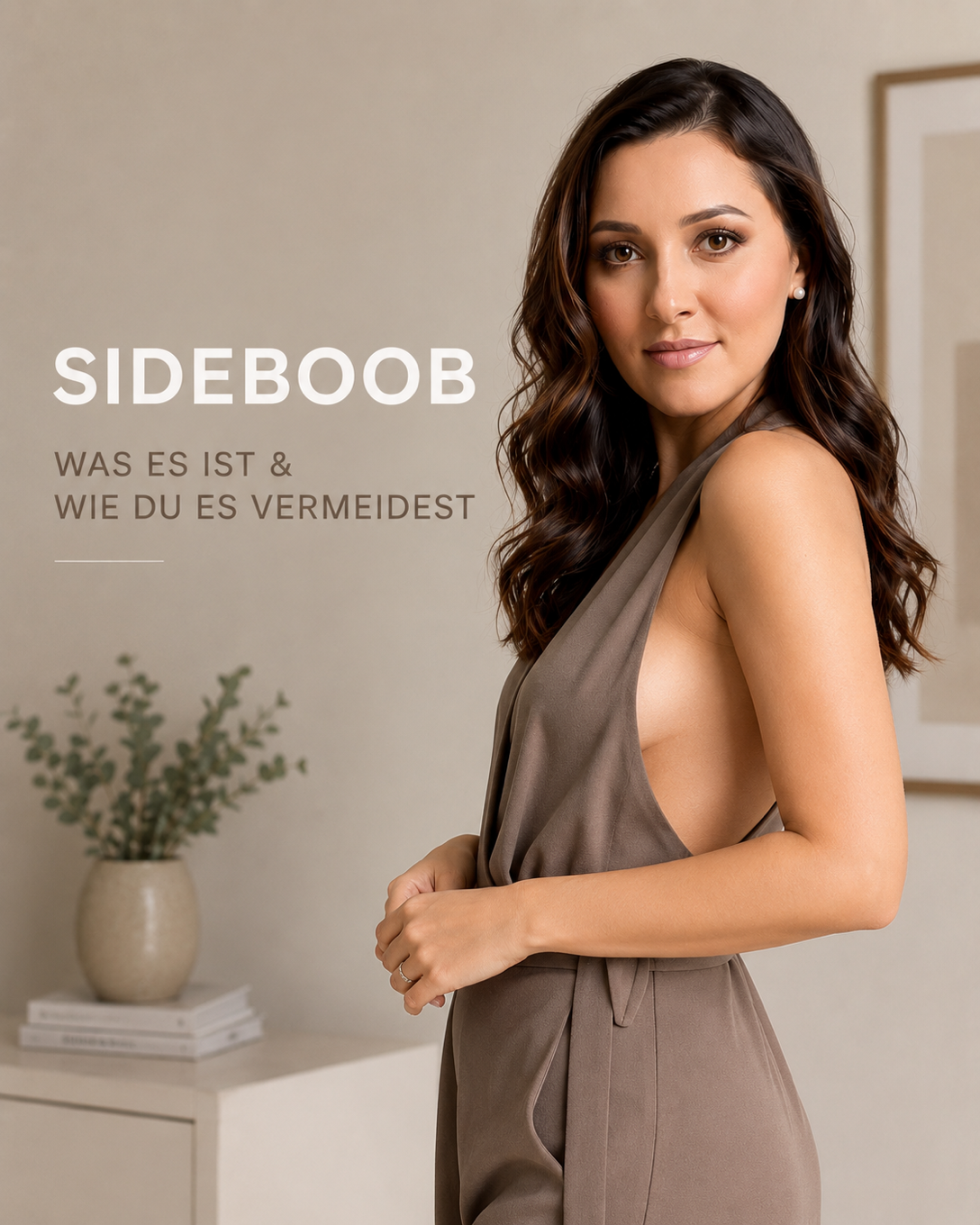
Sideboob Sideboob is a deliberate glimpse of the side of the breast created by a low armhole, open side, or minimal top design. Learn how sideboob styling works, how to control coverage, and which support options suit the look.
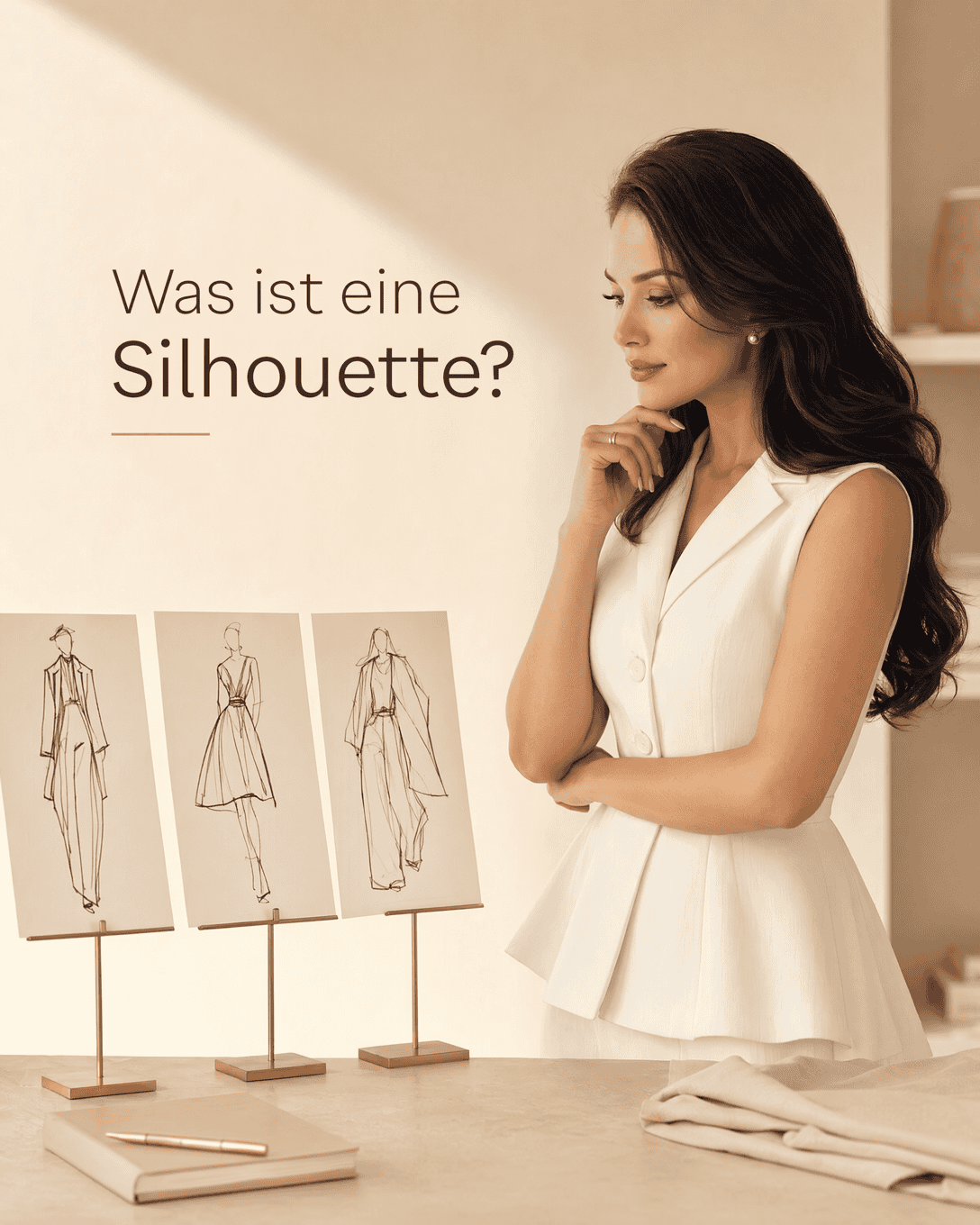
Silhouette A silhouette is the overall outline that clothing creates on the body. Learn how cut, volume, fit, and proportion shape a fashion silhouette and influence an outfit's effect.
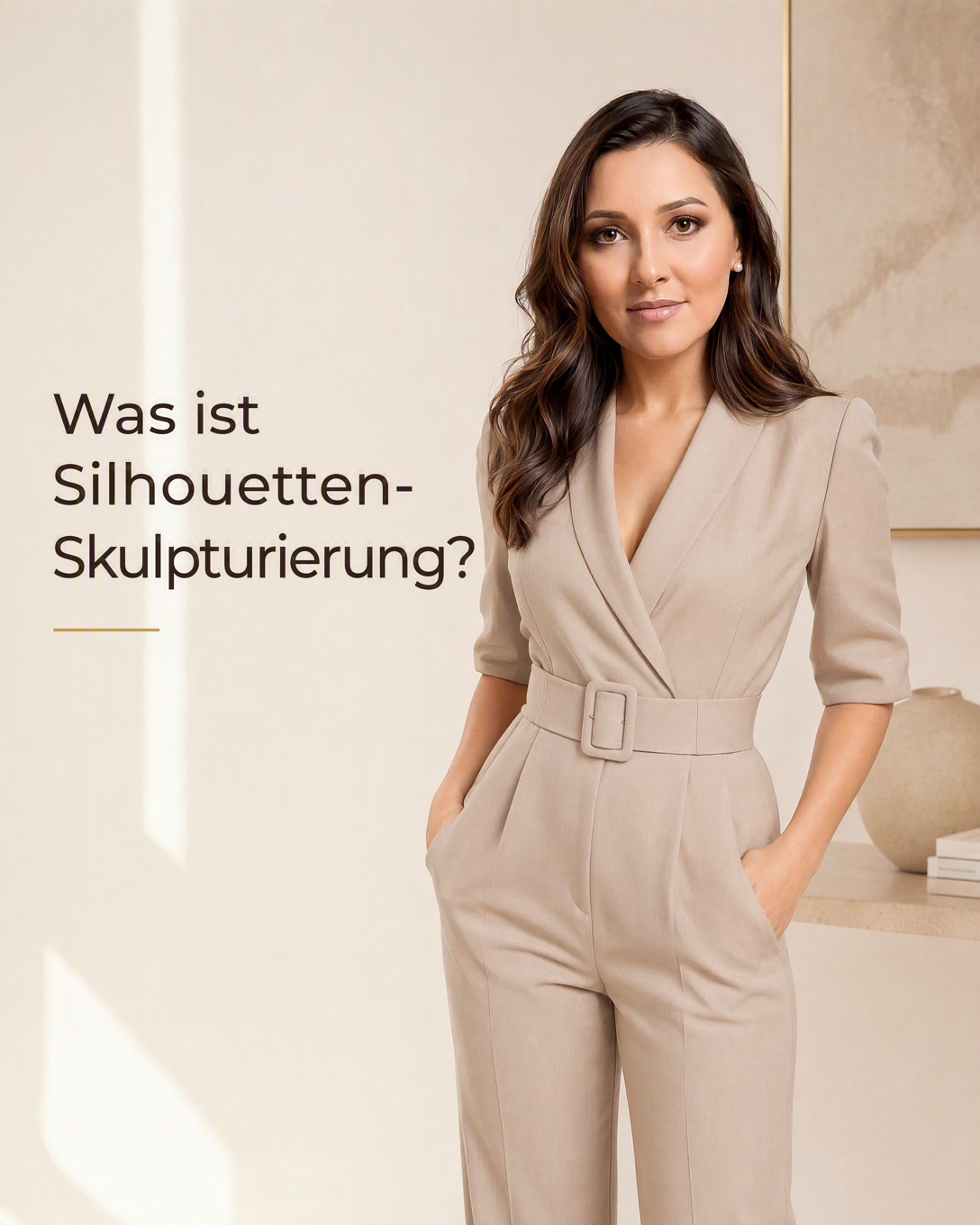
Silhouette Sculpting Silhouette sculpting is the intentional use of structure, cut, fabric, and supportive underlayers to shape or define the body’s outline in clothing.
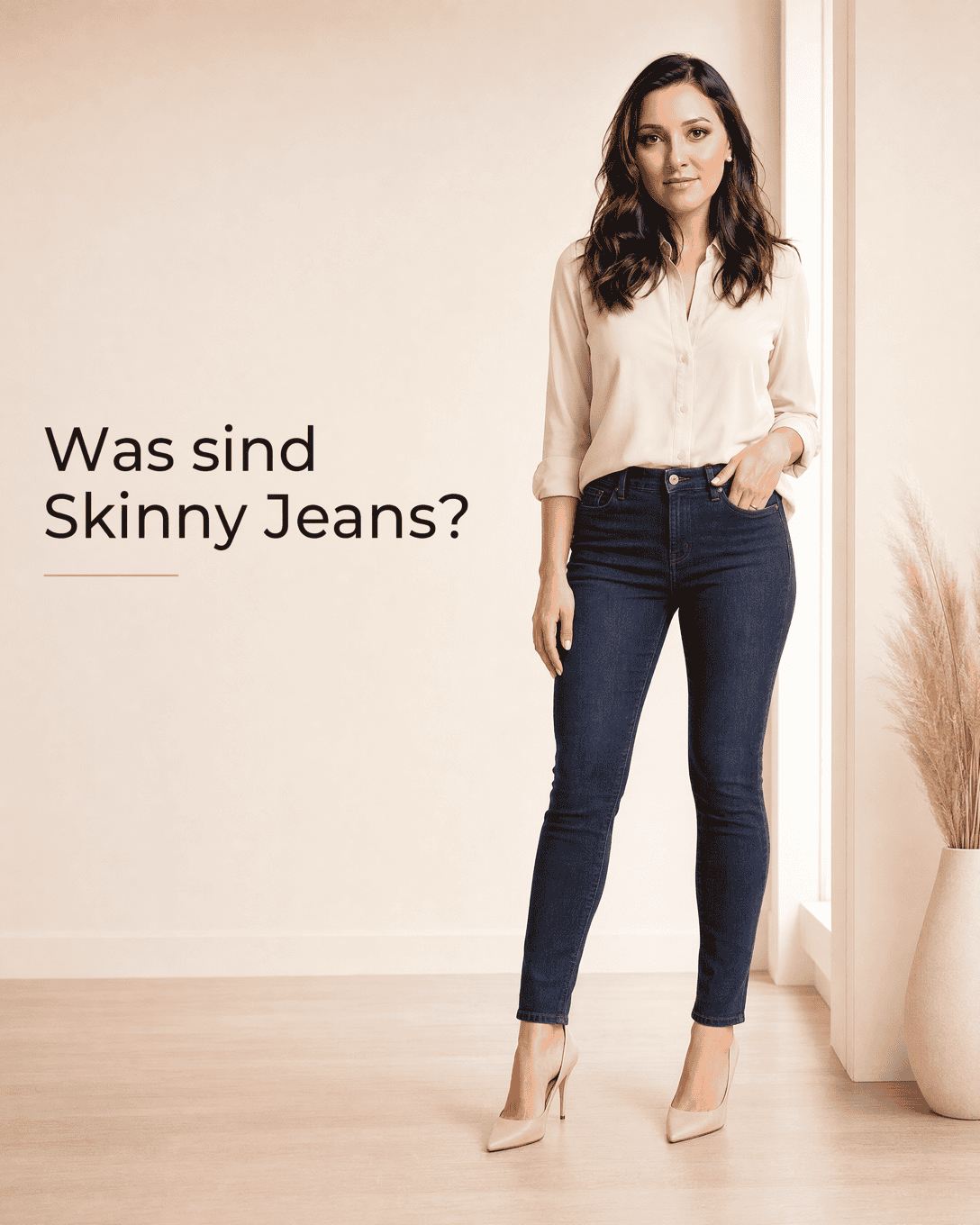
Skinny Jeans Skinny jeans are close-fitting denim trousers that follow the leg from hip to ankle. Learn how skinny jeans fit, how to style them, and what to check before buying.
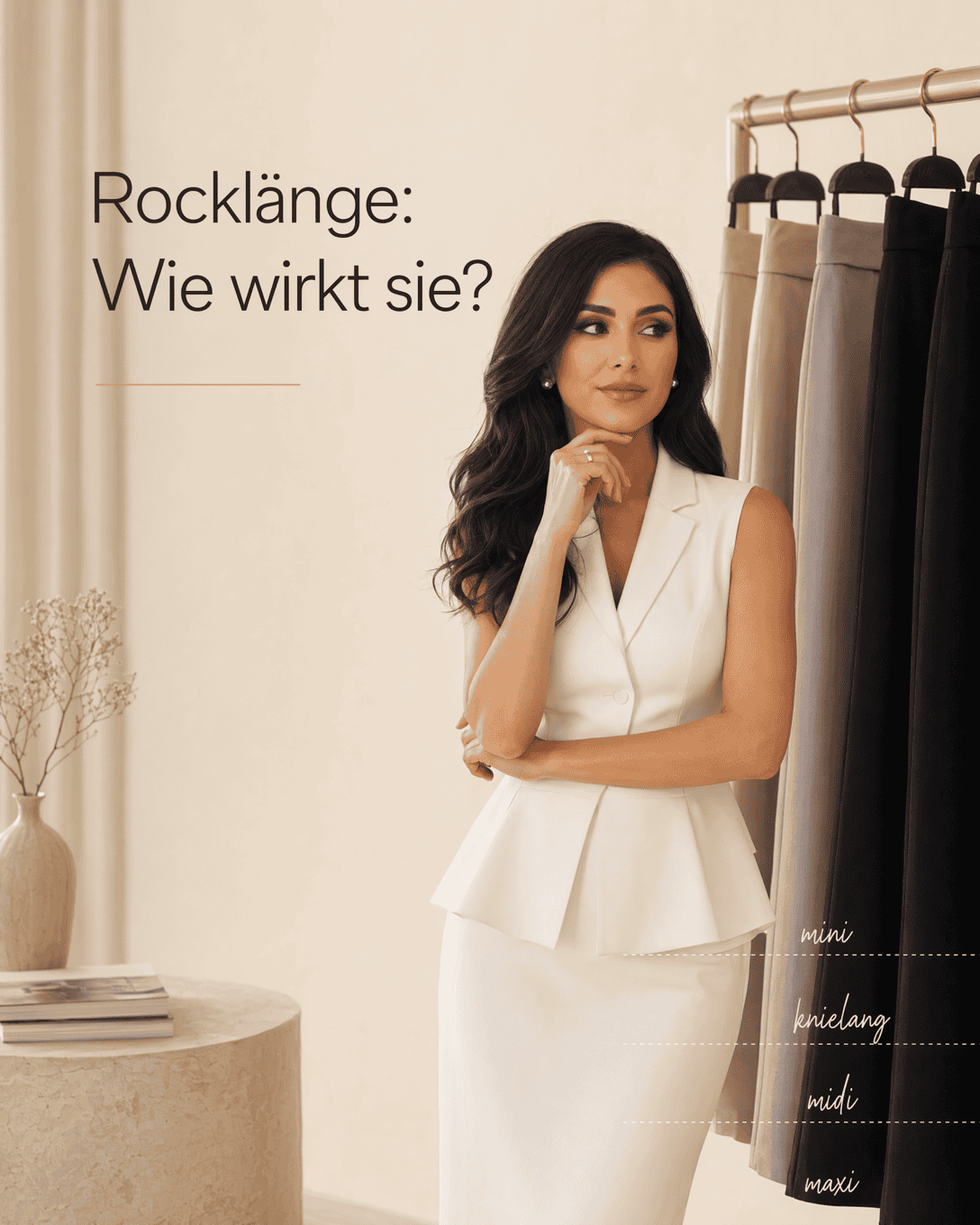
Skirt Length Skirt length describes where a skirt ends on the leg. It strongly affects proportion, silhouette, comfort, and how formal or casual an outfit appears.
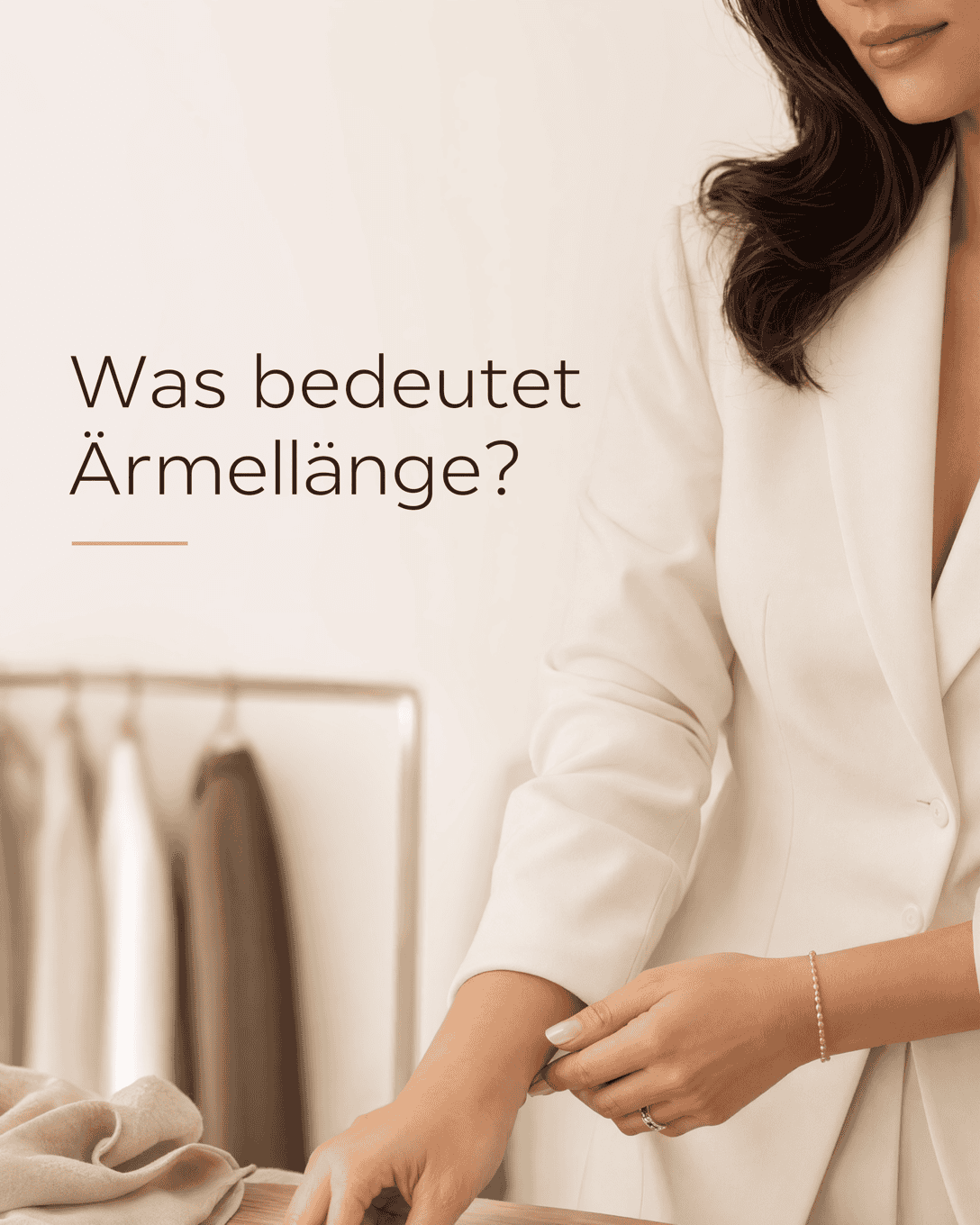
Sleeve Length Sleeve length is the distance from the shoulder to the sleeve hem. It influences comfort, proportion, coverage, and the visual balance of a top, dress, jacket, or coat.
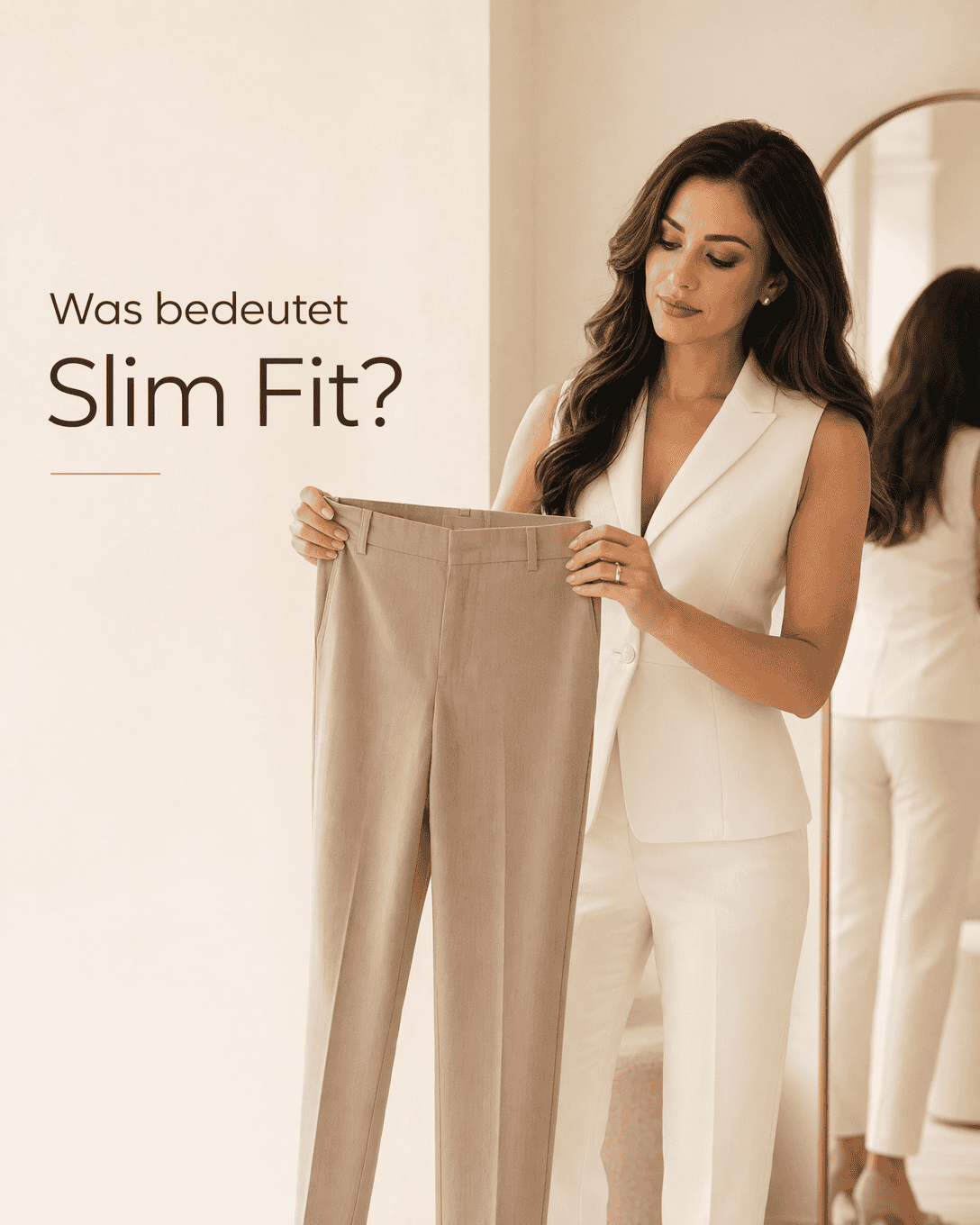
Slim Fit Slim Fit describes clothing cut closer to the body than a regular fit, creating a neat, defined silhouette without necessarily feeling tight.
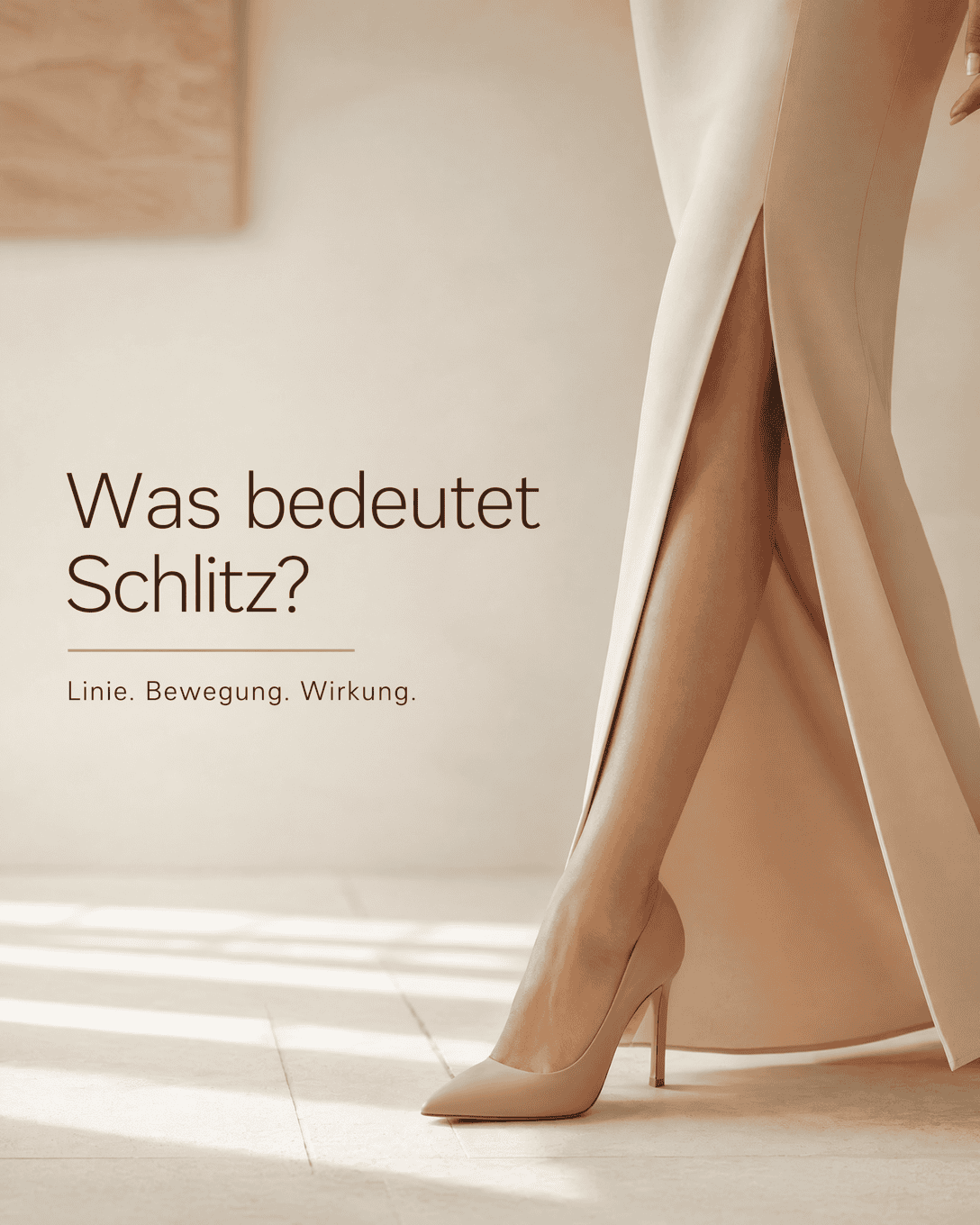
Slit A slit is an intentional opening in a garment seam or hem. It adds ease of movement and can change the line, proportion, and level of skin exposure in an outfit.
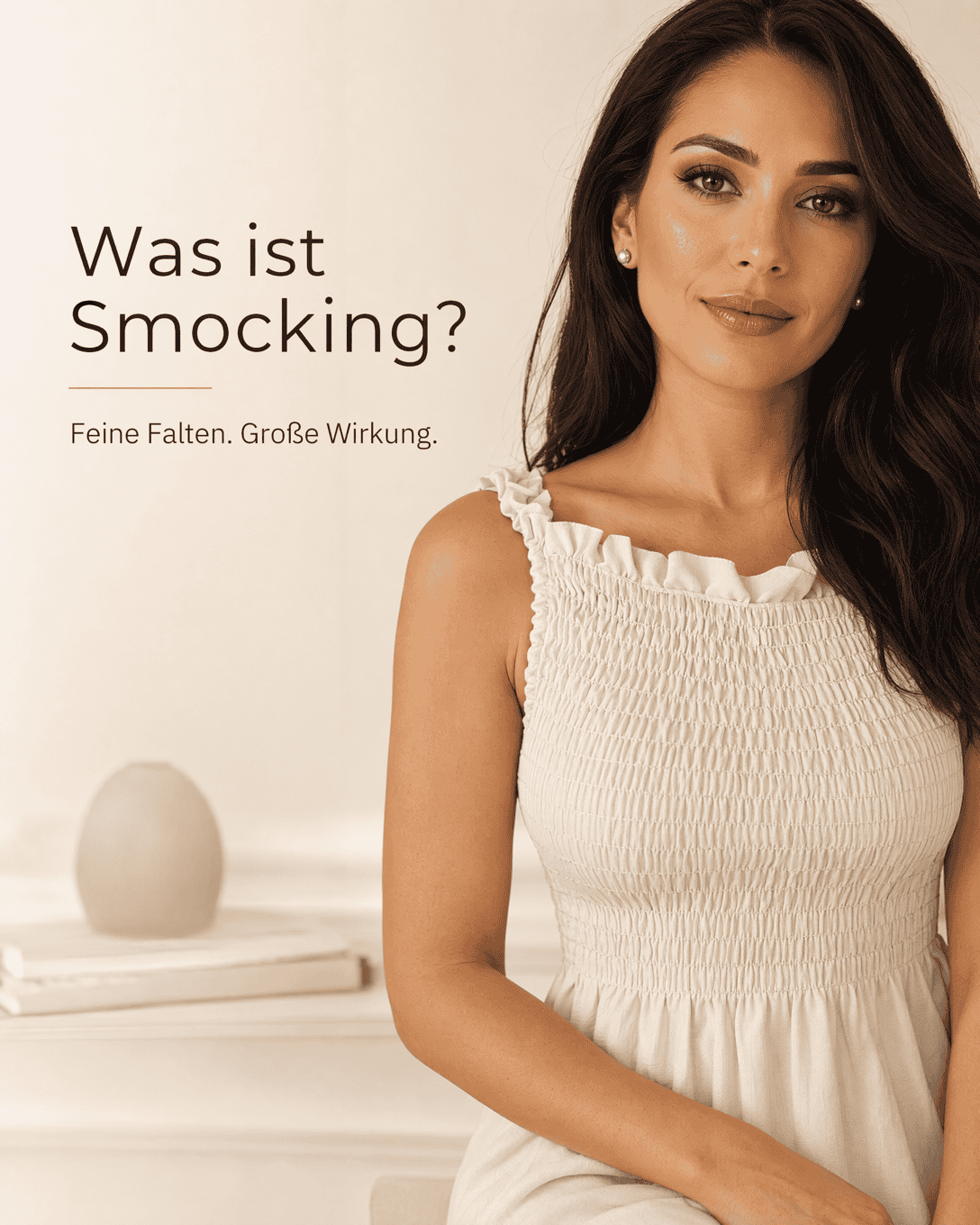
Smocking Smocking is a textile technique that gathers fabric into regular folds, often creating stretch, texture, and gentle shaping in dresses, tops, cuffs, and waistlines.
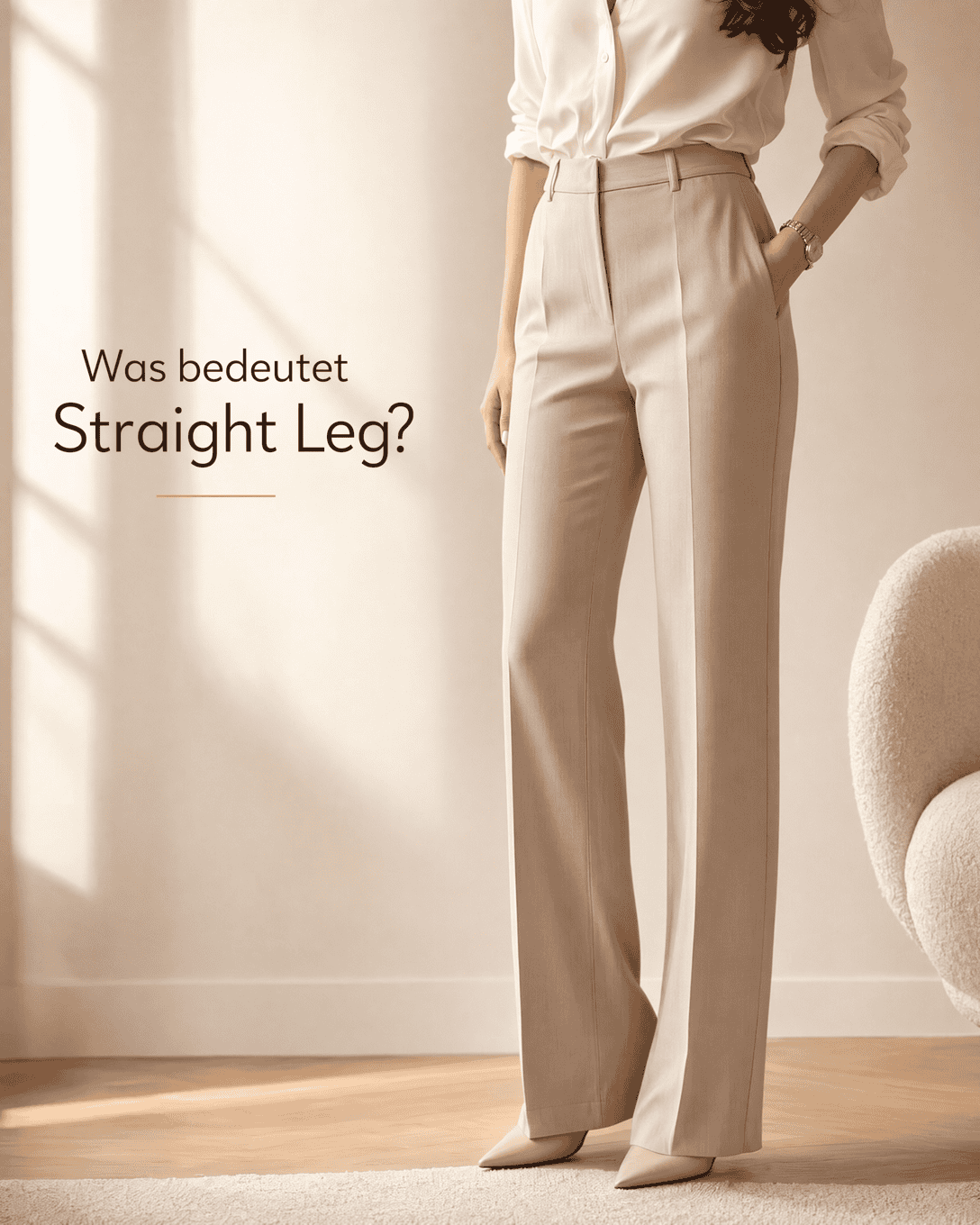
Straight Leg Straight leg describes a trouser cut that falls in a relatively even line from hip to hem. Learn how straight-leg jeans and trousers fit, differ from slim and wide-leg styles, and influence proportion.
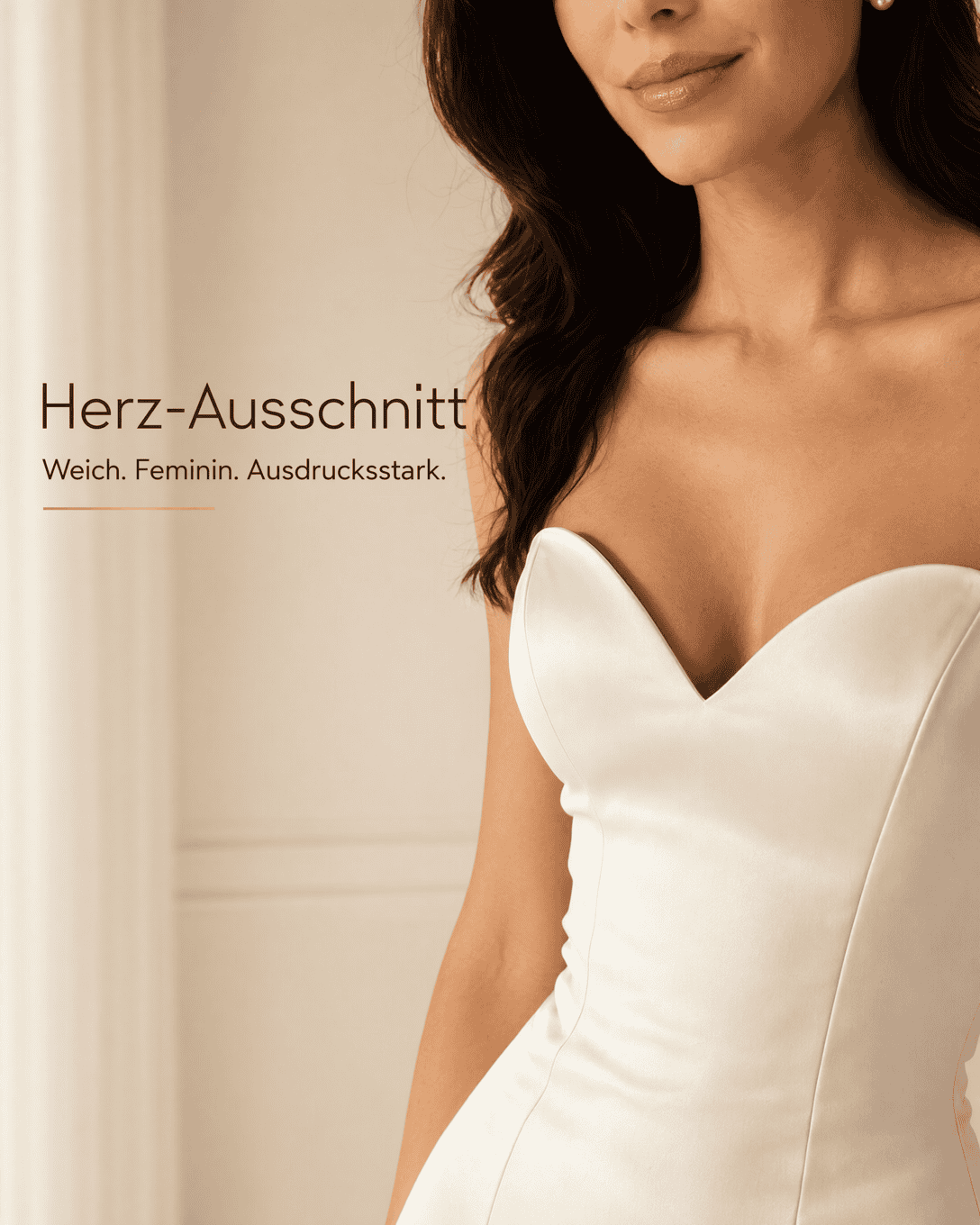
Sweetheart Neckline A sweetheart neckline is a curved neckline with two rounded sections that meet in a soft dip at the center of the bust, creating a heart-like shape.
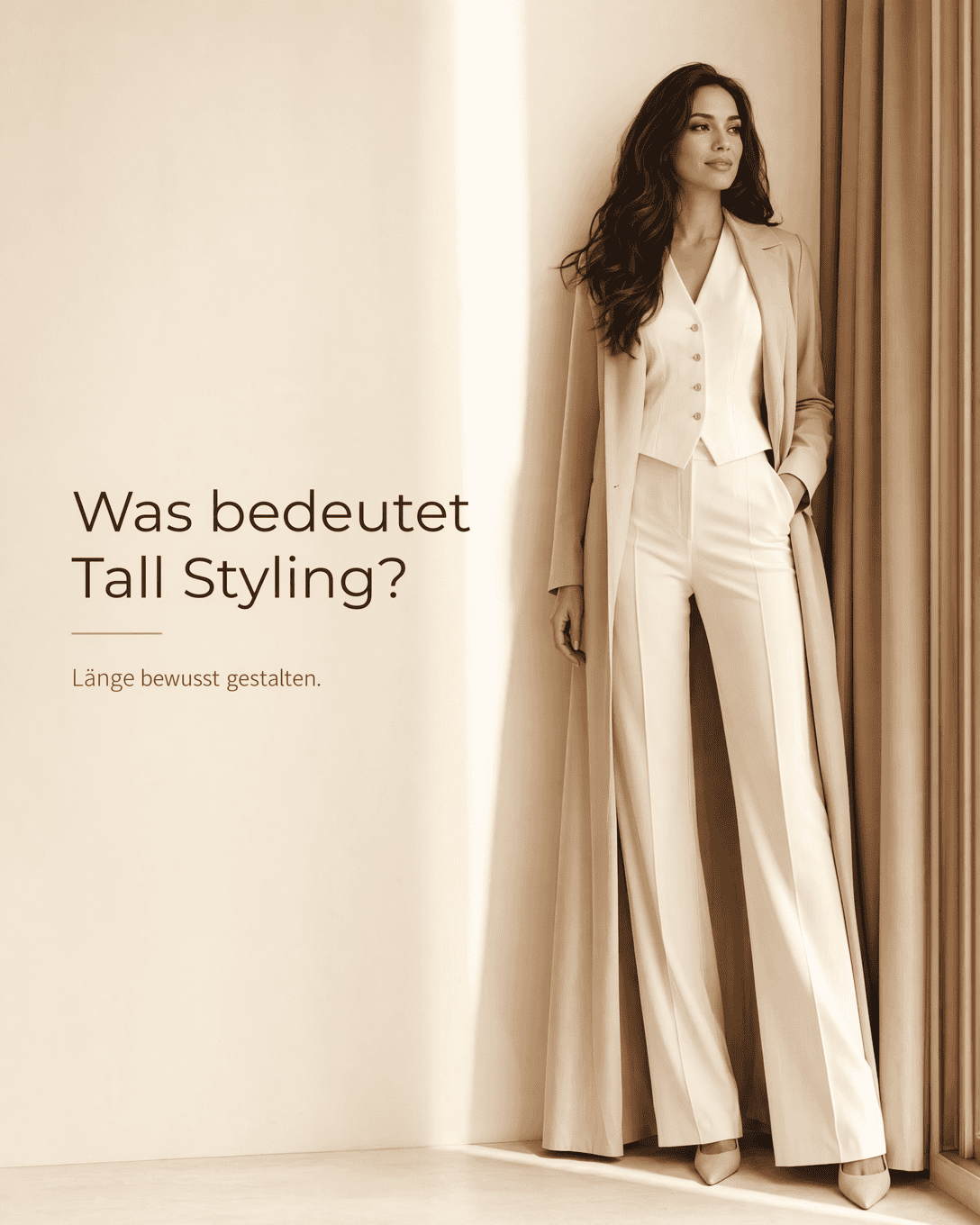
Tall Styling Tall Styling is the practice of choosing cuts, proportions, lengths, and details that work intentionally with a tall frame. It helps tall people create outfits that feel balanced, comfortable, and true to their personal style.
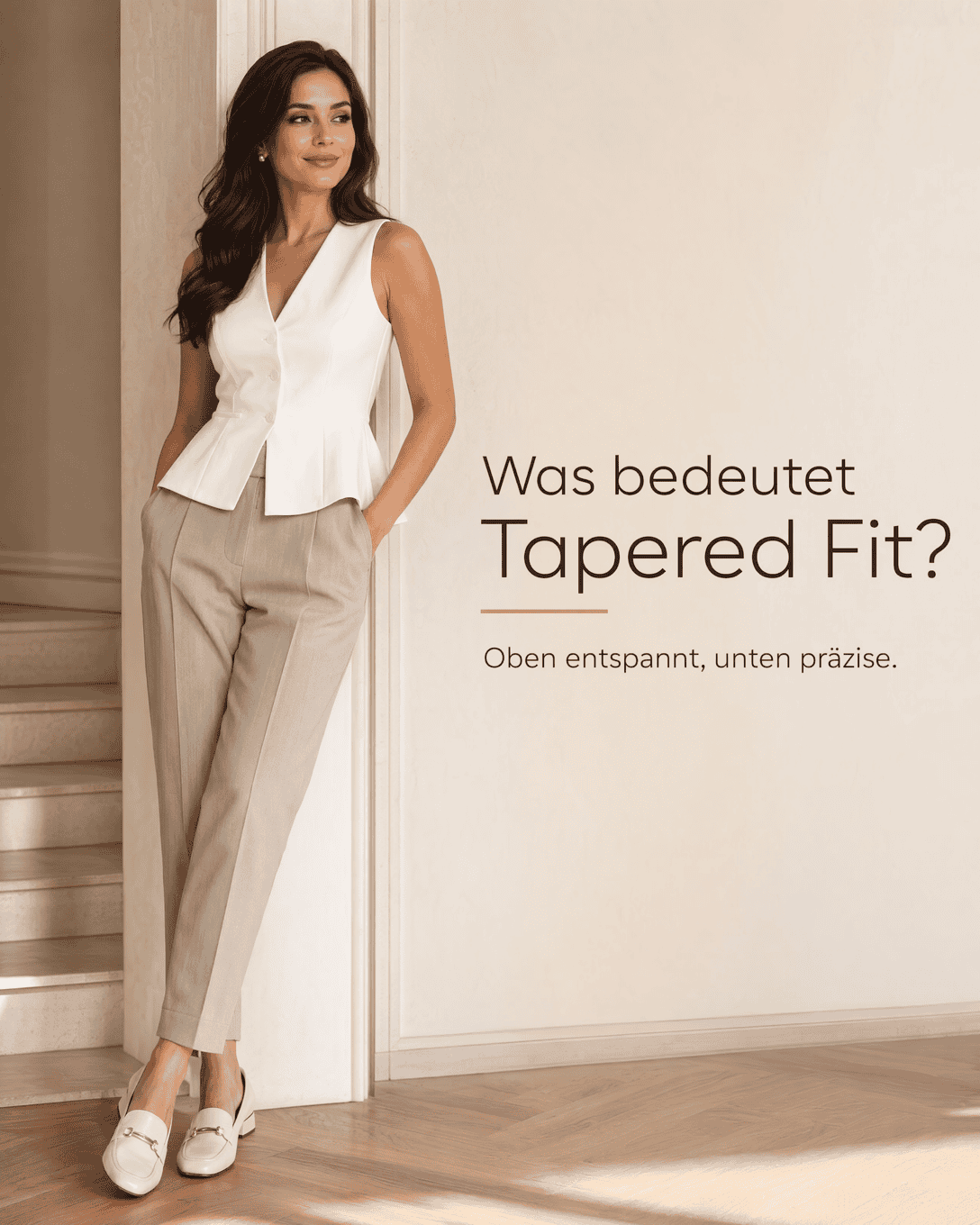
Tapered Fit Tapered Fit describes trousers or jeans that are roomier through the hip and thigh, then gradually become narrower toward the ankle.
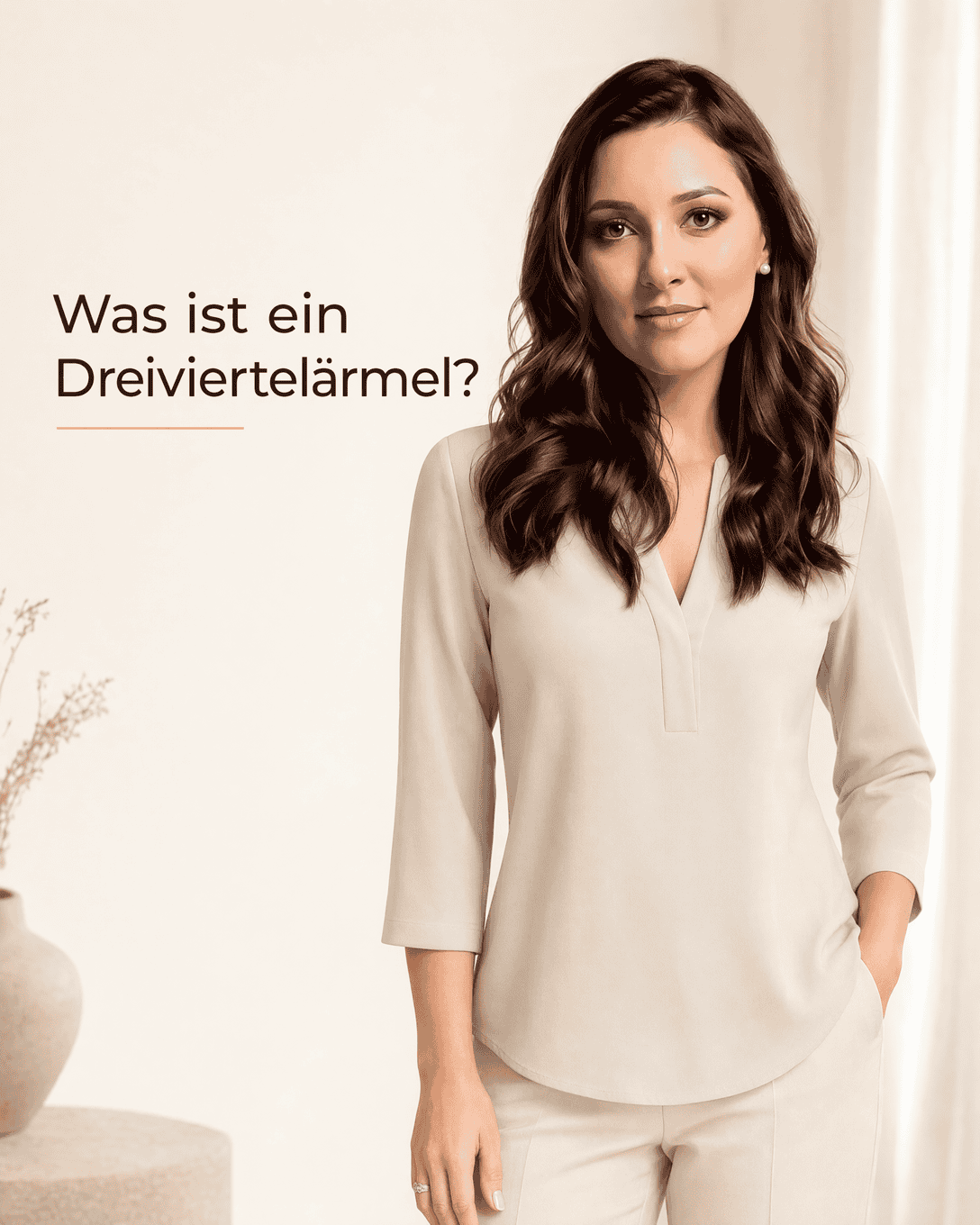
Three-Quarter Sleeve A three-quarter sleeve ends between the elbow and wrist, usually on the forearm. Learn how this sleeve length affects proportion, comfort, layering, and everyday styling.
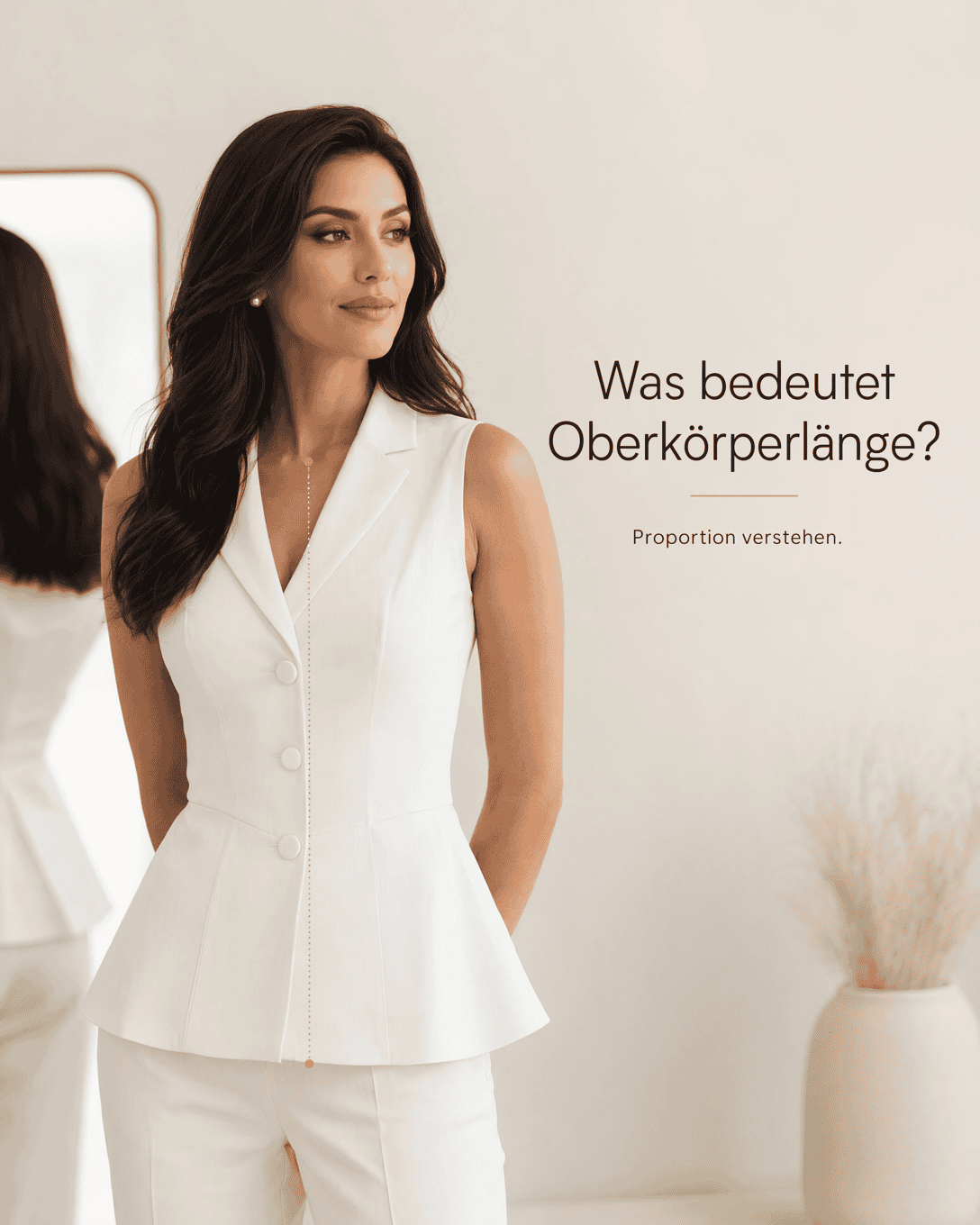
Torso Length Torso length describes the visual and physical distance from shoulders to waist. It helps you assess how tops, jackets, waistlines, and layering proportions shape an outfit.
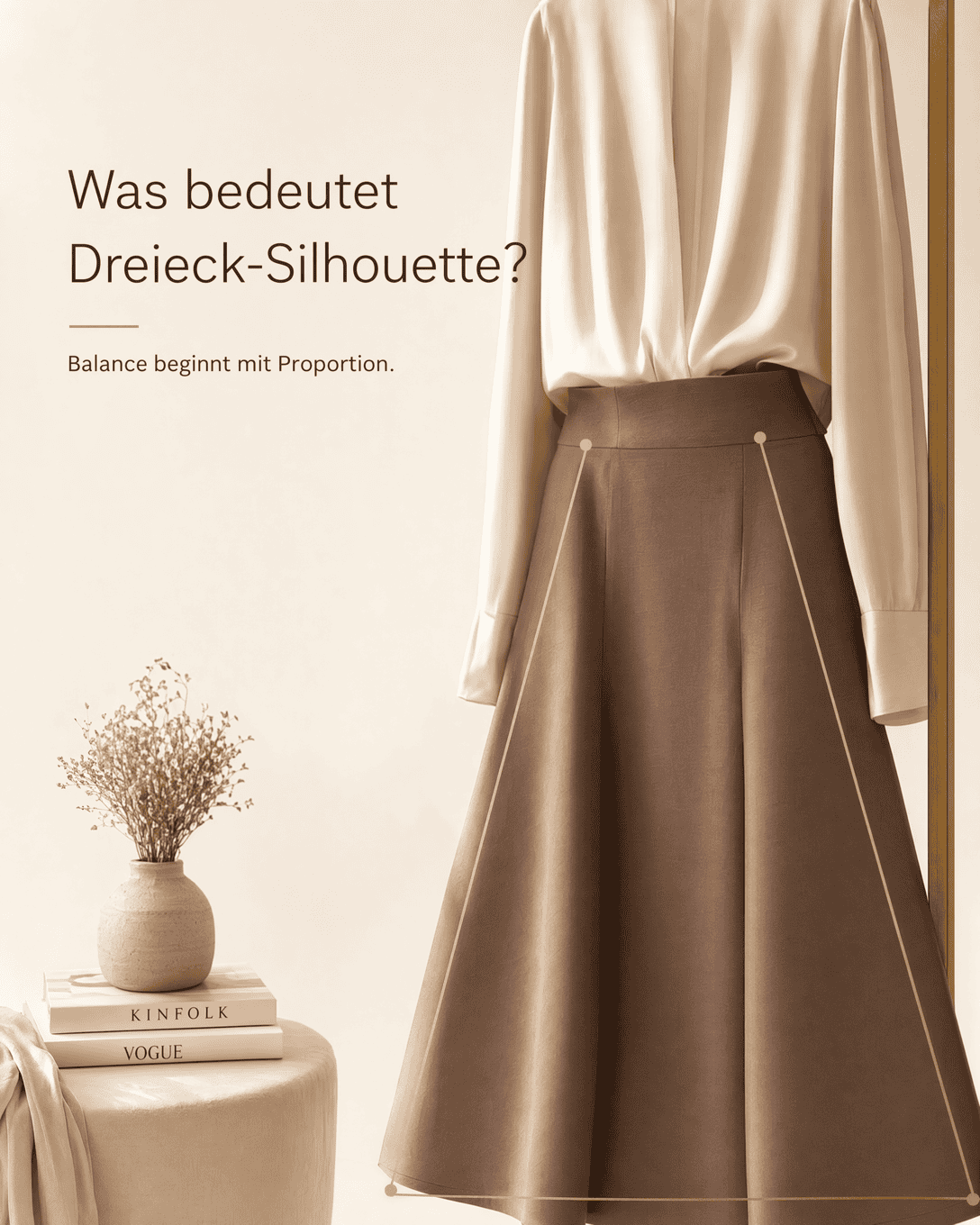
Triangle Silhouette Triangle Silhouette describes a body or outfit shape that appears narrower at the shoulders and wider through the hips or hem. Learn how to recognize it and create balanced proportions through cut, color, and styling.
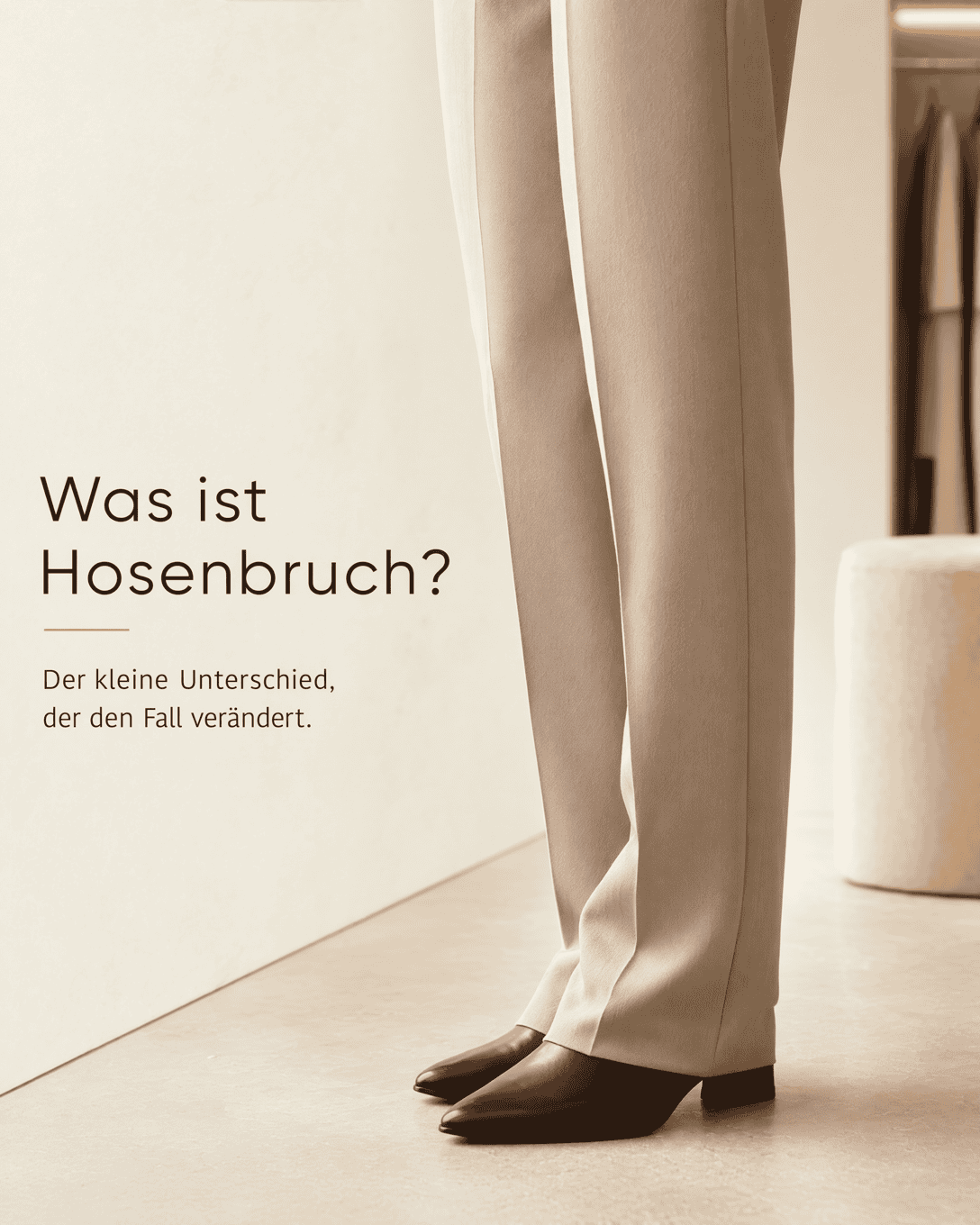
Trouser Break A pants break is the fold or crease that forms at the front of a trouser hem when it meets the shoe. Learn the difference between no break, slight break, half break, and full break.
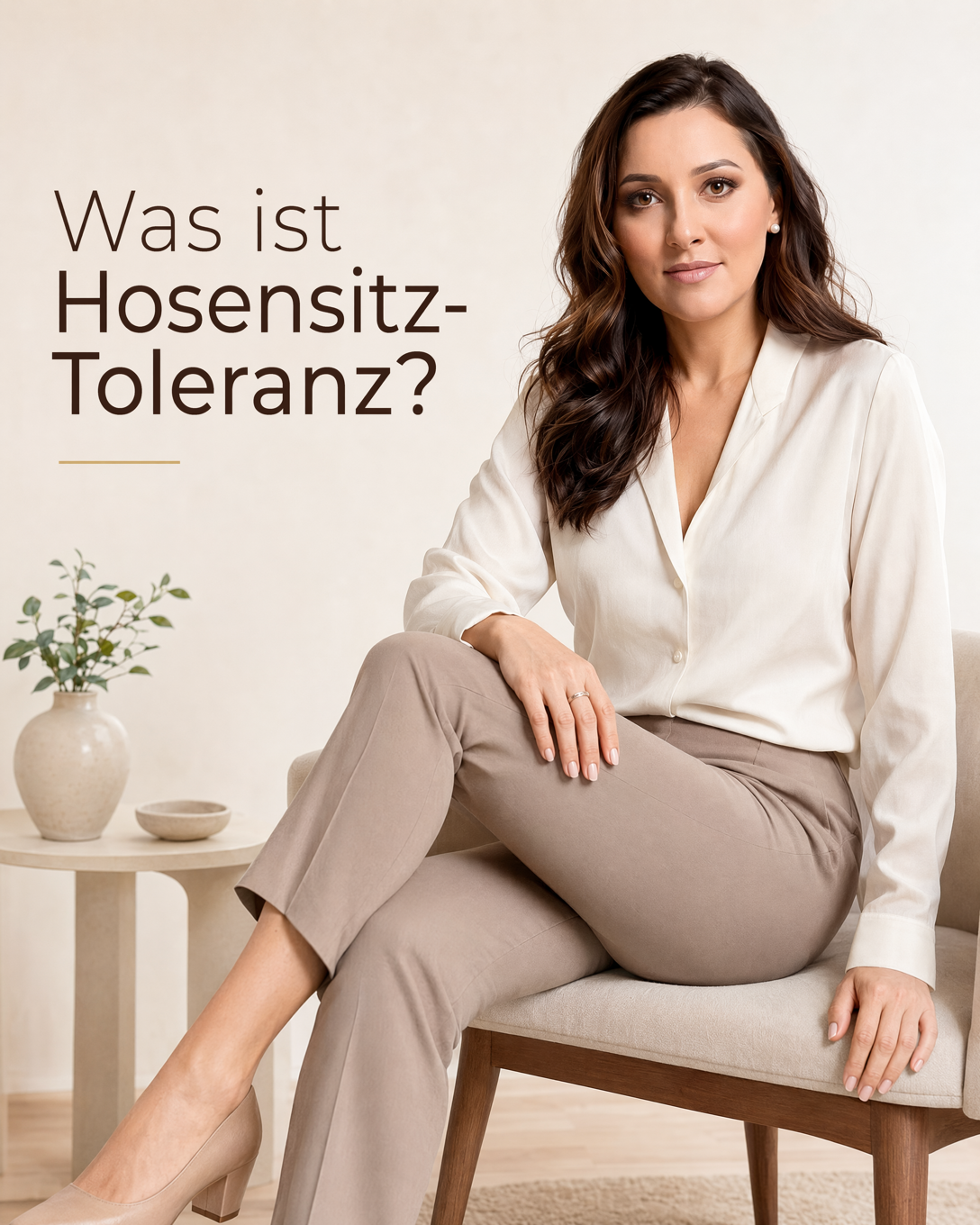
Trouser Seat Tolerance Trouser seat tolerance is the fine balance of rise, crotch shape, and ease that allows trousers to sit smoothly when standing, walking, and sitting.
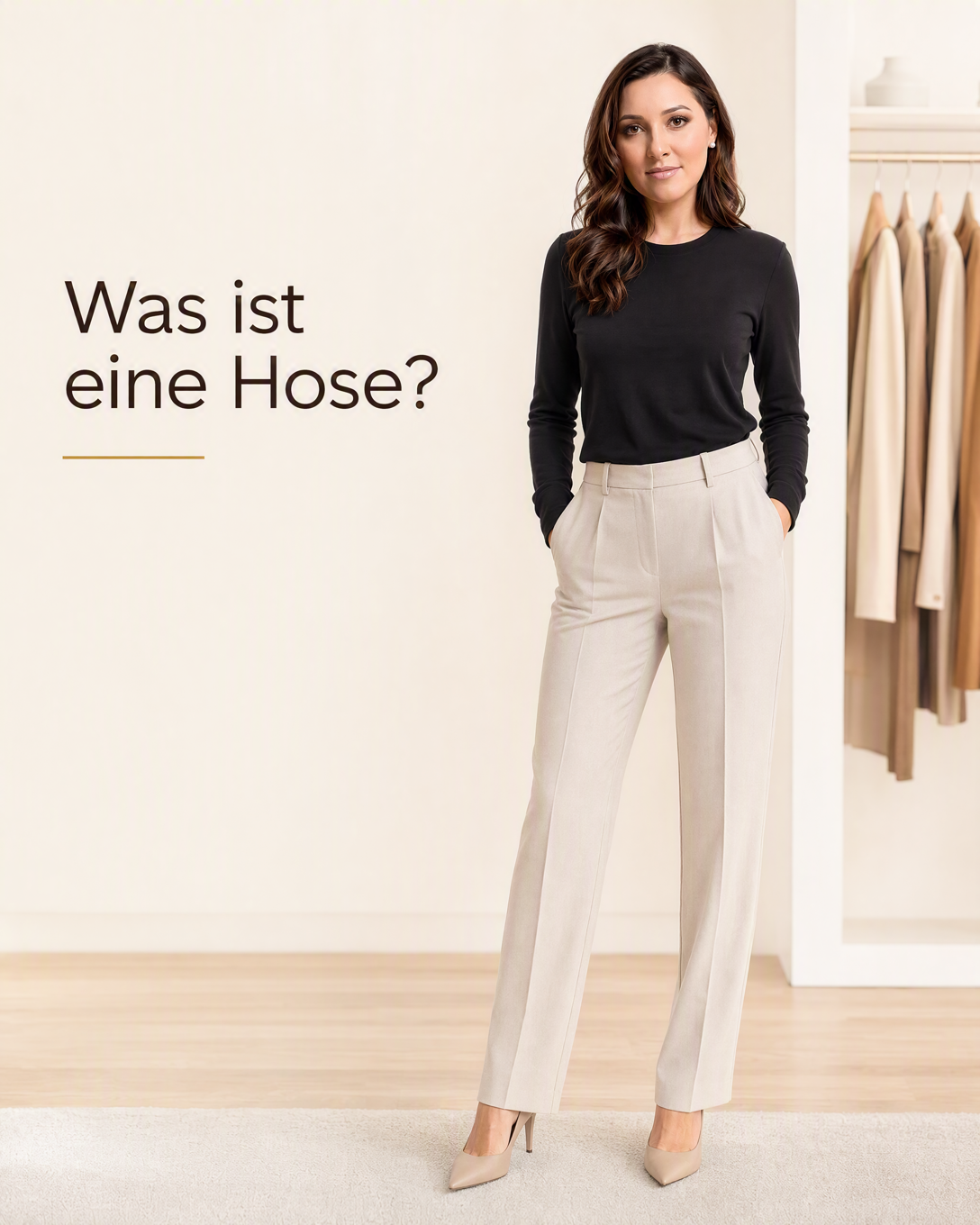
Trousers Trousers are lower-body garments with two separate legs. Their fit, rise, length, fabric, and leg shape influence comfort, proportion, and the overall effect of an outfit.
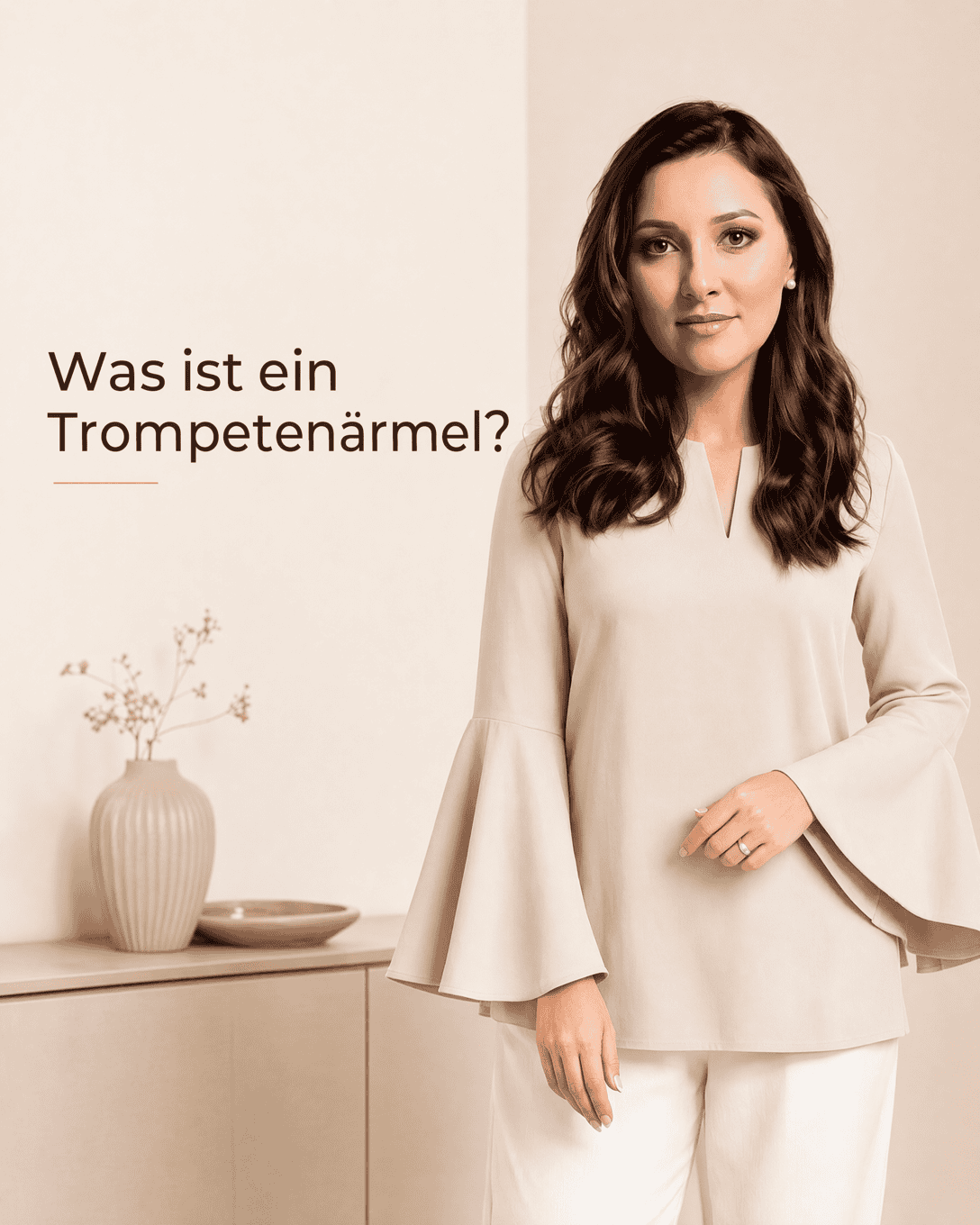
Trumpet Sleeve A trumpet sleeve is fitted through the upper arm and widens toward the wrist or hem. Learn how this flared sleeve shape affects proportion, movement, and styling.
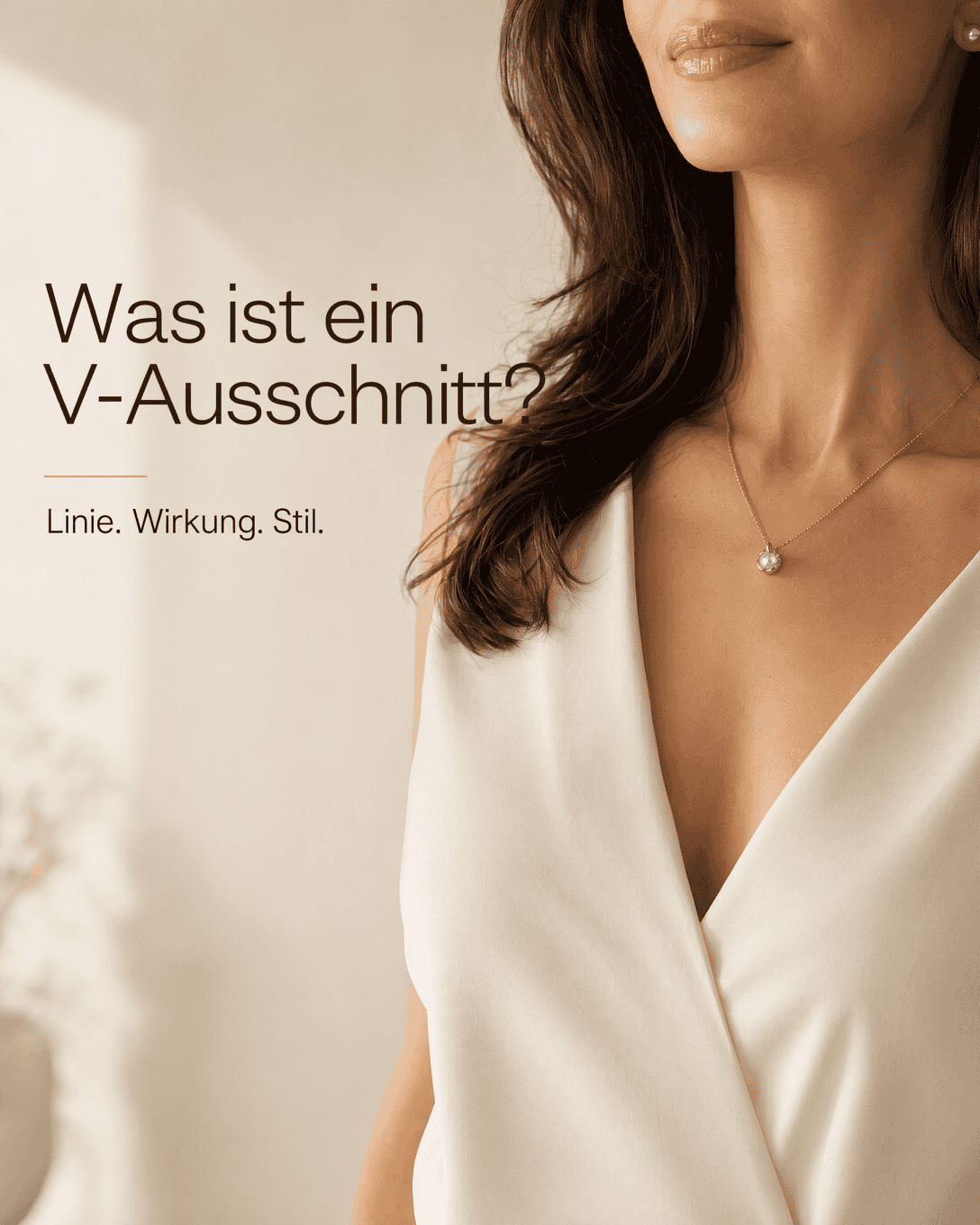
V Neckline A V neckline is a neckline that forms a pointed V shape at the front. Learn how V necklines influence the upper body, proportions, styling, and outfit impact.
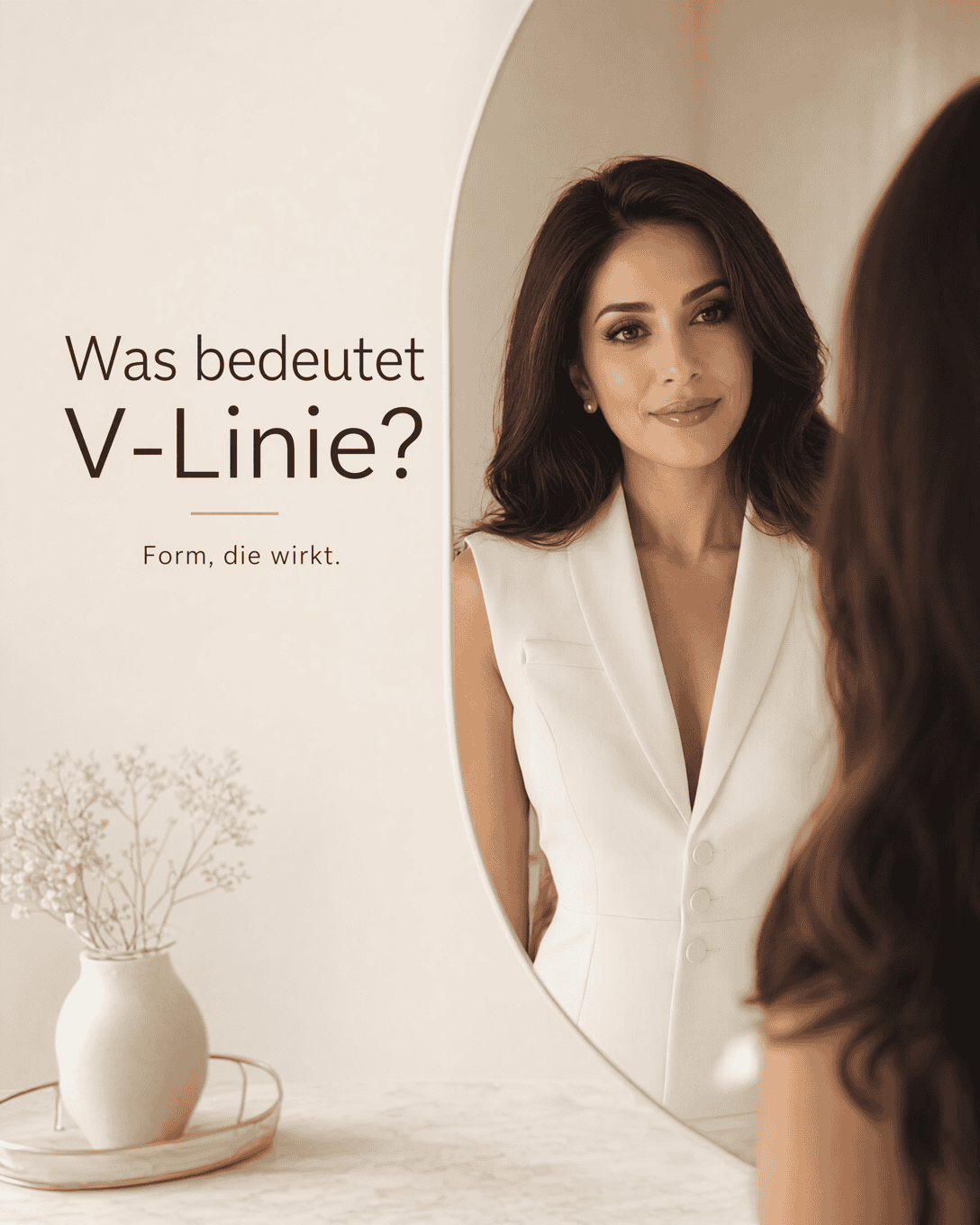
V-Line V-Line describes a silhouette that appears broader at the shoulders and narrower toward the hips and legs. Learn how the V-Line works in clothing and how to style it with balance.
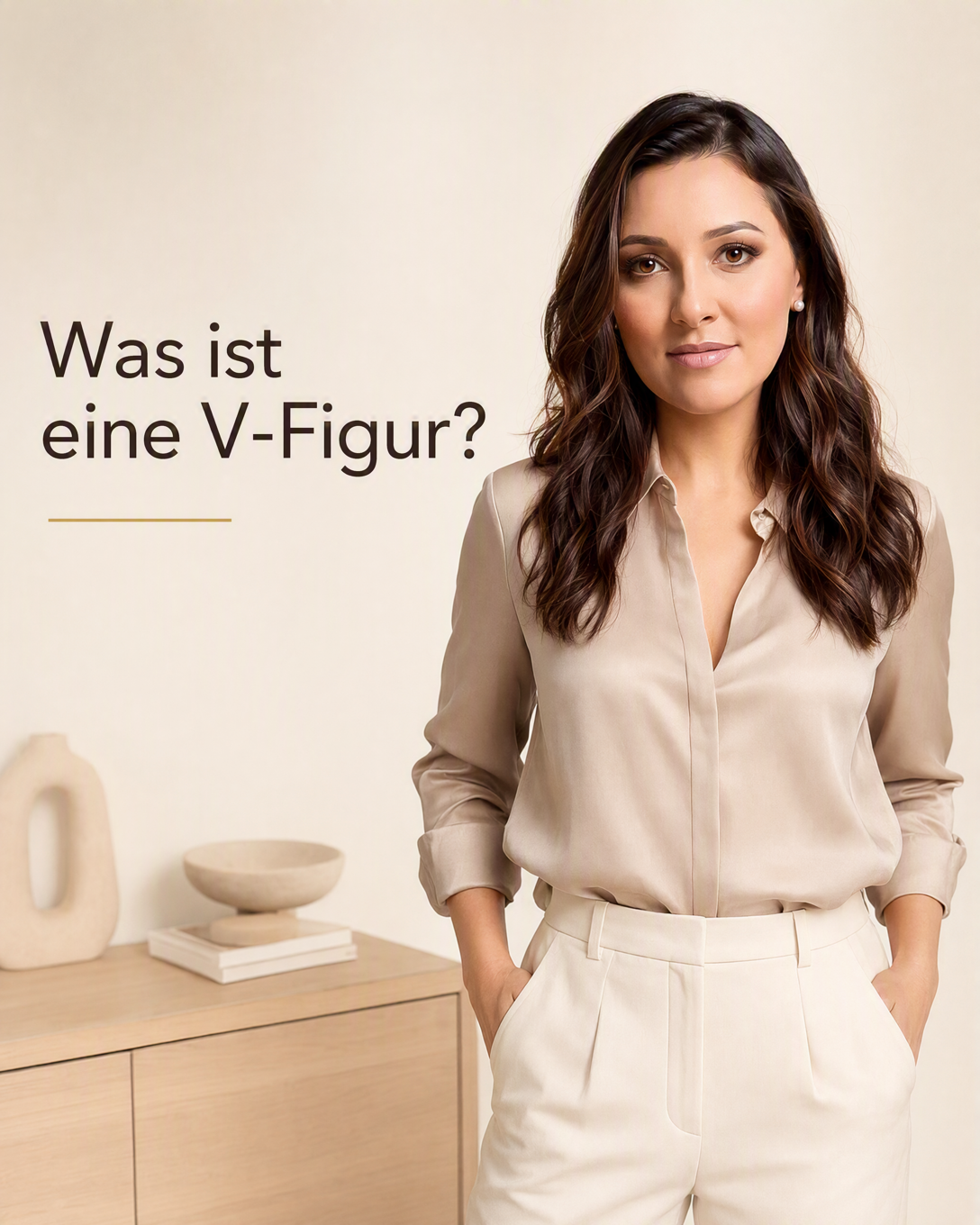
V-Shaped Silhouette A V-shaped silhouette creates the visual impression of broader shoulders and a narrower lower body. Learn how shoulder shape, fit, color, and proportion can create or soften this strong, tapered outline.
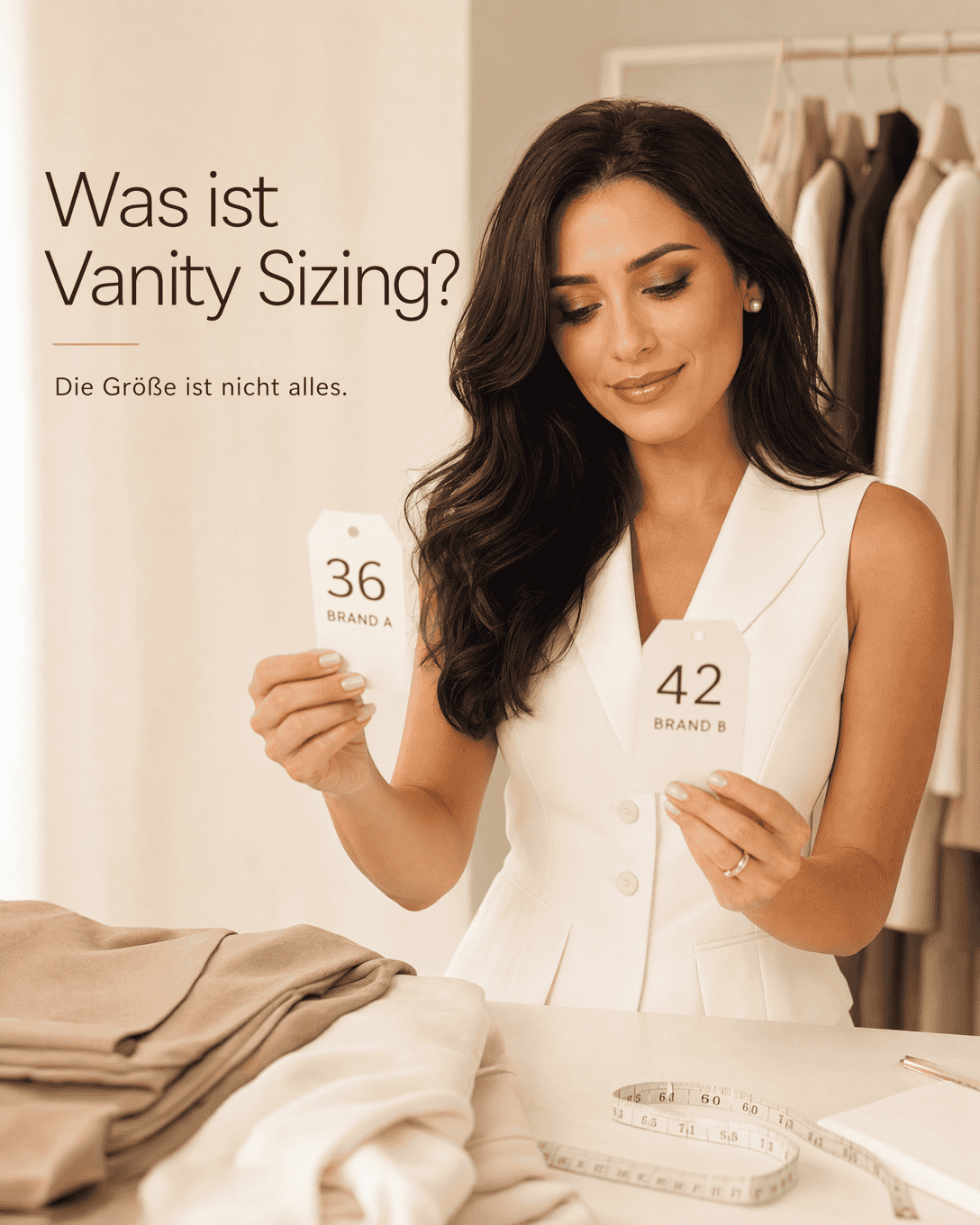
Vanity sizing Vanity sizing is the practice of labeling clothing with smaller sizes even when the garment measurements stay the same or become larger. Learn why sizes vary between brands and how to find a better fit.
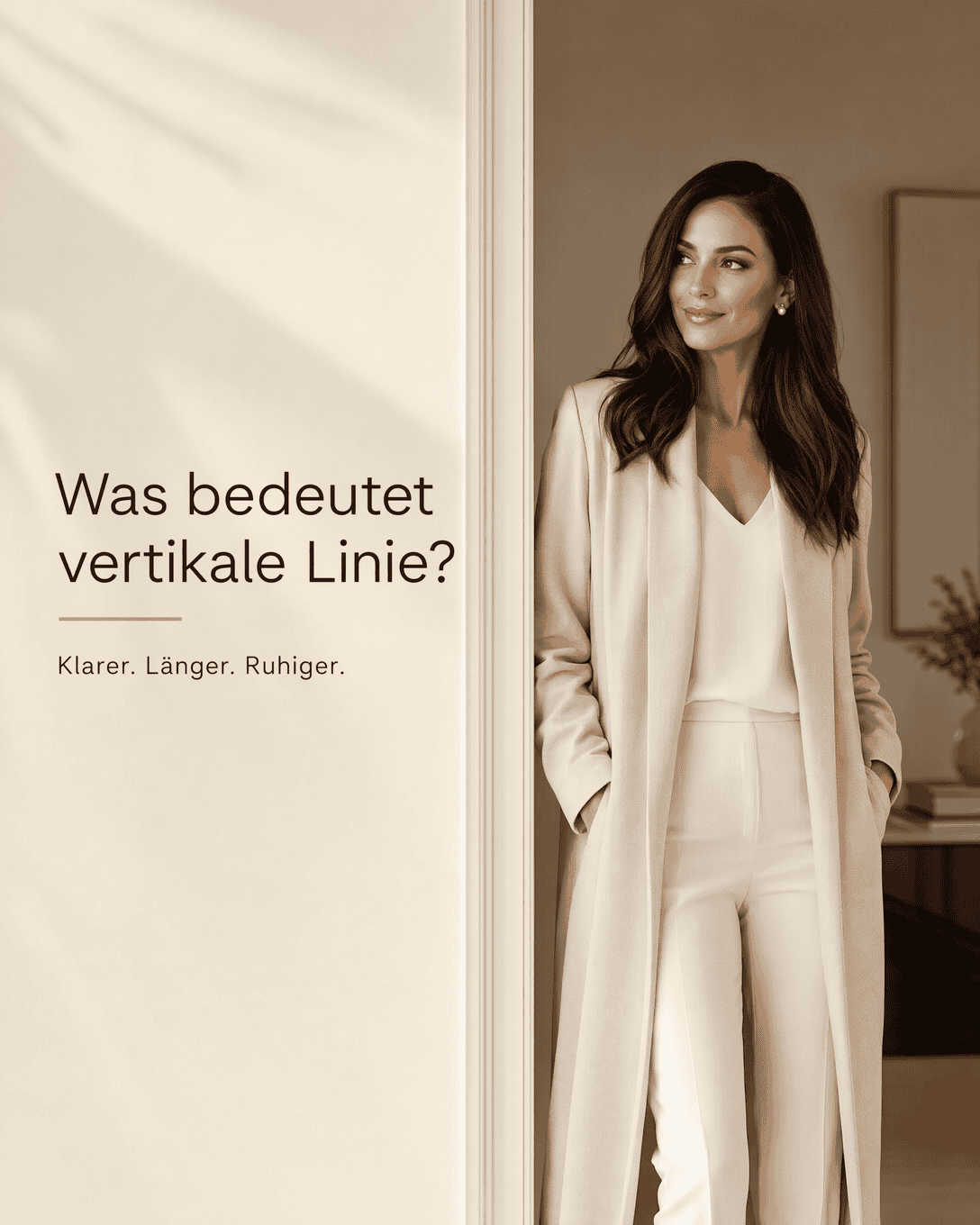
Vertical Line A vertical line in fashion is a line that guides the eye up and down the body. It can create a longer, calmer visual impression and shape outfit proportion.
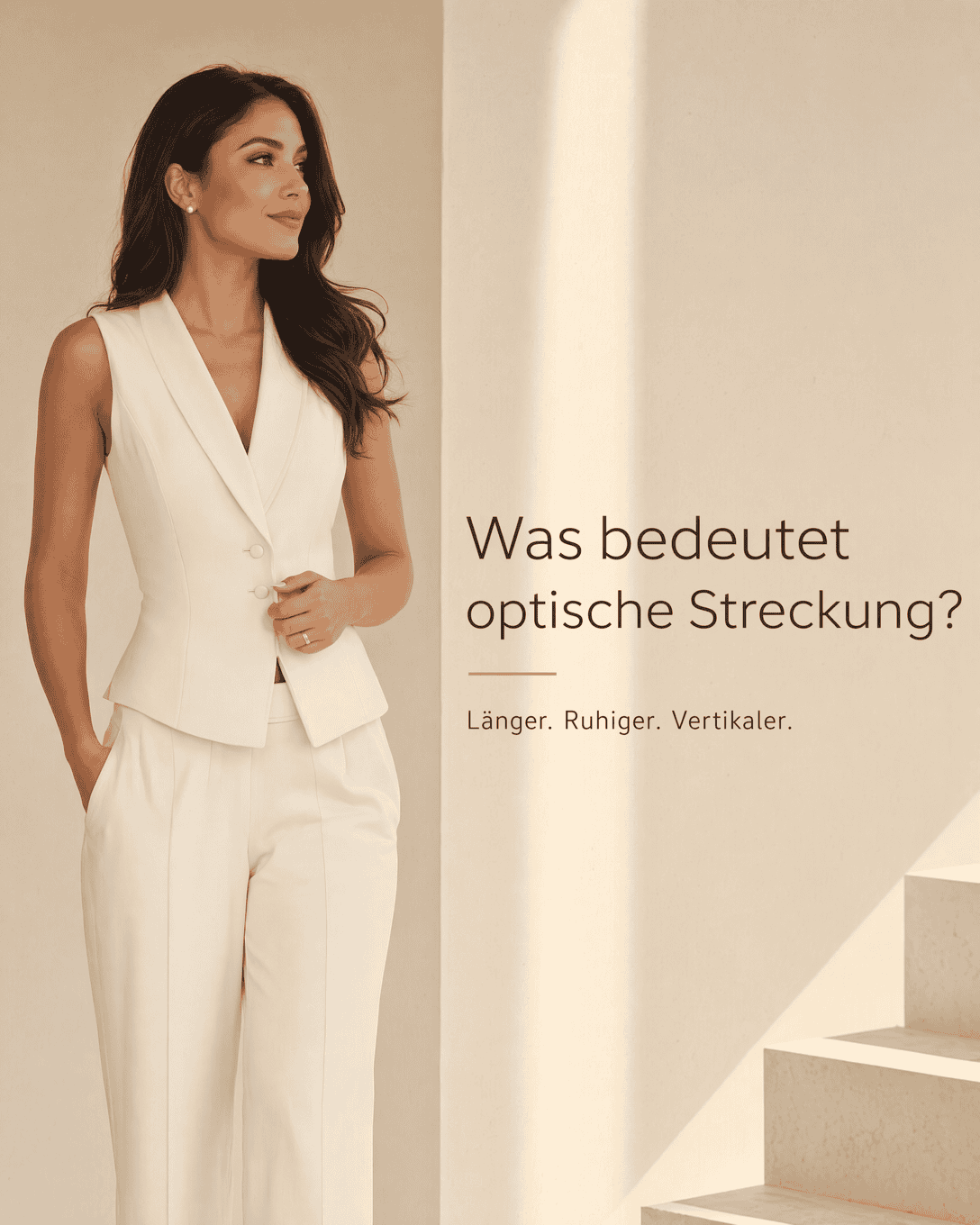
Visual Elongation Visual elongation uses lines, proportions, color continuity, and fit to create a longer, more continuous visual impression in an outfit.
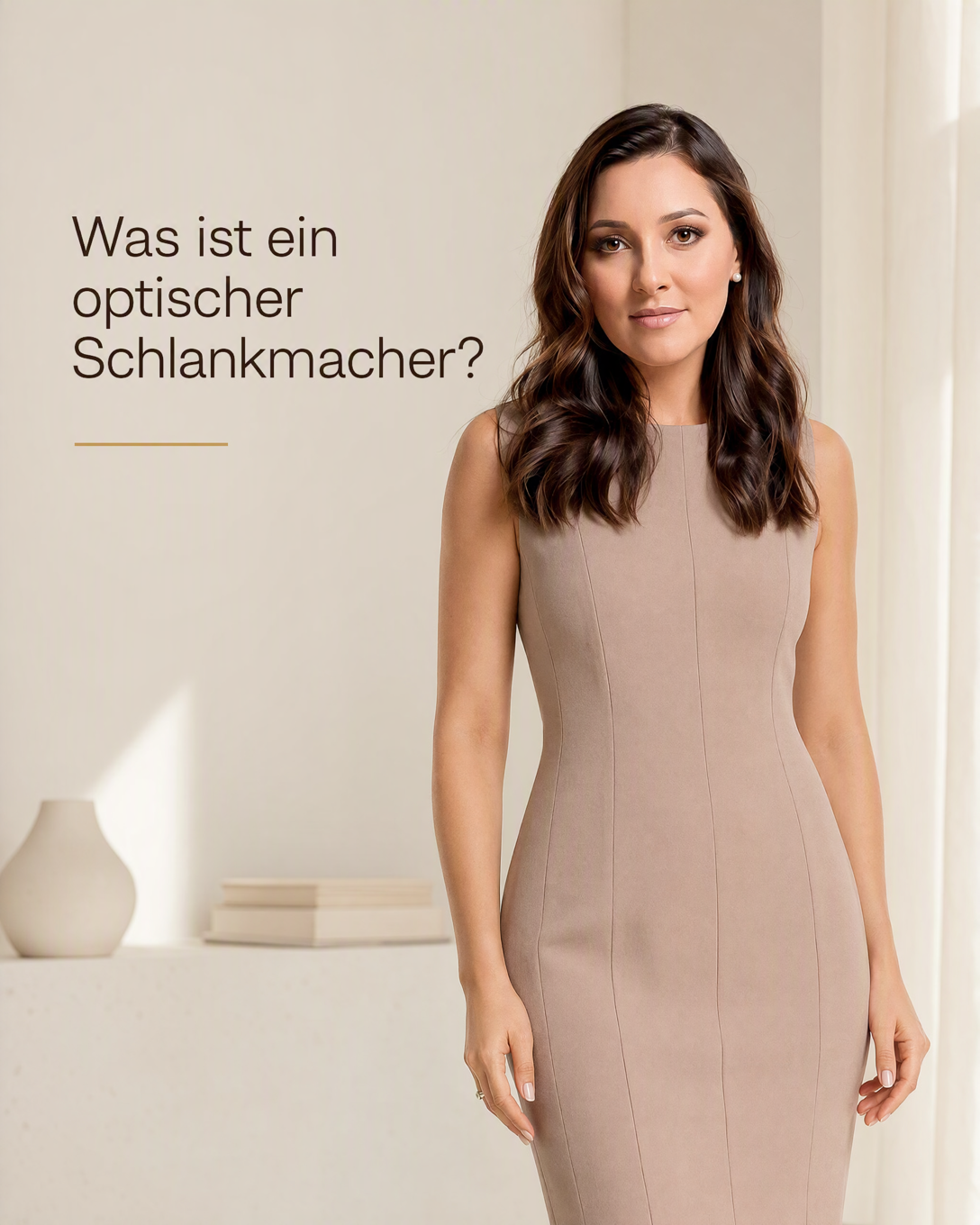
Visual Slimming Effect A visual slimming effect is created through clothing lines, color placement, fit, and proportion that make an outfit appear longer, smoother, or more streamlined.
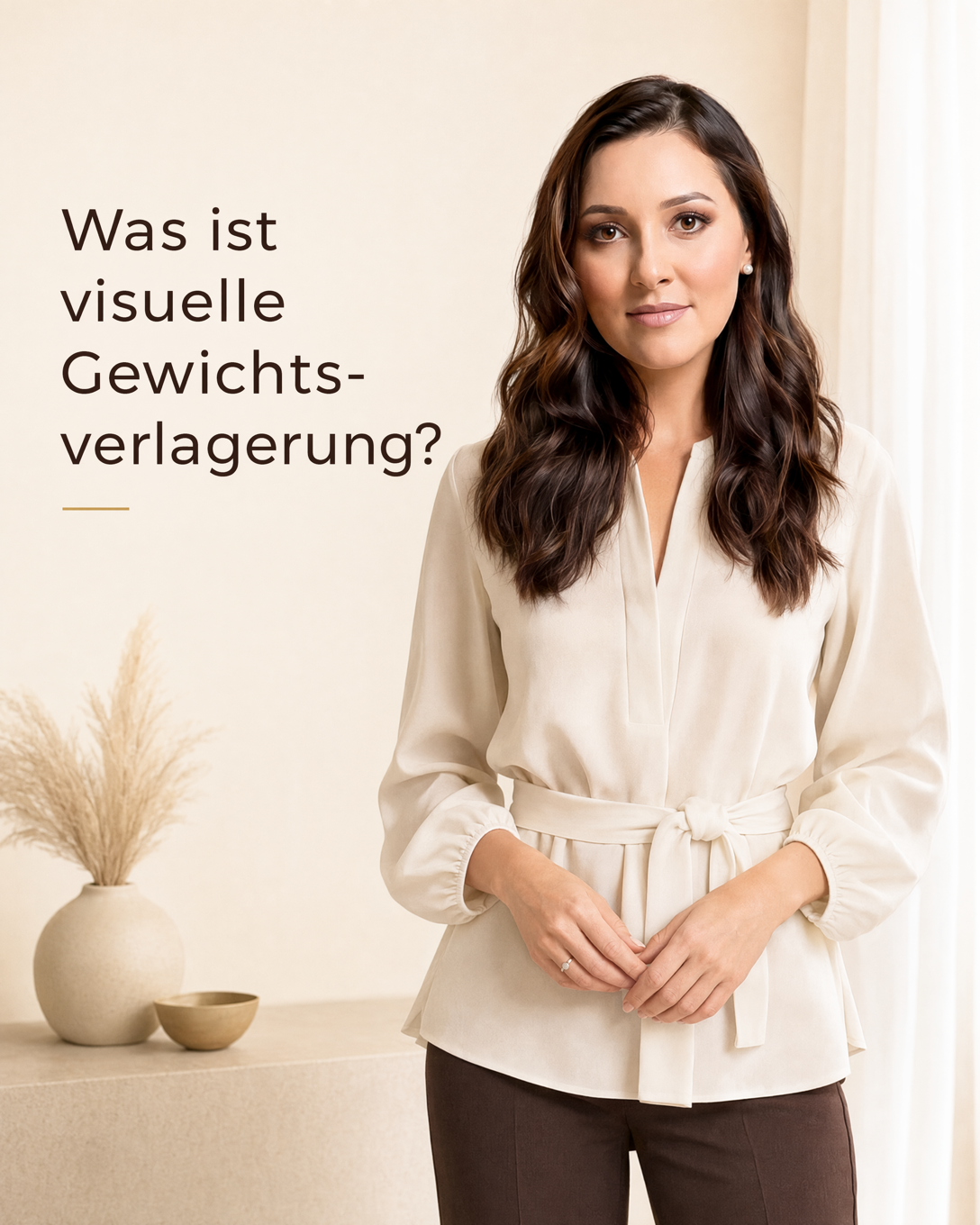
Visual Weight Shifting Visual weight shifting is a styling technique that directs attention toward selected areas of an outfit while allowing others to recede visually. It uses color, contrast, cut, texture, and detail to create a more intentional visual balance.
Volume Volume in fashion is the amount and placement of visual or physical fullness in a garment. It shapes silhouette, proportion, movement, and the overall balance of an outfit.
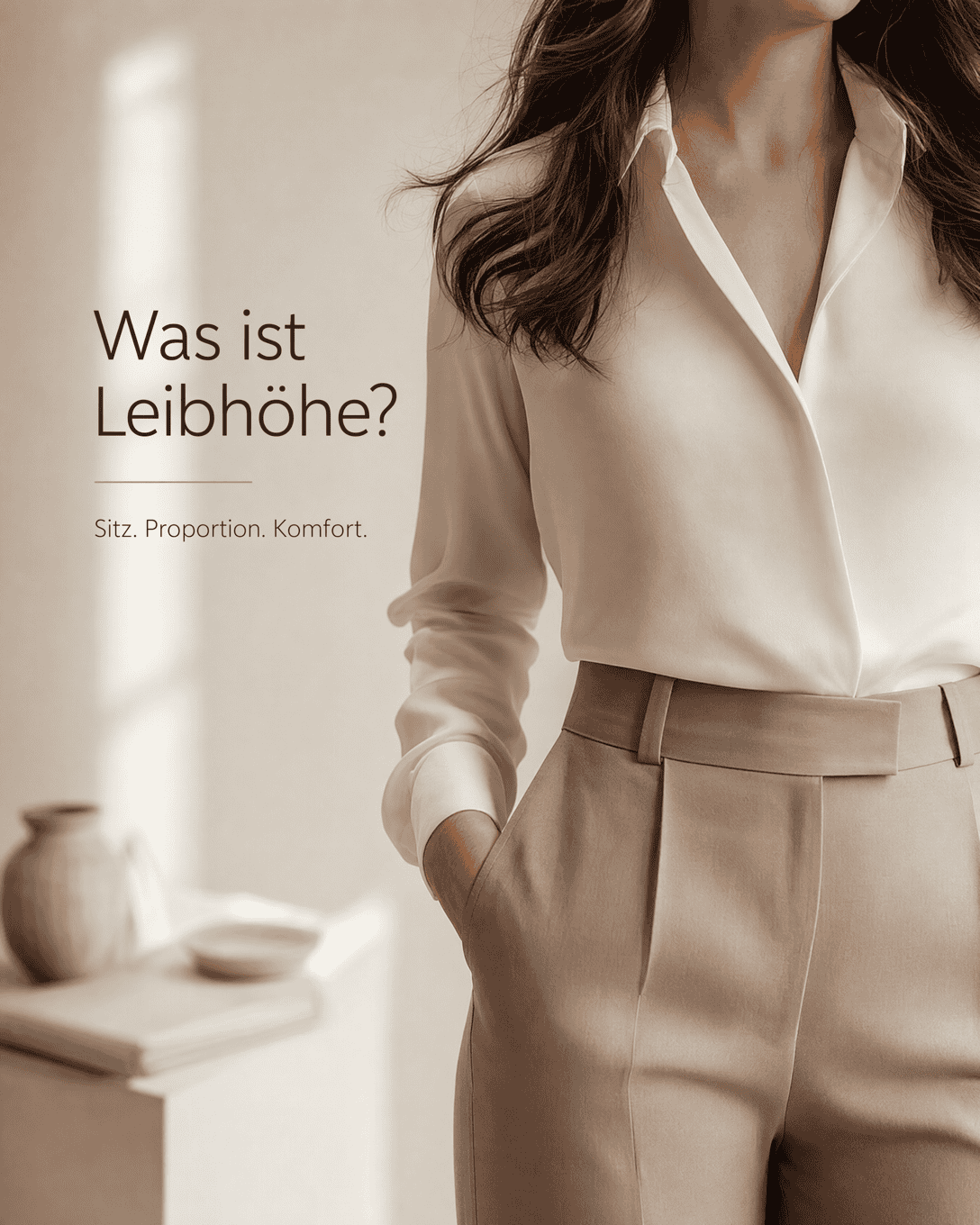
Waist height Waist height, also called trouser rise, is the distance from the crotch seam to the waistband. It determines where trousers sit on the torso, how they feel when sitting, and how they shape body proportions.
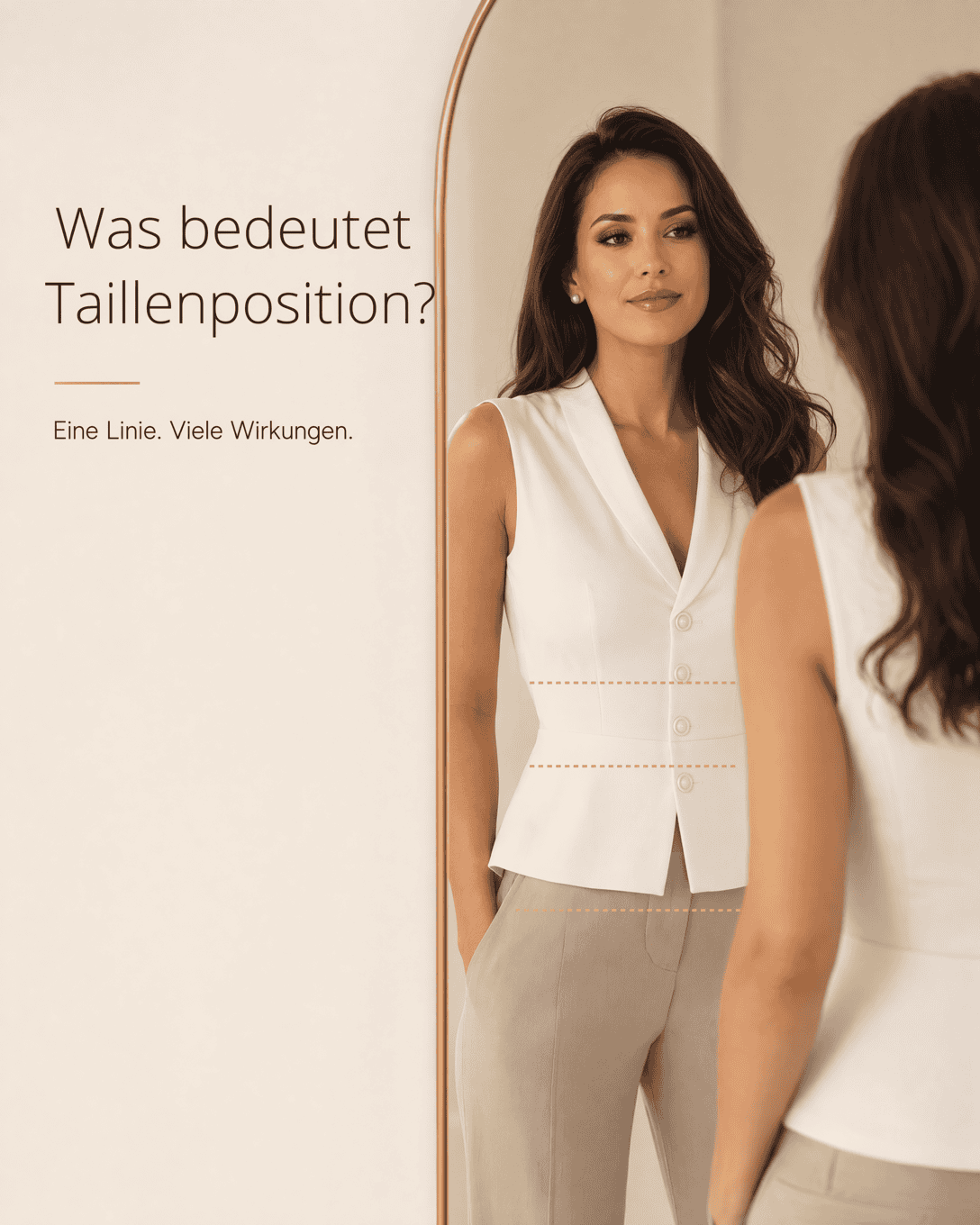
Waist Position Waist position describes where a garment creates or places the visual waistline. It influences body proportions, silhouette, and the overall balance of an outfit.
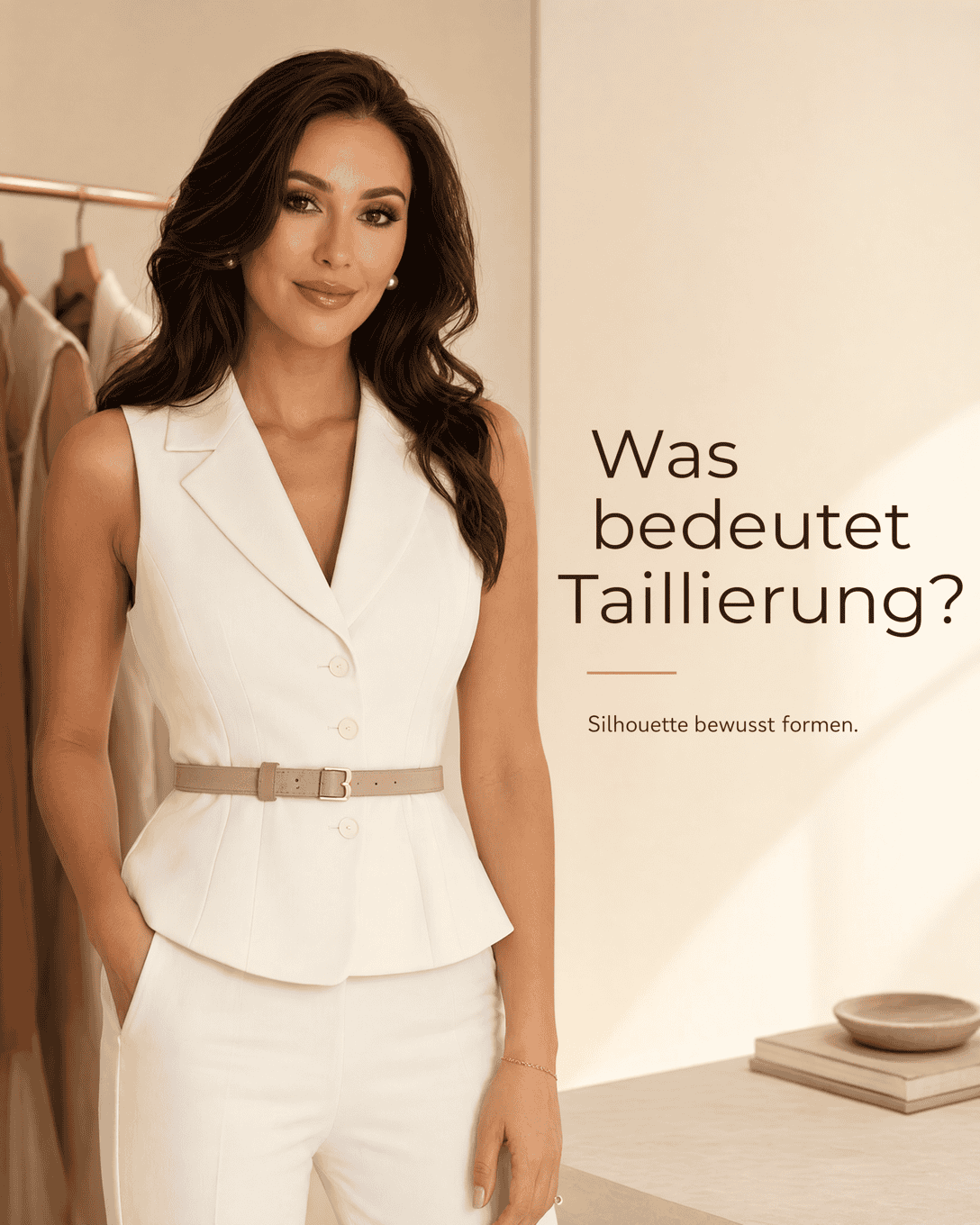
Waist Shaping Waist shaping is the use of cut, seams, belts, or styling to define or suggest the waist and create a more intentional silhouette.
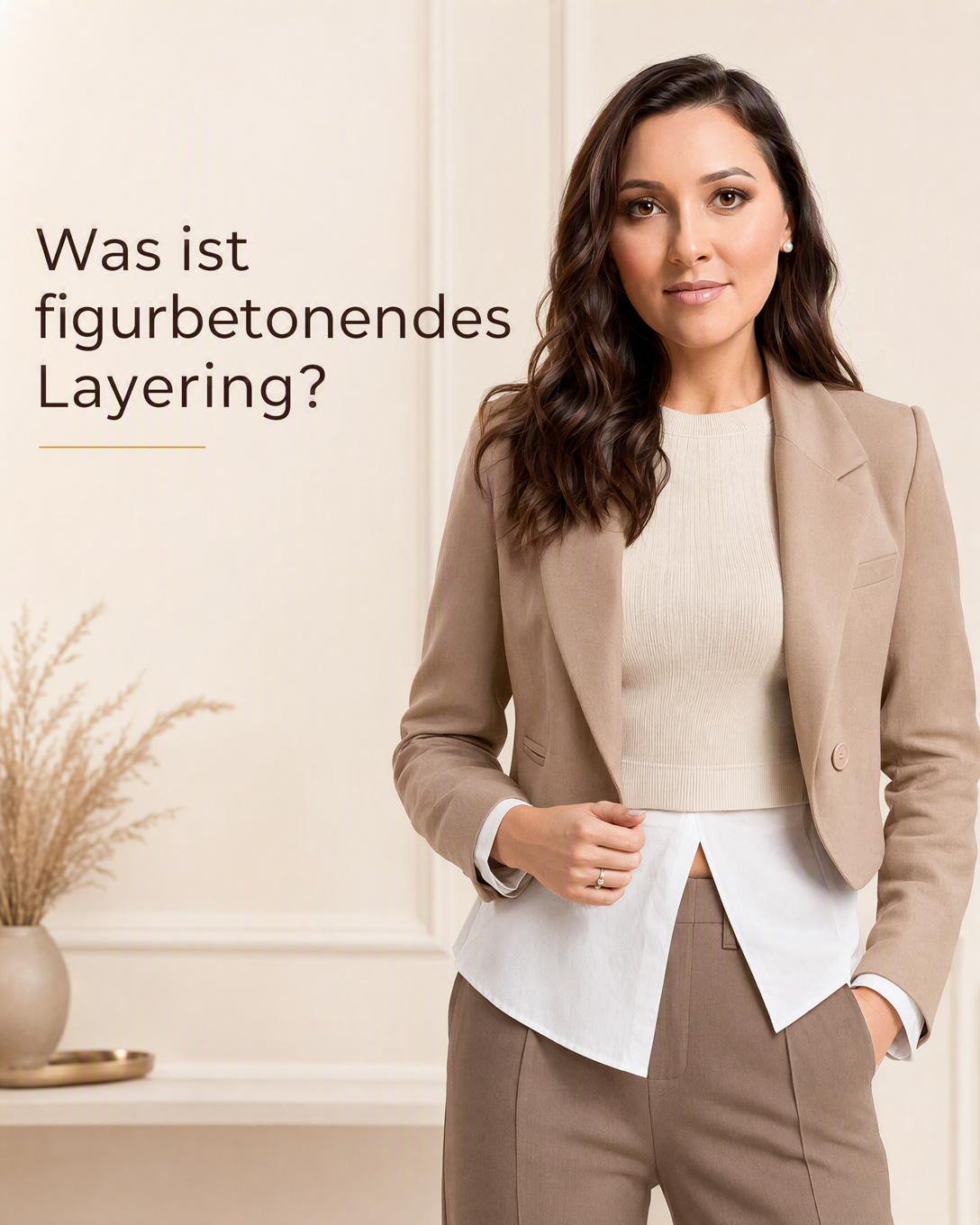
Waist-Defining Layering Waist-defining layering is a styling method that combines different garment lengths while keeping the waist visible or intentionally suggested. It creates depth without losing shape.
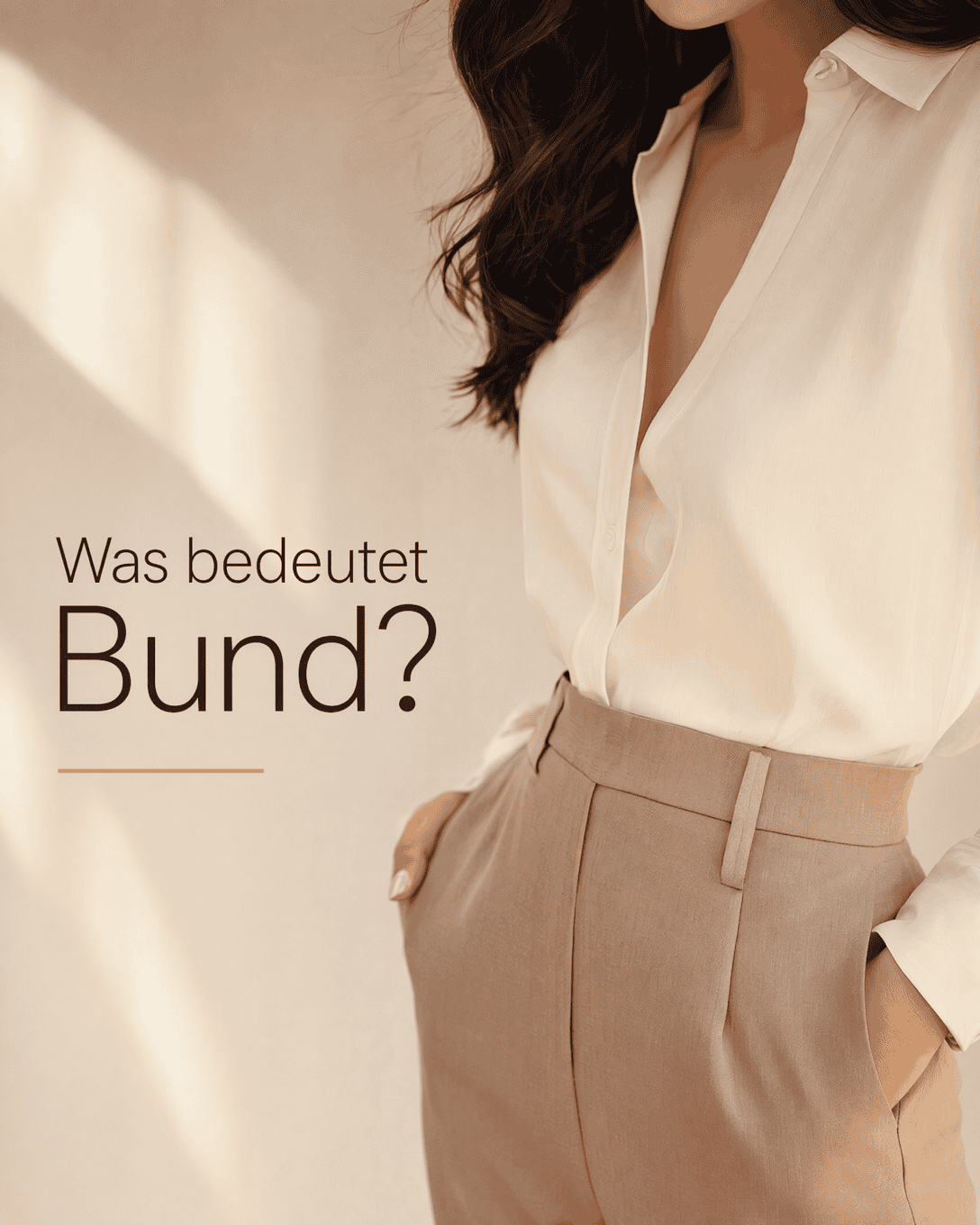
Waistband A waistband is the finished band at the top of trousers, skirts, shorts, or some dresses. It holds the garment at the waist or hip and strongly affects fit, comfort, and proportion.
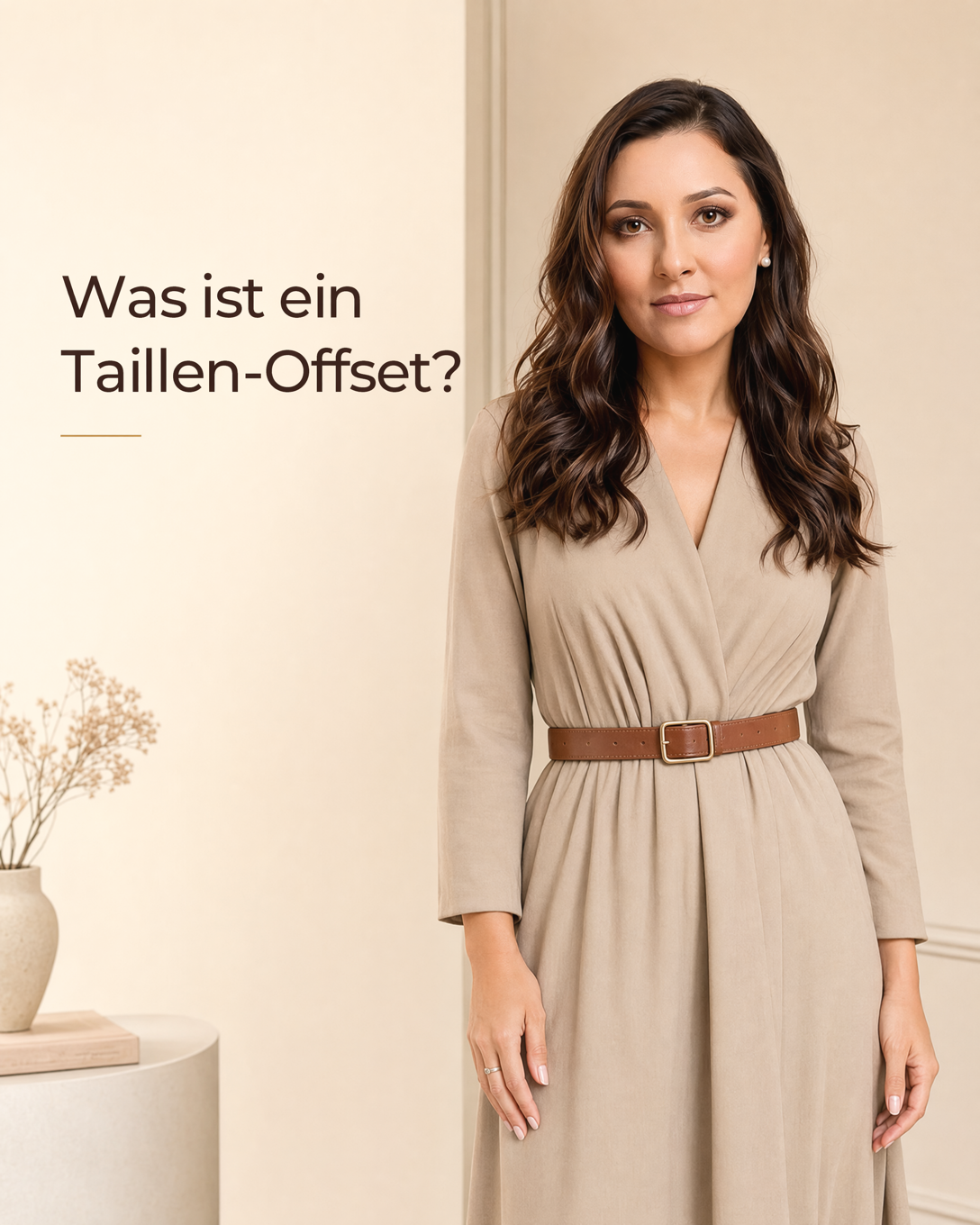
Waistline Offset A waistline offset is the deliberate placement of an outfit’s visual waistline above or below the natural waist to adjust perceived proportions.
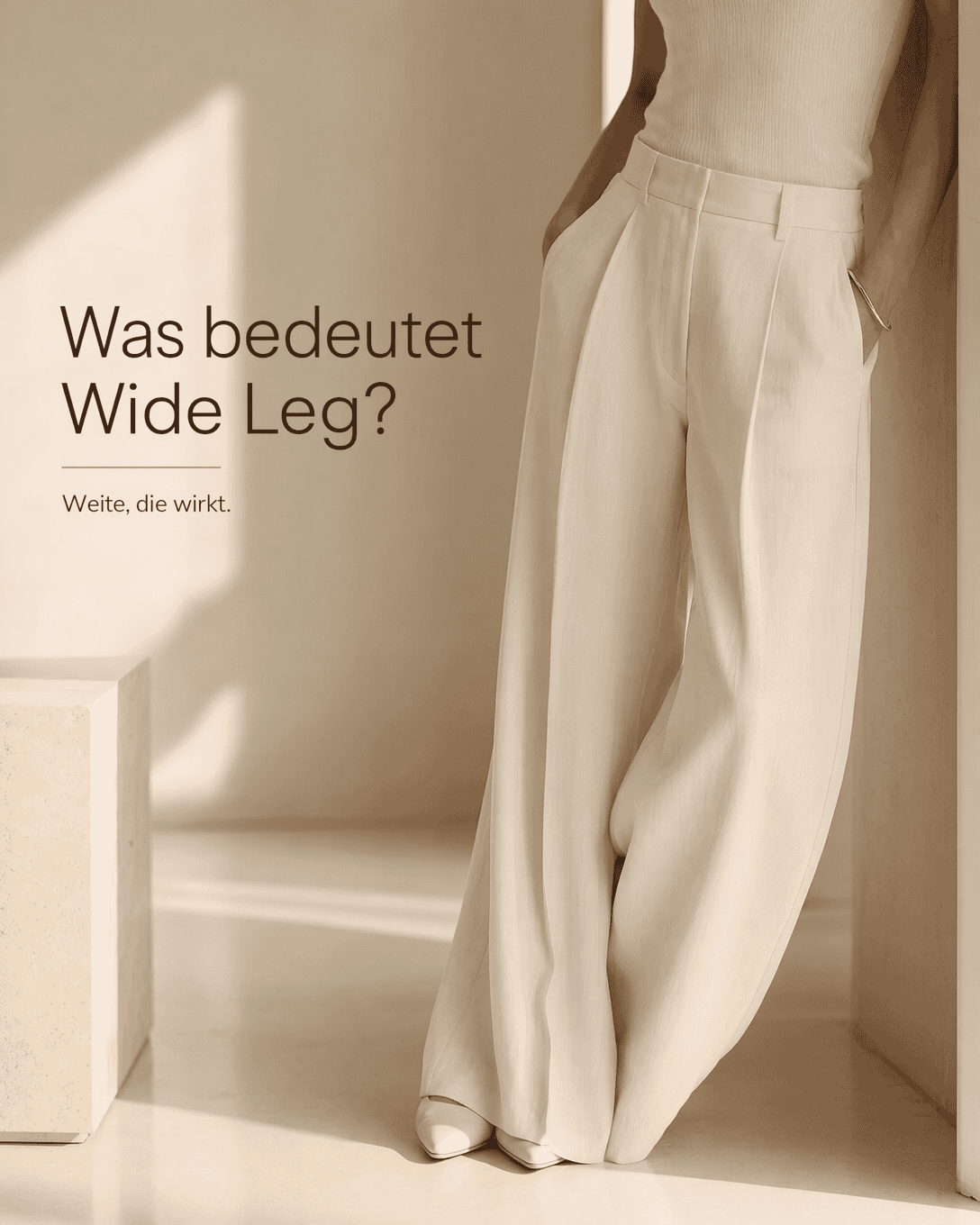
Wide Leg Wide Leg describes trousers with a generous width through the leg. Learn how wide-leg trousers affect silhouette, fit, proportion, and everyday styling.
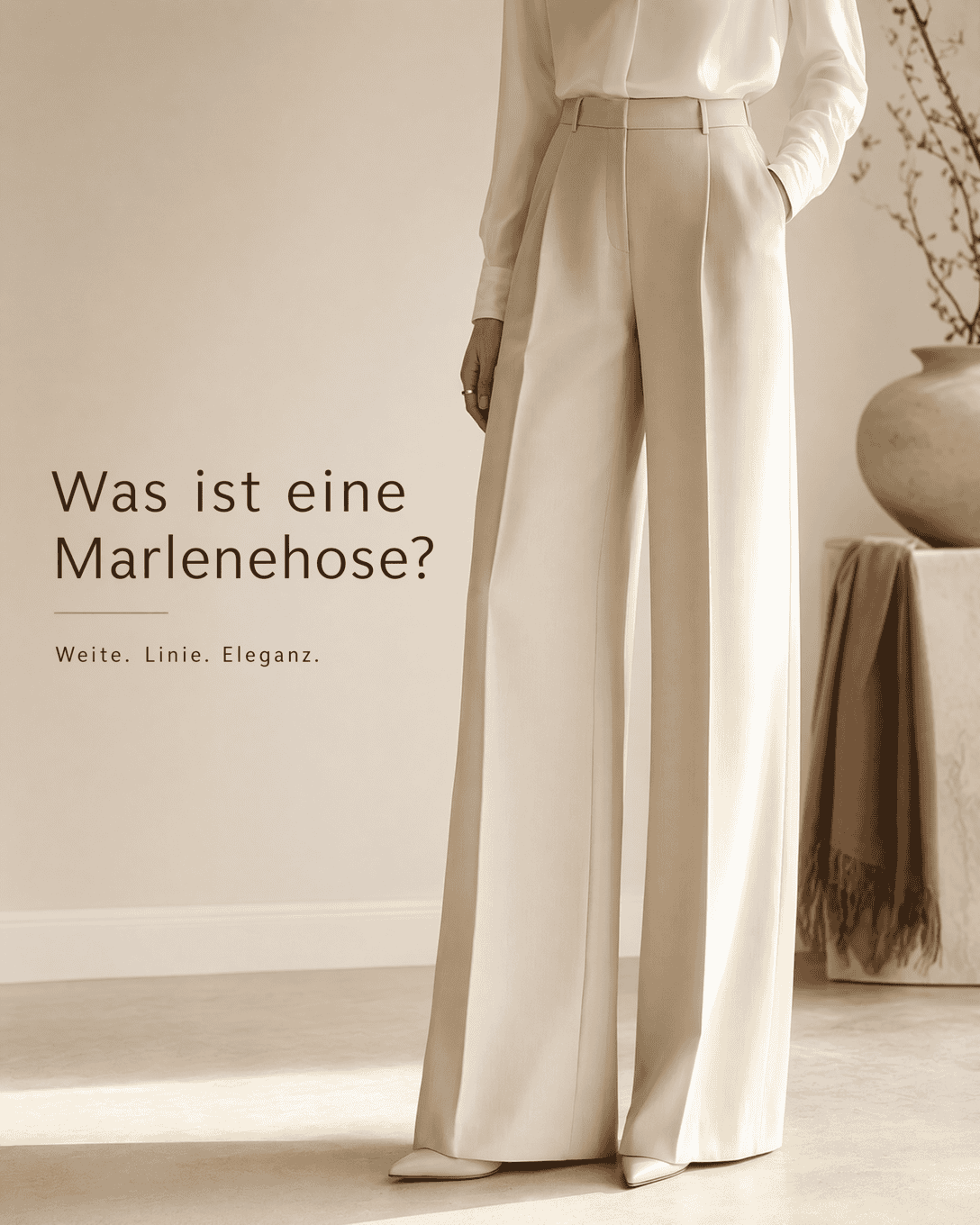
Wide-Leg Trousers Wide-leg trousers are trousers with a generously cut leg that creates a long, flowing silhouette. Learn how fit, length, fabric, and styling affect their proportion and wearability.
X-Line X-Line is a silhouette with visible emphasis at the shoulders and hips and a defined waist, creating an X-shaped outline.
X-Line Silhouette An X-line silhouette creates a balanced outline with defined shoulders and hips and a visibly shaped waist. Learn how this proportion works in clothing and how to style it comfortably.
Y Body Shape A Y body shape is a pronounced version of the V shape, with visual emphasis at the shoulders and upper body and a comparatively narrower waist and hips.