Category: Dress Codes & Occasions
Dress-code and occasion terms that help you choose appropriate outfits for invitations, events, celebrations, and business settings with confidence.
What this category covers
Dress codes and occasion dressing help translate an invitation, professional setting, or social event into an outfit that feels appropriate, polished, and like you. This category explains common terms for formal events, celebrations, weddings, dinners, interviews, and workplace settings.
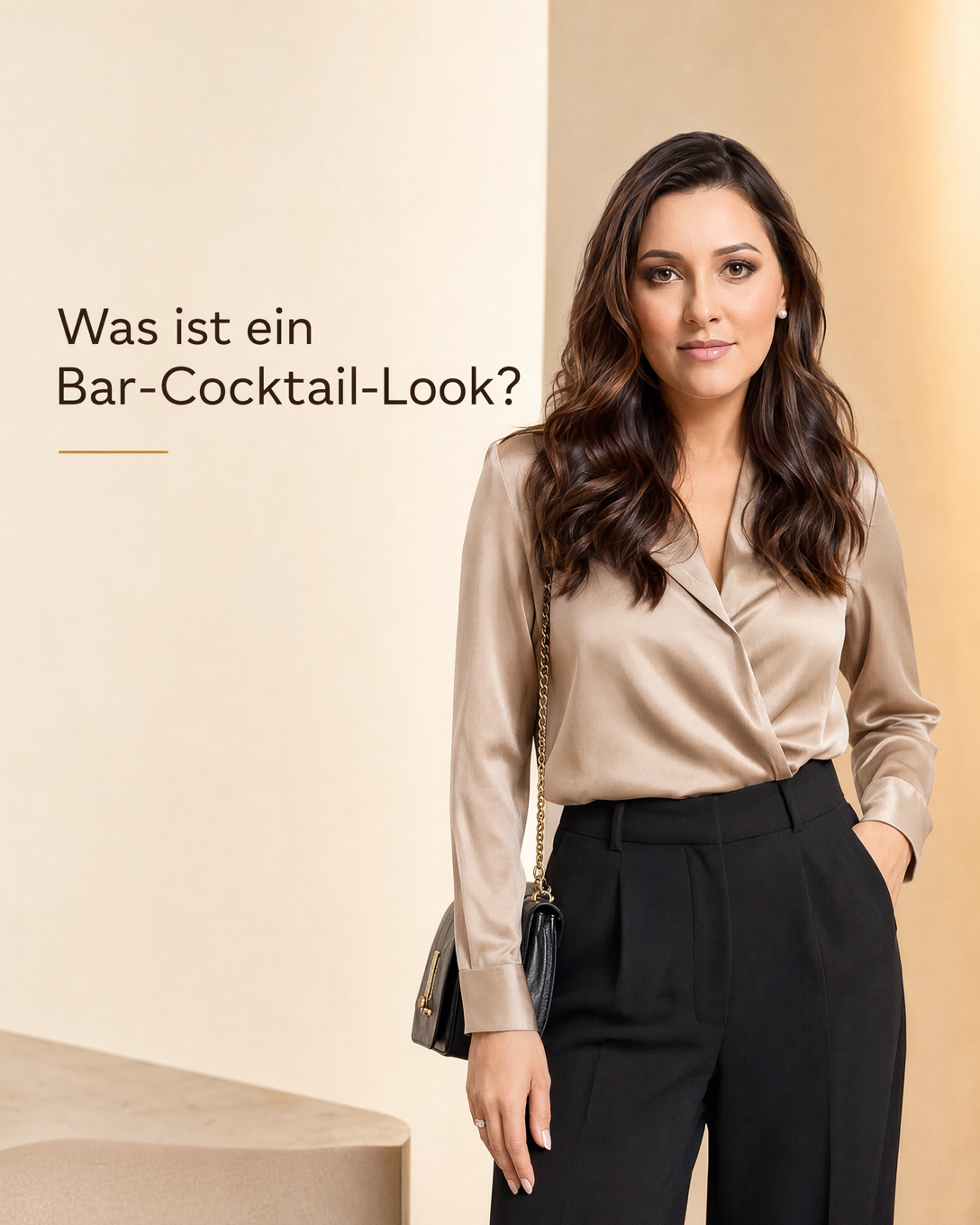
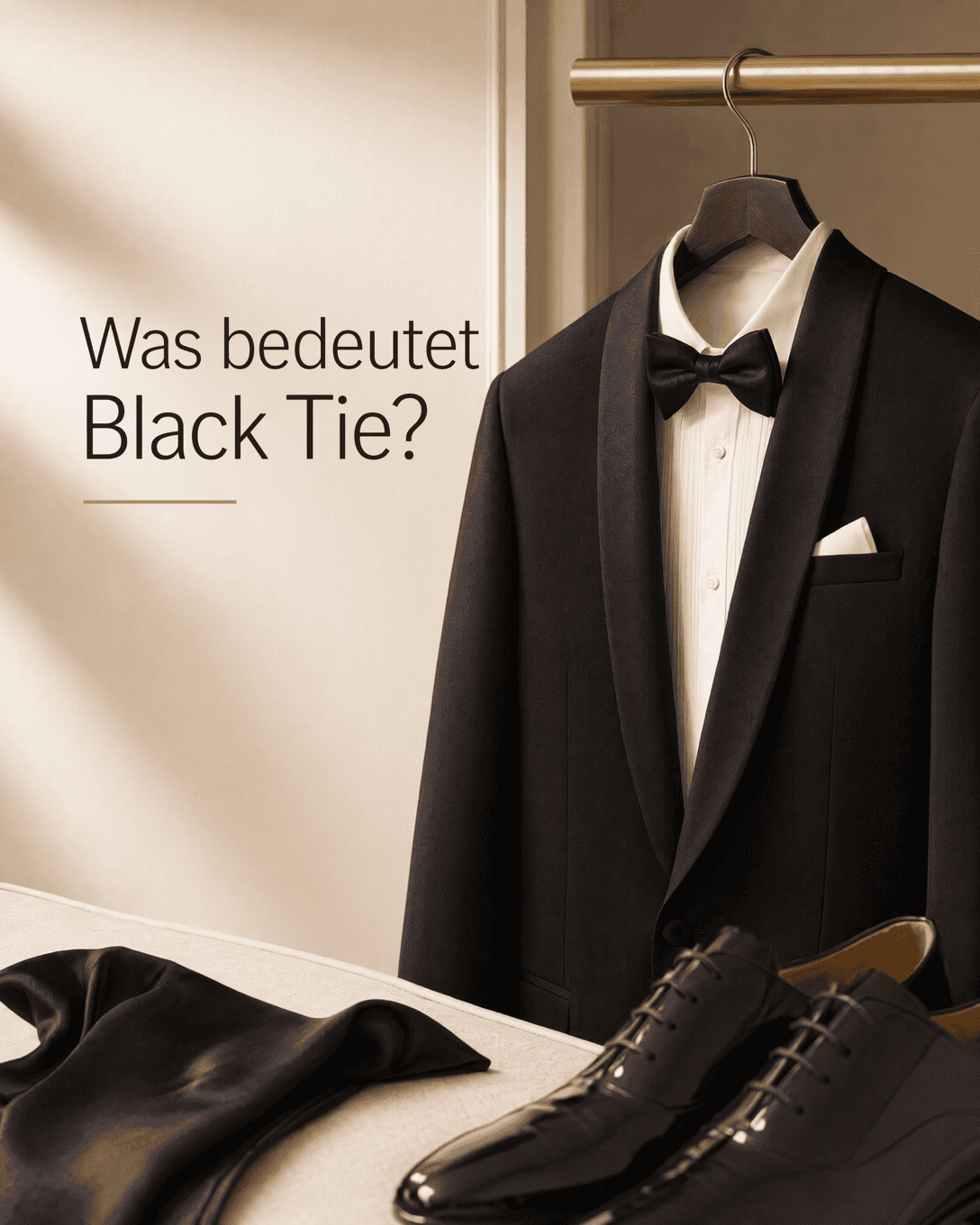
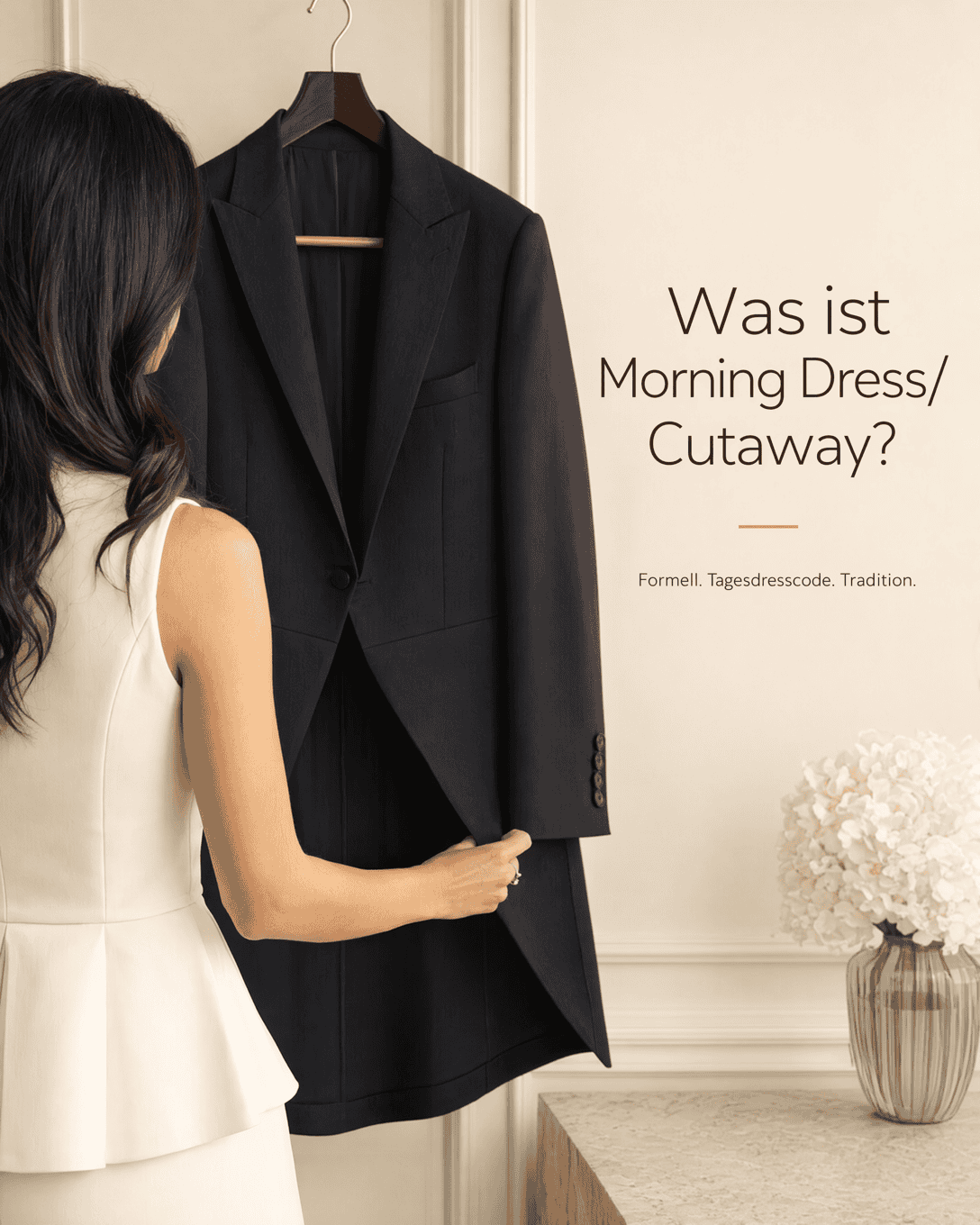
You will find guidance for classic dress codes such as Black Tie , Cocktail Attire , Semi Formal , and Smart Casual , as well as practical categories including Wedding Guest Outfit , Job Interview Outfit , and Garden Party Attire .
How to understand a dress code
A dress code is not simply a list of permitted garments. It describes the expected level of formality and helps guests create a suitable visual setting for an event.
Before choosing an outfit, consider:
- The occasion: Is it a wedding, business dinner, gala, interview, or relaxed celebration?
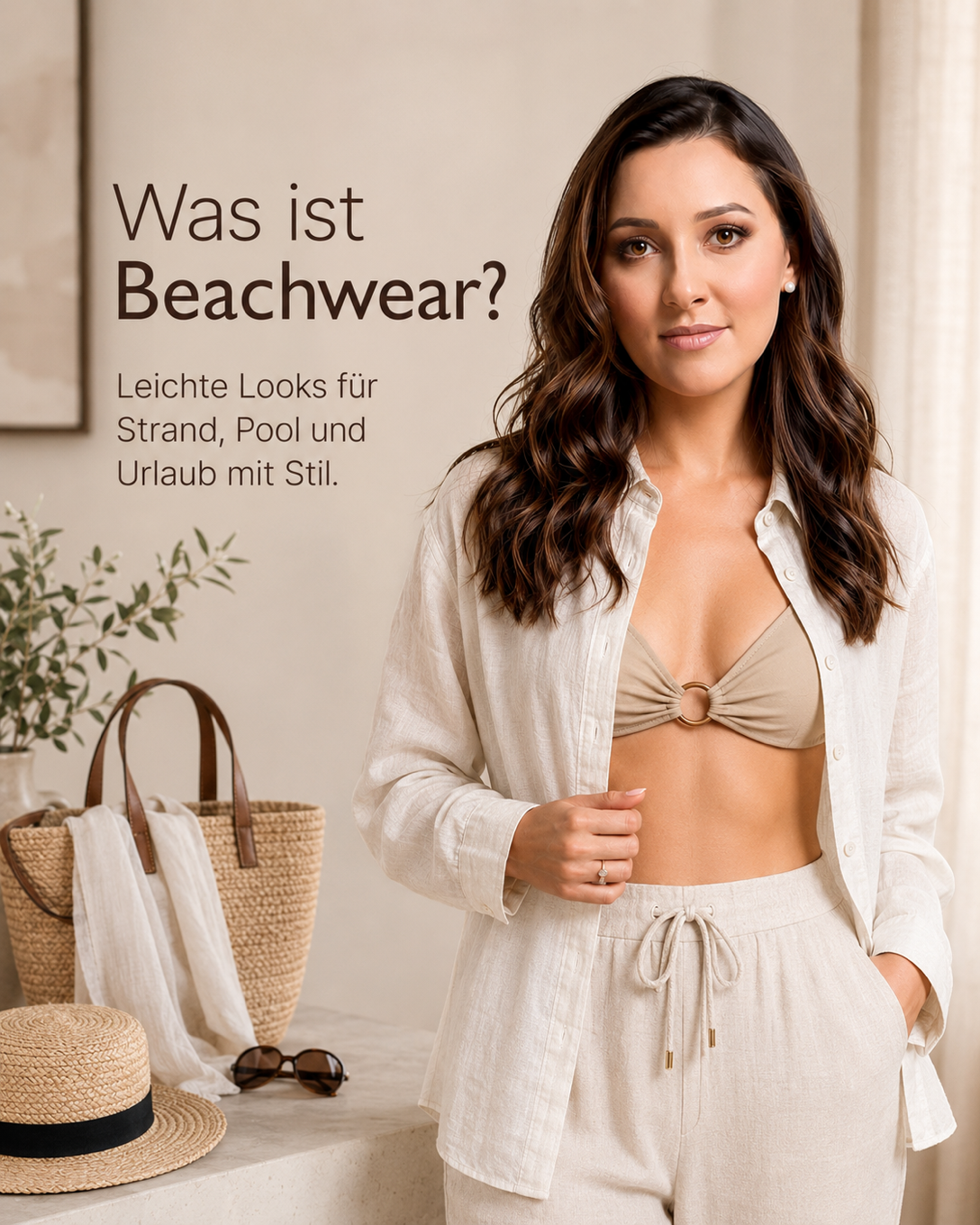
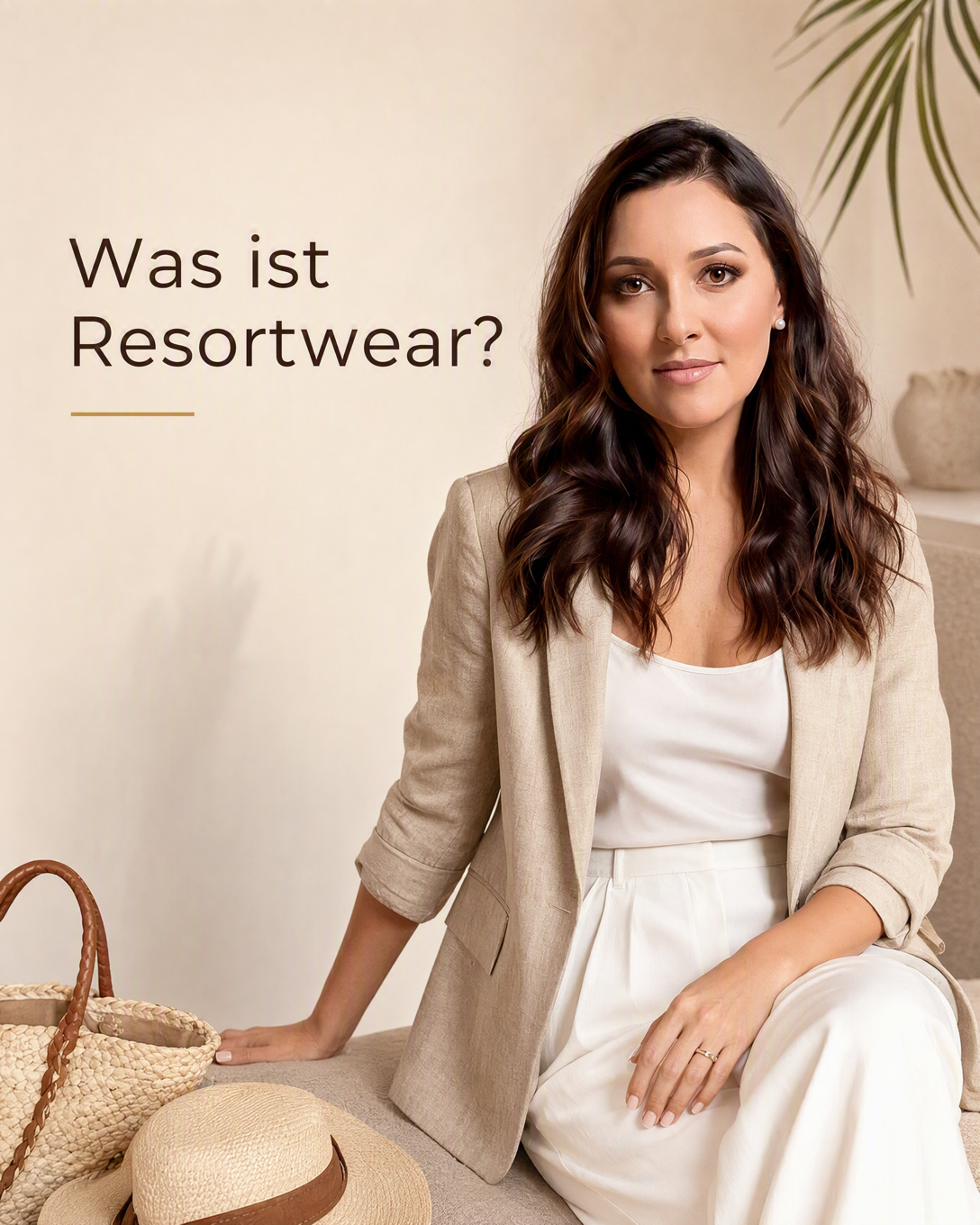
- The venue: A restaurant, garden, office, hotel, beach, or private home changes what feels suitable.
- The time of day: Daytime occasions often call for a different level of formality than evening events.
- The host’s wording: Terms such as festive, elegant, casual, or formal offer useful guidance.
- Your role: A guest, speaker, interviewer, colleague, or member of the wedding party may need a different level of visibility.
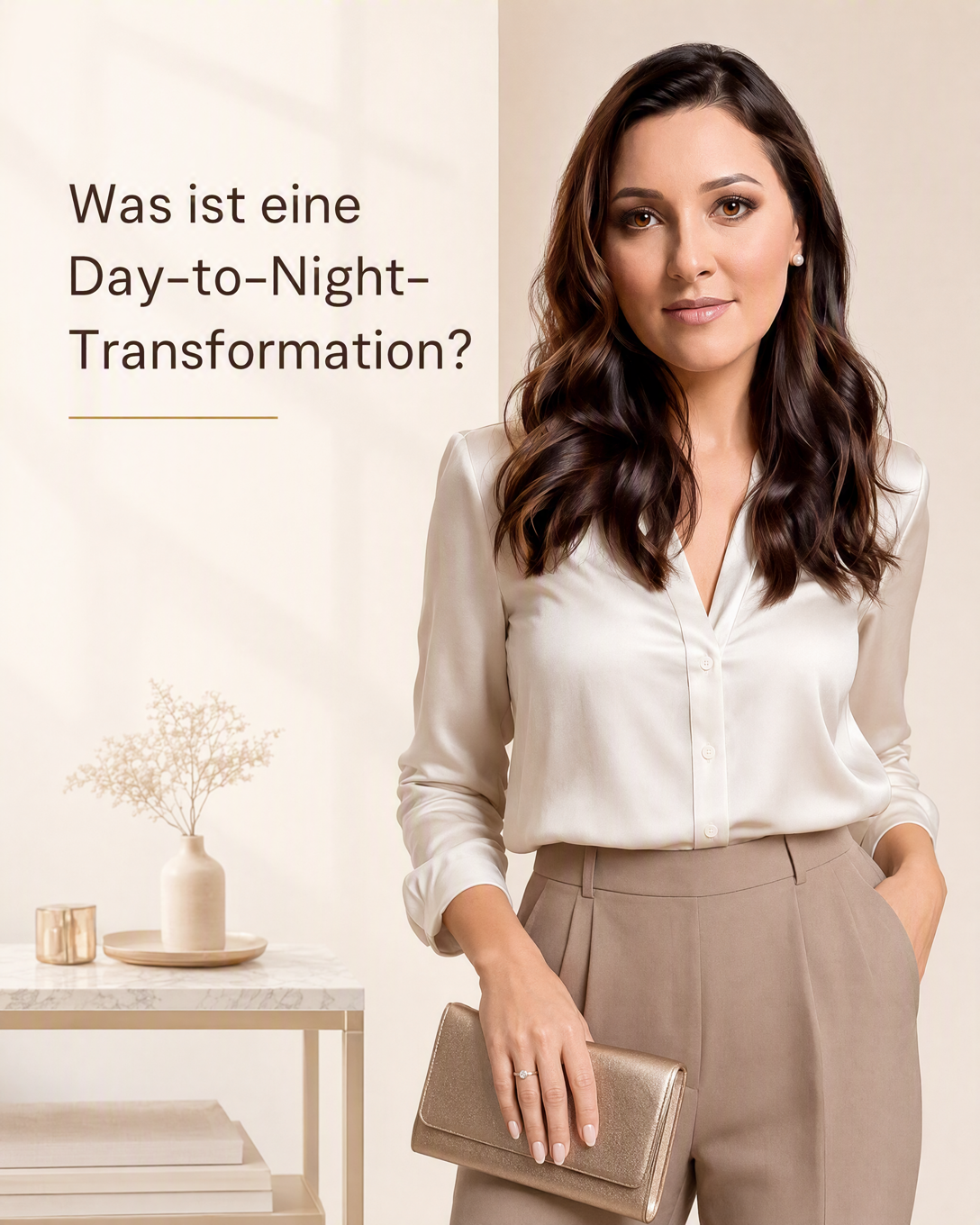
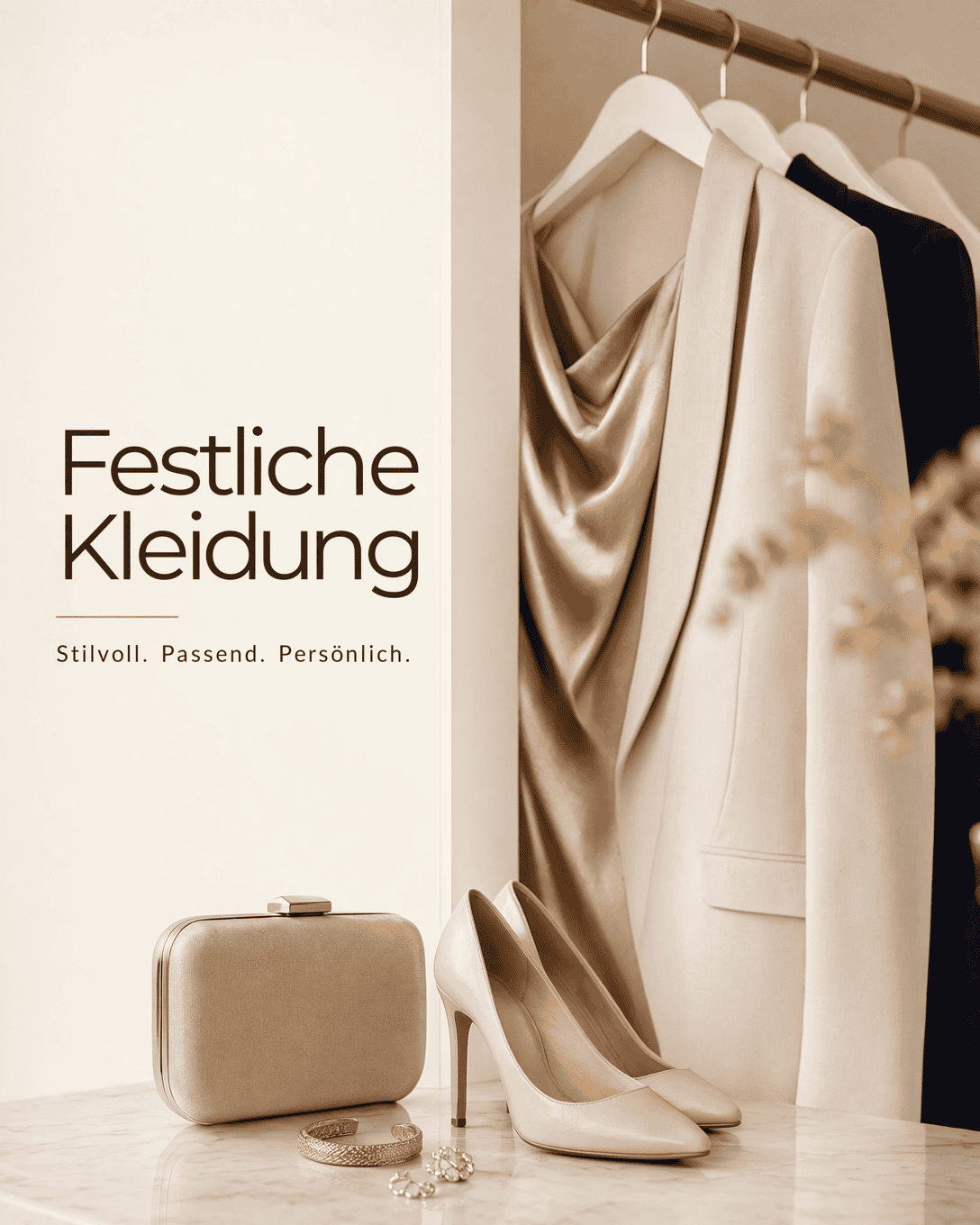
If the invitation is vague, aim for a balanced look that is neat, intentional, and easy to adapt. A blazer, refined shoe, elegant bag, or more polished accessory can raise an outfit’s formality without making it feel costume-like.
Business dress codes and professional settings
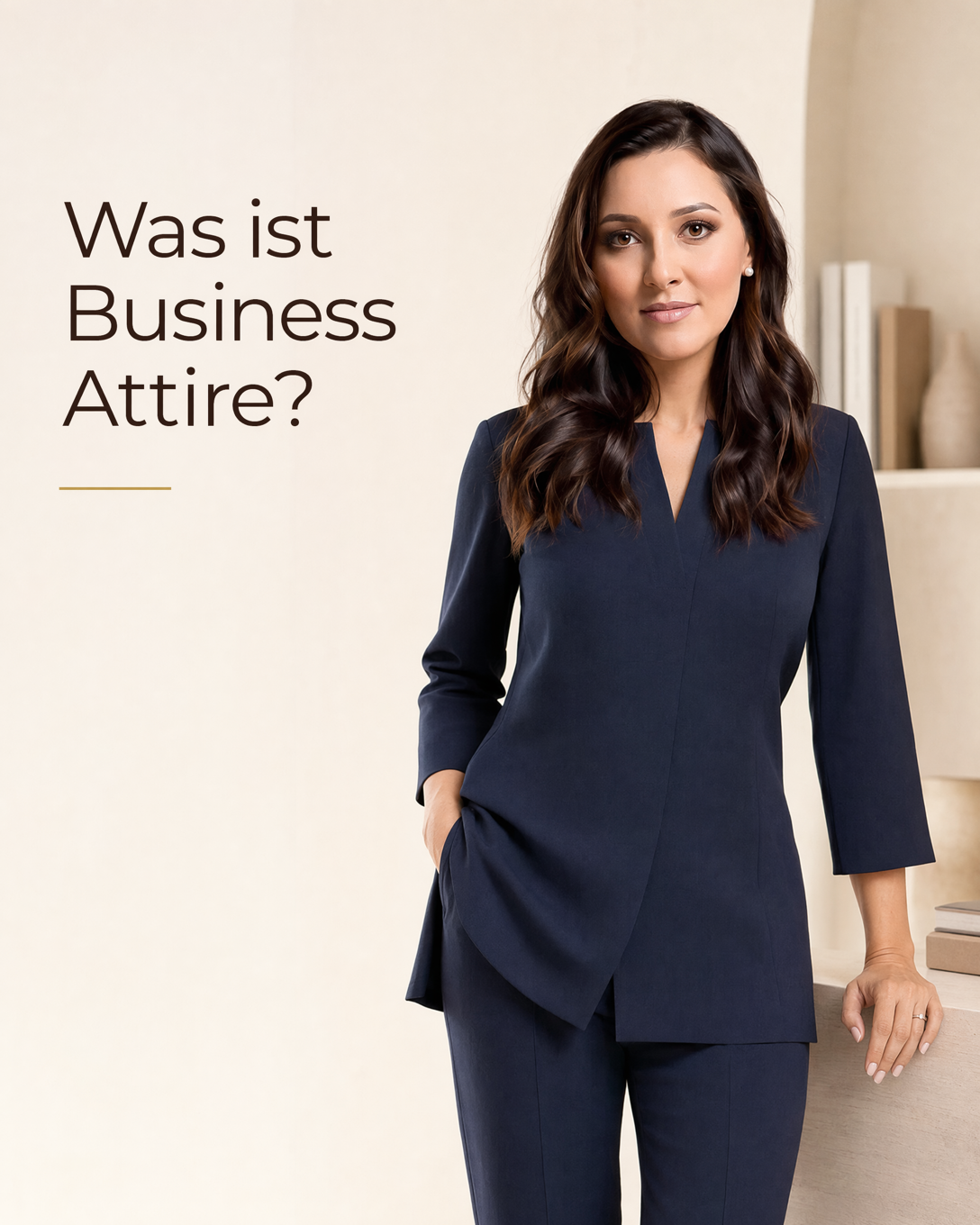
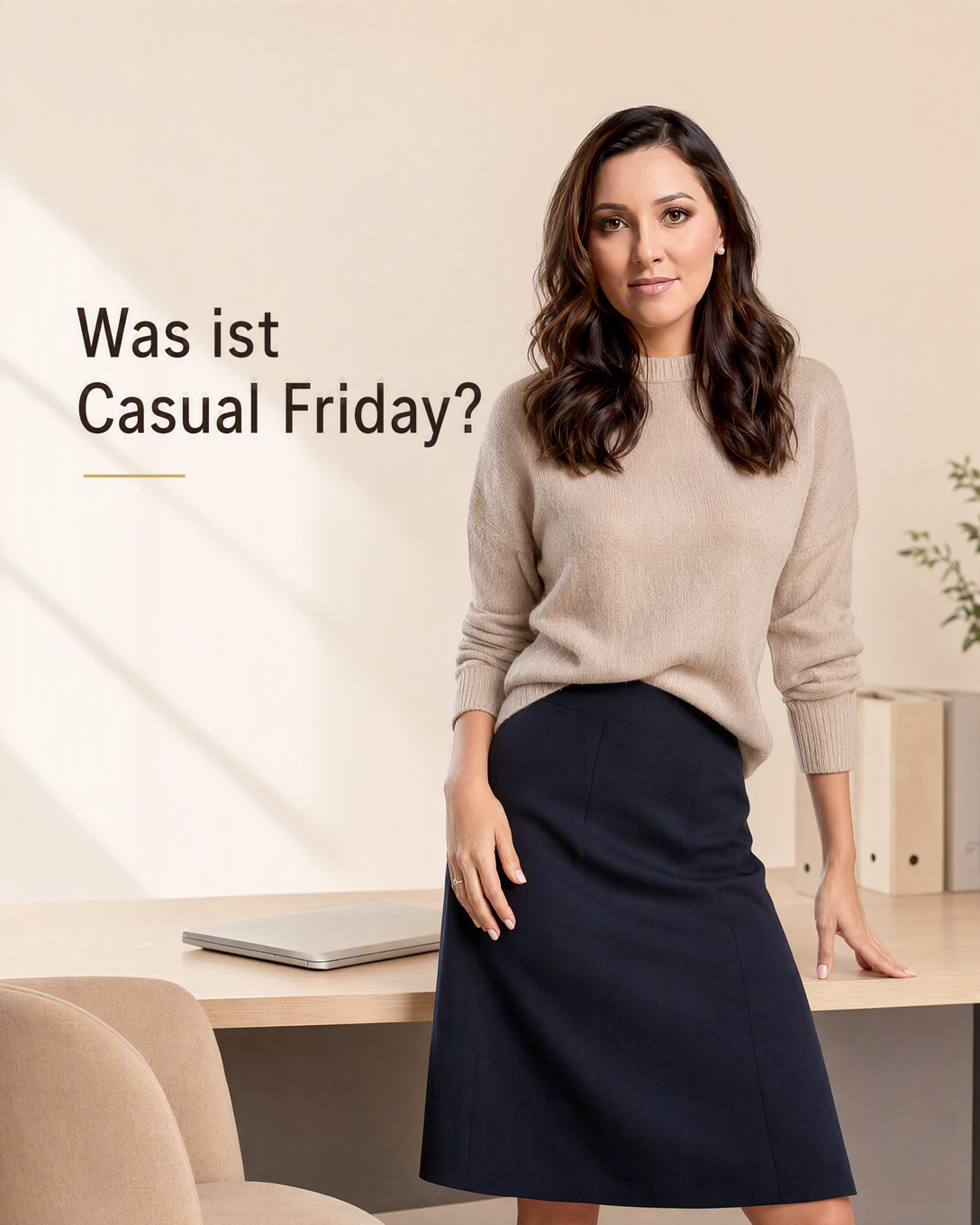
Professional dress codes differ by industry, role, workplace culture, and the purpose of the meeting. Business Casual often combines polished separates with a more relaxed approach than Business Formal . Business Professional generally communicates a more formal and structured standard.
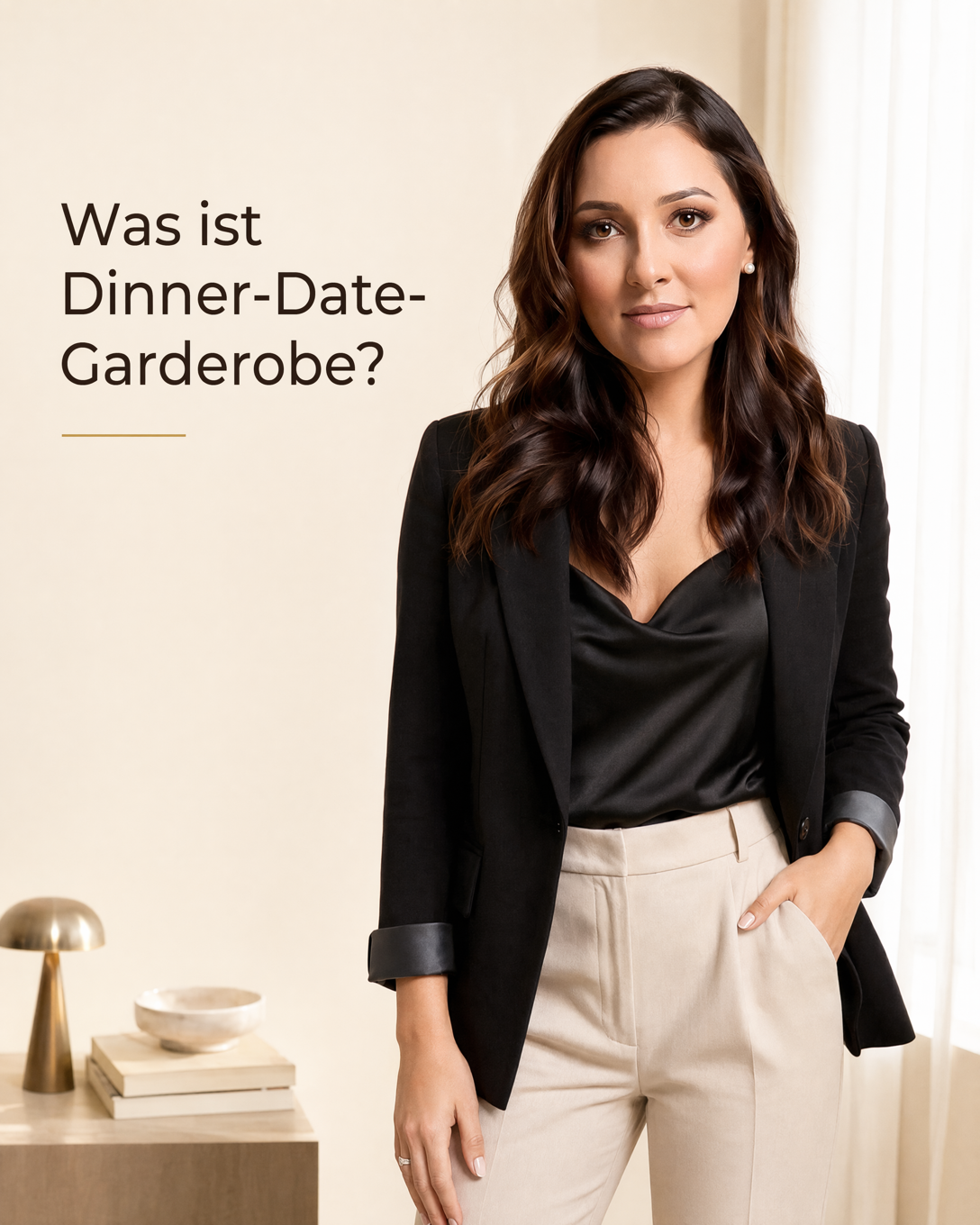
For interviews, presentations, and important meetings, clarity matters more than following a trend. A well-fitting Suit , Blazer , tailored trousers, or a considered dress can support a composed Appearance . The most effective choice is one that fits the situation and lets you move, speak, and focus comfortably.
Occasion dressing without losing personal style
Appropriate does not have to mean anonymous. Use your personal style through elements that stay within the occasion’s formality:
- Choose colors that support your Color Profile and work with the event setting.
- Select a silhouette with a comfortable, reliable Fit .
- Use materials such as satin, velvet, fine knit, or linen according to season and dress code.
- Add personality through a distinctive accessory, jewelry, bag, or shoe.
- Keep the overall Balance in mind so that each element supports the same message.
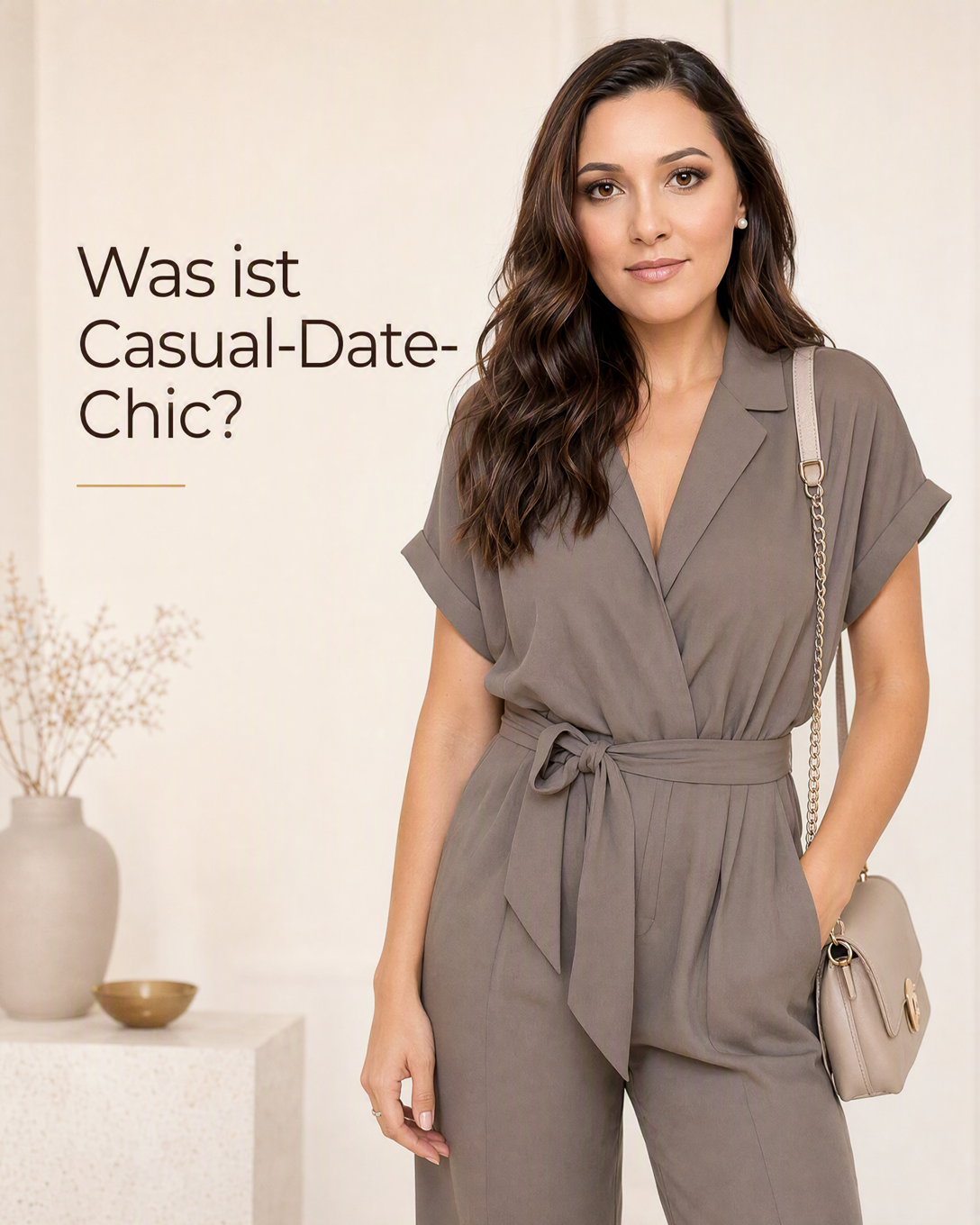
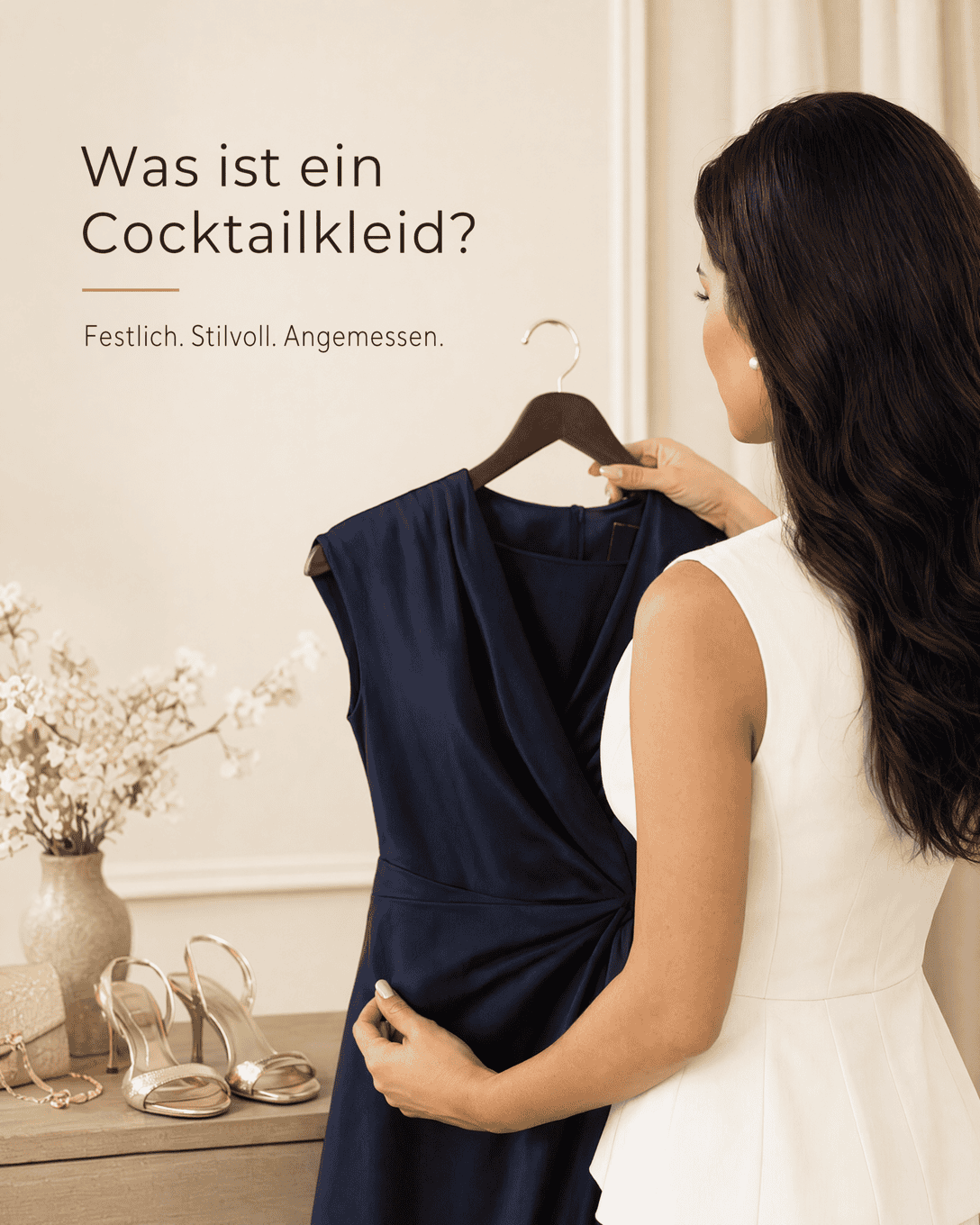
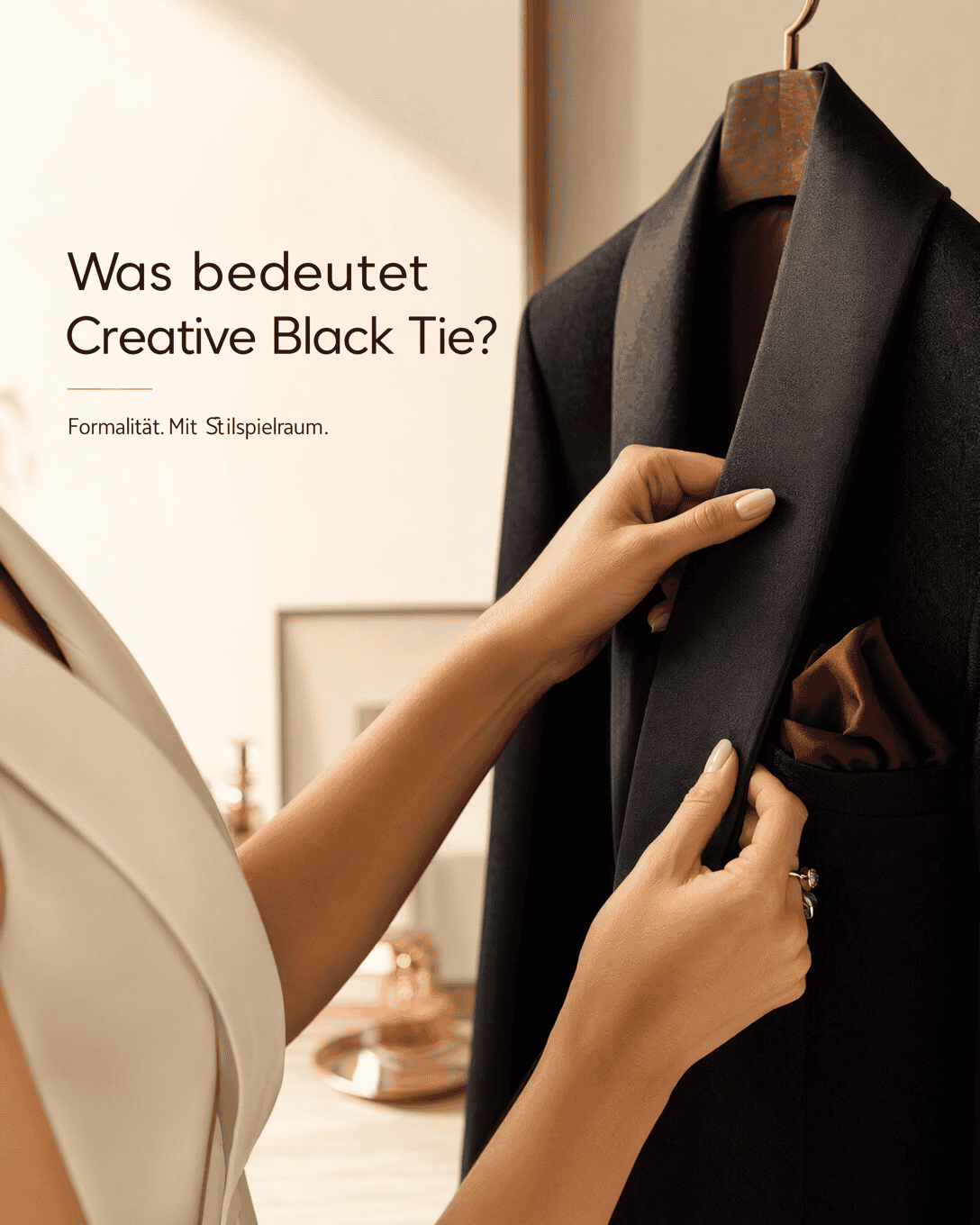
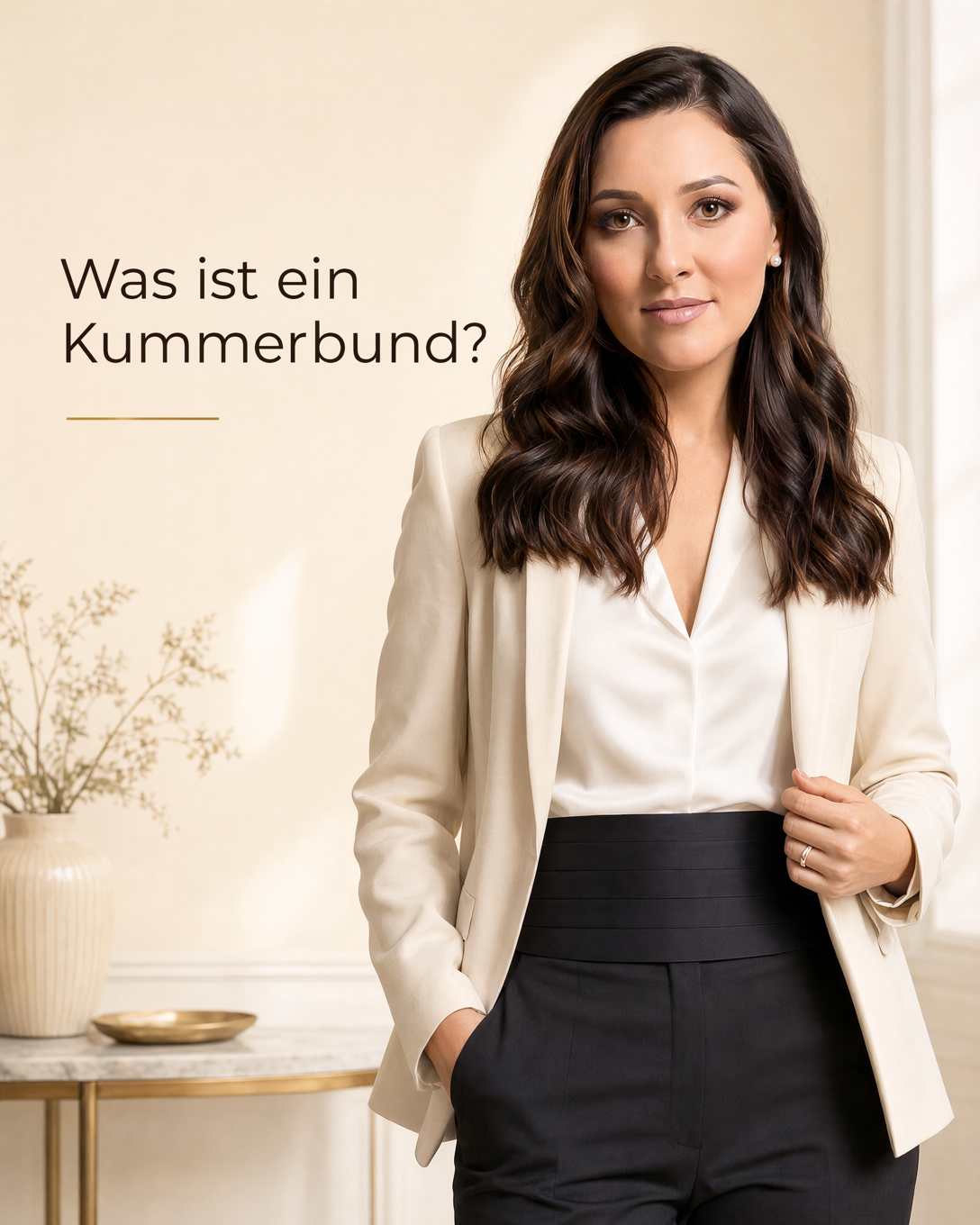
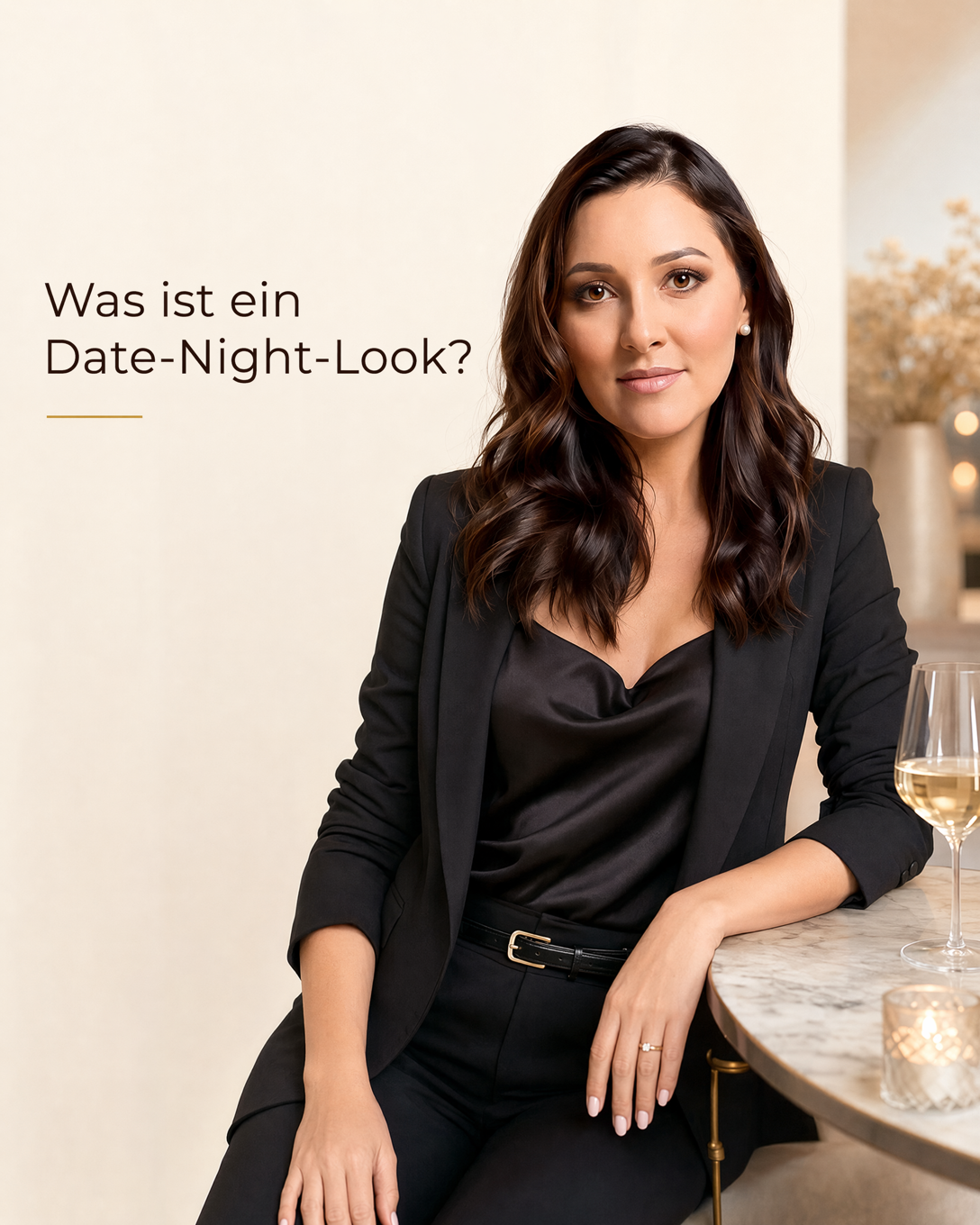
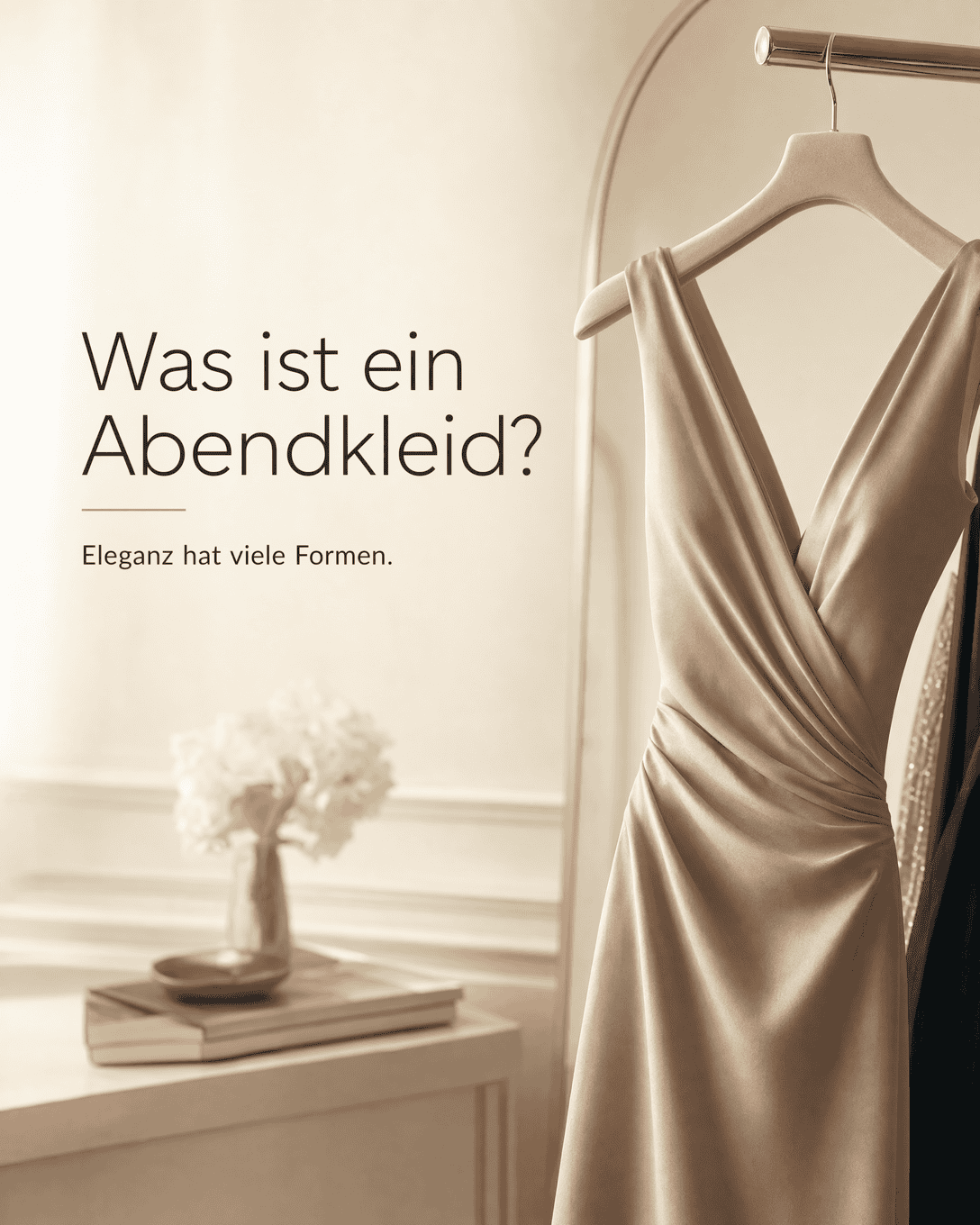
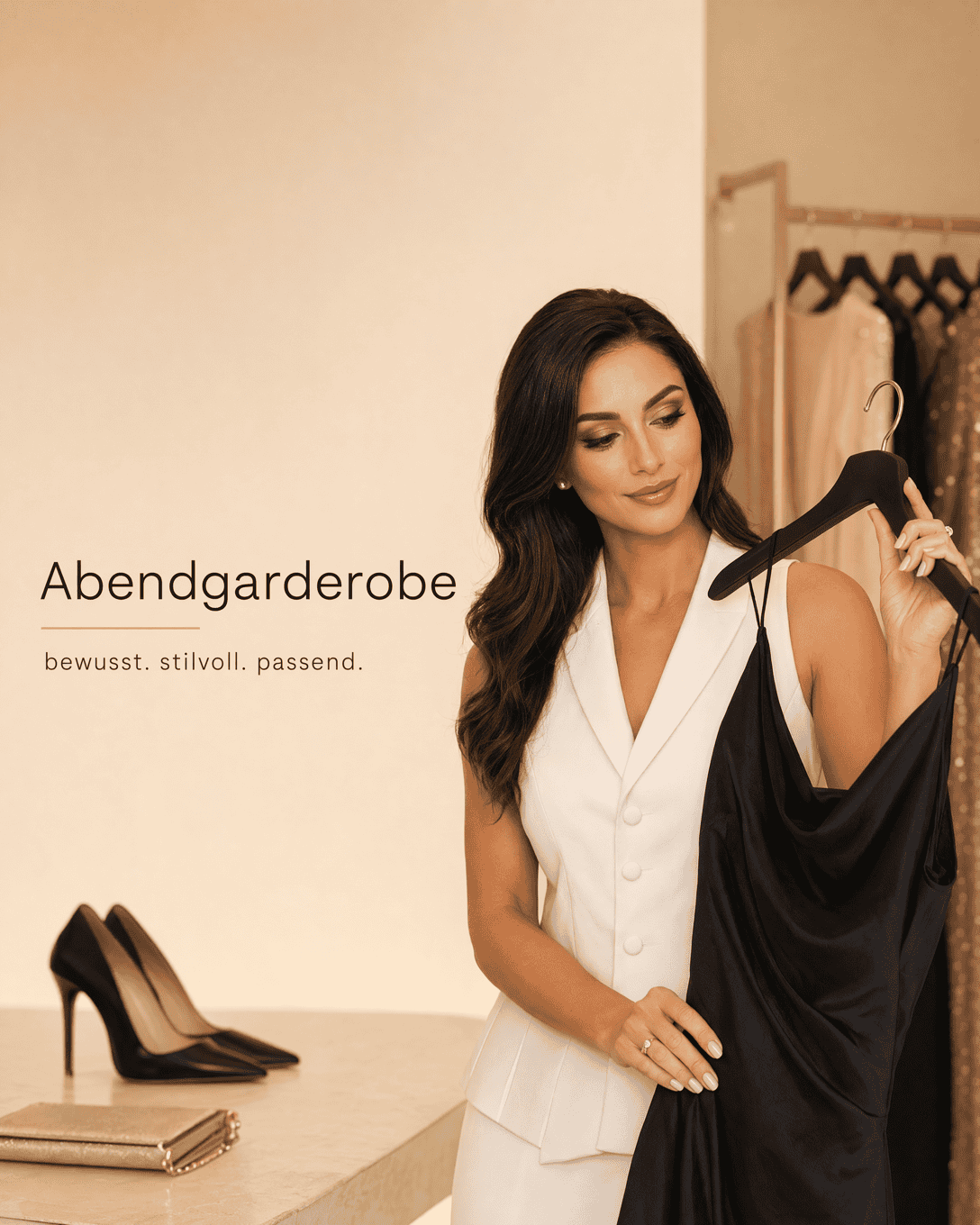
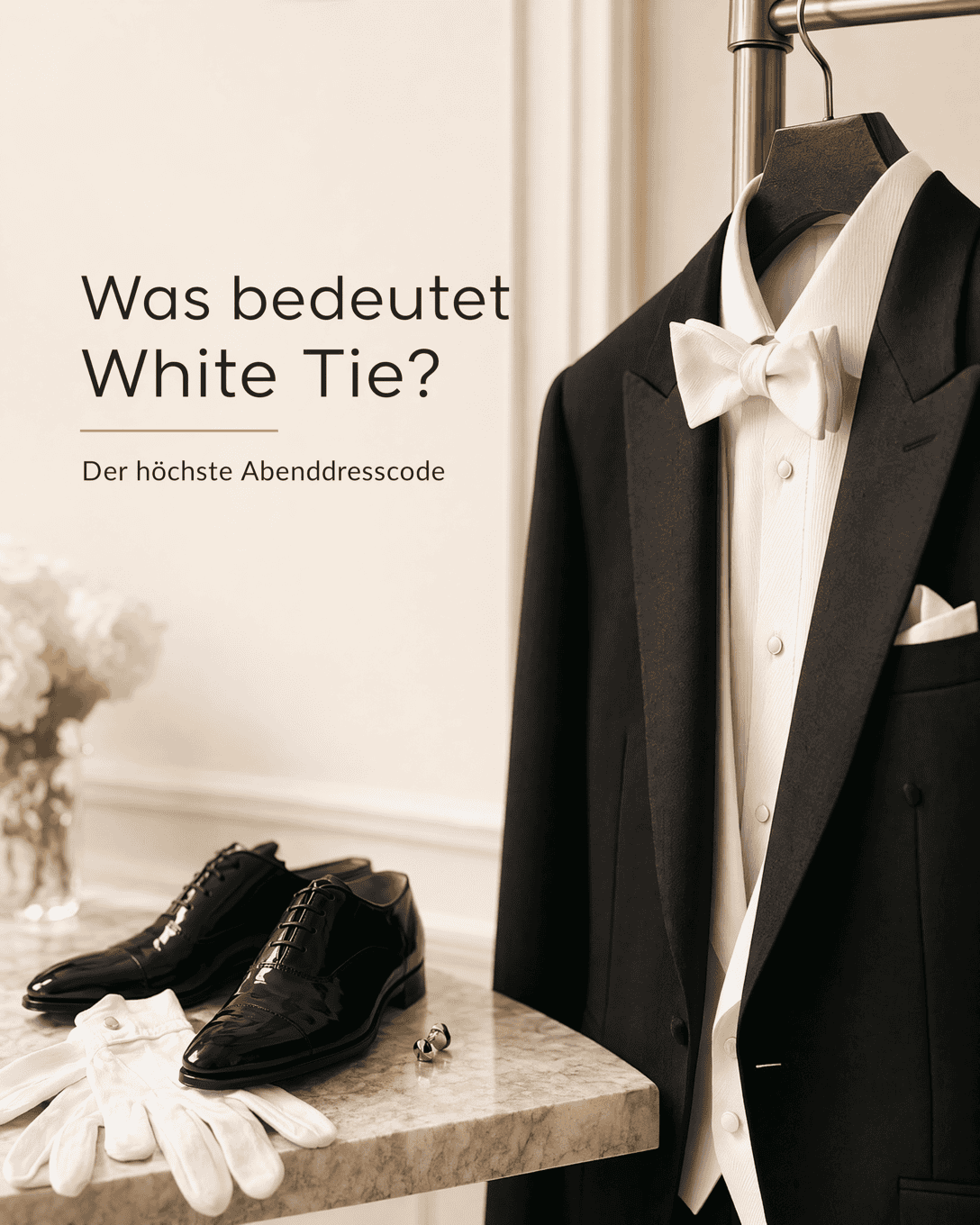
For formal evening events, an Evening Dress or Tuxedo may be appropriate. For a celebration with a less formal invitation, a cocktail dress, elegant jumpsuit, suit, or polished separates can work just as well.
Practical occasion outfit check
Before leaving for an event, ask yourself:
- Does the outfit match the venue, time of day, and stated dress code?
- Do shoes, bag, outerwear, and accessories belong to the same level of formality?
- Can I sit, walk, greet people, and stay comfortable for the expected duration?
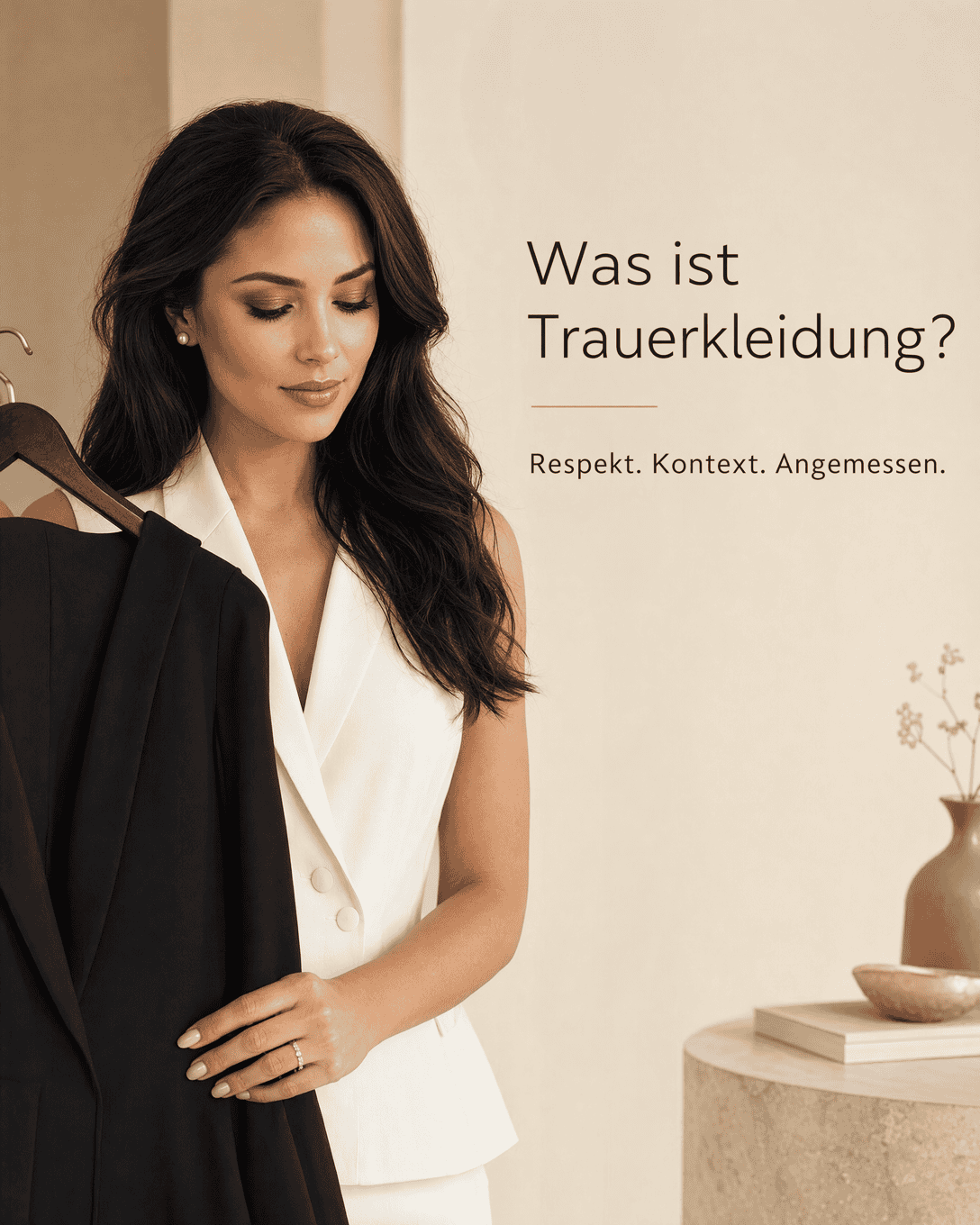
- Is the outfit respectful of the host, setting, and occasion?
- Does it still feel recognizably like me?
Key principle
The strongest occasion outfits do not chase rules for their own sake. They use dress-code guidance to create respect for the setting, confidence in the moment, and room for personal expression.
Explore related guidance in Dress Code , Occasion Wardrobe , Evening Wear , and Business .
Dress Codes & Occasions 20