Category: Dresses & Skirts
Explore dress and skirt styles, lengths, silhouettes, and fit details. Learn how to choose A-line dresses, wrap dresses, midi skirts, pencil skirts, and more for balanced everyday and occasion outfits.
What this category covers
This category explains the vocabulary of dresses and skirts, from familiar everyday pieces to occasion styles. You will find terms for garment shapes, skirt and dress lengths, waistlines, construction details, fabrics, and styling effects.
A dress or skirt is never defined by one feature alone. Its visual effect comes from the interaction of its silhouette , fit , fabric drape, hem length, and styling. A flowing midi skirt and a structured pencil skirt may end at a similar point on the leg, yet create very different movement and presence.
Dress and skirt silhouettes
Silhouette describes the outline a garment creates around the body. Knowing the main shapes makes shopping more precise and helps you identify why one piece feels more natural or useful than another.
Common dress and skirt shapes include:
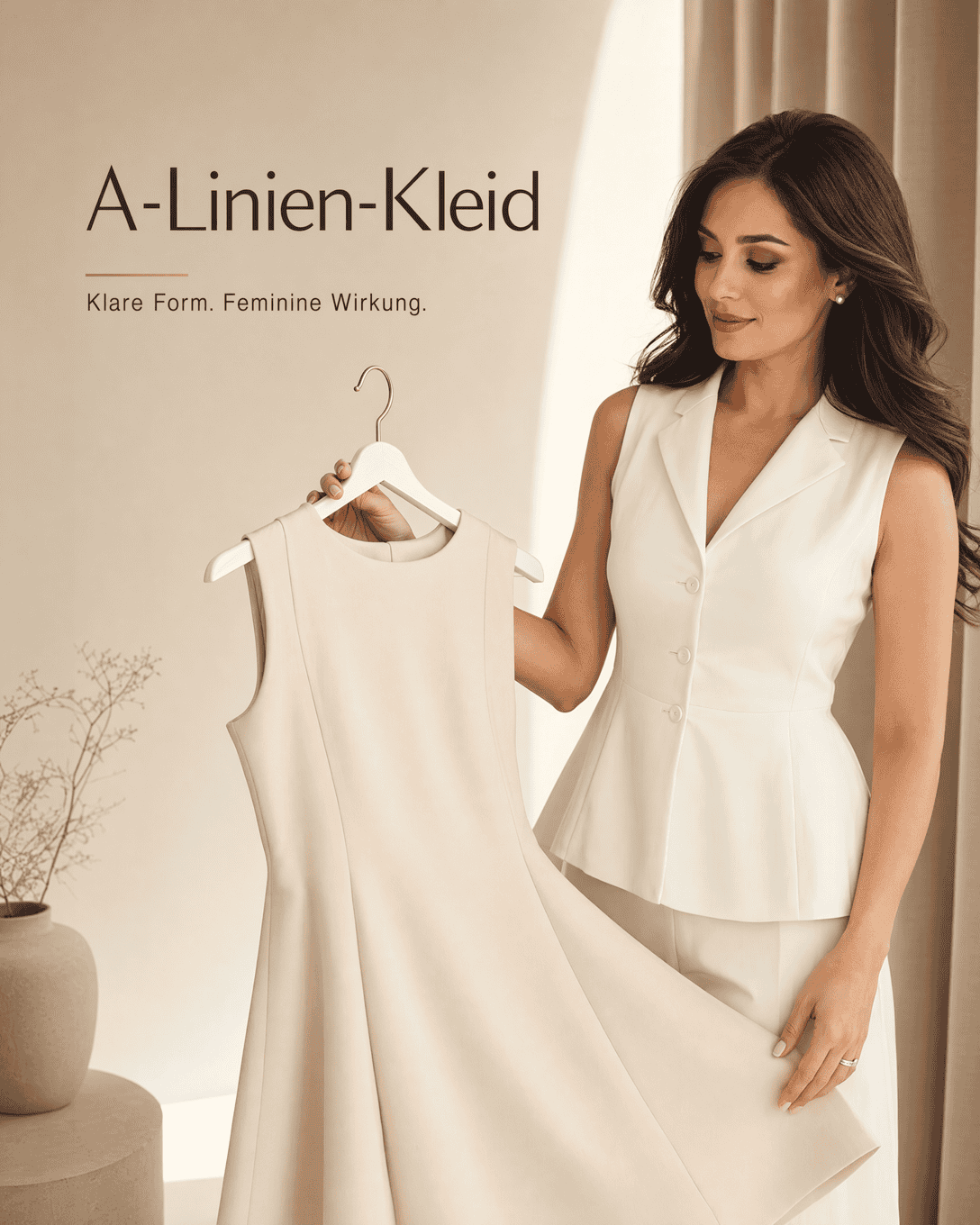
- A-Line , which becomes wider from the waist or hip toward the hem
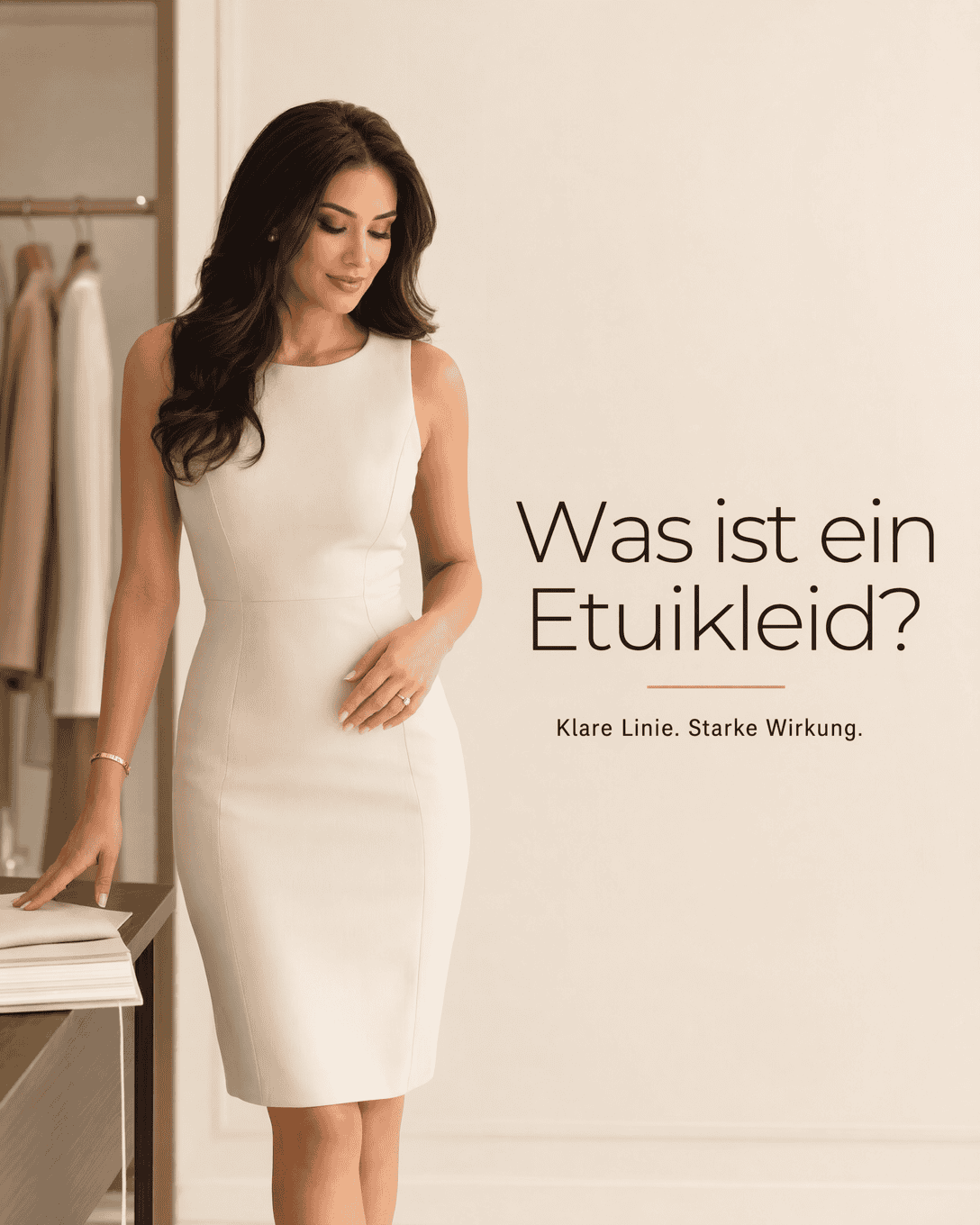
- Sheath Dress , a close, clean-lined dress shape
- Wrap Dress , which closes by wrapping one side across the body
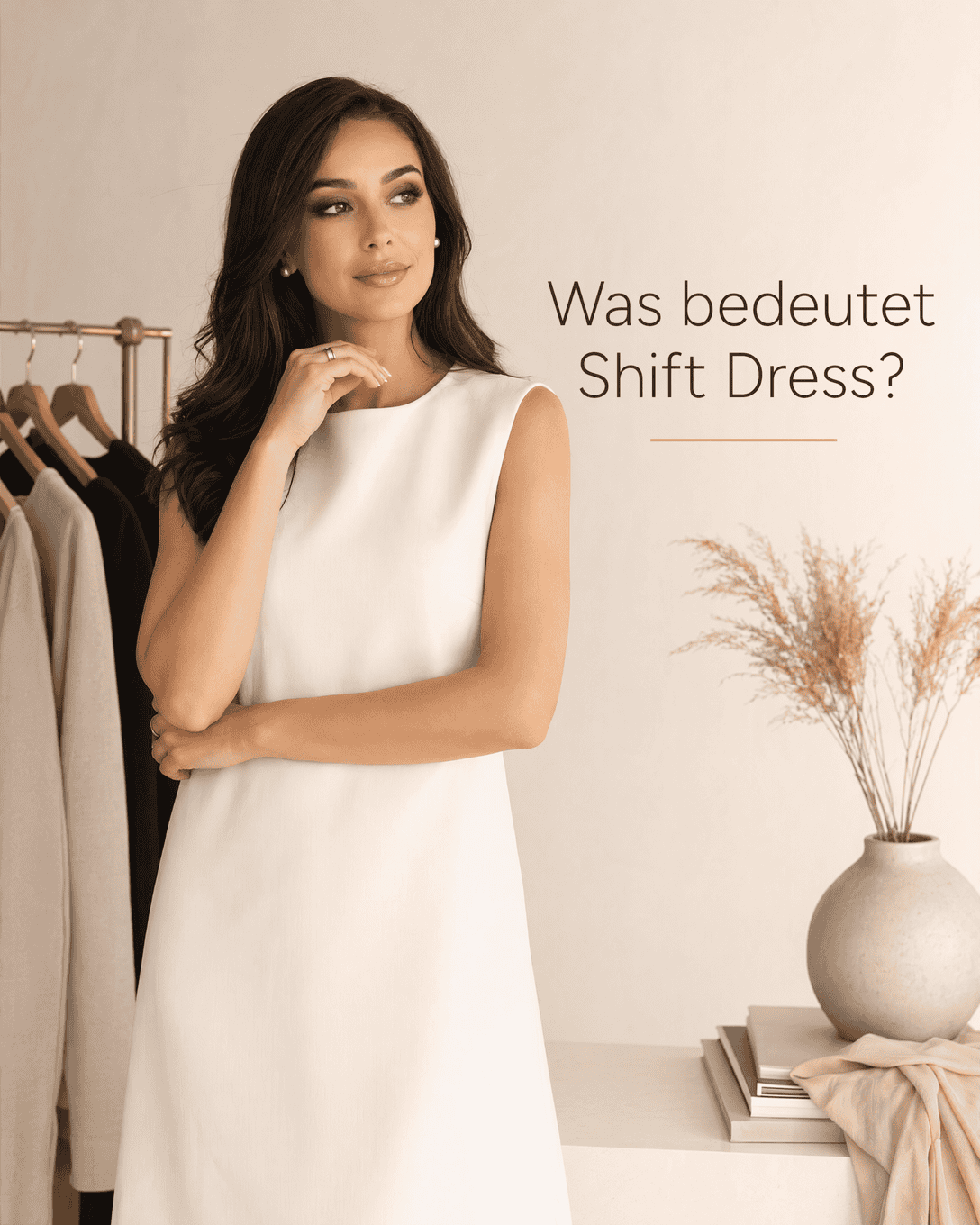
- Shift Dress , a relatively straight, lightly structured silhouette
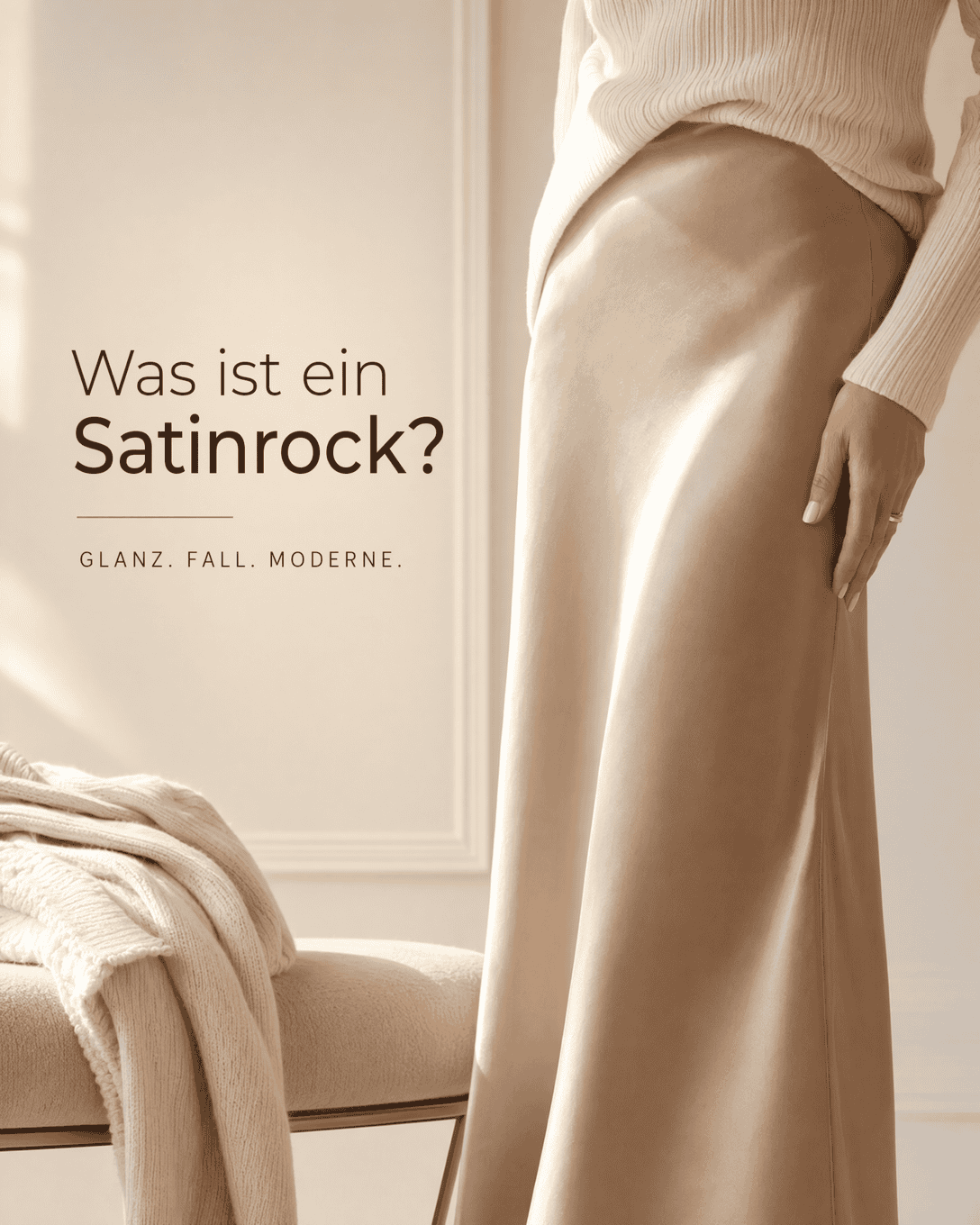
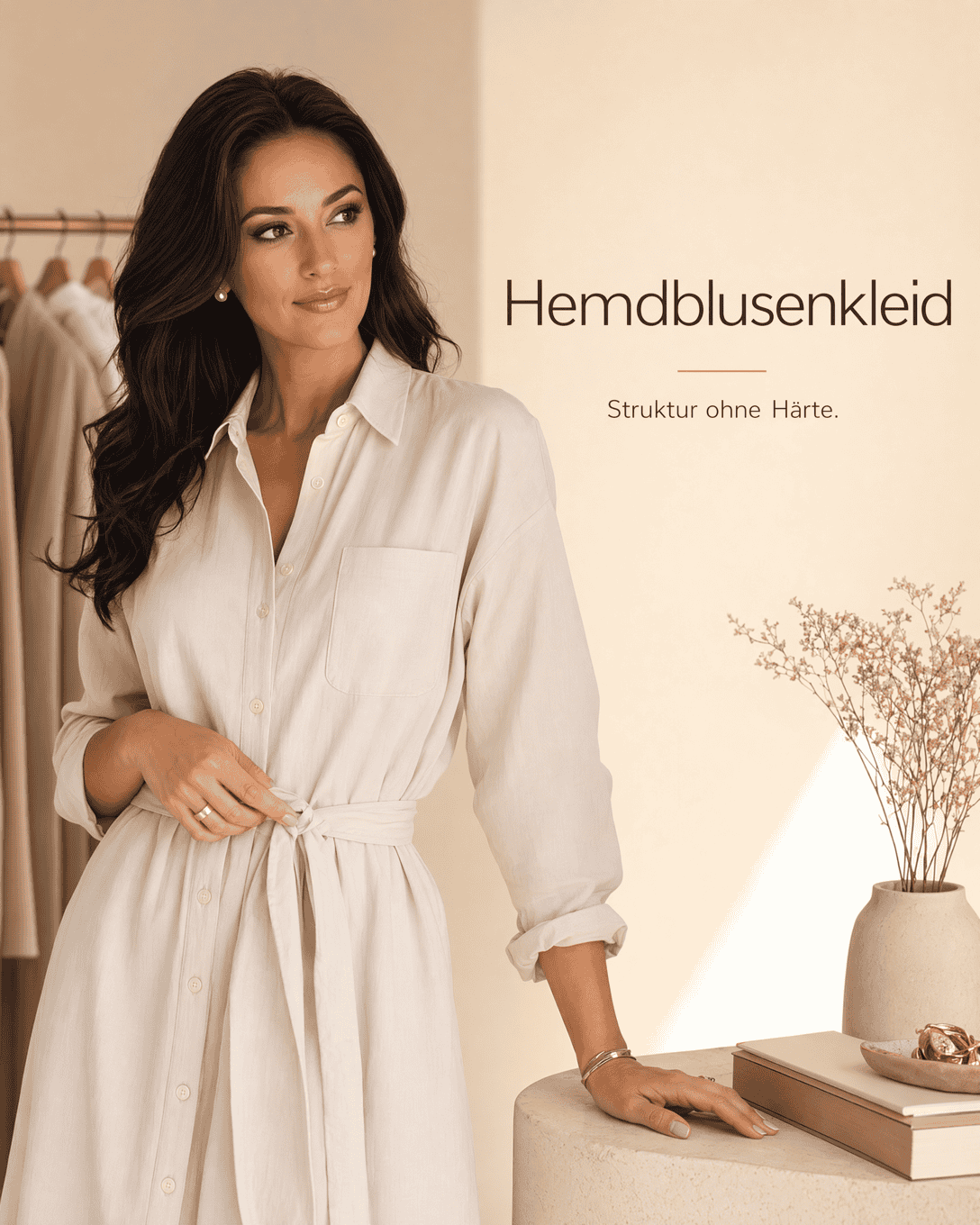
- Slip Dress , a fluid dress inspired by lingerie silhouettes
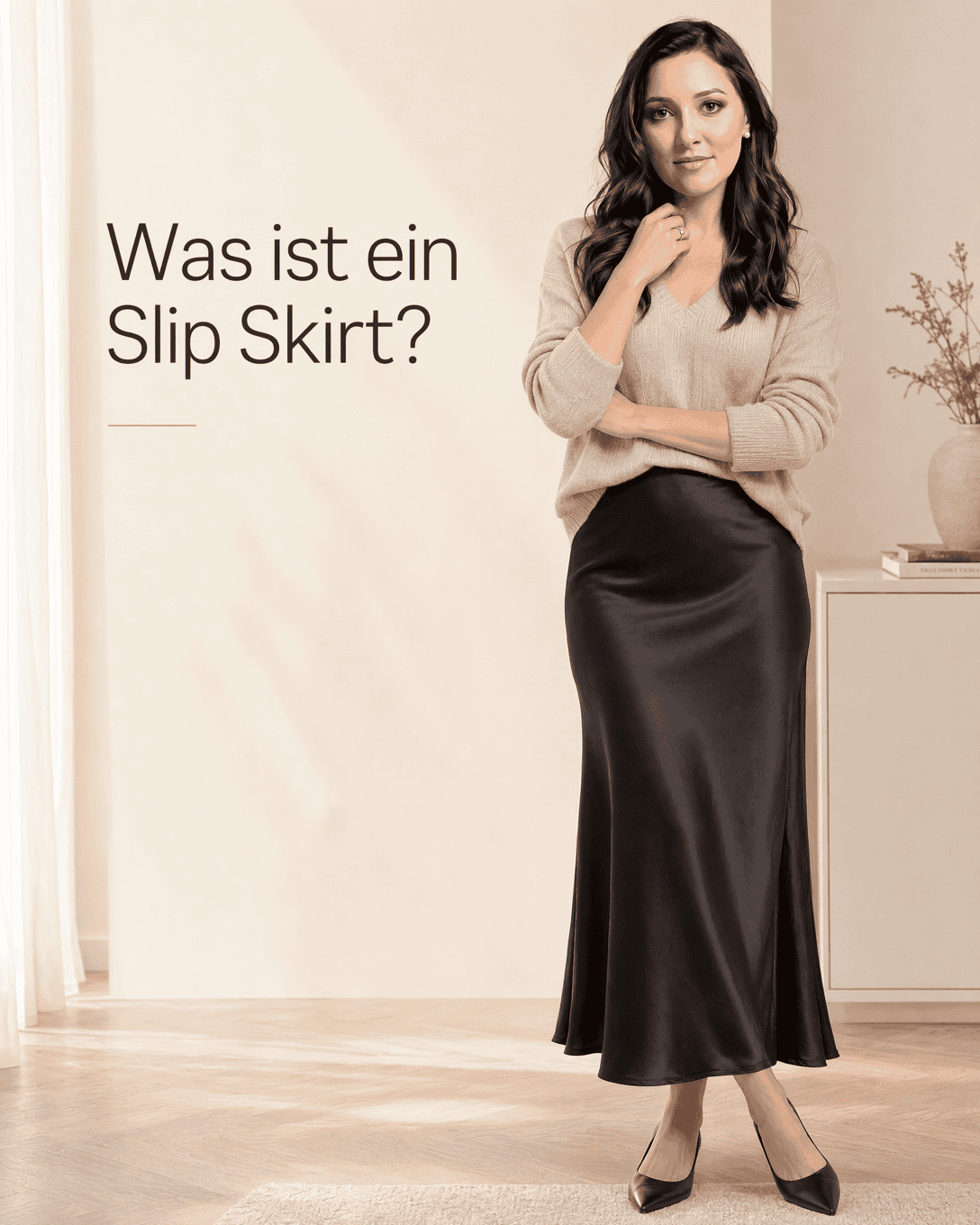
- Pencil Skirt , a narrow skirt with a close, vertical line
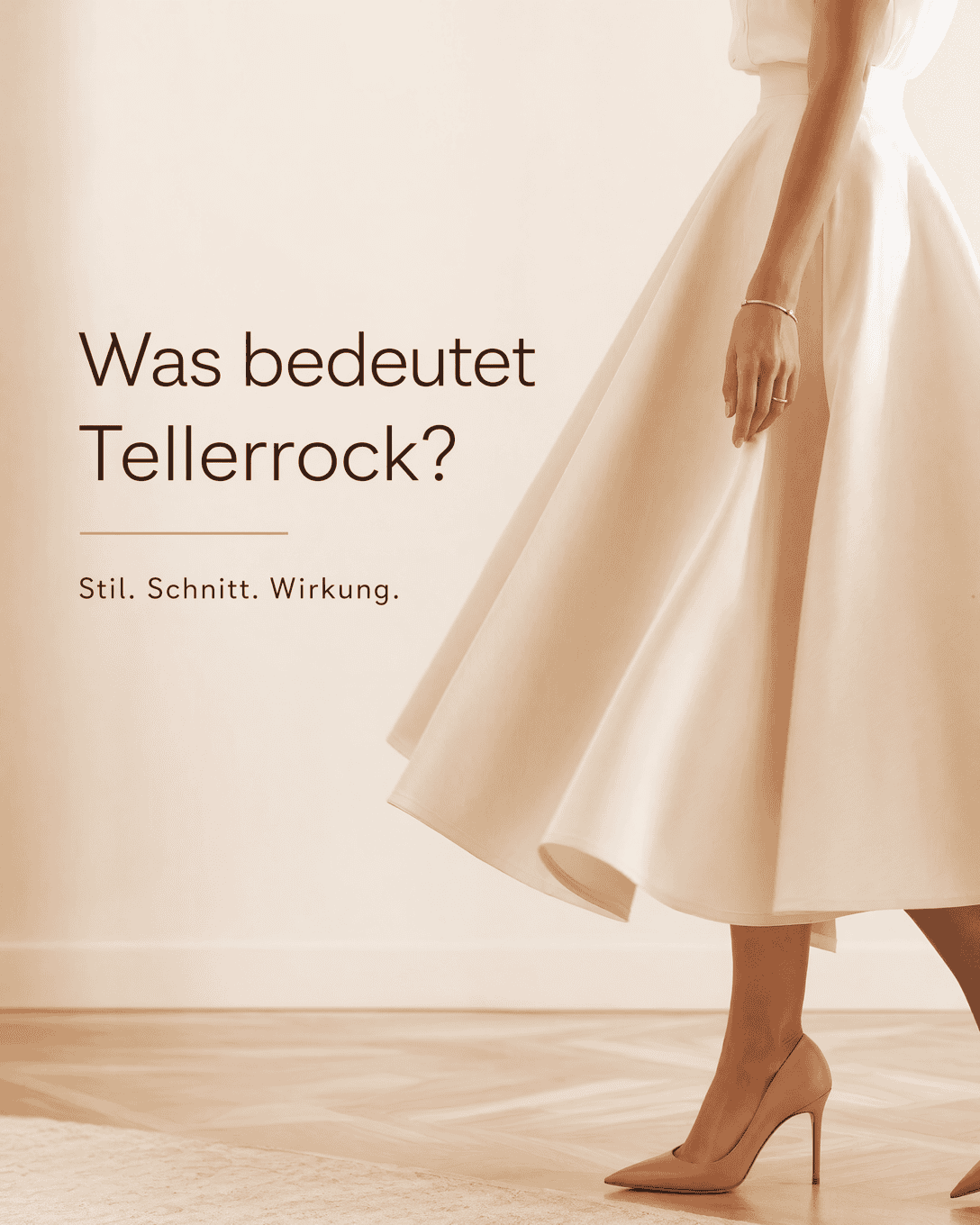
- Circle Skirt , which creates generous movement and volume through its cut
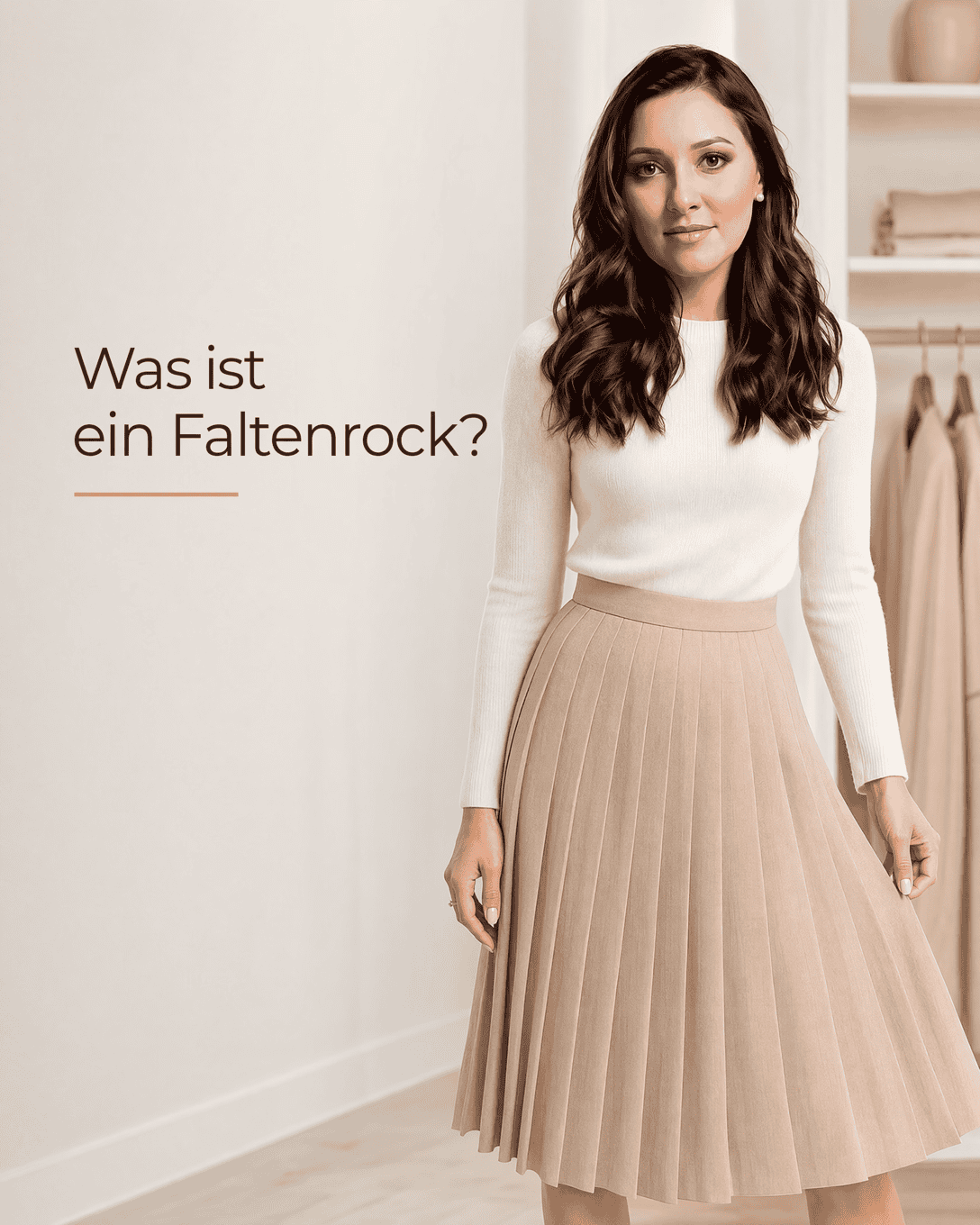
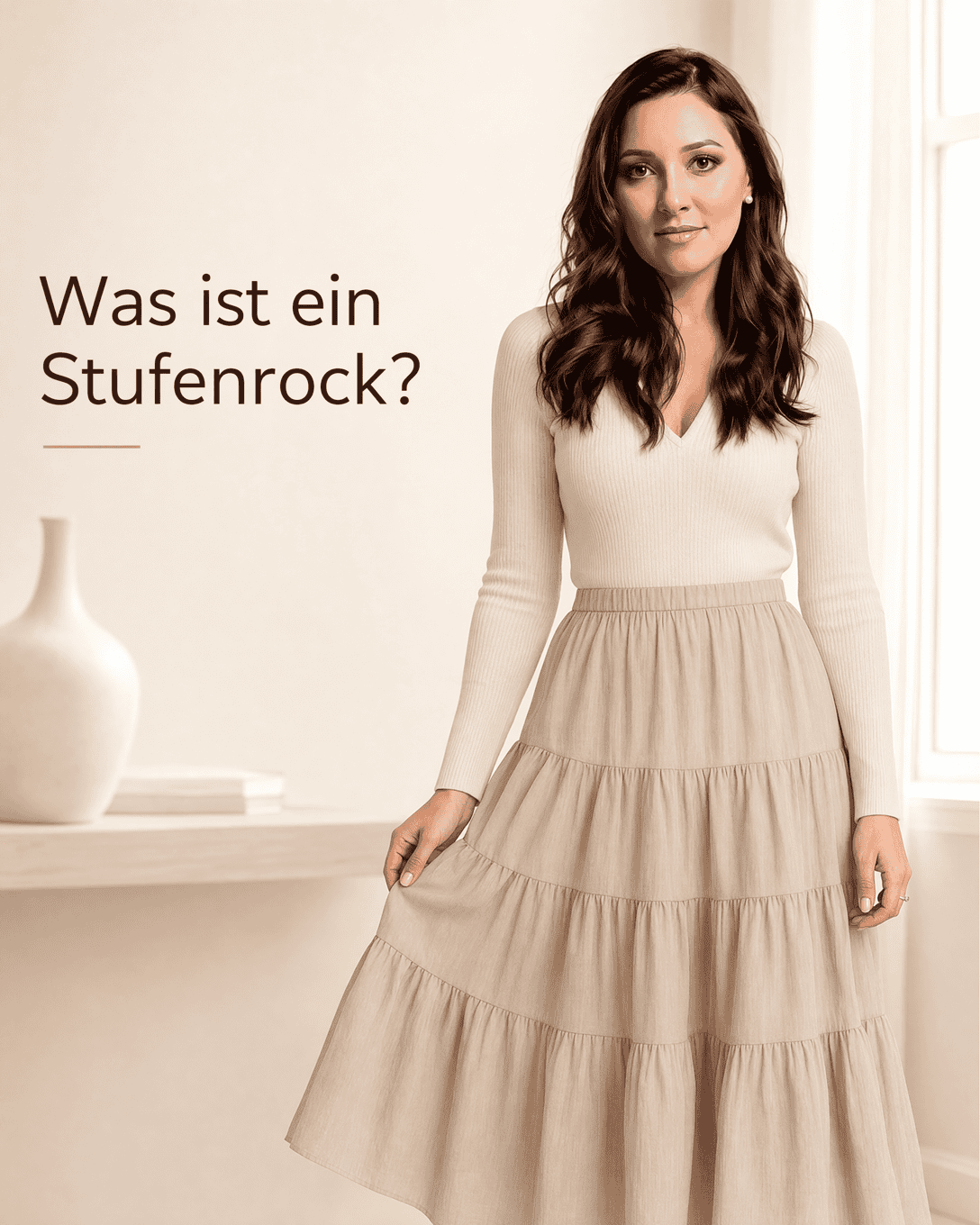
- Pleated Skirt , where pressed folds add rhythm, texture, and motion
The right choice is not about correcting a body. It is about deciding which line, degree of volume, and level of structure support your comfort, lifestyle, and desired impact .
Dress and skirt lengths explained
Length changes proportion, mobility, formality, and the way footwear connects with an outfit. A hem that ends at a different point can shift the entire impression of the same garment.
The most common categories are:
- Mini Dress and Mini Skirt , which end well above the knee
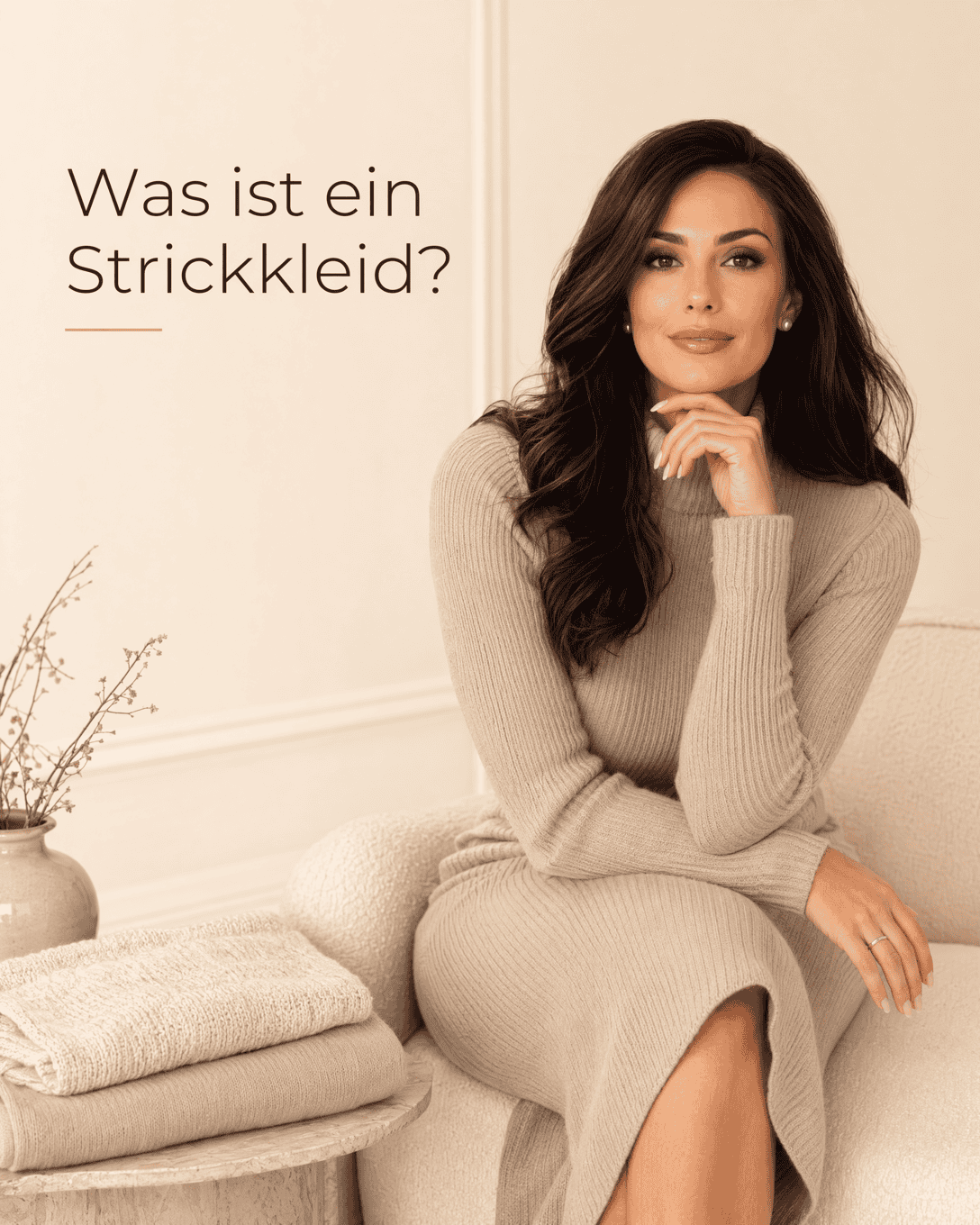
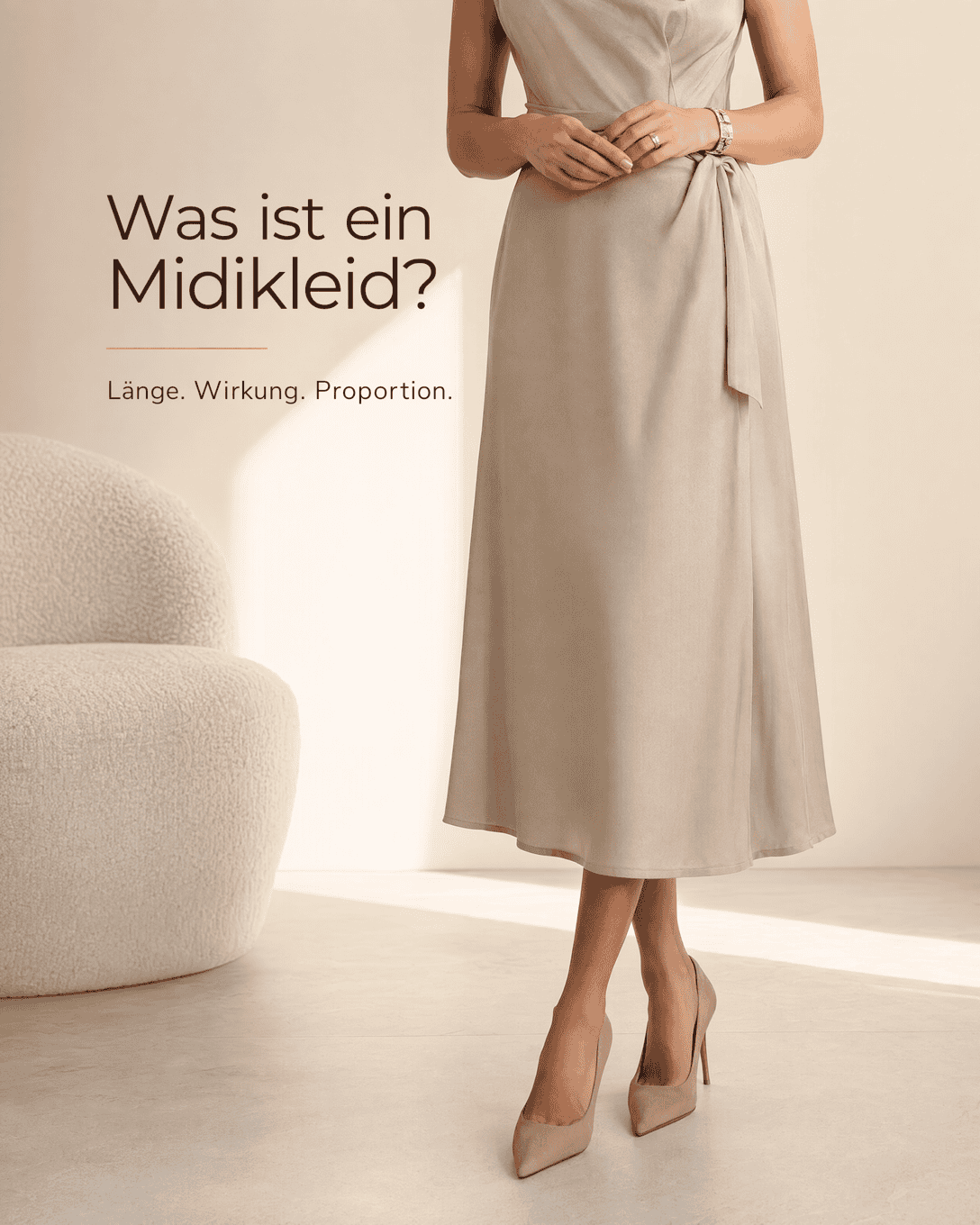
- Midi Dress and Midi Skirt , which generally fall between the knee and ankle
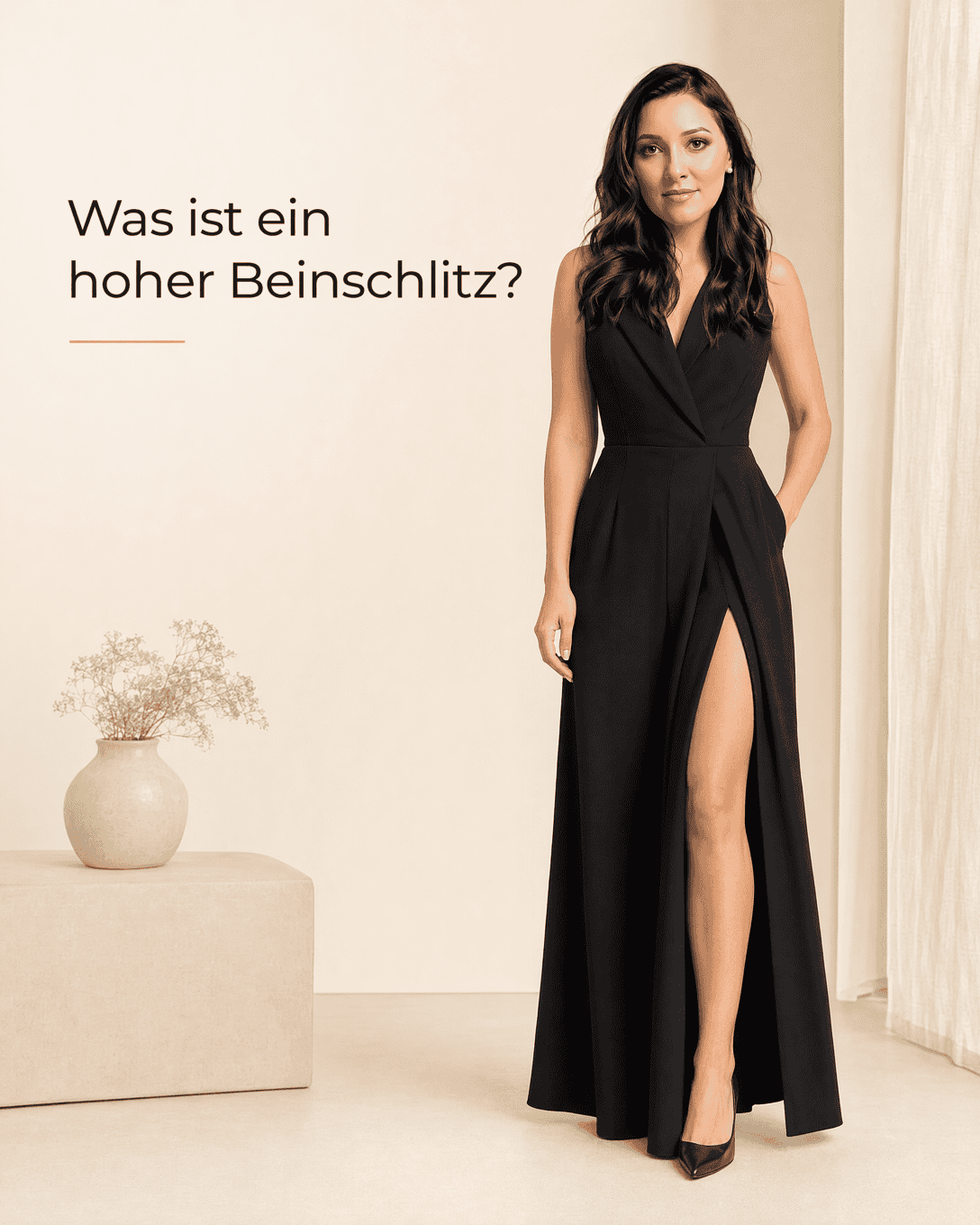
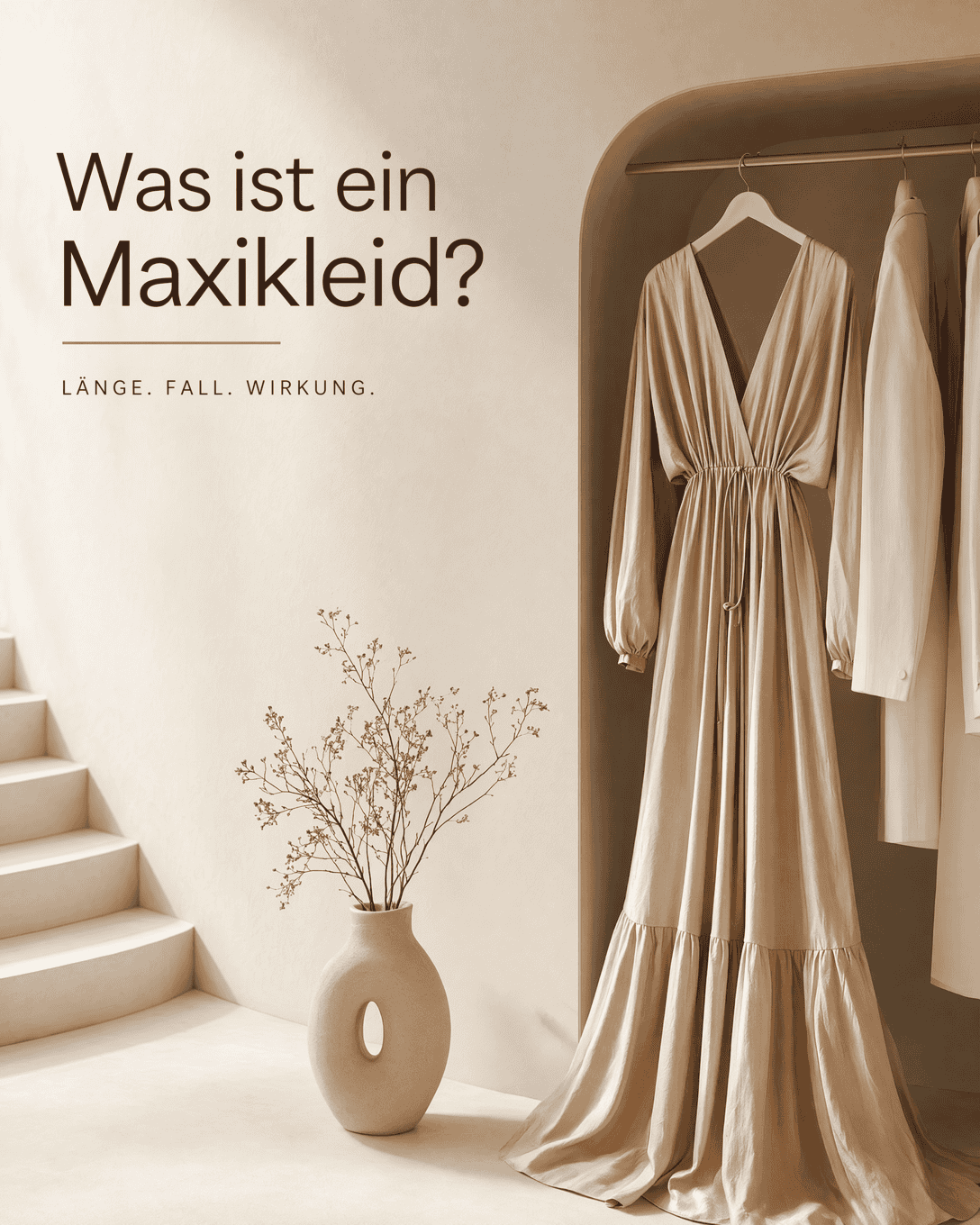
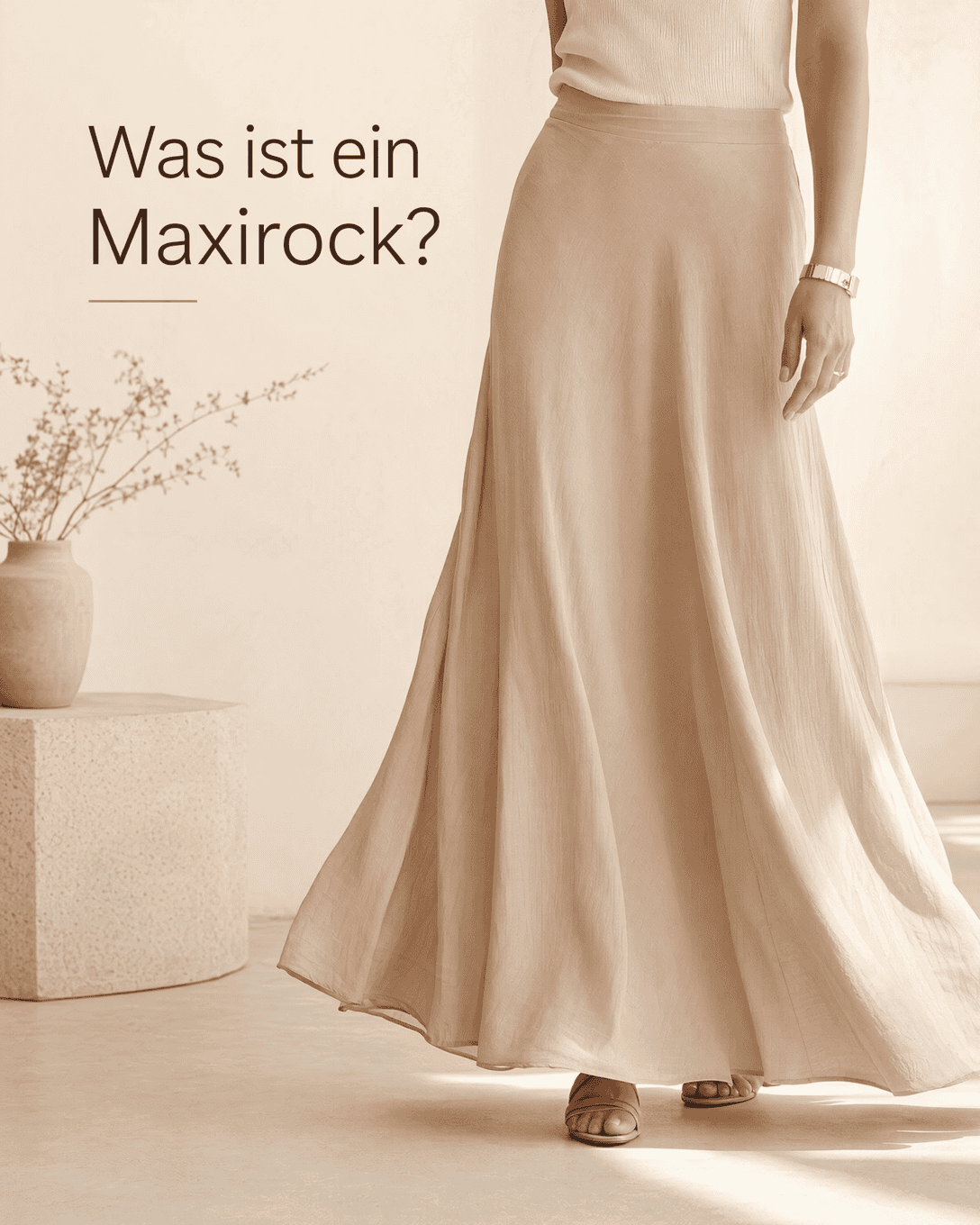
- Maxi Dress and Maxi Skirt , which extend to the ankle or near the floor
For a polished result, assess the hem length while wearing the shoes you will actually use. A long skirt may need a different shoe shape or heel height than it did in the fitting room. The shoe-hem relationship is especially important with midi and maxi lengths.
Waist placement and proportion
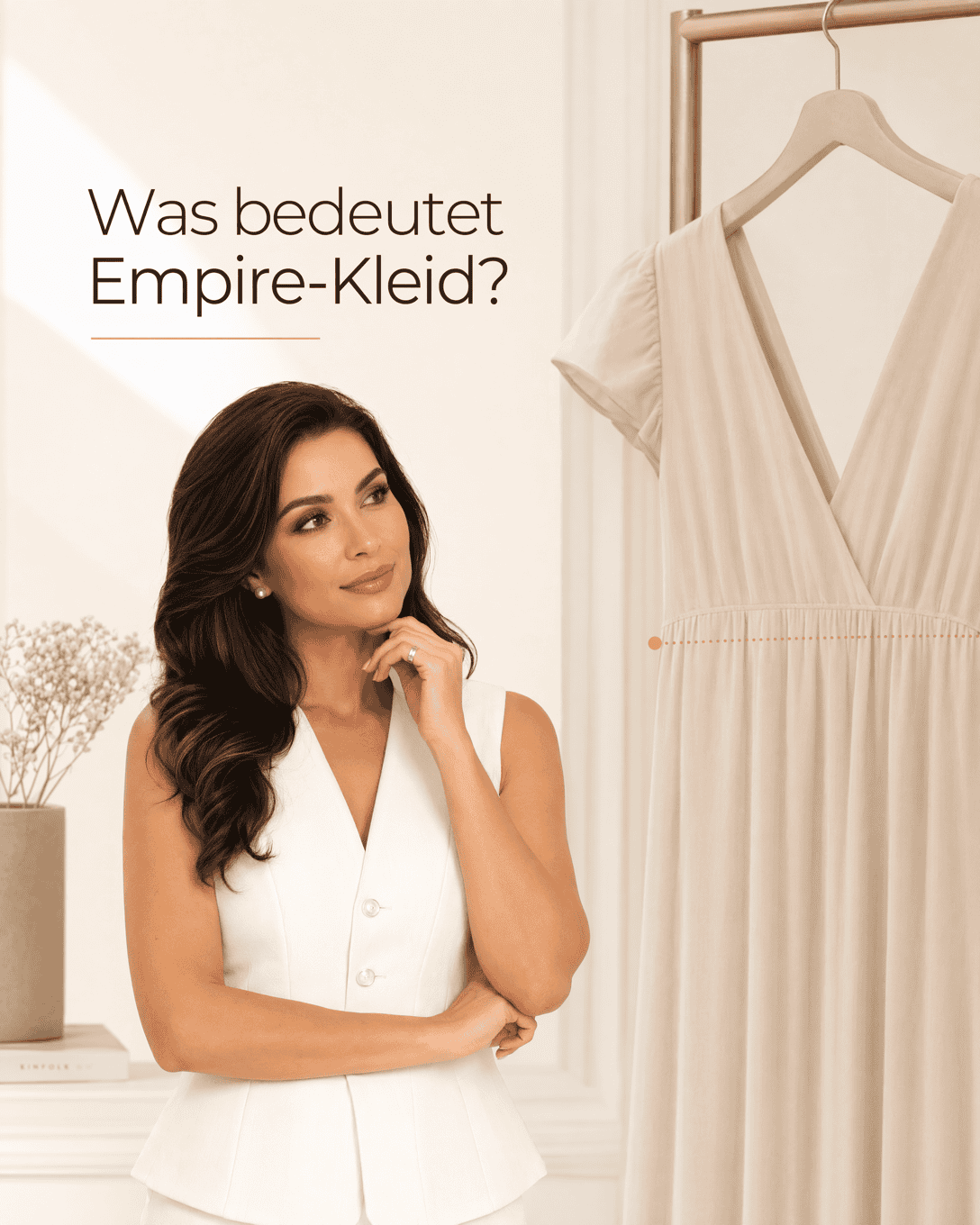
The waist position affects how the torso and legs appear in relation to each other. A high waist can place the visual waist higher, while a drop waist shifts it lower. Neither is inherently better. Each creates a different proportion and changes how tops, jackets, and belts work with the garment.
Look at the complete outfit rather than the dress or skirt in isolation. A cropped jacket, tucked top, or belt can alter the visual waist position significantly. This is why proportion matters as much as the garment label or size.
How to choose dresses and skirts for real life
A successful dress or skirt should work beyond the first mirror impression. Before keeping a piece, check how it performs in the situations that matter to you.
- Sit down and notice whether the waistband, closure, slit, or fabric remains comfortable.
- Walk at a normal pace and test whether the length, volume, or slit limits your stride.
- Take a few stairs, especially with longer or narrower styles.
- Check opacity in daylight, particularly with light colors and flowing fabrics.
- Try the garment with your usual shoes and outer layer.
- Consider whether it suits your actual occasions and combines with existing wardrobe pieces.
These checks help distinguish a beautiful item from a truly wearable one and can prevent a bad purchase .
Dresses and skirts for different occasions
A dress or skirt can be styled for many settings, but the fabric, level of structure, length, and accessories influence whether it feels appropriate.
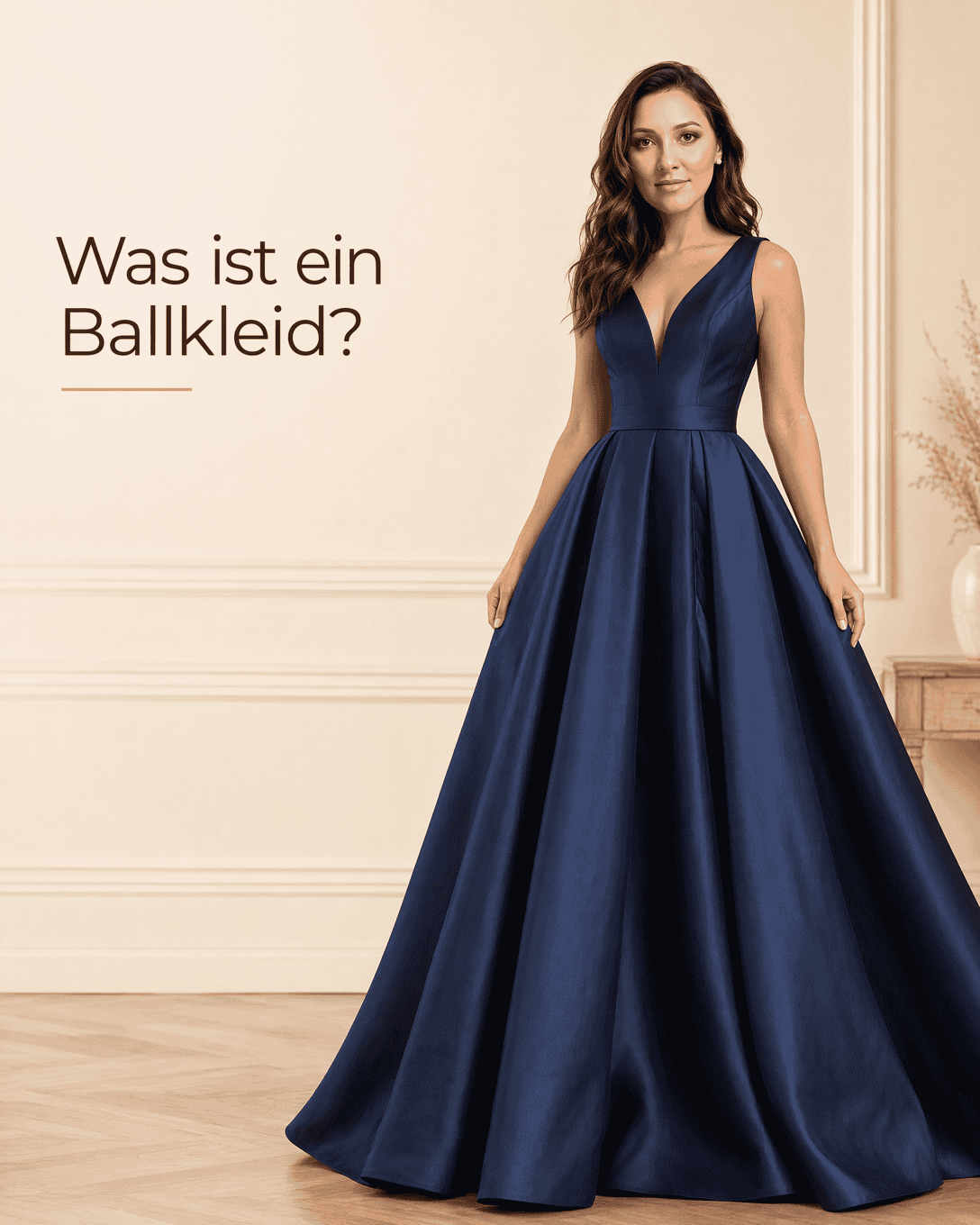
For everyday wear, practical fabrics, comfortable movement, and easy combinations often matter most. For work, a structured silhouette, considered length, and clear styling can support a professional office look . For celebrations, weddings, or evenings, fabric finish, neckline, footwear, and accessories may move the same basic silhouette toward cocktail attire or evening wear .
Common misunderstandings
A certain dress shape is only for one body shape.
A-line, wrap, sheath, and straight silhouettes can work in many ways. Fit, fabric, styling, and personal comfort are more useful criteria than rigid rules.Midi is a single fixed length.
Midi covers a broad area between knee and ankle. Where the hem lands, along with shoe choice, can create very different proportions.A skirt must be uncomfortable to look elegant.
Elegance and practicality can coexist. Movement allowance, fabric, waistband construction, and the right length determine how wearable a piece is.
ESKYNA Key Line
The most useful dress or skirt is one whose silhouette, length, and movement support both your style and your real day.
Explore more terms in the Dresses & Skirts category and build outfits with greater clarity.
Dresses & Skirts 24