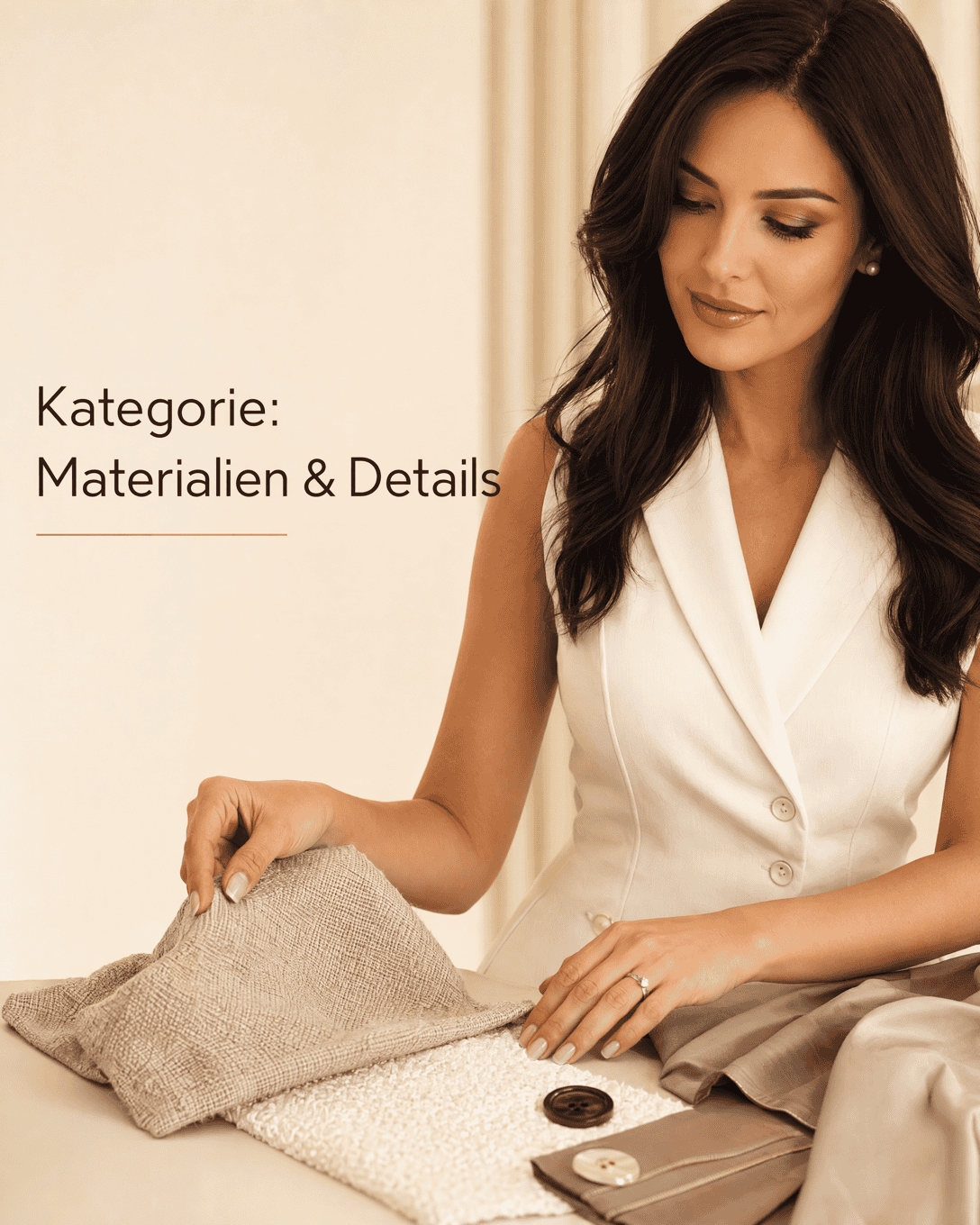
Category: Materials & Details
Explore fabric, texture, garment construction, finishes, and accessories that shape clothing quality, comfort, care, and visual impact.
Materials, fabrics, and fashion details explained
Materials and details shape how clothing looks, feels, moves, and performs in daily life. This category covers fabric types, fibers, surfaces, garment construction, finishes, and accessories that influence quality, comfort, care, and style impact.
A similar cut can look completely different in crisp cotton, fluid viscose, textured tweed, glossy satin, or dense wool. Material affects whether a garment reads as relaxed, polished, practical, festive, soft, or structured.
What this category covers
The Materials & Details glossary includes terms that help you assess clothing beyond color and silhouette:
- Fibers and fabric types, from Cotton and Linen to Silk , Wool , denim, knitwear, and synthetic fibers
- Surface and texture, including Texture , sheen, transparency, lace, velvet, pleats, and prints
- Drape and weight, which influence how fabric falls, moves, layers, and sits on the body
- Construction details, such as seams, lining, hems, pockets, buttons, zippers, and interfacing
- Care and durability, including pilling, shrinkage, color fastness, ironing, washing, and dry cleaning
- Accessories and finishing details, from belts and scarves to jewelry, bags, and shoe components
These terms make it easier to understand why one piece feels right while another, even in a similar shape, remains unworn.
Why material quality matters
Material is not only a question of price or appearance. It affects comfort against the skin, breathability, warmth, movement, care needs, and how quickly a garment shows wear.
Look at the relationship between fabric, cut, and purpose. A flowing fabric can support soft draping, while a firmer woven cloth can create definition and structure. Fabric Drape and Fabric Weight are especially useful when comparing garments with a similar silhouette.
Construction is equally important. A clean Seam , suitable Lining , well-finished hem, and secure closure can improve comfort and help a garment retain its shape through wear and care.
How to assess fabric and details when shopping
Do not judge a material only by how it looks on a hanger. Use a practical check before buying:
- Touch the fabric. Notice whether the handfeel is smooth, dry, soft, firm, heavy, airy, or scratchy.
- Watch the drape. Hold or move the garment to see whether it falls fluidly, holds its shape, or clings.
- Check the inside. Look at seams, lining, hems, closures, and unfinished edges.
- Read the care label. Care requirements should fit your real routine. A beautiful item that cannot be cared for realistically may become a bad purchase.
- Consider opacity and movement. Test the garment in natural light and imagine sitting, walking, and layering it.
- Connect it to your wardrobe. Ask whether its texture, care needs, and level of polish work with the pieces you already wear.
Materials create visual impact
Fabric communicates before anyone notices the label. Matte, textured surfaces often feel quieter and more grounded. Smooth, glossy, or transparent materials can appear more expressive or formal. The visible effect also depends on Color , Contrast , cut, and styling.
A material choice can make a basic outfit feel intentional. A fine knit may soften tailored trousers, while a structured jacket can give a simple dress more presence. Understanding these details supports more conscious shopping, better outfit combinations, and a wardrobe with greater longevity.
Start with these key terms
For a practical introduction to materials and clothing quality, explore:
- Material Quality for evaluating fabric and workmanship
- Fabric Drape for understanding movement and fall
- Texture for the visual and tactile character of a surface
- Handfeel for what a fabric feels like
- Care Label for realistic garment care
- Craftsmanship for details that affect durability and finish
A good wardrobe is not built from labels alone. It is built from materials and details that feel good, work hard, and support how you want to dress.
Materials & Details 286
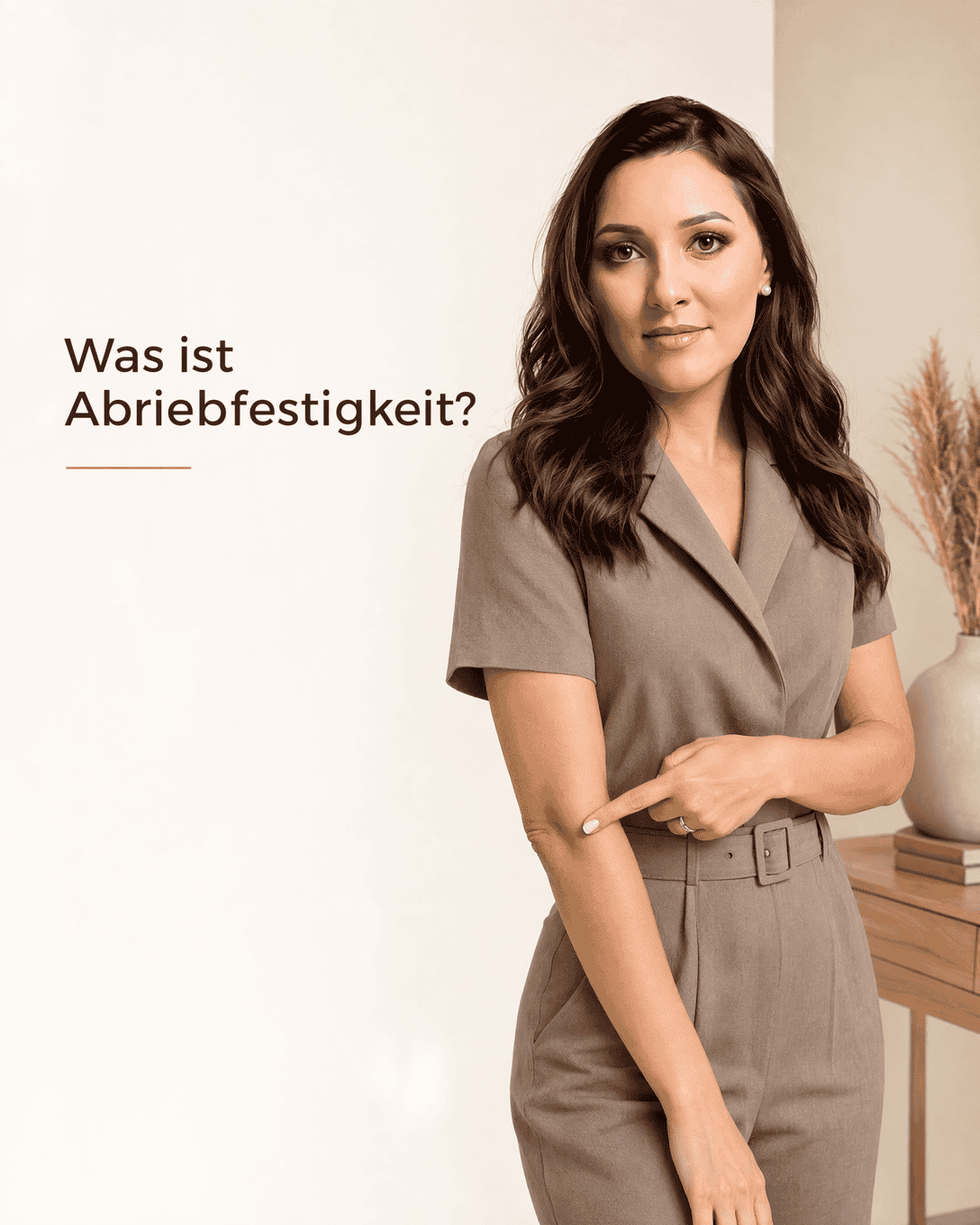
Abrasion Resistance Abrasion resistance describes how well a fabric or garment withstands wear caused by rubbing and friction. It helps assess durability in high-contact areas such as seats, inner thighs, cuffs, and bag contact points.
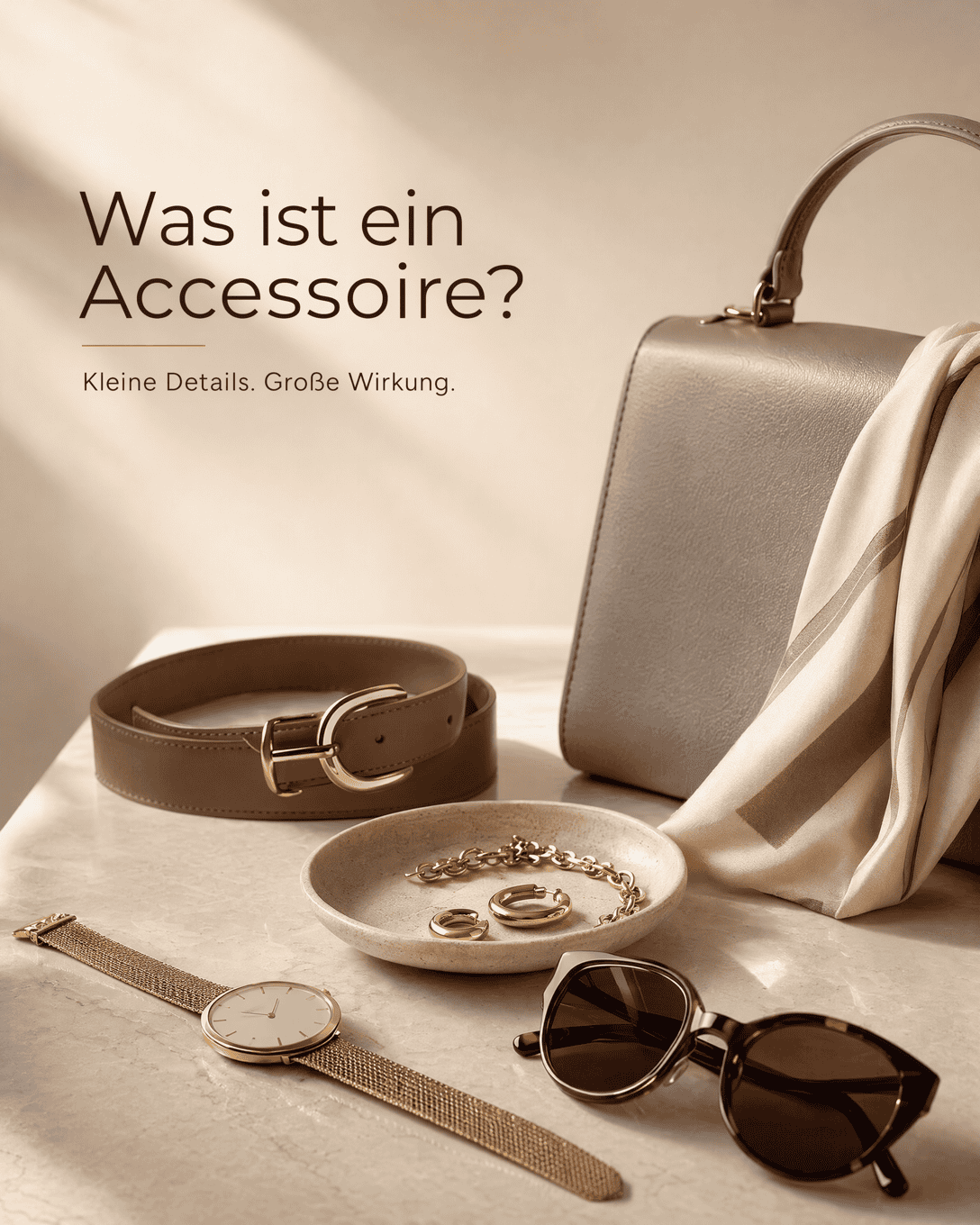
Accessory An accessory is an item added to an outfit, such as jewelry, a bag, belt, scarf, hat, or watch. Accessories refine an outfit’s color, proportion, practicality, and overall style message.
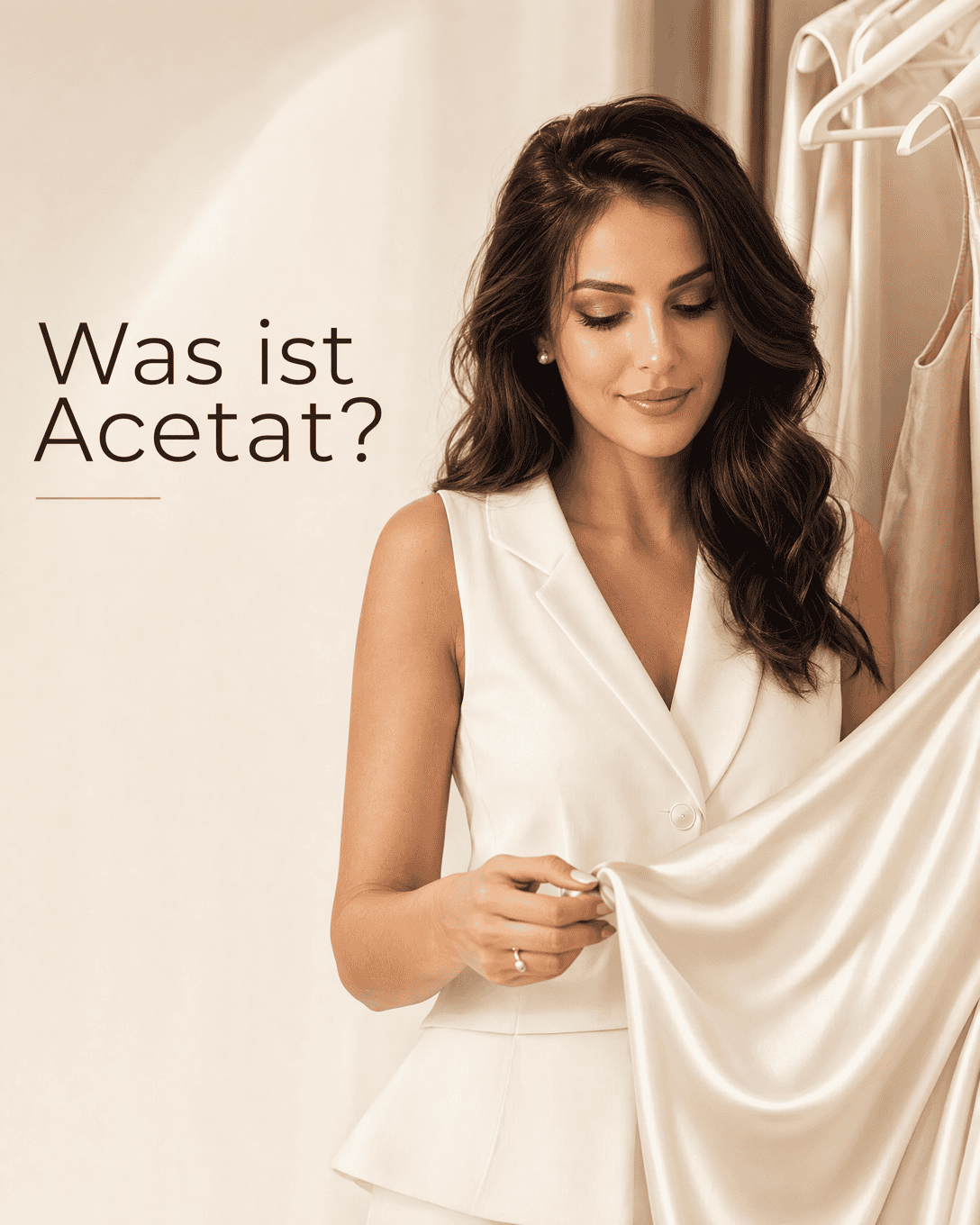
acetate Acetate is a cellulose-based manufactured fiber known for its smooth feel, soft drape, subtle sheen, and silk-like appearance. It is widely used for linings, dresses, blouses, and occasionwear.
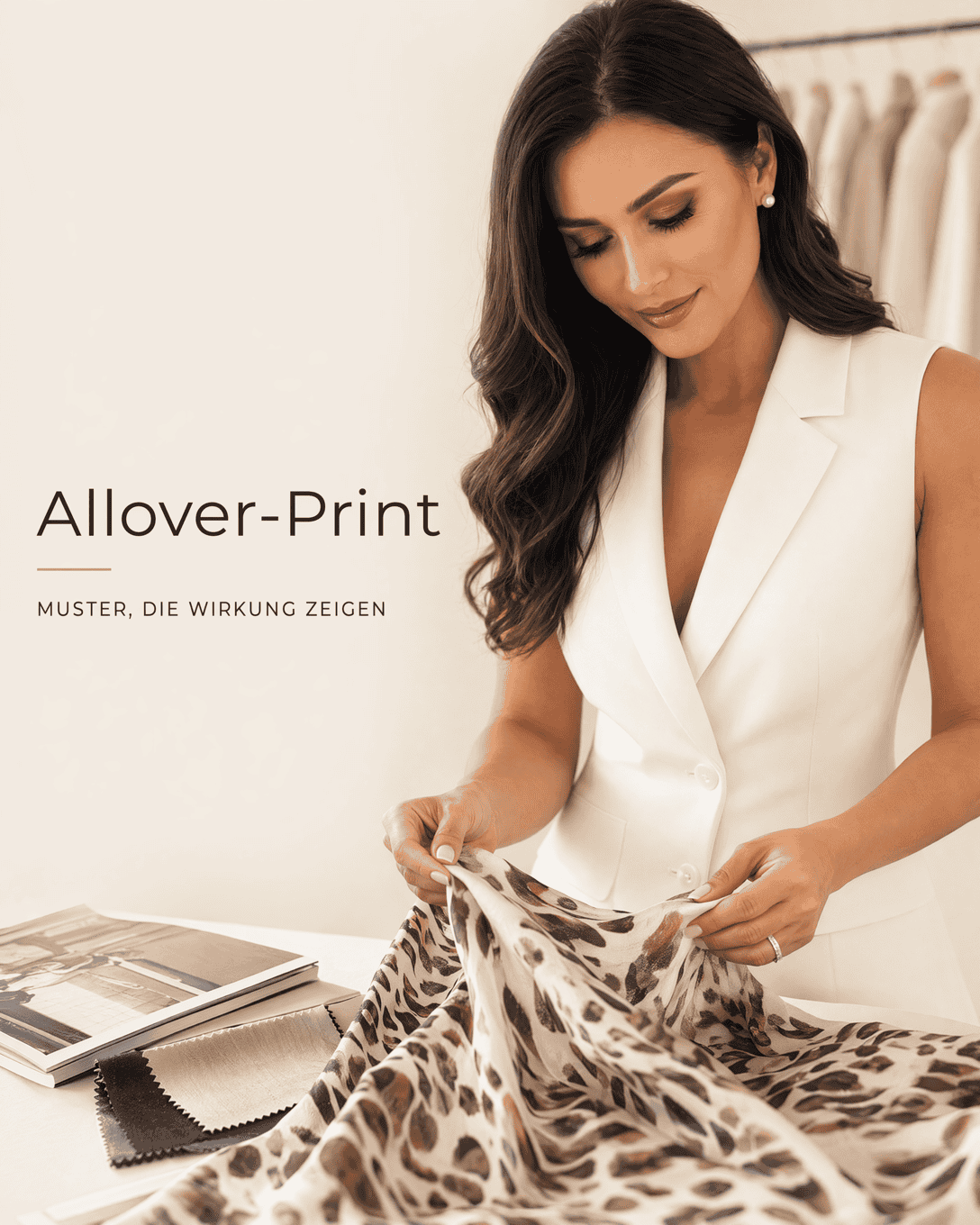
Allover Print An allover print is a pattern printed across the full surface of a garment or fabric. Learn how allover prints affect outfit impact, proportions, and styling combinations.
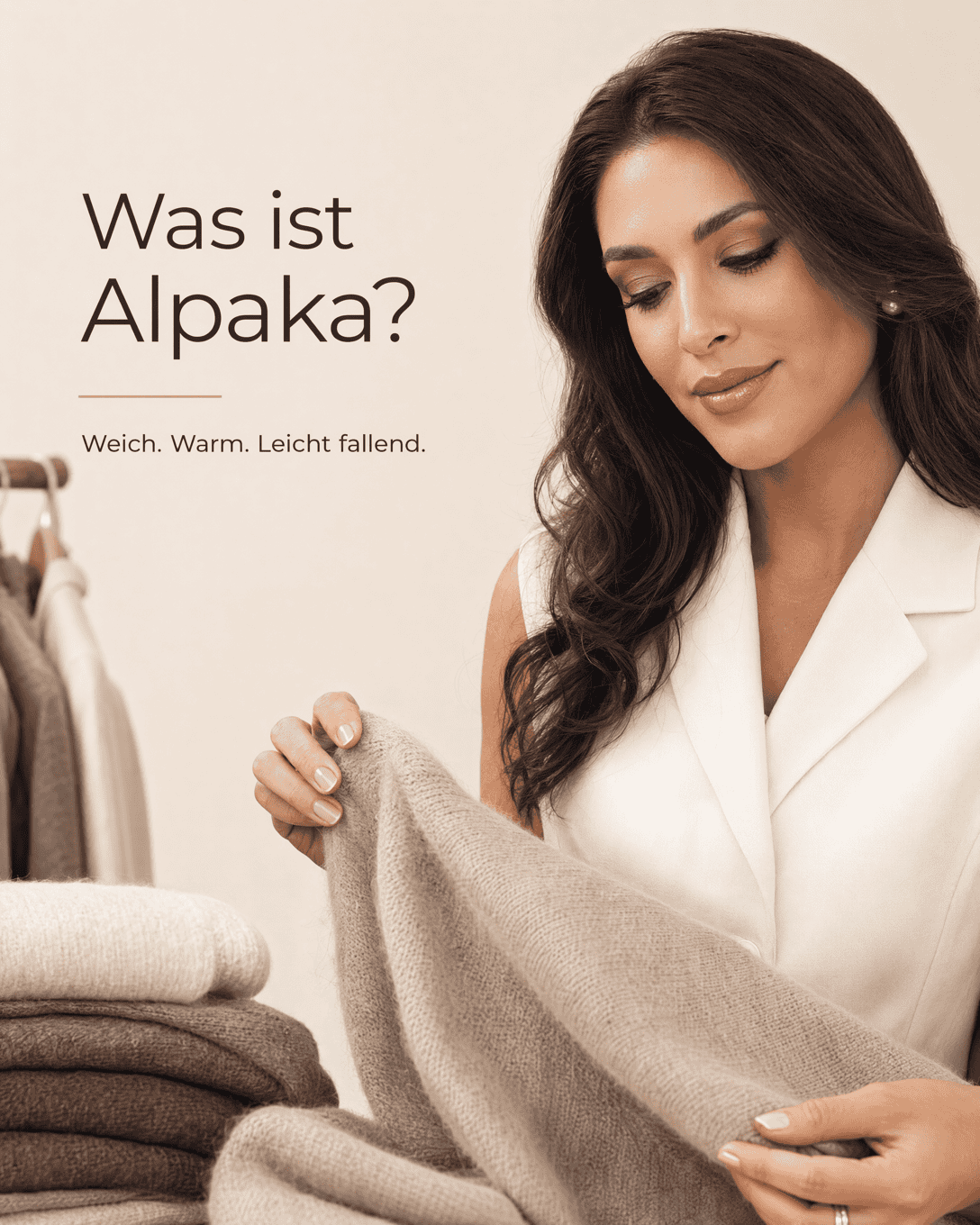
alpaca Alpaca is a natural animal fiber from the alpaca, valued for its warmth, light weight, soft handfeel, and refined drape in knitwear, coats, and accessories.
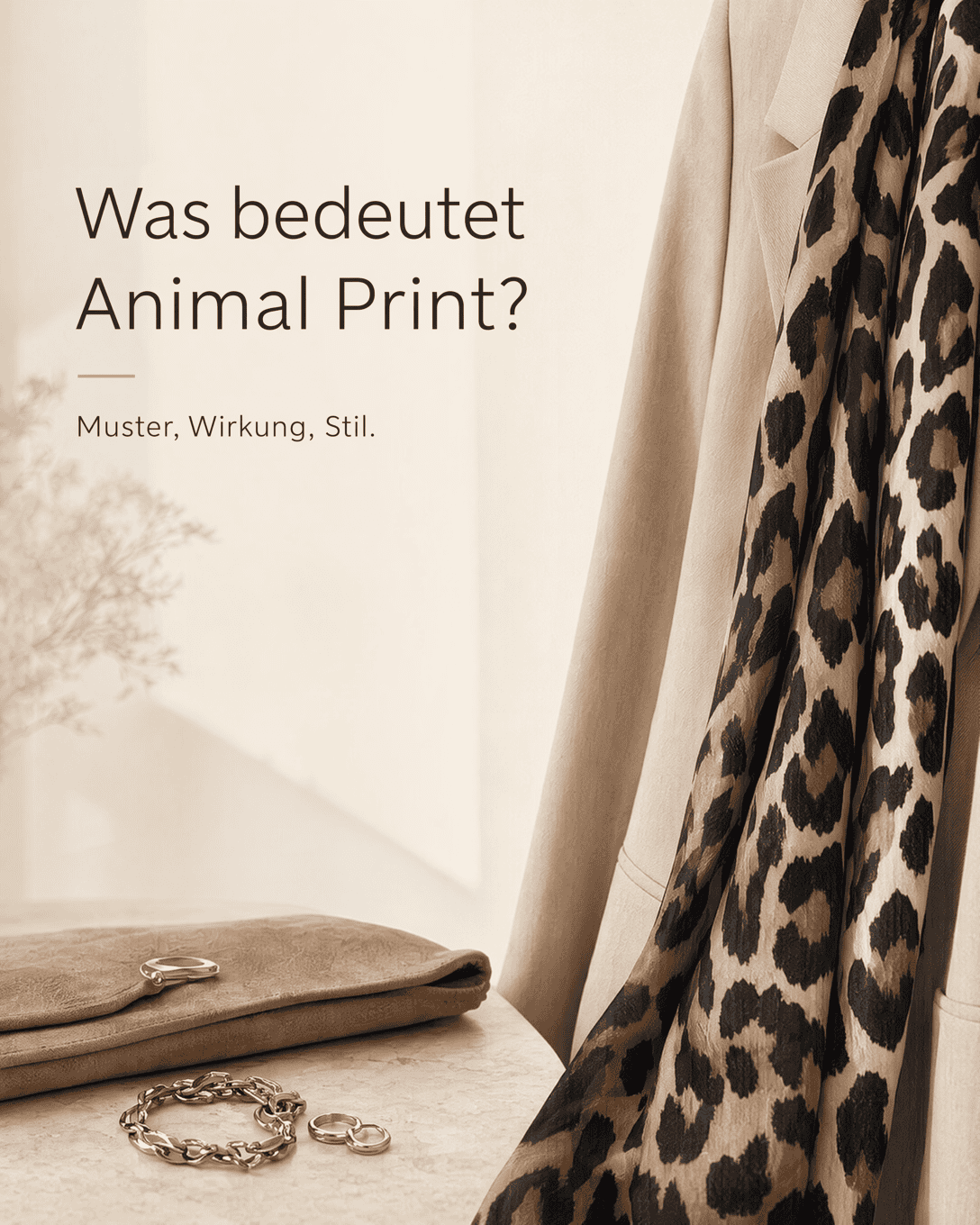
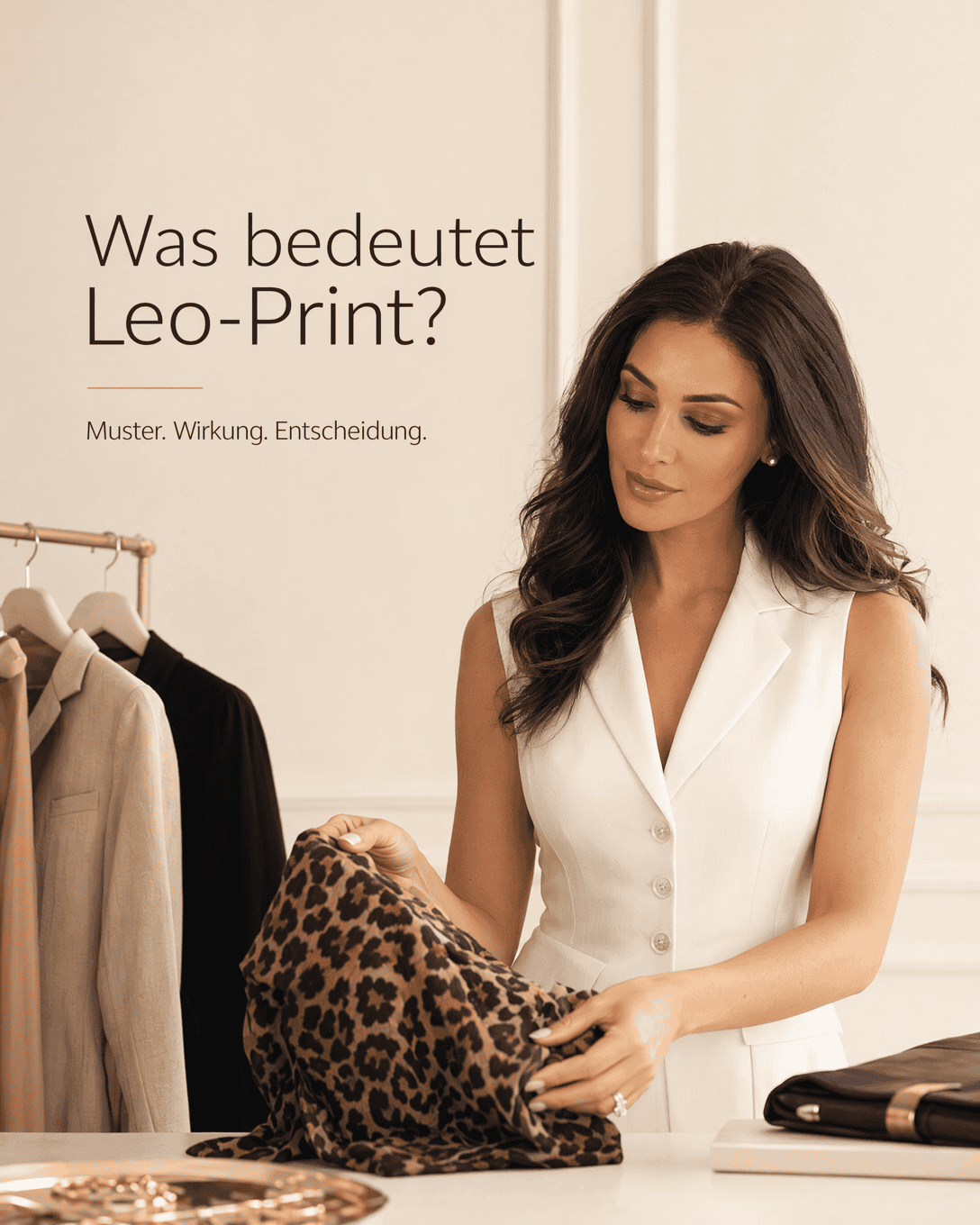
Animal Print Animal print is a pattern inspired by the markings or coats of animals, such as leopard, zebra, snake, or tiger. Learn how animal prints affect an outfit and how to style them with intention.
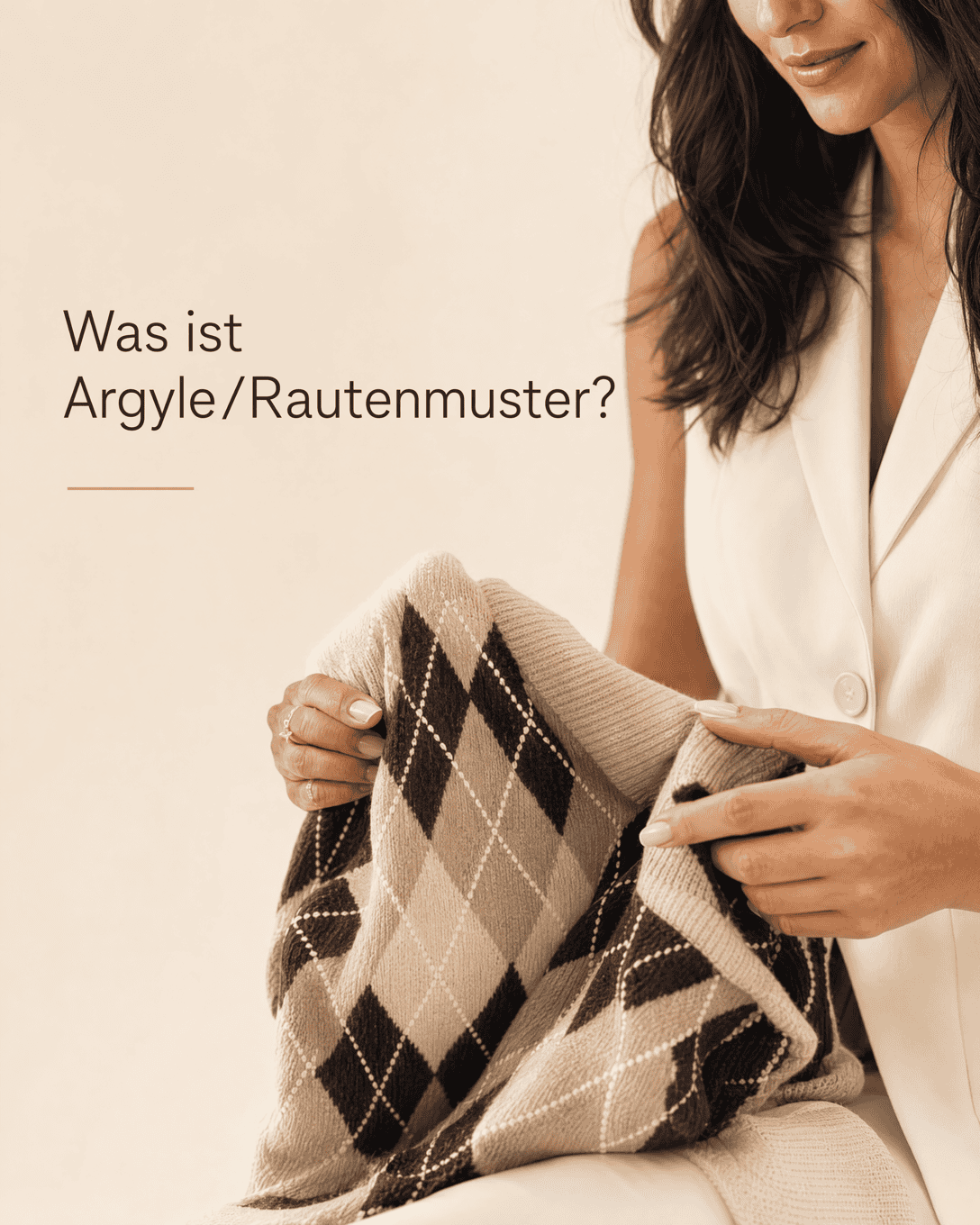
Argyle/diamond pattern Argyle is a classic diamond pattern, usually made from coloured diamonds crossed by fine diagonal lines. It is especially associated with knitwear, including sweaters, vests, and socks.
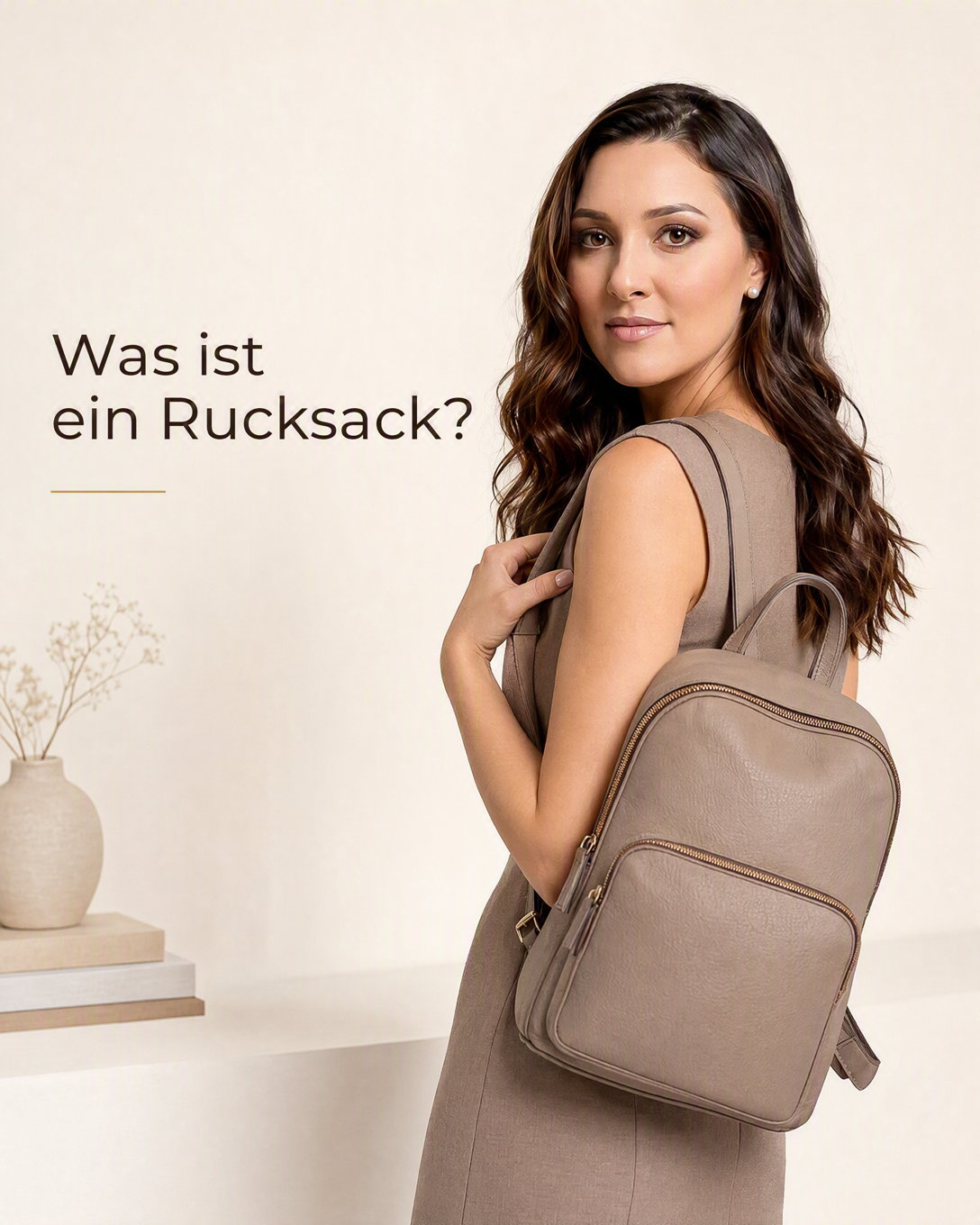
Backpack A backpack is a bag with two shoulder straps, designed to be carried on the back. It keeps the hands free and can distribute a load across both shoulders when fitted and packed well.
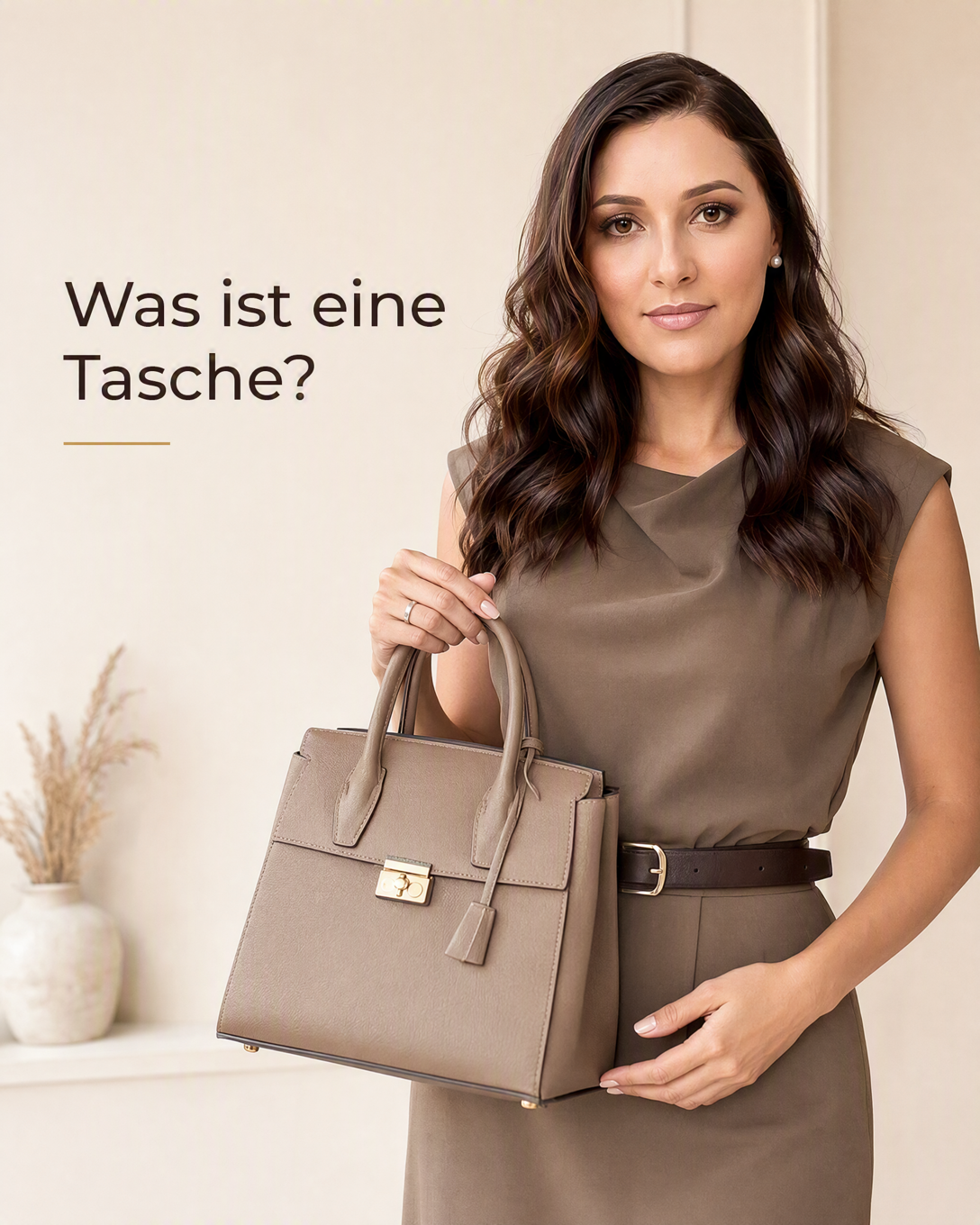
Bag A bag is a functional fashion accessory used to carry personal belongings. Its size, shape, material, and carrying style also influence an outfit’s proportion, practicality, and overall impression.
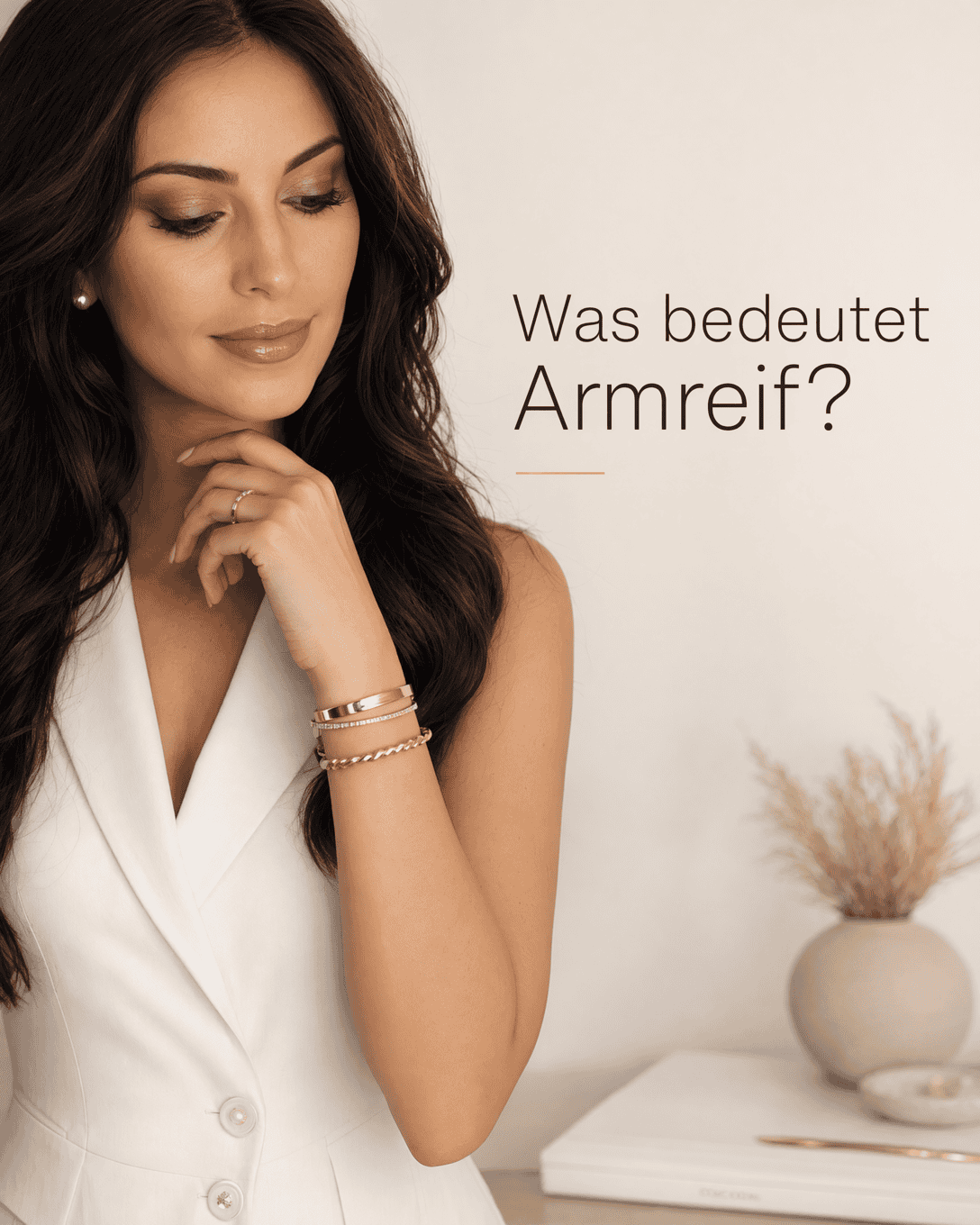
Bangle A bangle is a rigid bracelet that slips over the hand or opens with a hinge or clasp. Learn how bangles differ from bracelets and how to style them.
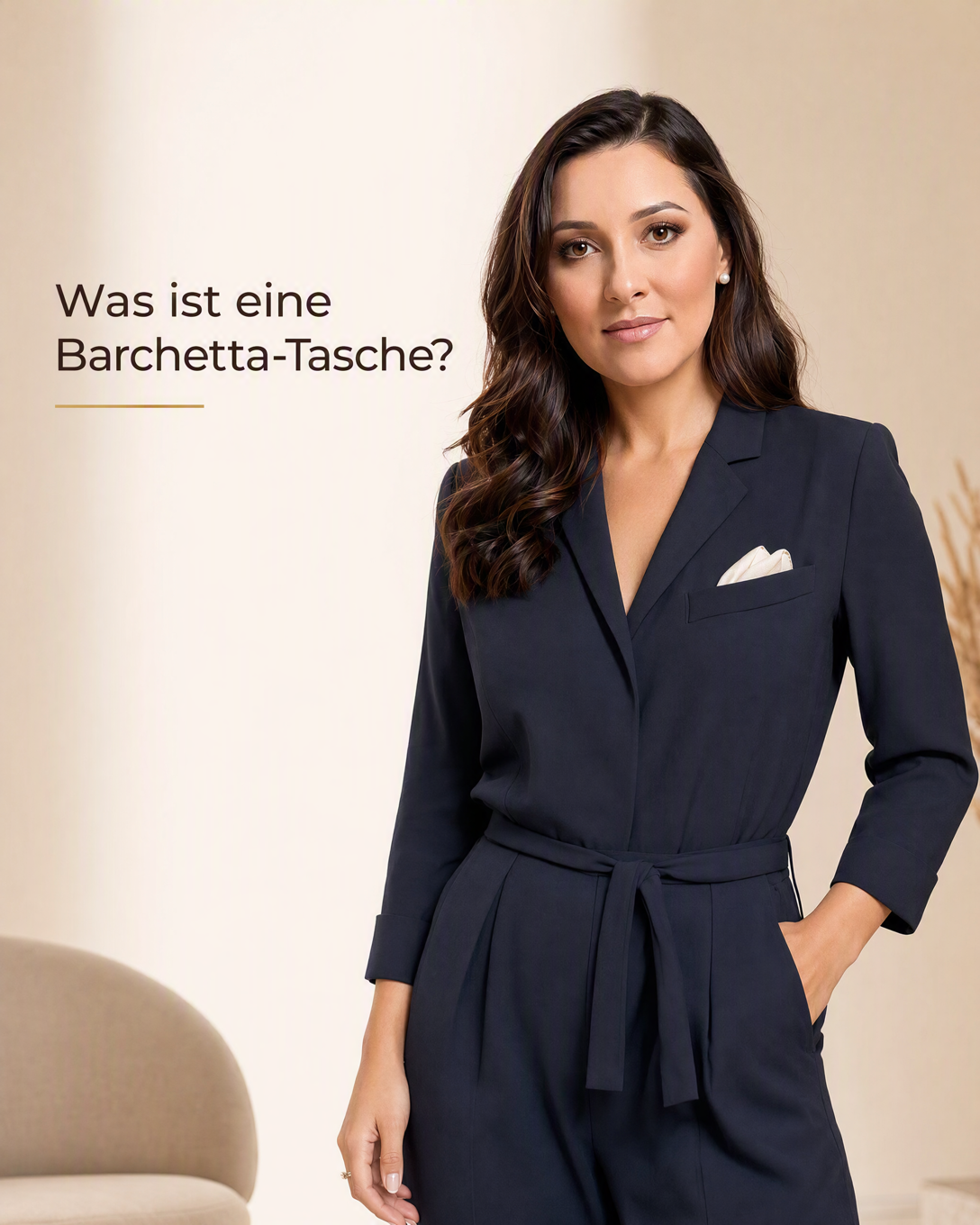
Barchetta Breast Pocket A barchetta breast pocket is a gently curved chest pocket on a tailored jacket. Its boat-like shape softens the jacket front and is often associated with refined tailoring.
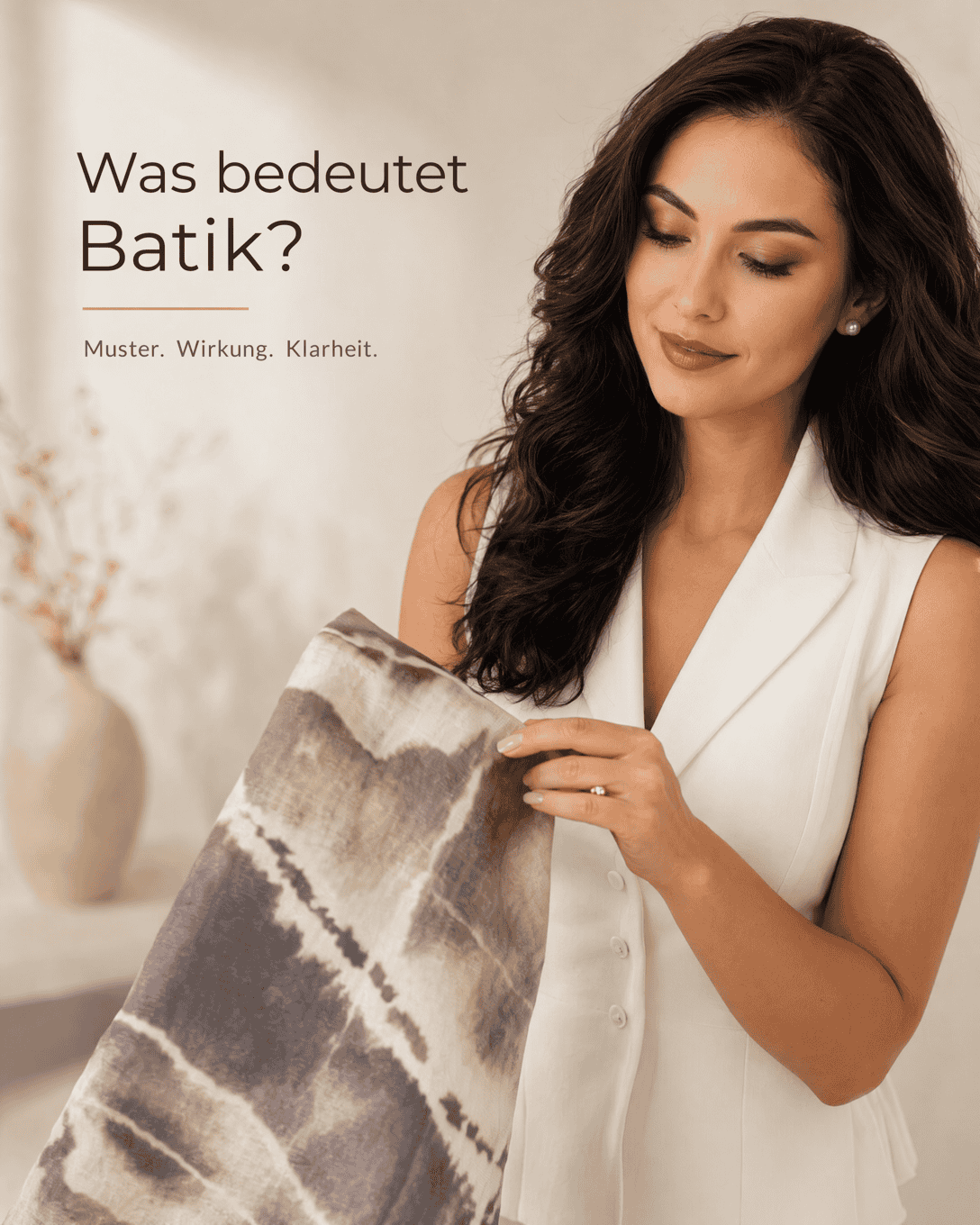
Batik Batik is a wax-resist dyeing technique that creates patterned fabric through layered dyeing and wax application. Learn how batik fabrics look, feel, and work in outfits.
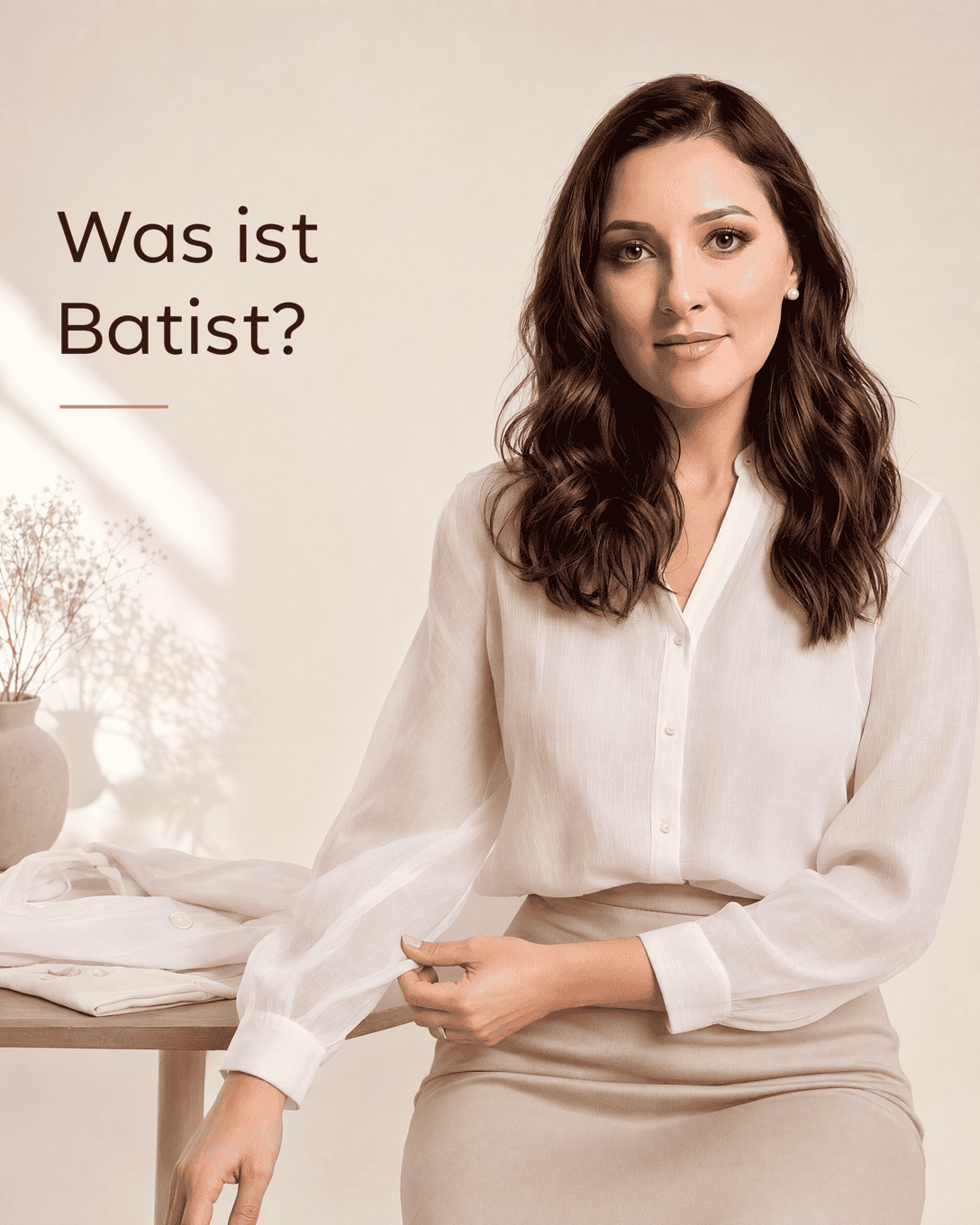
Batiste Batiste is a very lightweight, fine plain-weave fabric, usually made from cotton or linen. Learn how batiste feels, where it is used, and what to consider before buying.
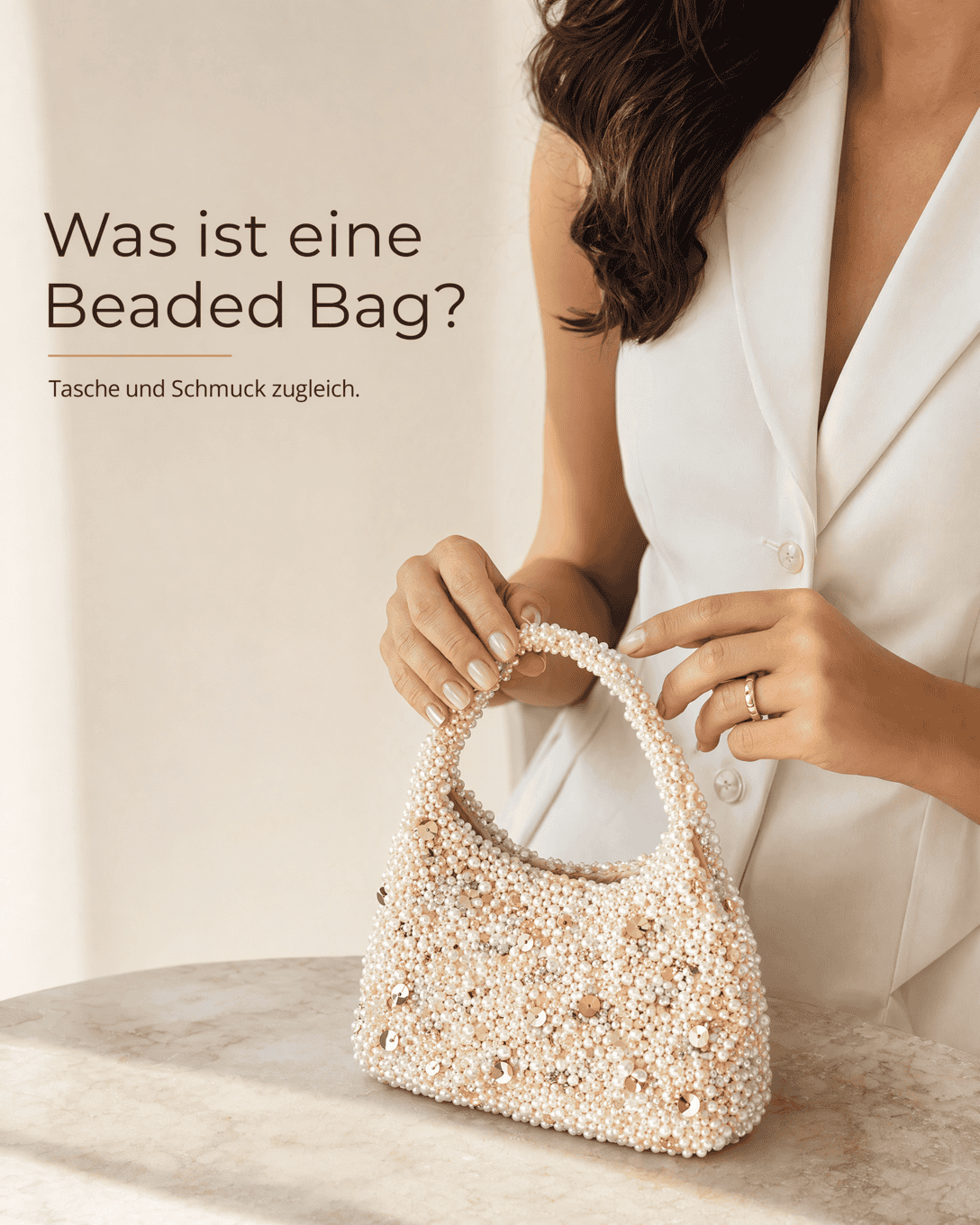
Beaded Bag A beaded bag is a handbag decorated or constructed with beads. Learn how beaded bags affect texture, occasion, styling, quality, and care.
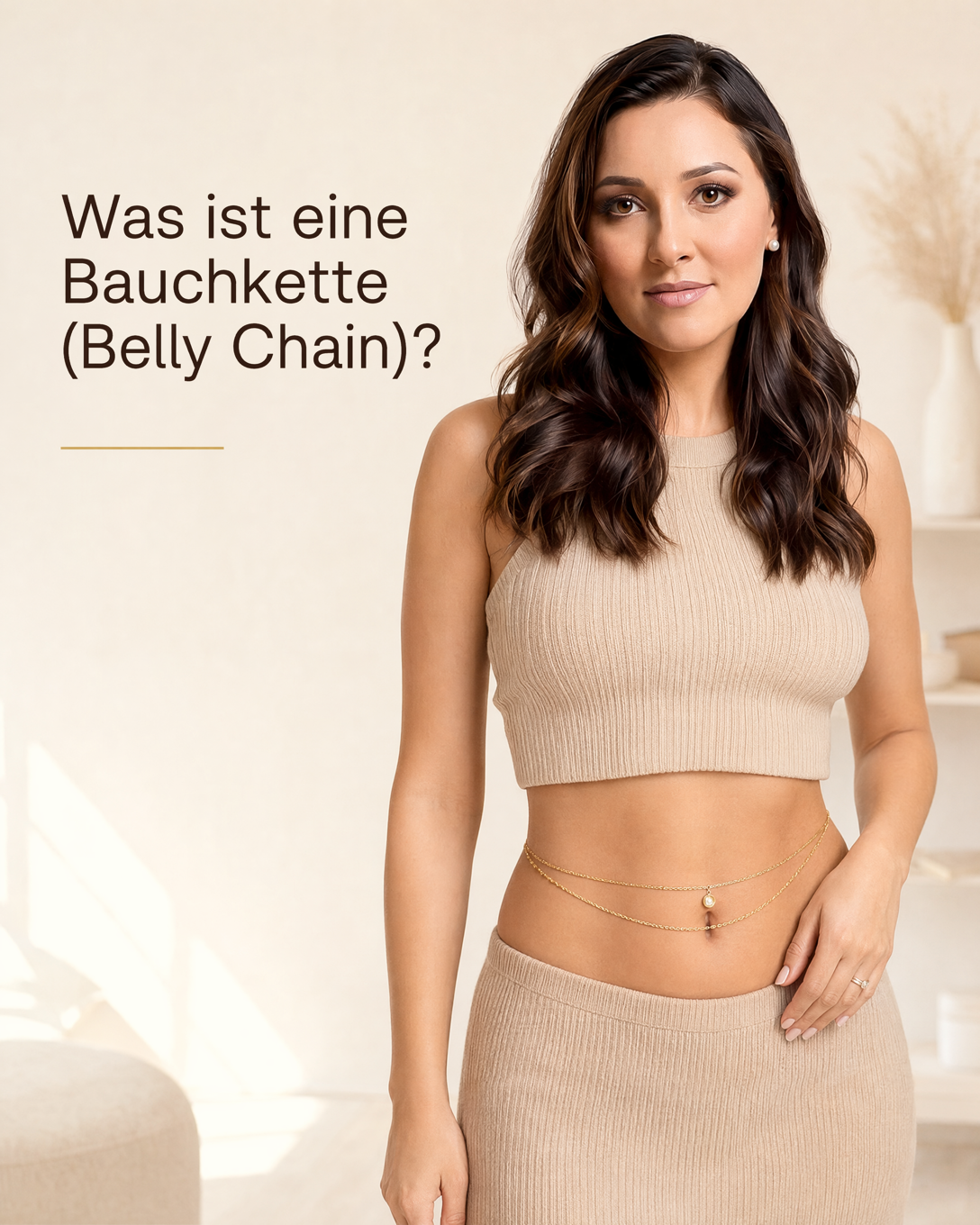
Belly Chain A belly chain is a delicate piece of body jewelry worn around the waist or hips. It draws elegant attention to the midsection and can add subtle shine to swimwear, dresses, and layered outfits.
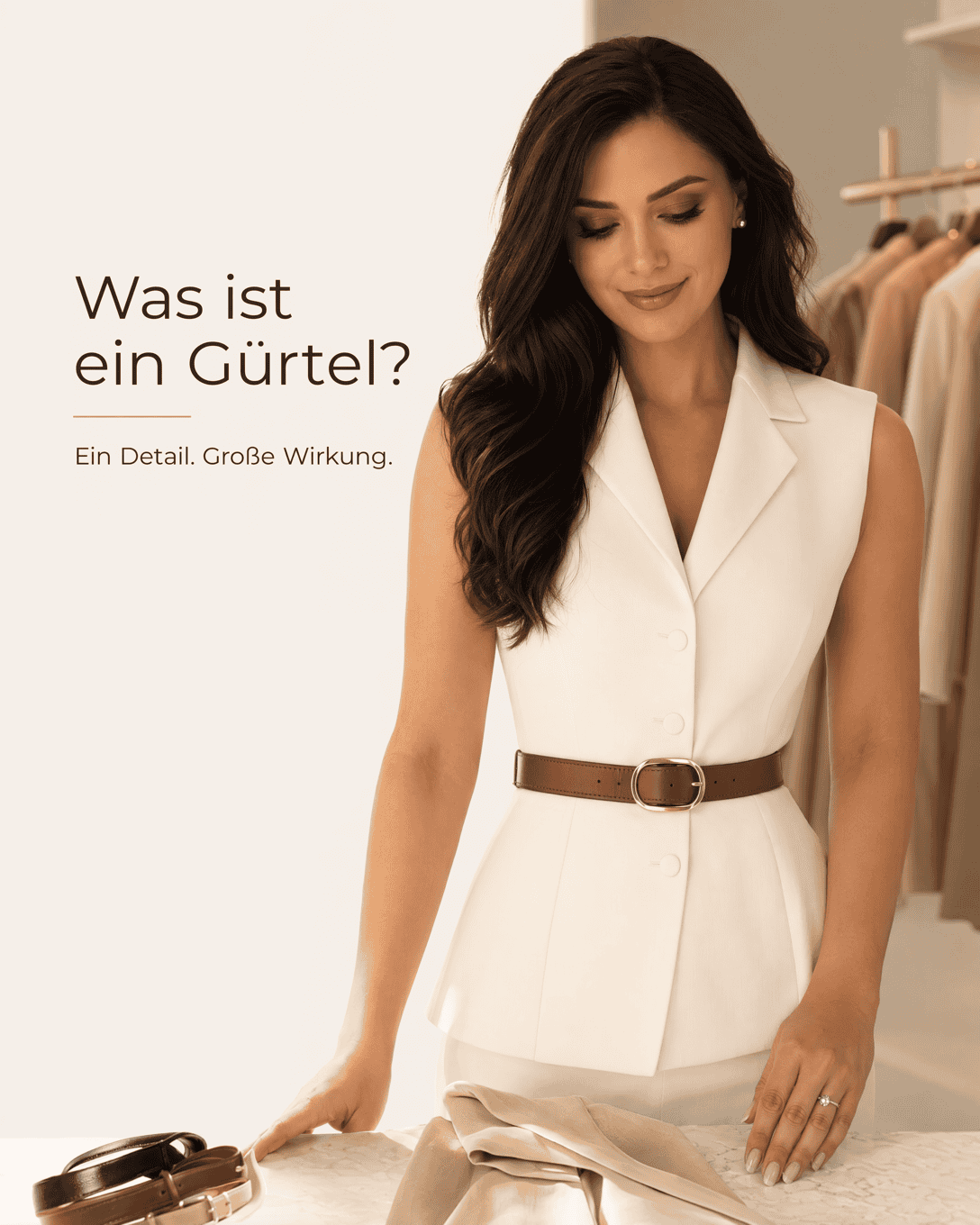
Belt A belt is a flexible accessory worn around the waist or hips to secure clothing, define proportion, or add a deliberate styling accent.
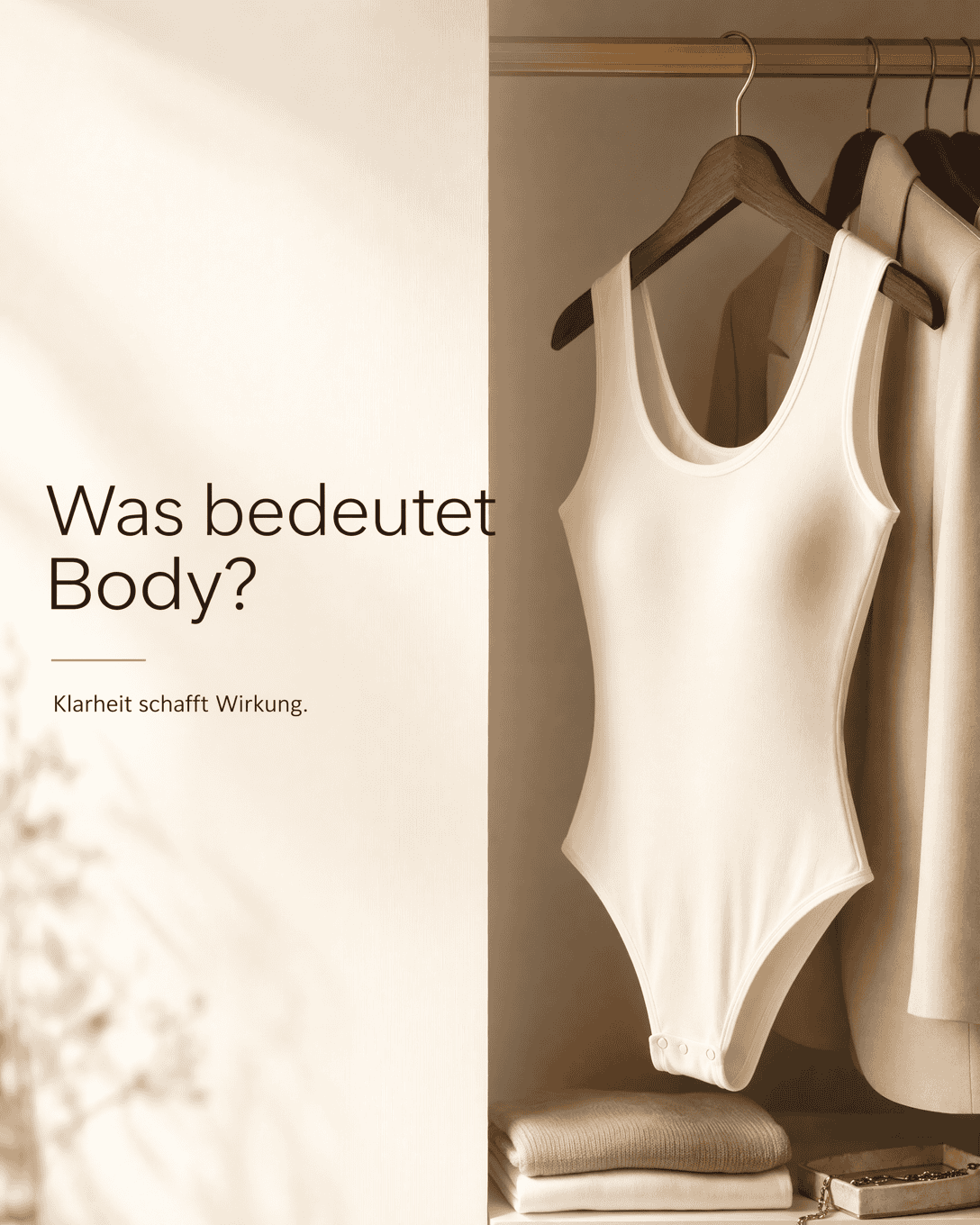
Body A body, also called a bodysuit, is a close-fitting one-piece garment that covers the torso and fastens at the crotch. It creates a smooth, tucked-in look for everyday outfits, layering, and occasionwear.
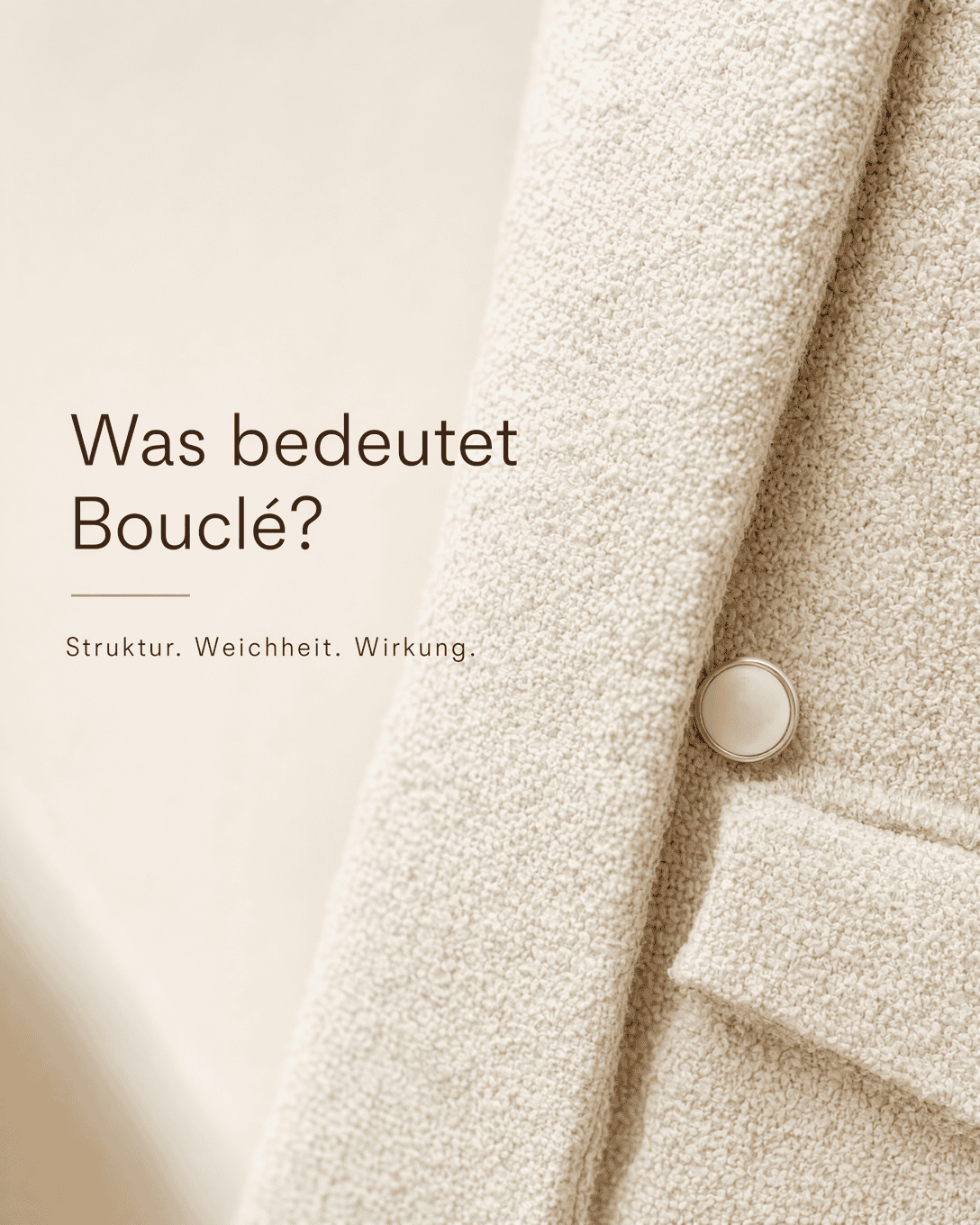
Bouclé Bouclé is a textured fabric or yarn with characteristic loops that create a soft, nubby surface. Learn how bouclé affects comfort, quality, care, and outfit styling.
Box Pleat A box pleat is a structured fold made from two opposing pleats that creates controlled volume, symmetry, and movement in skirts, dresses, and garments.
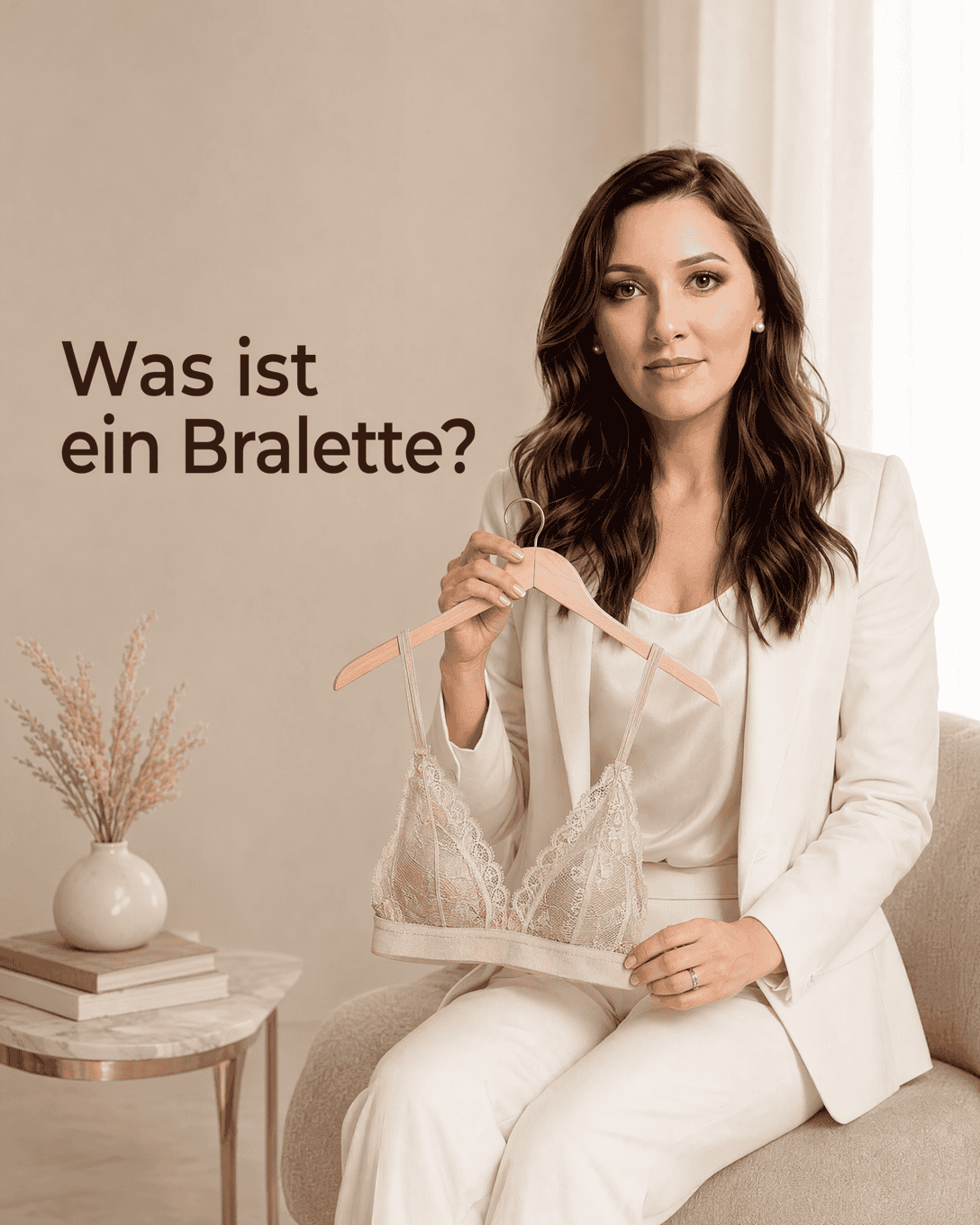
Bralette A bralette is a soft, lightly structured bra that prioritizes comfort and a natural shape. Learn how bralettes differ from bras, how they fit, and how to style them.
Breathability Breathability describes how well a fabric or garment allows air and water vapor to pass through. It is an important factor in clothing comfort, especially in warm weather, active settings, and layered outfits.
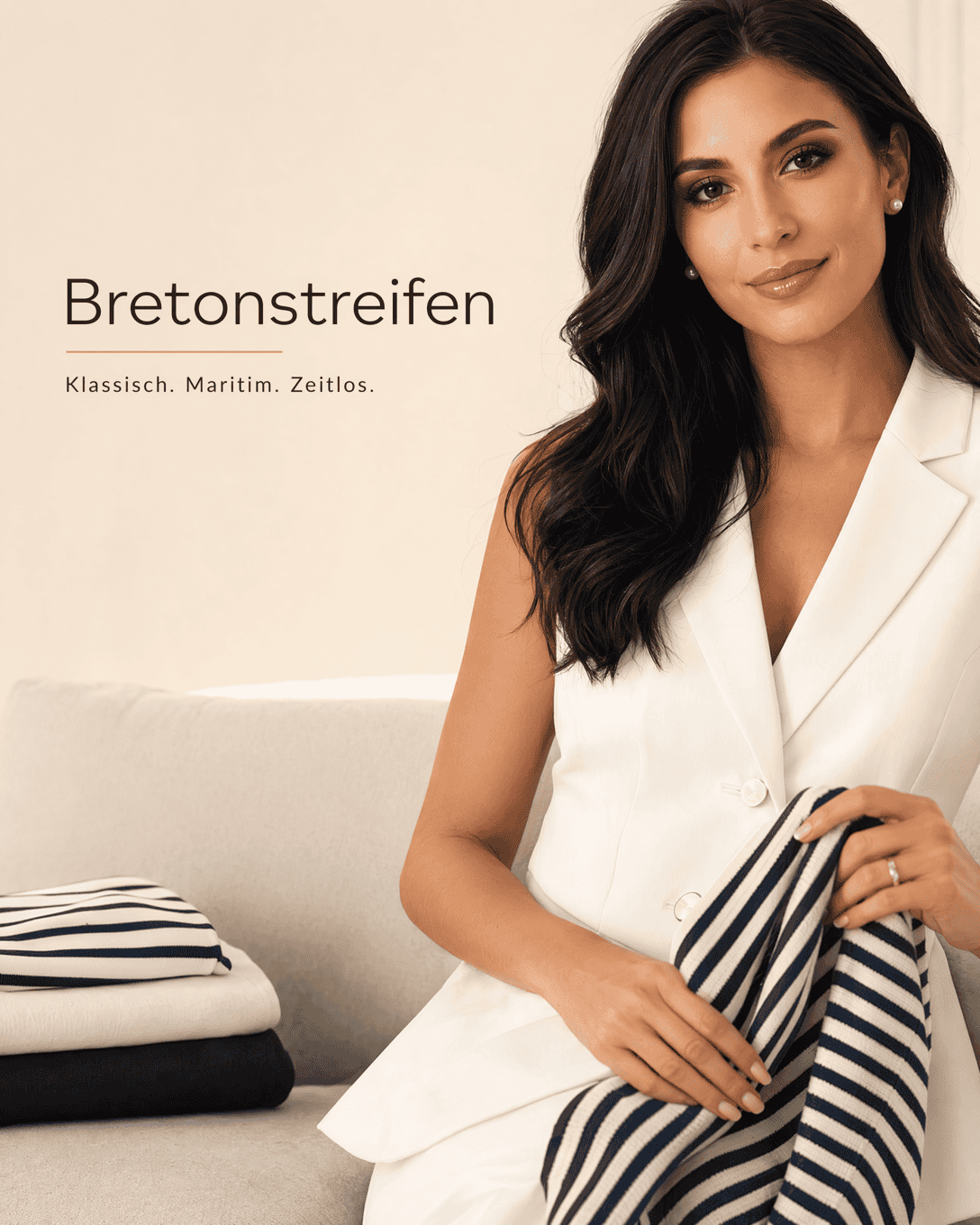
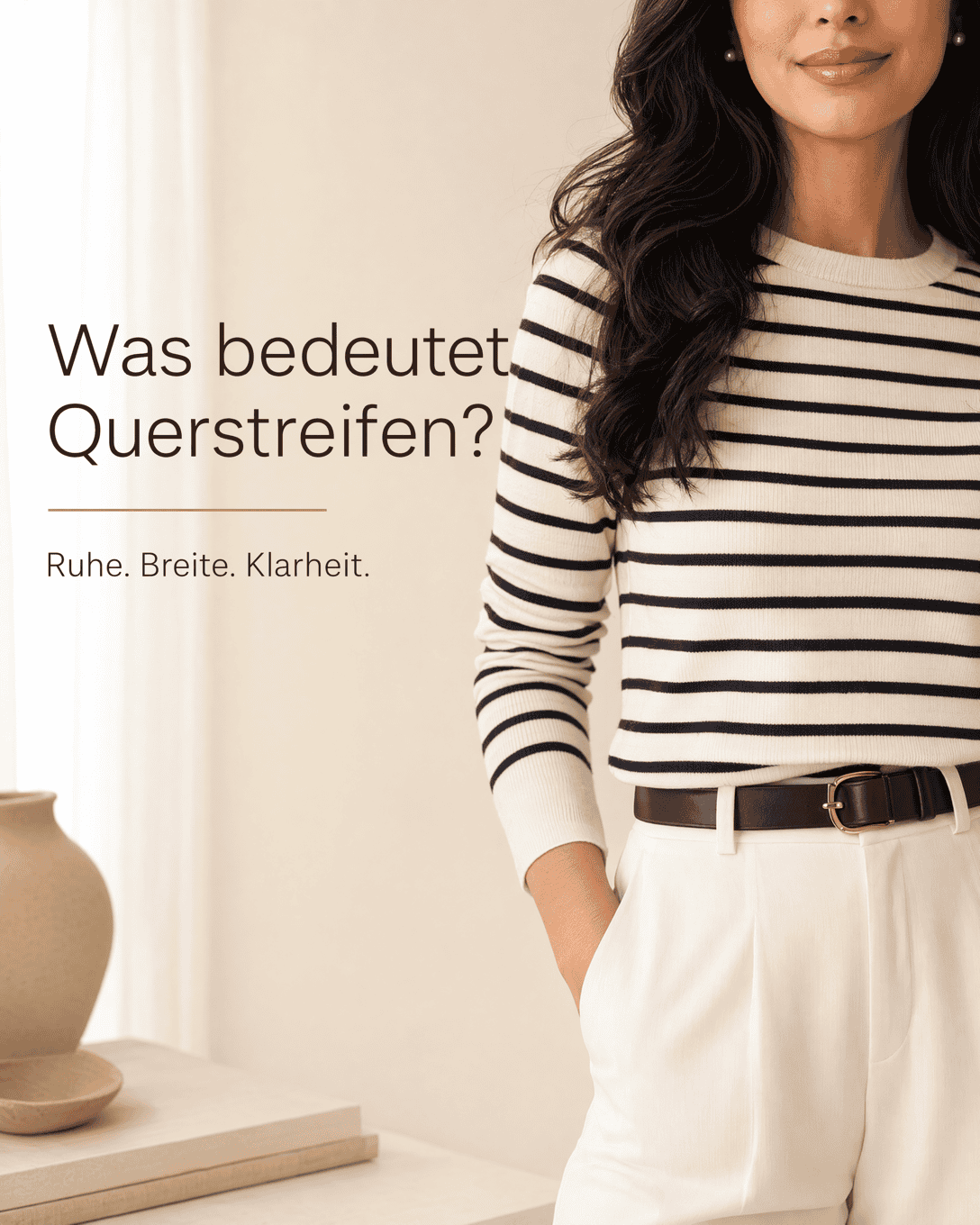
Breton Stripes Breton stripes are classic horizontal navy and white stripes, traditionally associated with French maritime uniforms. Learn what defines the pattern and how to wear Breton stripes in modern outfits.
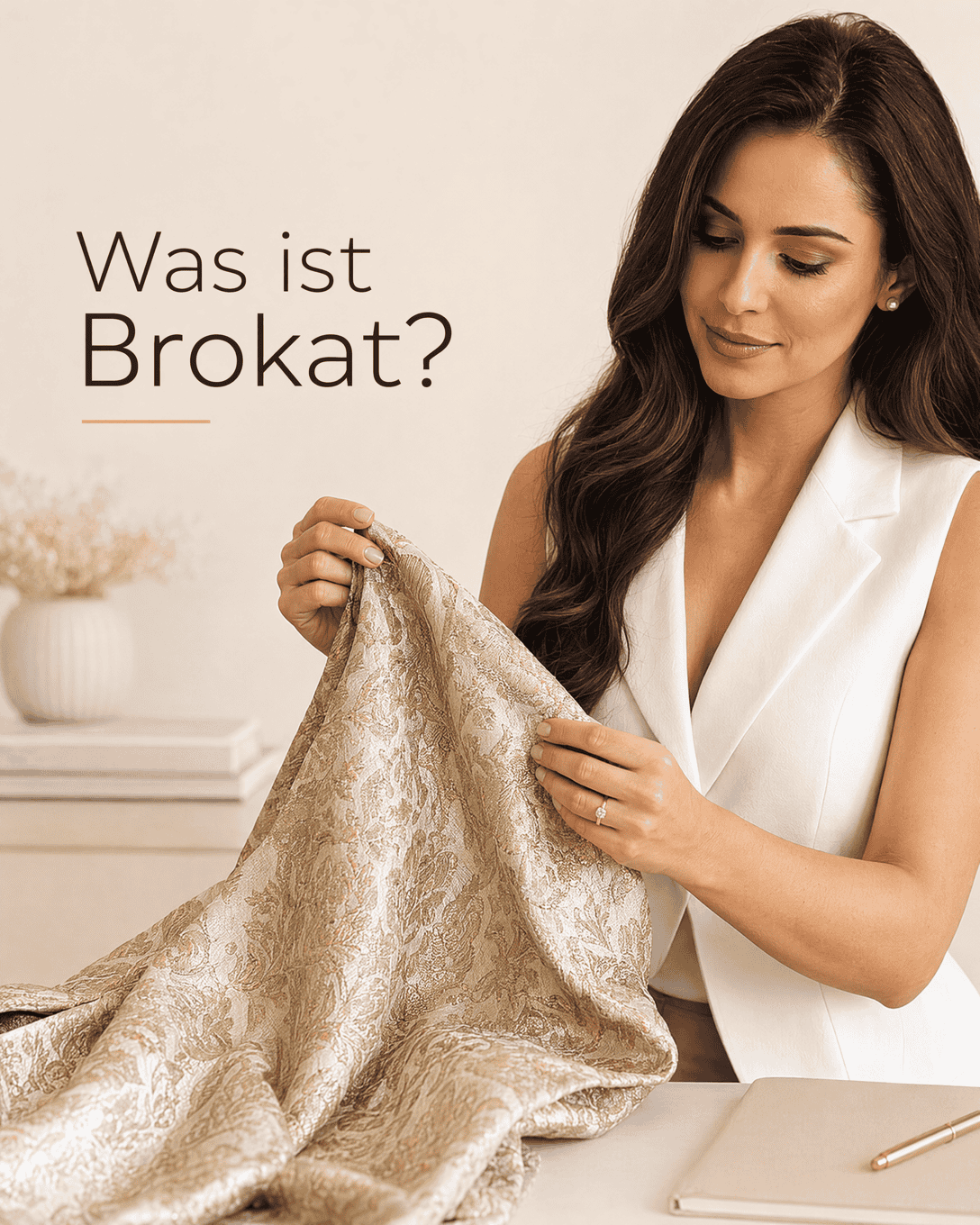
brocade Brocade is a richly patterned woven fabric with motifs created in the weave rather than printed on the surface. Learn how to recognize brocade, where it is used, and how to style it.
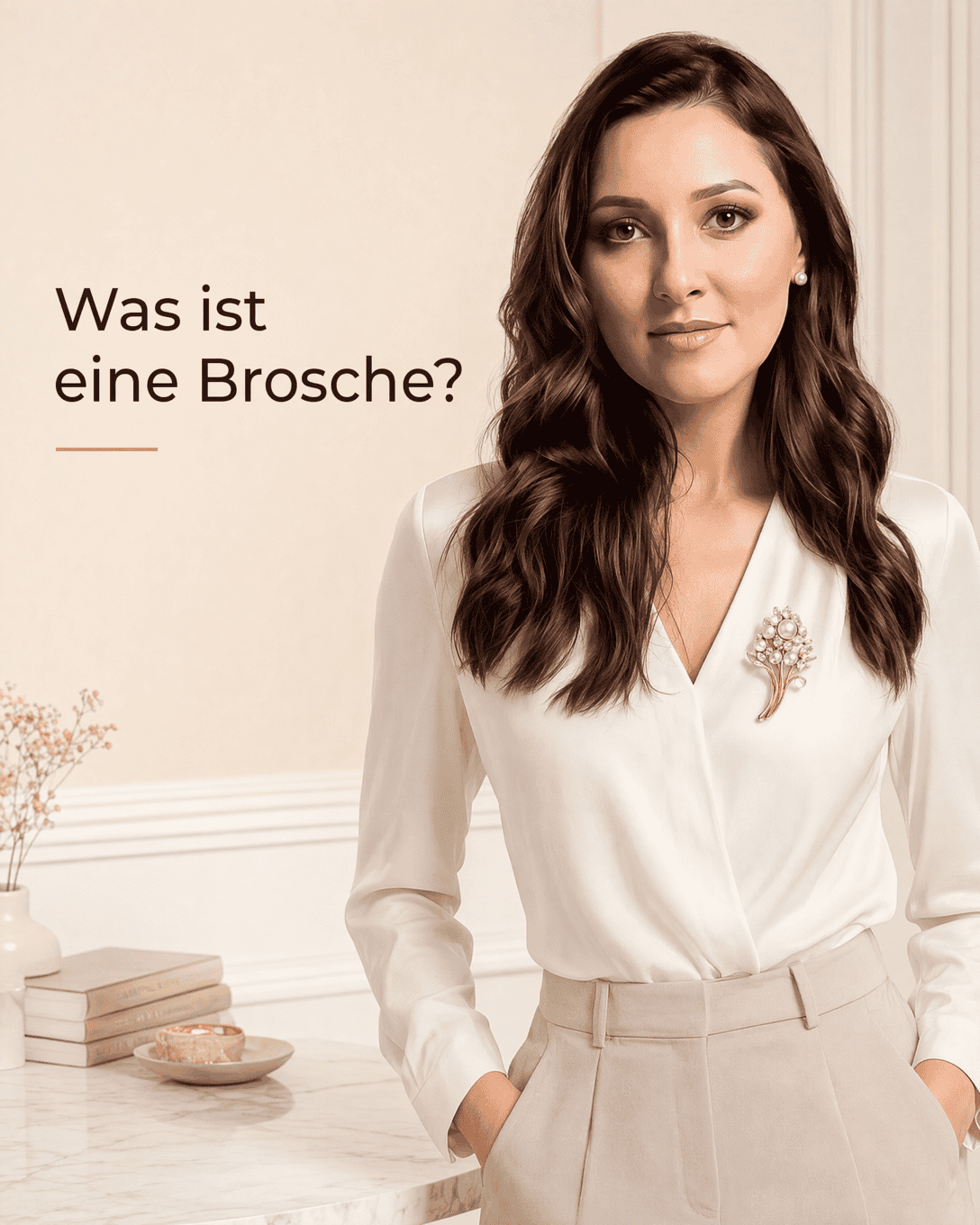
Brooch A brooch is a decorative pin worn on clothing or accessories. Learn how to choose, place, and style a brooch for everyday outfits and special occasions.
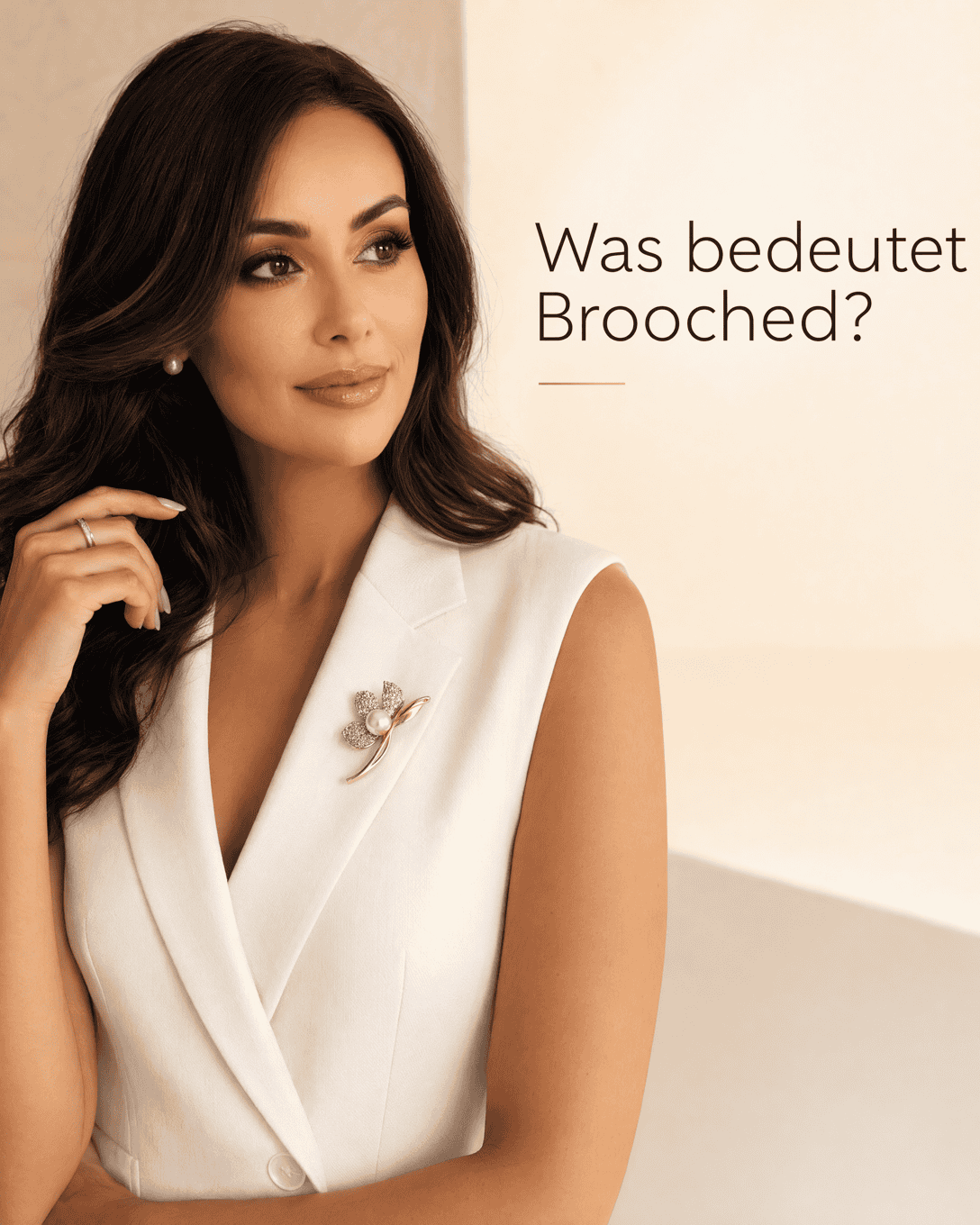
Brooched Brooched describes a garment or outfit styled with one or more brooches. The accessory adds a focused decorative detail and can change the look's mood, formality, and focal point.
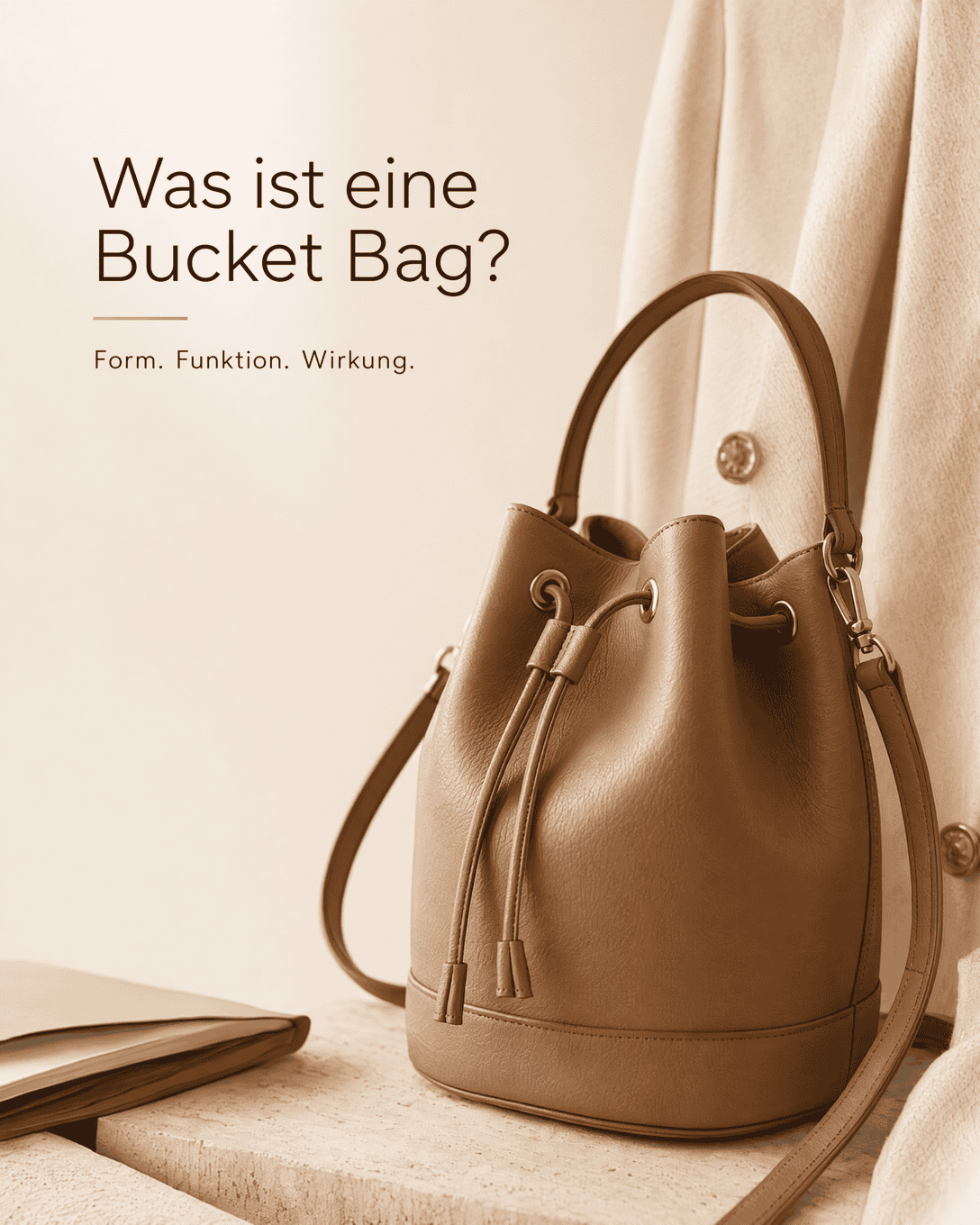
Bucket Bag A bucket bag is a handbag with a rounded or structured bucket-like shape, often finished with a drawstring closure. Learn how to recognize and style this versatile bag shape.
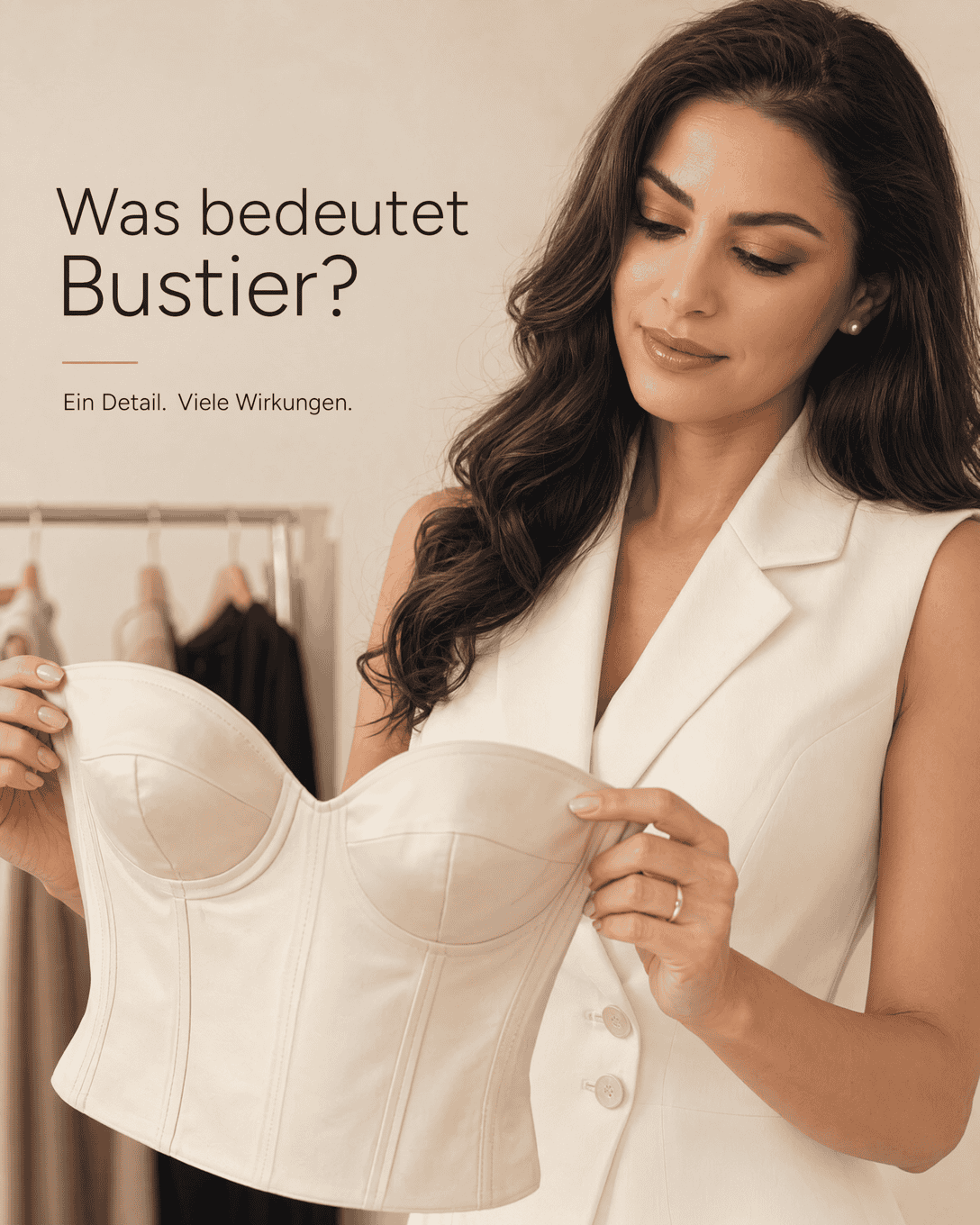
Bustier A bustier is a fitted, often structured top or lingerie piece designed to shape and support the bust and upper torso. Learn how a bustier differs from a corset, how it fits, and how to style it.
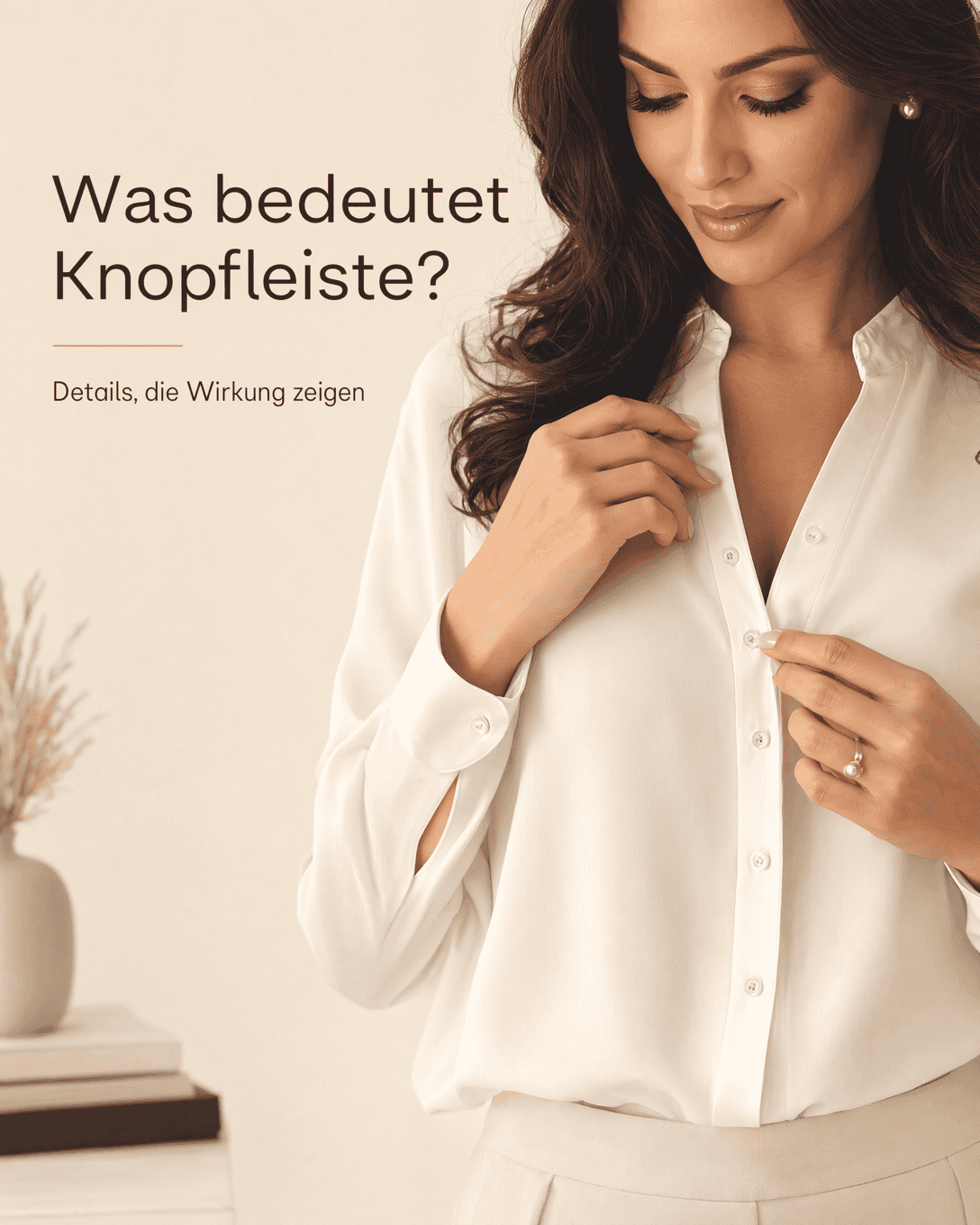
Button Placket A button placket is the finished opening on a garment that holds buttons and buttonholes. It affects function, fit, visual structure, and the overall quality of shirts, blouses, dresses, and jackets.
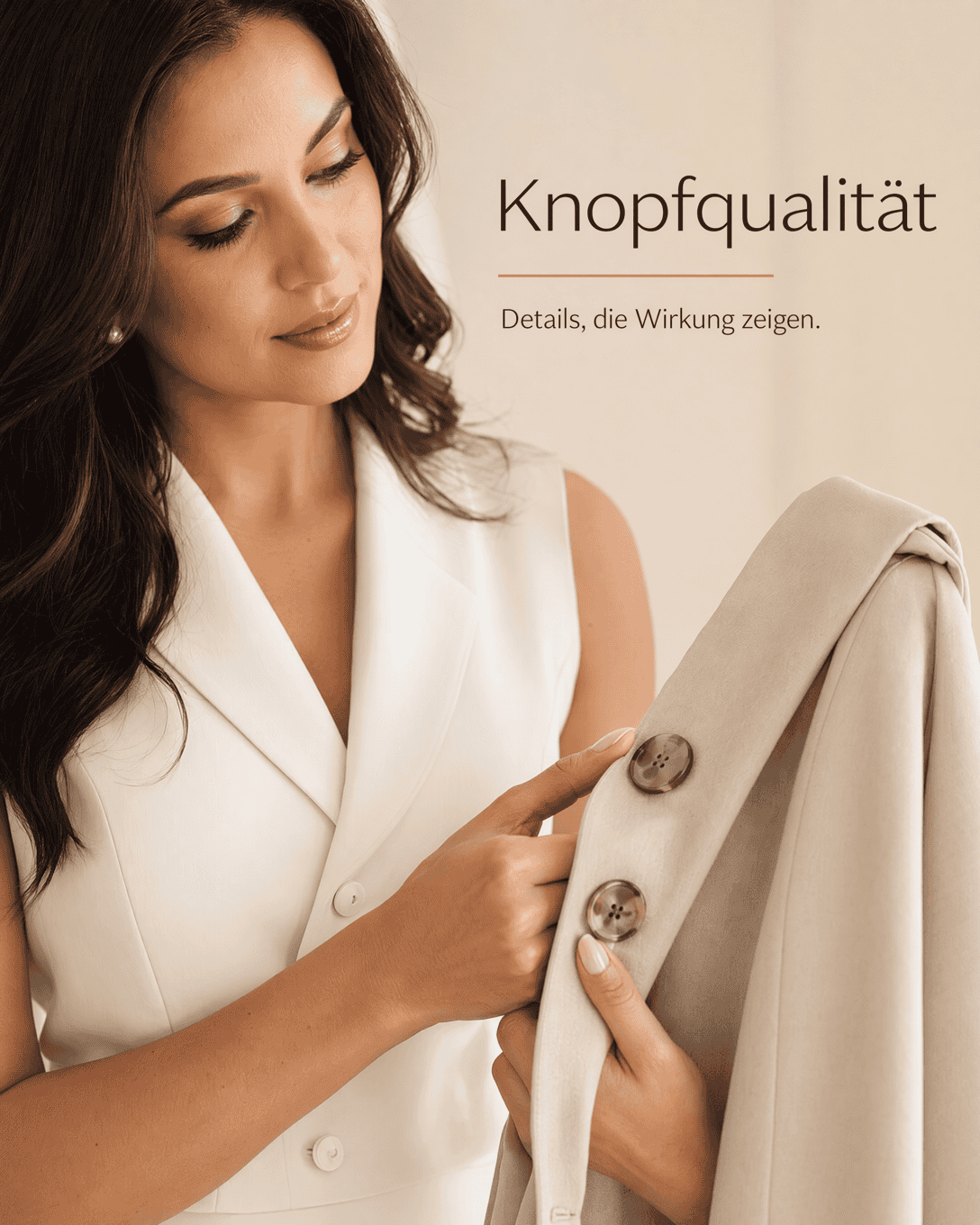
Button Quality Button quality describes the material, finish, attachment, and function of buttons. It is a useful indicator of garment construction, durability, comfort, and overall visual quality.
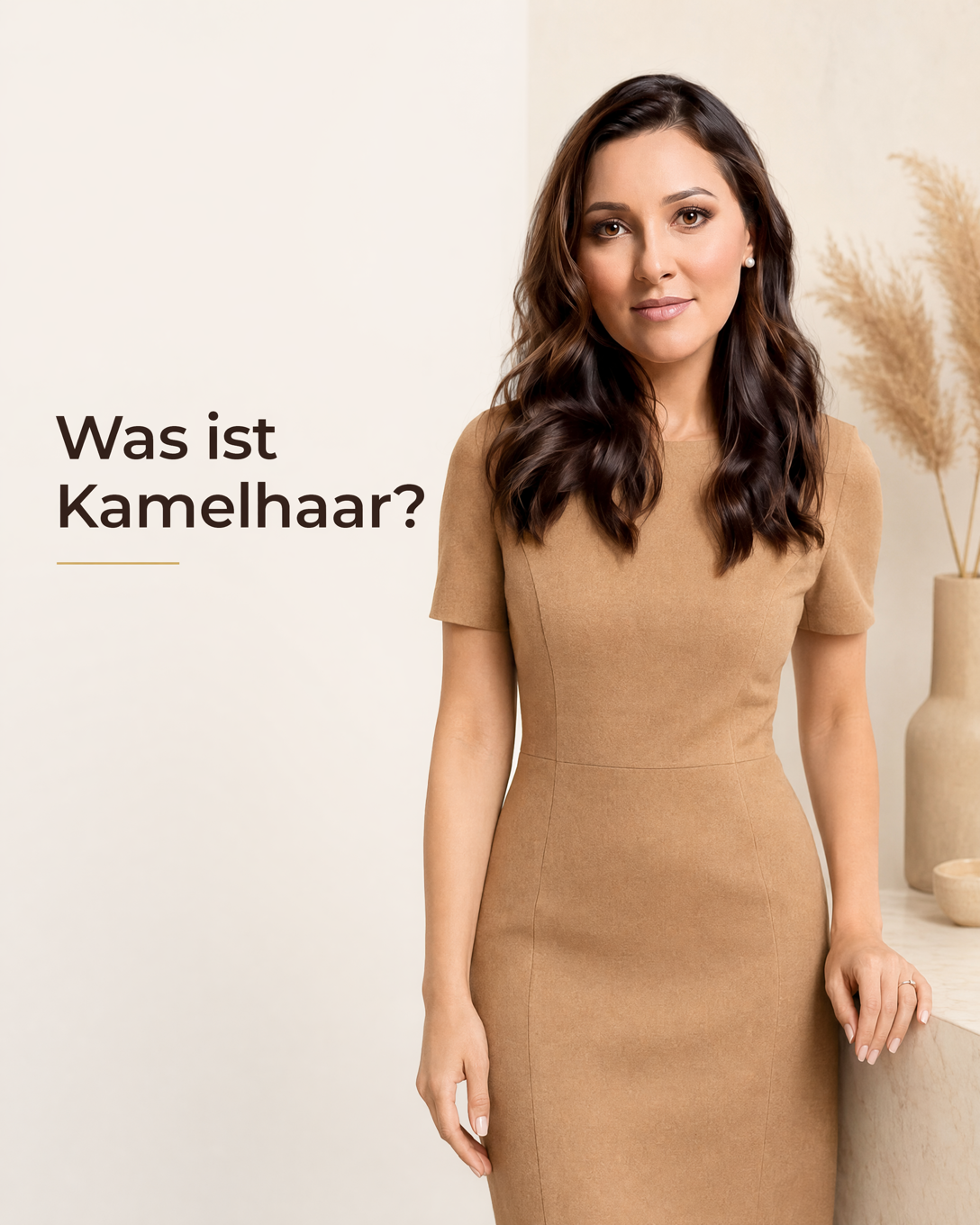
Camel Hair Camel hair is a fine, lightweight natural animal fiber valued for warmth, breathability, and its characteristic golden brown color. It is especially associated with refined coats and outerwear.
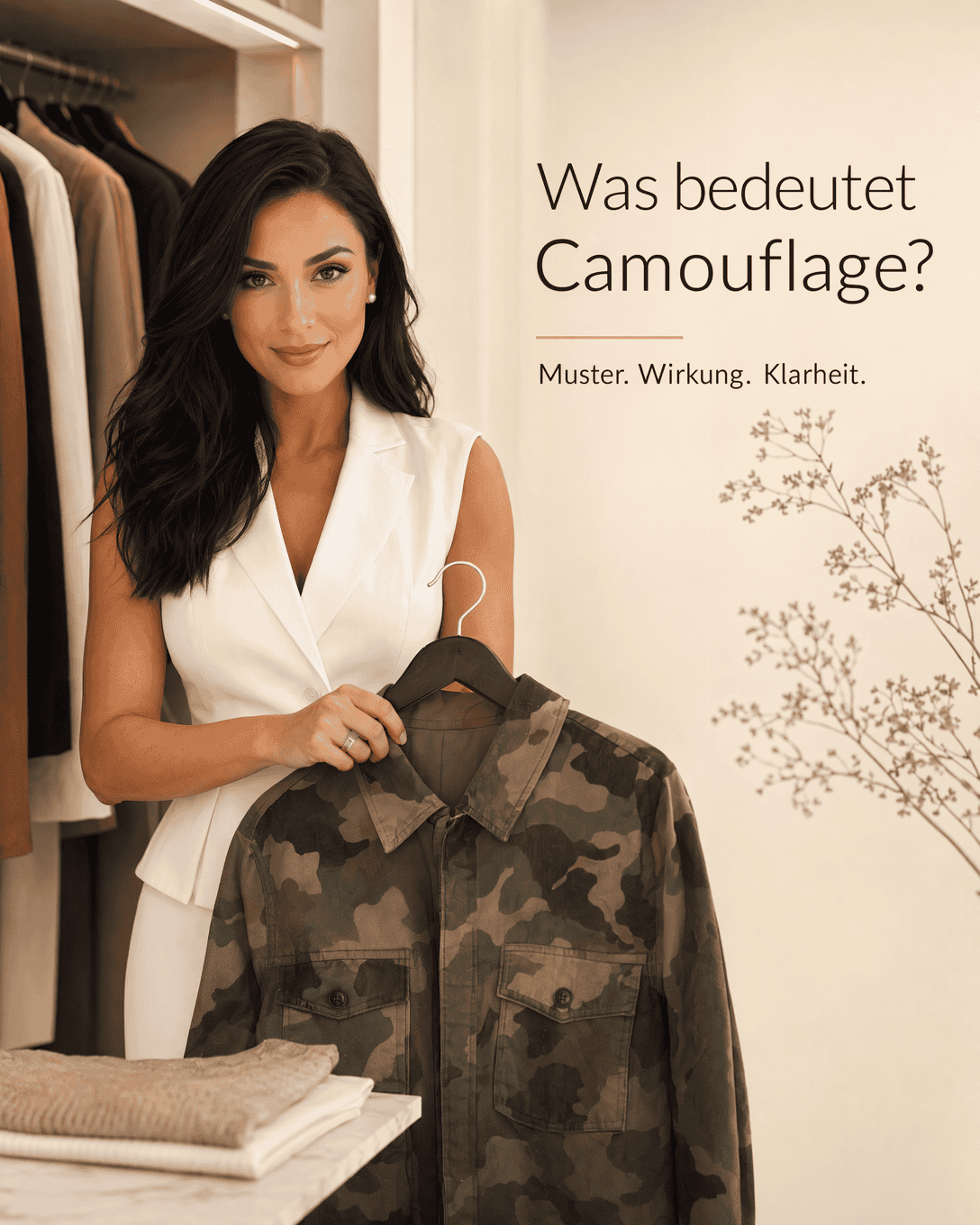
Camouflage Camouflage is a pattern inspired by military concealment, usually made from irregular patches of green, brown, black, beige, or other muted shades. In fashion, camouflage print adds a utilitarian, graphic, or streetwear-inspired accent to an outfit.
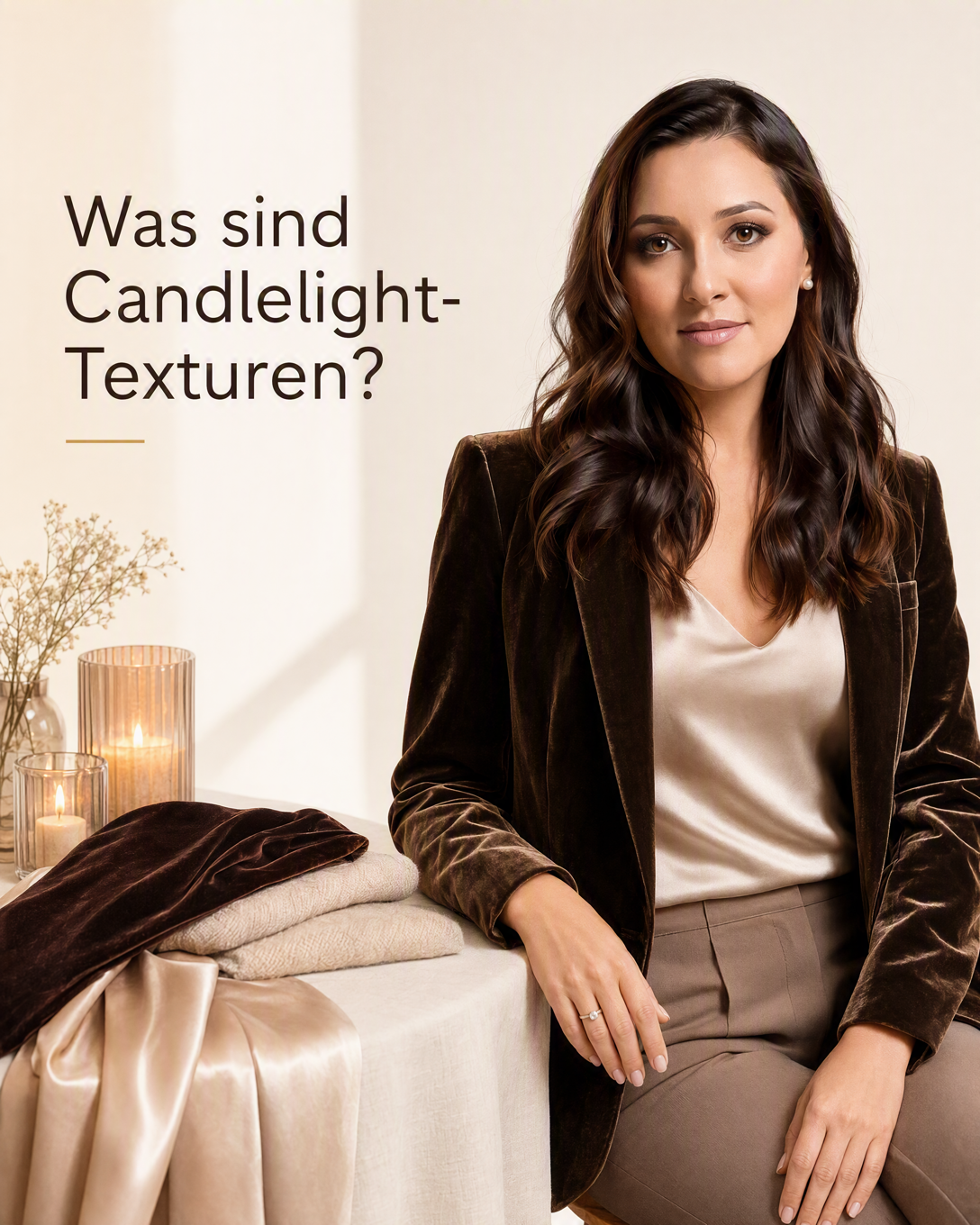
Candlelight Textures Candlelight textures are fabrics and surfaces that look especially warm, refined, and tactile in soft, dim lighting, such as silk, velvet, satin, and fine knitwear.
Canvas Fabric Canvas is a firm, durable woven fabric, usually made in plain weave. It is commonly used for jackets, trousers, shoes, bags, and hard-wearing everyday clothing.
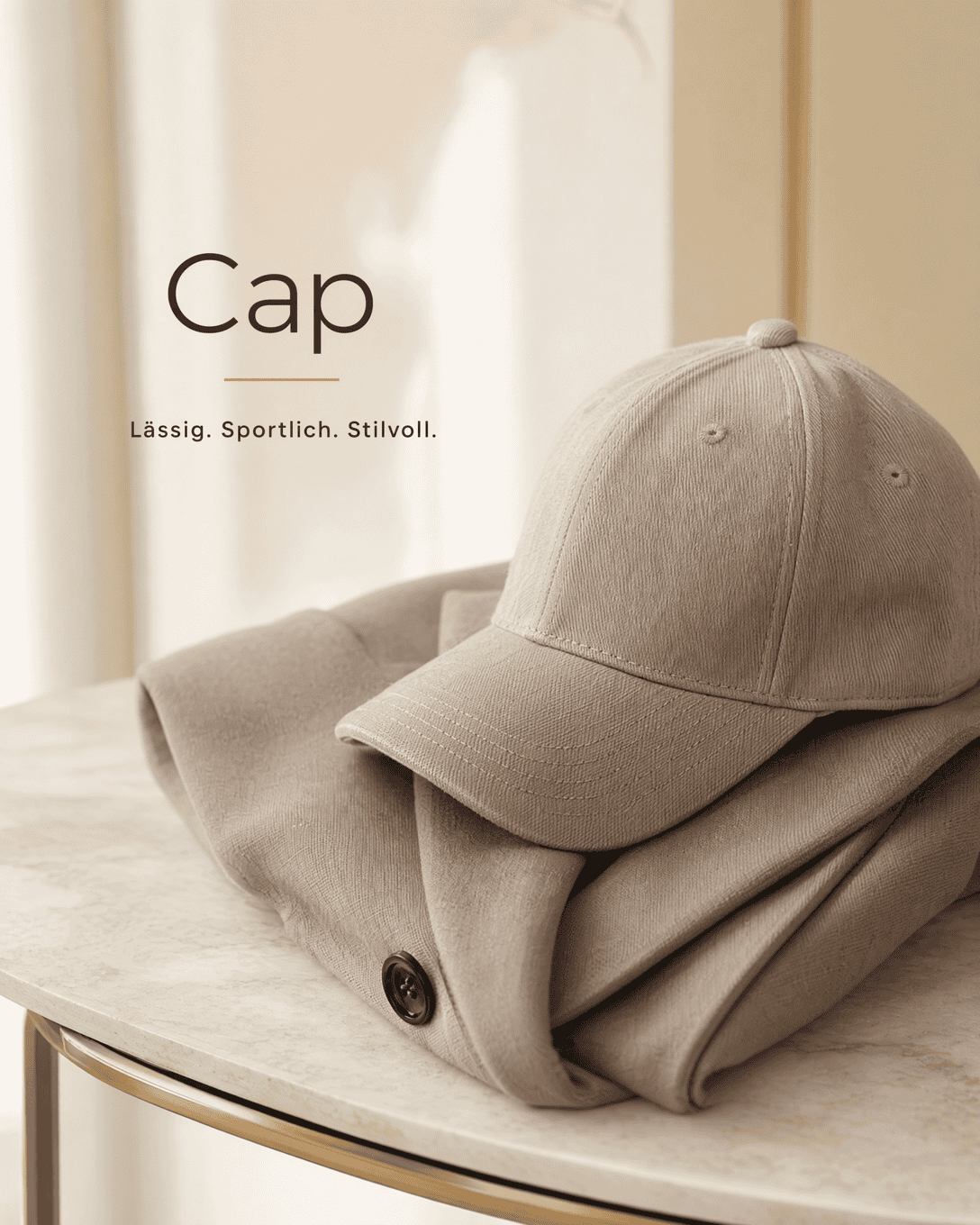
Cap A cap is a close-fitting hat, usually with a visor or brim, worn for sun protection, sport, utility, or as a casual styling accent.
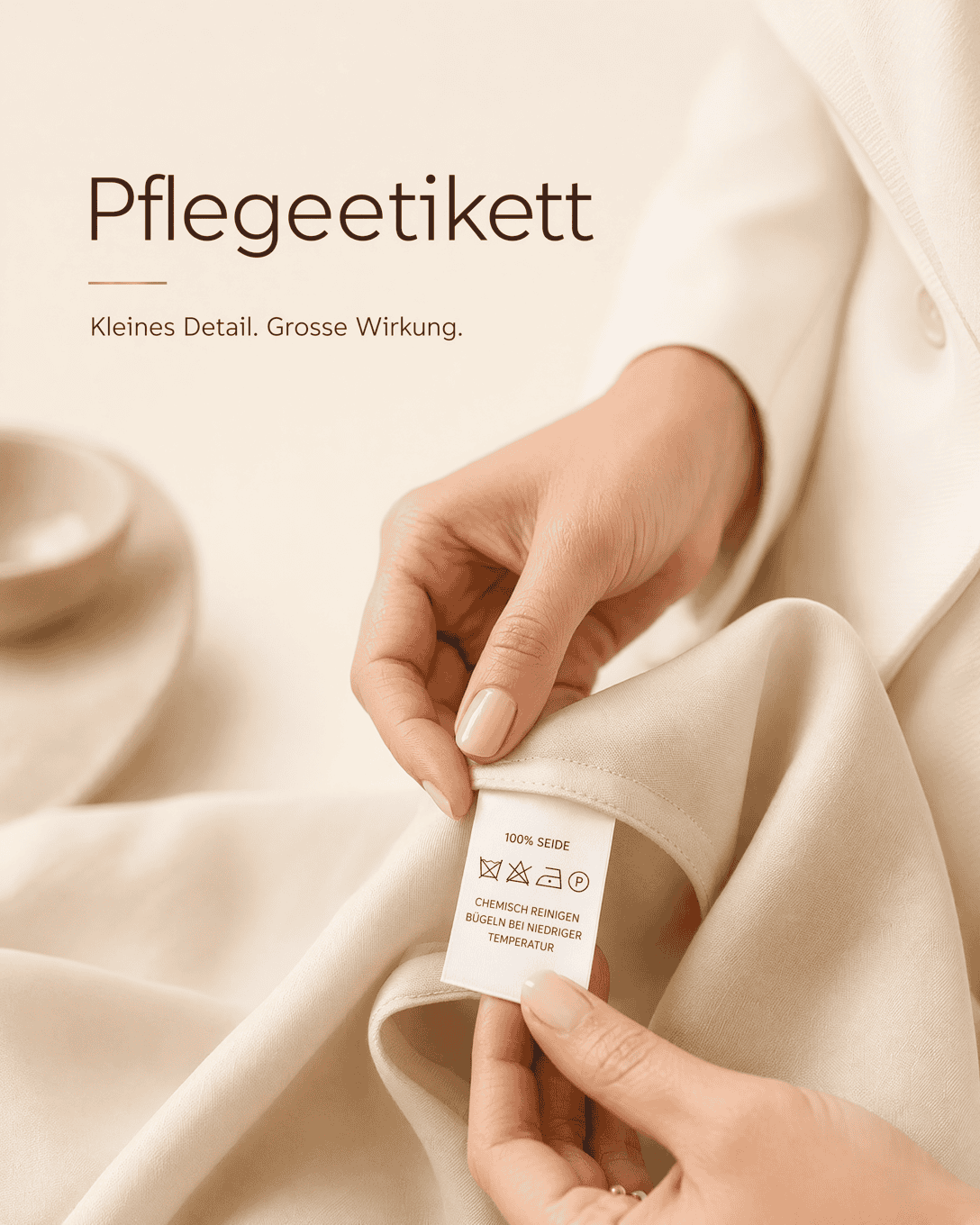
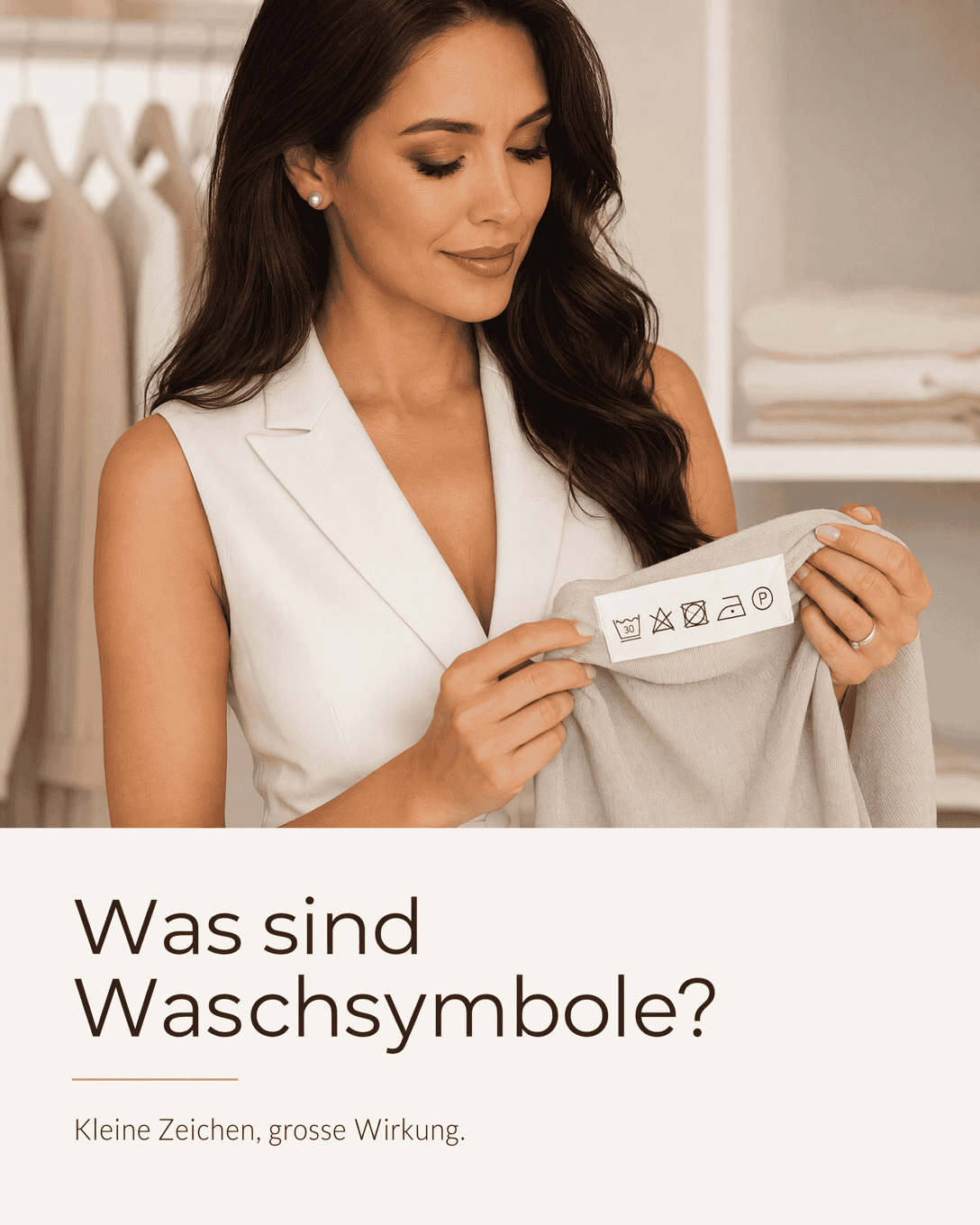
Care Label A care label gives instructions for washing, drying, ironing, bleaching, and professional cleaning so you can care for a garment appropriately.
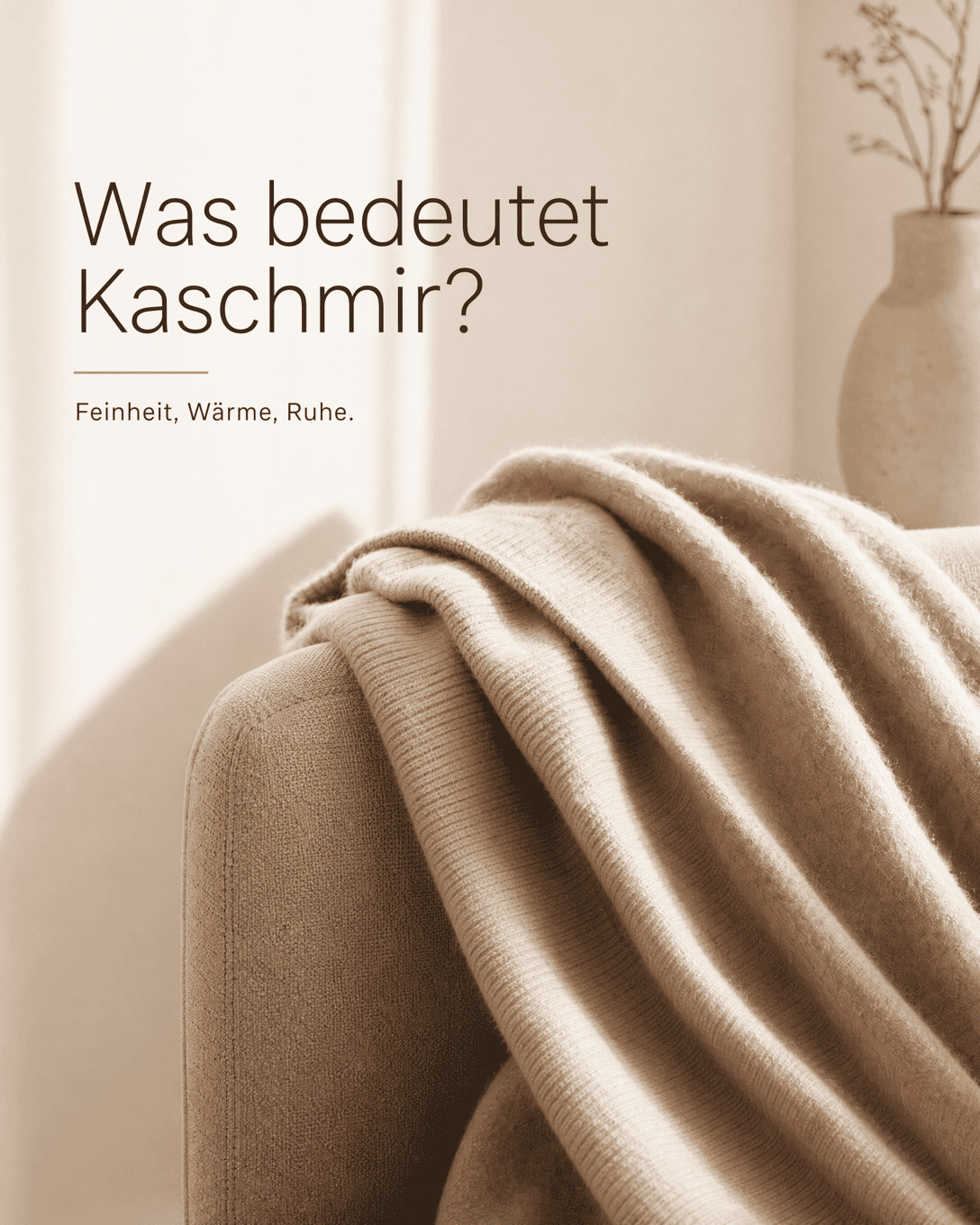
Cashmere Cashmere is a fine animal fiber made from the soft undercoat of cashmere goats. It is valued for its soft handfeel, light warmth, and refined appearance in knitwear and scarves.
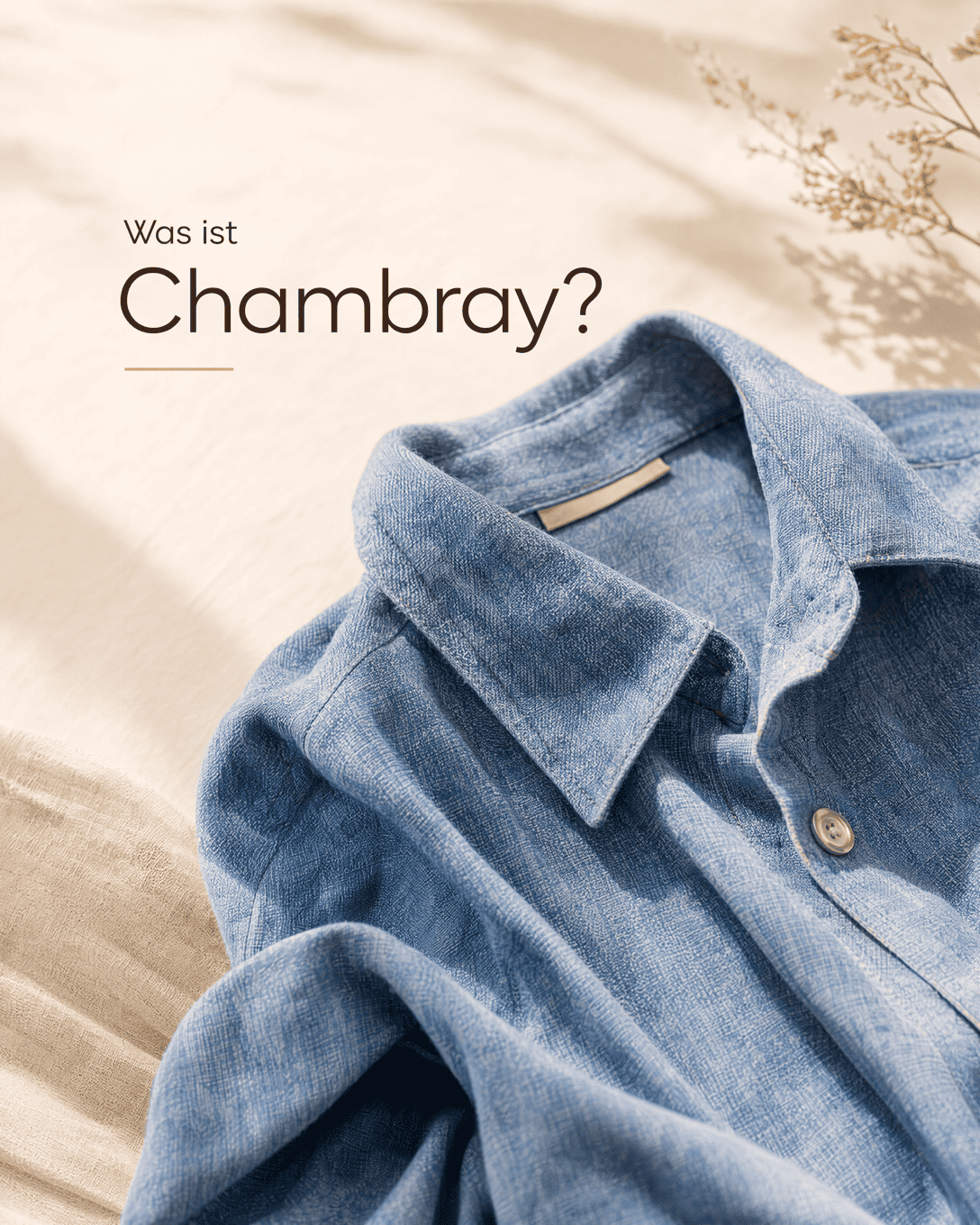
Chambray Chambray is a lightweight plain-woven fabric, usually made from cotton, with a colored warp and light weft that create its soft, denim-like appearance.
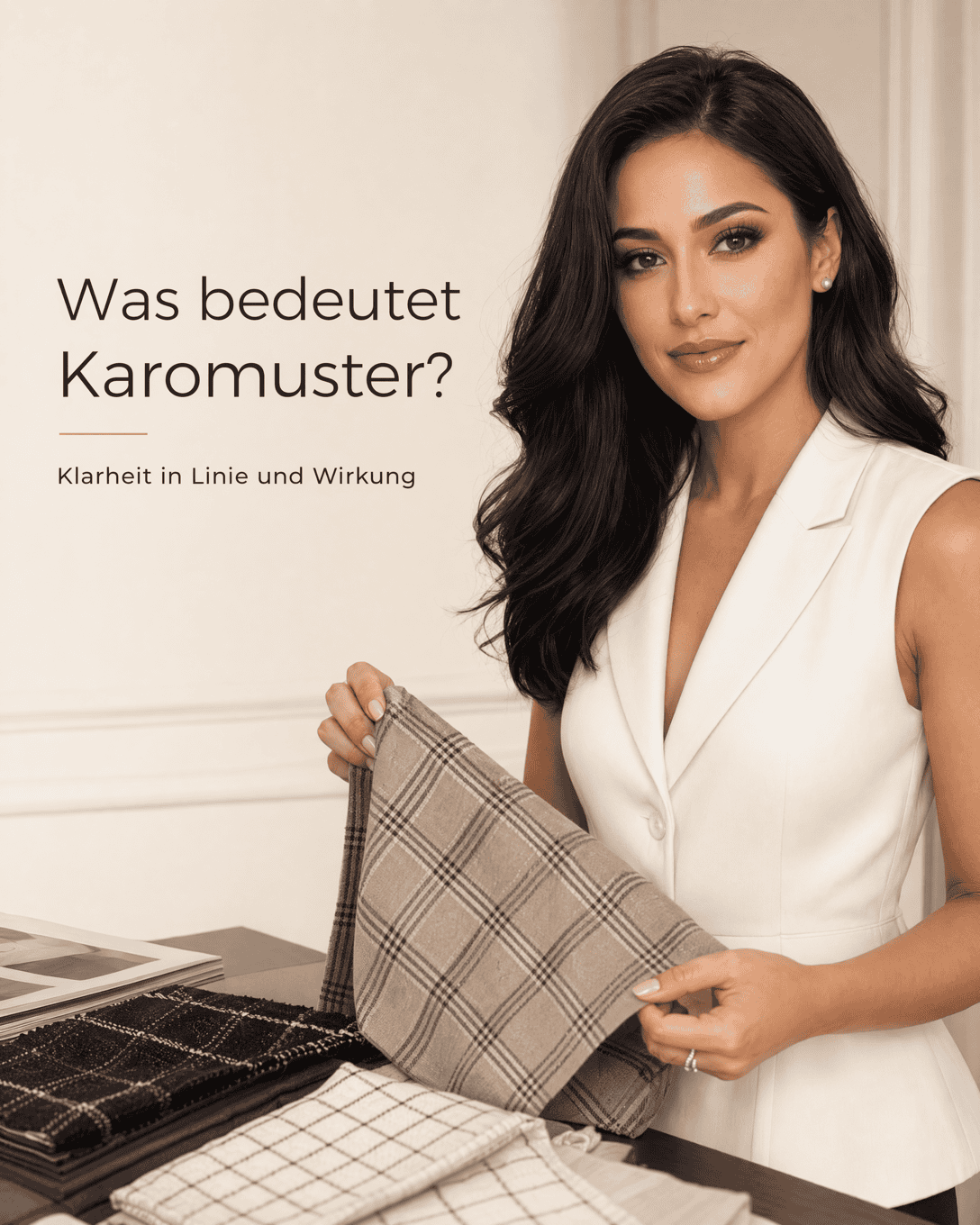
Check Pattern A check pattern is a textile design made from intersecting horizontal and vertical lines that create squares or rectangles. Learn how check patterns affect scale, proportion, outfit mood, and styling.
Chiffon Chiffon is a lightweight, sheer fabric with a soft, flowing drape. Learn how chiffon looks, feels, wears, and how to style and care for it.
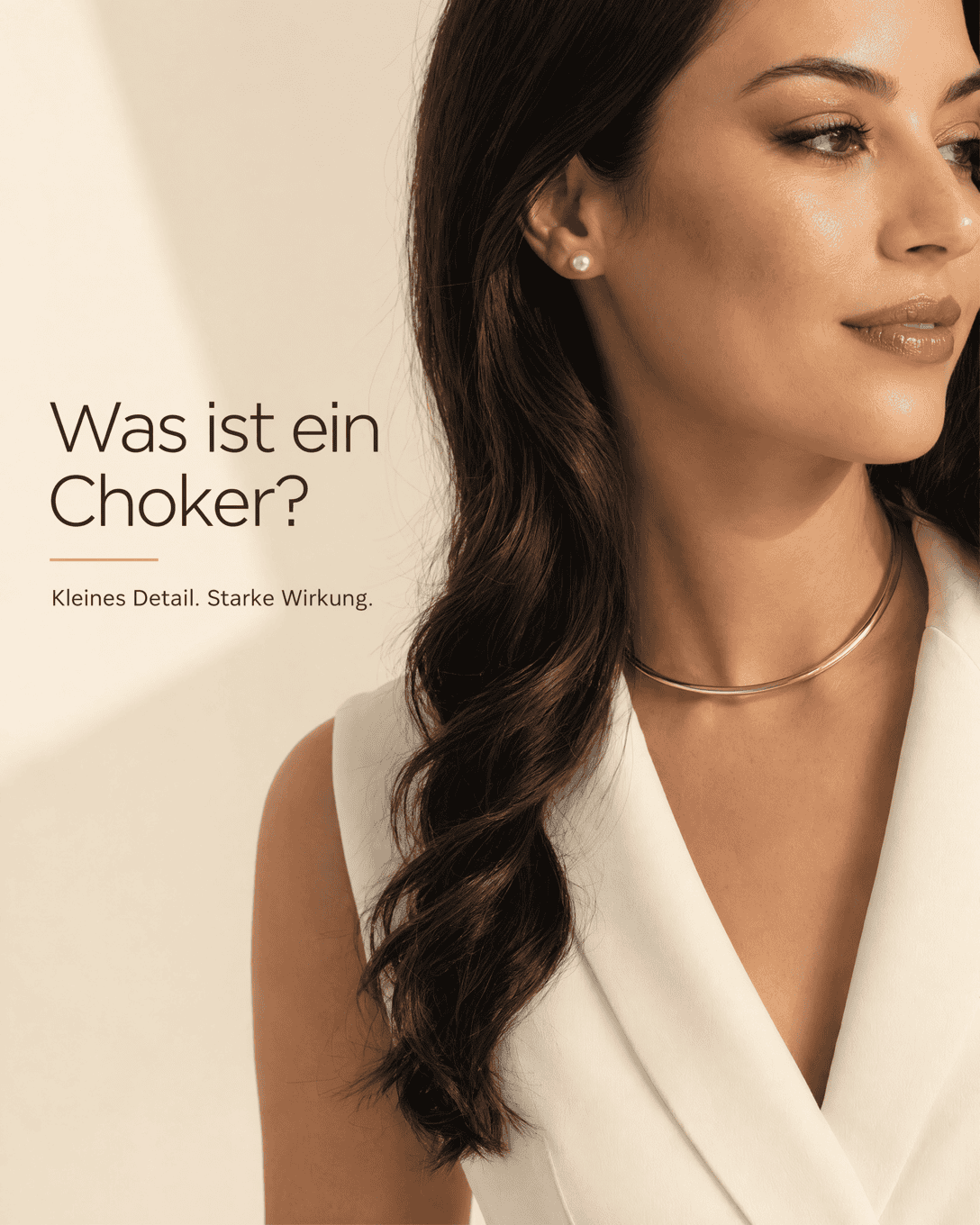
Choker A choker is a close-fitting necklace worn high on the neck. Learn how choker necklaces differ in width, material, fit, and styling effect.
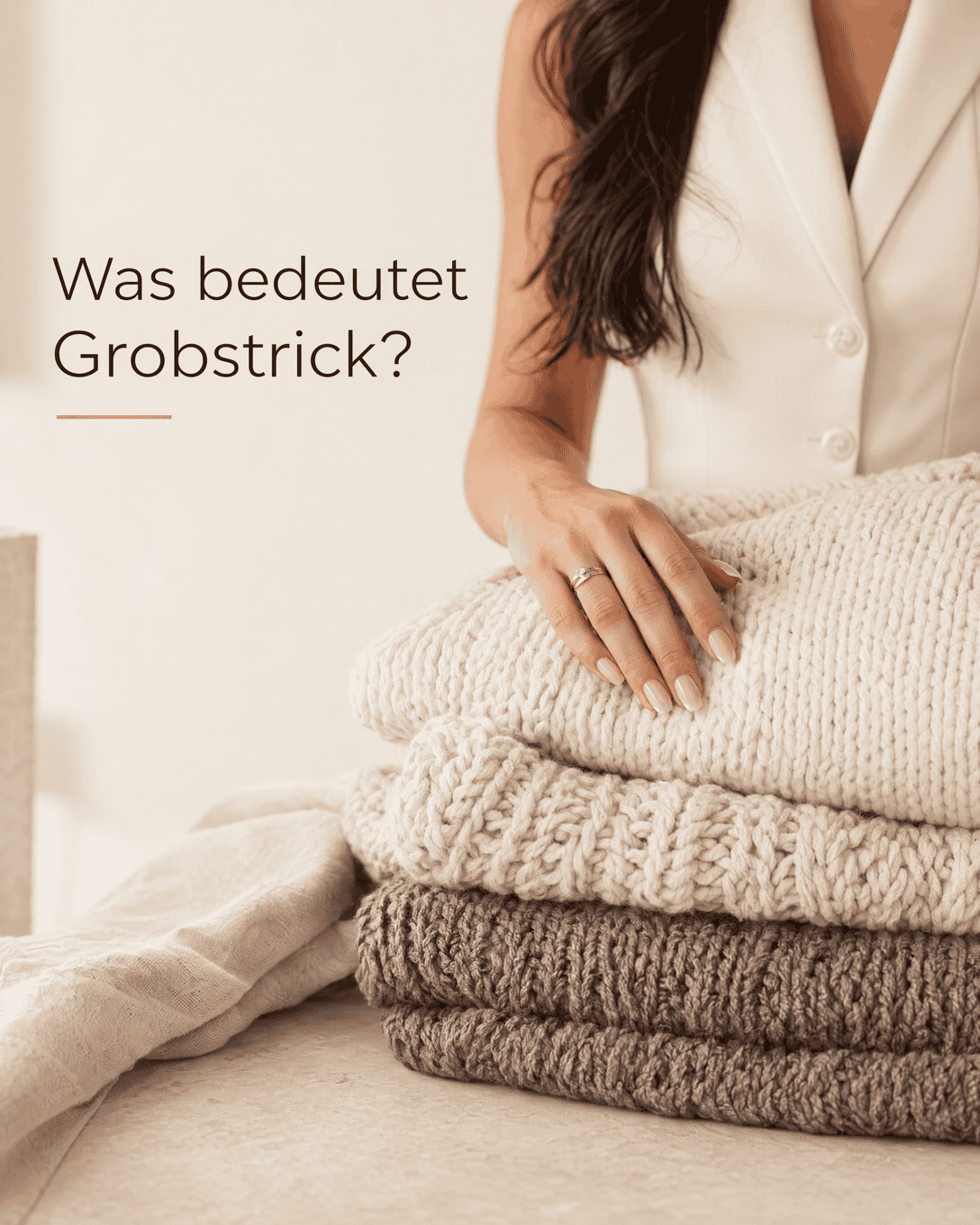
Chunky Knit Chunky knit is knitwear made with thick yarns or large stitches. It creates visible texture, warmth, volume, and a relaxed to statement-making outfit effect.
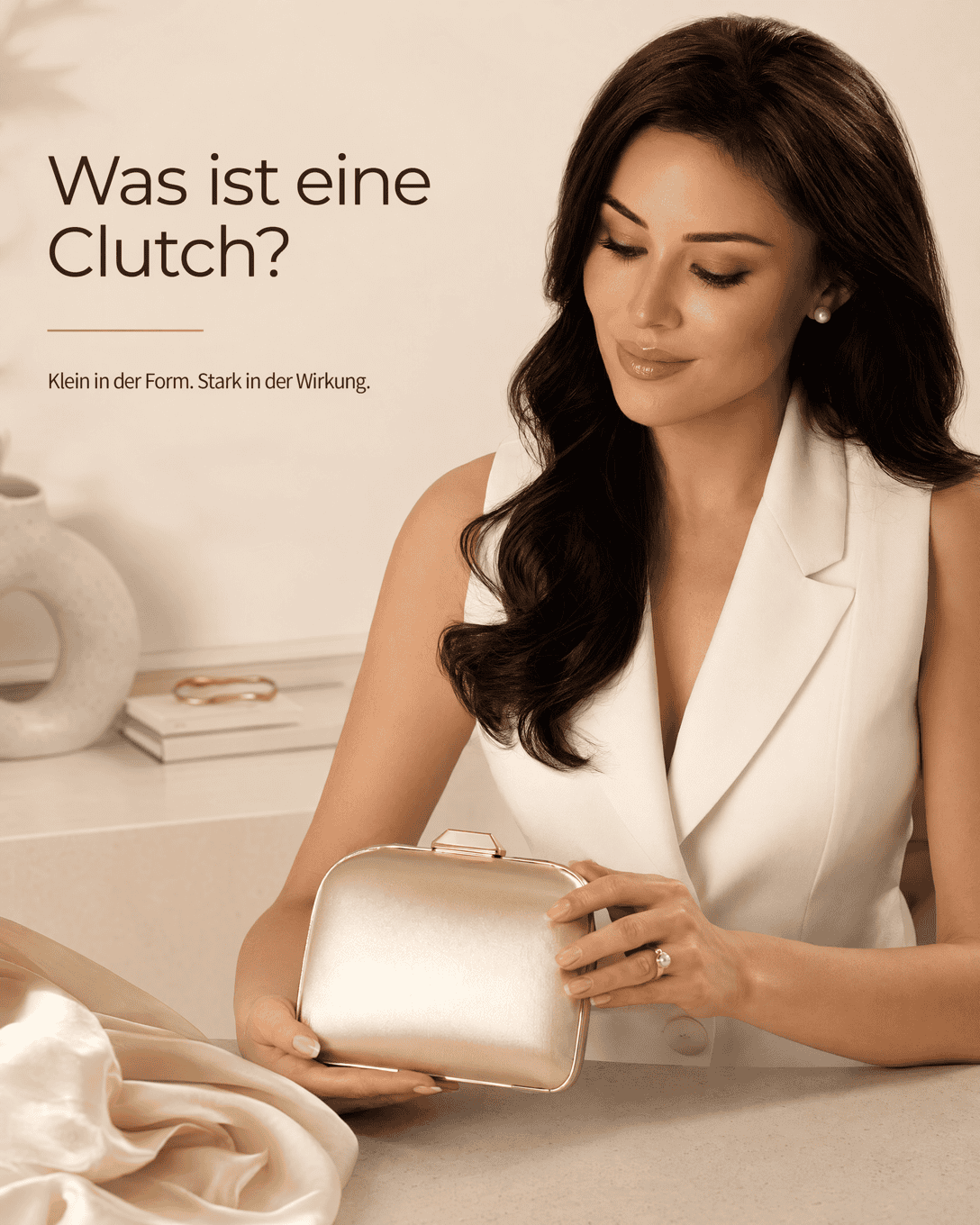
Clutch A clutch is a small handheld bag, usually without a long strap, designed to carry essentials for evening events, formal occasions, and polished daytime looks.
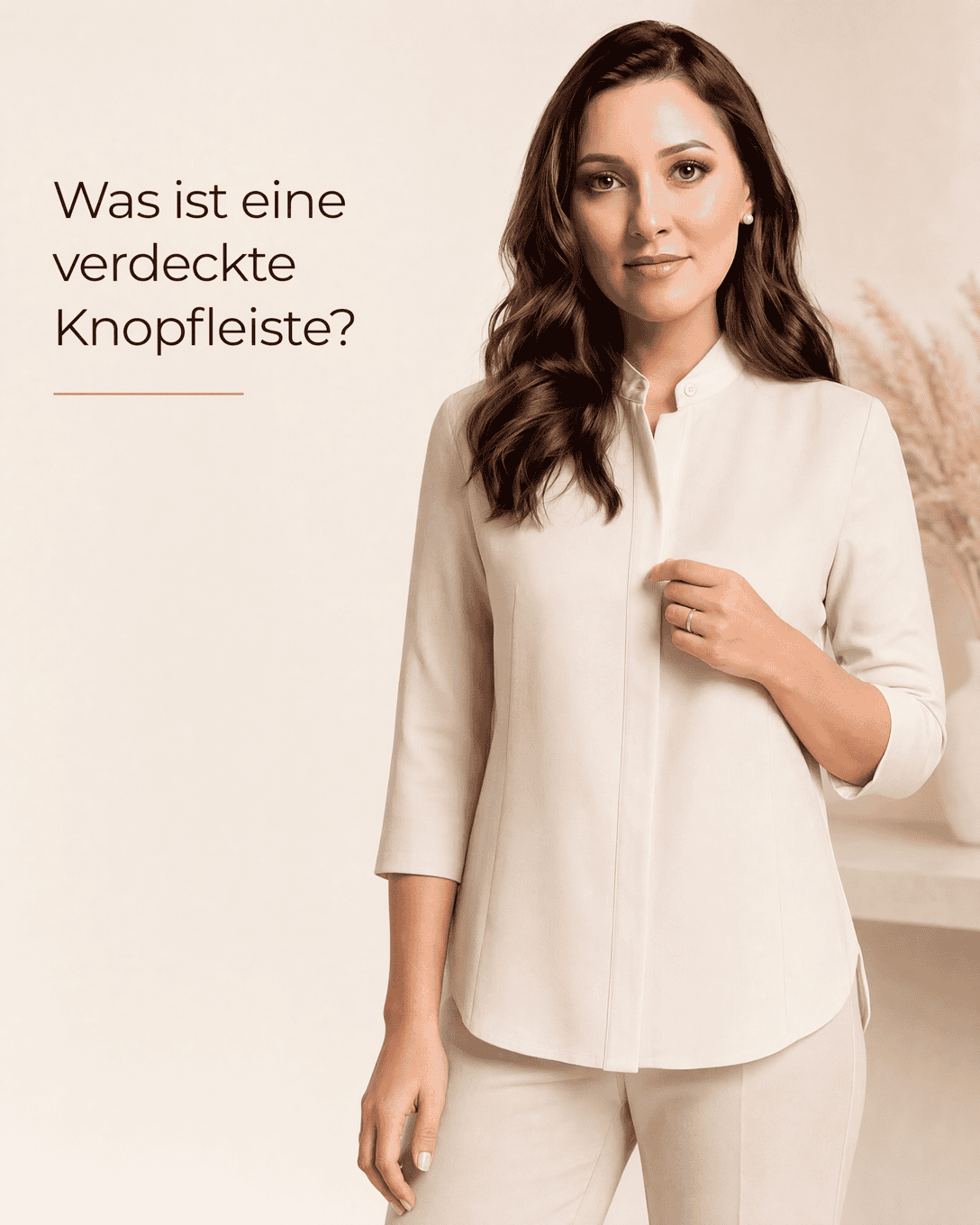
Concealed Placket A concealed placket is a button fastening hidden beneath a fabric overlap. It creates a clean, uninterrupted front on shirts, blouses, dresses, and jackets.
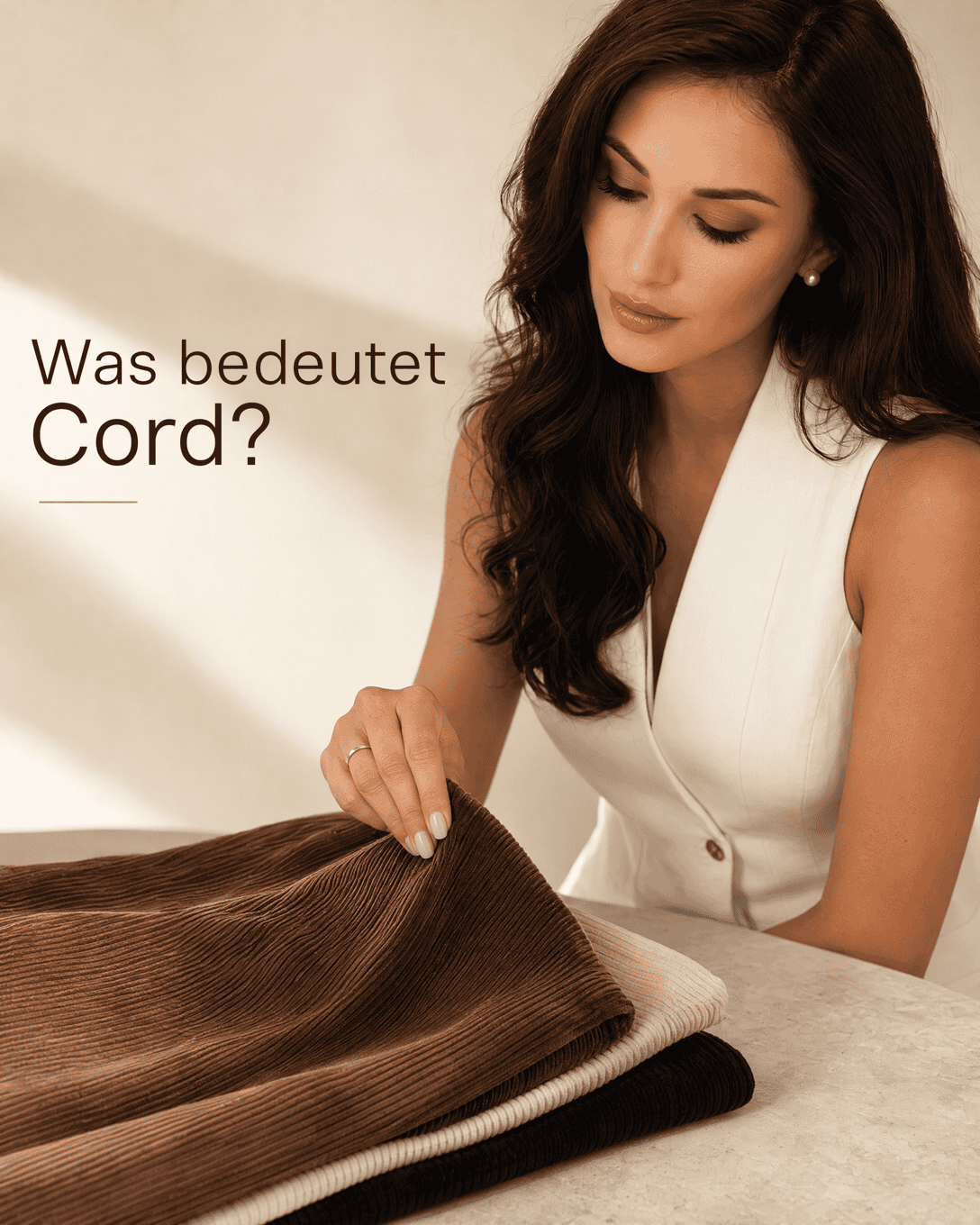
Corduroy Corduroy is a woven fabric with distinctive raised ribs, called wales. Learn how corduroy feels, how to style it, and what to consider when buying and caring for it.
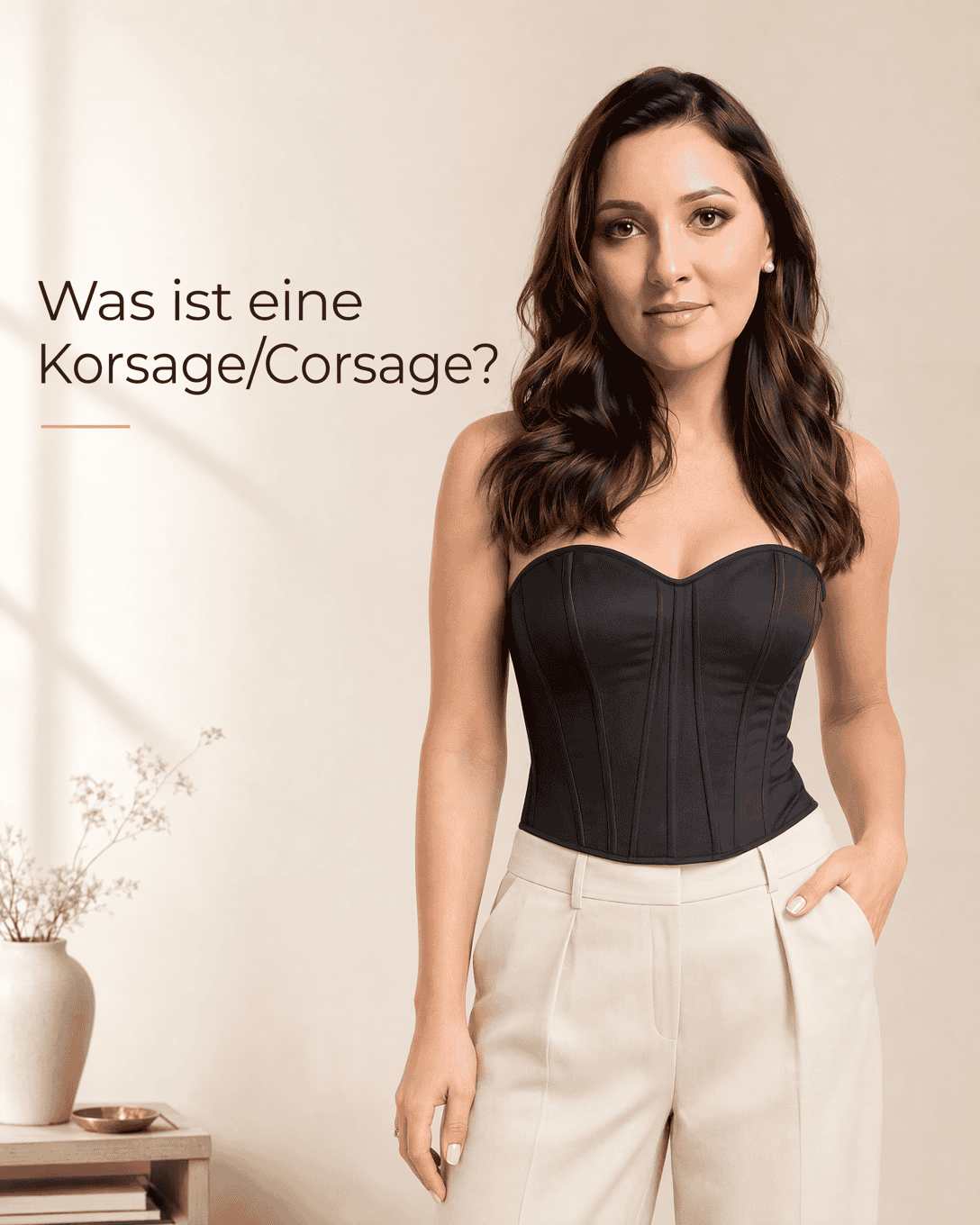
Corsage A corsage is a structured, close-fitting bodice or top designed to shape and support the torso. Learn how corsages differ from corsets and bustiers, how they fit, and how to style them.
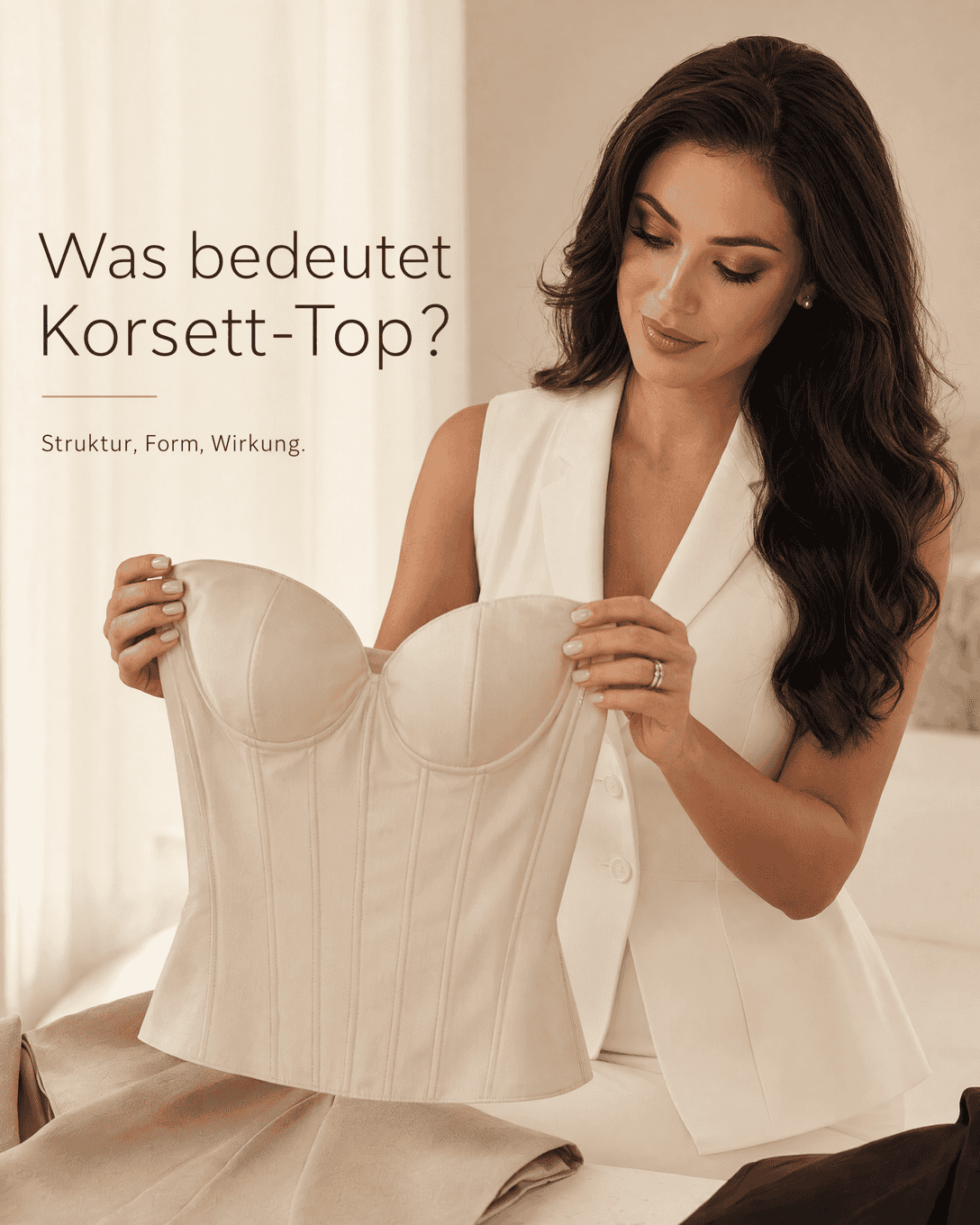
Corset Top A corset top is a structured top inspired by corsetry, often defined by shaping seams, boning, lacing, or a fitted bodice. Learn how corset tops fit, how to style them, and what to consider for comfort.
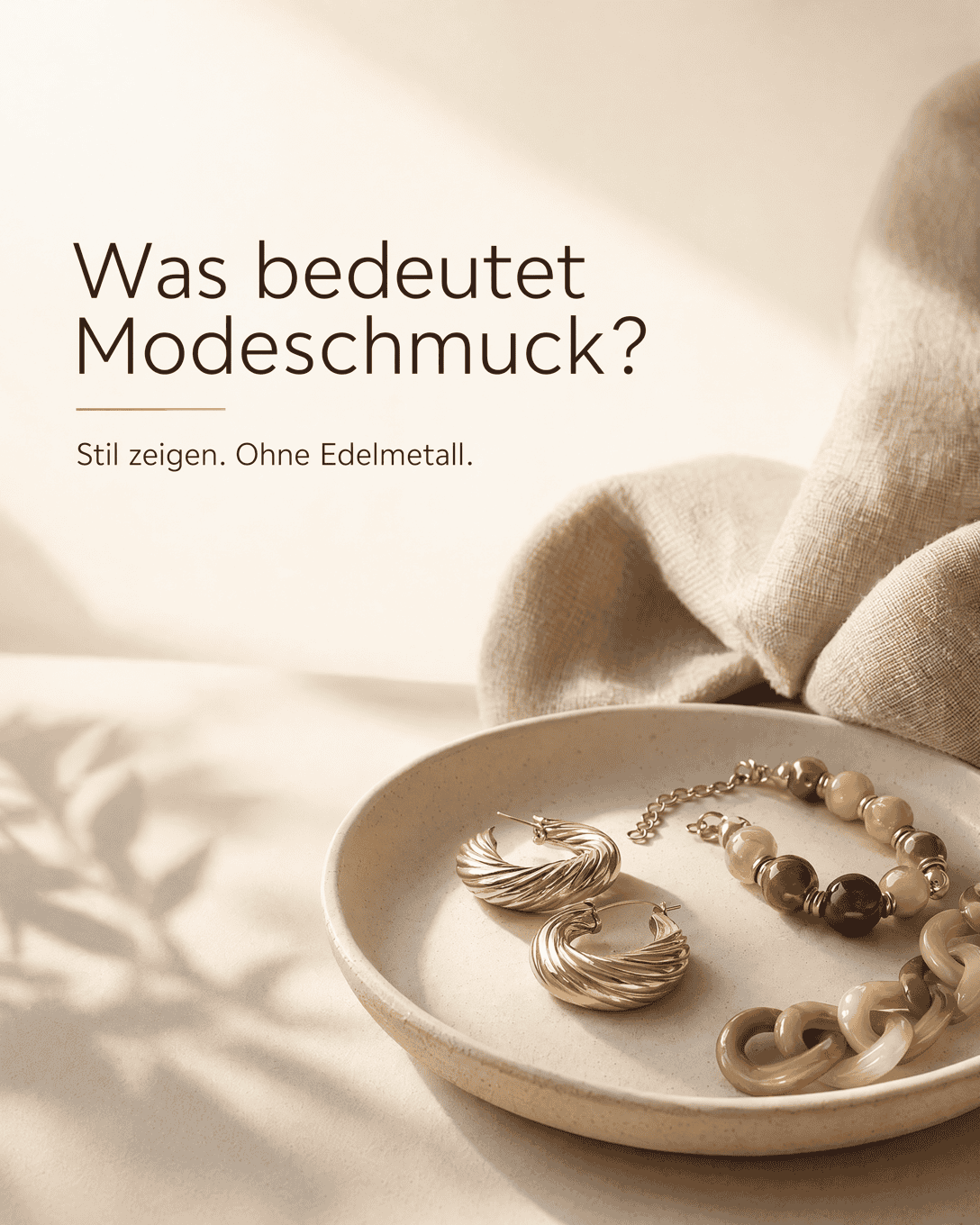
Costume Jewelry Costume jewelry is fashion jewelry made primarily for decorative impact rather than from precious metals or gemstones. Learn how to recognize it, style it, and care for it.
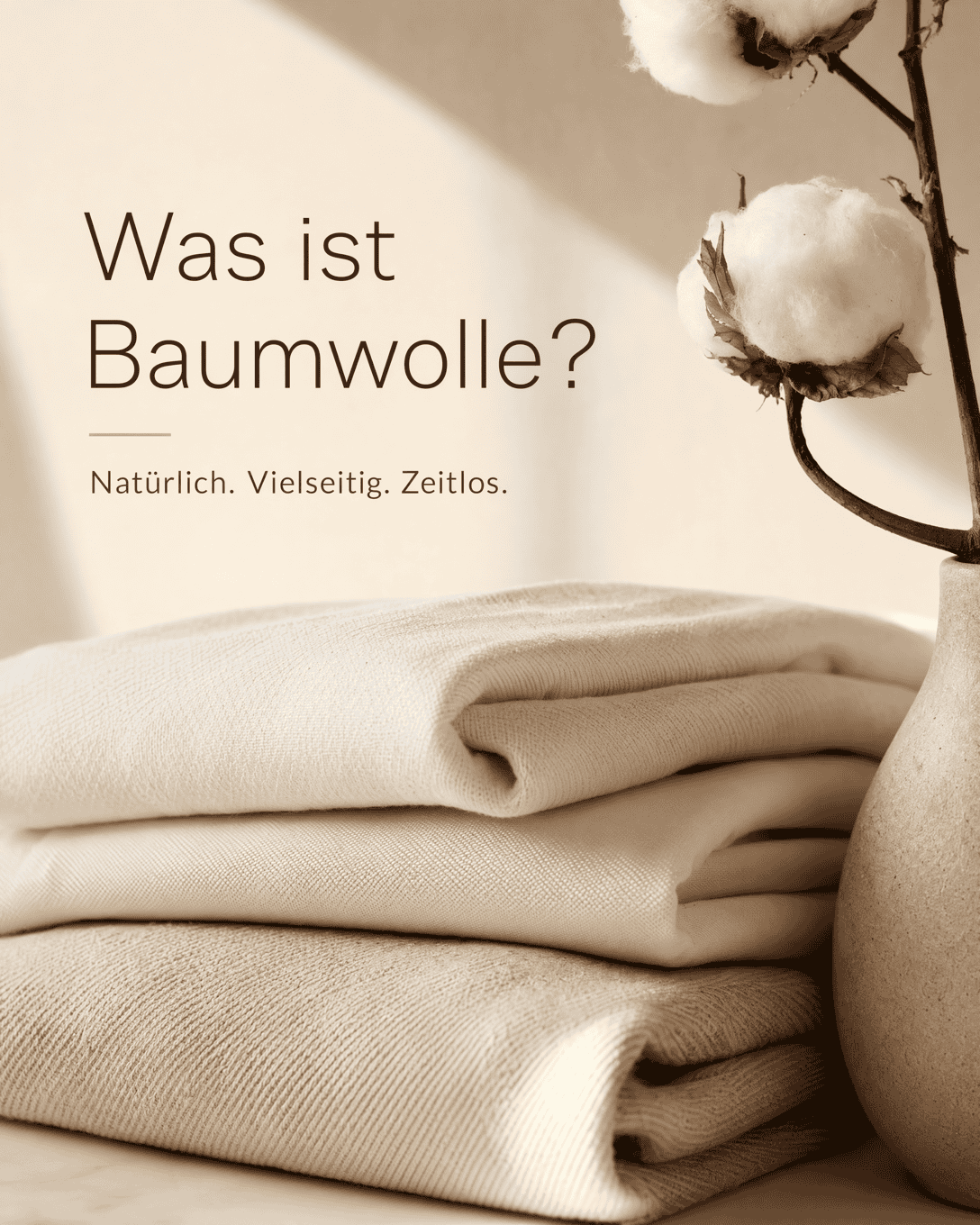
Cotton Cotton is a natural plant fiber valued for its soft feel, absorbency, and versatility. Learn how cotton fabric affects comfort, texture, care, and wardrobe choices.
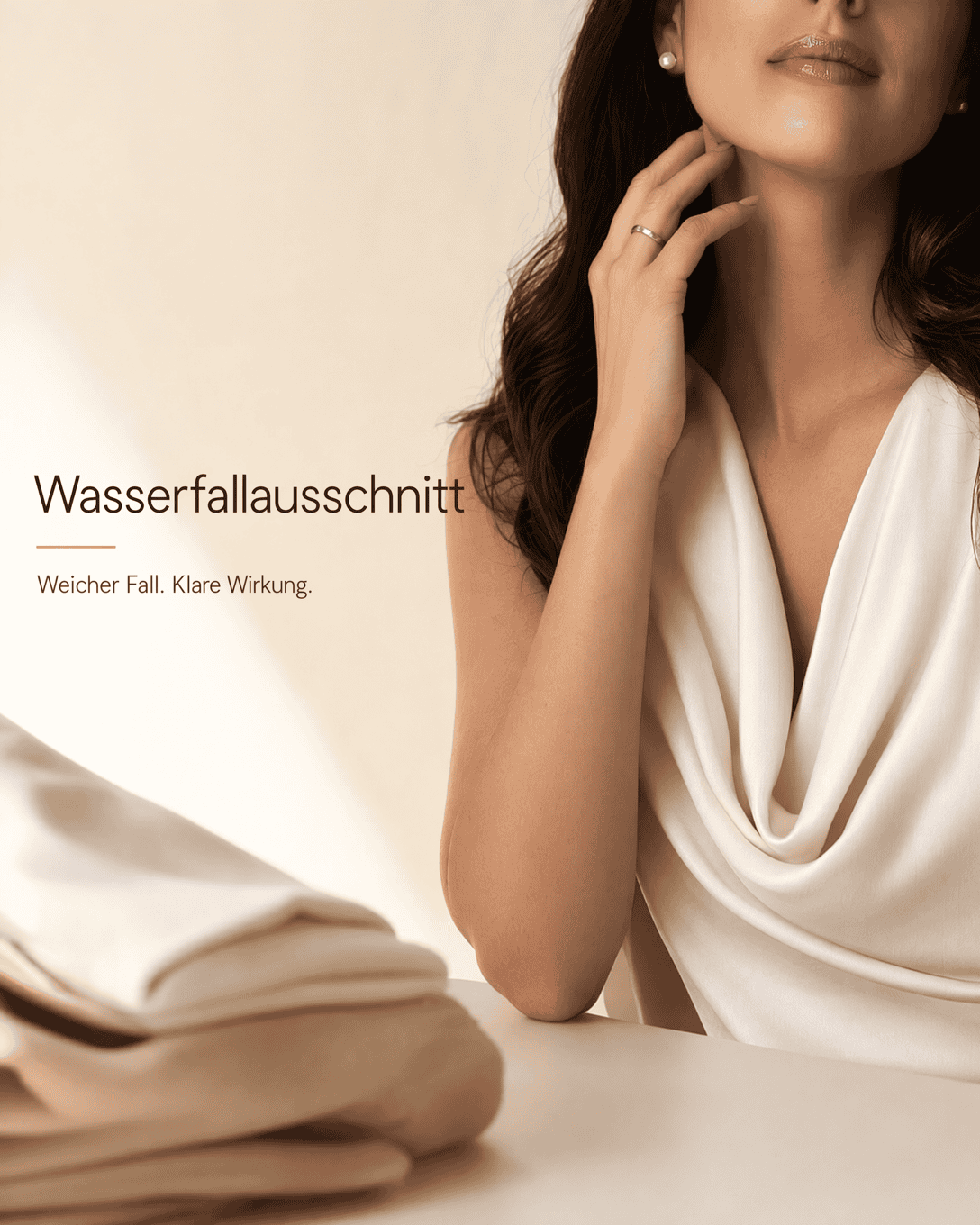
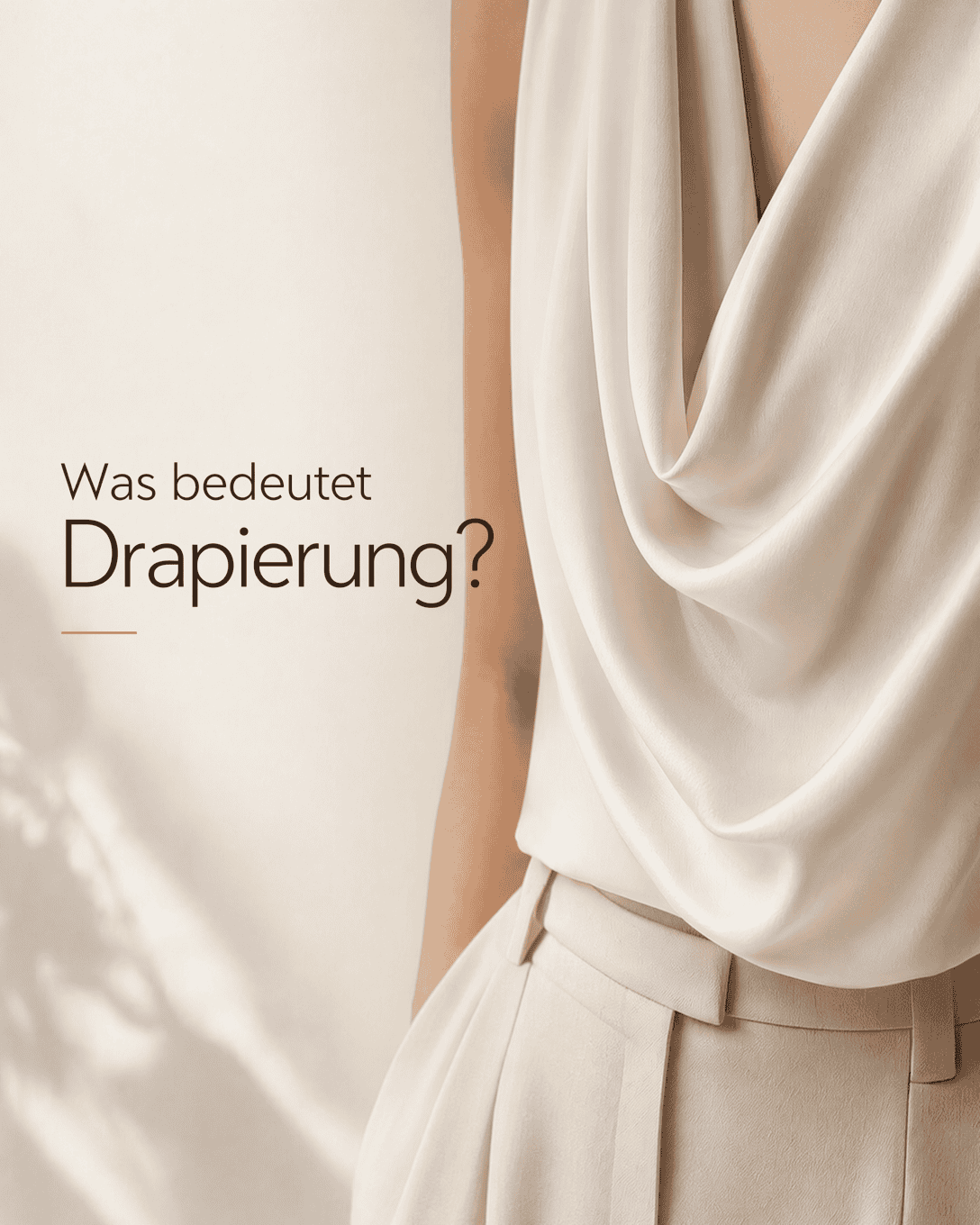
Cowl Neck A cowl neck is a softly draped neckline that falls in loose folds. Learn how this neckline affects silhouette, fit, fabric choice, and styling.
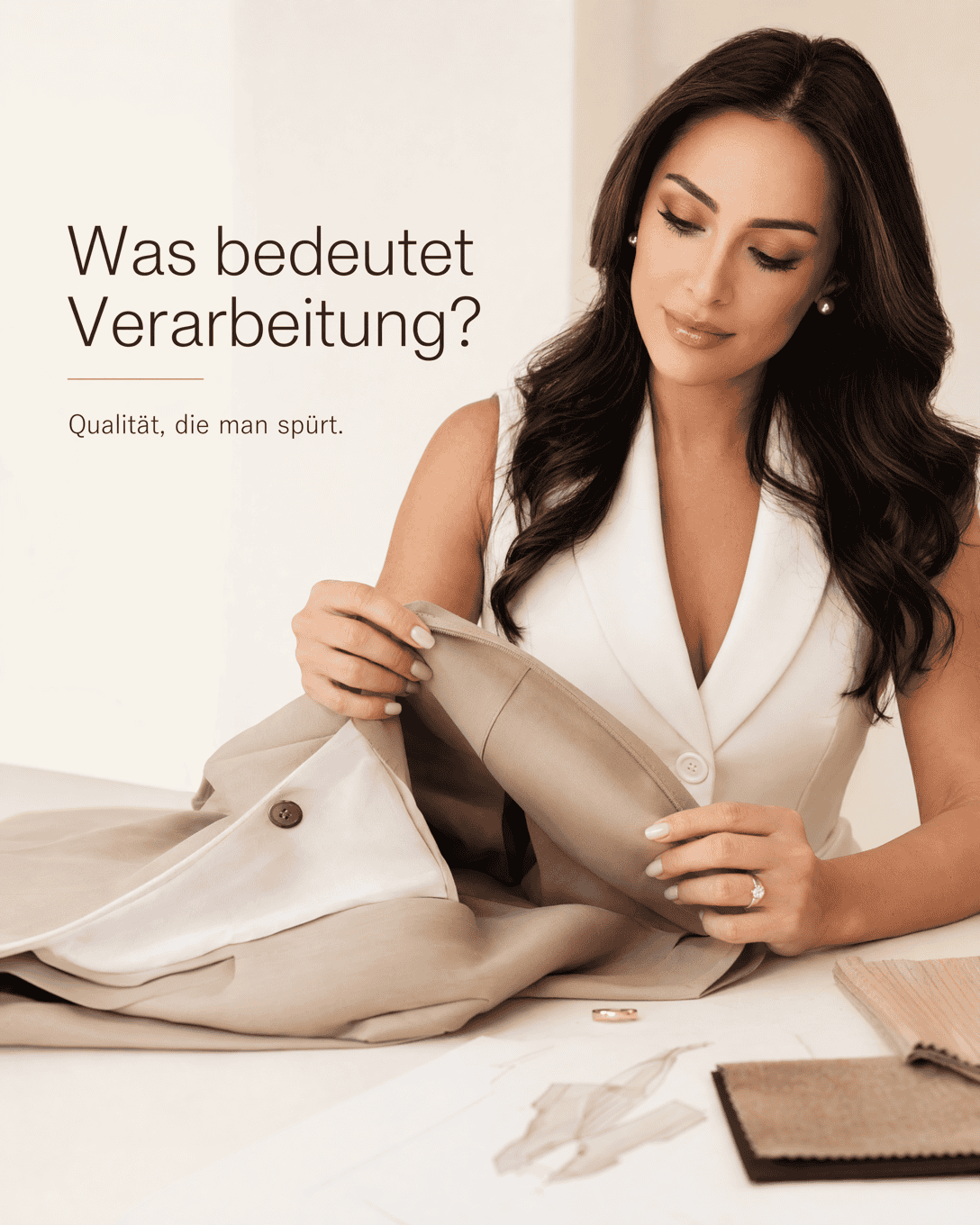
Craftsmanship Craftsmanship in fashion describes how well a garment is made, from its materials and stitching to its construction, finish, fit, and durability.
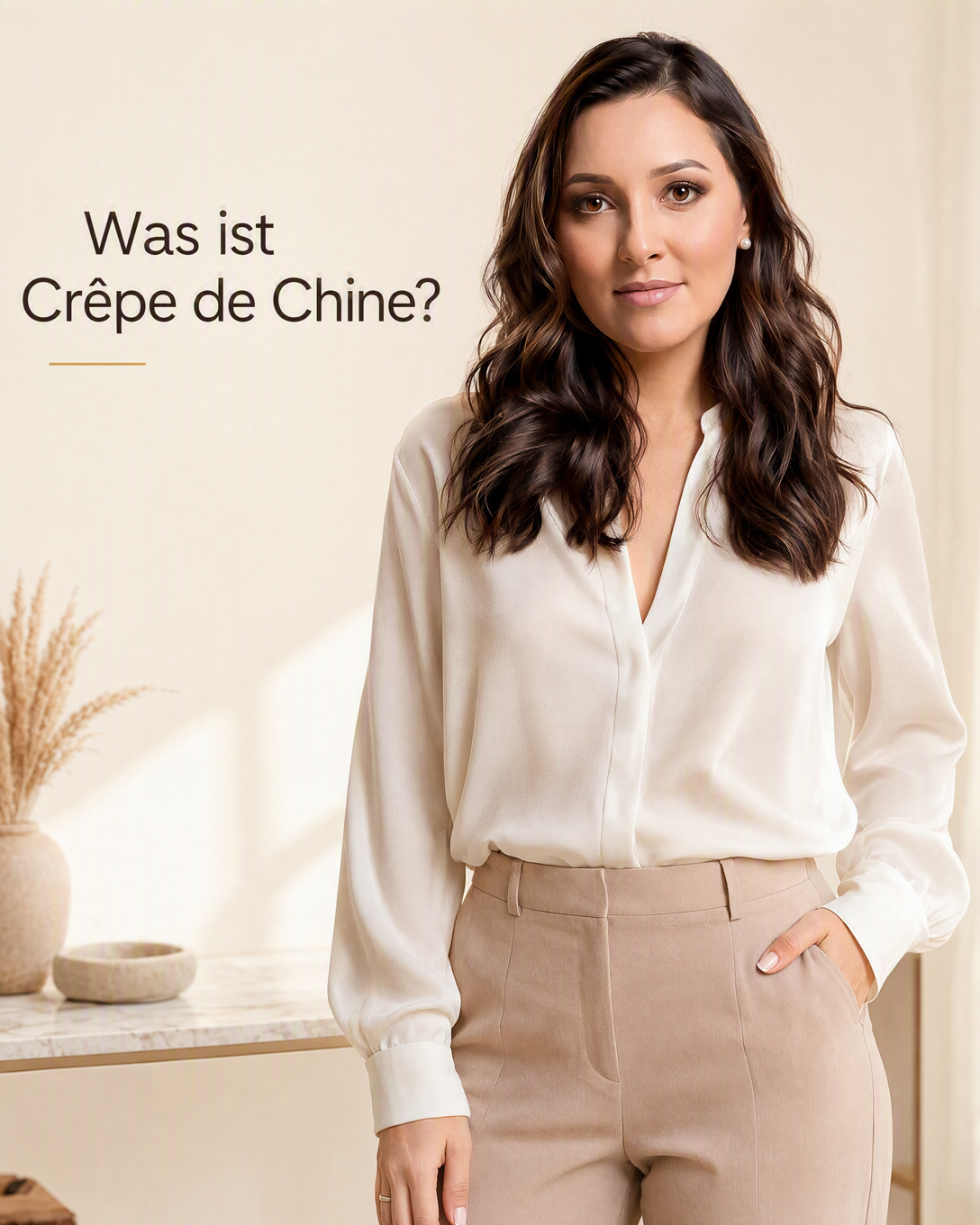
Crêpe de Chine Crêpe de Chine is a fine, lightweight silk fabric with a softly textured surface, gentle sheen, and fluid drape. It is widely used for elegant blouses, dresses, scarves, and refined layering pieces.
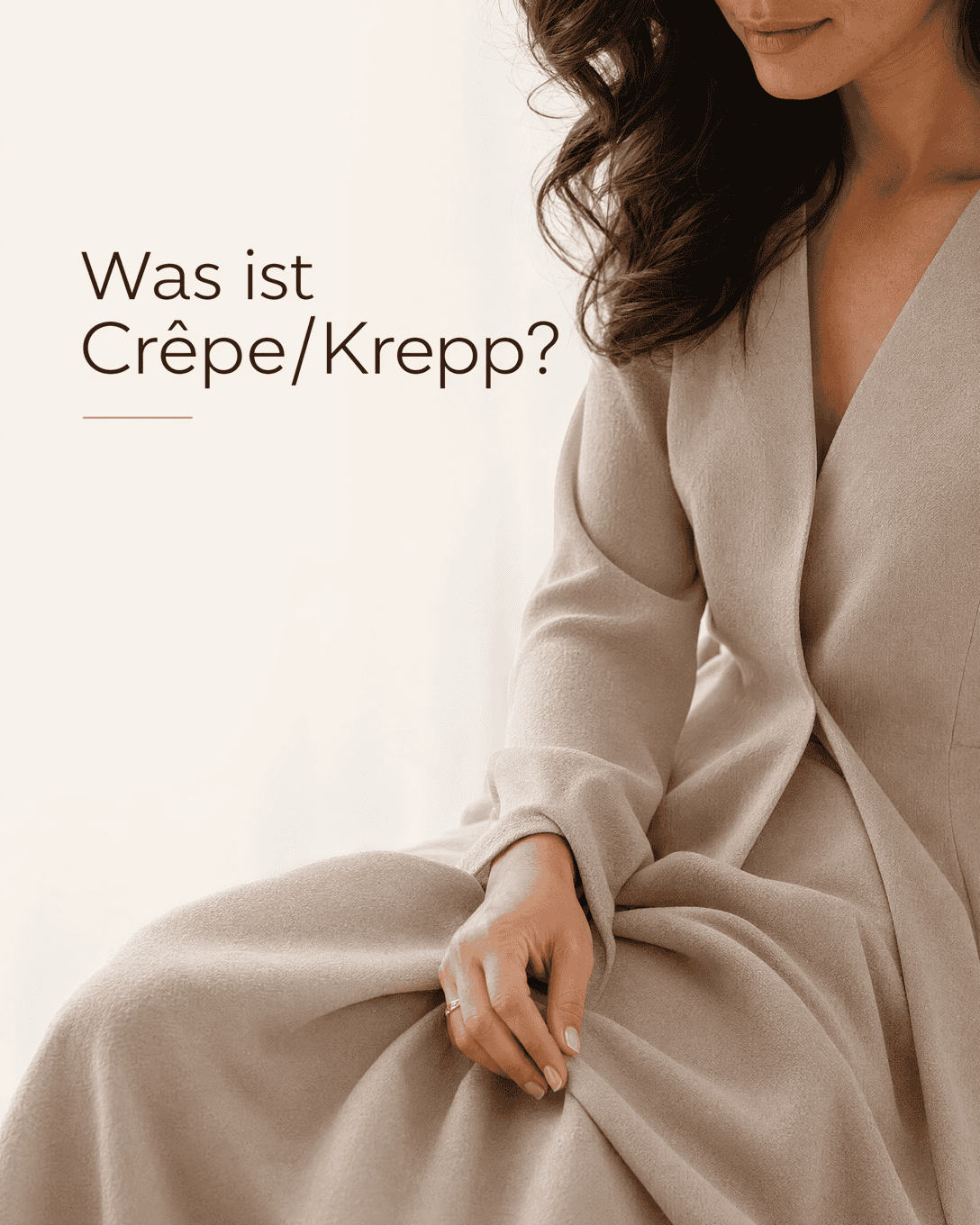
crepe/crepe Crepe, also spelled crêpe, is a fabric family known for its finely grainy or crimped surface, soft drape, and elegant matte appearance. Learn how crepe differs by fiber, weight, and use.
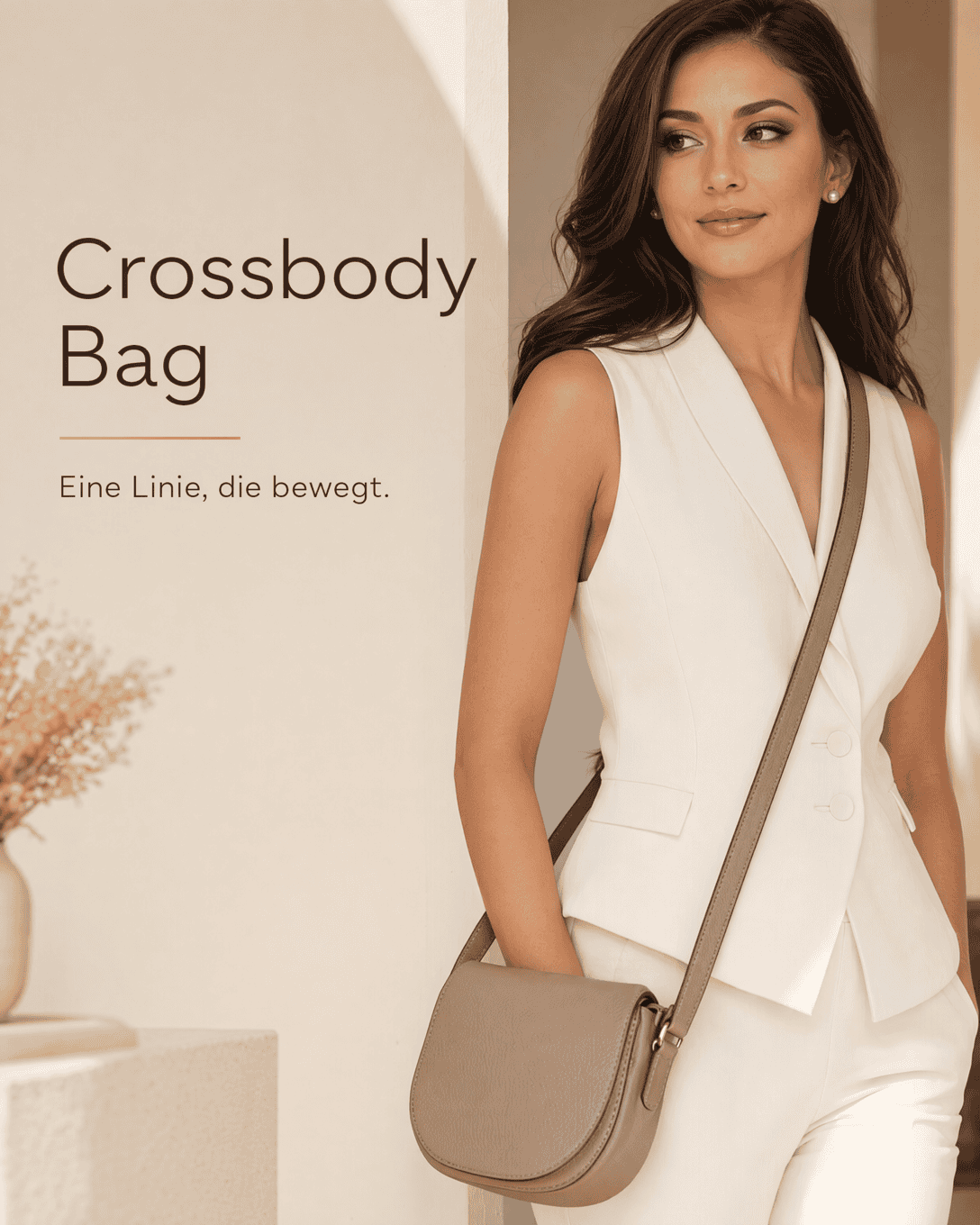
Crossbody Bag A crossbody bag is a bag worn with its strap diagonally across the body. It combines hands-free practicality with a visible effect on outfit proportion, comfort, and style.
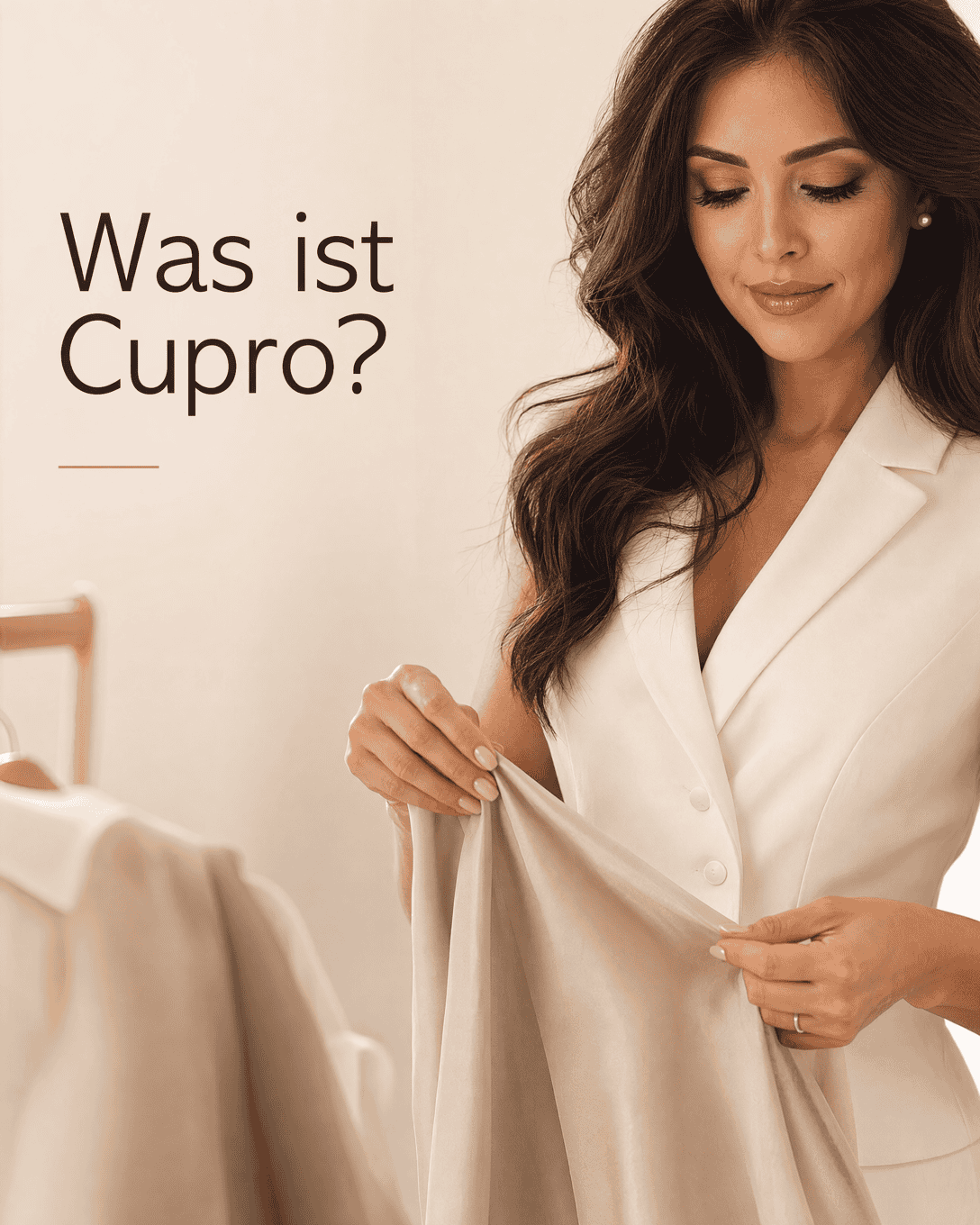
Cupro Cupro is a regenerated cellulose fiber made from cotton linters. It is known for its smooth handfeel, fluid drape, and silk-like appearance in linings, blouses, dresses, and trousers.
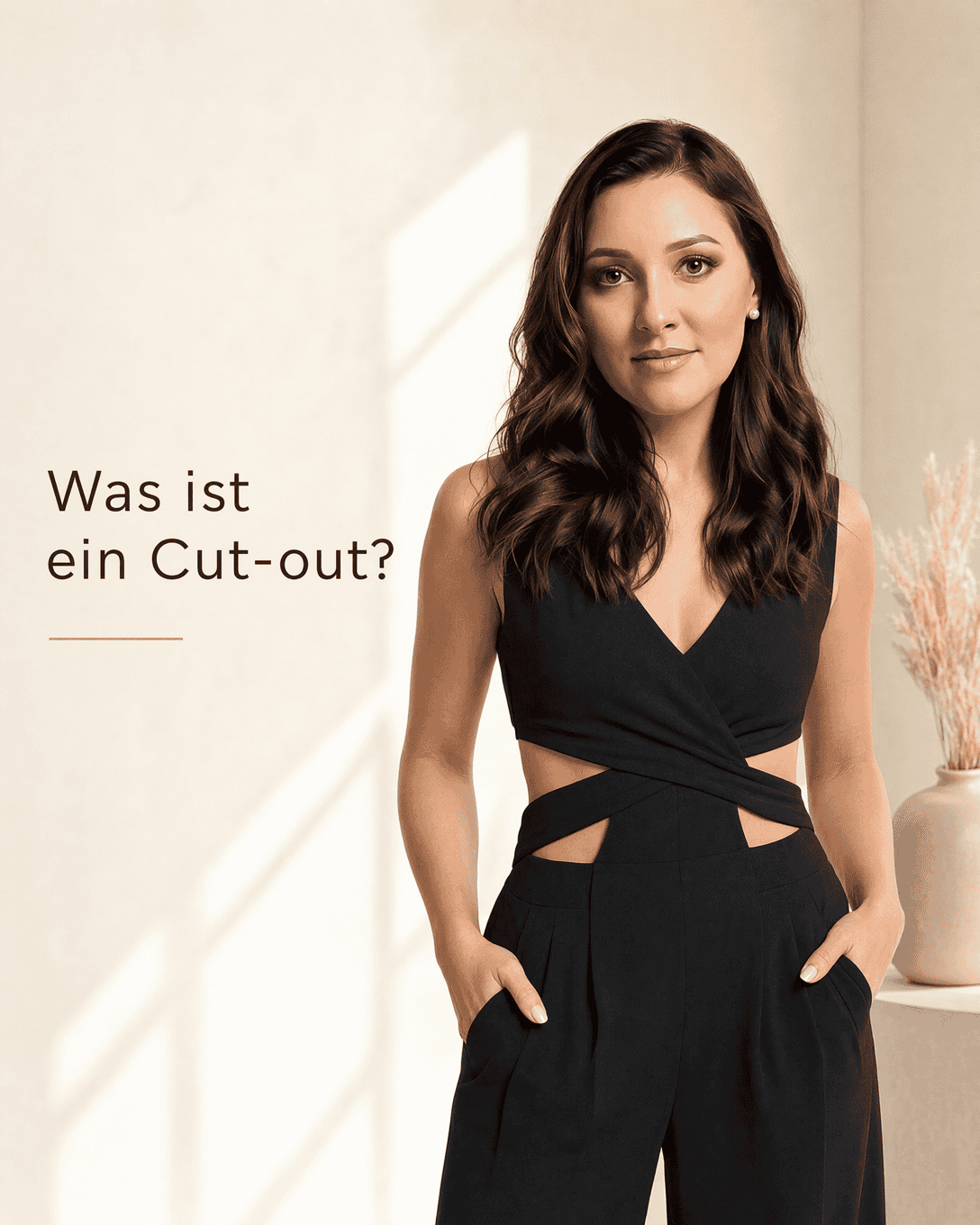
Cut-out A cut-out is an intentional opening in a garment that reveals a small area of skin or an underlayer. Learn how cut-out details affect fit, coverage, styling, and occasion appropriateness.
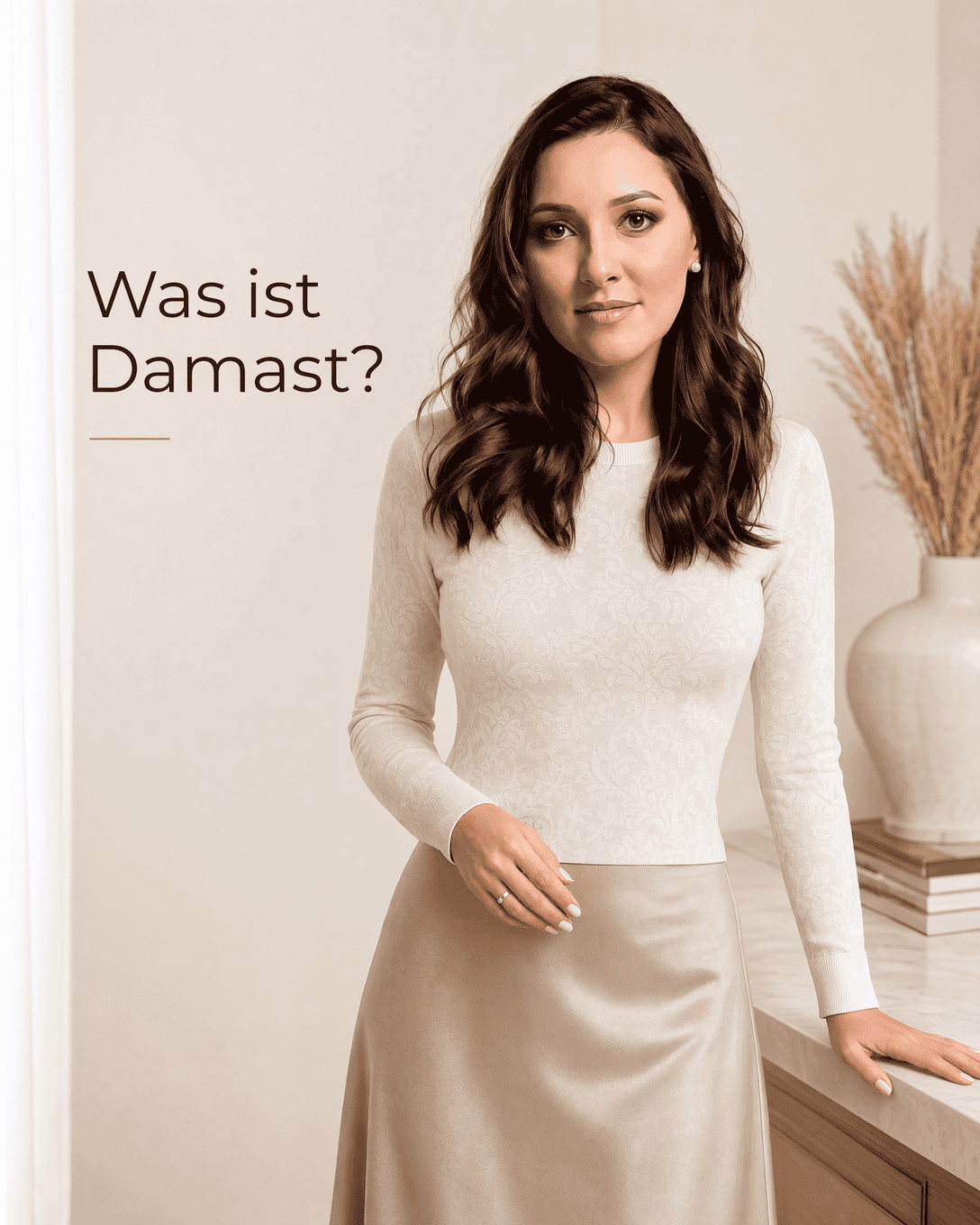
Damask Damask is a patterned woven fabric with a reversible design created through contrasting weave structures. Learn how to recognize damask, where it is used, and what to consider when buying or styling it.
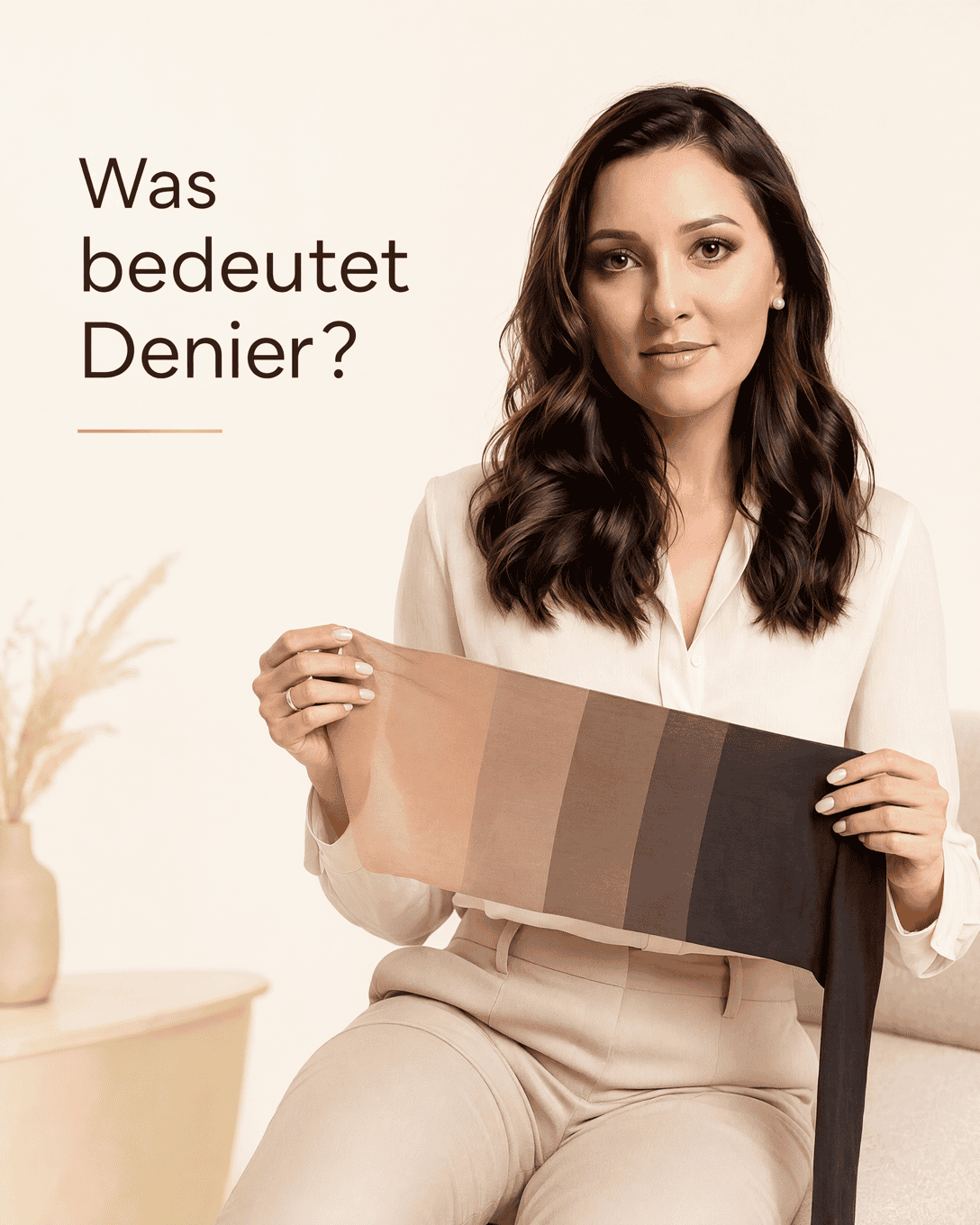
Denier Denier is a unit that describes the linear density of fibers and yarns. In tights and stockings, it helps indicate sheerness, weight, coverage, and practical wear.
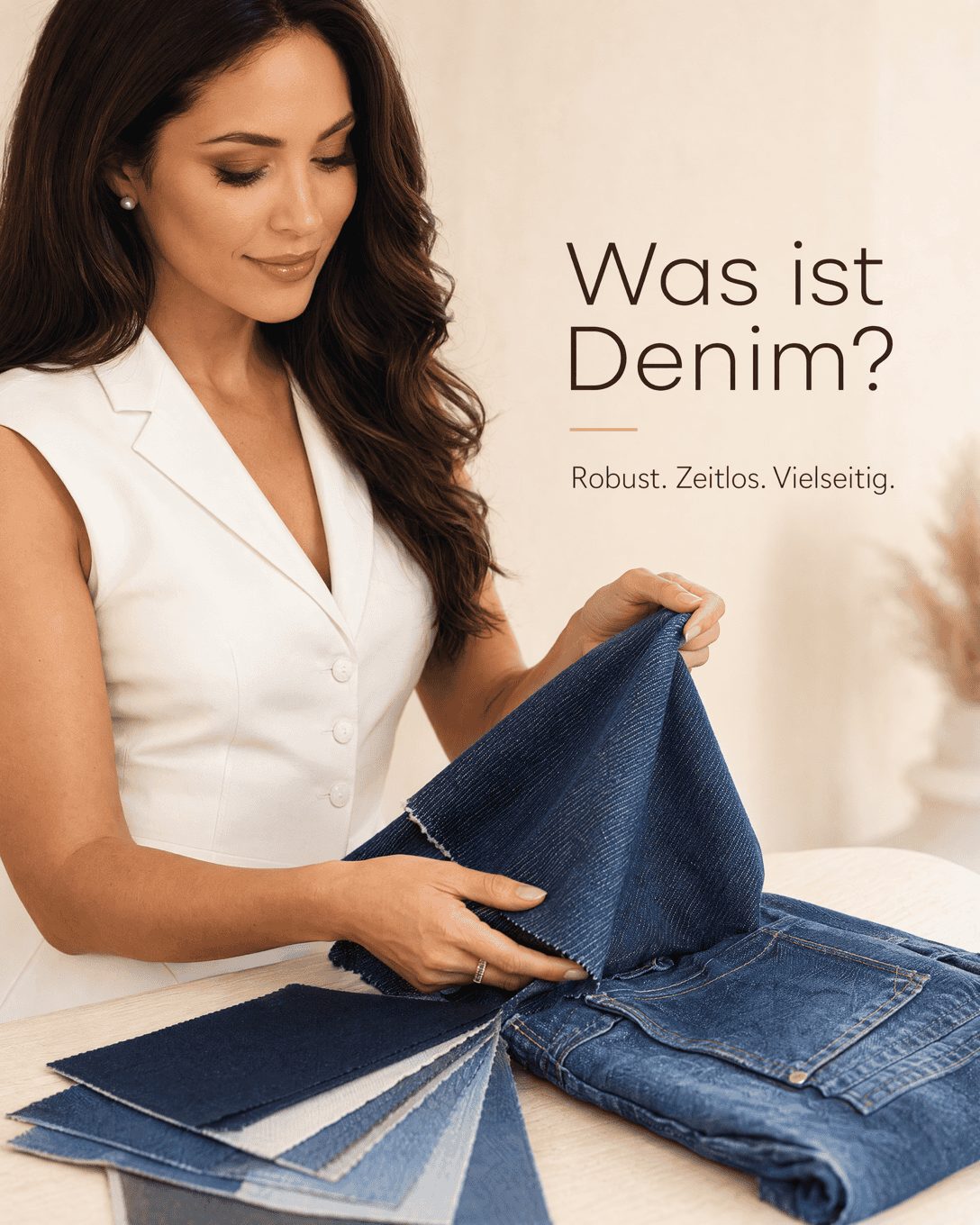
Denim Denim is a durable cotton twill fabric, usually recognized by its diagonal weave and indigo-dyed warp threads. Learn how denim weight, wash, stretch, and finish affect comfort, quality, and outfit style.
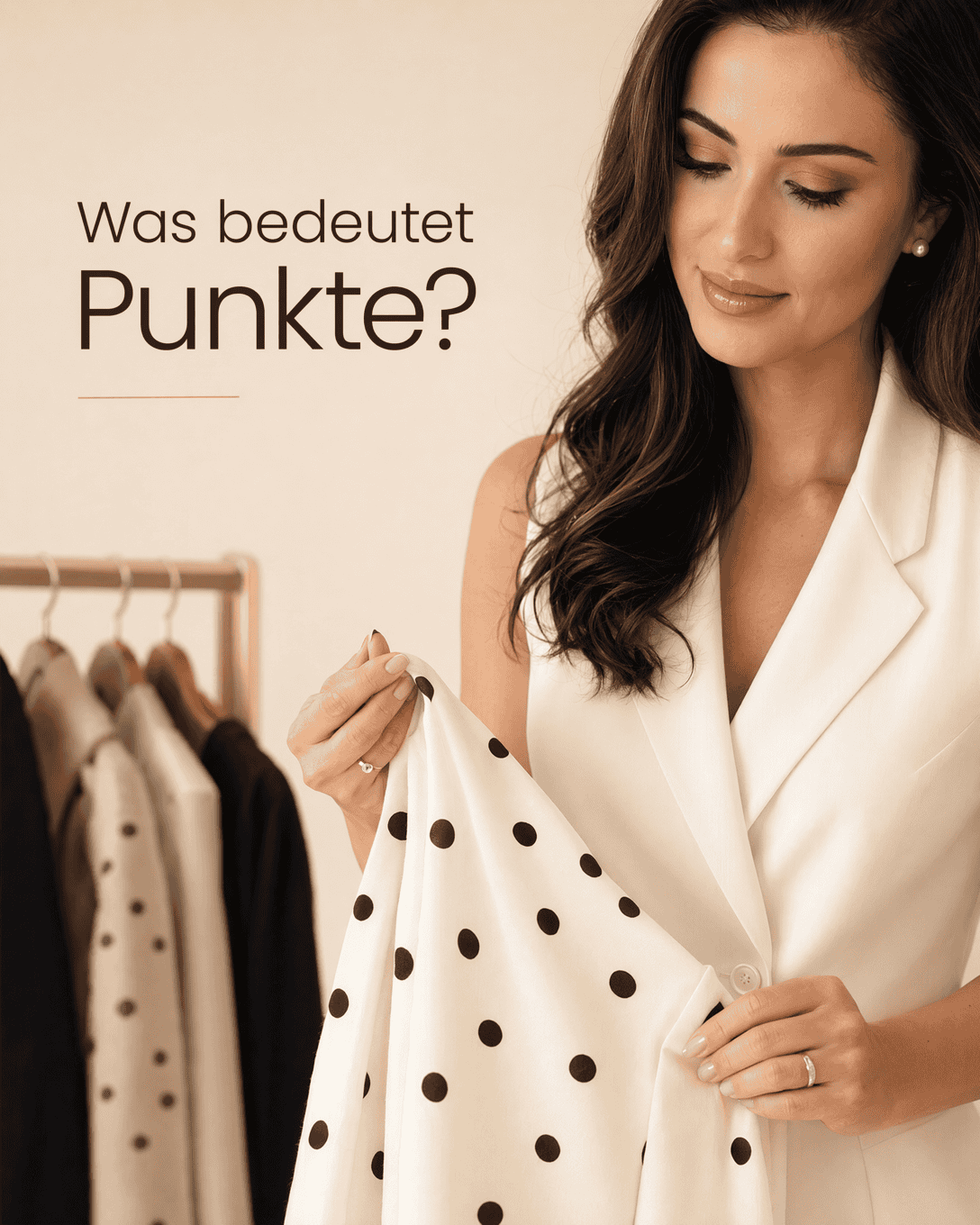
Dots Dots are a repeating pattern of circular marks on fabric. Learn how dot patterns affect scale, contrast, outfit mood, and styling.
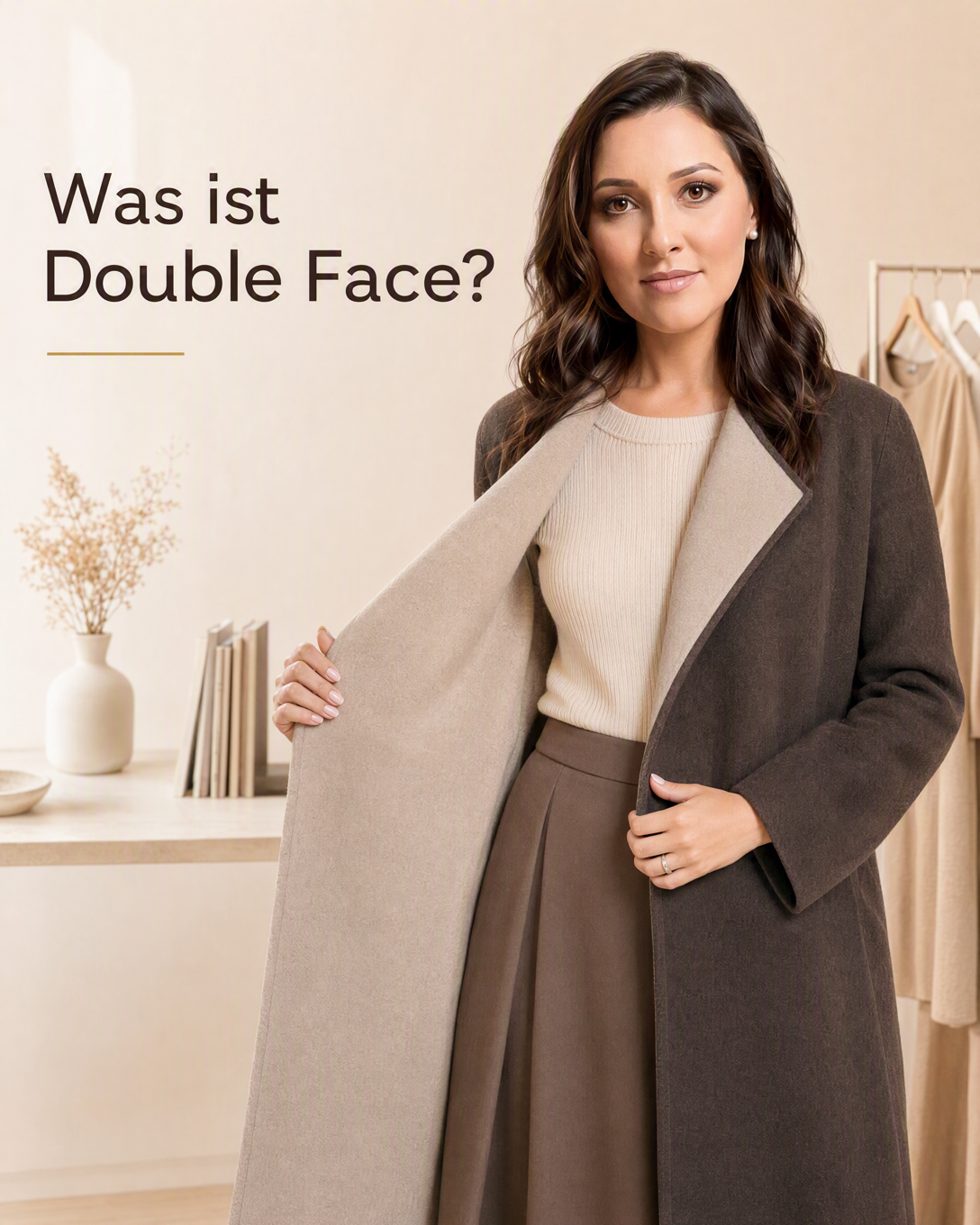
Double-Face Fabric Double-face fabric has two fully finished, wearable sides that may differ in color, texture, pattern, or surface effect.
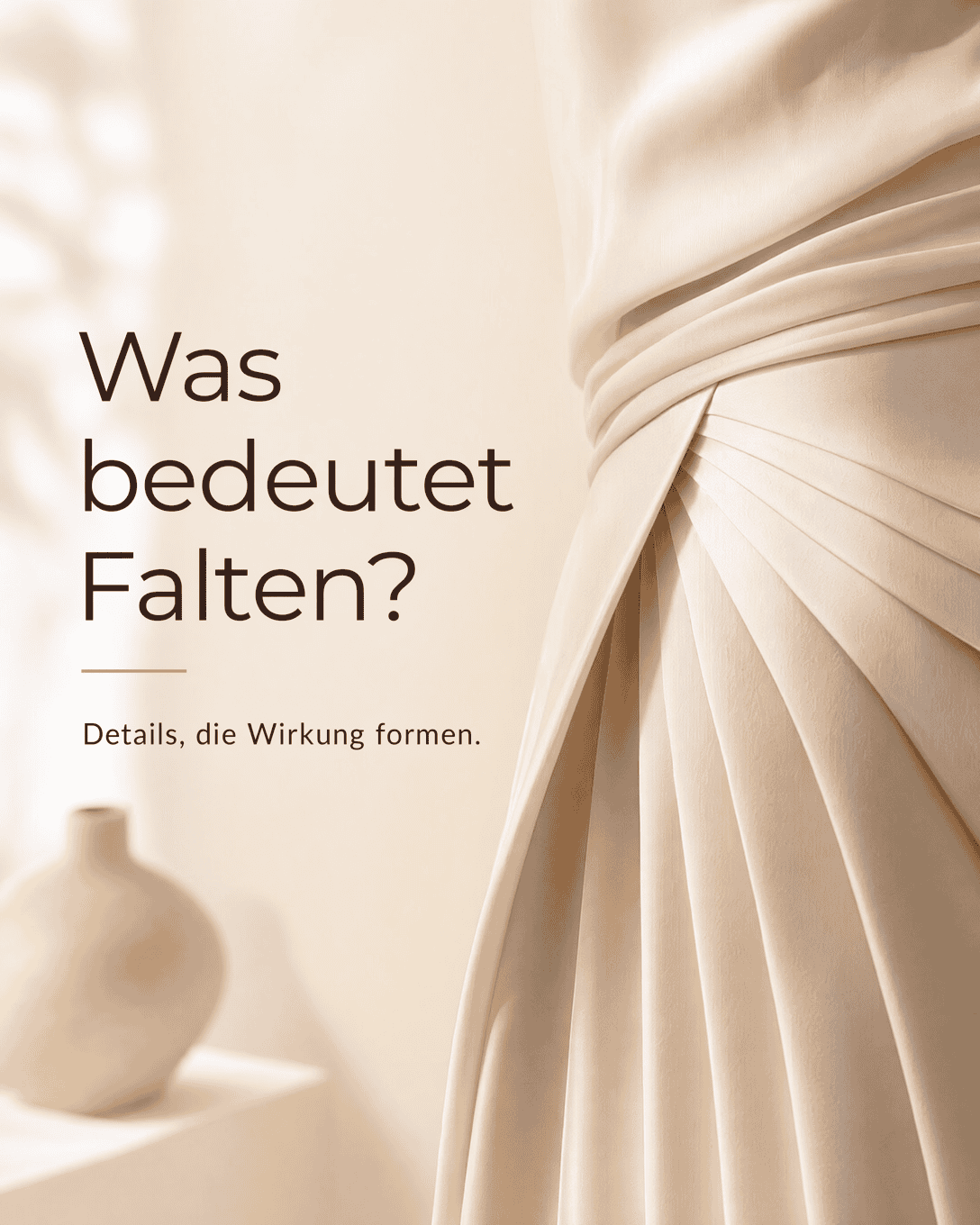
Draping Draping is the shaping and arranging of fabric in folds, gathers, or flowing lines on the body or a dress form. It creates movement, volume, and a sculptural effect in clothing.
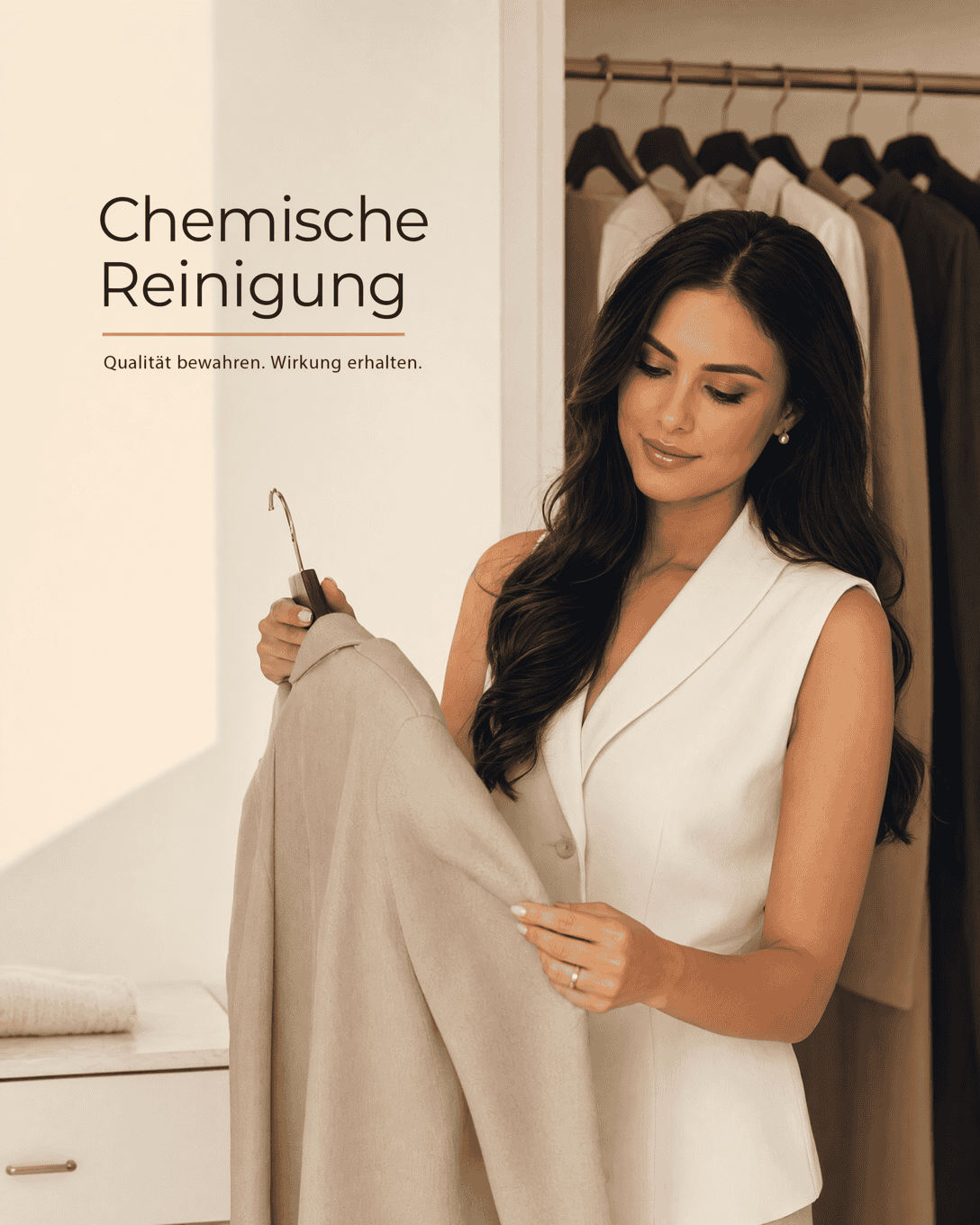
Dry Cleaning Dry cleaning is a professional textile-cleaning process that uses liquid solvents instead of water. Learn what a dry-clean-only label means, which fabrics often need it, and how to care for garments safely.
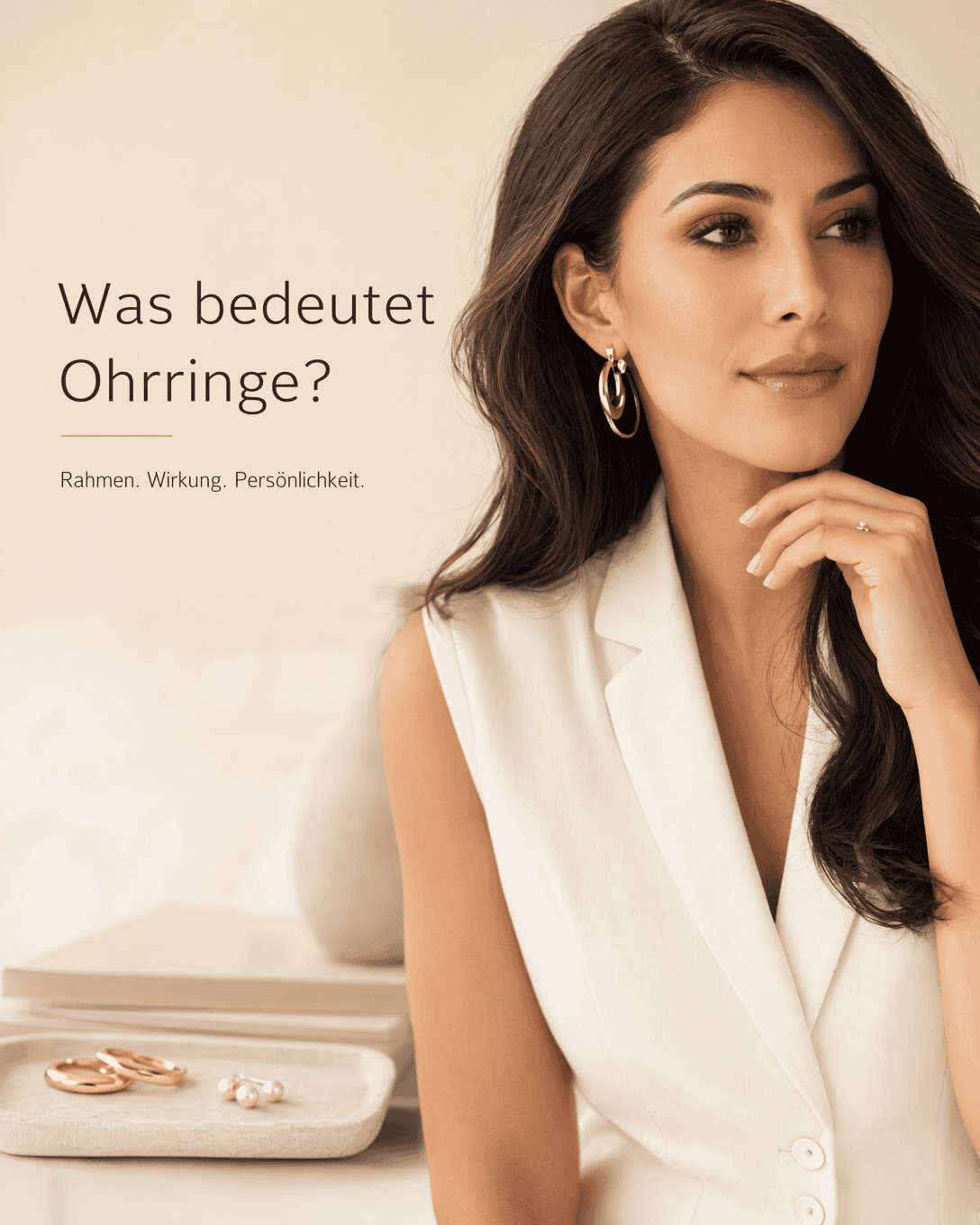
Earrings Earrings are jewelry worn on the earlobe or ear. Their shape, scale, material, and placement can frame the face and influence an outfit’s overall style.
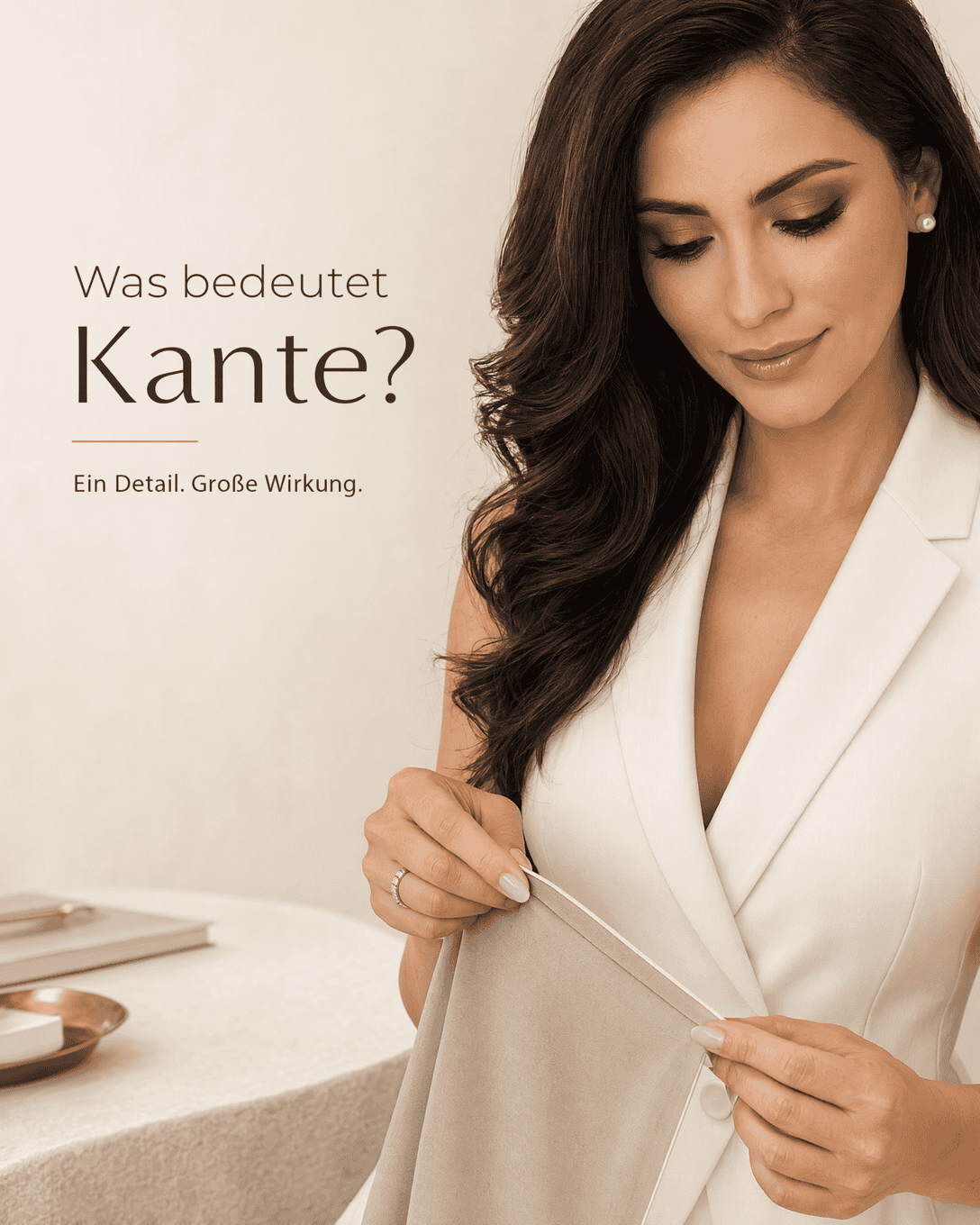
Edge An edge is the visible boundary of a garment or fabric detail, such as a hem, neckline, lapel, pocket, or opening. Its finish influences durability, comfort, and the overall quality of clothing.
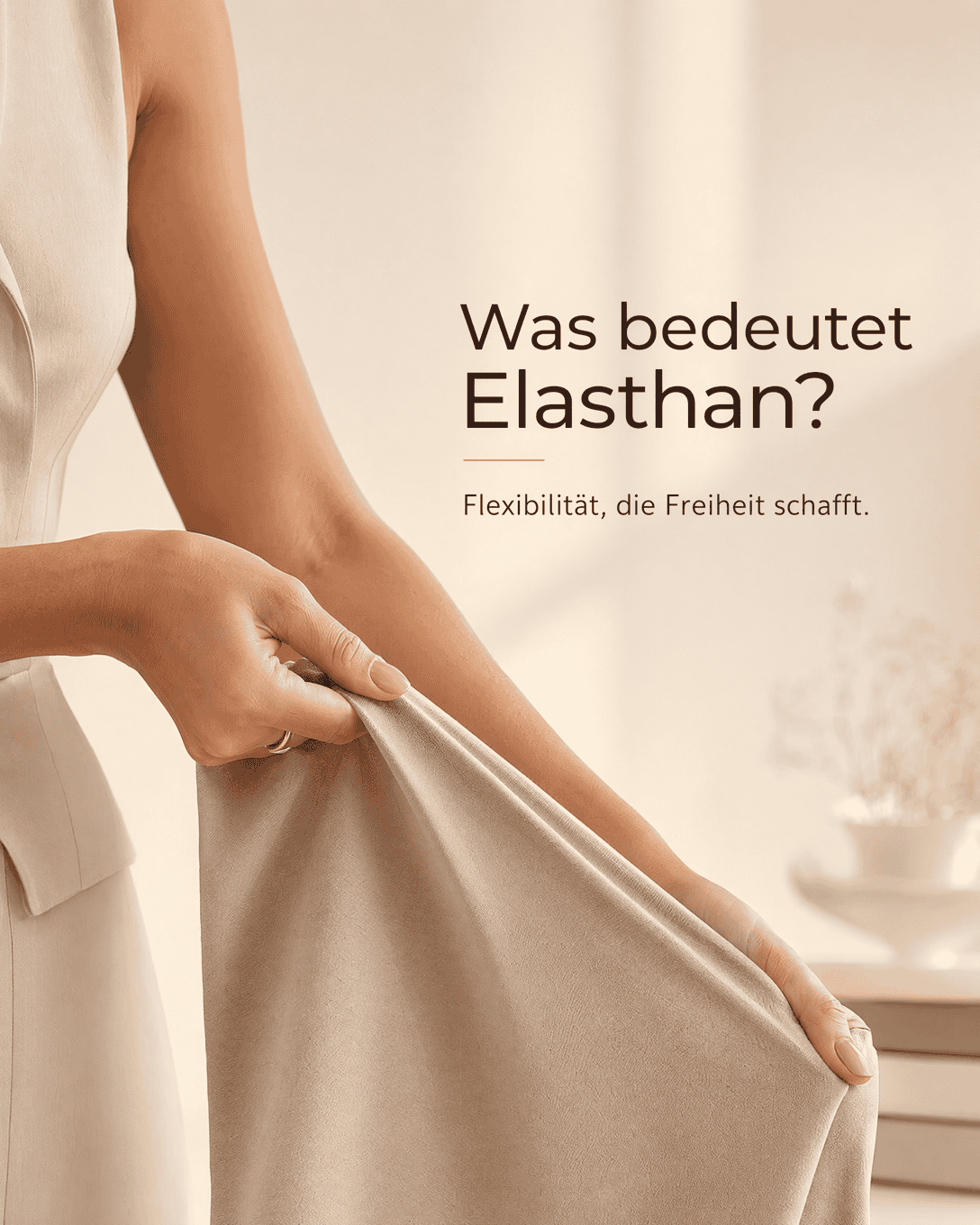
Elastane Elastane is a highly stretchable synthetic fiber, usually blended with other fibers to improve fit, flexibility, shape retention, and comfort in clothing.
Fabric Fabric is a flexible textile surface used to make clothing, accessories, and other textile products. Its fibers, construction, weight, and finish shape comfort, fit, drape, durability, and appearance.
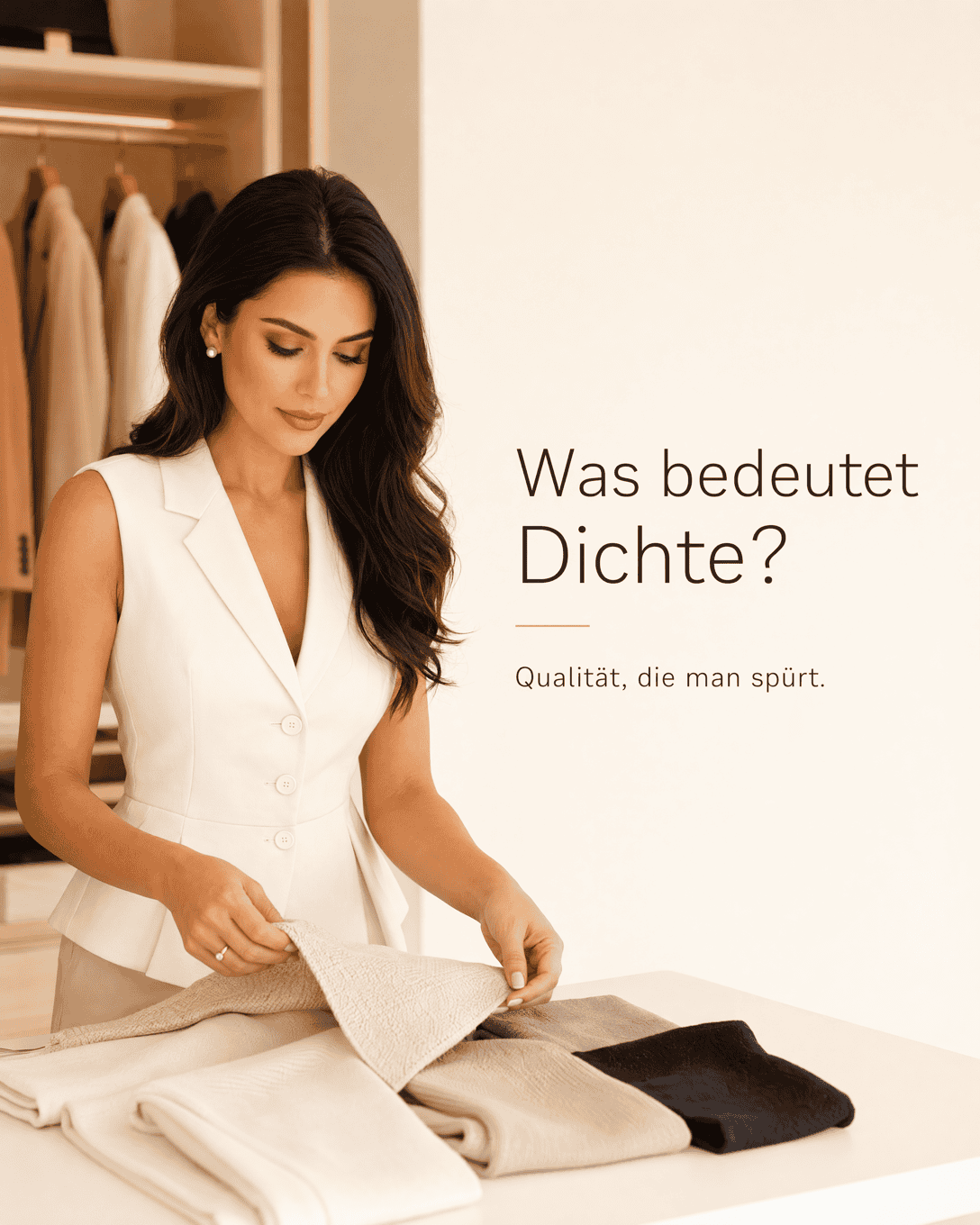
Fabric Density Fabric density describes how closely yarns or fibers are arranged in a fabric. It influences opacity, durability, drape, breathability, texture, and how substantial a garment feels.
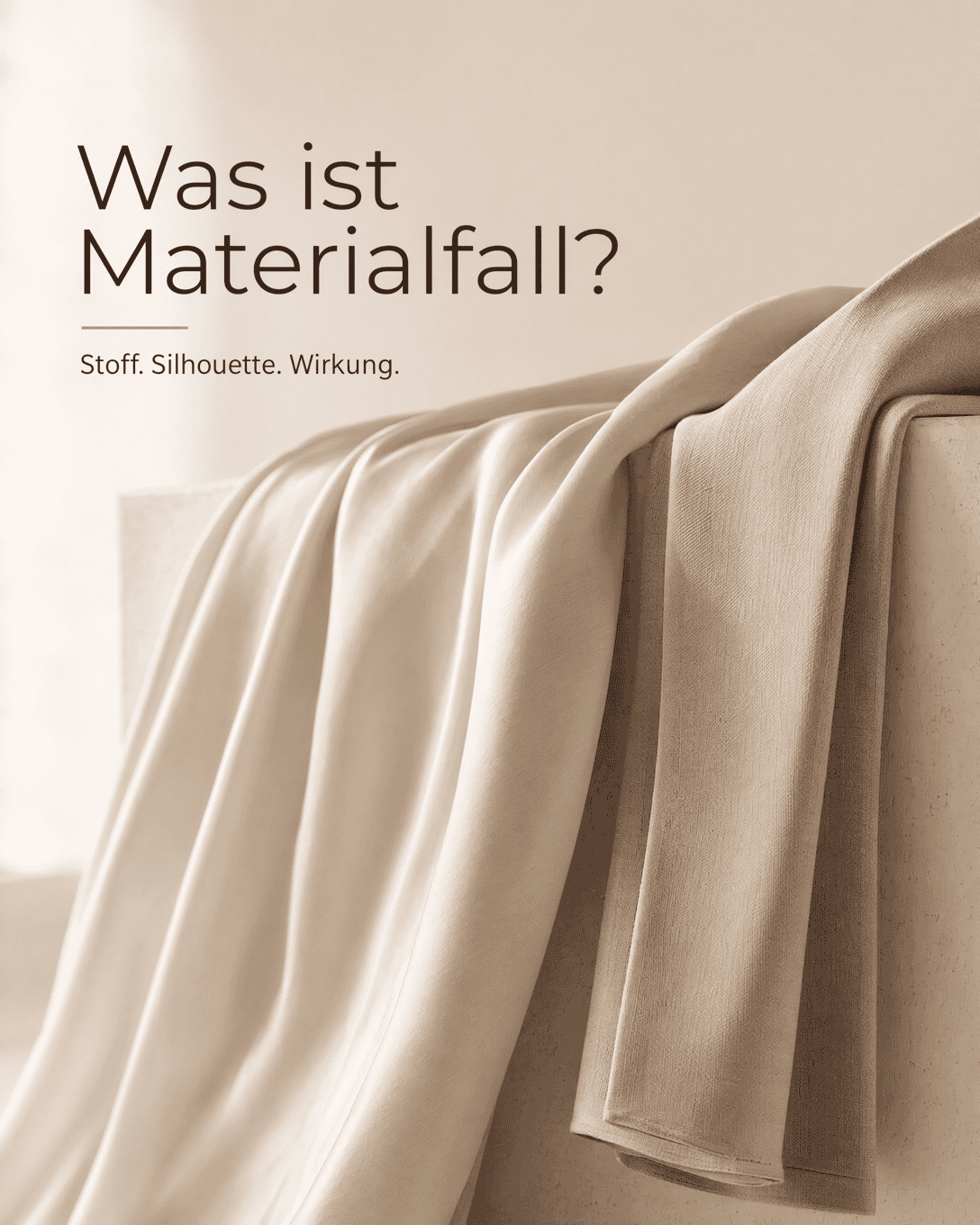
Fabric Drape Fabric drape describes how a fabric falls, hangs, folds, and moves on the body. It shapes a garment’s silhouette, comfort, and overall visual effect.
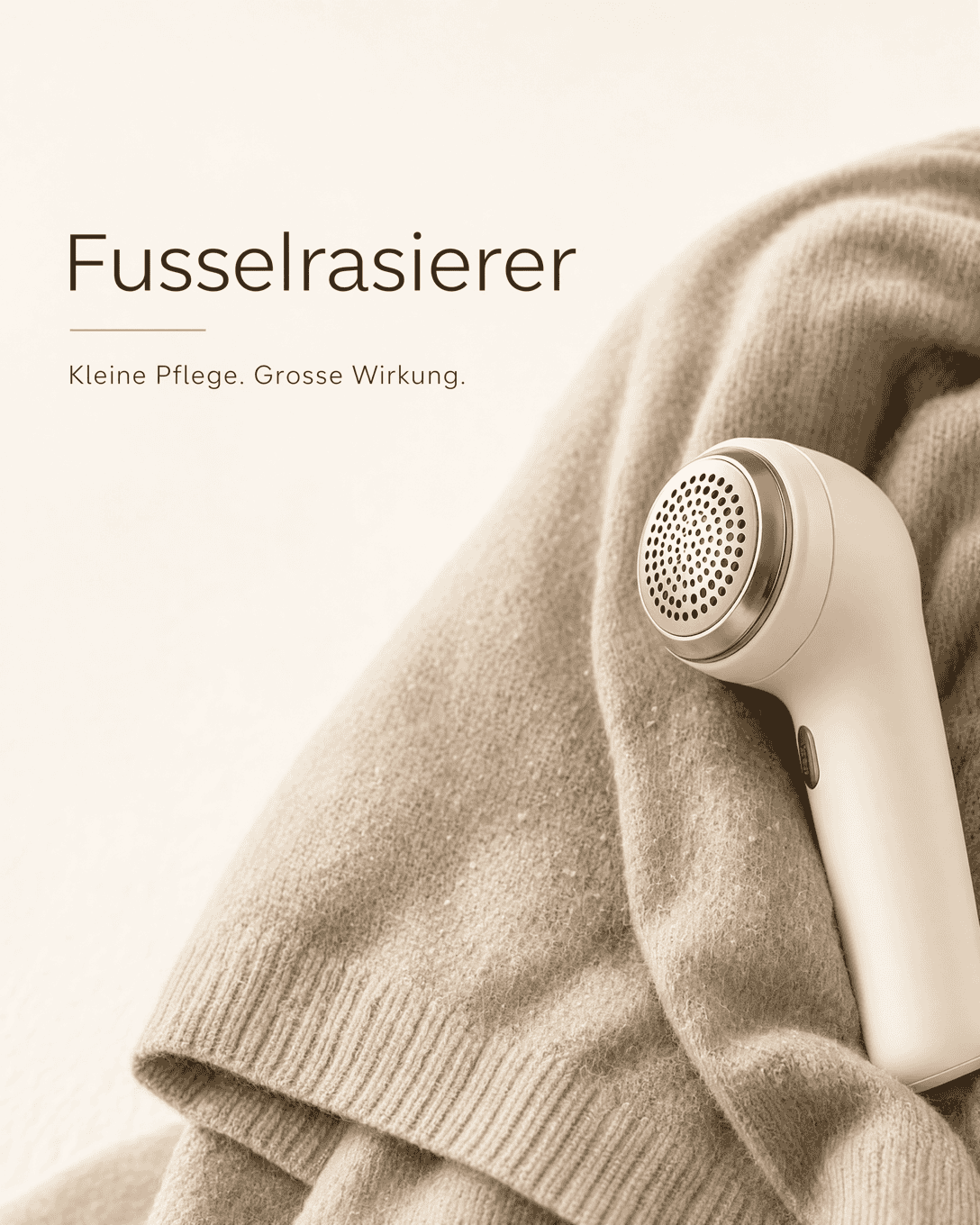
Fabric Shaver A fabric shaver is a small care tool that removes pills from clothing to refresh the fabric surface and help garments look well maintained.
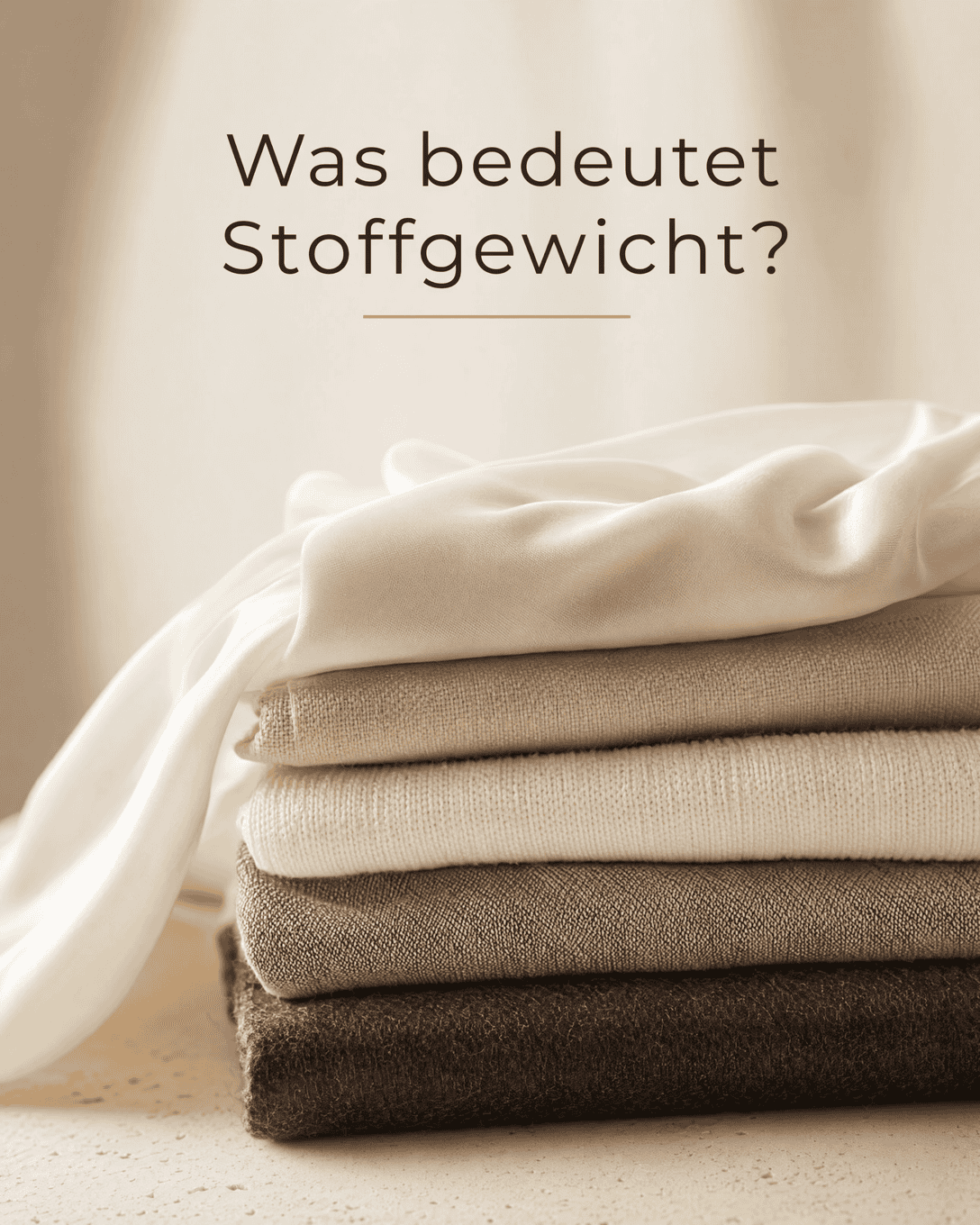
Fabric Weight Fabric weight describes how heavy a textile is, usually measured in grams per square metre. It influences opacity, drape, warmth, durability, comfort, and how a garment looks and feels when worn.
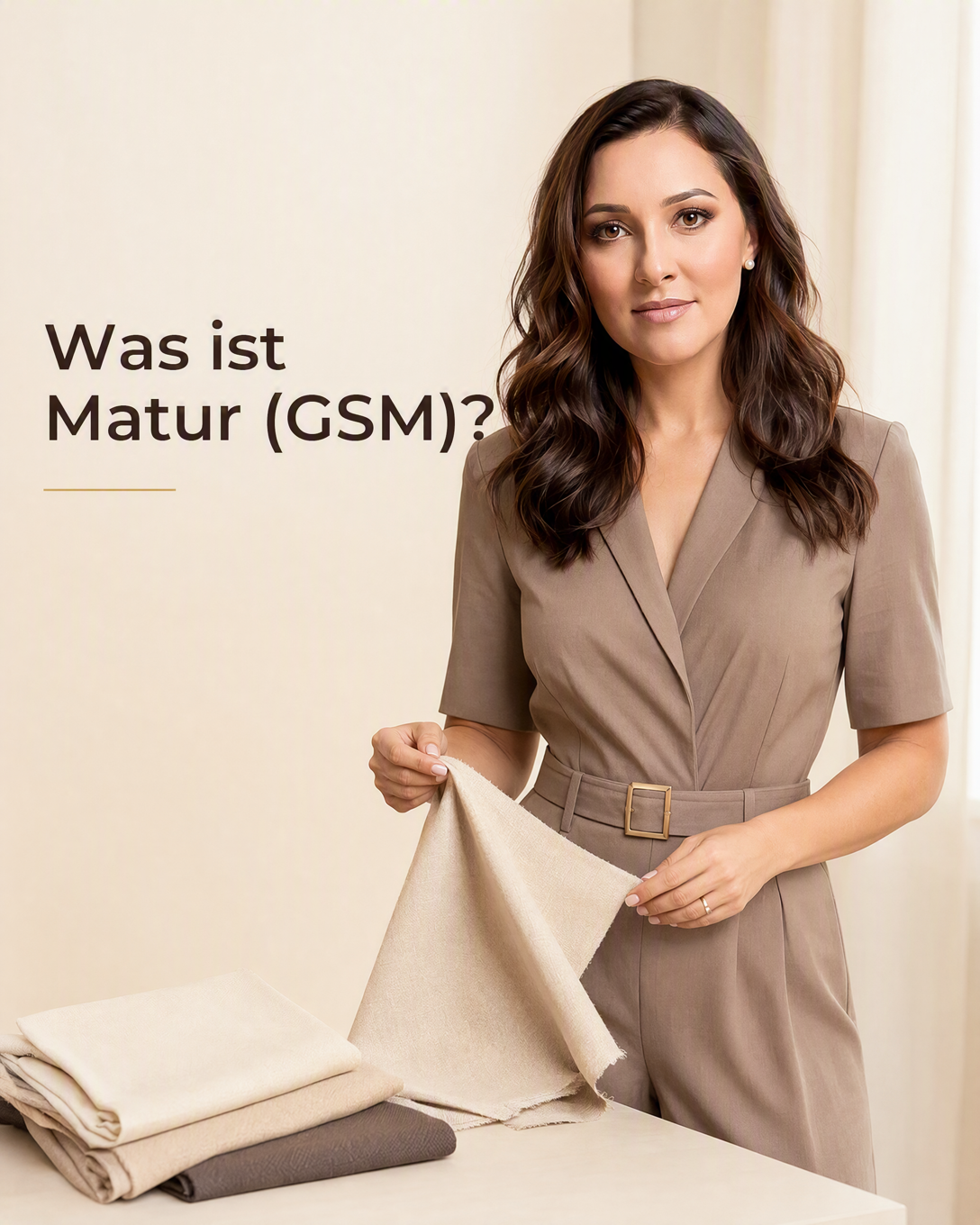
Fabric Weight (GSM) Fabric weight, measured in GSM or grams per square metre, indicates how much a textile weighs. It helps you assess likely opacity, warmth, drape, structure, and everyday durability.
Face Framing Face Framing describes the colors, necklines, accessories, and details worn close to the face that shape how fresh, harmonious, and present an outfit appears.
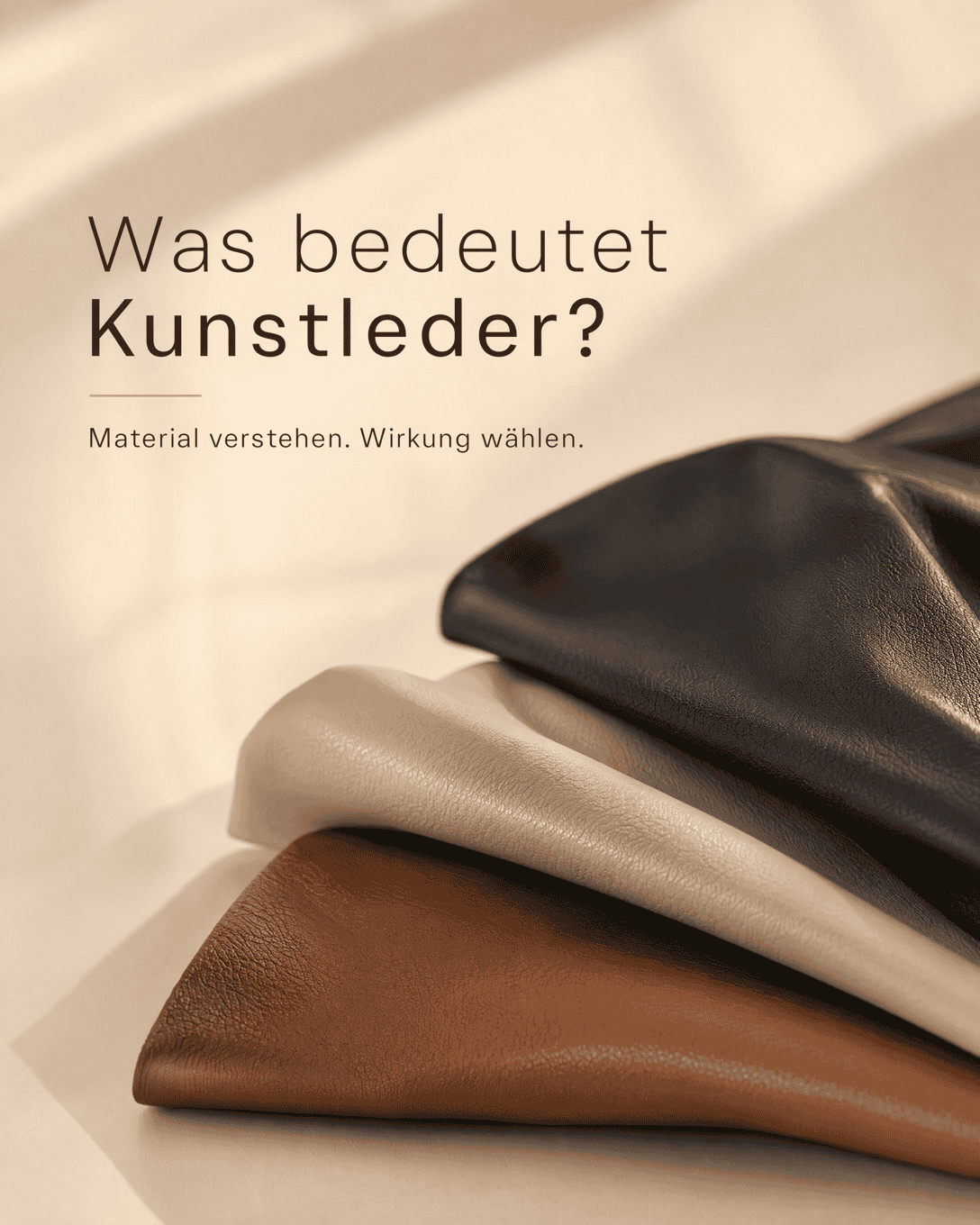
Faux Leather Faux leather is a leather-look material made without animal hide, often using a polymer surface on a textile backing. Learn how faux leather differs in appearance, comfort, durability, and care.
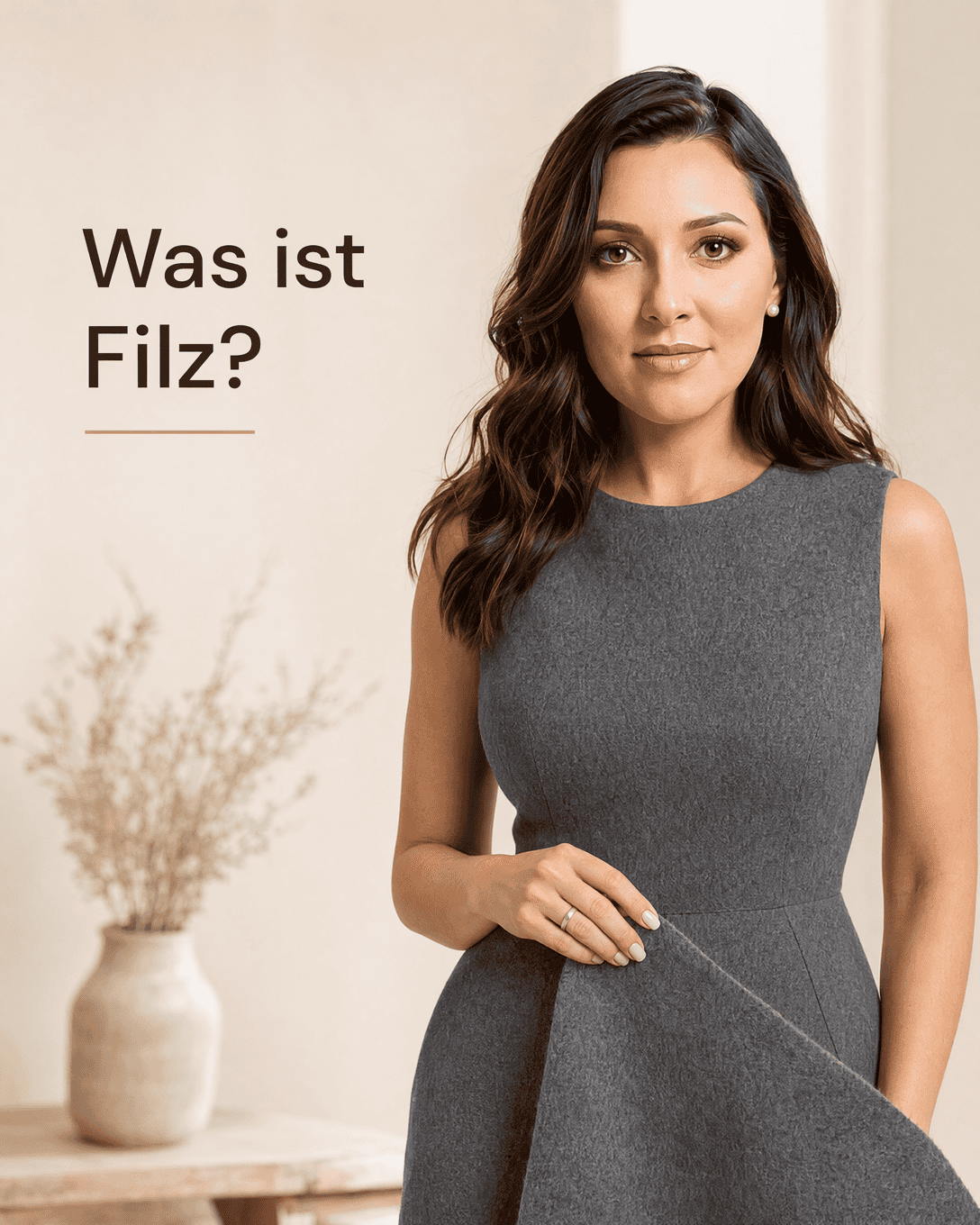
Felt Felt is a nonwoven textile made by matting and compressing fibers. Learn how wool and synthetic felt differ, where felt is used in fashion, and what to check before buying.
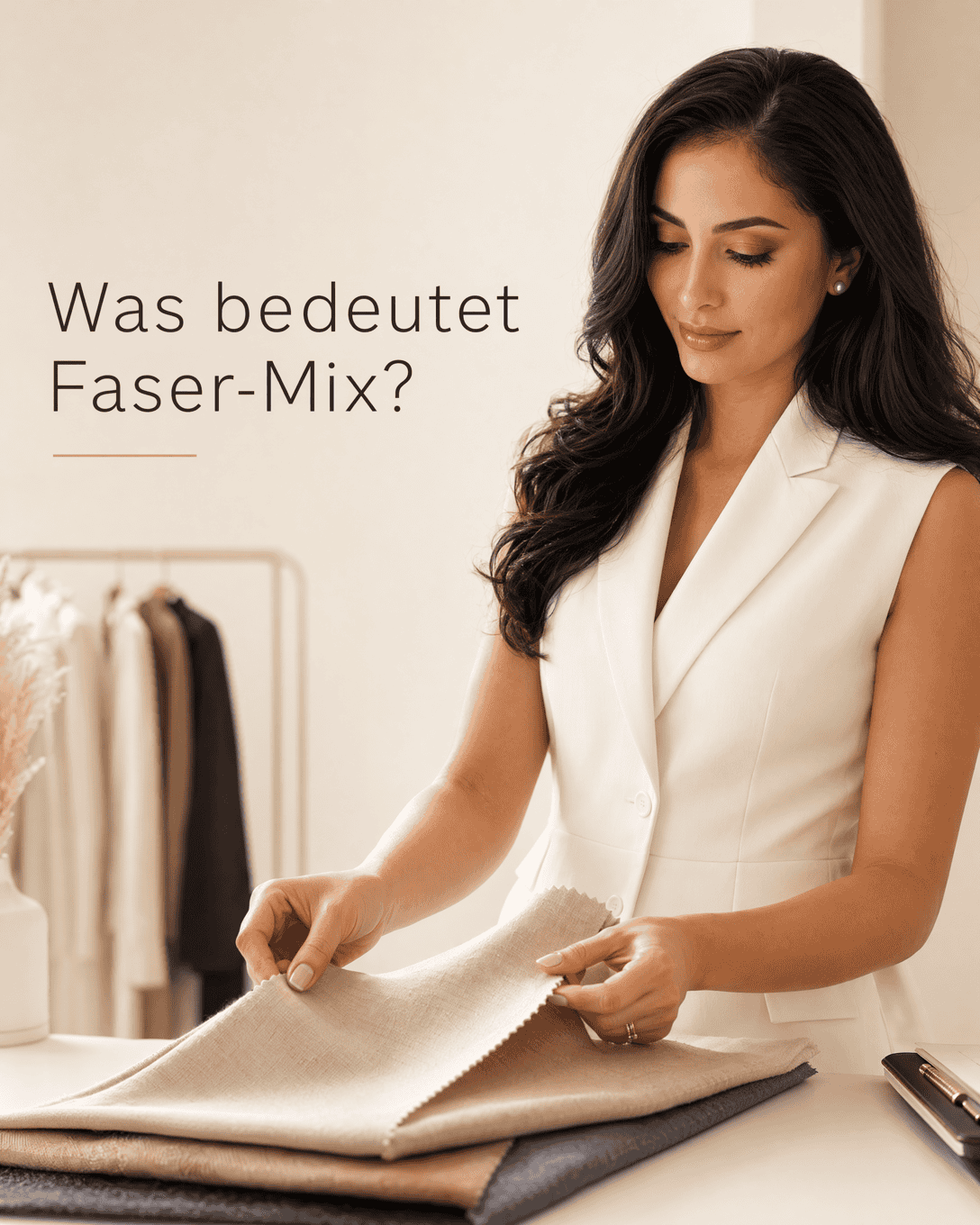
Fiber Blend A fiber blend combines two or more textile fibers in one fabric. It influences comfort, stretch, durability, drape, care needs, and the look and feel of a garment.
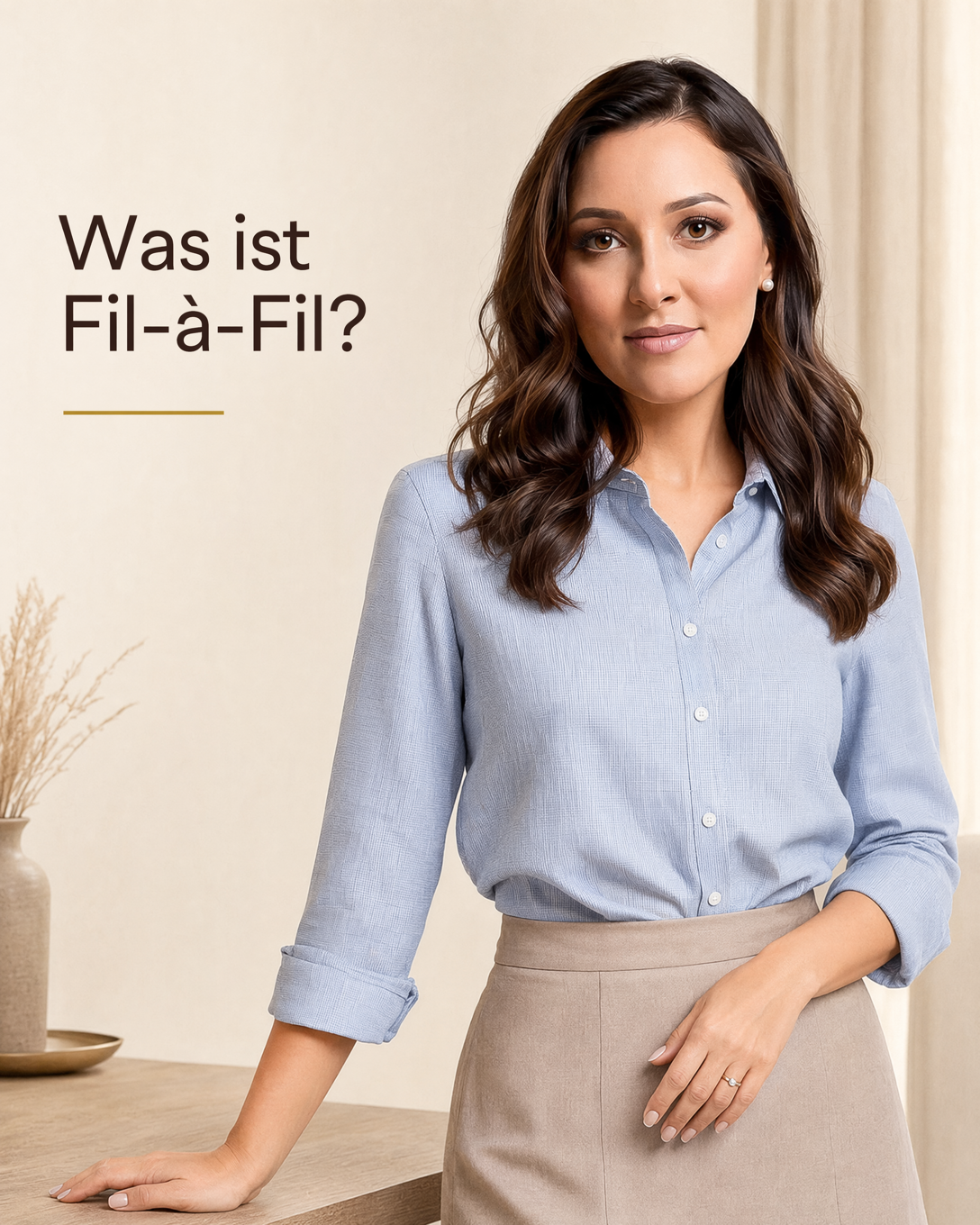
Fil-à-Fil Fil-à-fil is a finely woven fabric that alternates light and dark threads to create a subtle heathered, two-tone appearance. It is especially common in crisp shirting and refined everyday tailoring.
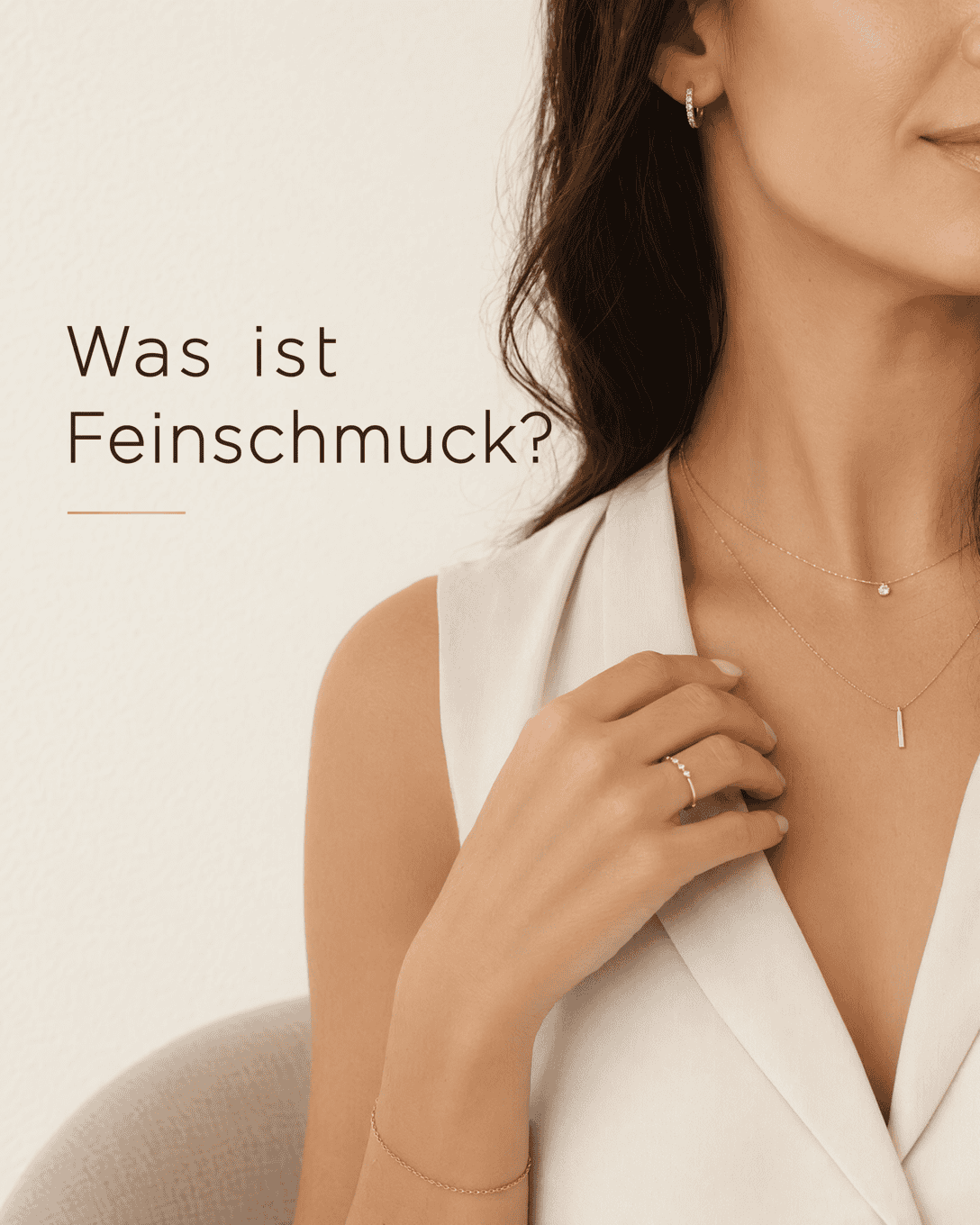
Fine Jewelry Fine Jewelry refers to jewelry made primarily from precious metals and often set with genuine gemstones. Learn how it differs from costume jewelry, what to look for, and how to choose pieces that suit your style.
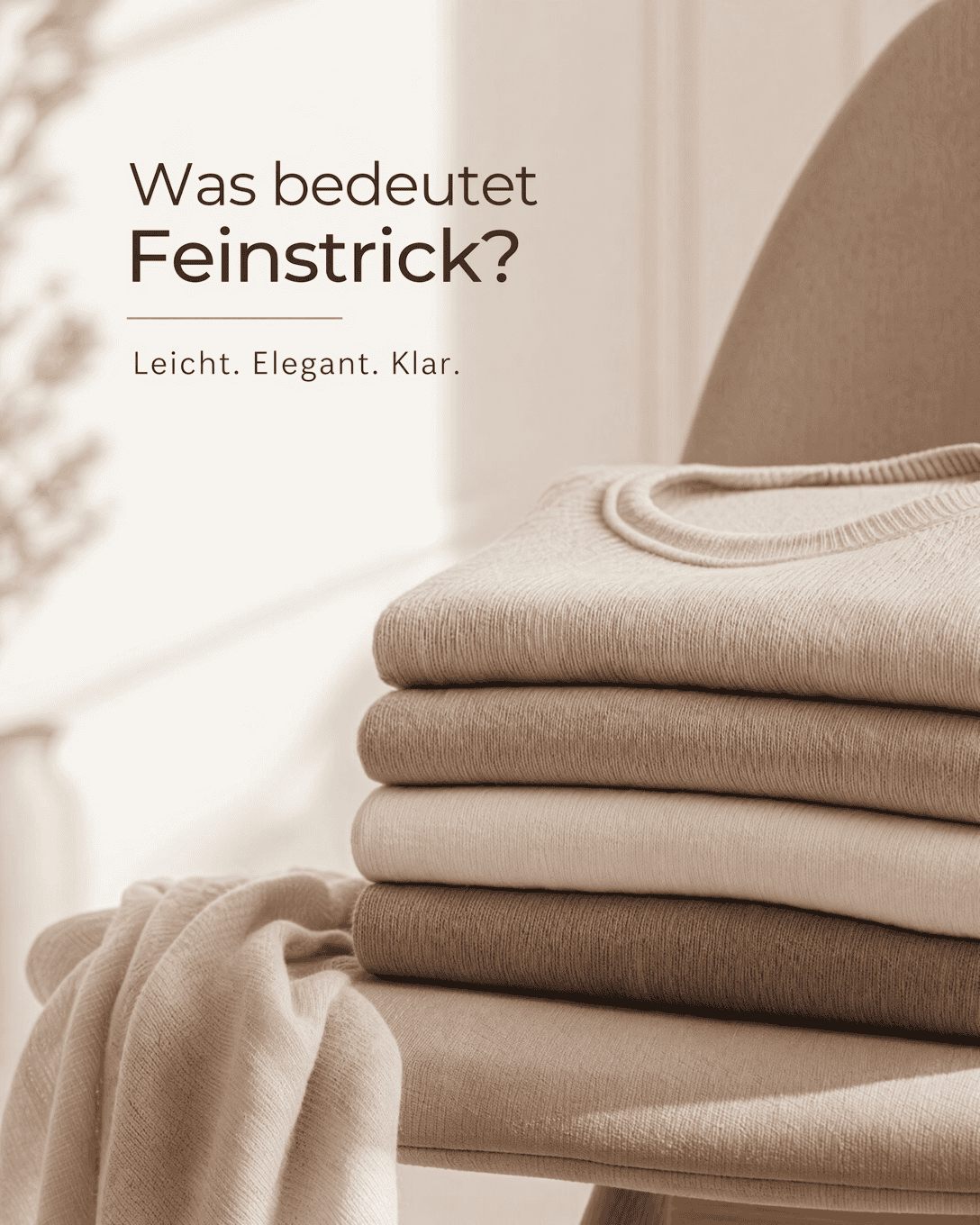
Fine Knit Fine knit is lightweight knitwear made with fine yarns and closely spaced stitches. It has a smooth, refined surface and is commonly used for elegant, versatile layers.
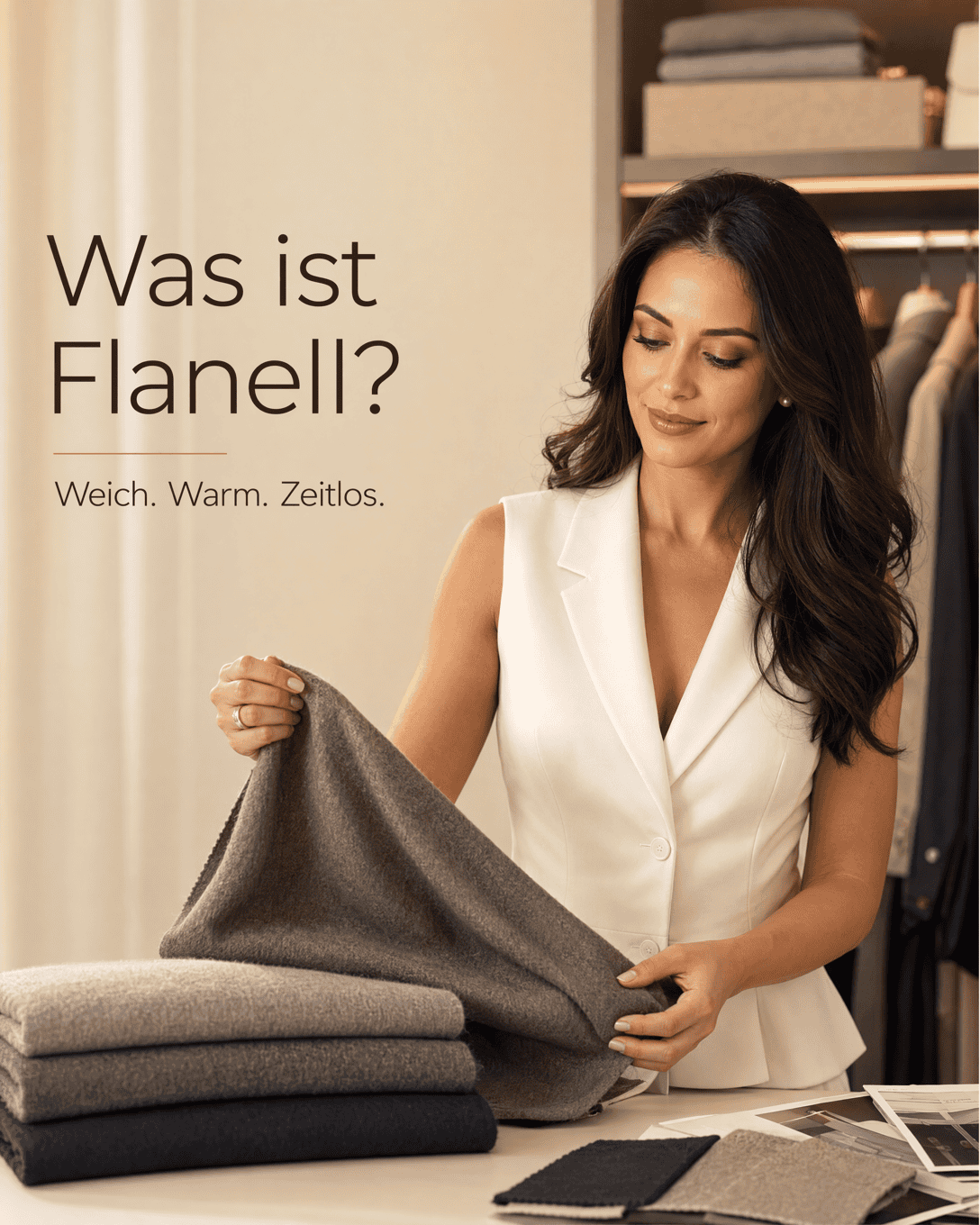
flannel Flannel is a soft woven fabric with a lightly brushed surface. It is valued for its warmth, muted appearance, and comfortable feel in shirts, trousers, suits, and sleepwear.
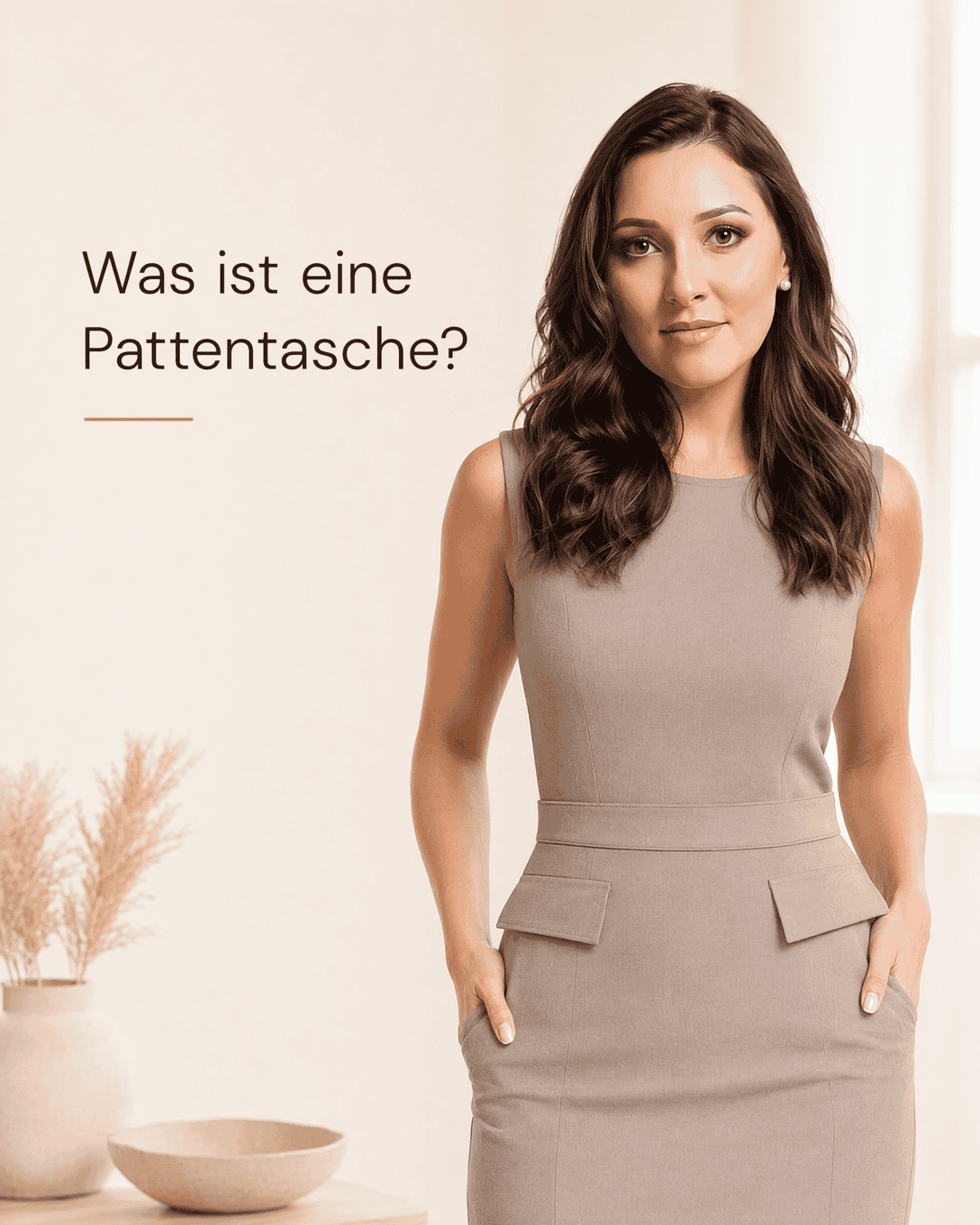
Flap Pocket A flap pocket is a pocket covered by a separate fabric flap. Learn where flap pockets appear, how they affect a garment’s style, and what to check before buying.
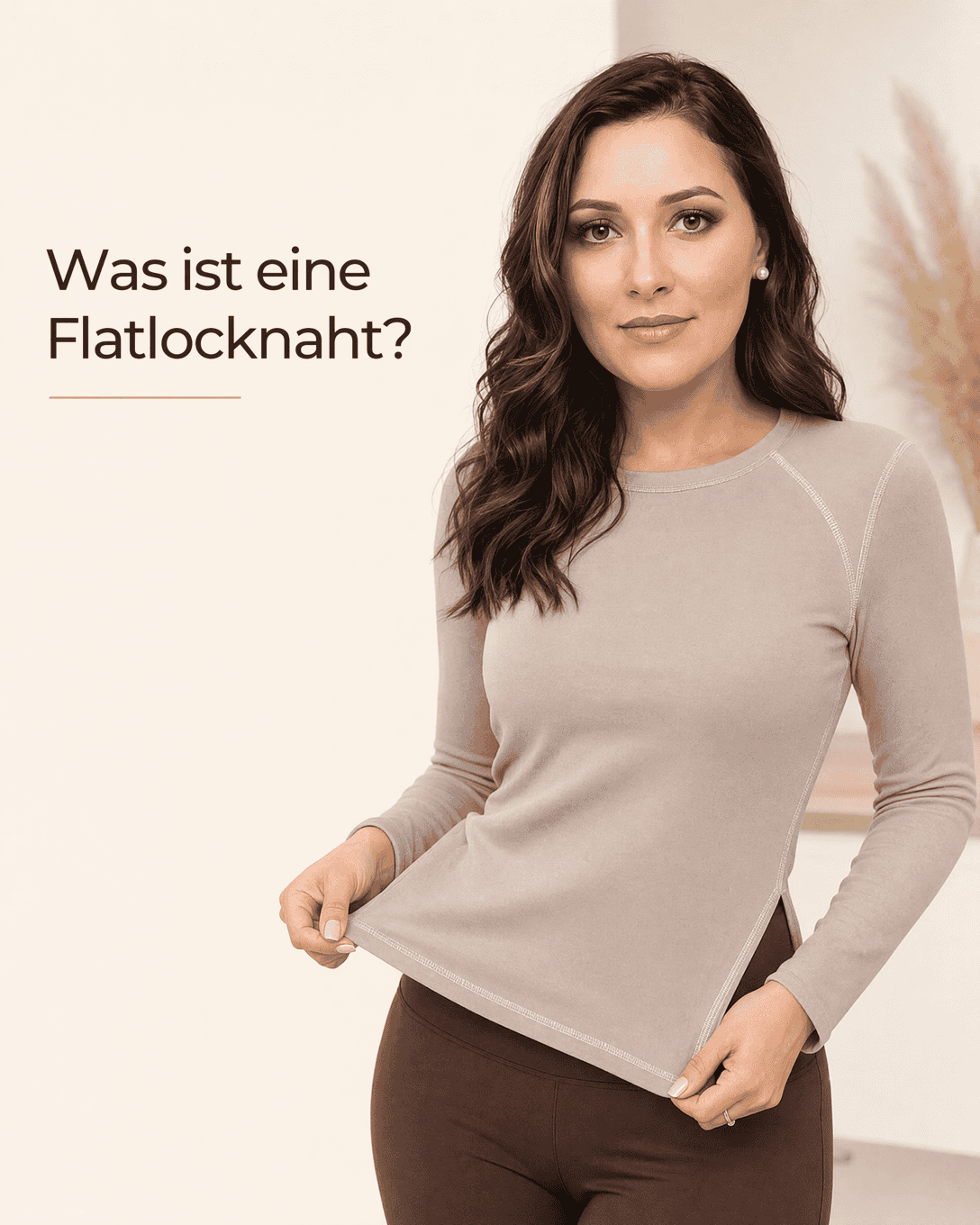
Flatlock Seam A flatlock seam joins fabric edges with minimal bulk, creating a smooth, flat finish that is common in activewear, underwear, and close-fitting garments.
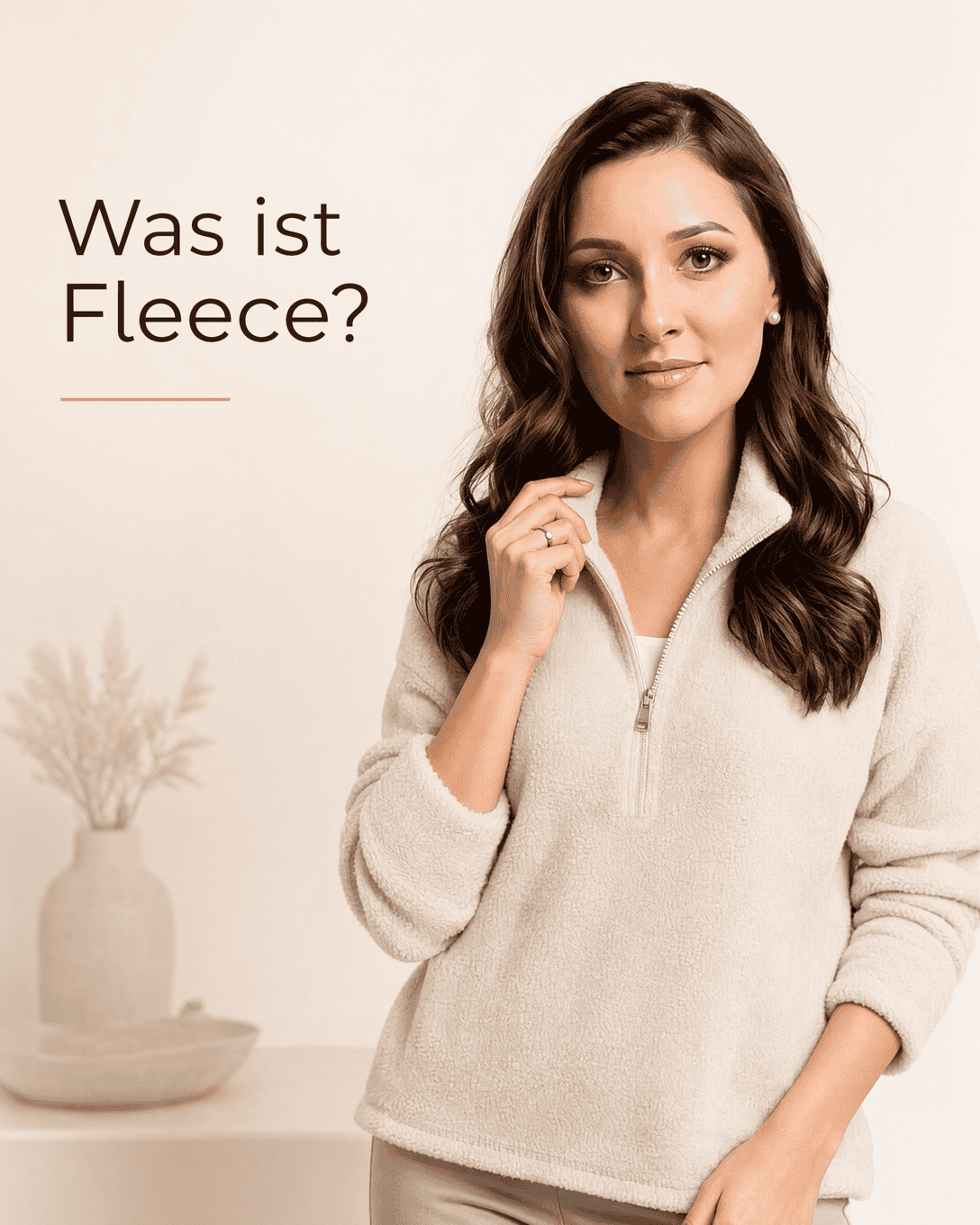
Fleece Fleece is a soft, warm pile fabric, usually made from synthetic fibers. Learn how fleece differs from wool, how to assess quality, and how to style and care for fleece clothing.
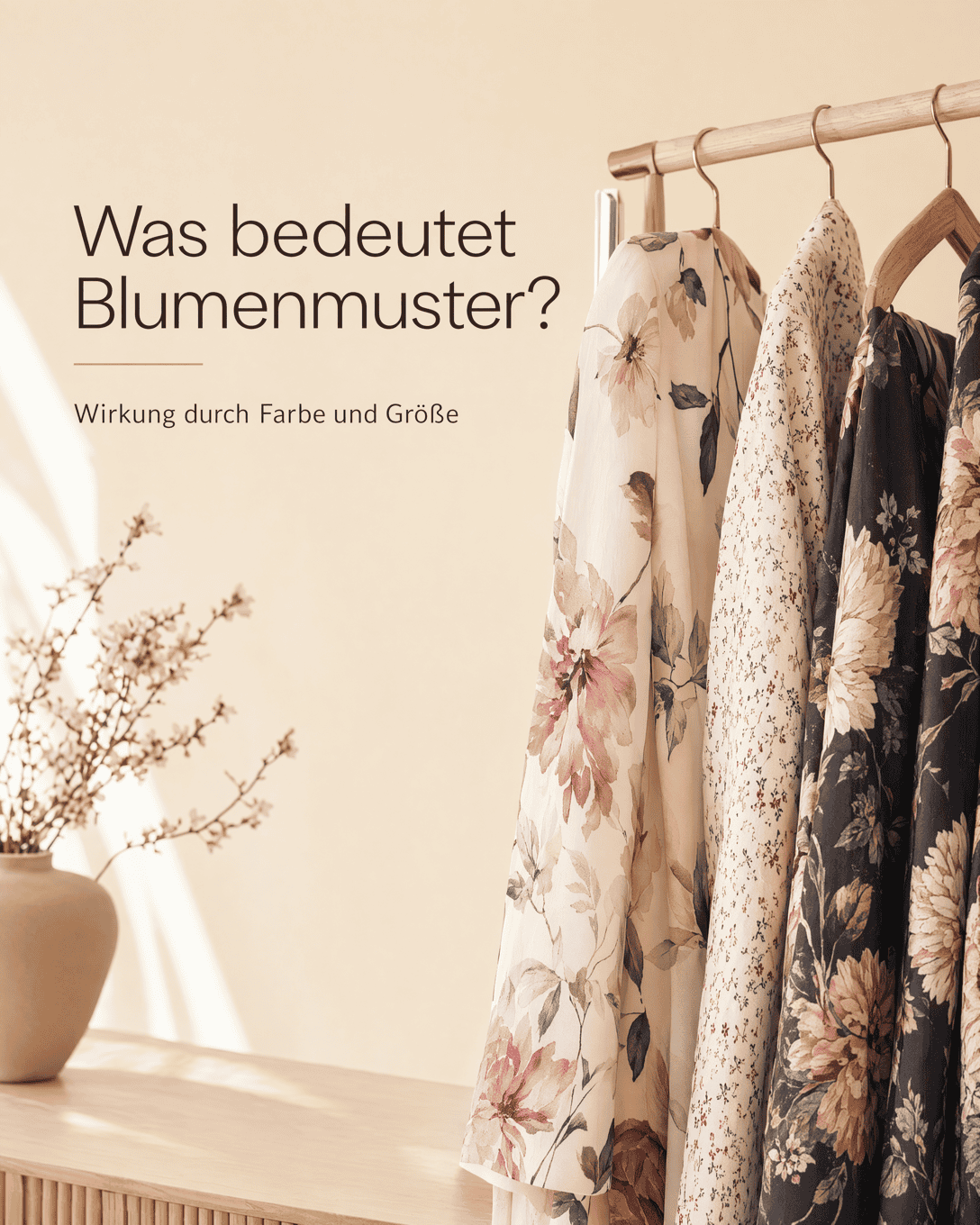
Floral Print Floral Print is a pattern featuring flowers, leaves, or botanical motifs. Learn how floral patterns affect outfit mood, proportion, color harmony, and styling.
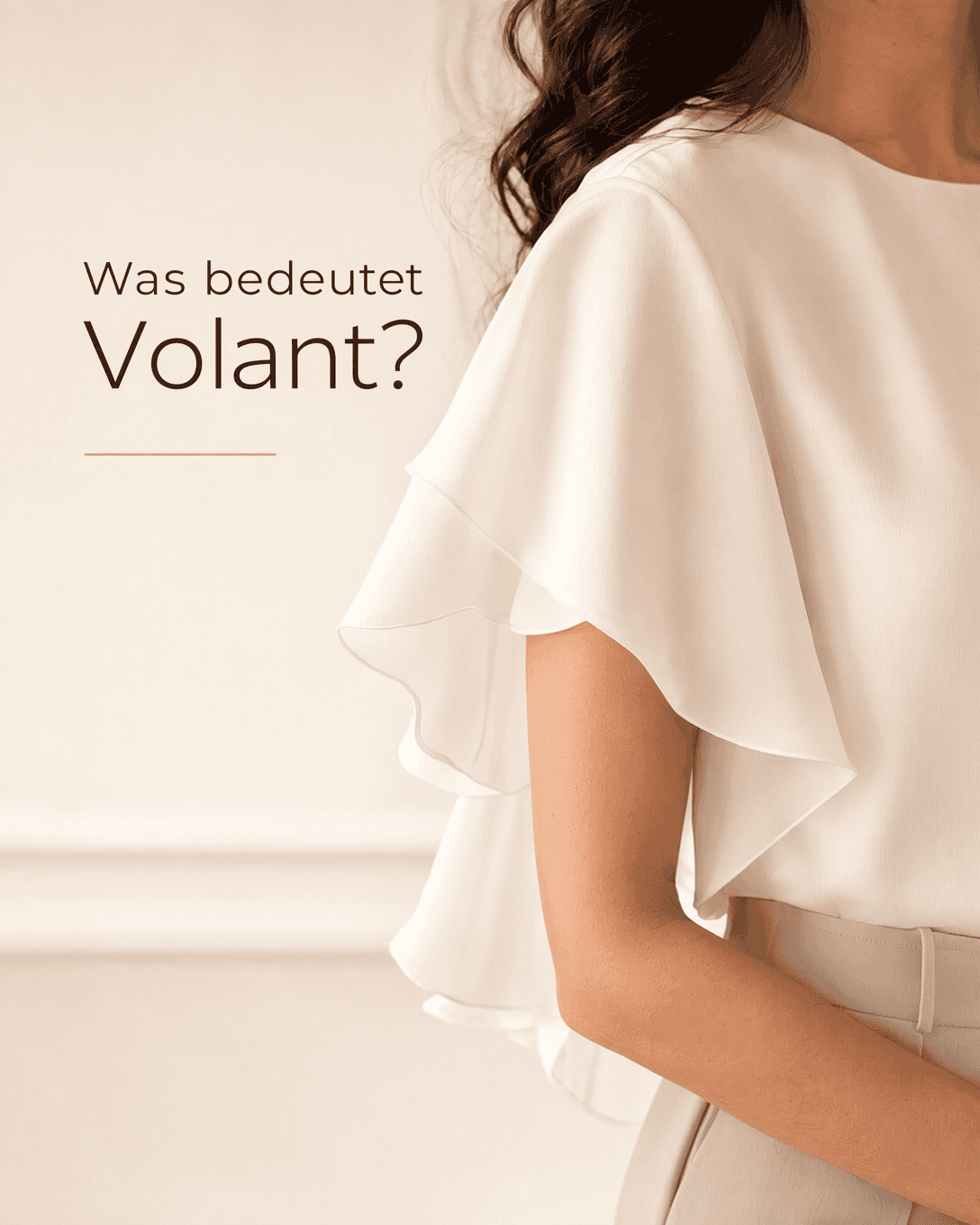
Flounce A flounce is a circular or curved fabric panel that creates soft waves at a hem, sleeve, neckline, or skirt. Learn how flounces differ from ruffles and how they affect silhouette and movement.
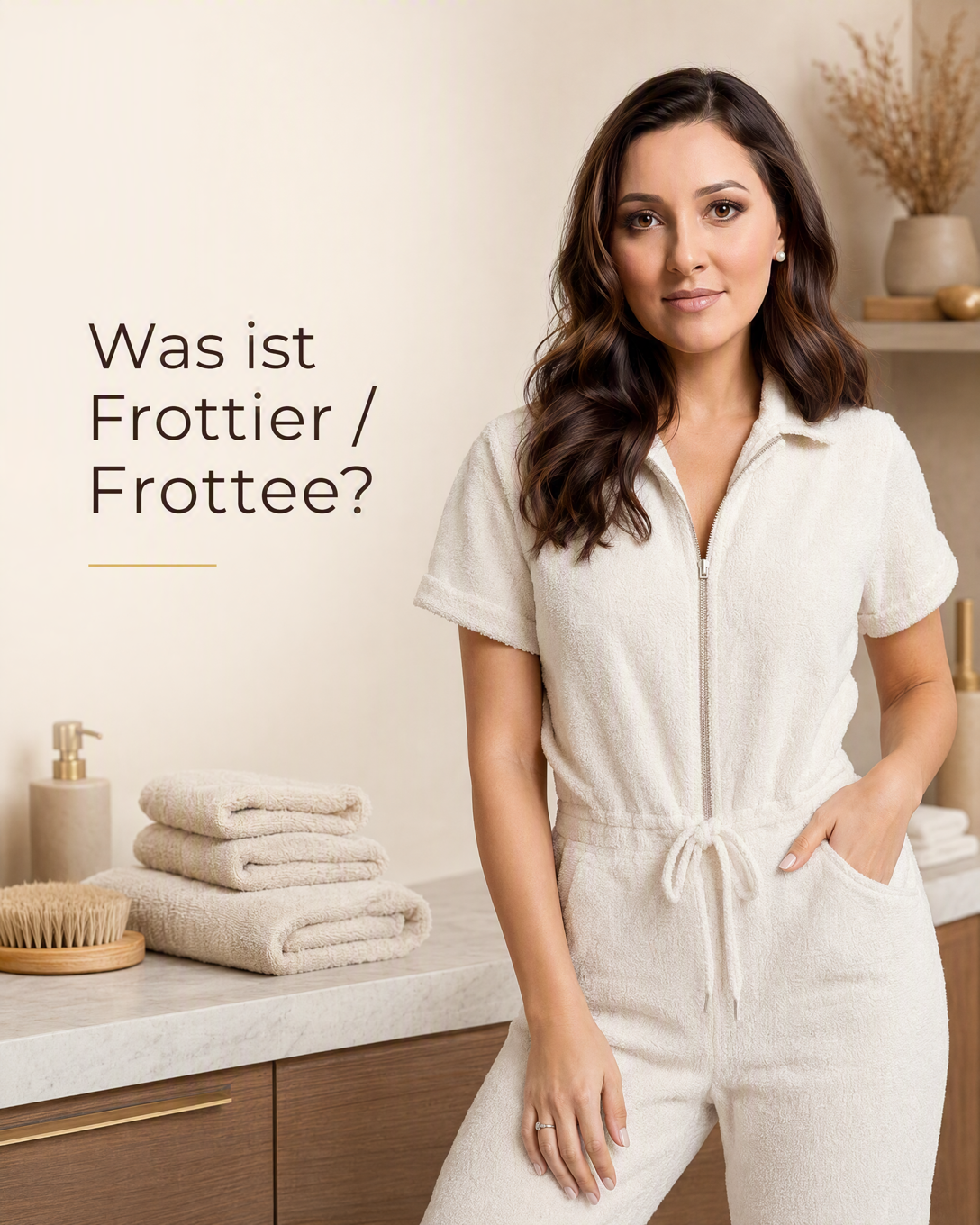
French Terry French Terry is a soft knitted fabric with smooth loops on the reverse side. Learn how French Terry differs from sweatshirt fleece, how it feels, and what to check before buying.
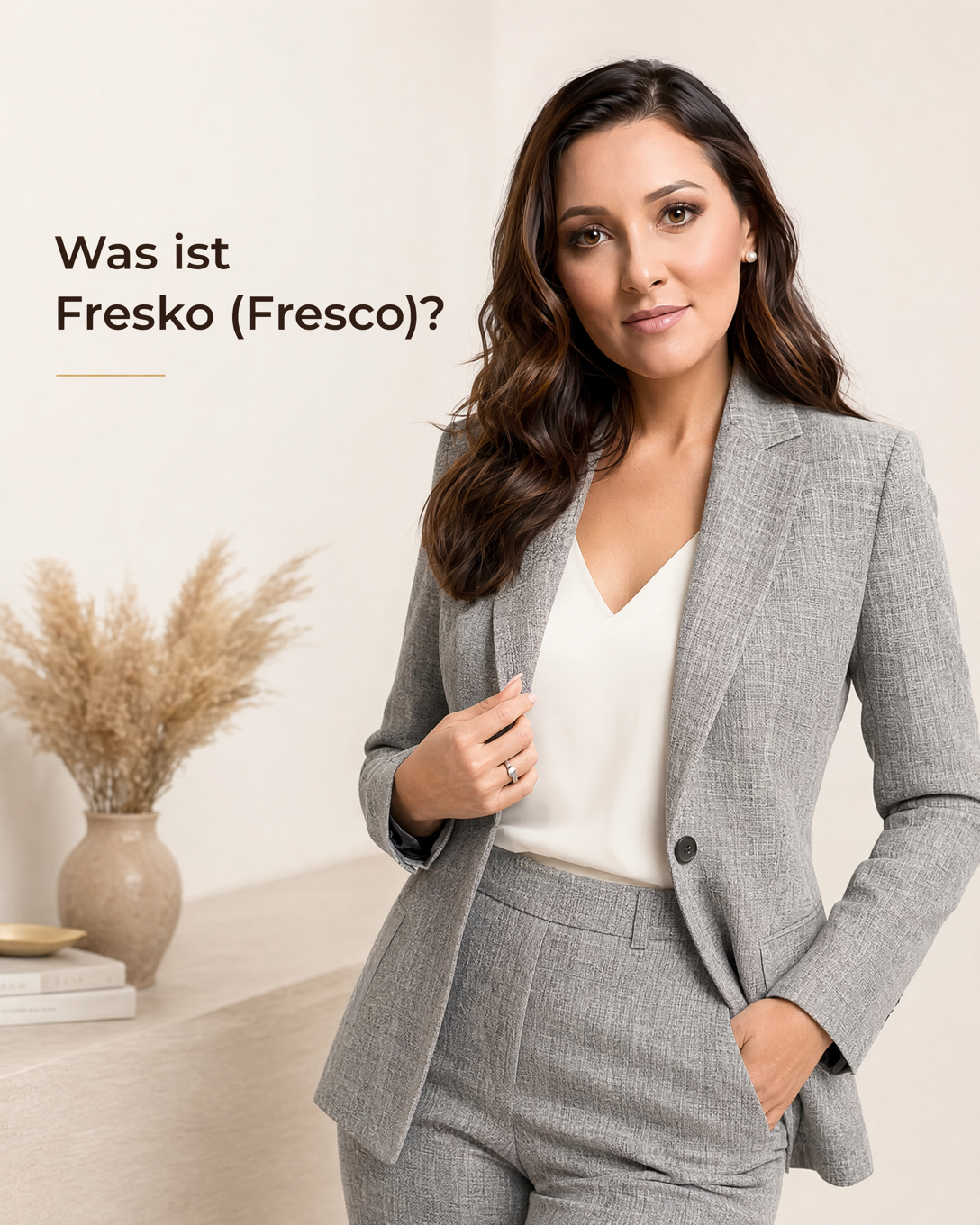
Fresco Fabric Fresco fabric is a high twist wool cloth with an open, porous structure. It is valued for breathable, wrinkle resistant summer suits and tailored trousers.
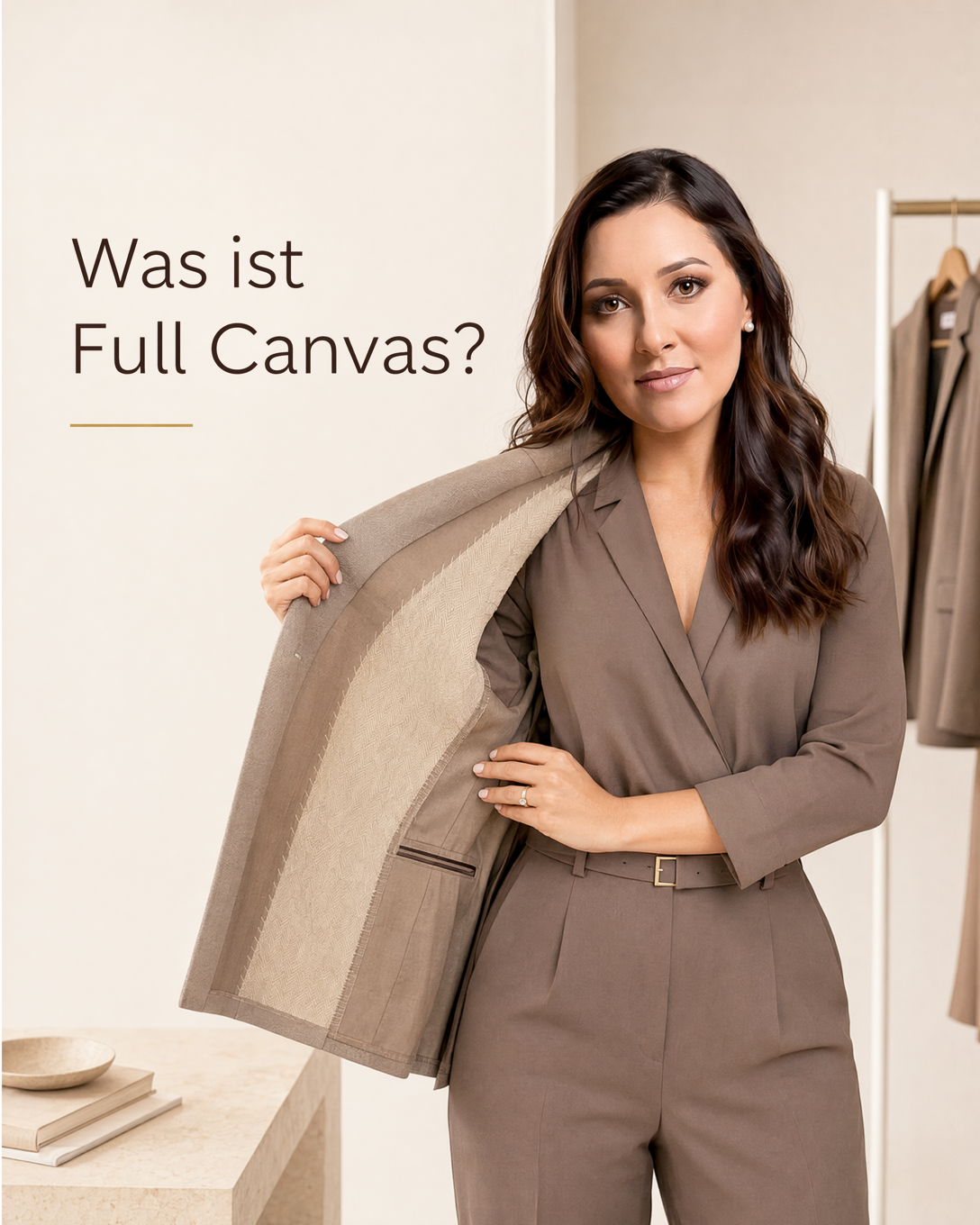
Full Canvas Full canvas is a traditional tailored jacket construction in which a canvas layer runs through the front of a suit jacket. It supports the jacket’s shape, lapel roll, drape, and long-term wear.
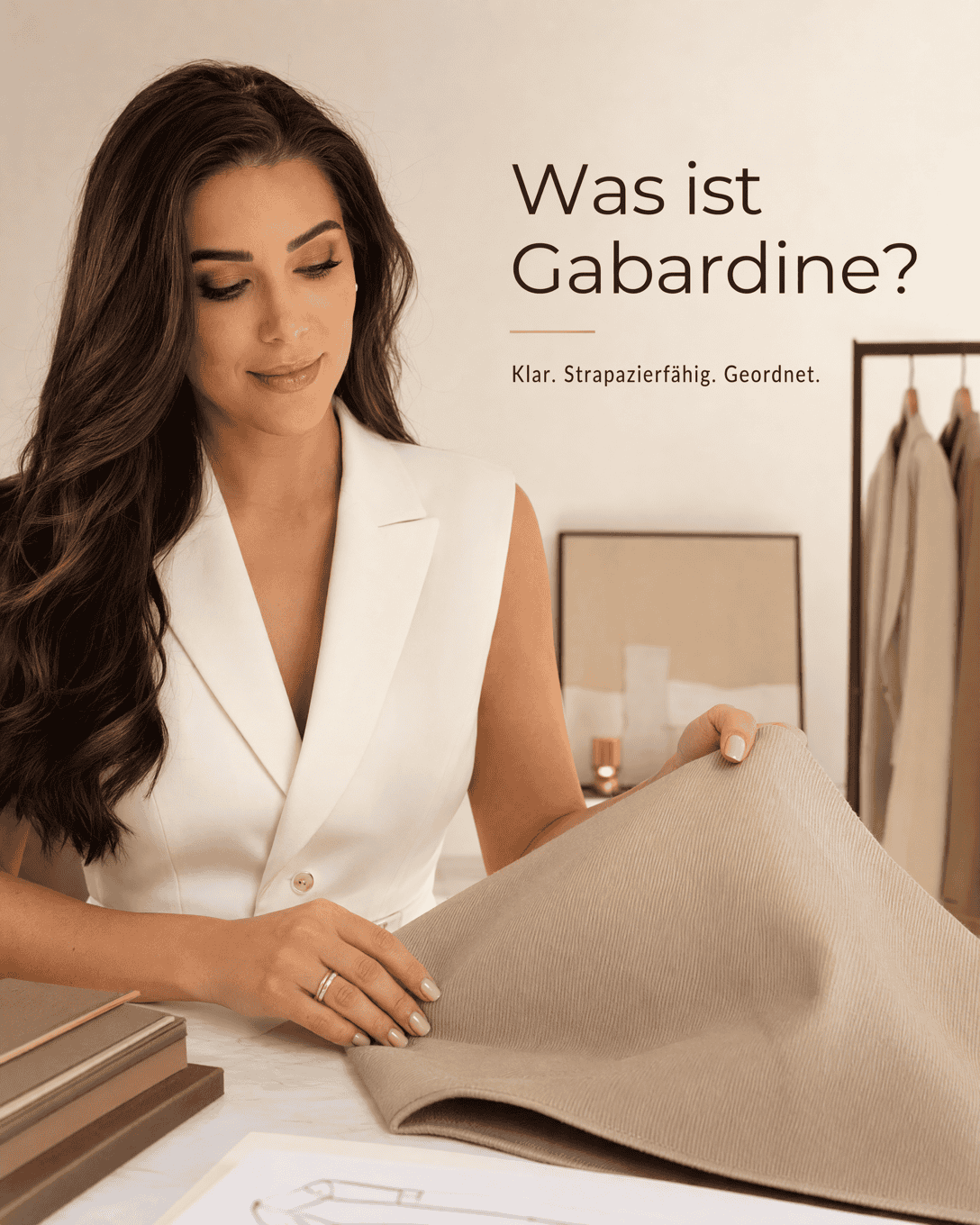
gabardine Gabardine is a dense, hard-wearing twill fabric recognized by its fine diagonal rib. Often used for trench coats, tailoring, trousers, and skirts, it creates a clean, structured appearance.
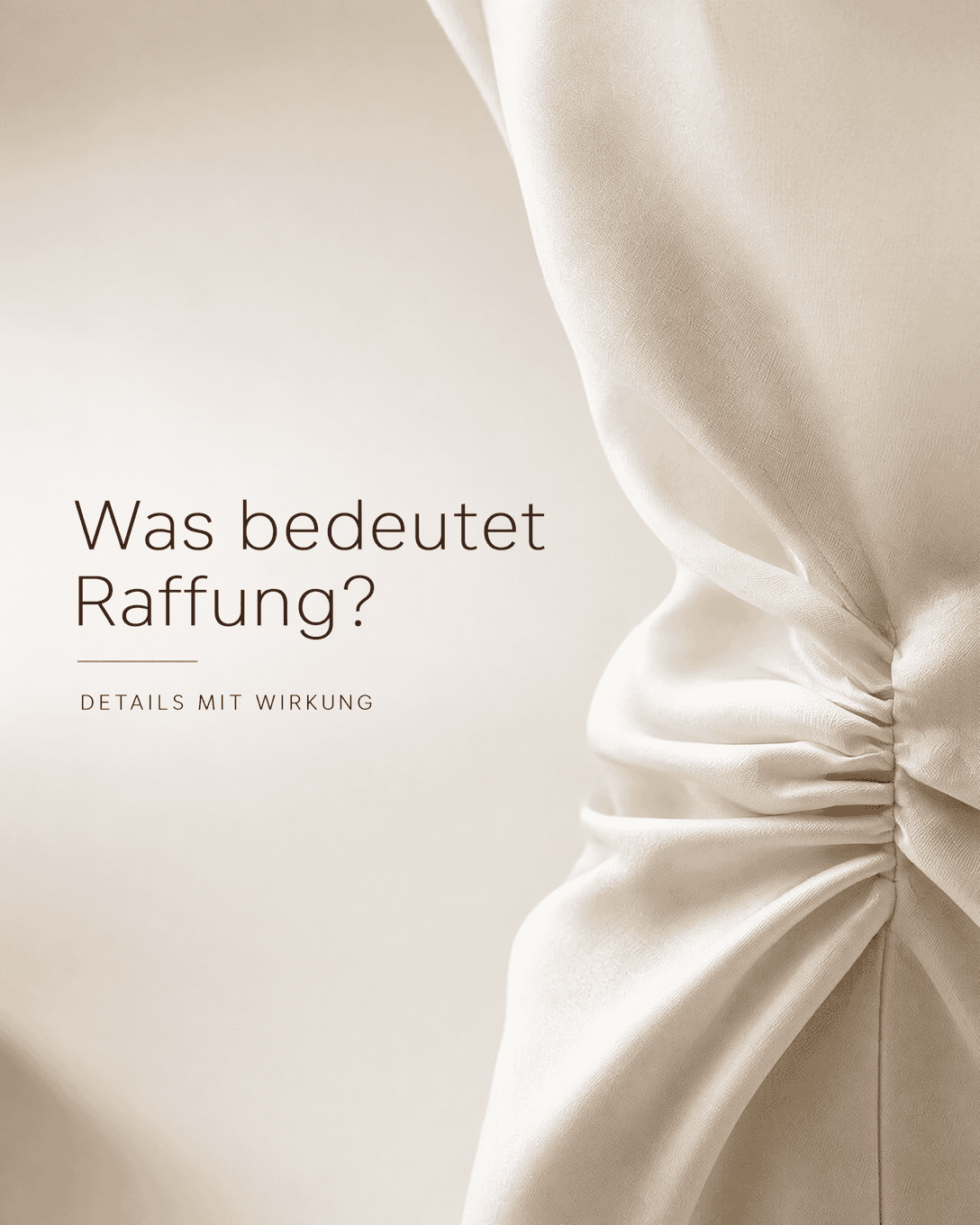
Gathering Gathering is a sewing technique that draws fabric into soft folds to create fullness, shape, and movement in clothing.
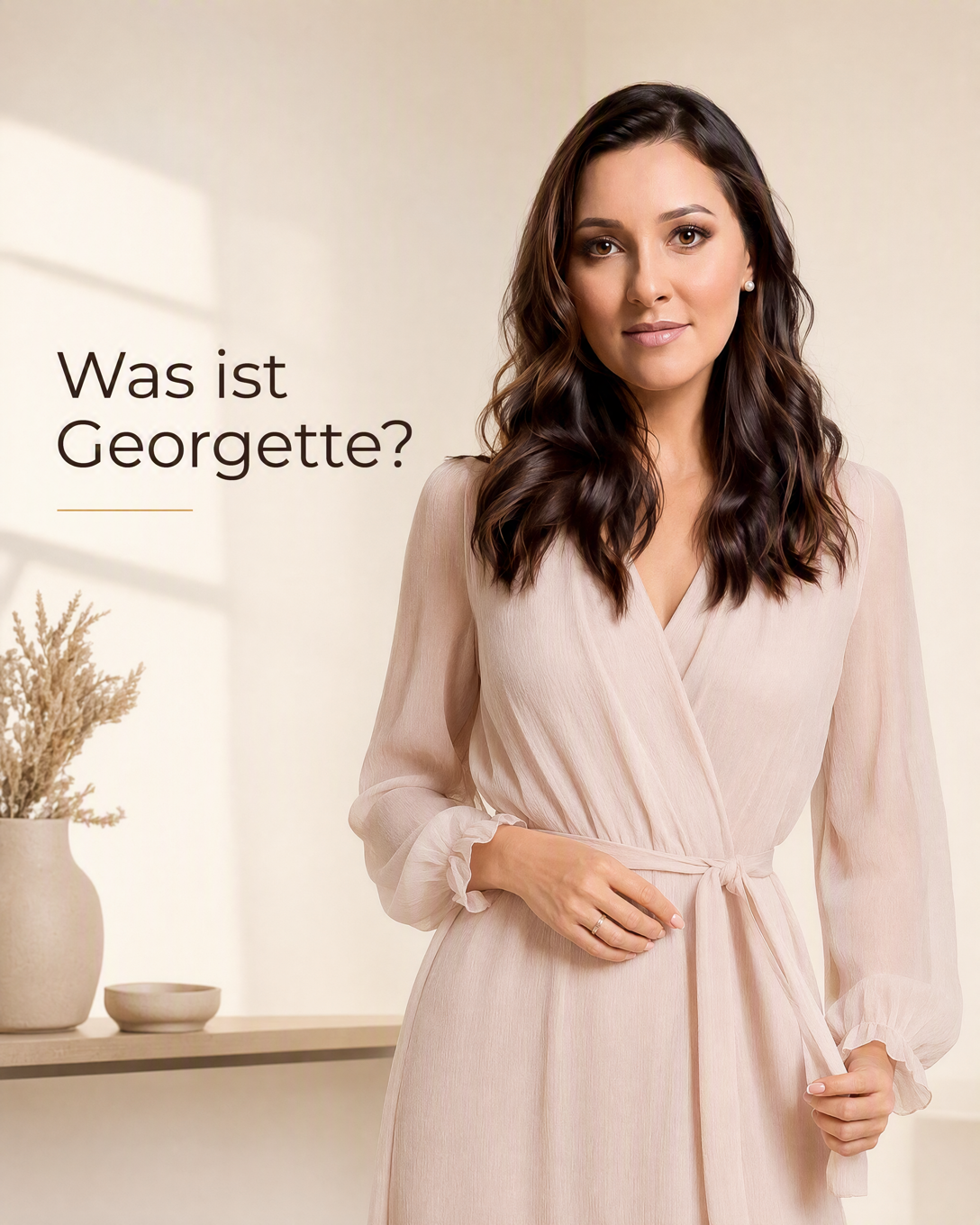
Georgette Georgette is a fine, lightweight crepe fabric with a softly crinkled surface, fluid drape, and slight transparency. It is commonly used for dresses, blouses, scarves, and layered occasionwear.
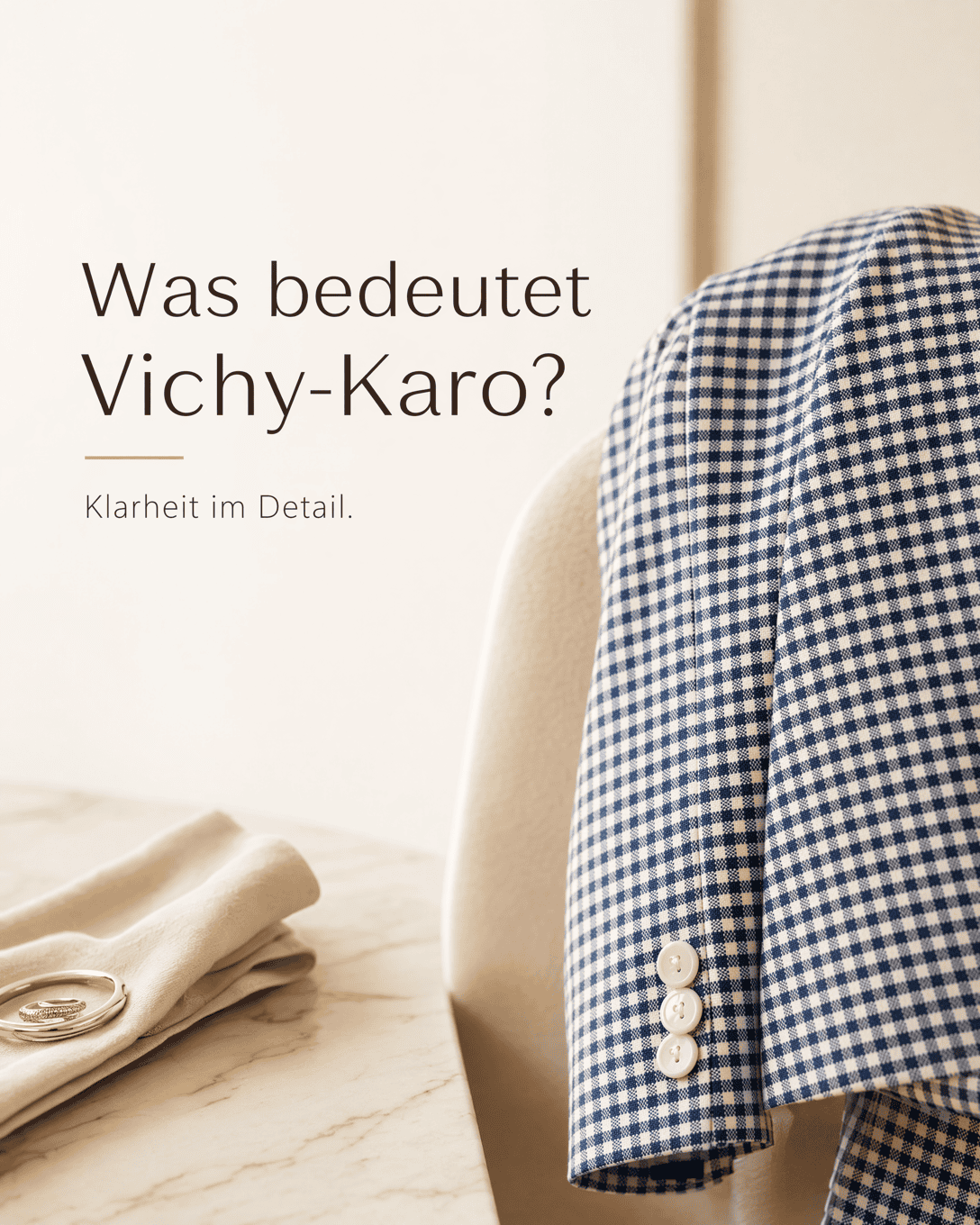
Gingham Gingham is a yarn-dyed woven fabric with an even check pattern, often associated with a fresh, casual, and classic style effect.
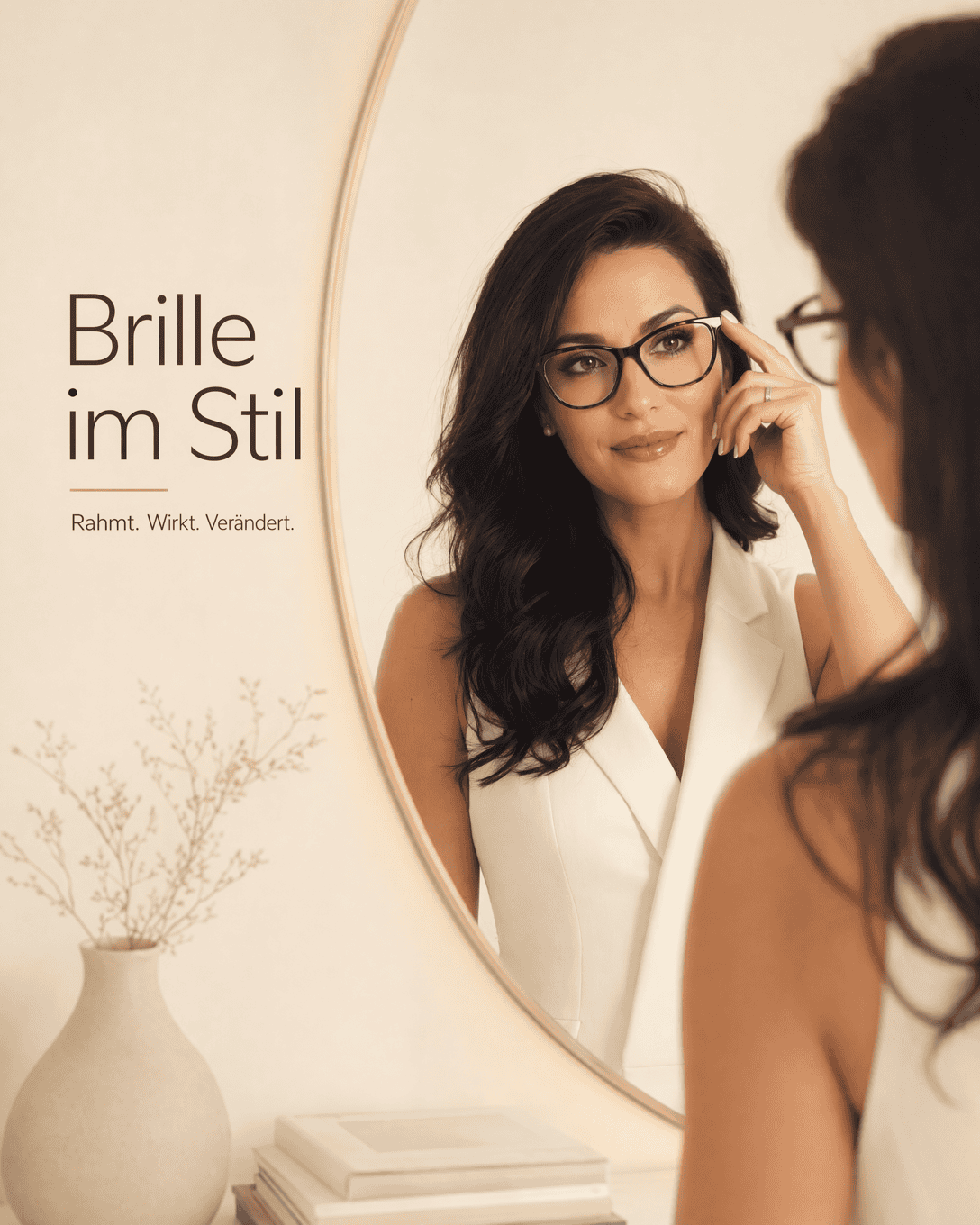
Glasses Glasses are vision aids and visible fashion accessories. Frame shape, color, scale, and material influence face framing, proportion, comfort, and the overall style of an outfit.
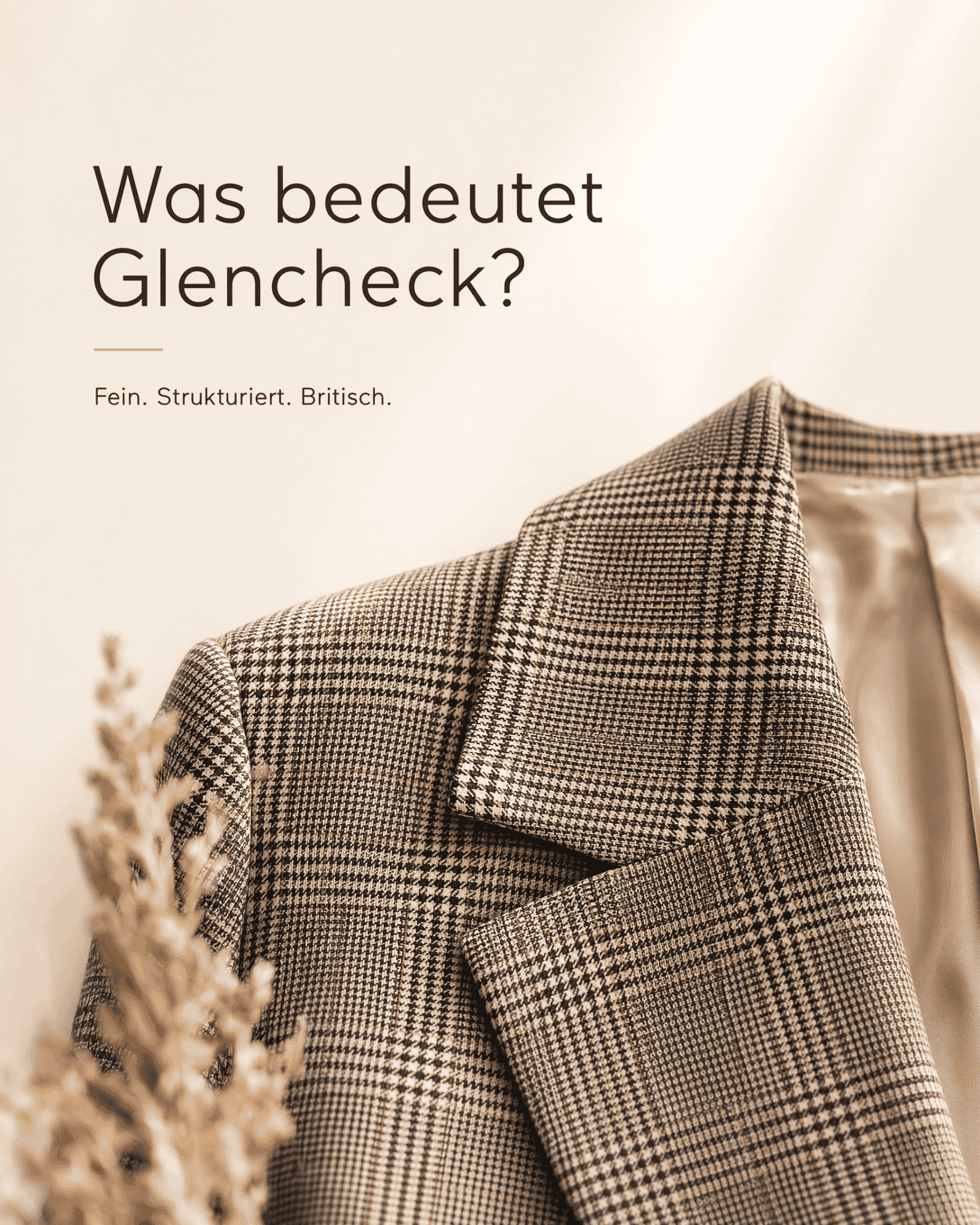
Glencheck Glencheck is a refined woven check pattern made from small and large checks, often in muted colours. Learn how to recognise Glencheck and style it in modern outfits.
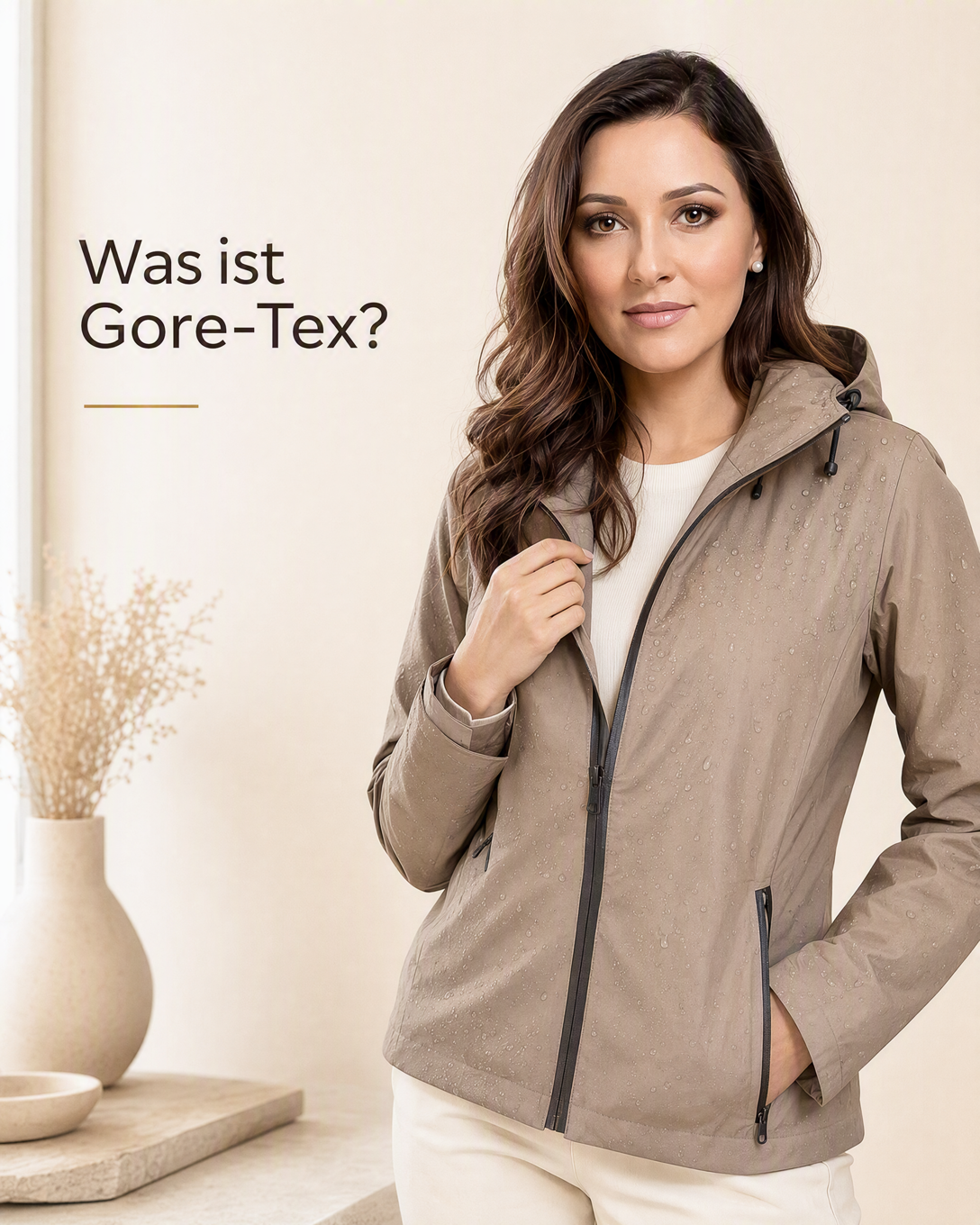
GORE-TEX GORE-TEX is a waterproof, windproof, and breathable membrane technology used in outdoor clothing and footwear to help block rain while allowing water vapor to escape.
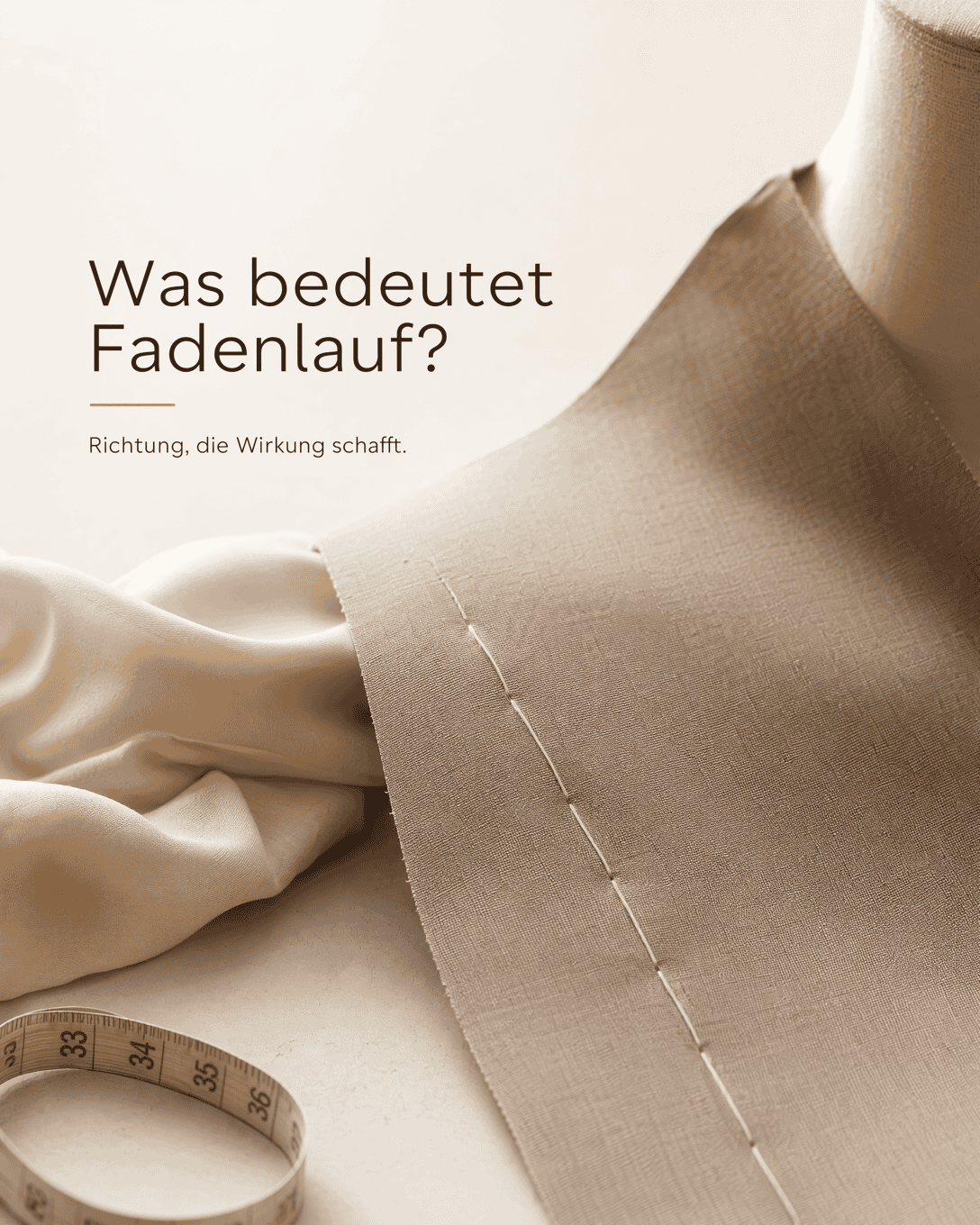
Grainline Grainline is the direction of threads in a woven fabric. It affects how a garment hangs, stretches, moves, and keeps its intended shape.
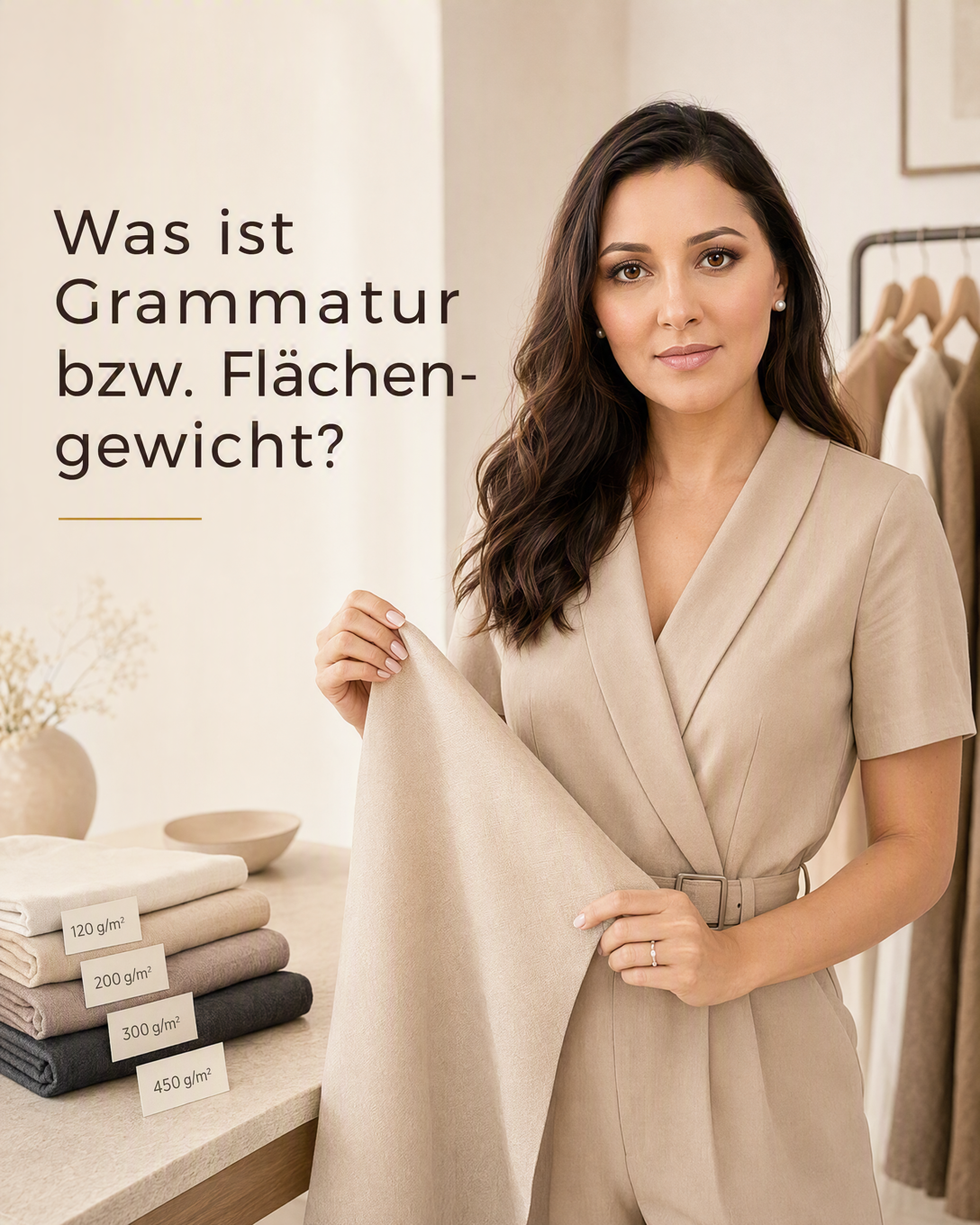
Grammage / Area Weight Grammage, also called area weight or fabric weight, measures how many grams one square metre of fabric weighs. It helps you assess likely opacity, durability, drape, warmth, and suitable garment uses.
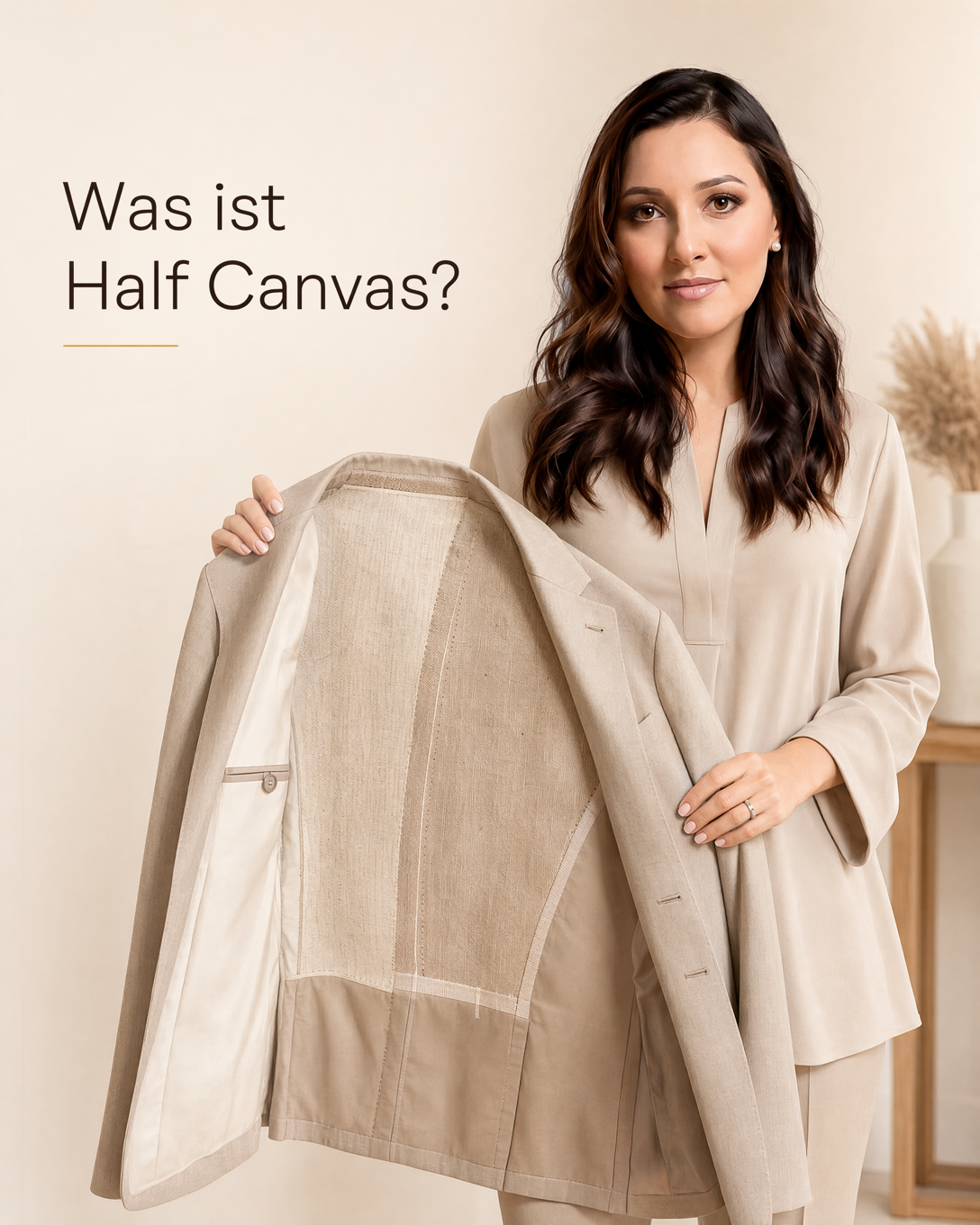
Half Canvas Half canvas is a tailored jacket construction with a sewn-in canvas layer through the chest and lapel area. It gives a blazer or suit jacket more shape and natural movement than fused construction at a more accessible price than full canvas.
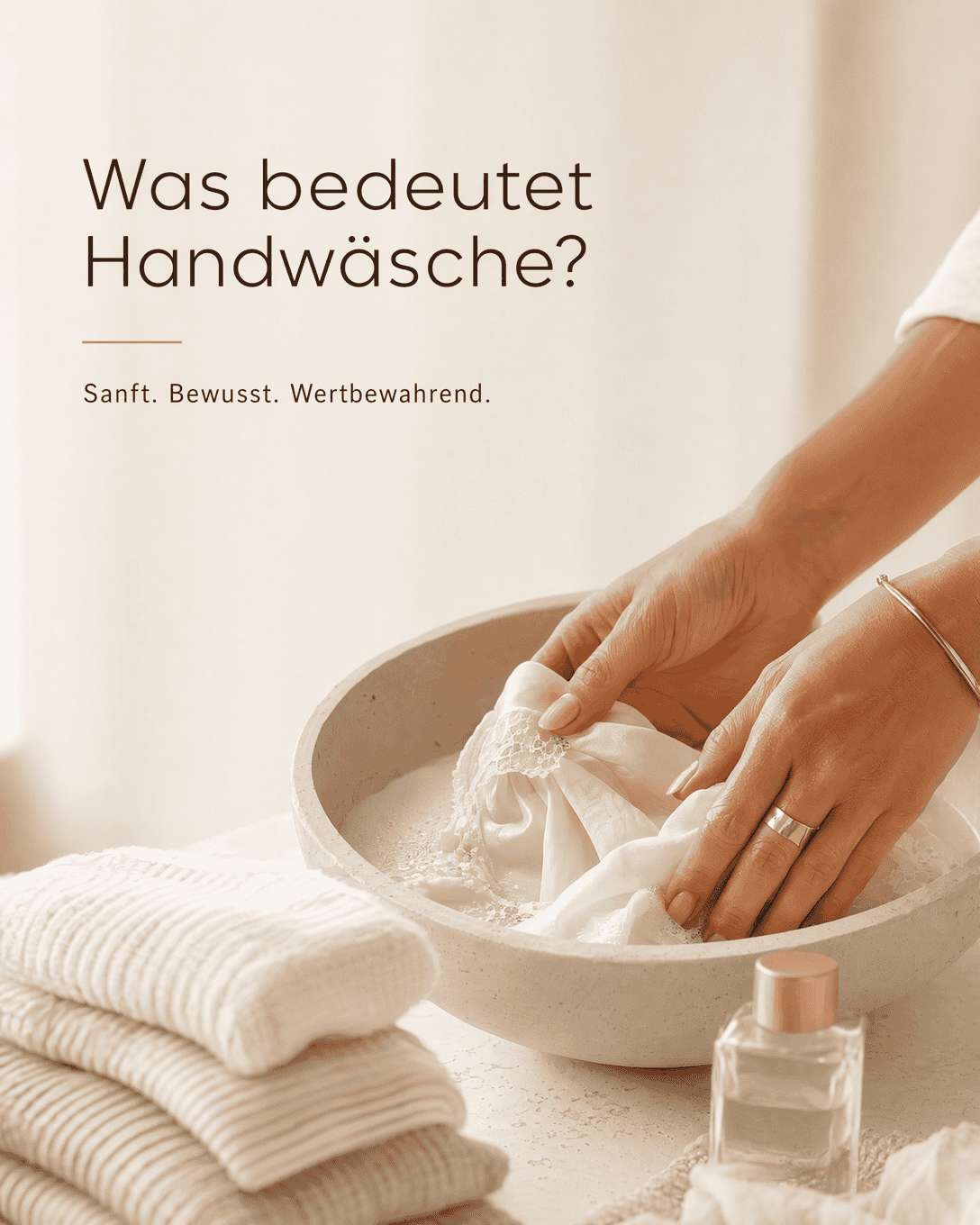
Hand Wash Hand wash means cleaning a garment gently by hand in water rather than in a washing machine. It helps protect delicate fibers, finishes, shape, and color when the care label requires it.
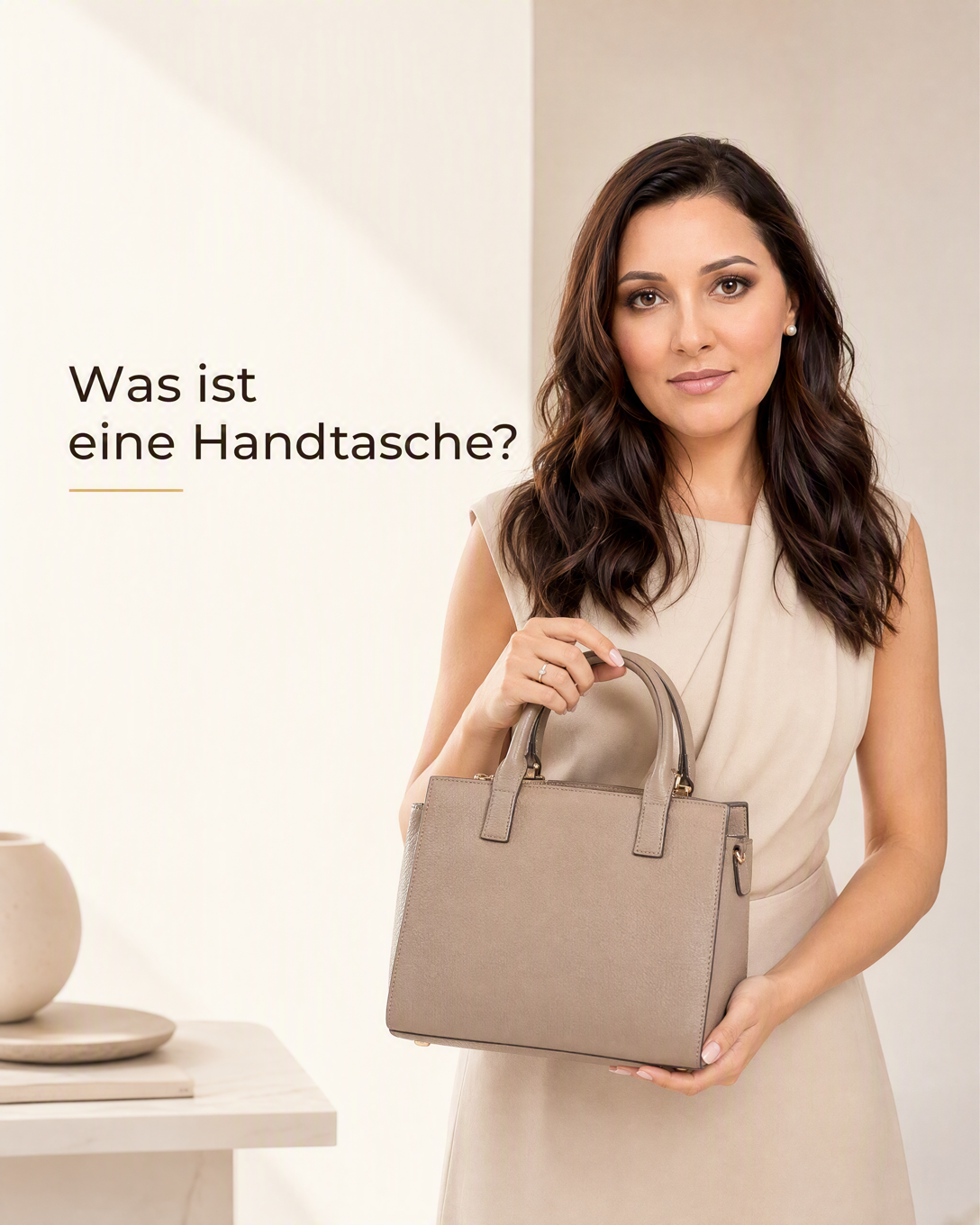
Handbag A handbag is a portable bag for carrying personal belongings, worn in the hand, on the arm, or over the shoulder. Learn how handbag shape, size, straps, and materials affect practicality and outfit style.
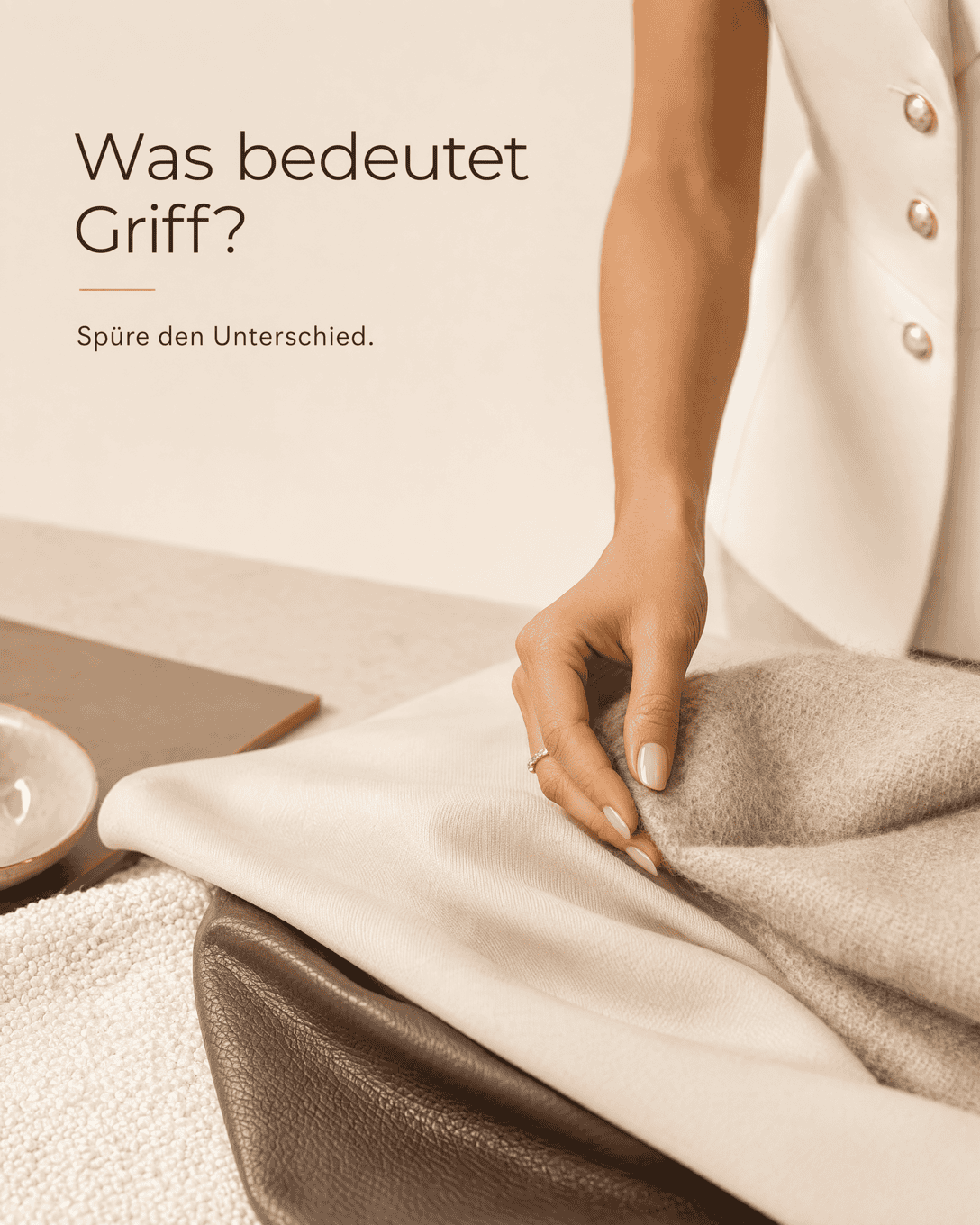
Handfeel Handfeel describes how a fabric or material feels when touched, including its softness, weight, texture, warmth, and surface character.
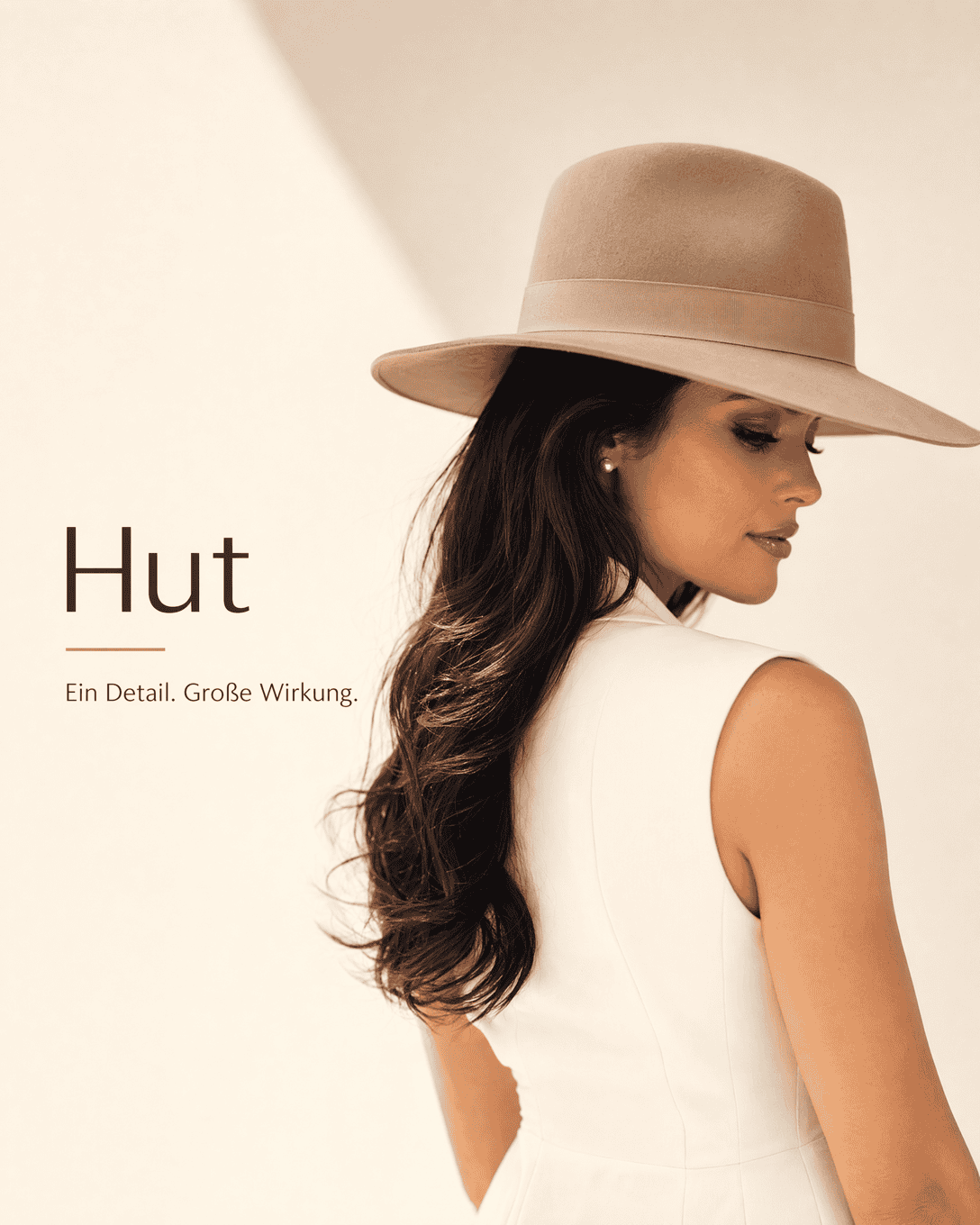
Hat A hat is a head covering with a crown and usually a brim. It can provide protection from sun or weather while shaping proportion, face framing, and the overall style of an outfit.
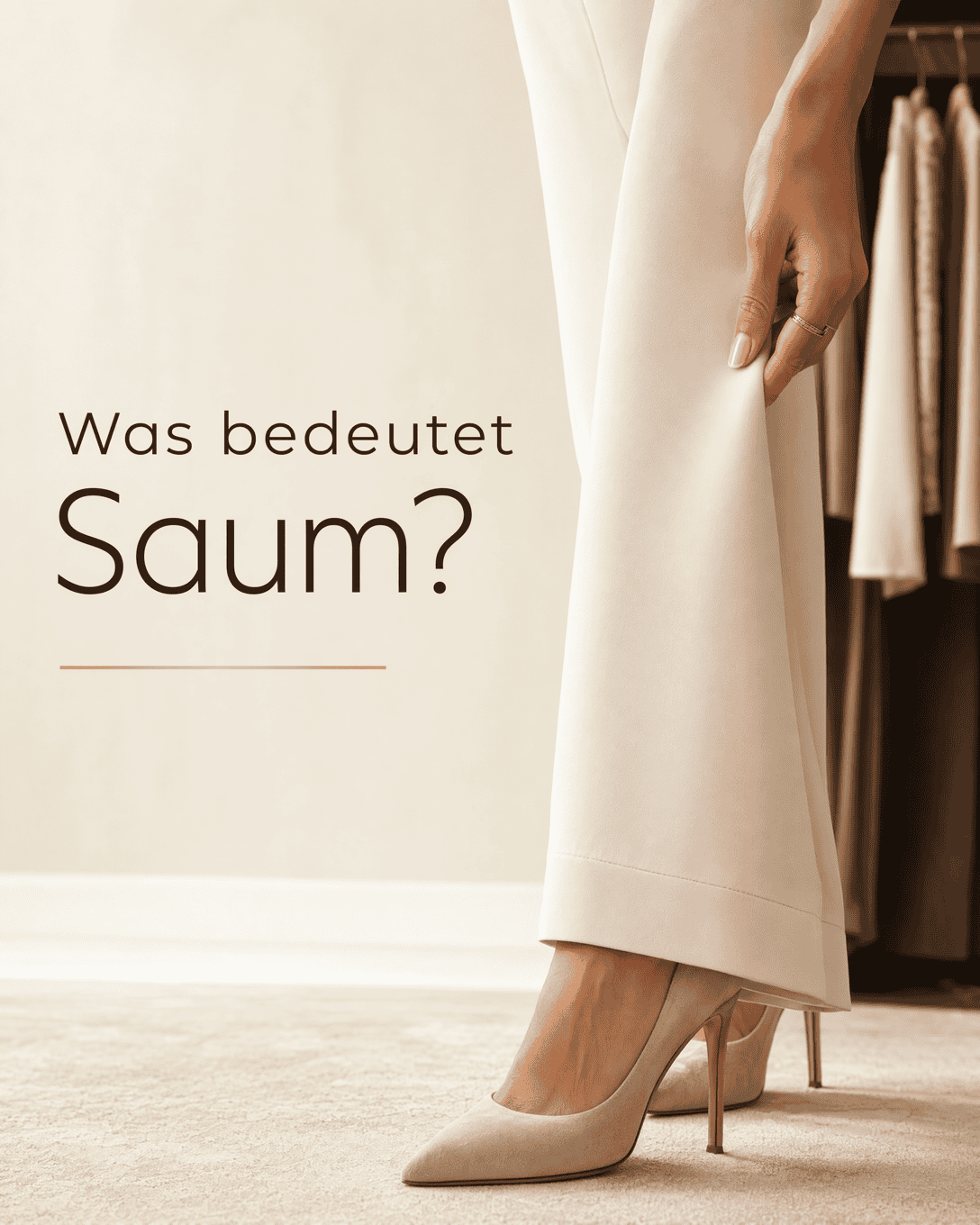
Hem A hem is the finished edge at the bottom of a garment, sleeve, trouser leg, or skirt. It affects durability, fit, movement, proportion, and the overall quality of an outfit.
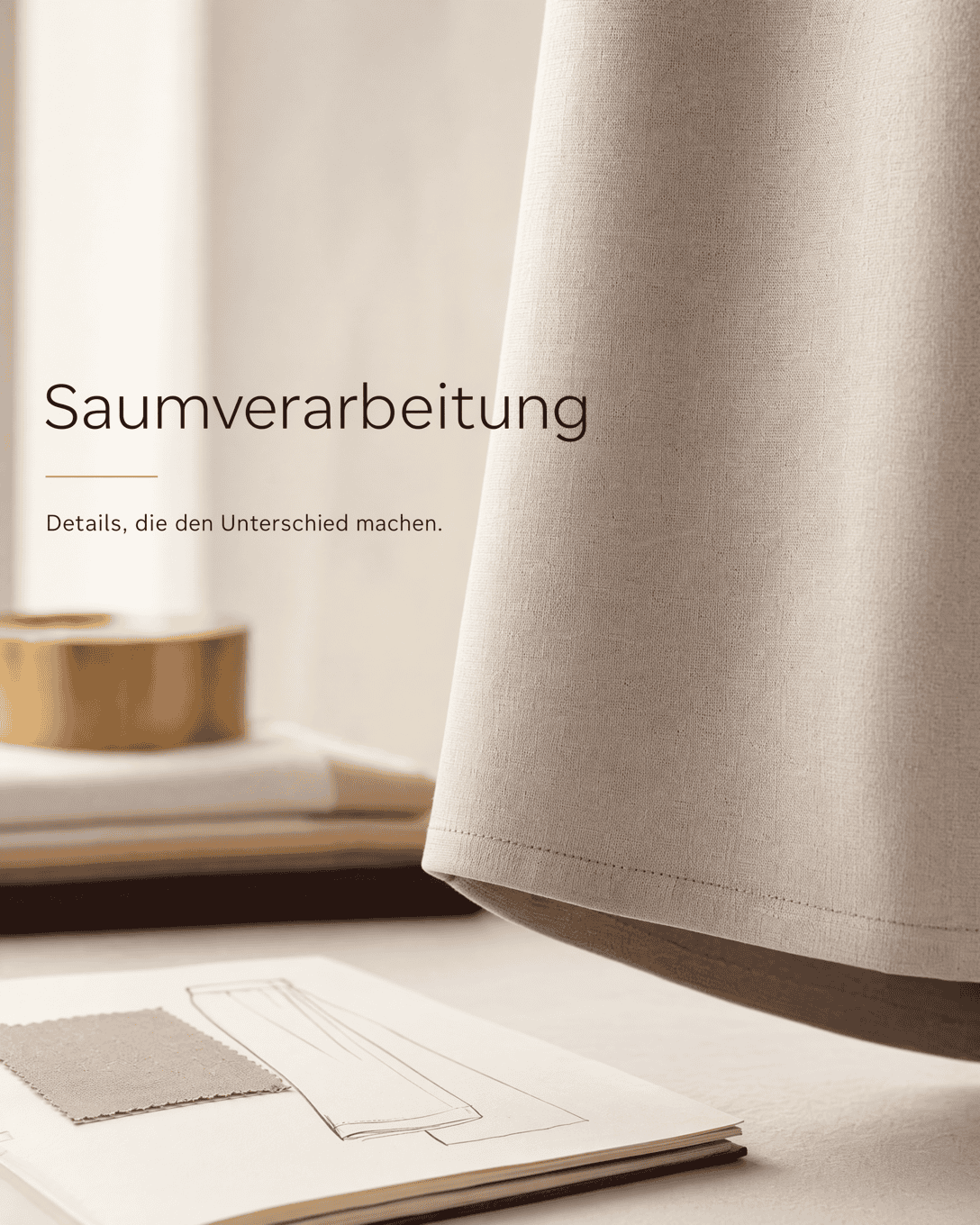
Hem Finish Hem finish describes how the raw edge of a garment is secured, folded, stitched, or deliberately left visible. It affects durability, drape, comfort, and the perceived quality of clothing.
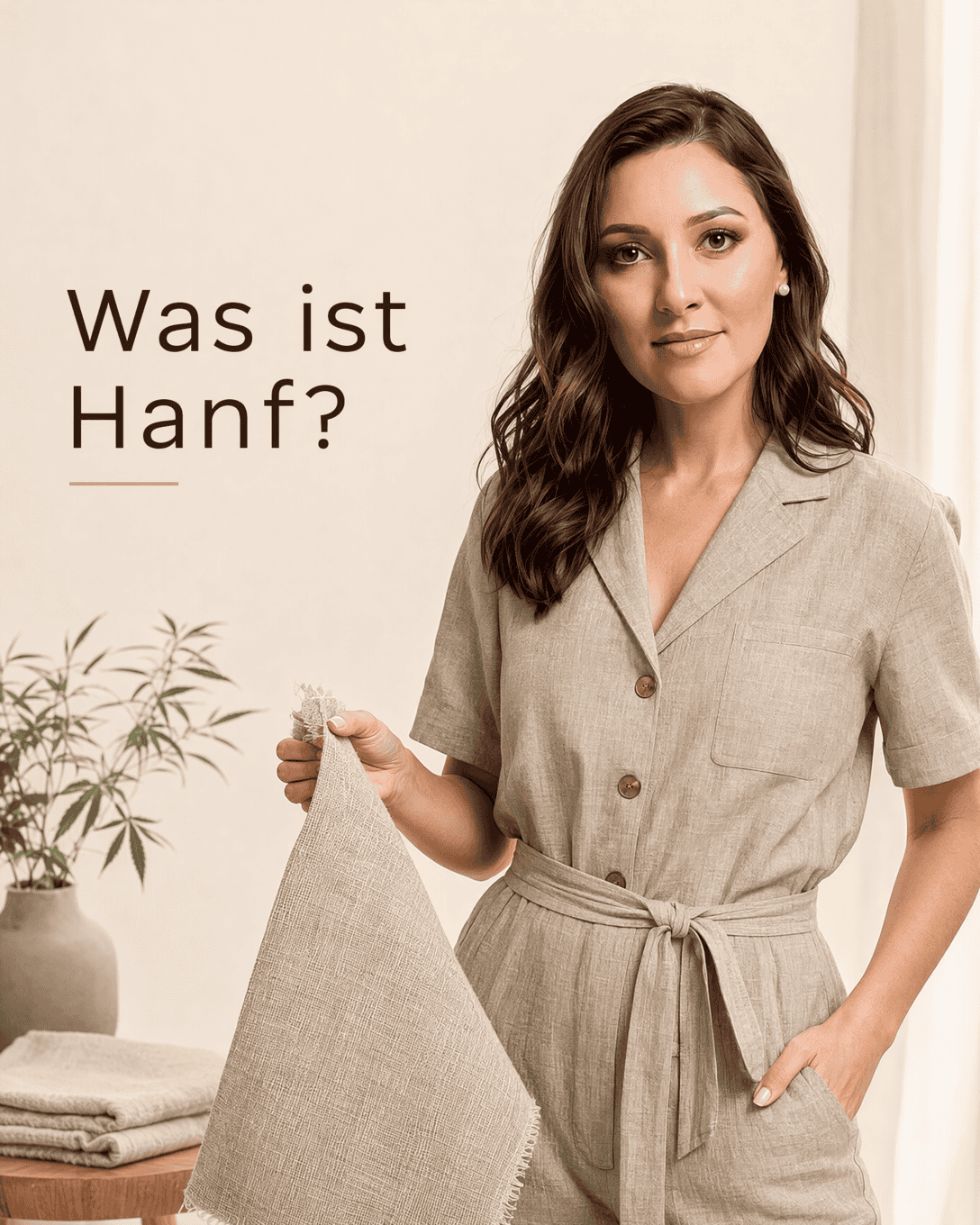
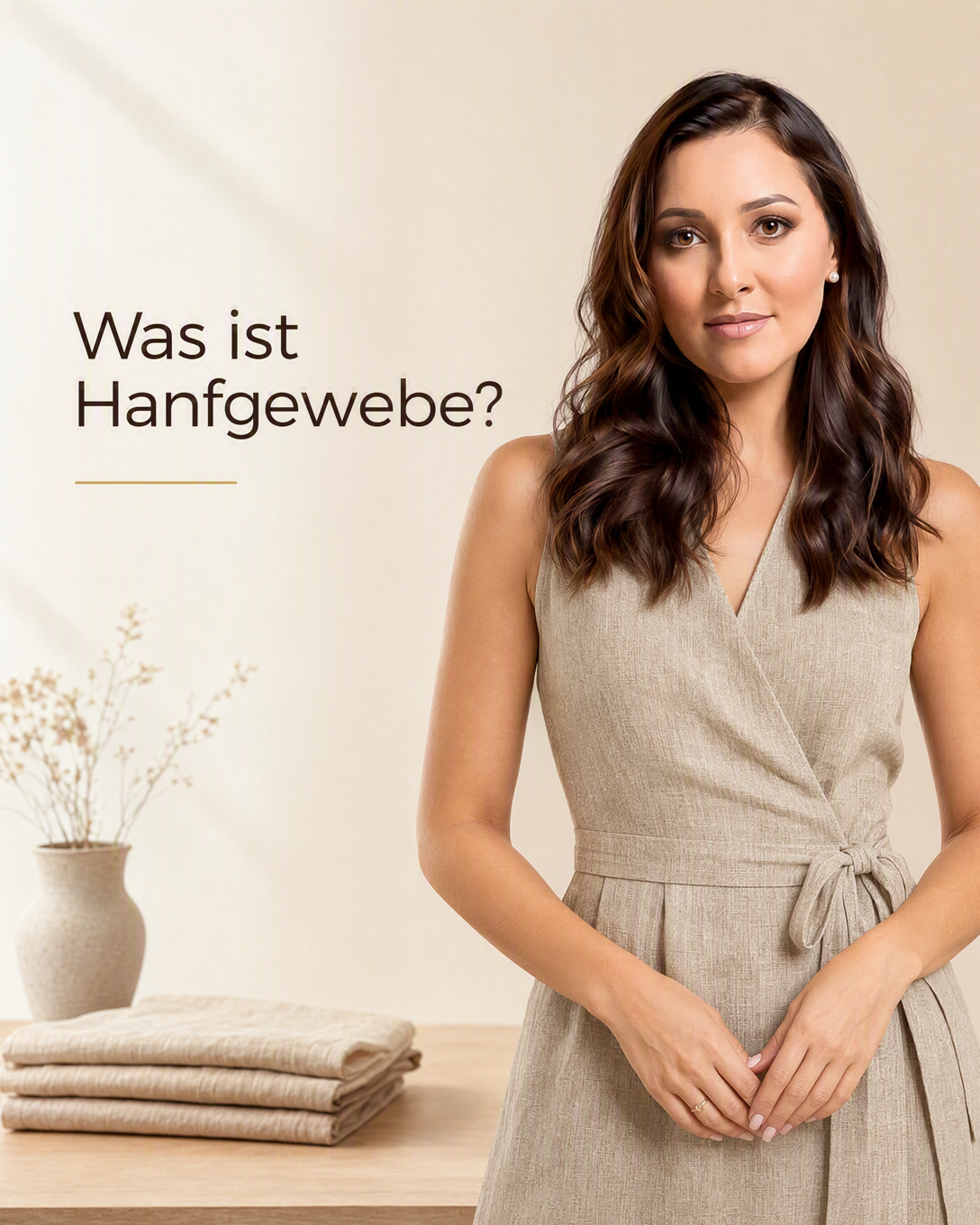
Hemp Hemp is a strong natural bast fiber used in clothing and textiles. Learn how hemp fabric feels, wears, wrinkles, and works in an everyday wardrobe.
Hemp Fabric Hemp fabric is a durable plant-based textile made from hemp fibers. It is valued for its breathable feel, textured appearance, and practical performance in everyday clothing.
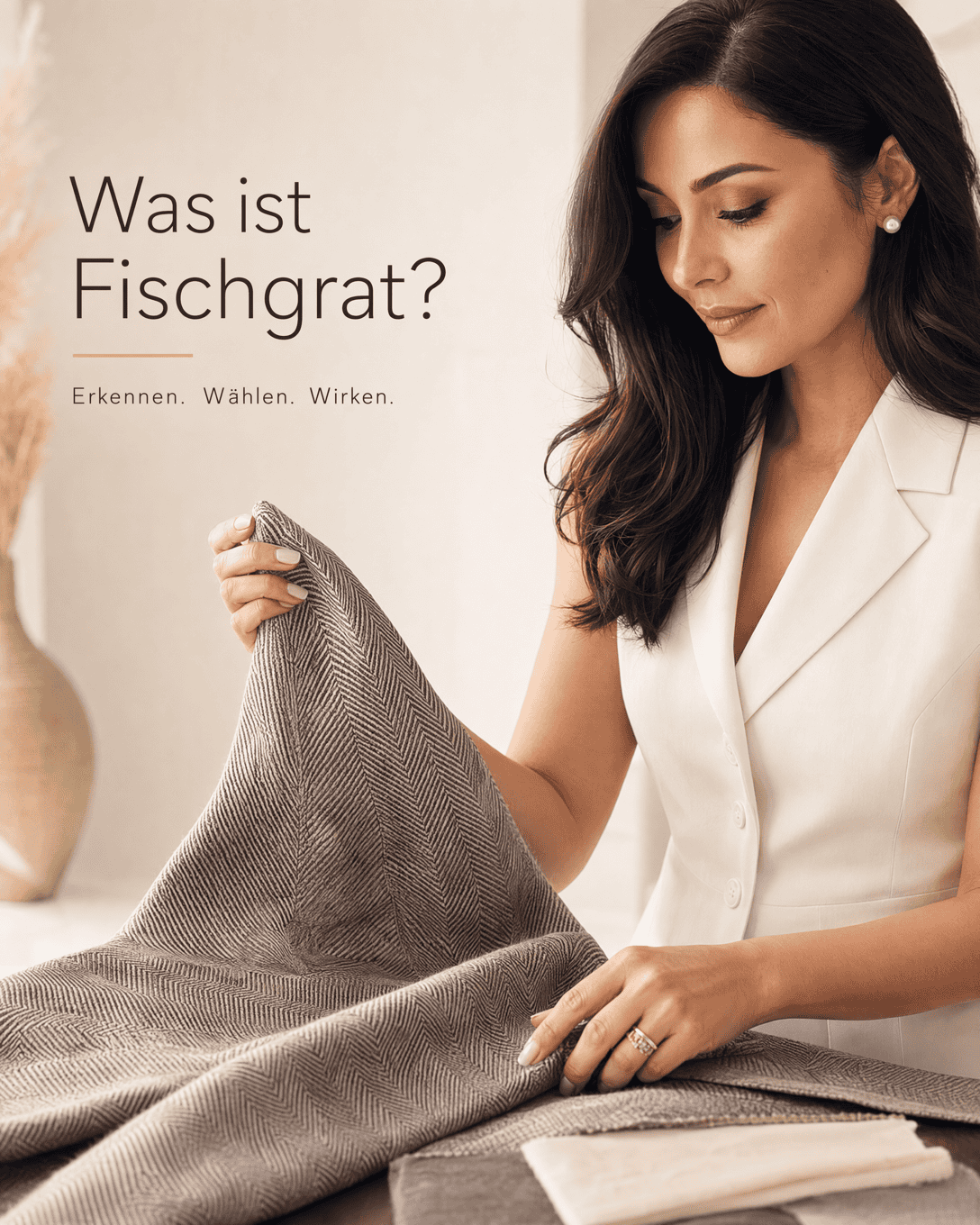
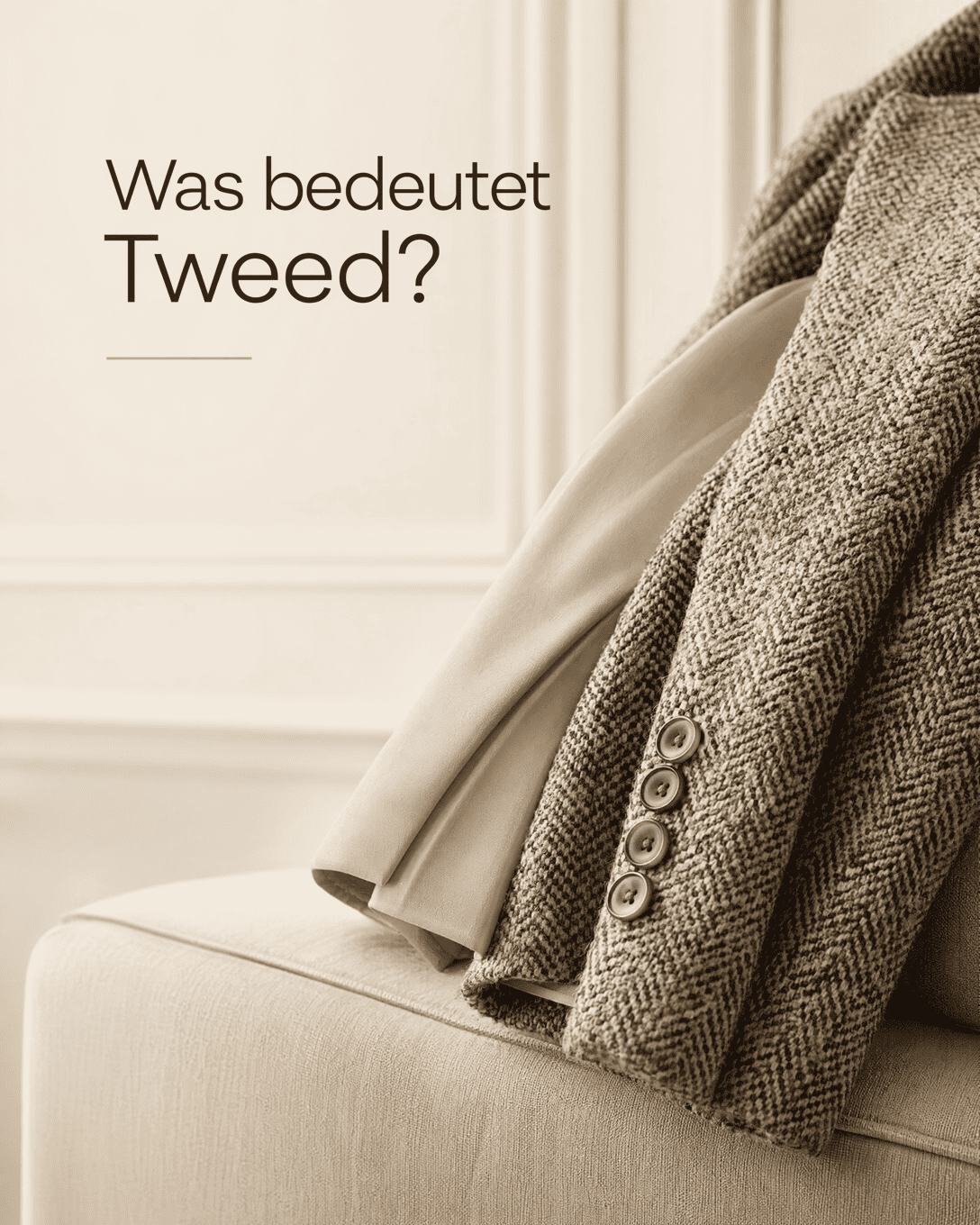
Herringbone Herringbone is a broken twill weave or pattern with diagonal lines that reverse direction to form repeating V-shaped sections. It is widely used in wool tailoring, coats, trousers, and textured everyday fabrics.
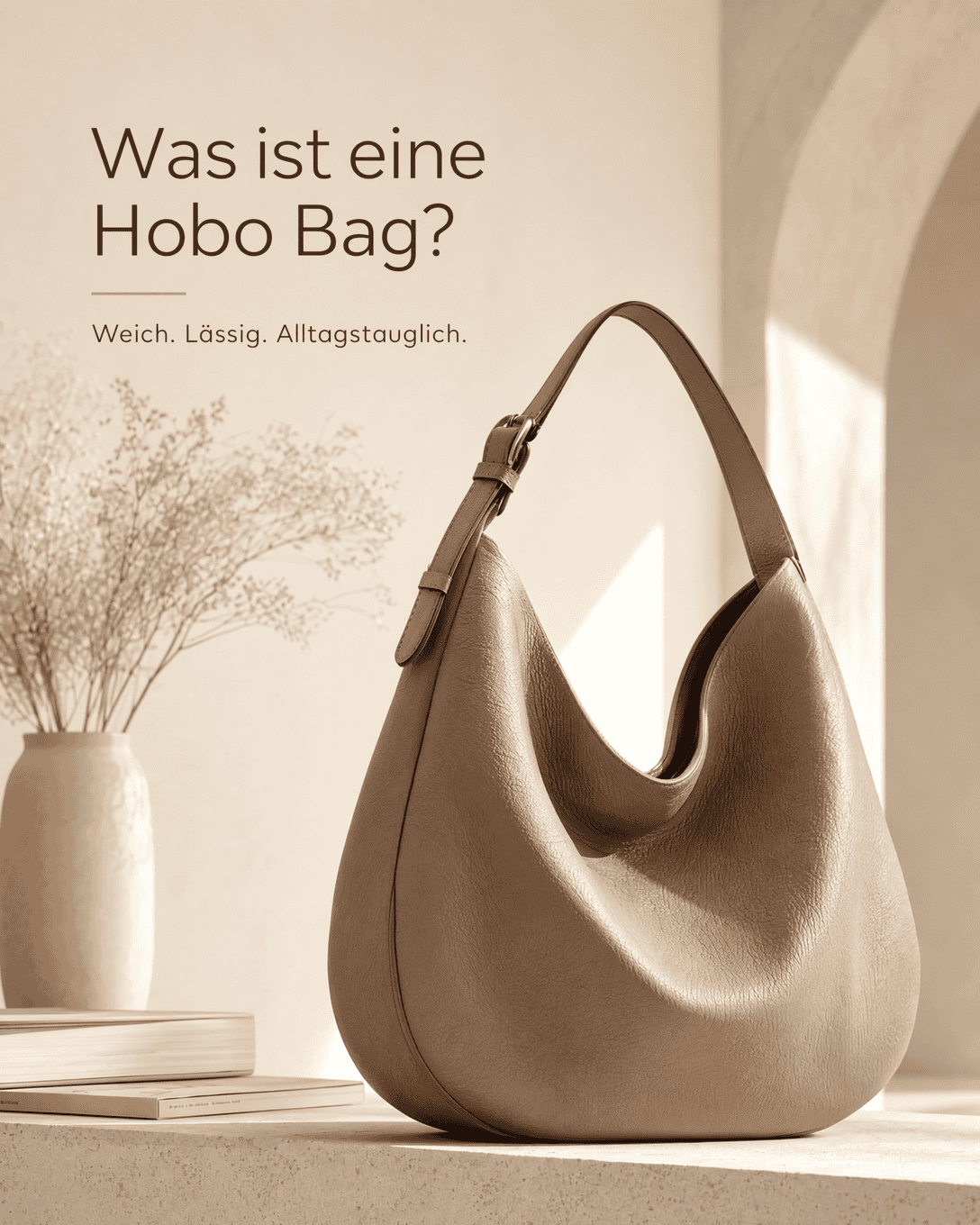
Hobo Bag A hobo bag is a soft, crescent-shaped shoulder bag with a relaxed, slouchy silhouette. Learn what defines this bag style and how to wear it.
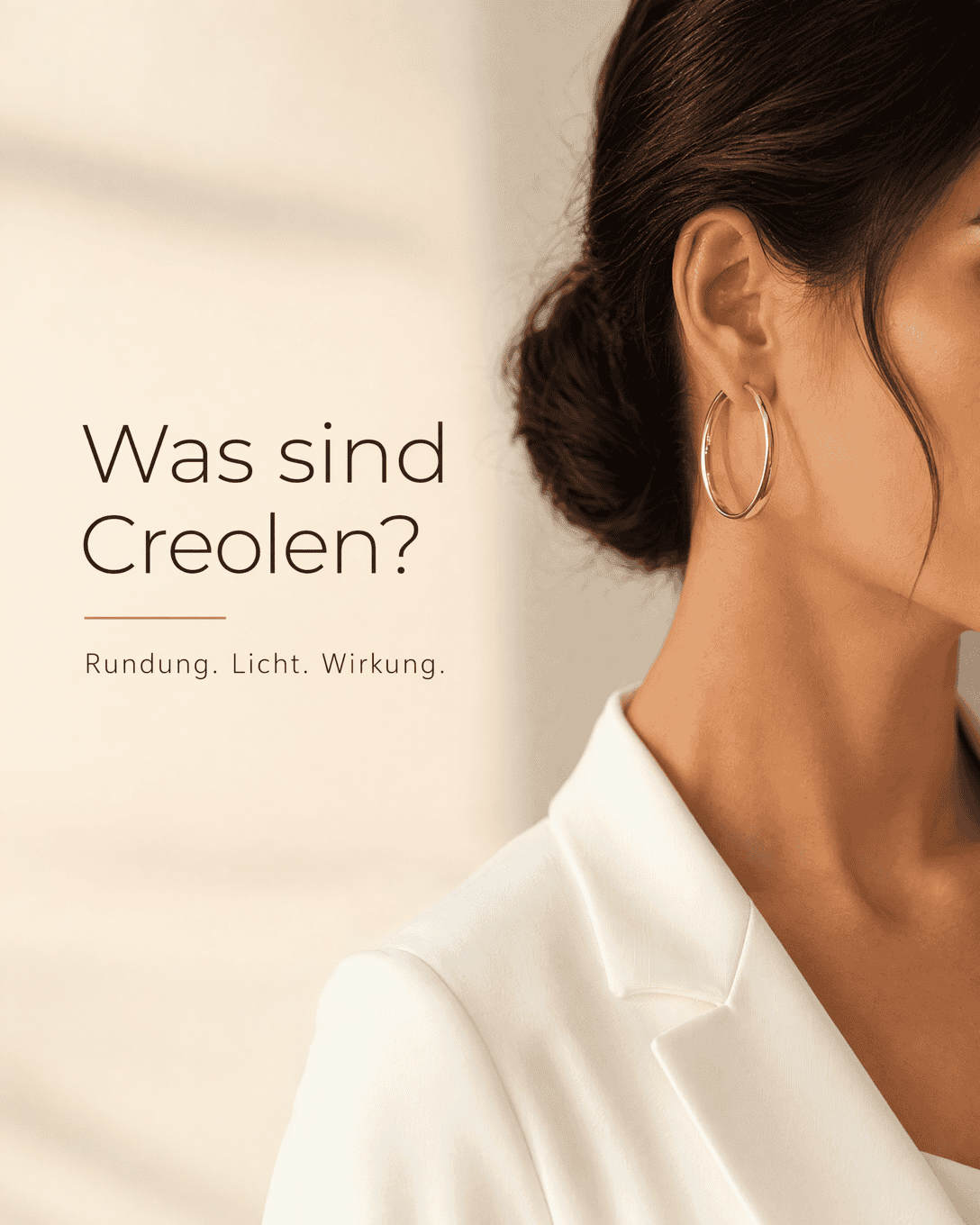
Hoop Earrings Hoop earrings are circular or semi-circular earrings that frame the face and can range from subtle everyday jewelry to bold statement pieces.
Horizontal Stripes Horizontal stripes are lines that run across a garment from side to side. They create visual width, rhythm, and contrast, influencing how an outfit’s proportions and overall effect are perceived.
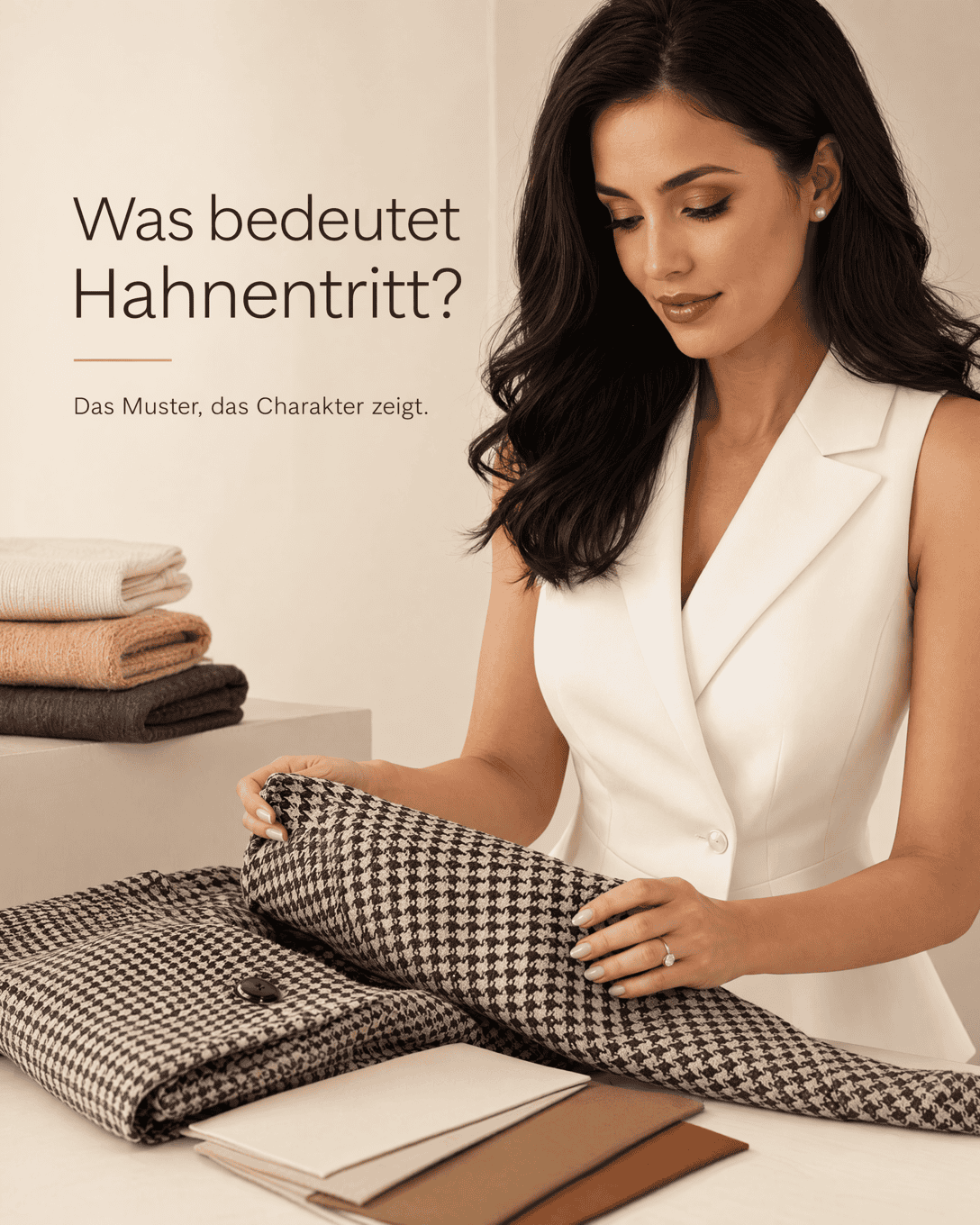
Houndstooth Houndstooth is a distinctive broken check pattern with jagged, tooth-like shapes. Learn how houndstooth works in clothing, how to style it, and what to look for when buying it.
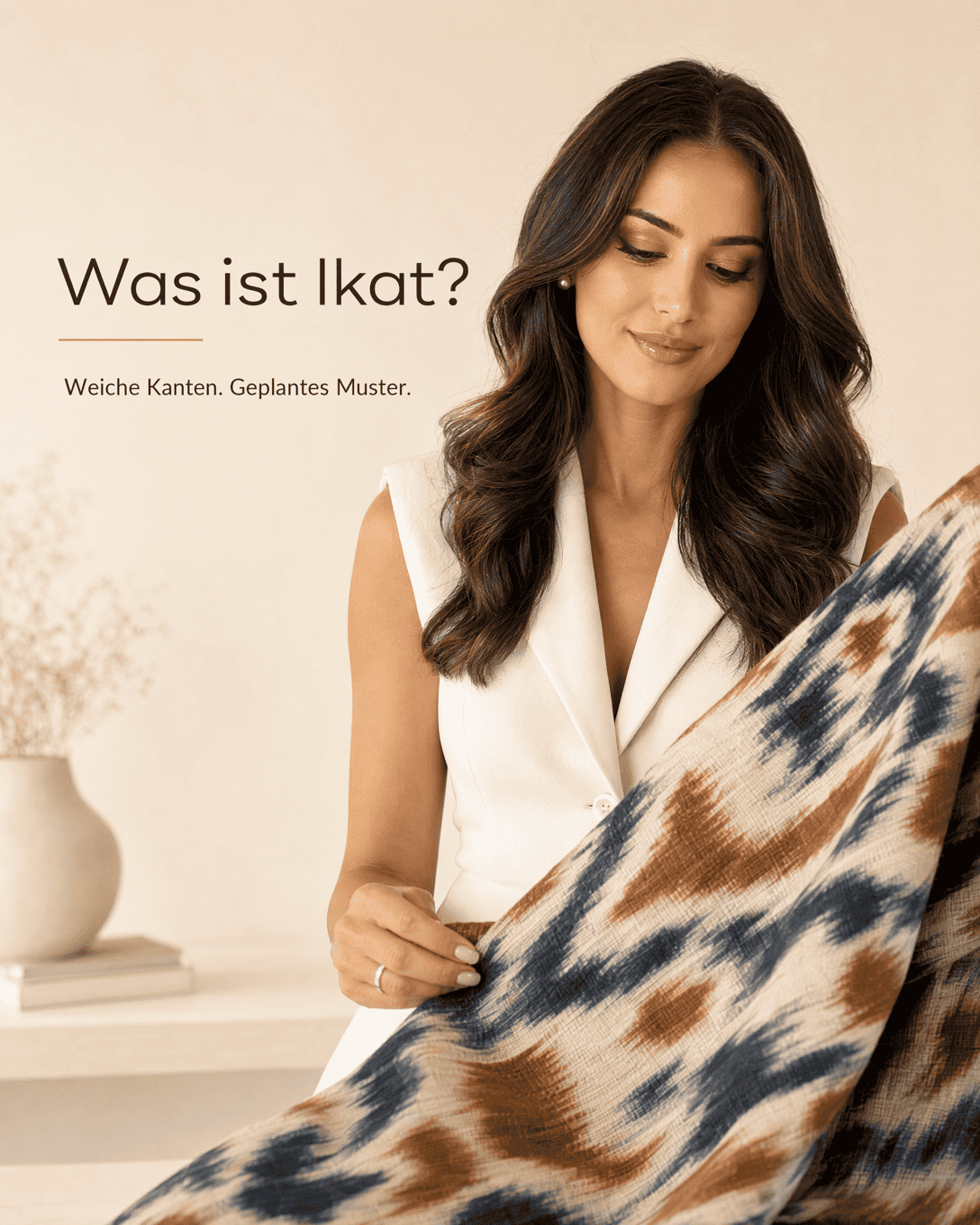
Ikat Ikat is a textile dyeing and weaving technique in which yarns are bound, dyed in sections, and then woven into softly blurred patterns.
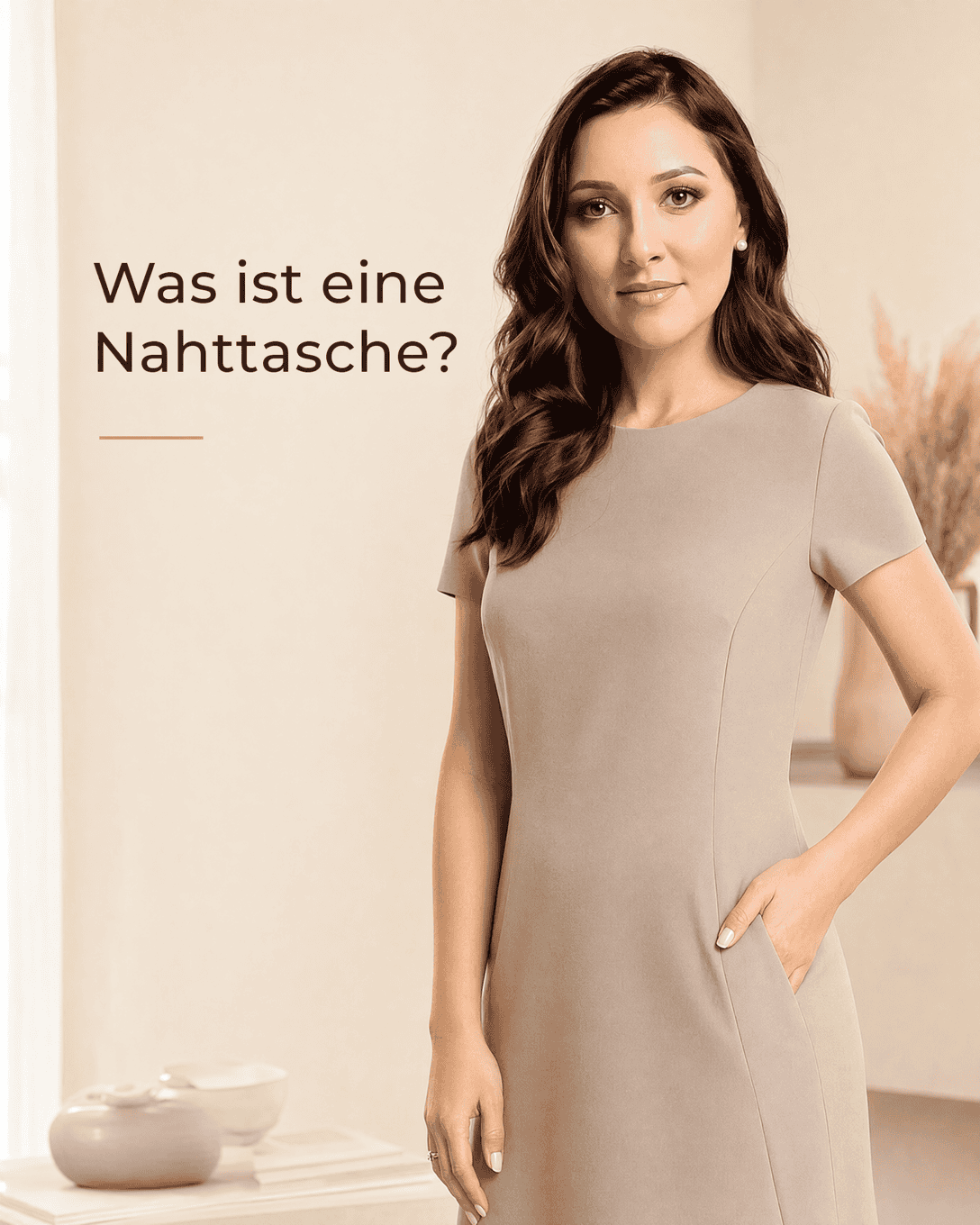
In-Seam Pocket An in-seam pocket is a pocket built into a garment seam, usually at the side seam. Learn how it affects function, fit, silhouette, and buying decisions.
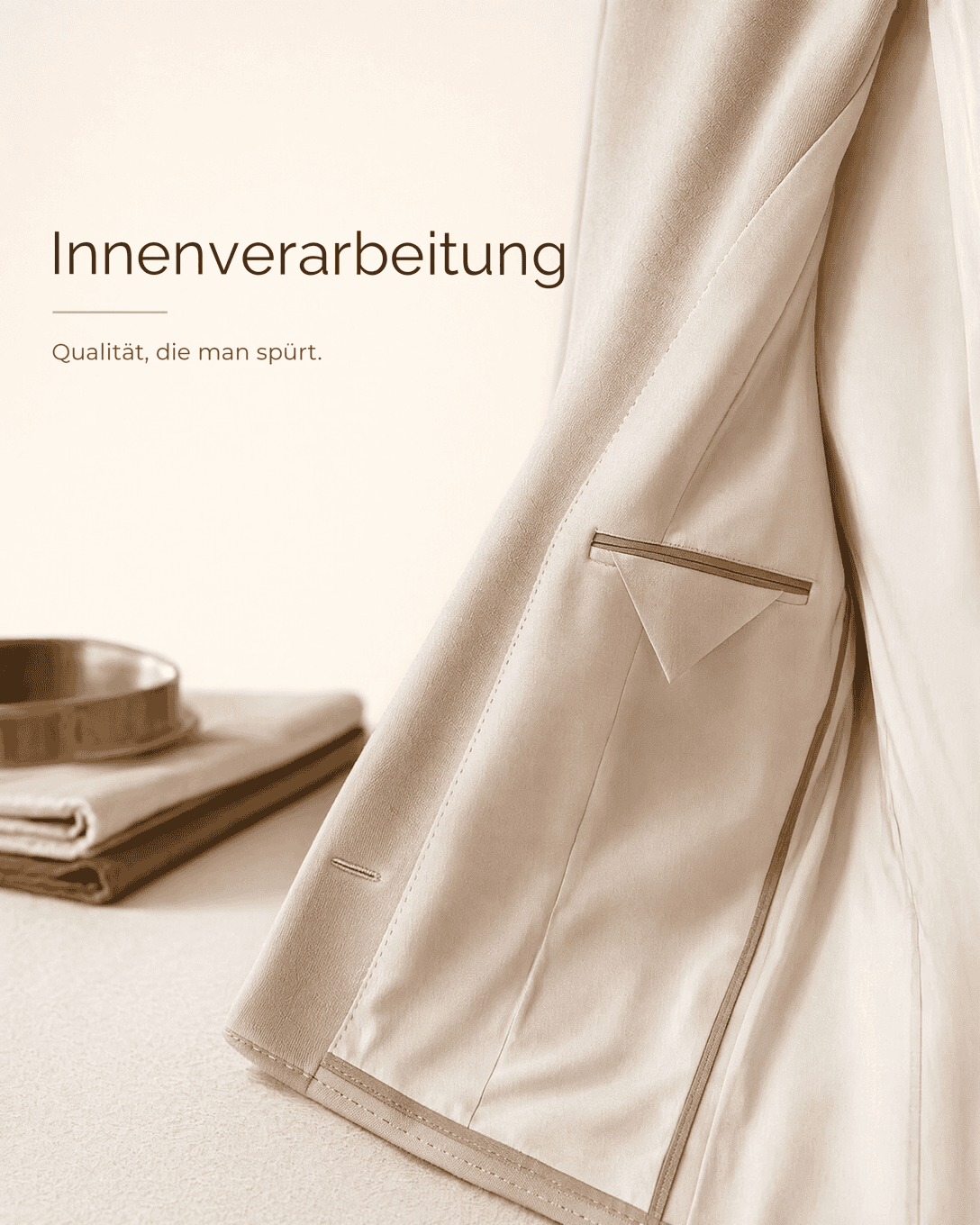
Inner Construction Inner construction refers to the hidden layers, seam finishes, shaping, and supporting details inside a garment. It strongly affects fit, comfort, durability, and how polished clothing looks when worn.
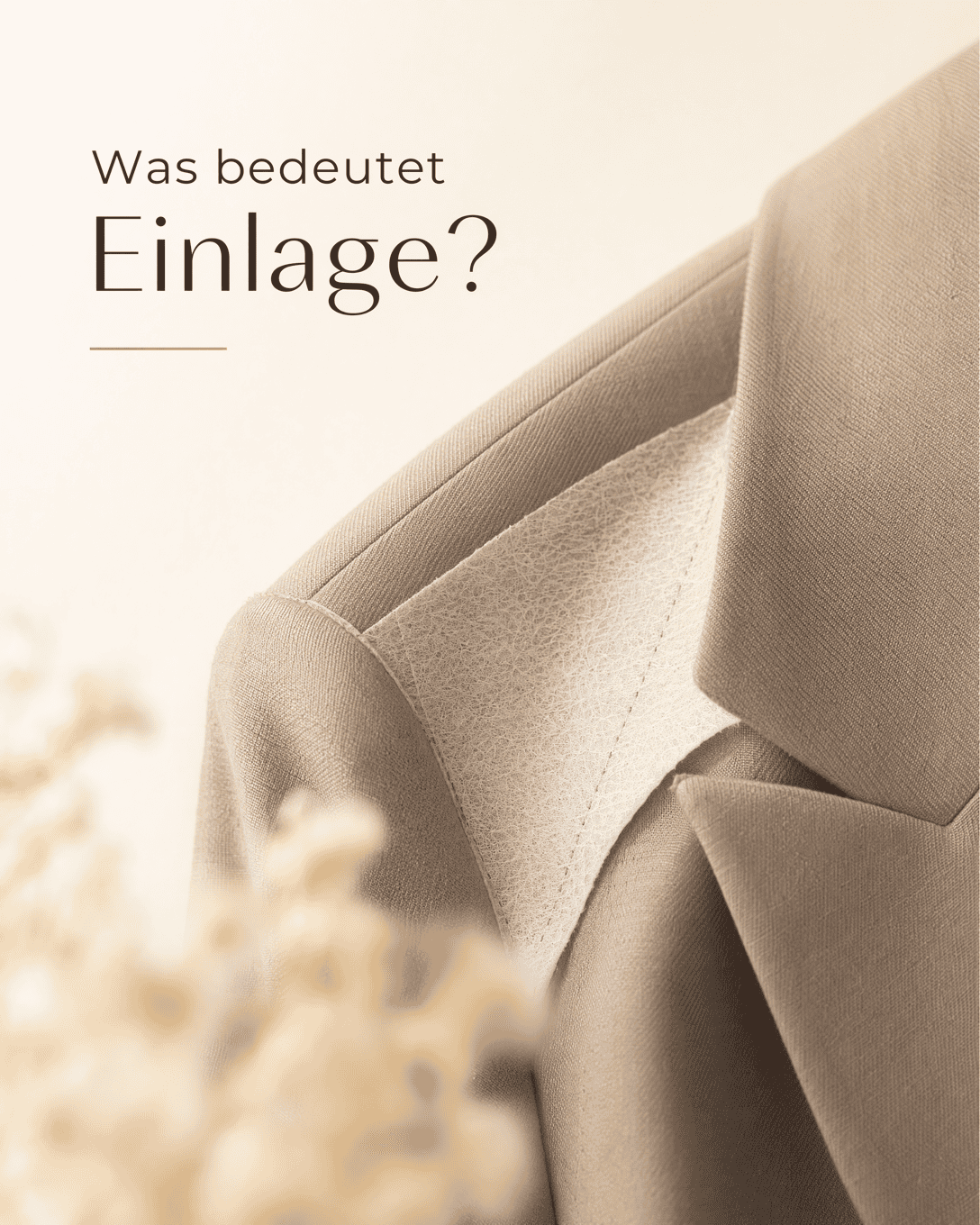
Interfacing Interfacing is an inner supporting material used to stabilize, shape, or reinforce areas of a garment such as collars, cuffs, waistbands, and button plackets.
Interlock Interlock is a smooth, double-knit fabric construction that is more stable and substantial than single jersey. Learn how interlock fabric feels, performs, and works in everyday clothing.
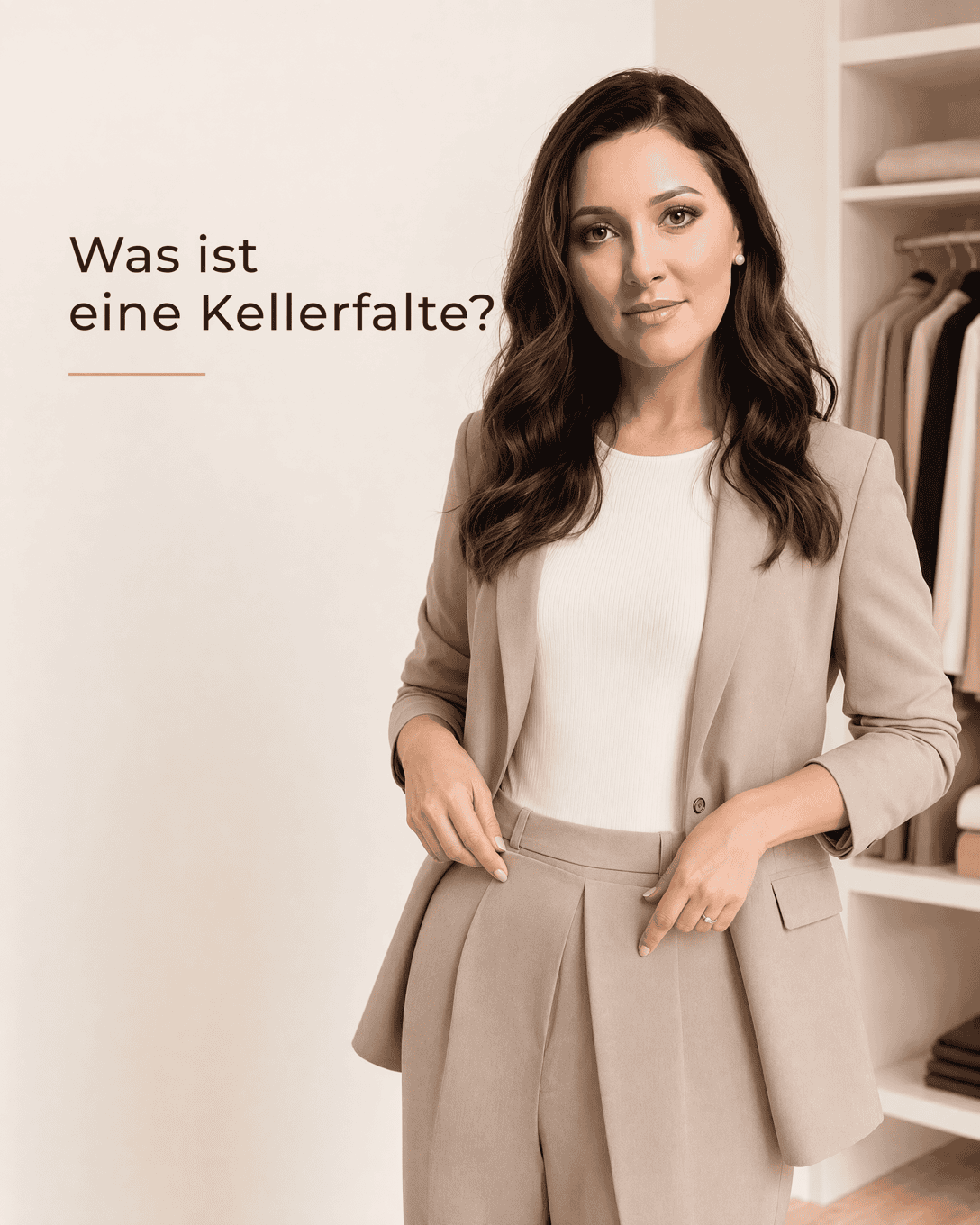
Inverted Pleat An inverted pleat is a fold construction in which two folds meet on the outside of a garment. Learn how inverted pleats affect volume, movement, fit, and the look of skirts, dresses, and trousers.
Ironing Ironing is the use of heat, pressure, and sometimes steam to smooth wrinkles, set creases, and refine a garment’s surface. It can strongly affect how polished, cared for, and structured an outfit appears.
Jacquard Jacquard is a woven fabric with patterns created directly in the weave. Learn how jacquard differs from printed fabric, what it feels like, and how to style it.
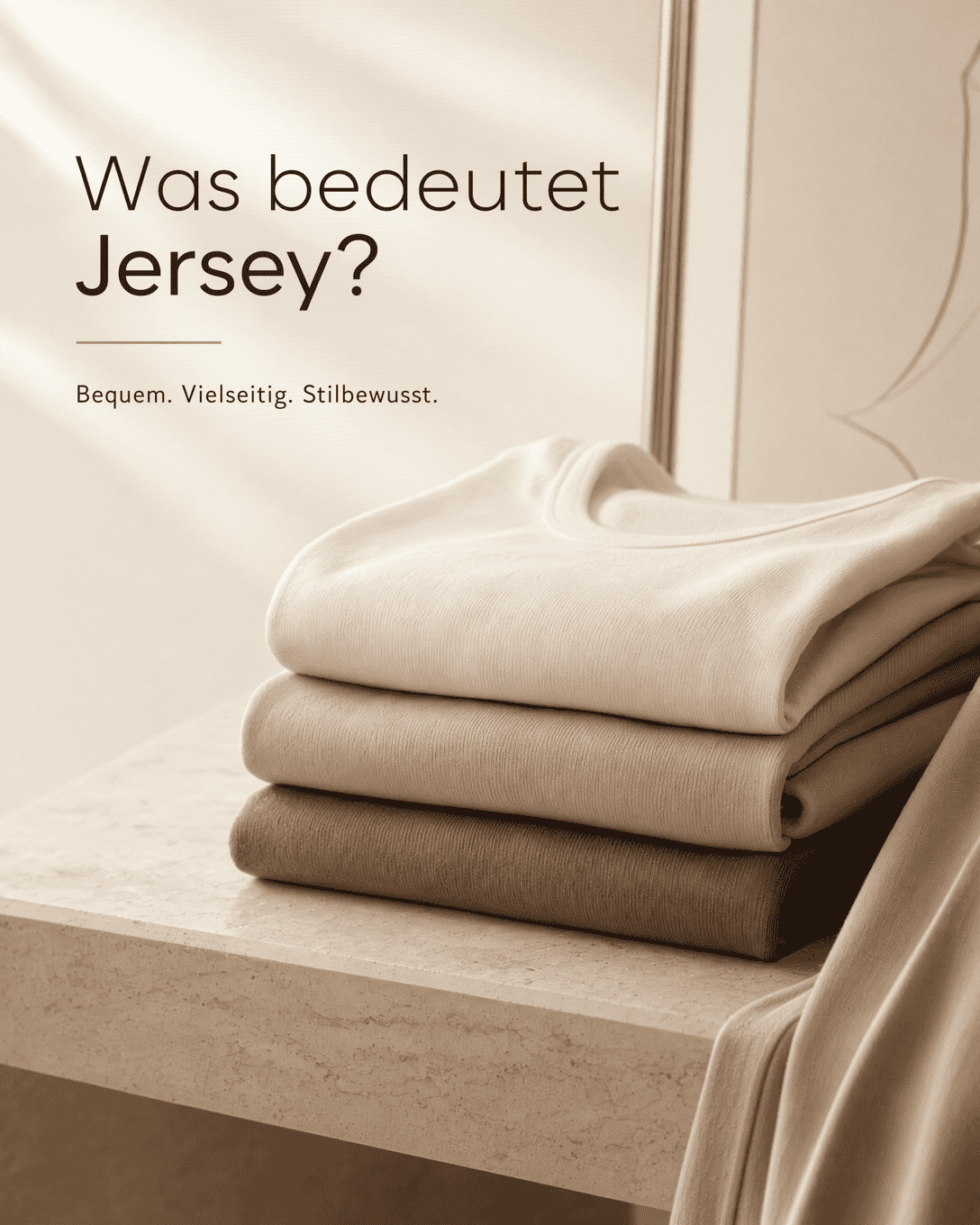
Jersey Jersey is a knitted fabric defined by interlocking loops. It is usually soft, flexible, and comfortable, with its drape and stretch depending on the fiber, knit structure, and fabric weight.
Jetted Pocket A jetted pocket is a tailored slit pocket framed by narrow fabric welts. Learn how to recognize this refined pocket construction and what it reveals about garment quality and style.
Jewelry Jewelry includes decorative pieces such as rings, necklaces, earrings, bracelets, and brooches that accent the body, clothing, and personal style.
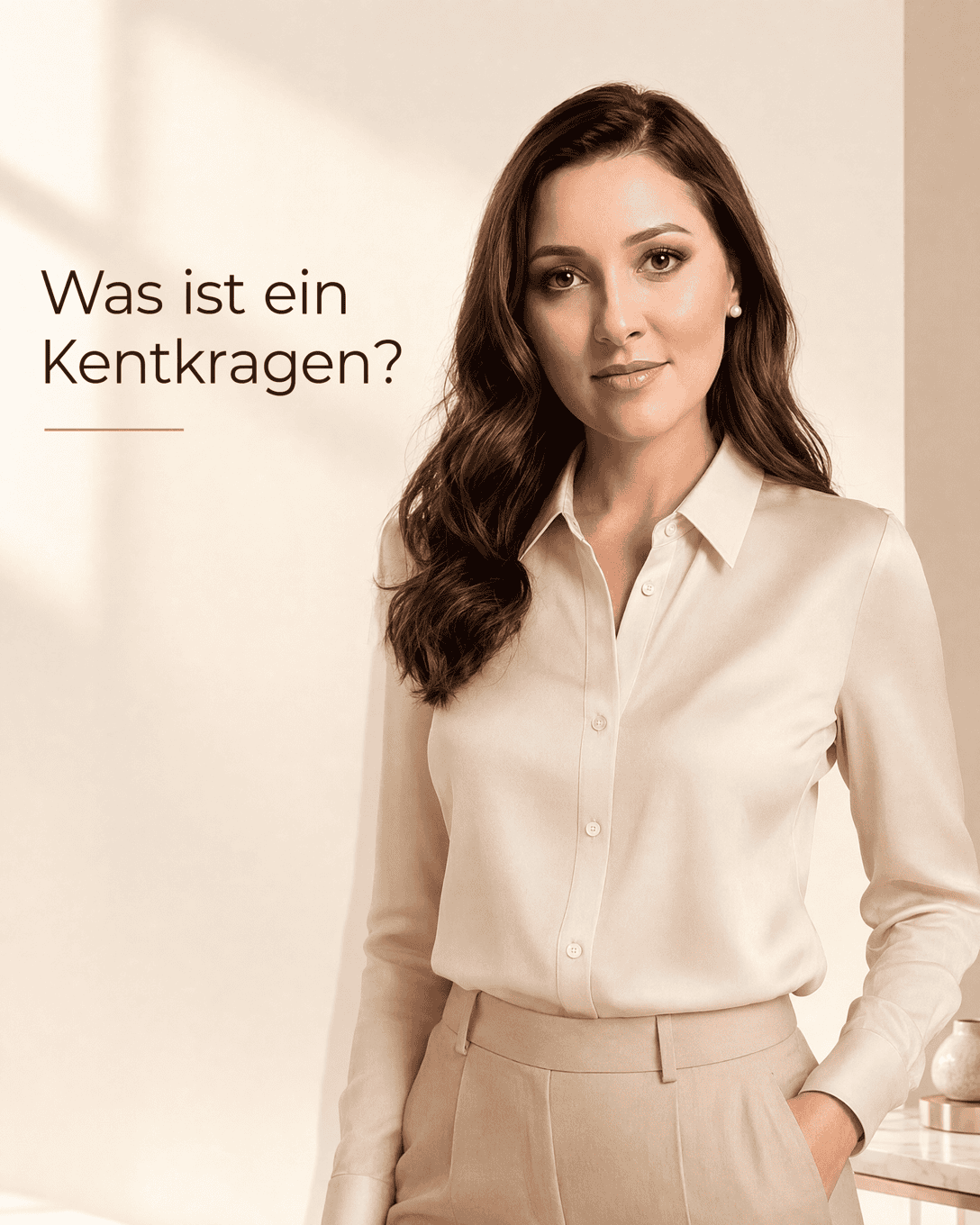
Kent Collar A Kent collar is a classic pointed shirt collar with a moderate spread. Learn how it differs from other shirt collars, how it affects an outfit, and when to wear it.
Knitted Fabric Knitted fabric is a textile made from interlocking yarn loops. It is usually more flexible, elastic, and movement-friendly than woven fabric.
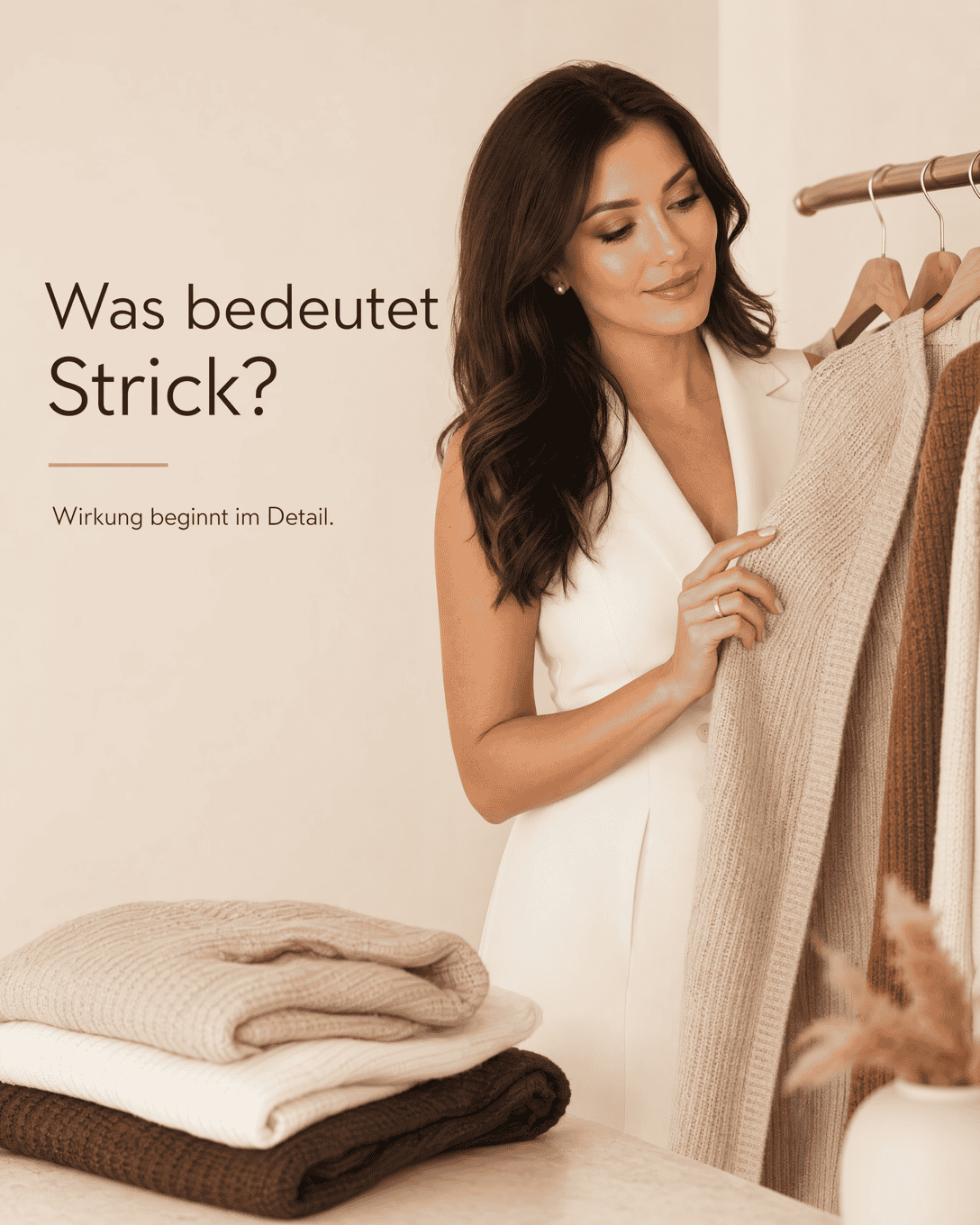
Knitwear Knitwear is clothing made from knitted fabric, created through interlocking loops of yarn. It is valued for its stretch, comfort, texture, warmth, and range of visual effects.
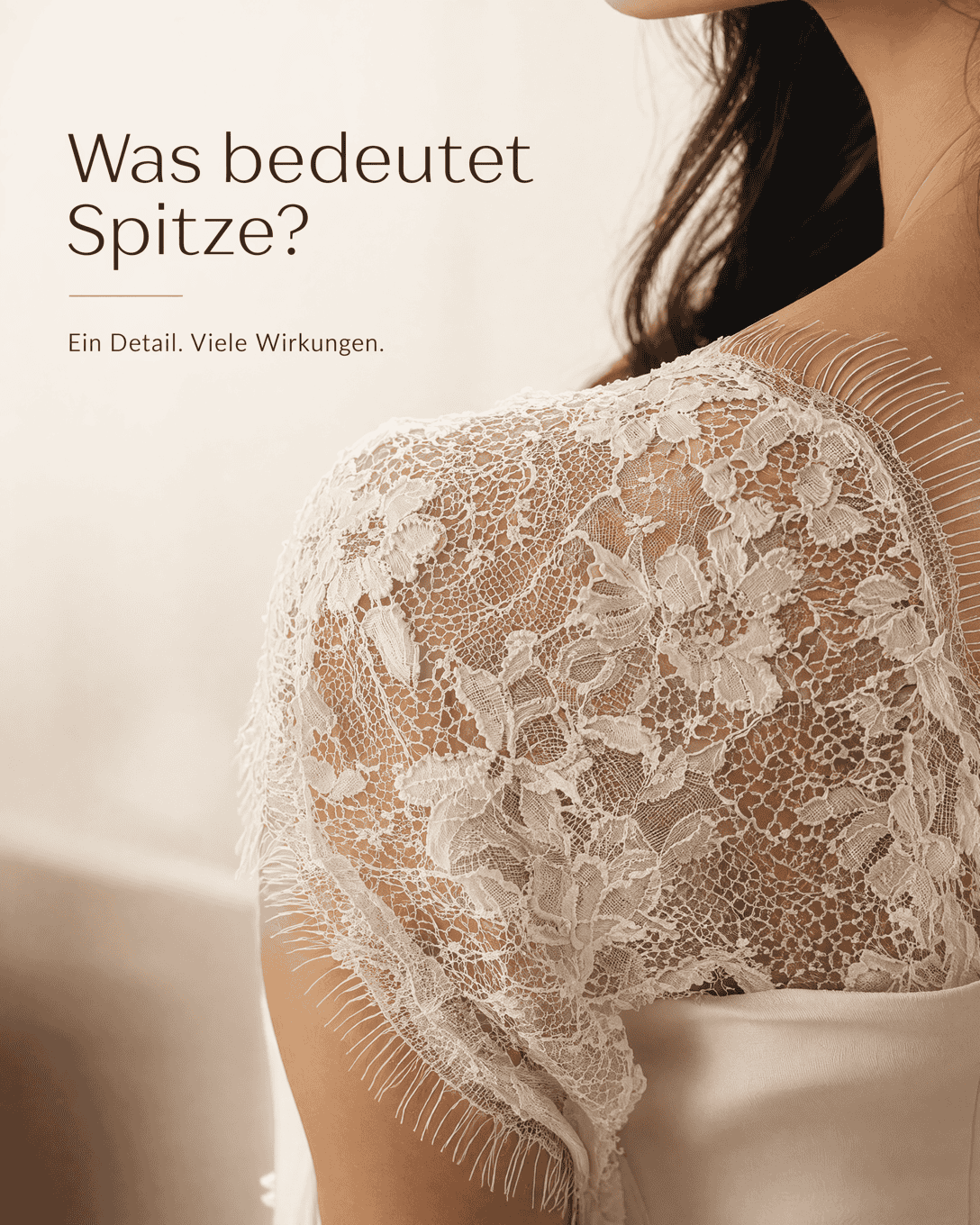
Lace Lace is an openwork textile or decorative trim made from patterned threads. It adds texture, transparency, and a romantic, refined, or sensual effect to clothing and accessories.
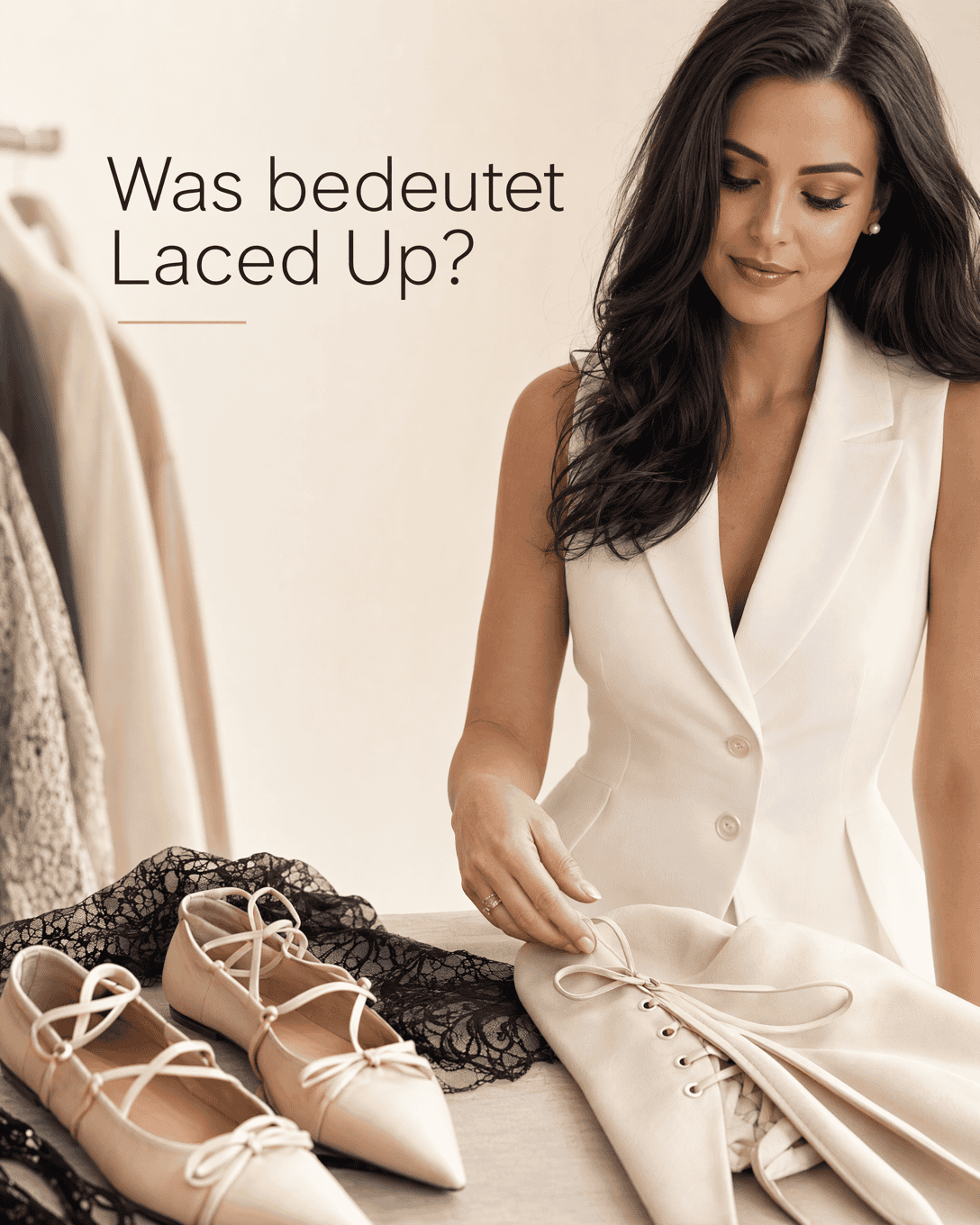
Laced Up Laced Up is a fashion trend that uses visible lace, ribbons, ties, eyelets, and corset-style lacing as deliberate styling details.
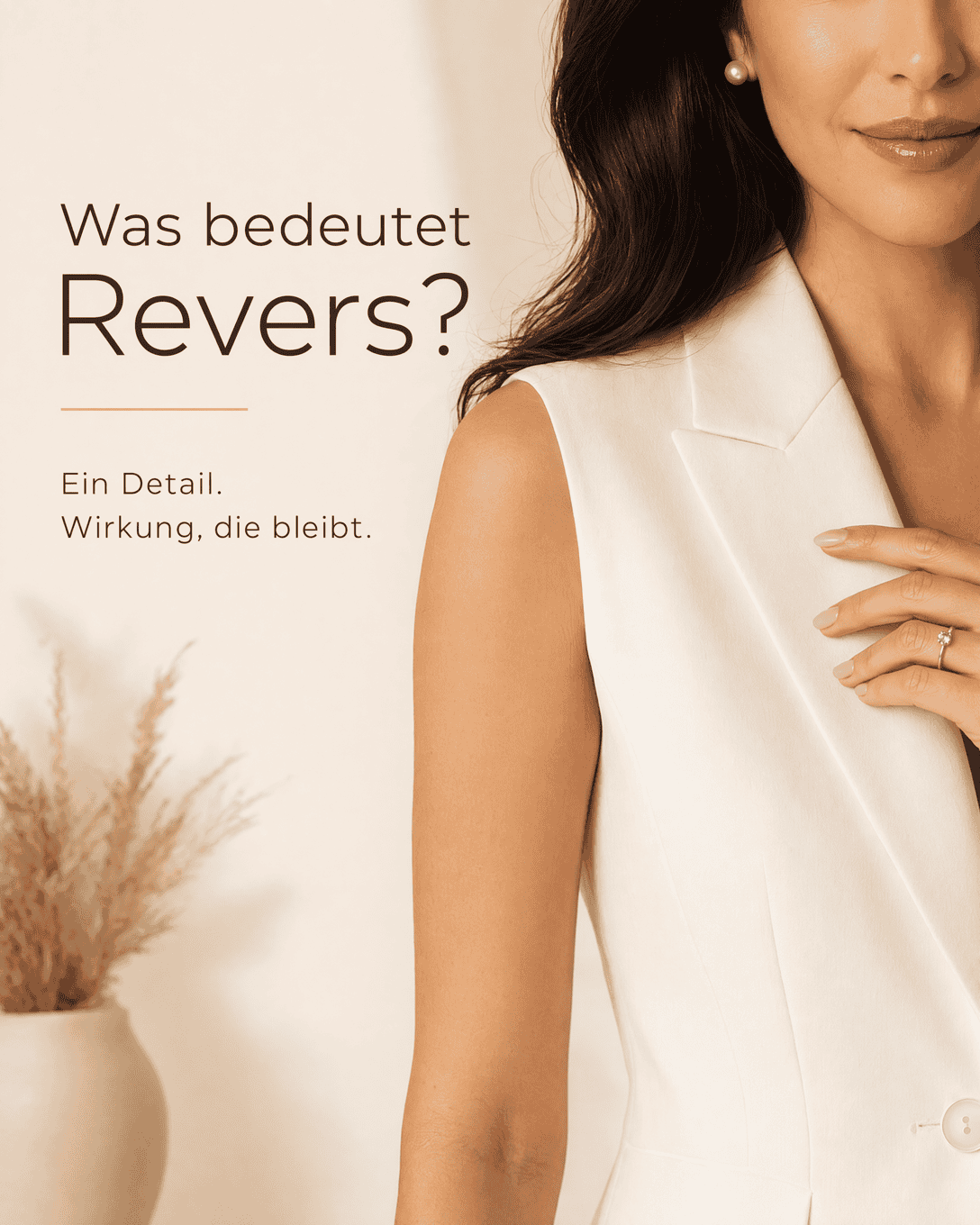
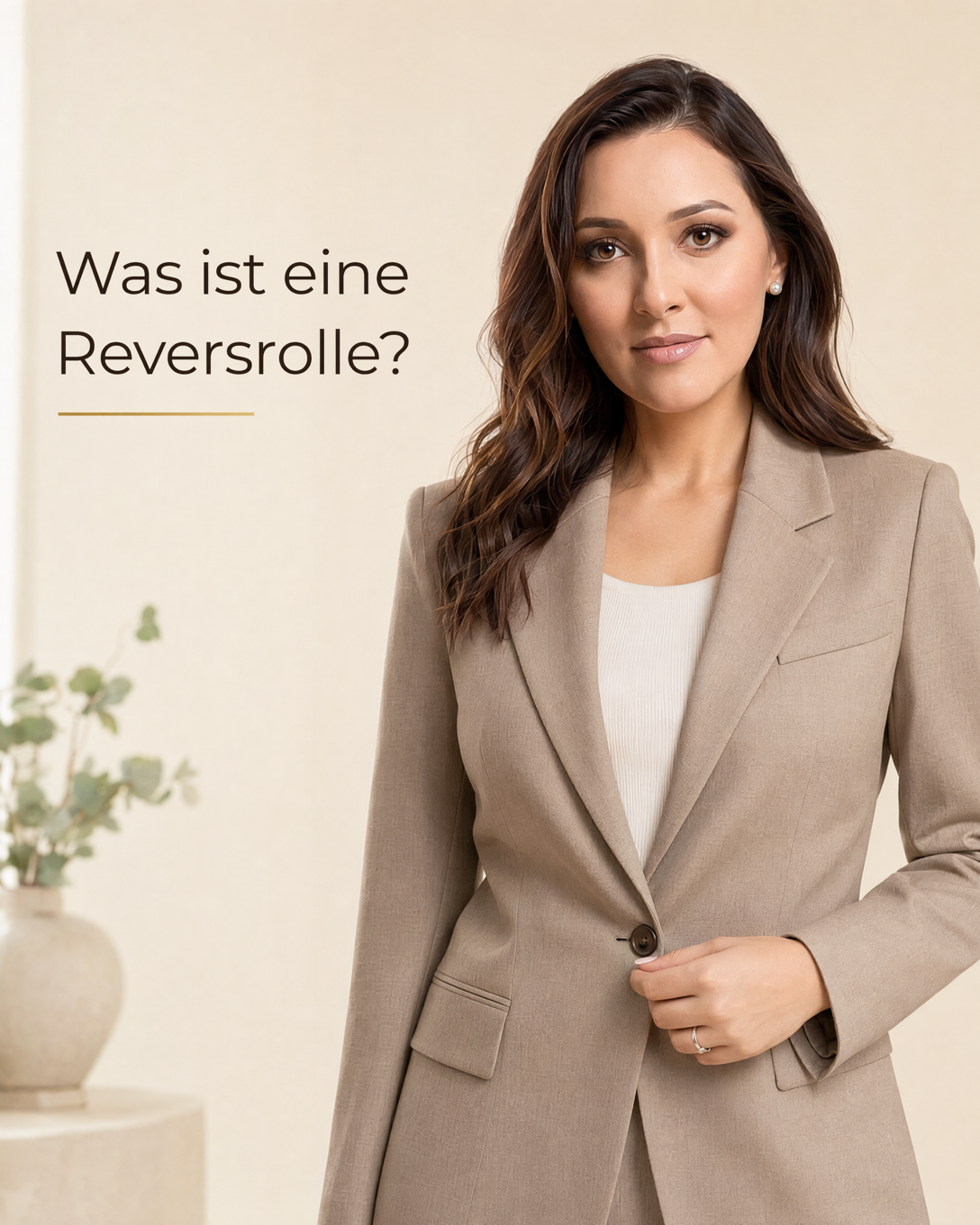
Lapel A lapel is the folded section on the front of a jacket or coat, formed where the collar turns back. Its shape influences how formal, sharp, soft, or expressive a tailored garment appears.
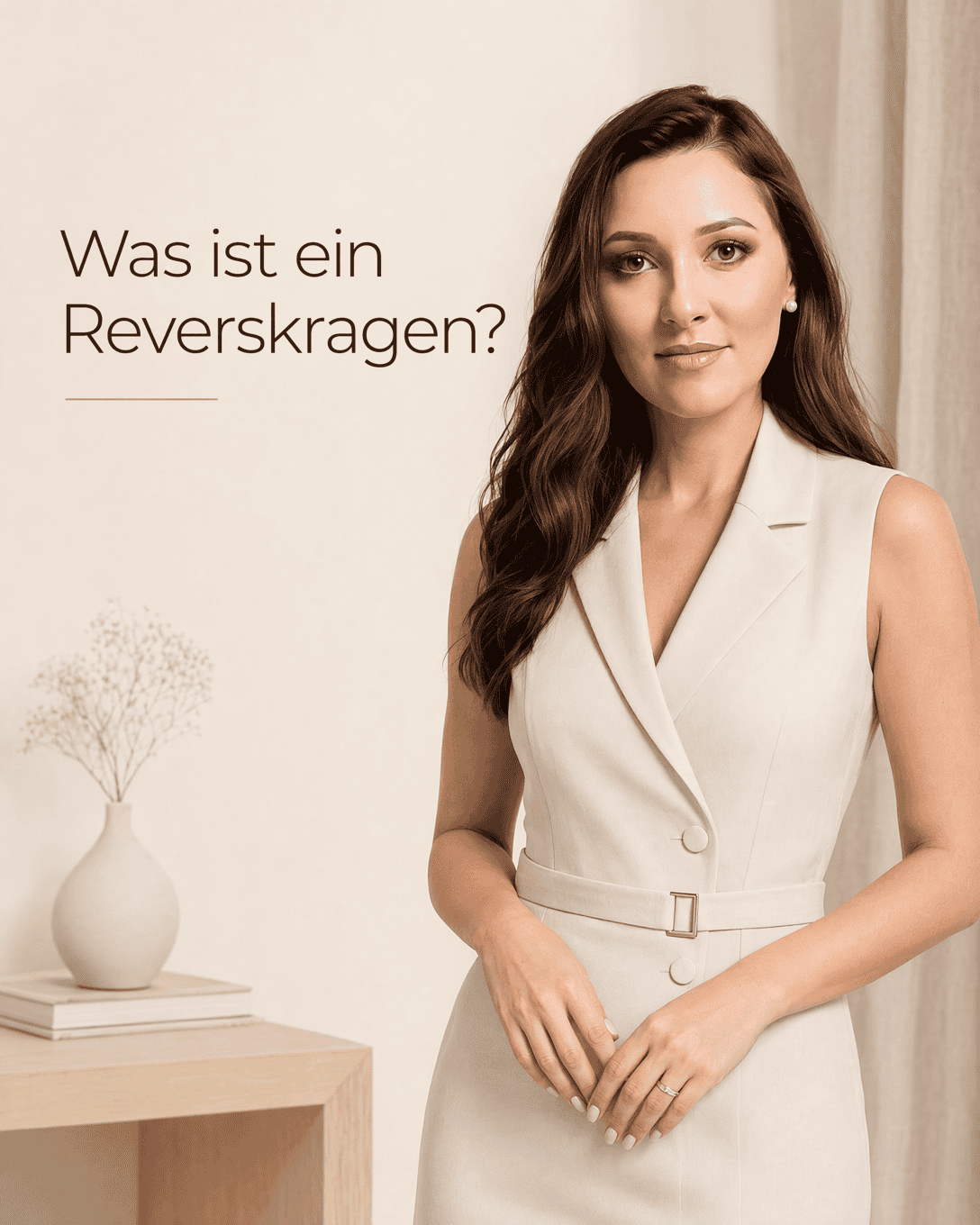
Lapel Collar A lapel collar is a collar construction on tailored jackets and coats where the front edges fold back to form lapels. Learn how lapel collars shape neckline, proportion, formality, and outfit impact.
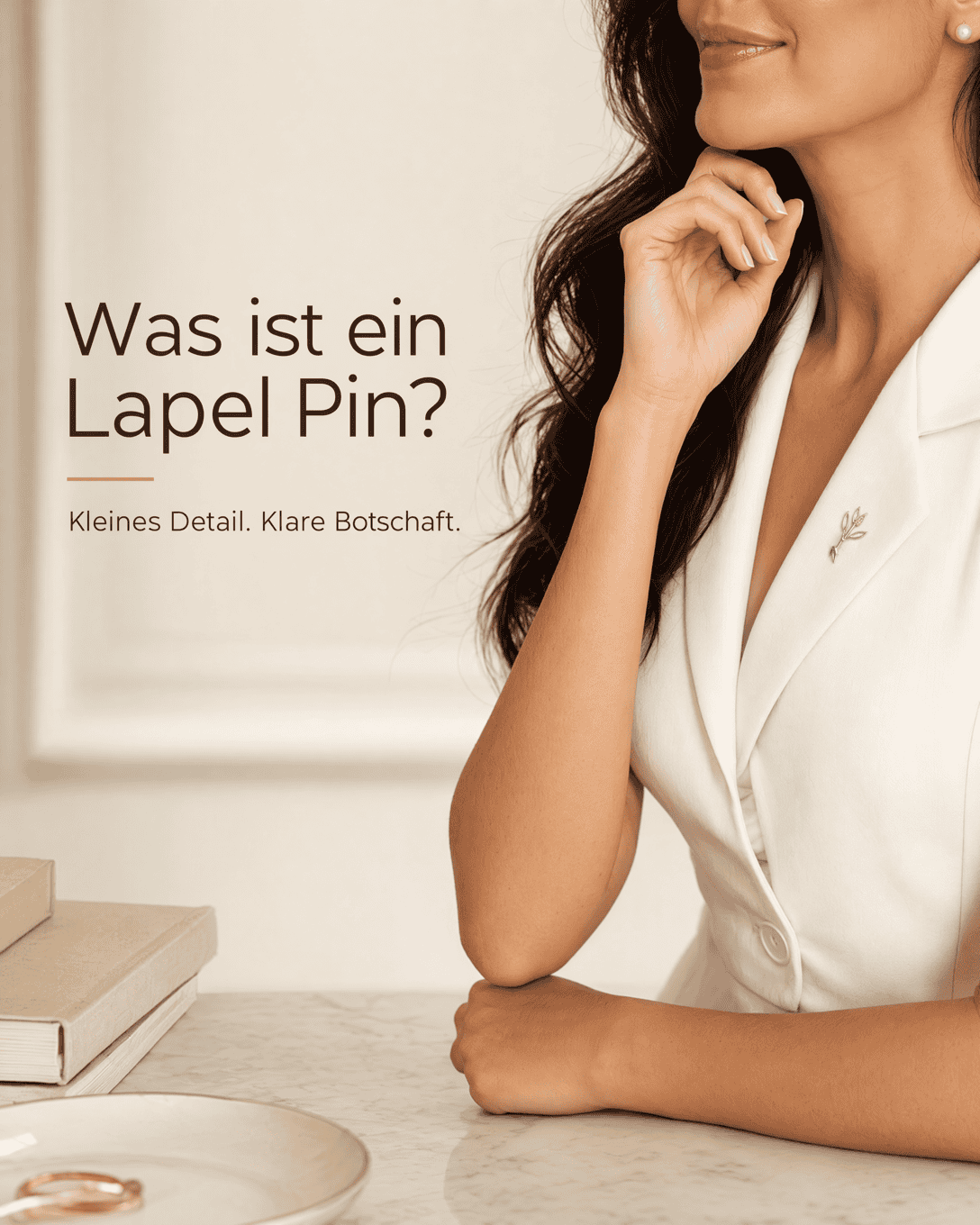
Lapel Pin A lapel pin is a small decorative pin worn on the lapel of a blazer, jacket, or coat. It adds a focused personal detail and can make an outfit look more formal, expressive, or individual.
Lapel Roll A lapel roll is the soft, unpressed curve of a jacket lapel as it turns from the collar toward the top fastening button. It is a visible sign of shape, balance, and thoughtful tailoring in a blazer, sports jacket, or suit jacket.
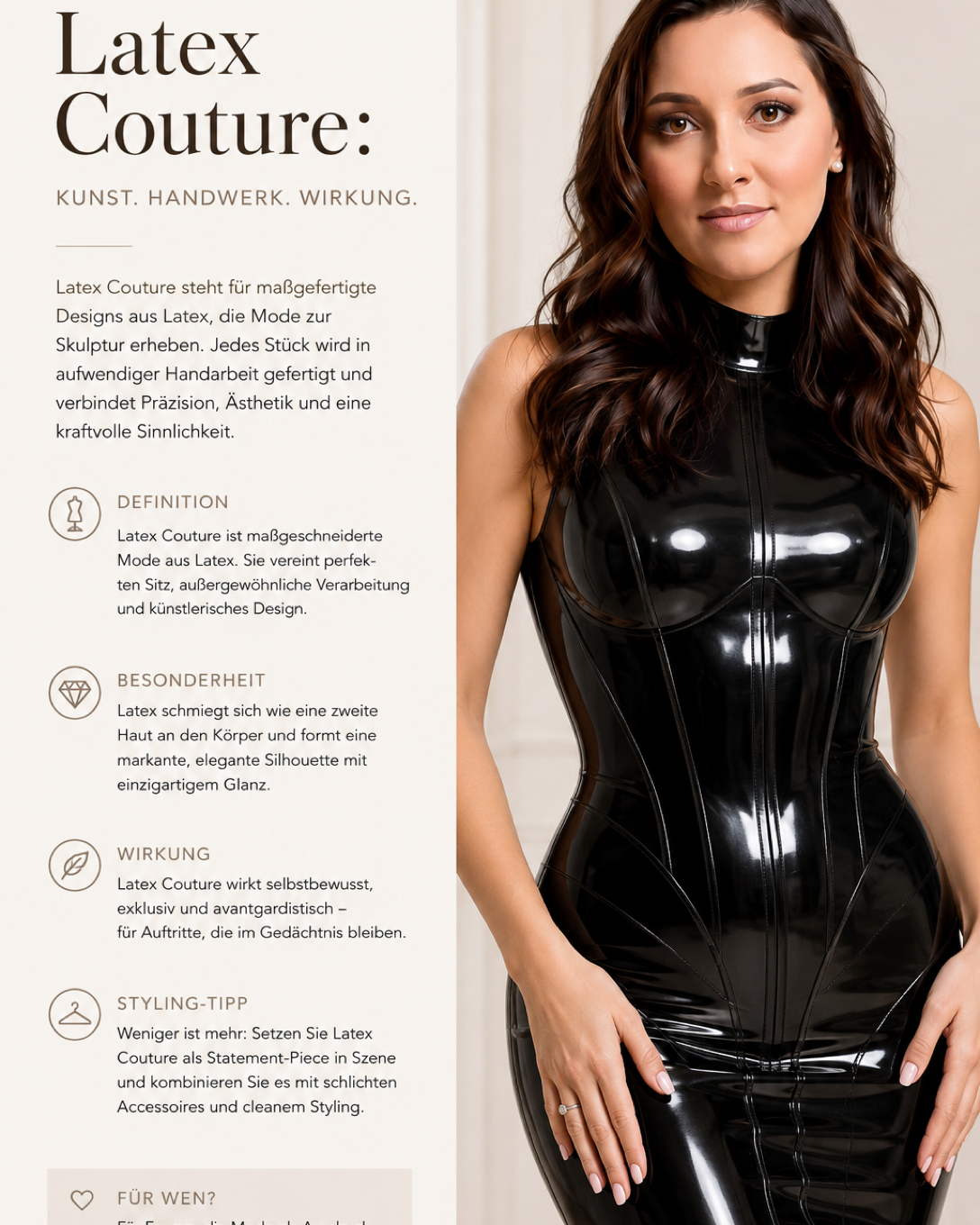
Latex Couture Latex couture is high-fashion clothing made from glossy, highly elastic latex rubber, shaped into refined custom eveningwear, statement pieces, and runway looks.
Laundry Symbols Laundry symbols are the care label icons that explain how to wash, bleach, dry, iron, and professionally clean a garment. Understanding them helps protect fabric, fit, color, and garment quality.
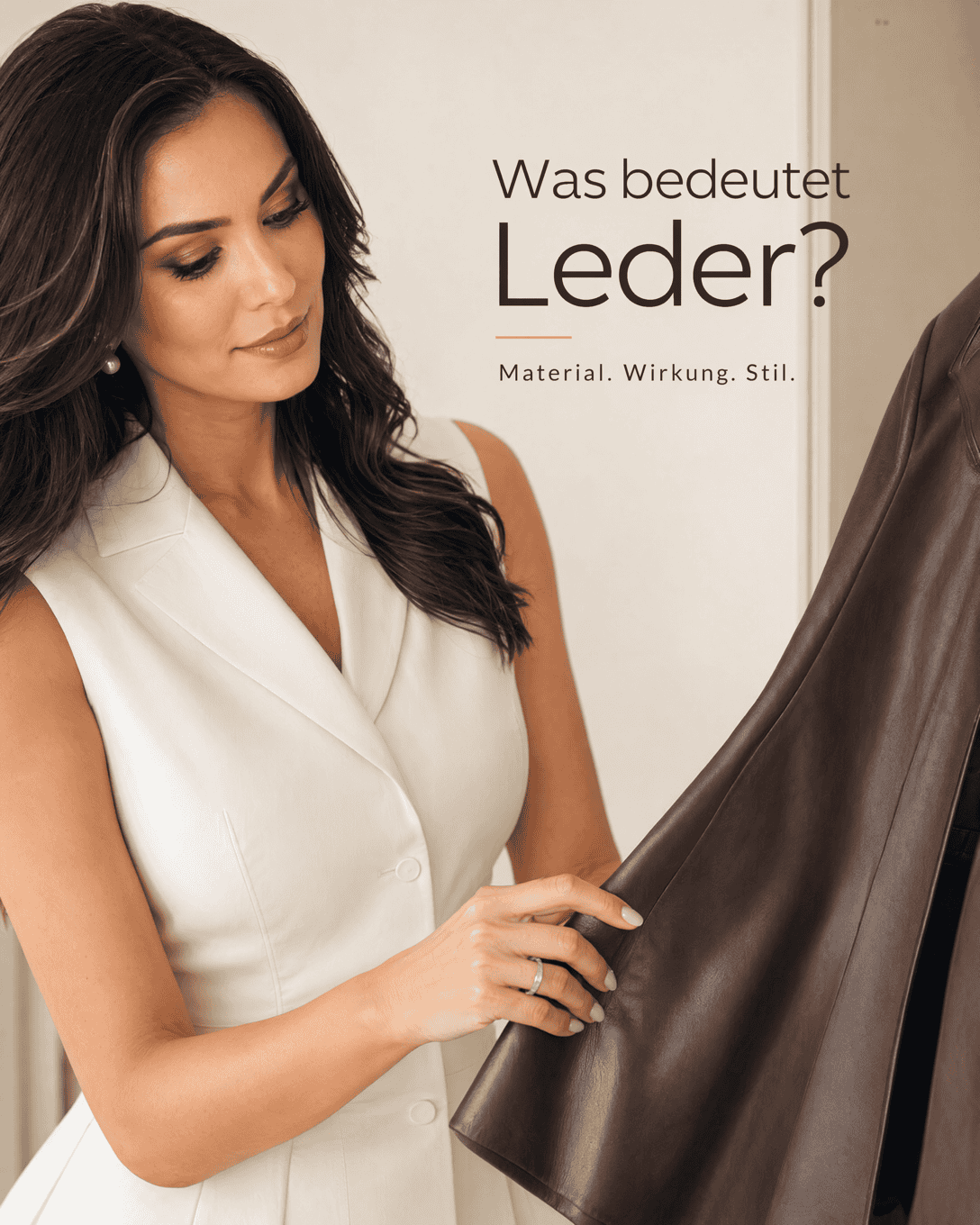
Leather Leather is an animal-derived material made from hide or skin. Its grain, finish, weight, and construction influence comfort, durability, care needs, and an outfit’s visual character.
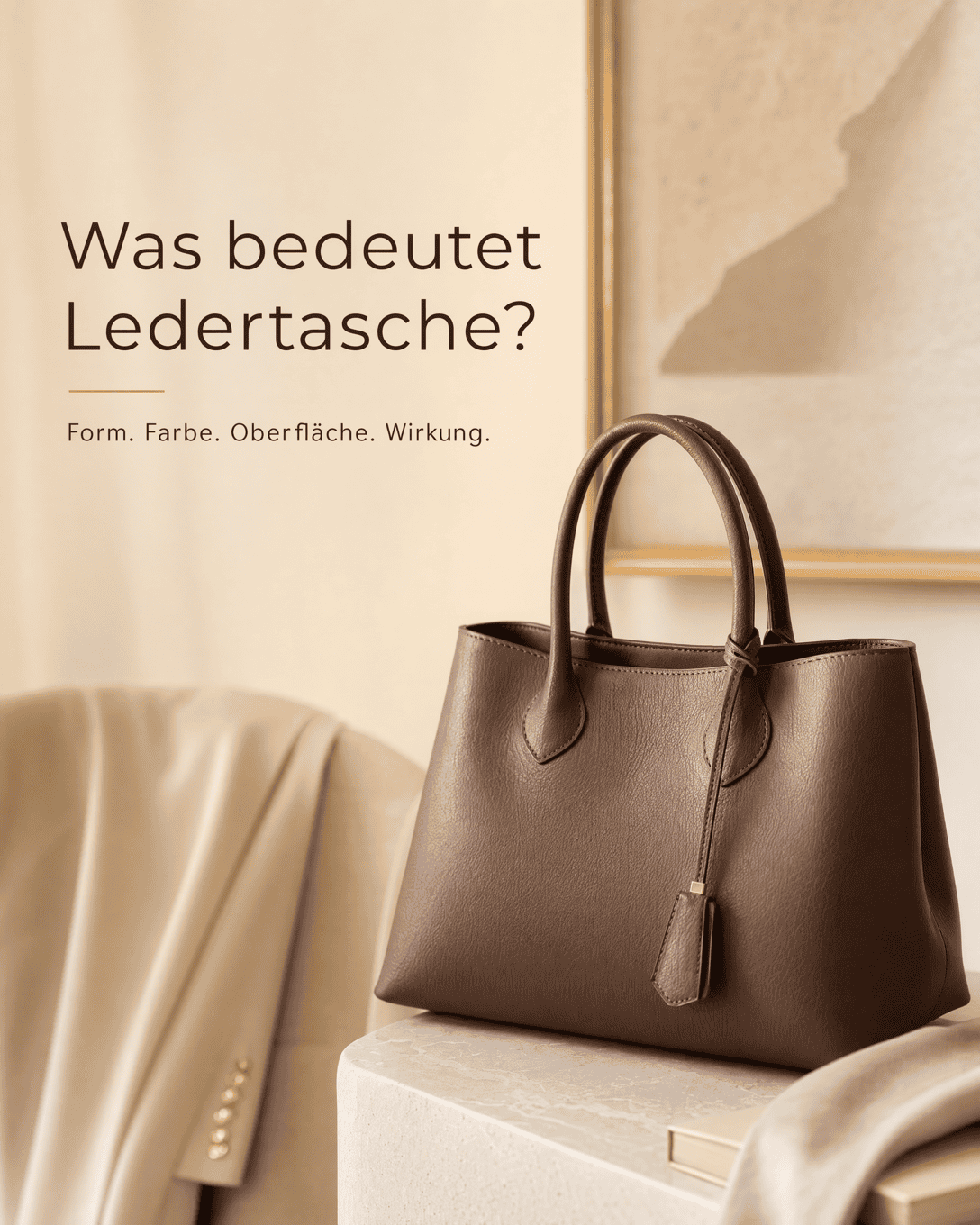
Leather Bag A leather bag is a bag made partly or mainly from leather. Learn how leather type, construction, finish, care, and shape influence durability, function, and outfit impact.
Leather Belt A leather belt is a belt made from leather that can define the waist, secure trousers, and add structure, texture, or polish to an outfit.
Leopard Print Leopard print is an animal-inspired pattern of rosettes and spots. Learn what defines leopard print, how it affects an outfit, and how to style it with intention.
Lightfastness Lightfastness describes how well a fabric, dye, or print resists fading and color change when exposed to daylight or artificial light.
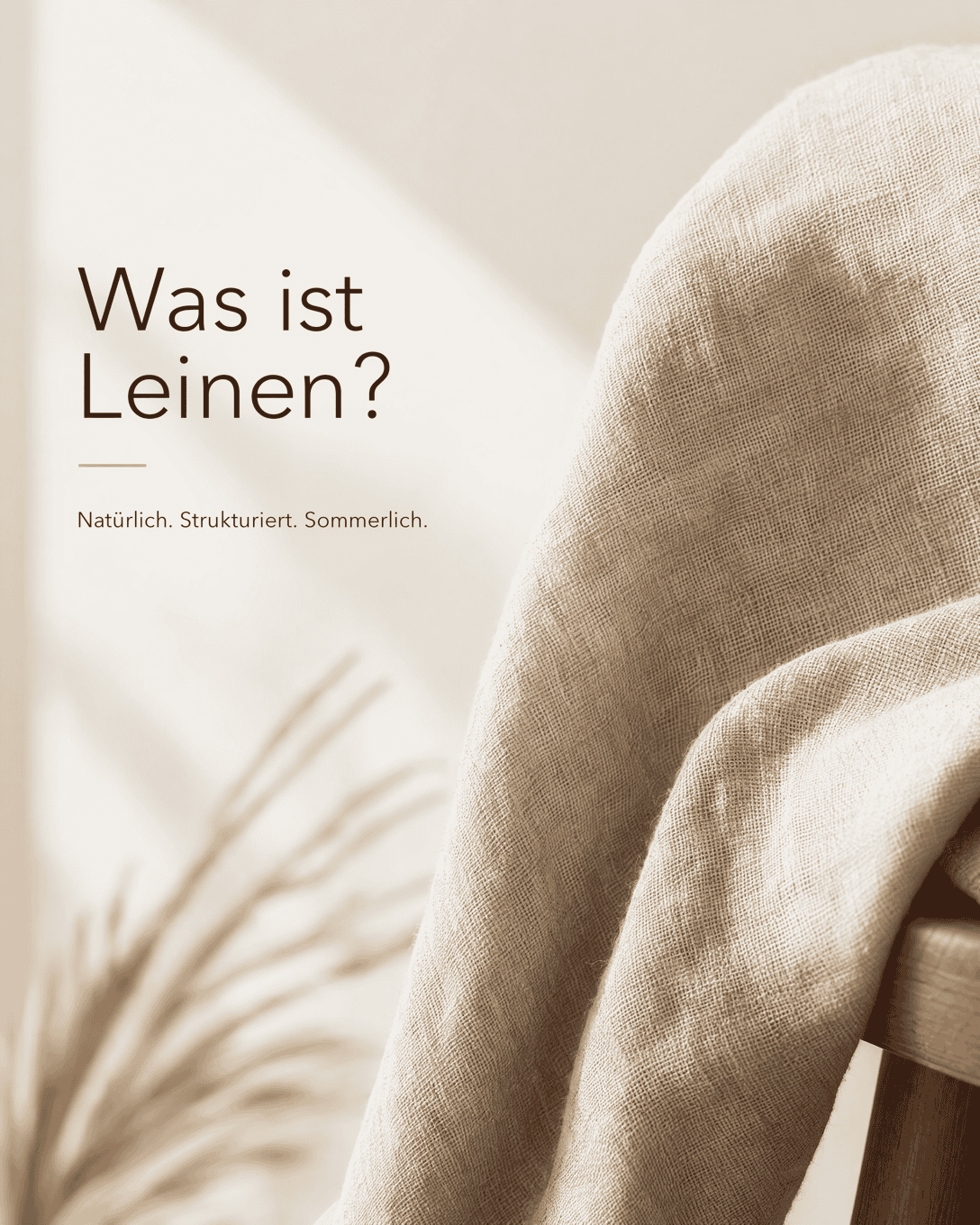
Linen Linen is a natural fabric made from flax fibers. It is valued for its breathable feel, textured surface, absorbency, and relaxed yet refined appearance.
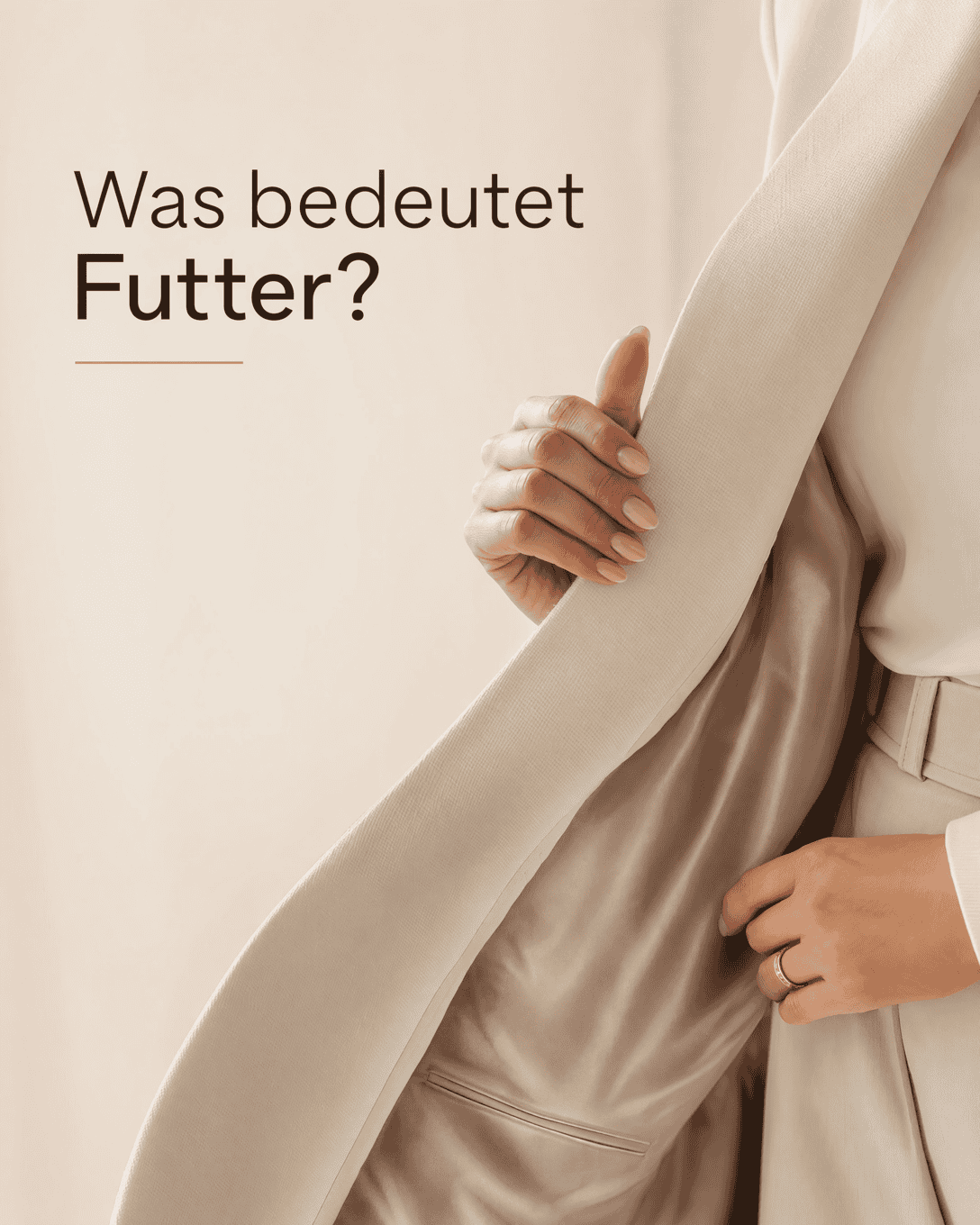
Lining Lining is the inner layer of fabric in a garment. It can improve comfort, opacity, drape, warmth, and the finished quality of clothing.
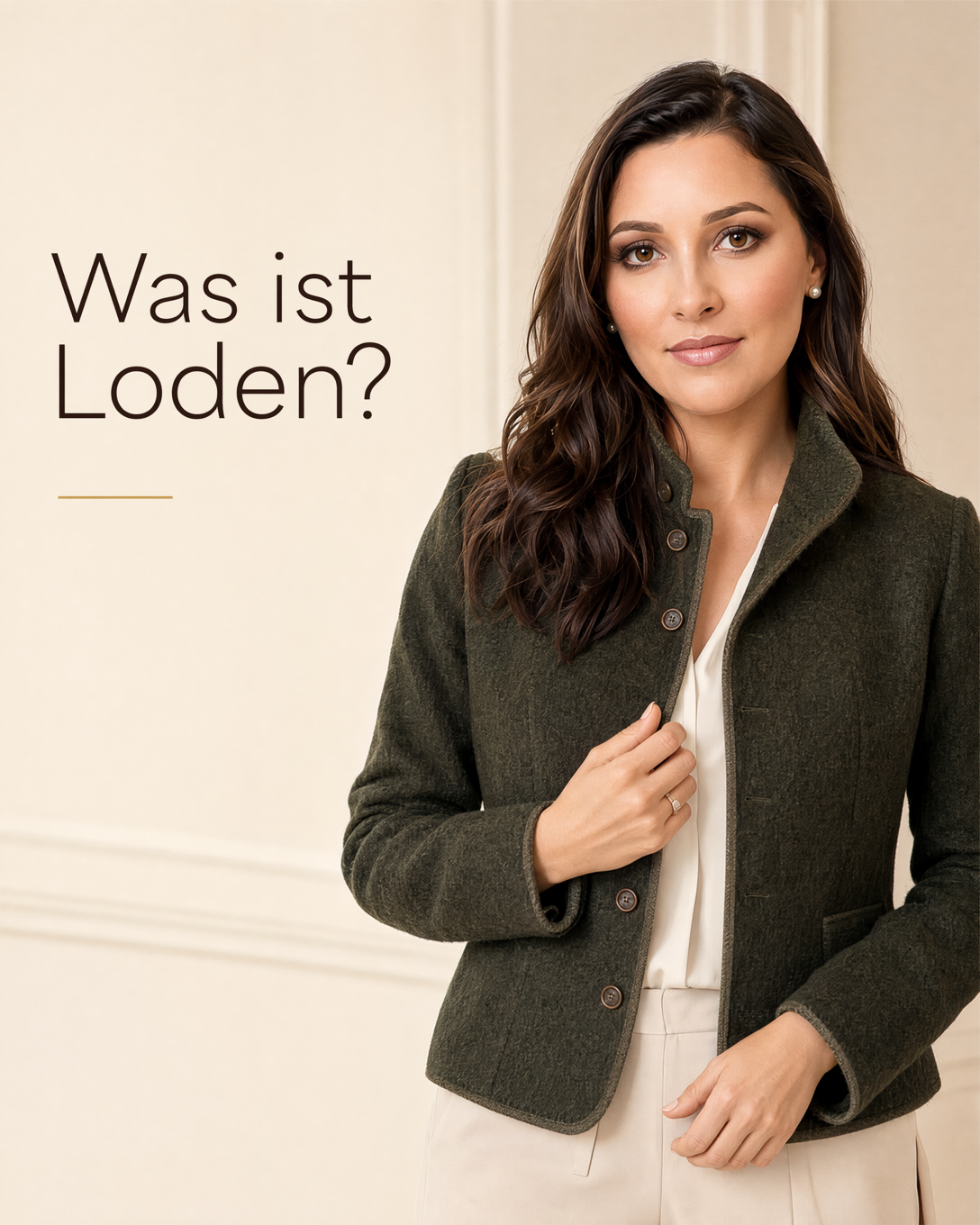
Loden Loden is a dense, fulled wool fabric traditionally associated with the Alpine region. It is valued for its natural wind resistance, water repellency, warmth, and long-lasting performance in coats and jackets.
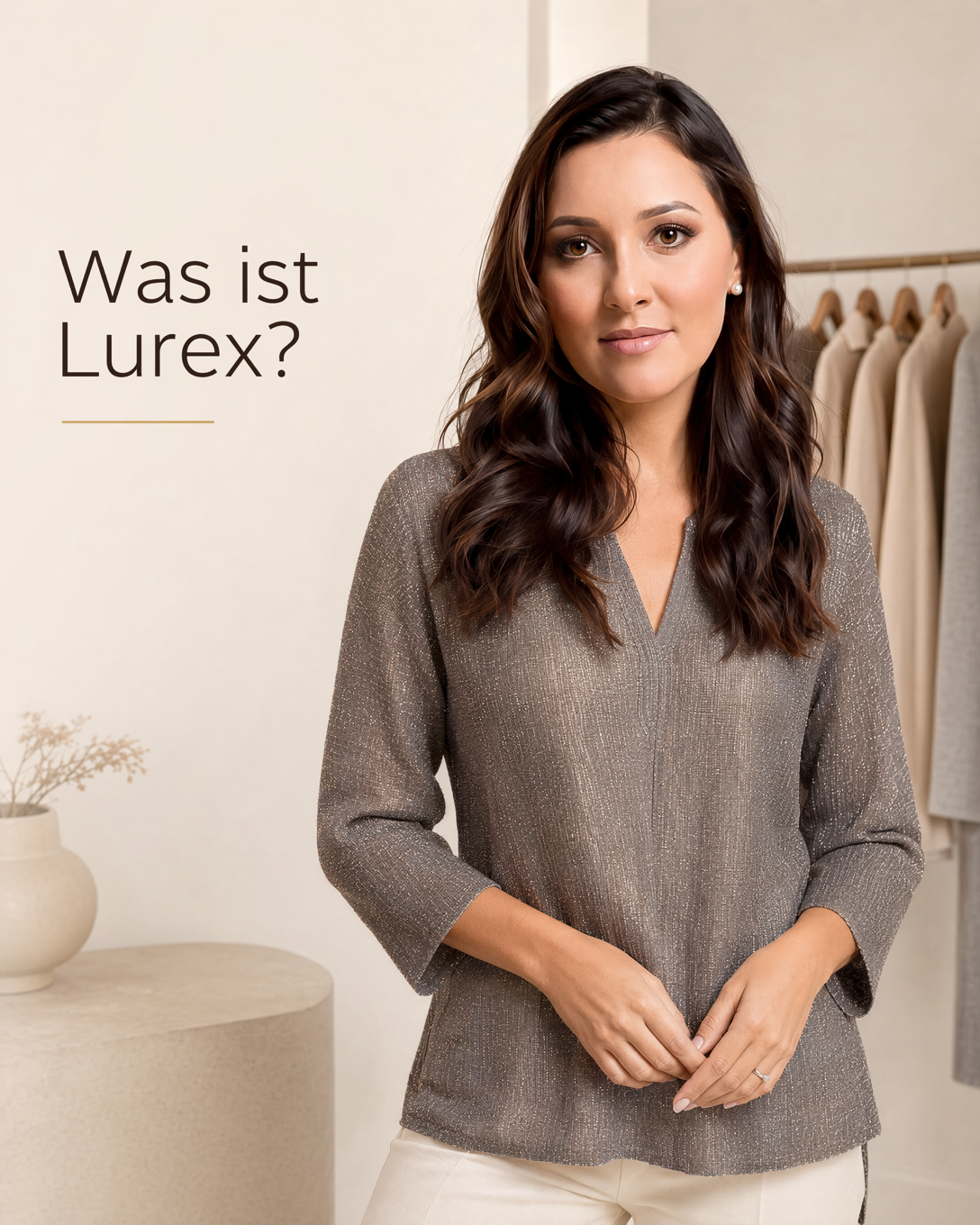
Lurex Lurex is a metallic-effect yarn that gives fabrics a shimmering, glittering surface. Learn how Lurex works in fashion, how it feels, and how to style and care for it.
Lyocell Lyocell is a regenerated cellulose fiber, usually made from wood pulp. It is valued for its smooth feel, fluid drape, and breathable comfort in clothing.
Manmade Fiber A manmade fiber is a textile fiber produced through industrial processes from natural raw materials or chemically manufactured polymers. Its composition and construction can be designed to achieve specific properties such as softness, stretch, strength, drape, or easy care.
Material Quality Material quality describes how a fabric or material performs, feels, looks, and lasts in clothing. It helps you assess comfort, construction, care needs, and the overall impression of a garment.
Mercerized Cotton Mercerized cotton is cotton that has been treated to create a smoother surface, subtle silk-like sheen, improved strength, and more vivid dye uptake. Learn how to recognize it, wear it, and care for it.
Merino Wool Merino wool is a fine wool fiber known for its soft handfeel, light warmth, breathability, and versatile use in knitwear and clothing.
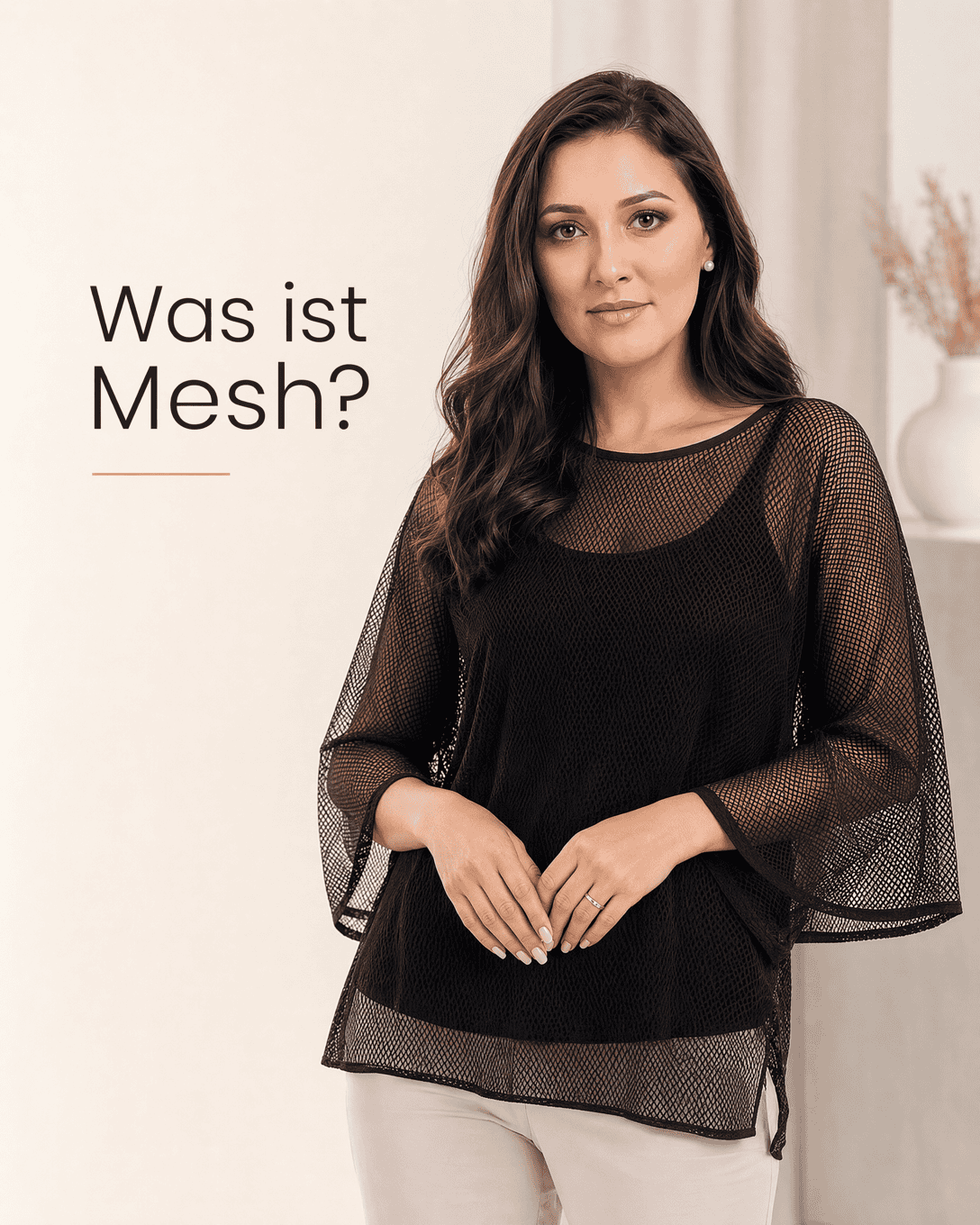
Mesh Mesh is an open, net-like textile structure used for breathability, transparency, texture, and lightweight layering in clothing, shoes, and accessories.
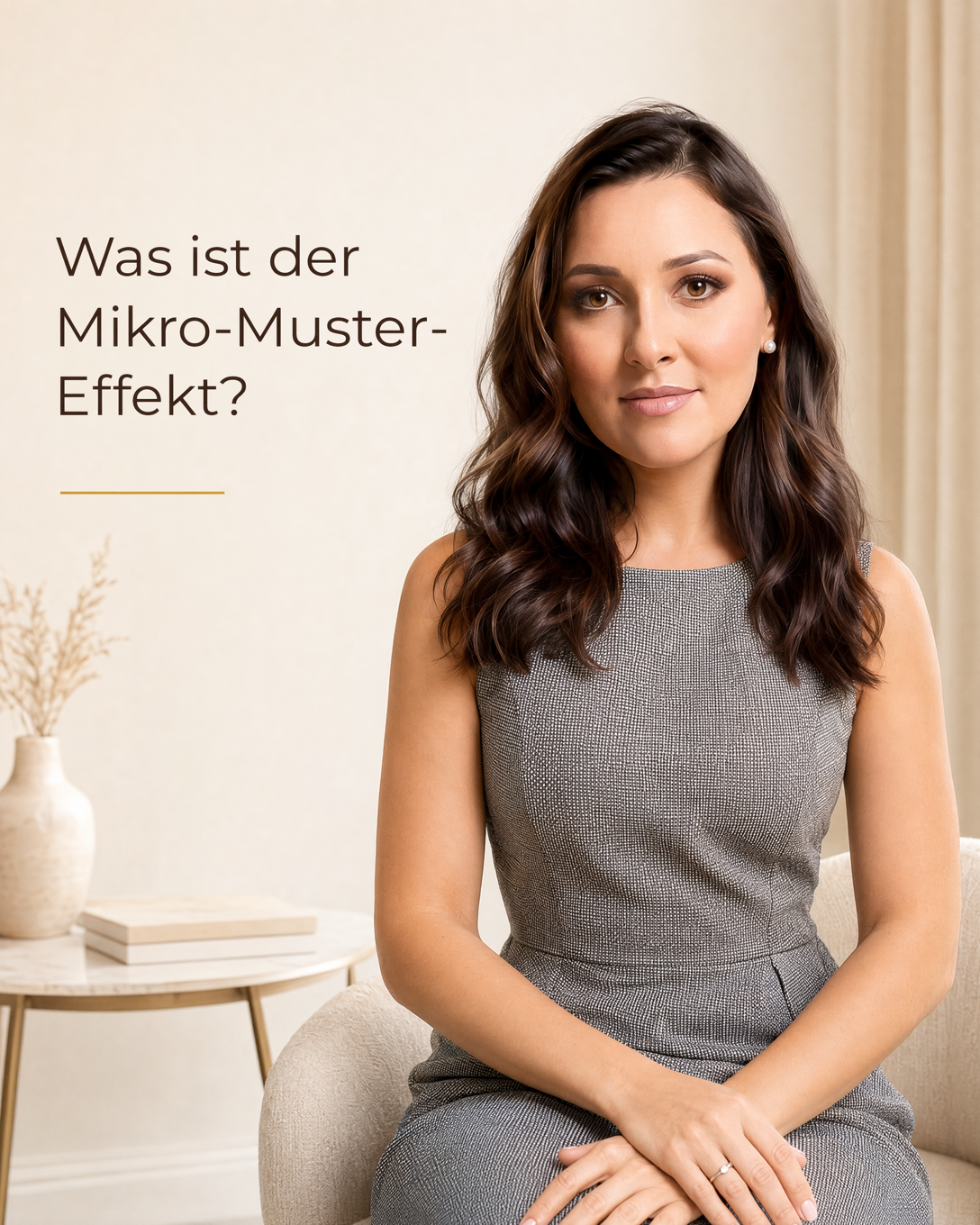
Micro-Pattern Effect The micro-pattern effect describes very small patterns that appear almost solid from a distance but reveal texture and detail up close.
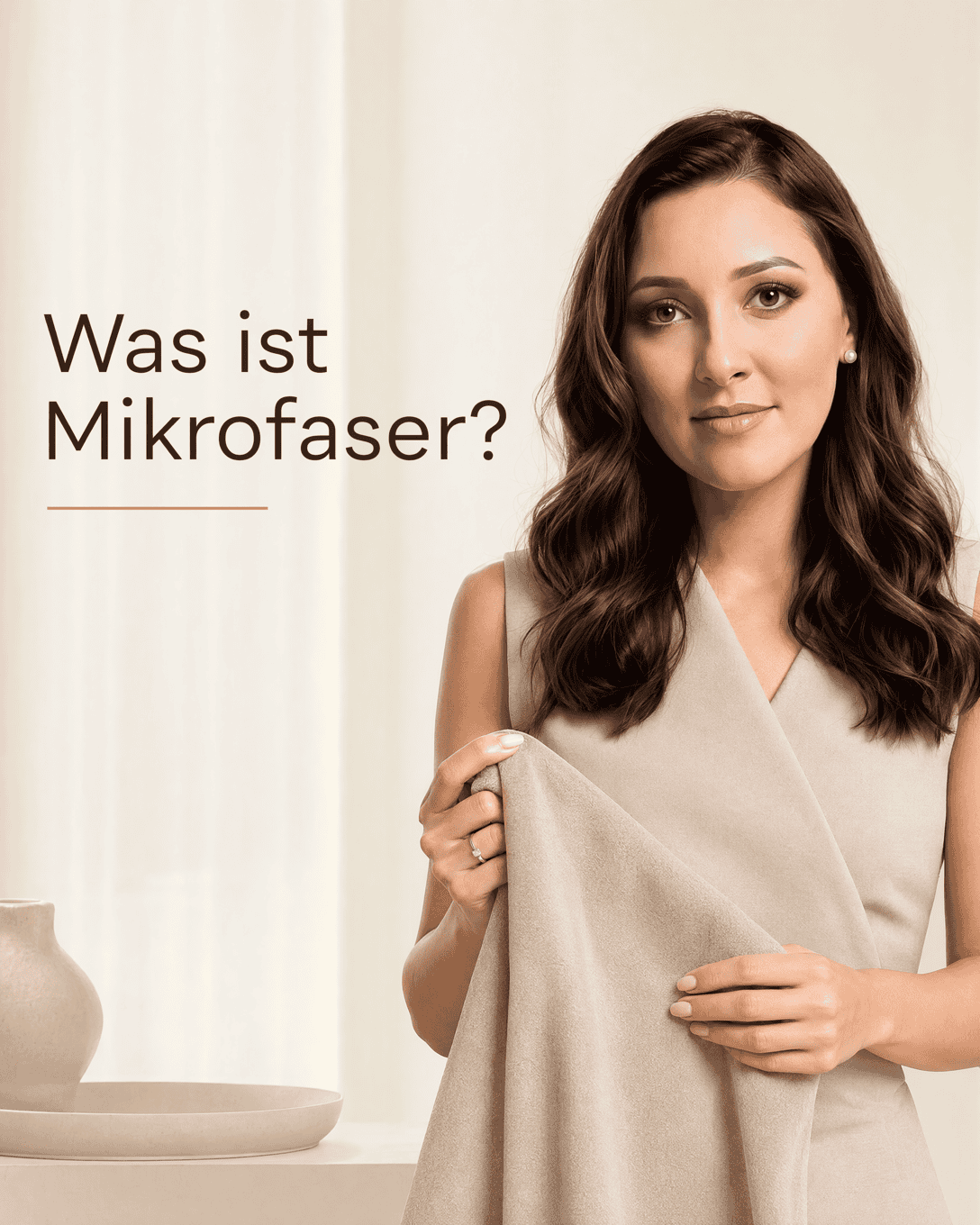
Microfiber Microfiber is a textile made from extremely fine fibers, often polyester or polyamide. Learn how microfiber feels, performs, and fits into everyday wardrobe decisions.
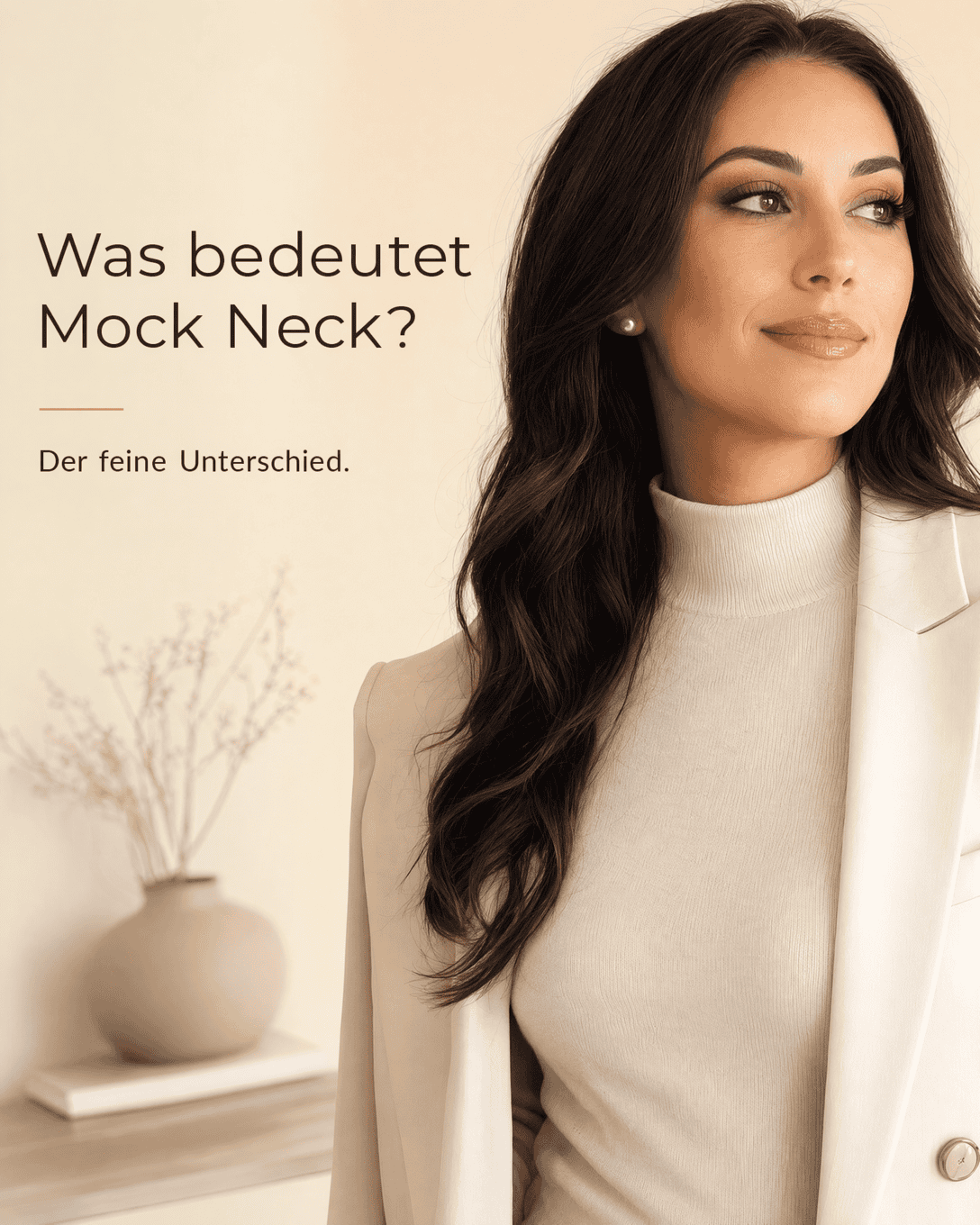
Mock Neck A mock neck is a short, close-fitting standing collar that frames the neck without the height or fold of a turtleneck. Learn how mock neck tops, sweaters, and dresses affect proportion, warmth, and outfit style.
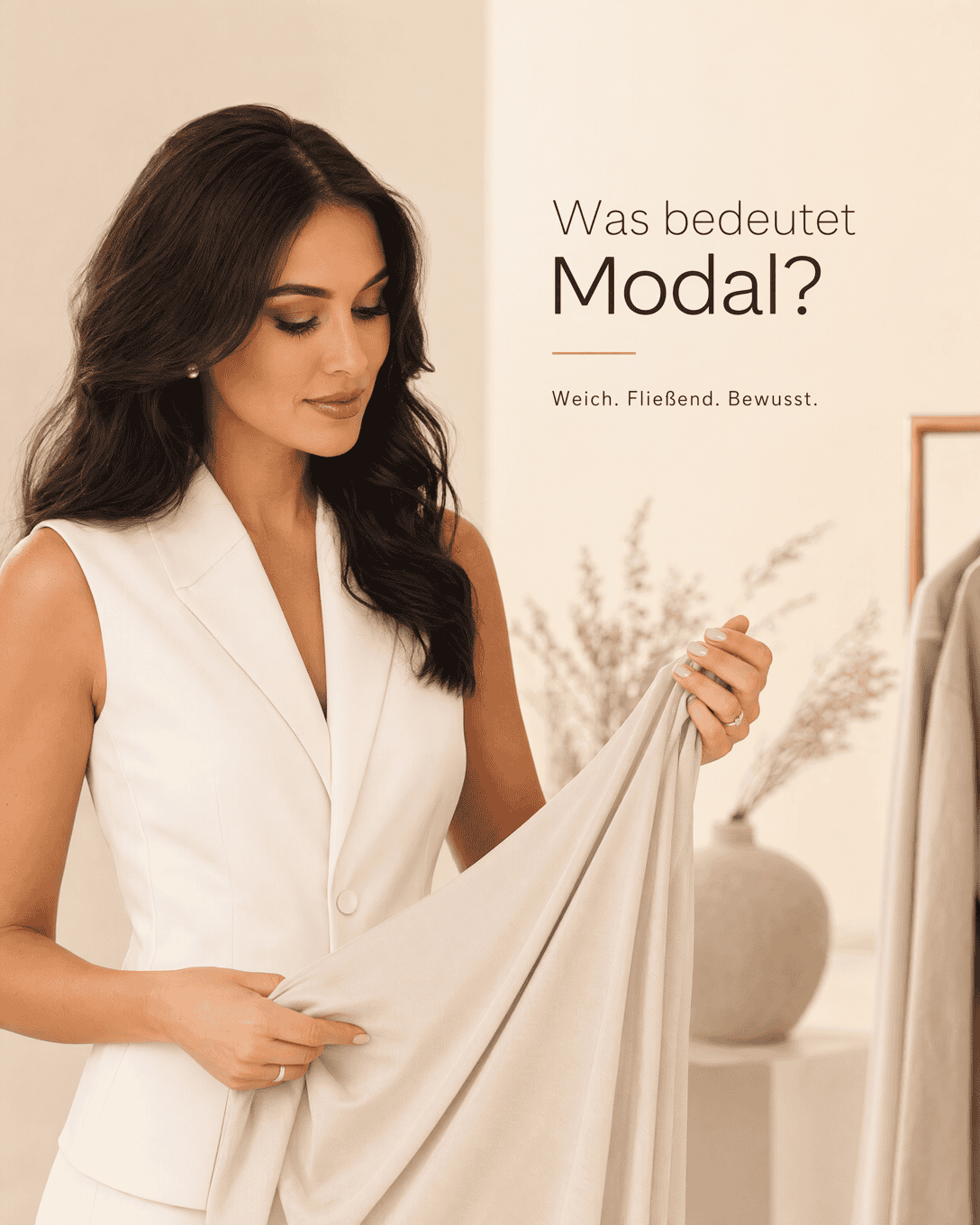
Modal Modal is a regenerated cellulose fiber known for its soft, smooth feel, fluid drape, and comfortable wear. Learn how modal fabric performs, how to care for it, and what to check before buying.
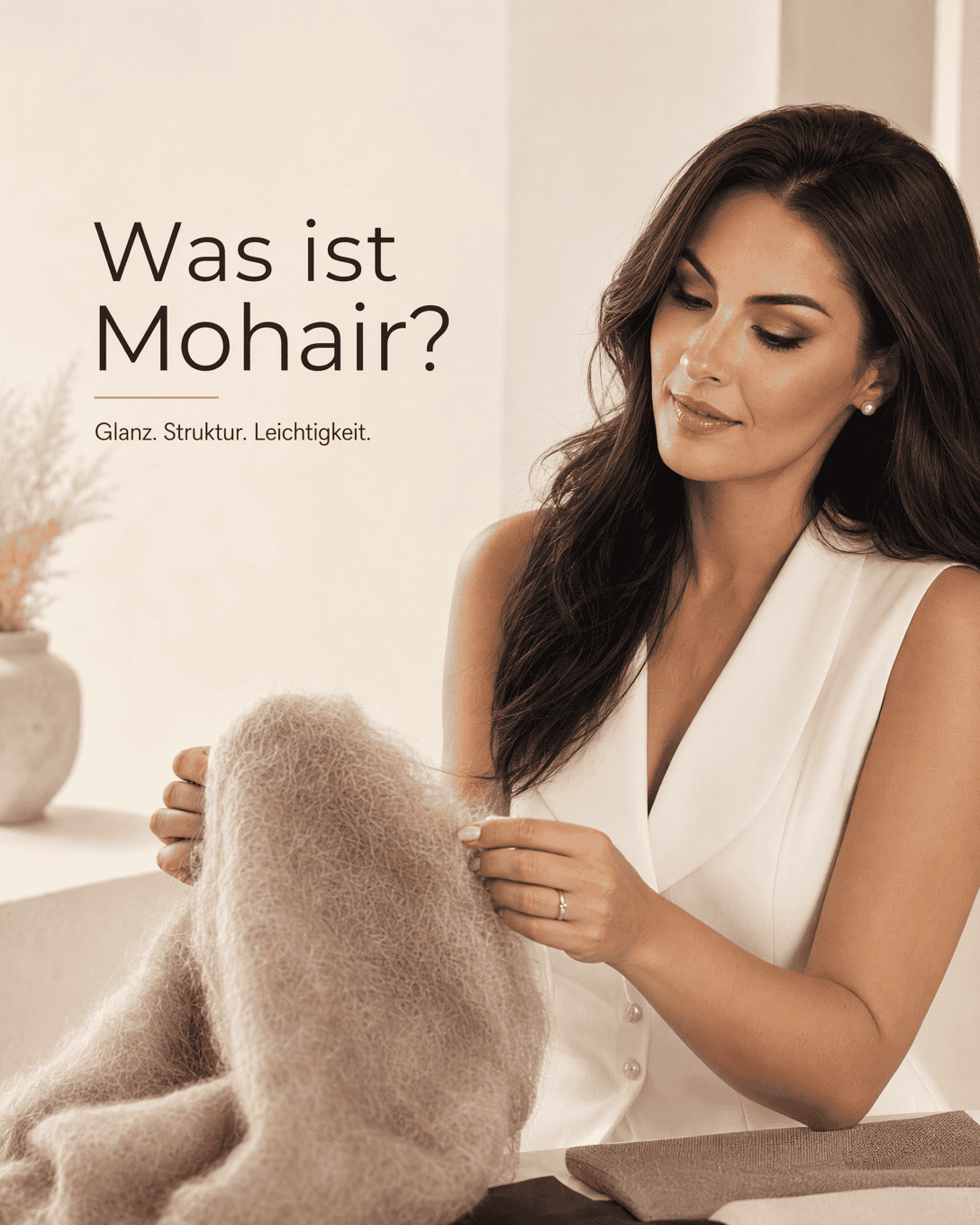
mohair Mohair is a natural animal fiber from the Angora goat, valued for its distinctive sheen, resilient feel, airy warmth, and light texture in knitwear, coats, and suiting.
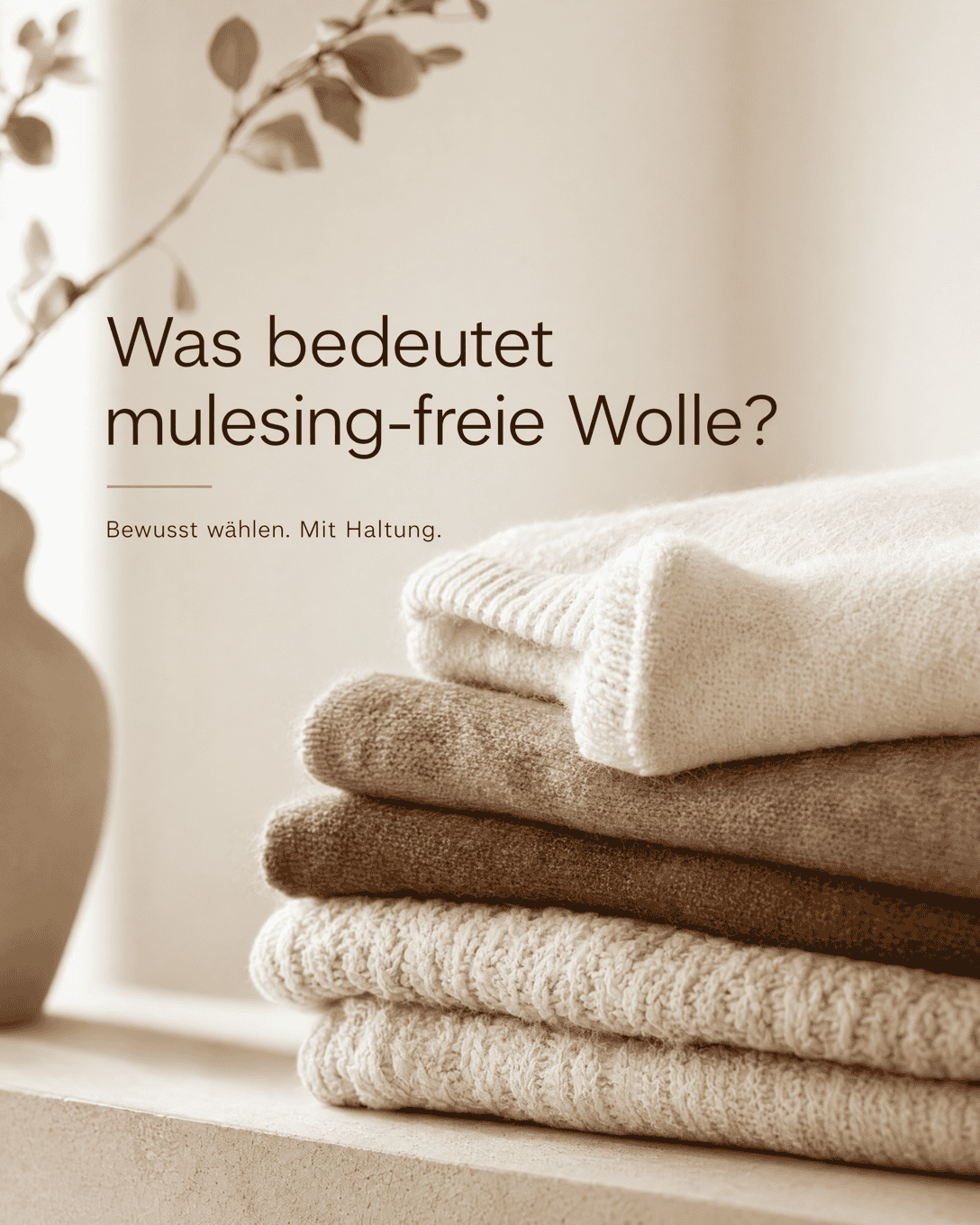
Mulesing-Free Wool Mulesing-Free Wool refers to wool from sheep that have not undergone mulesing. Learn what the claim means, what it does and does not indicate, and how to assess it when buying wool clothing.
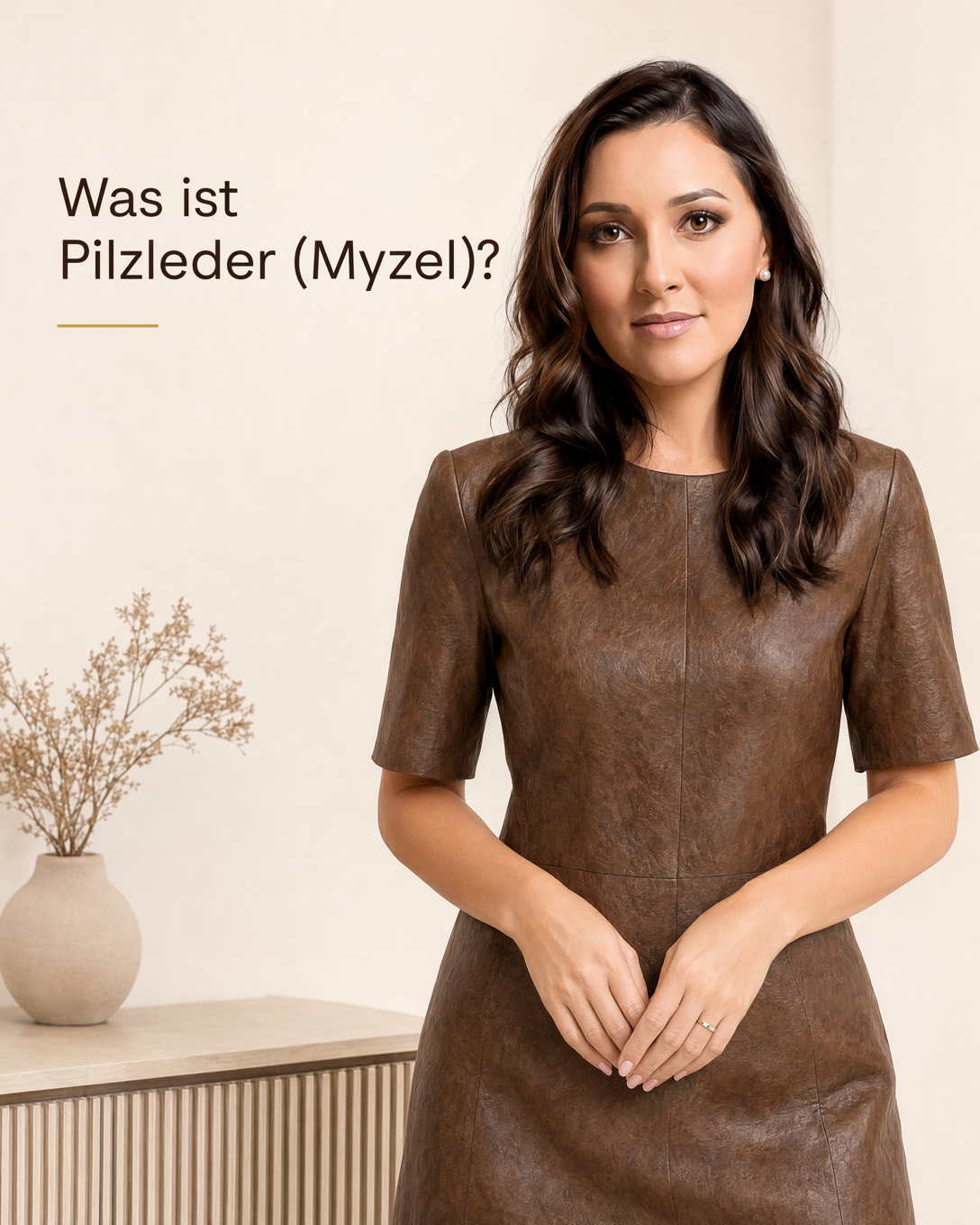
Mushroom Leather Mushroom leather is a biobased material made from mycelium, the threadlike structure of fungi, and developed to create a leather-like surface for fashion accessories and clothing.
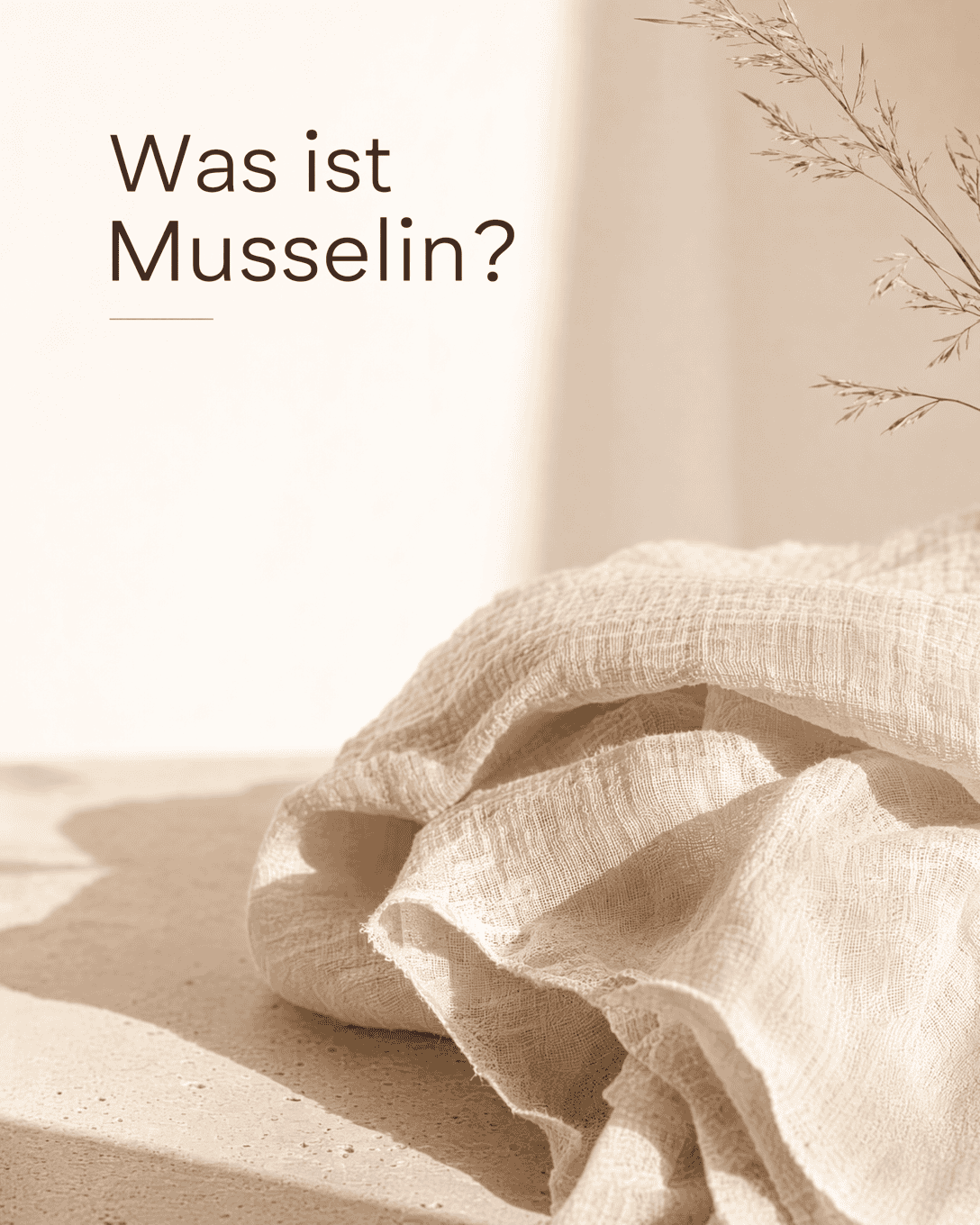
muslin Muslin is a lightweight, loosely woven fabric valued for its soft feel, breathable character, and naturally relaxed texture. Modern double gauze muslin is especially popular for airy blouses, dresses, scarves, and summer clothing.
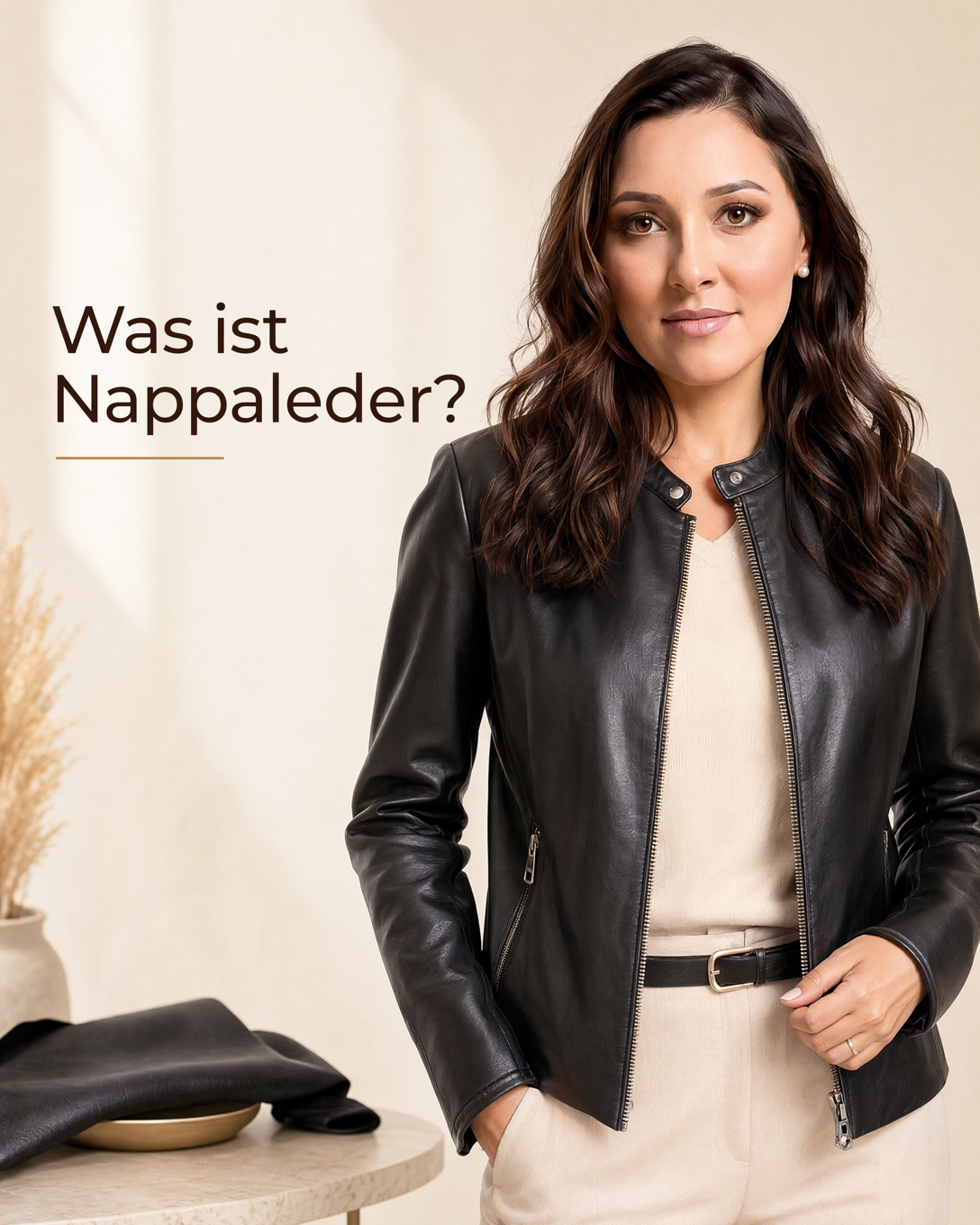
Nappa Leather Nappa leather is a particularly soft, supple smooth leather with a fine, natural-looking grain. It is commonly used for high-quality jackets, shoes, bags, gloves, and leather accessories.
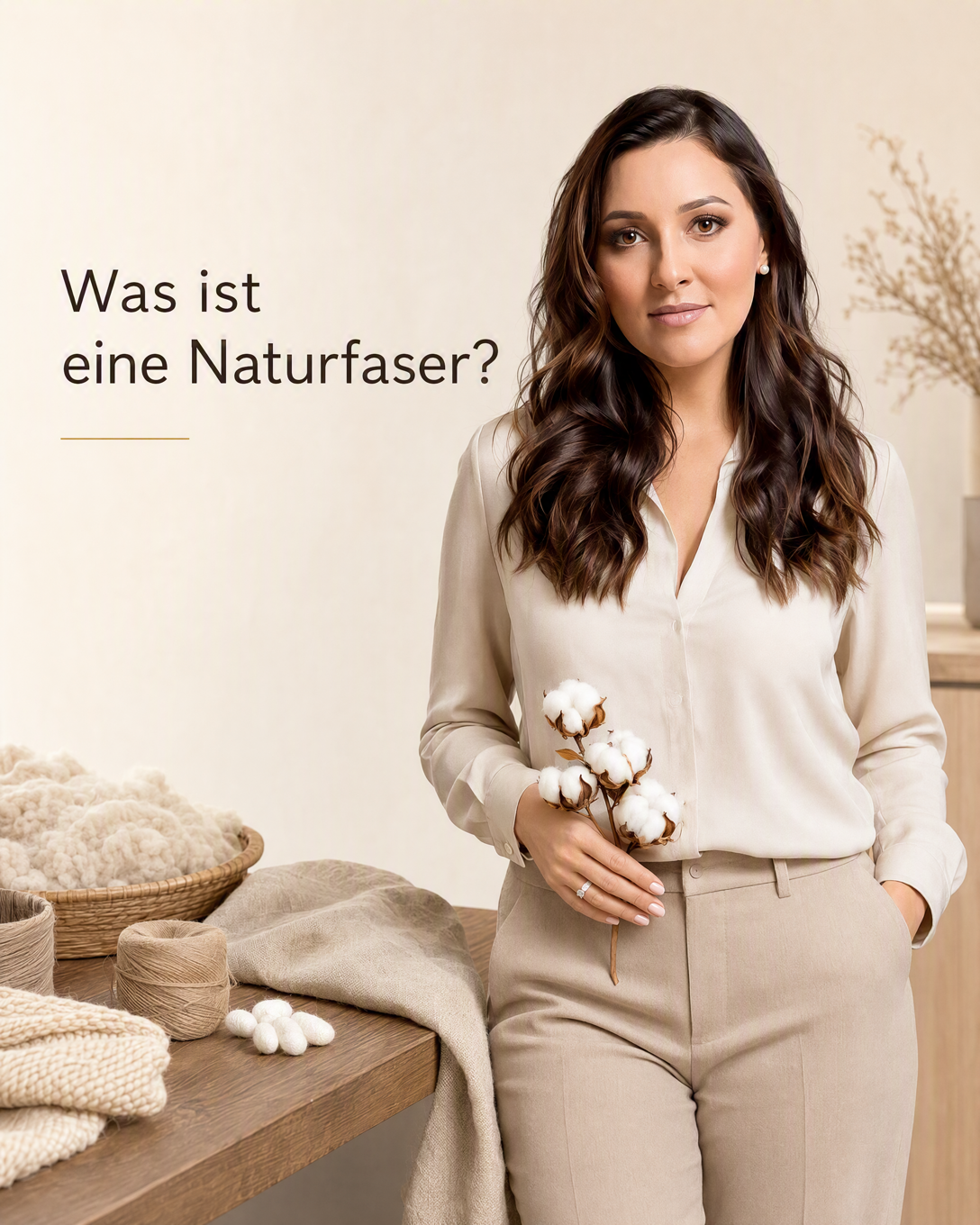
Natural Fiber A natural fiber comes from plant, animal, or mineral sources and can be made into textiles such as cotton, linen, wool, and silk.
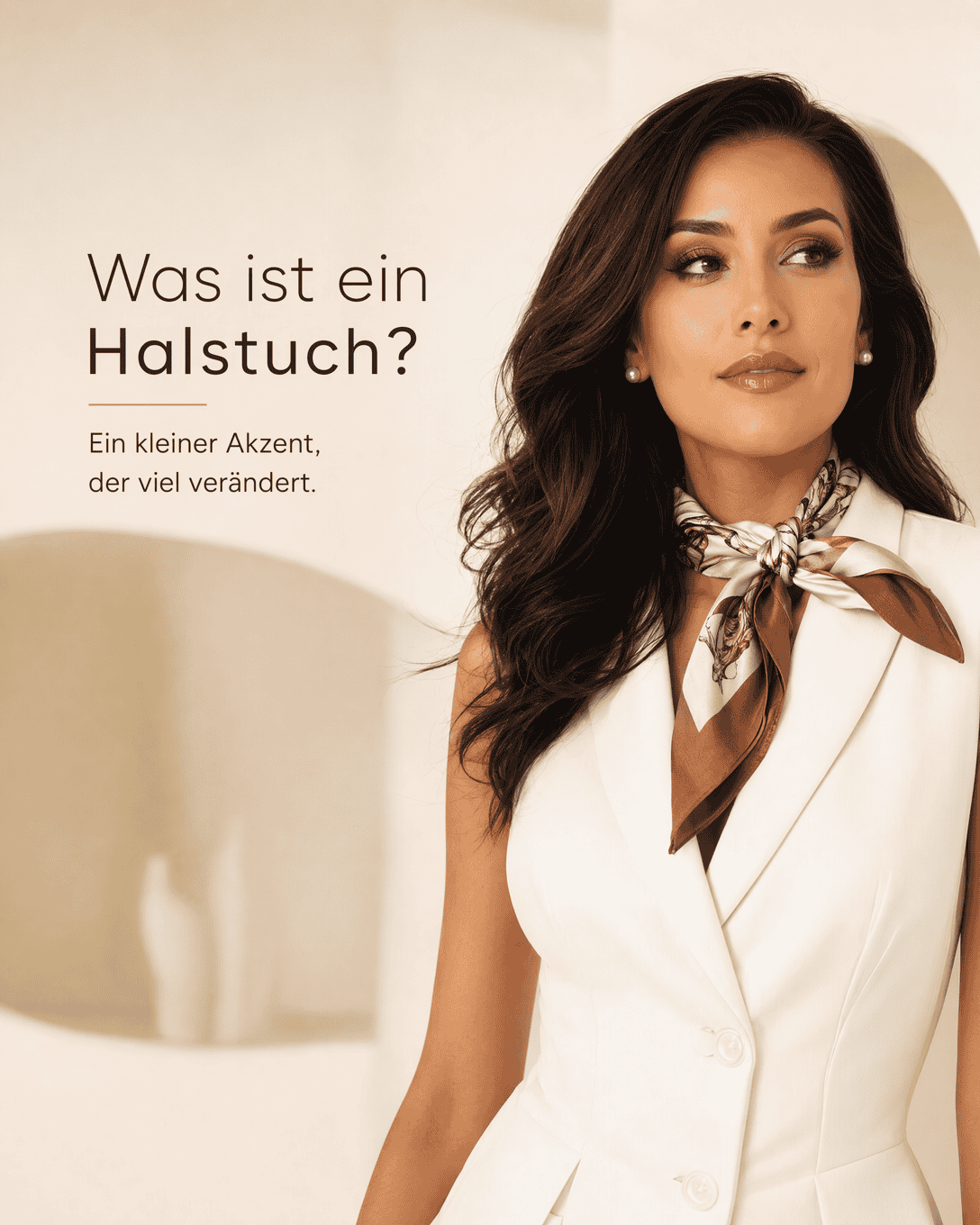
Neck Scarf A neck scarf is a small scarf worn around the neck as a functional or decorative accessory. Learn how neck scarves shape color, proportion, and outfit impact.
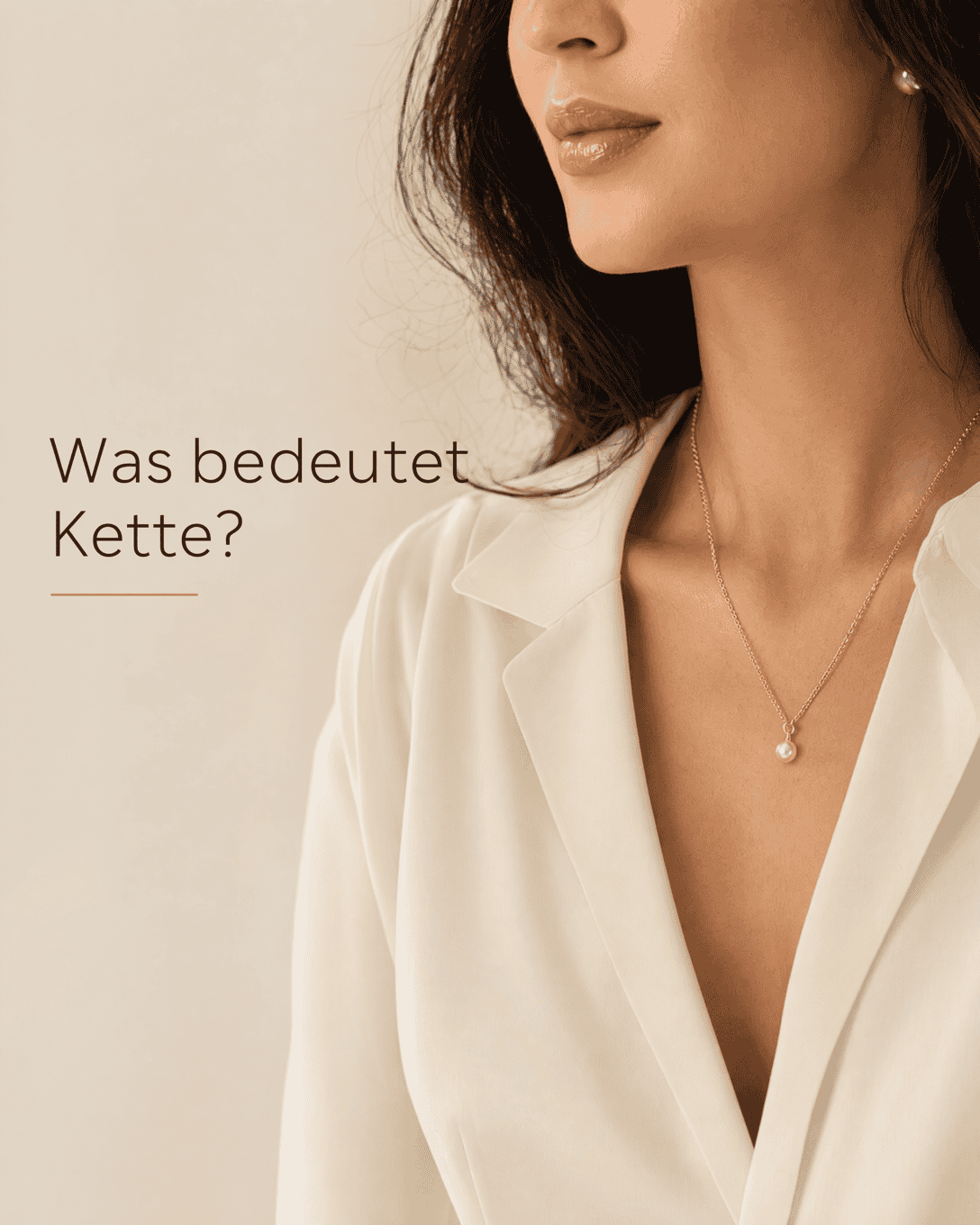
Necklace A necklace is jewelry worn around the neck. It can frame the face, set a focal point, and change the formality, color balance, and overall impact of an outfit.
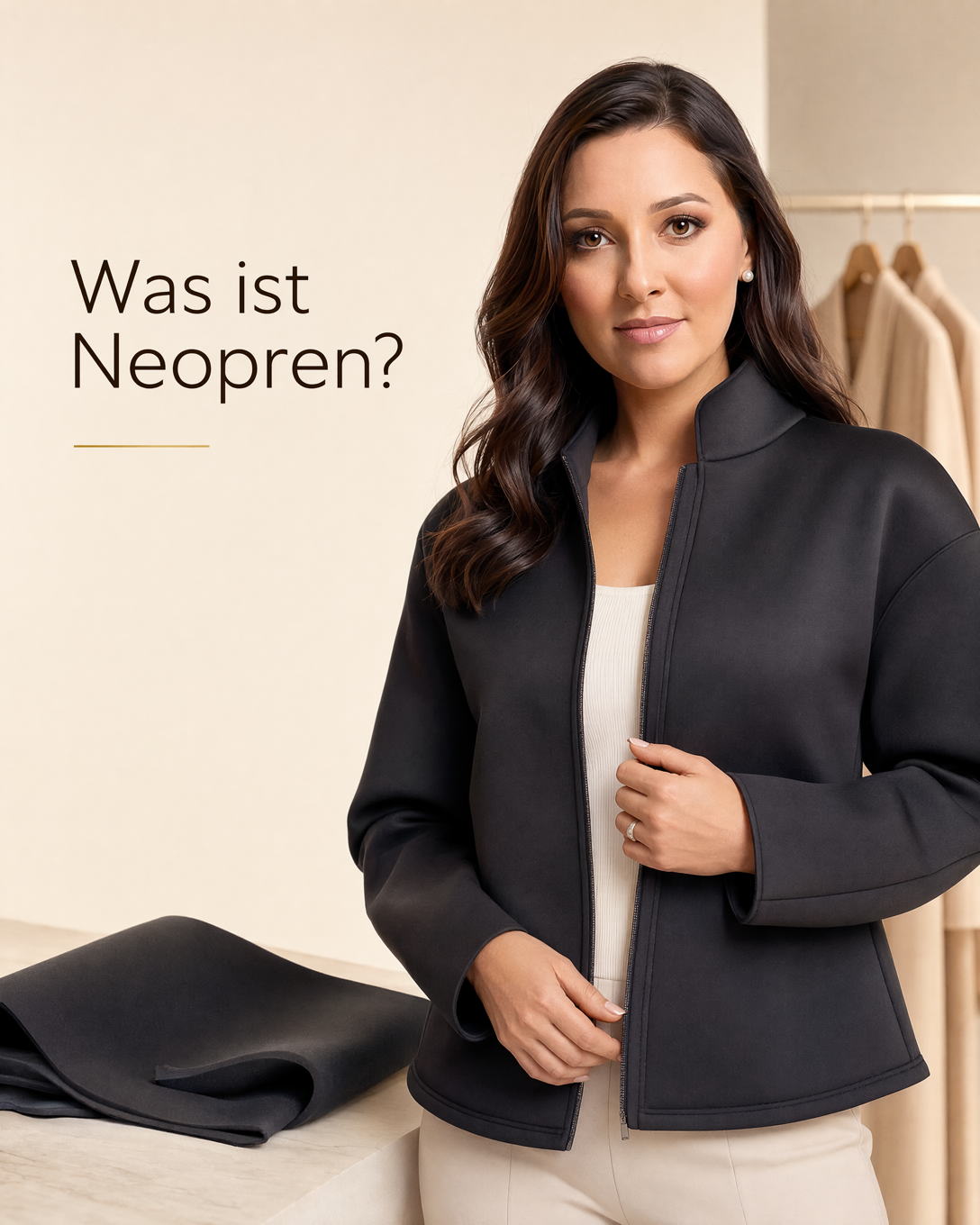
Neoprene Neoprene is a synthetic rubber material known for its insulating properties, springy structure, and smooth, modern appearance. In fashion, it is used to create sculptural silhouettes, clean lines, and a distinctive technical feel.
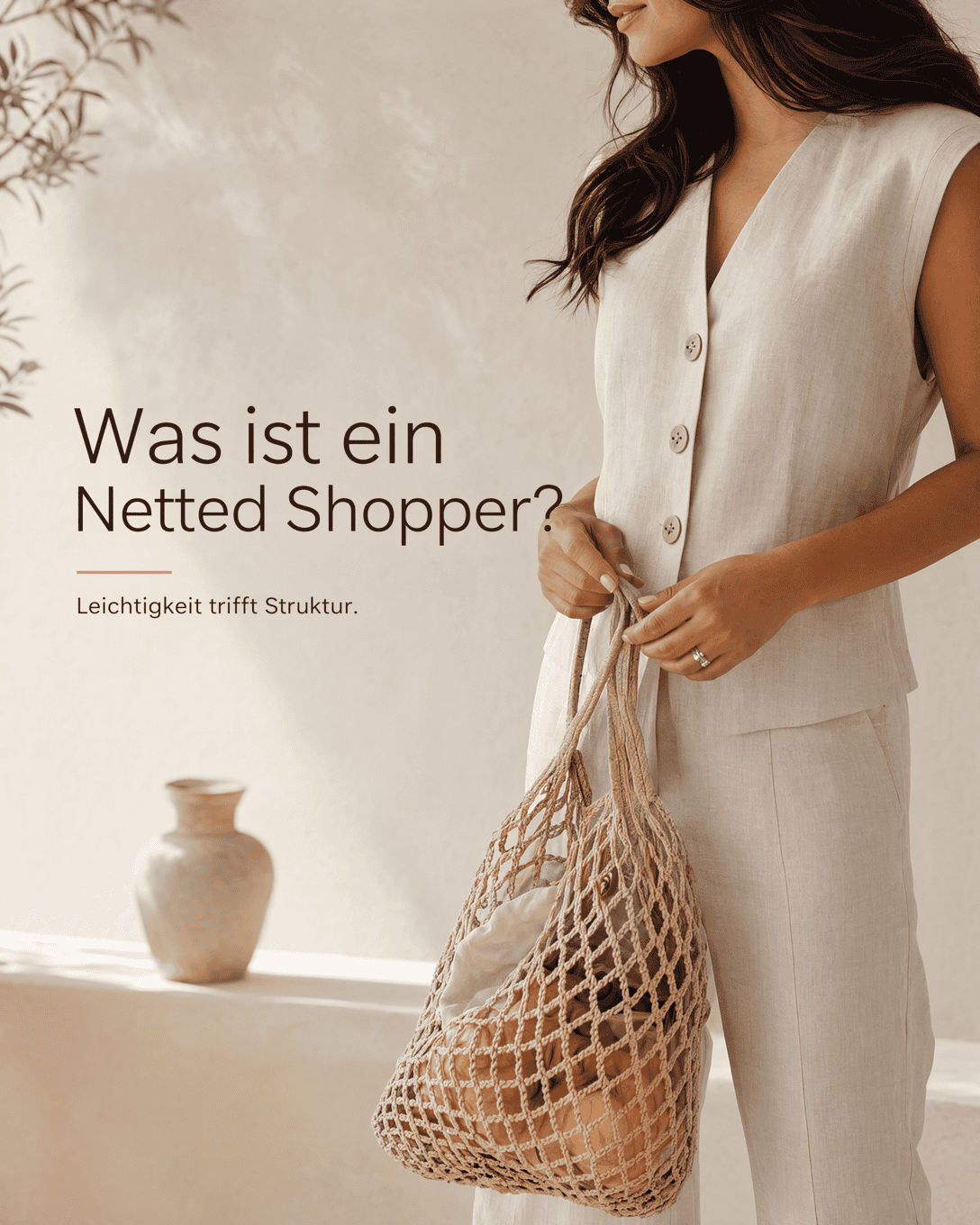
Netted Shopper A netted shopper is an open-weave shopping bag with a relaxed, practical look. Learn how to style this mesh bag, what it holds, and what to consider before buying.
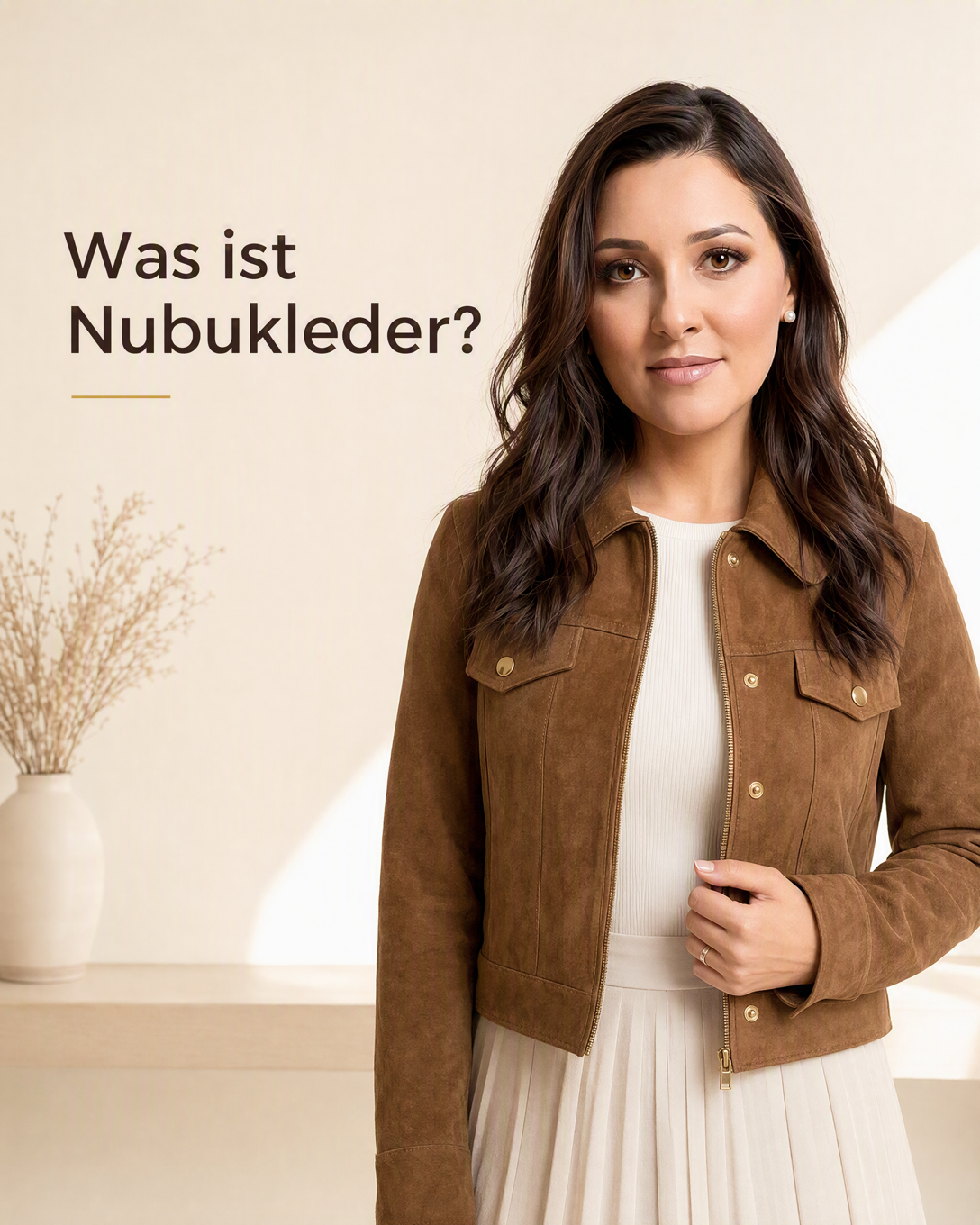
Nubuck Leather Nubuck leather is fine cowhide or calfskin lightly sanded on the grain side to create a soft, velvety surface with a matte appearance.
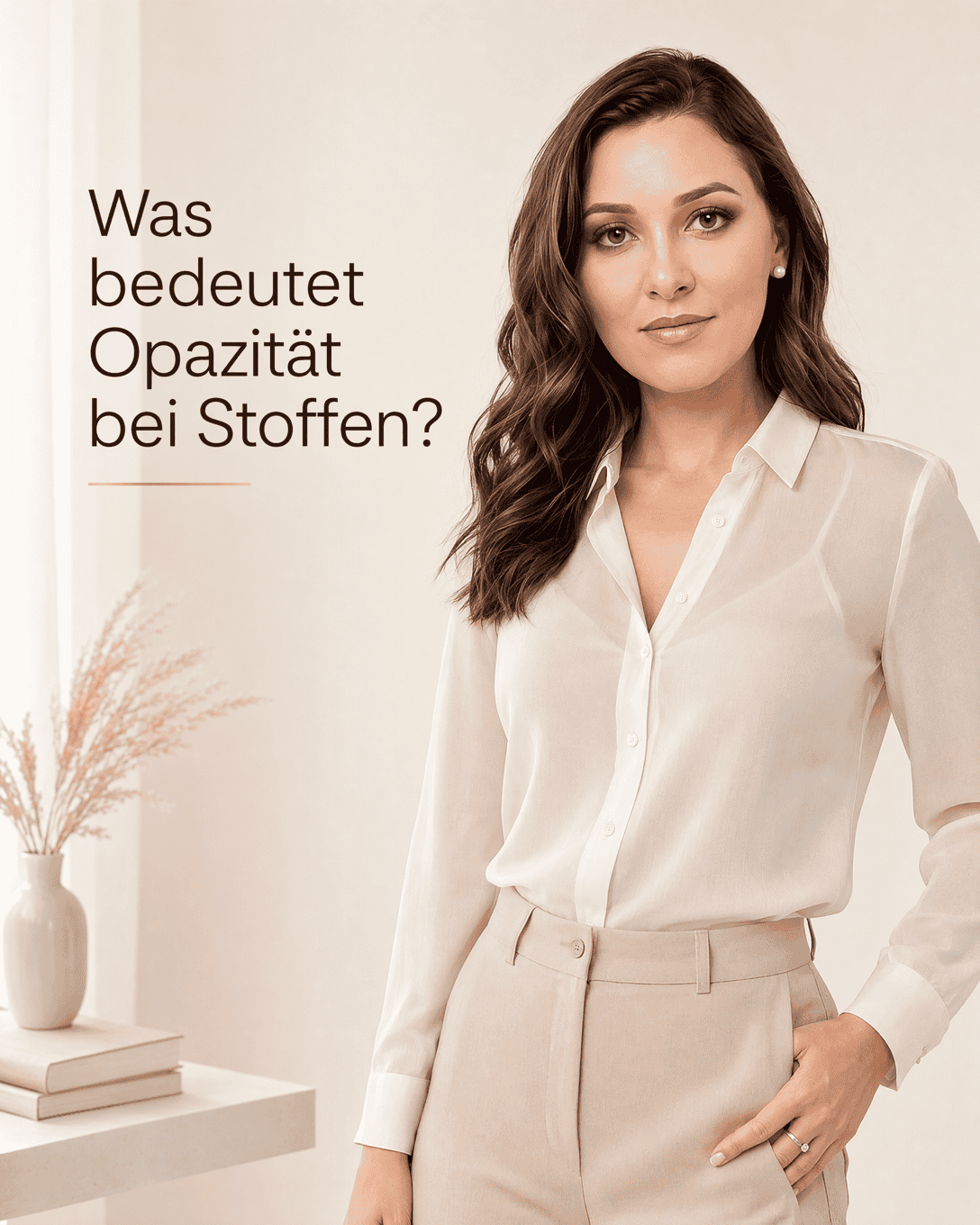
Opacity Opacity describes how much light passes through a fabric and how visible the body, underwear, or layers beneath it are. Learn how fabric opacity affects comfort, styling, layering, and purchase decisions.
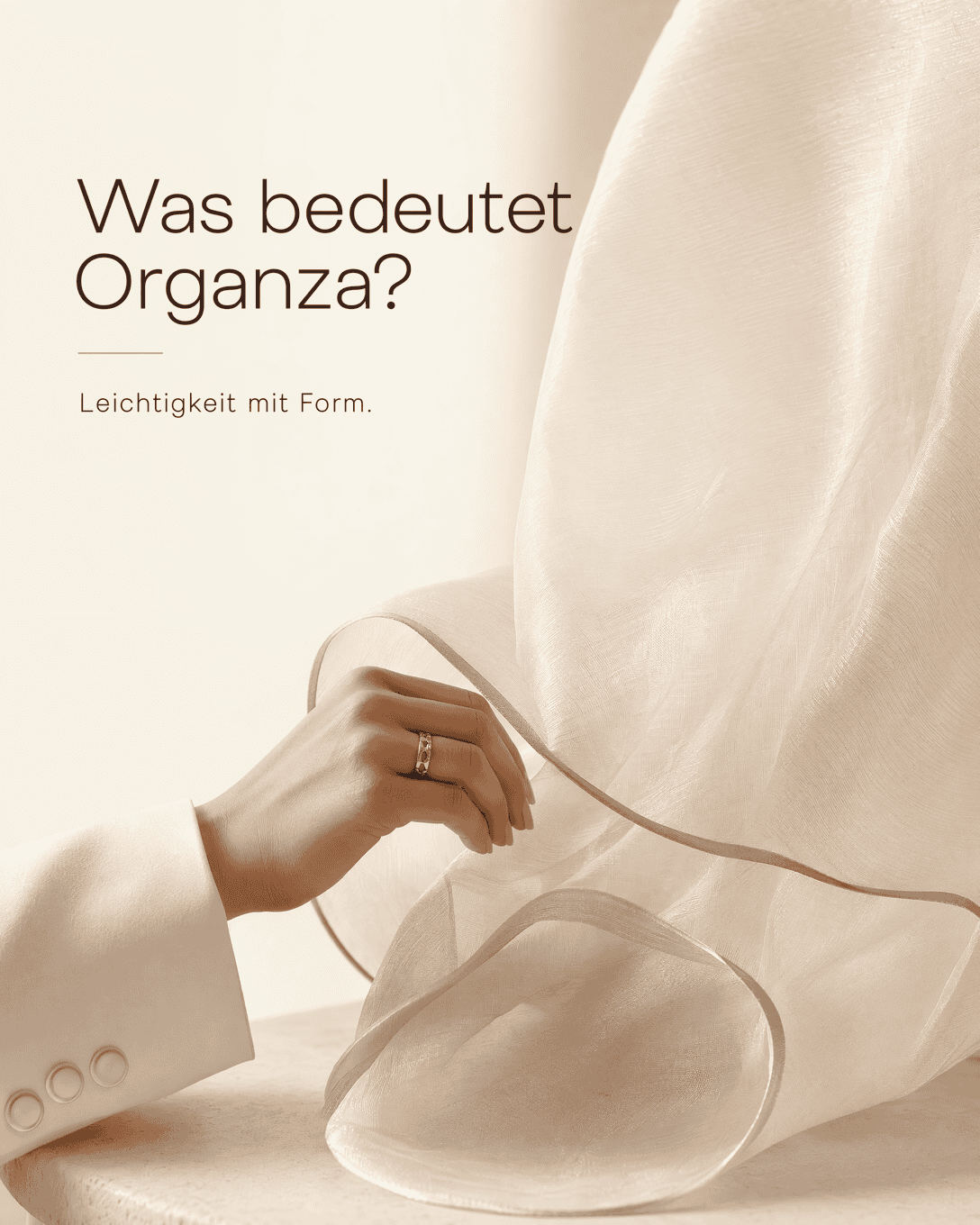
Organza Organza is a sheer, crisp woven fabric, traditionally made from silk and now also available in synthetic fibers. Learn how organza looks, feels, drapes, and works in fashion.
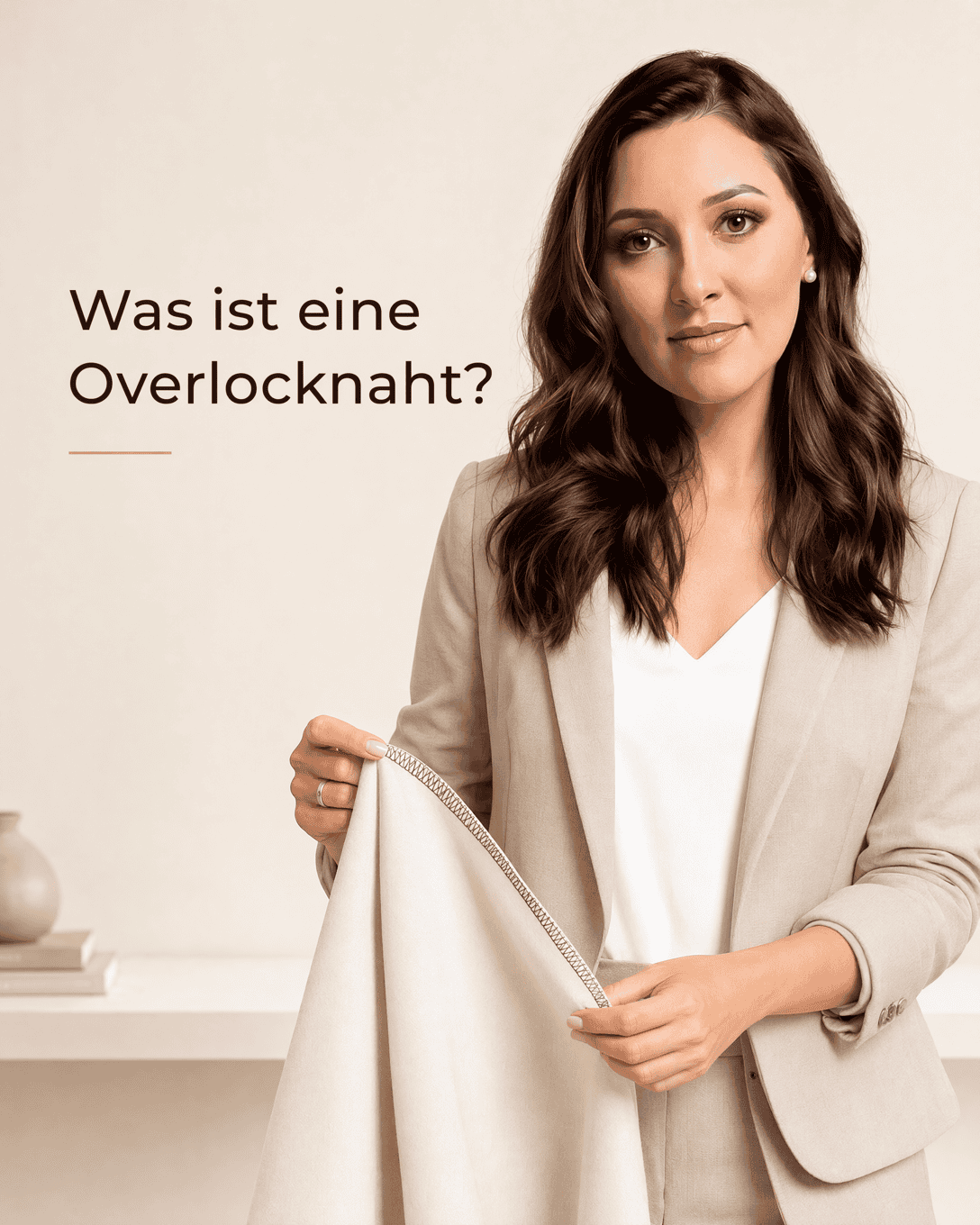
Overlock Seam An overlock seam is a stitched edge finish that joins fabric while enclosing the raw edge. Learn how to identify it, where it is used, and what it reveals about garment construction.
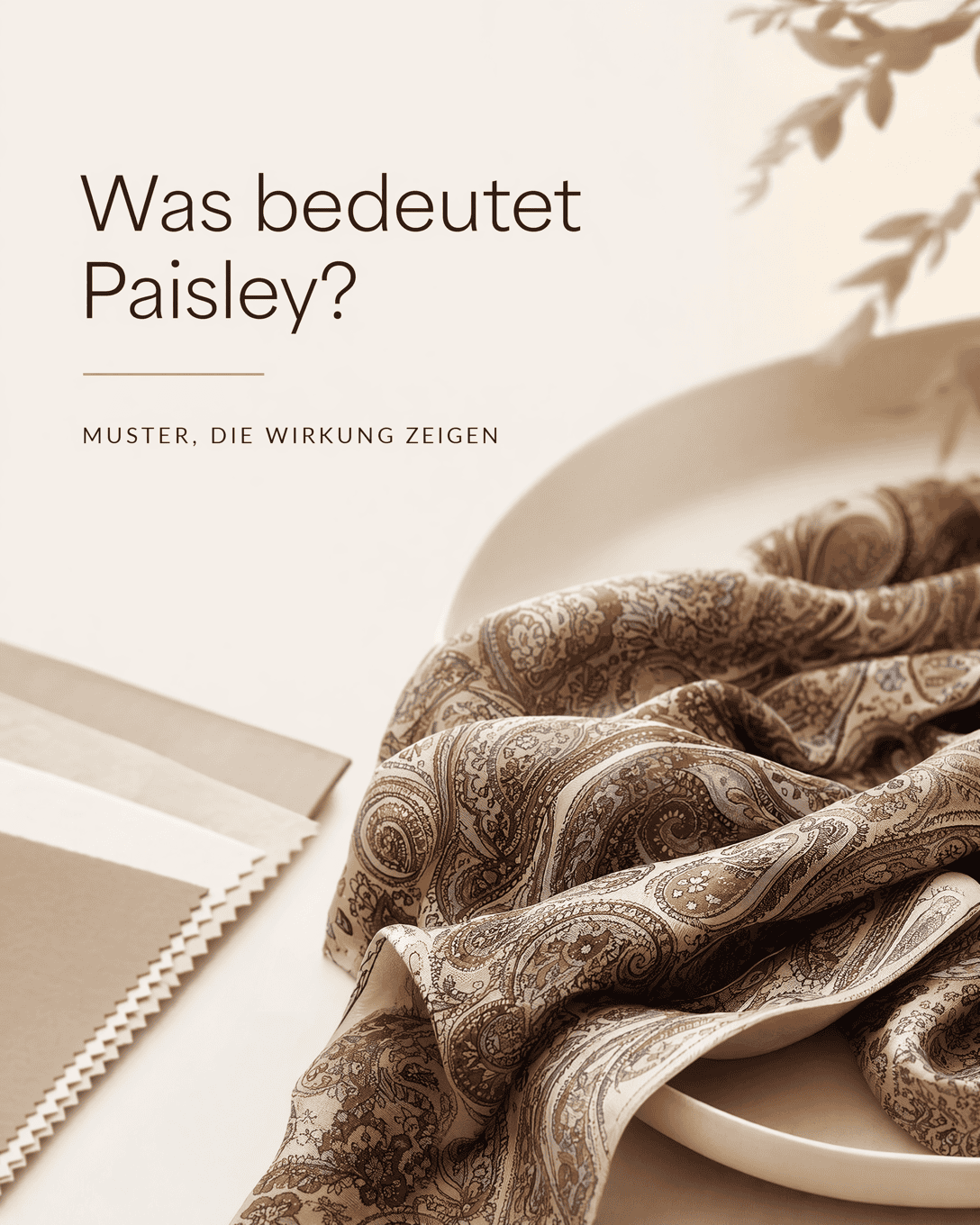
Paisley Paisley is a decorative, curved pattern based on a teardrop-shaped motif. Learn what paisley means, where it comes from, and how to style paisley prints.
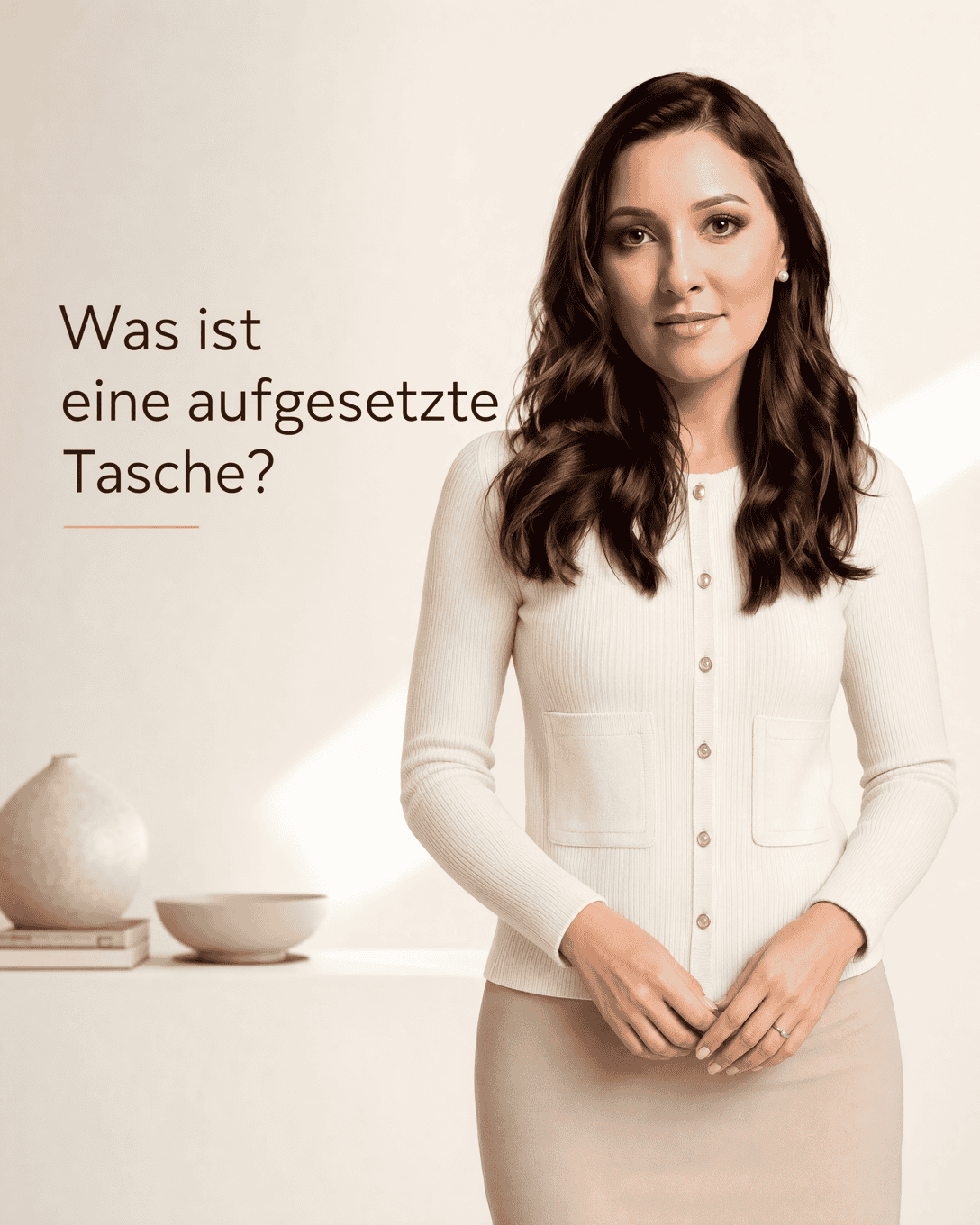
Patch Pocket A patch pocket is a pocket sewn onto the outside of a garment. Learn how patch pockets affect style, proportion, practicality, and garment quality.
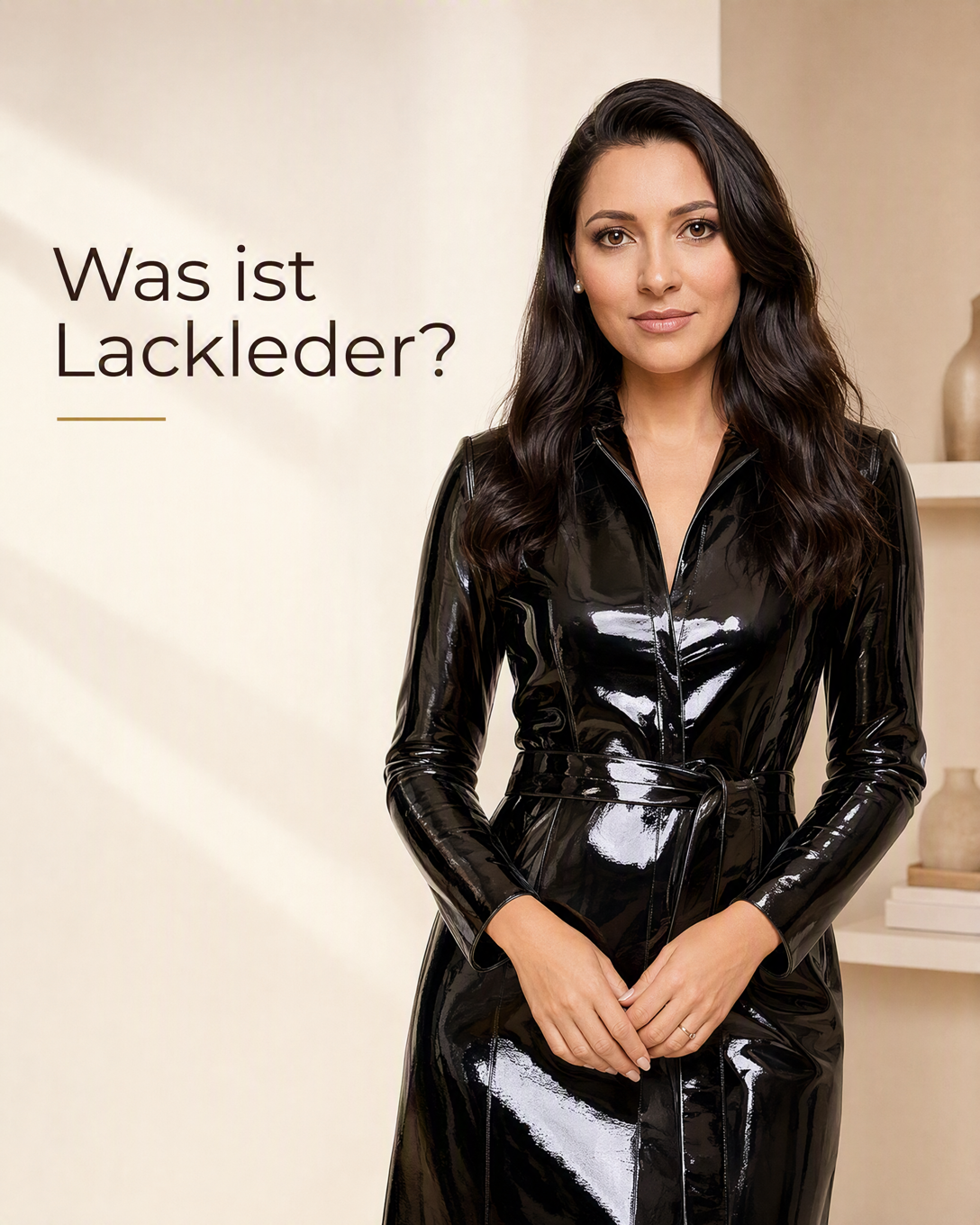
Patent Leather Patent leather is leather with a high-gloss coated finish that creates a sleek, reflective look and offers some resistance to moisture.
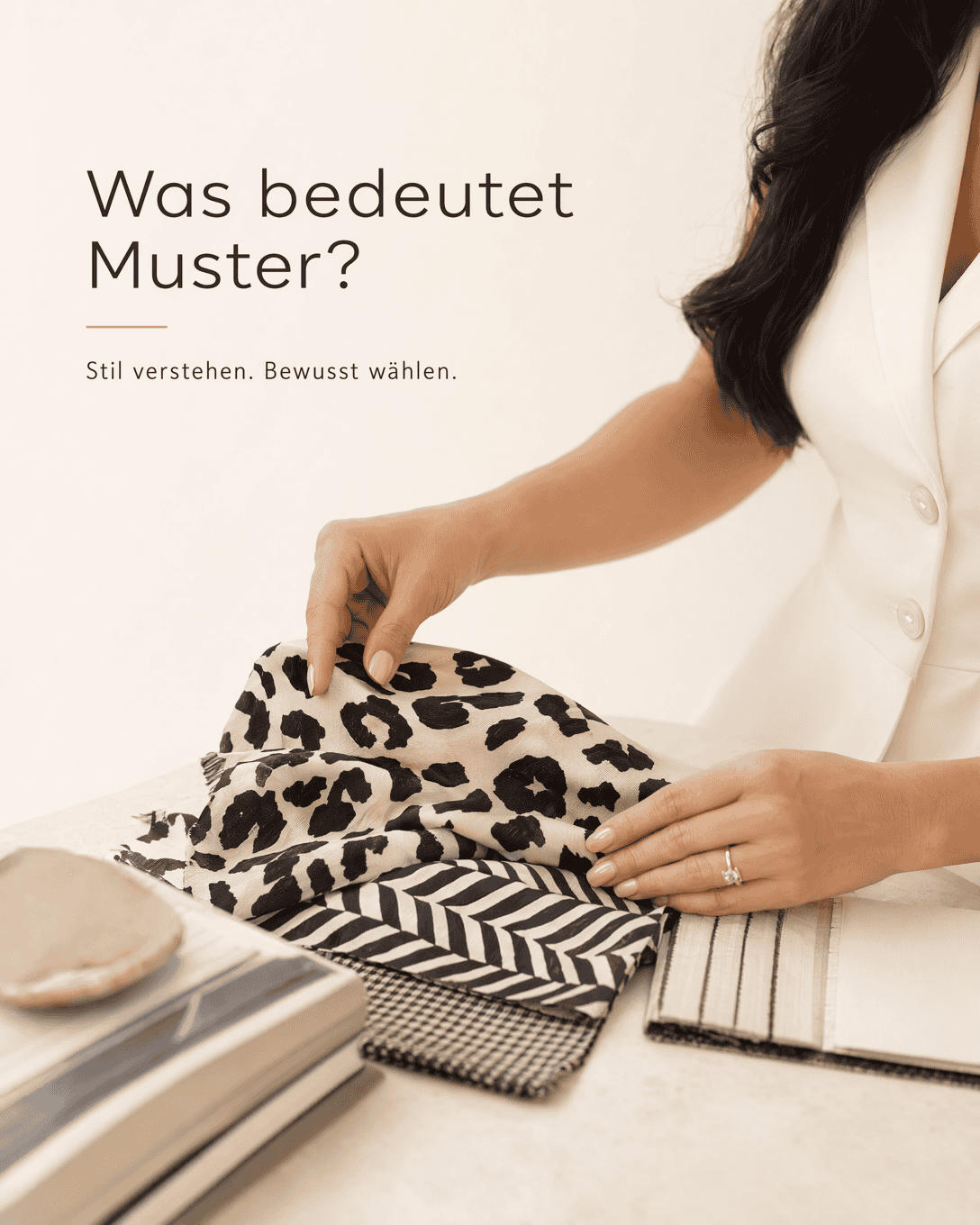
Pattern A pattern in fashion is a repeated visual design on fabric or clothing, such as stripes, checks, florals, or dots. It shapes an outfit’s mood, scale, visual balance, and styling impact.
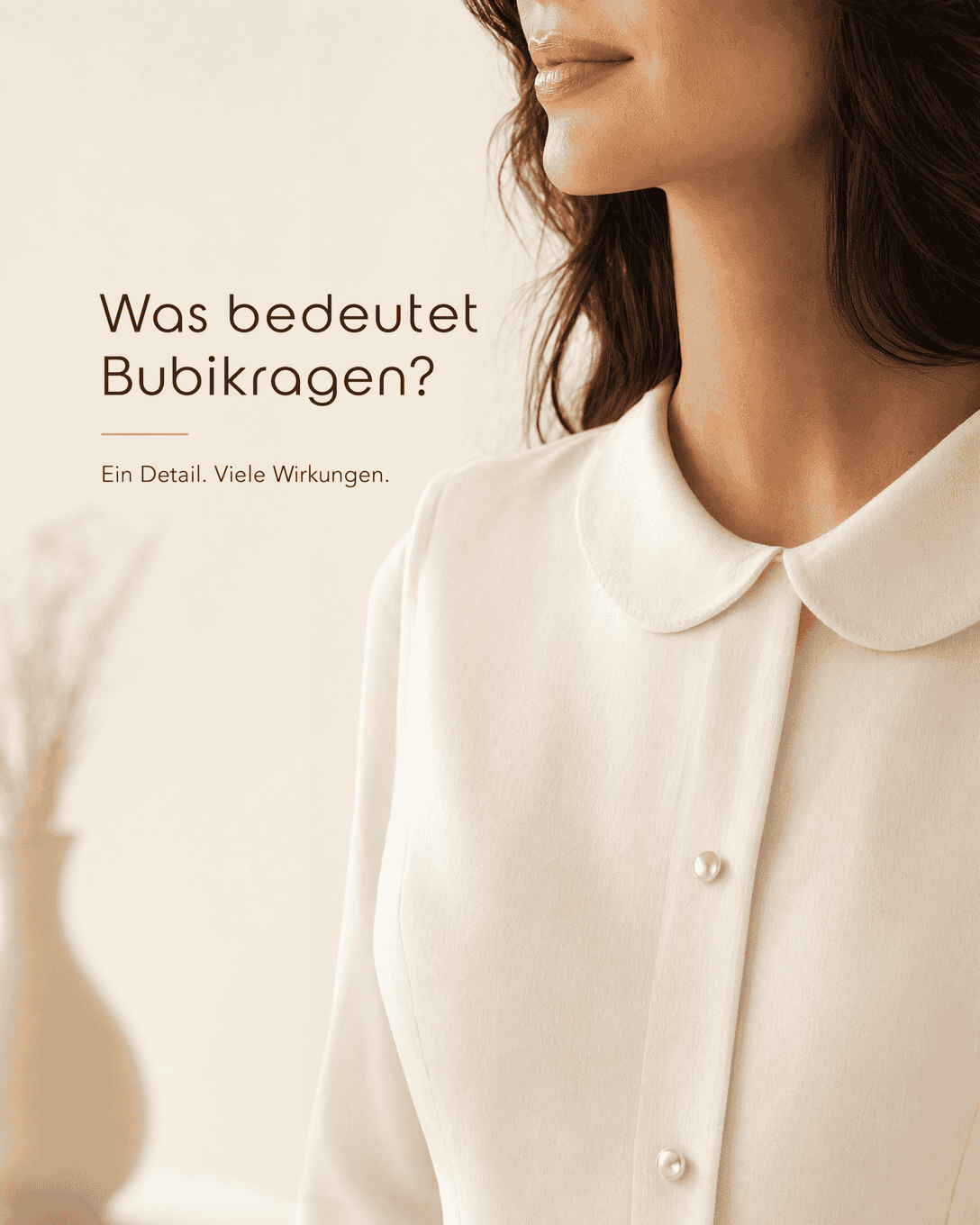
Peter Pan Collar A Peter Pan collar is a flat, rounded collar with soft edges, typically placed close to the neckline. It gives blouses, dresses, knitwear, and tops a gentle, youthful, or deliberately retro character.
Pile Pile is a raised layer of fibers or loops on a fabric surface. It gives textiles such as velvet, corduroy, and fleece their soft, textured feel and distinctive appearance.
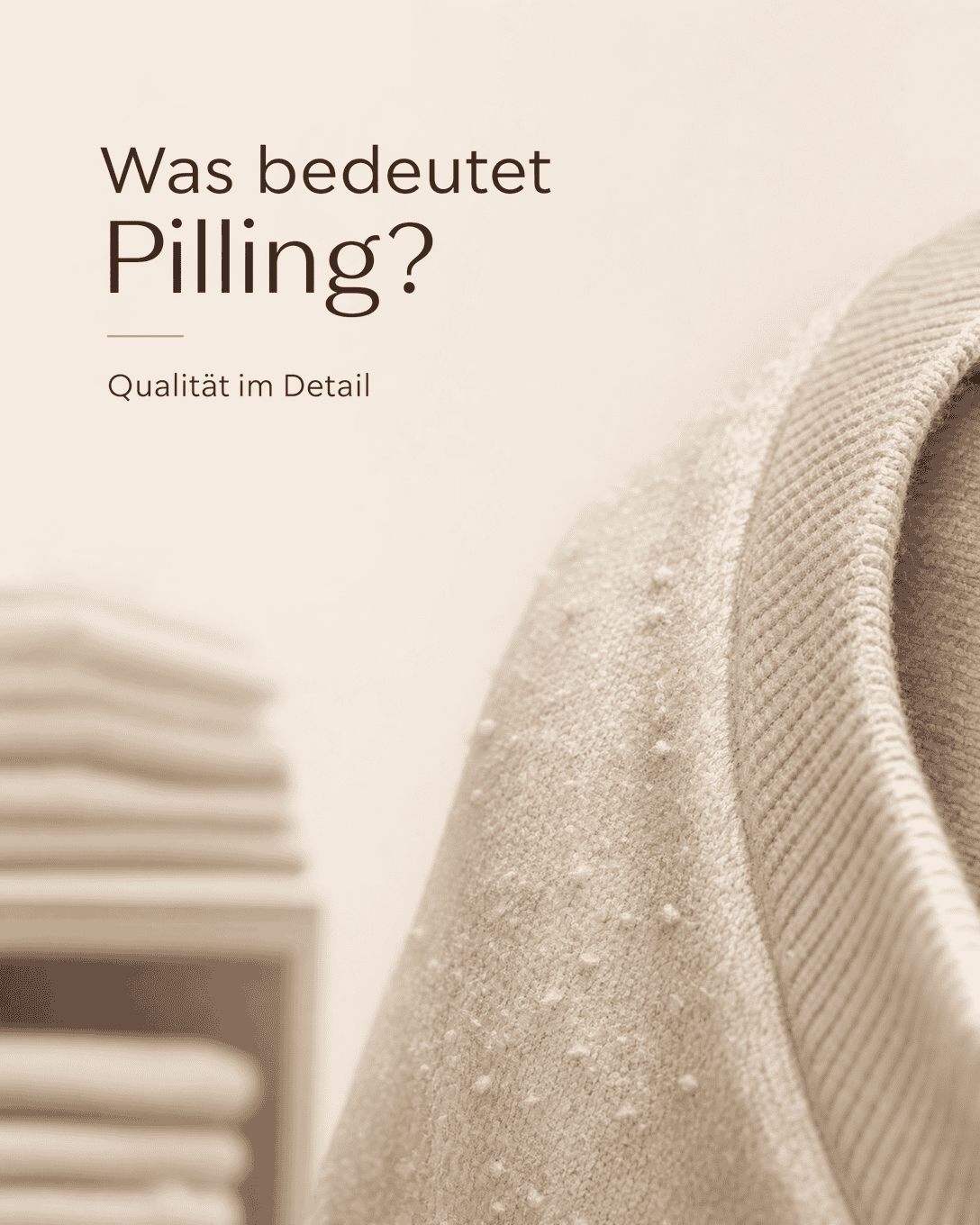
Pilling Pilling is the formation of small fiber balls on a fabric surface, usually caused by friction during wear, washing, or contact with other materials.
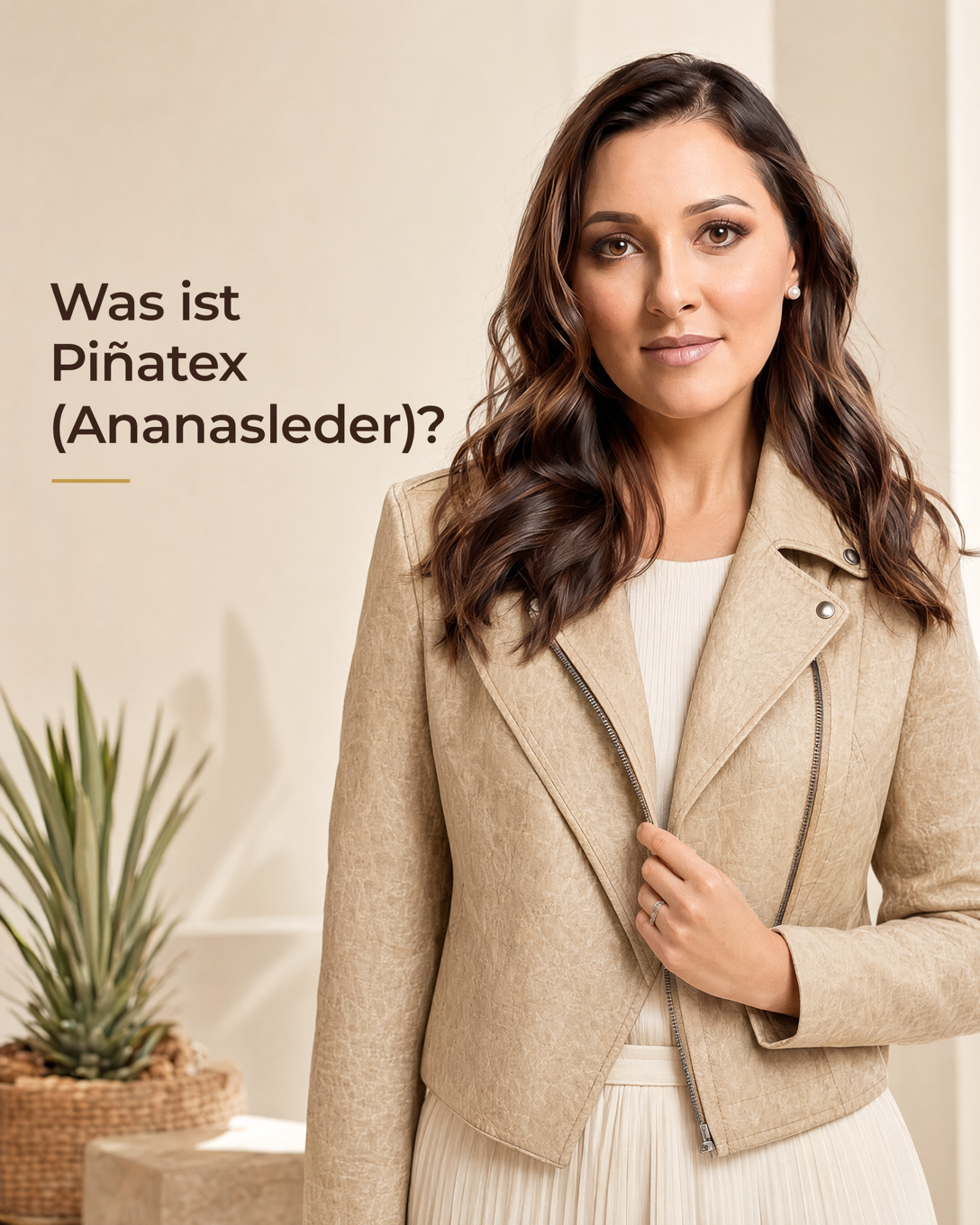
Piñatex Piñatex is a plant-based leather alternative made partly from fibers extracted from pineapple leaves. It is used for accessories, footwear, and clothing details where a leather-like surface is desired.
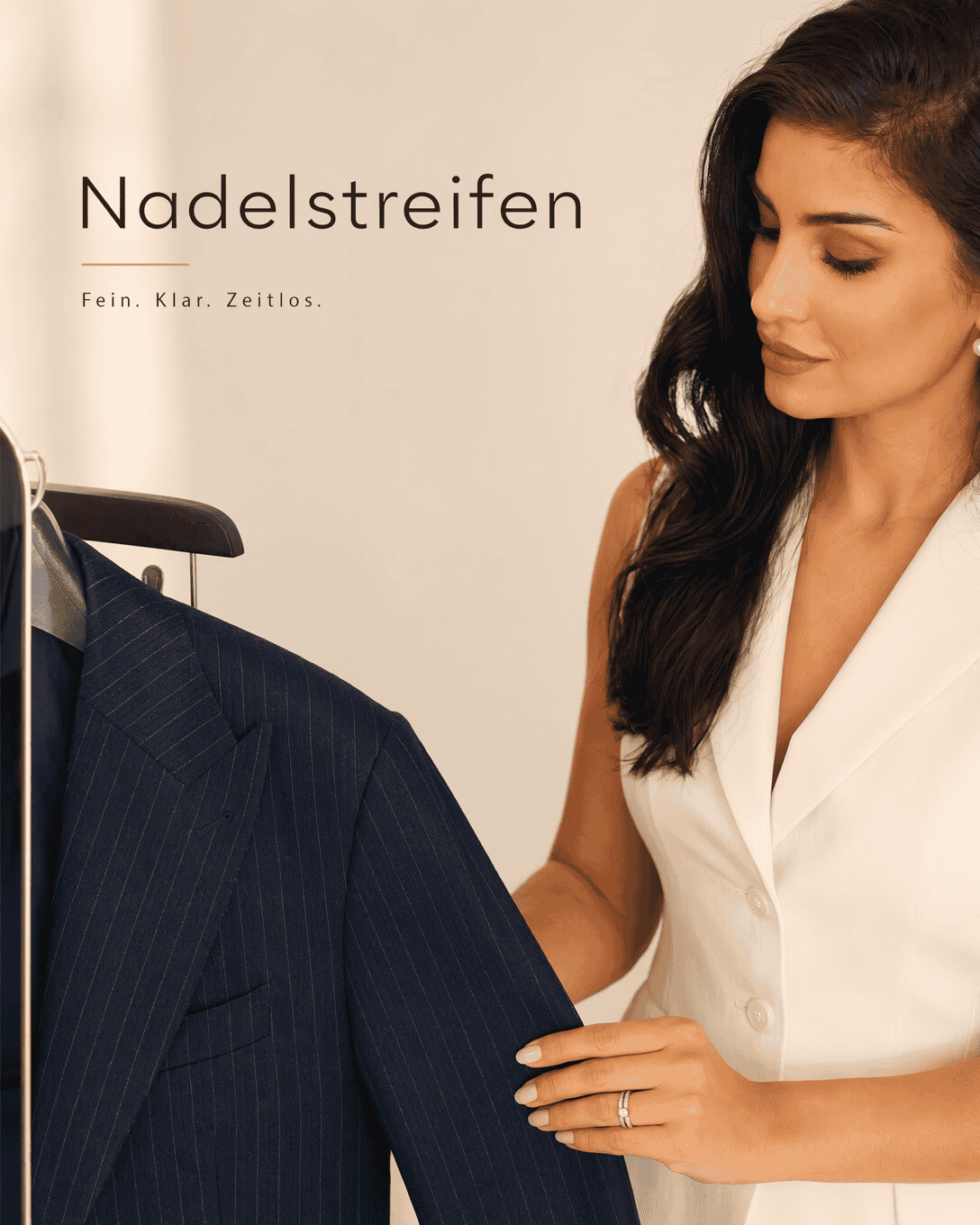
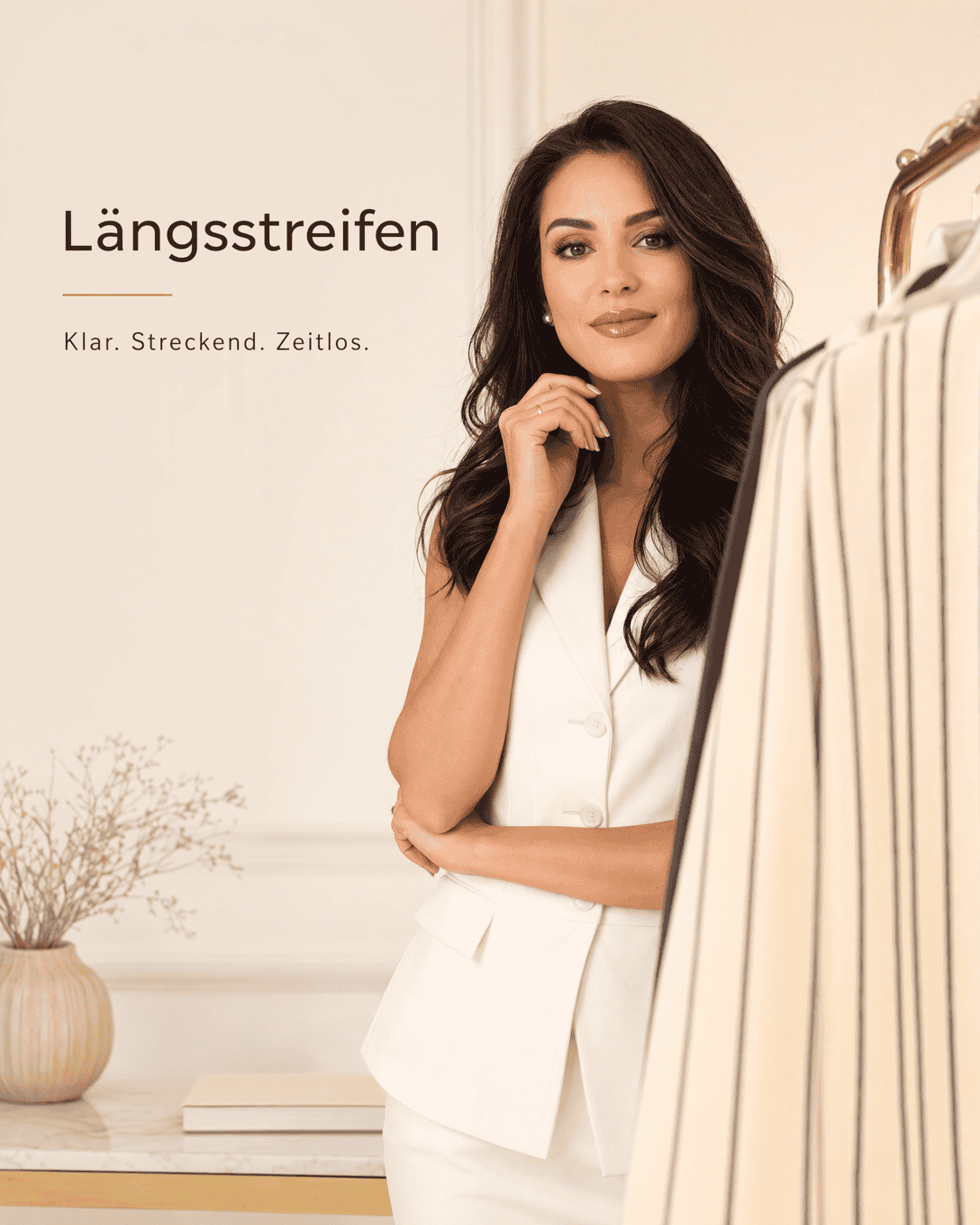
Pinstripes Pinstripes are very narrow, evenly spaced vertical stripes, most often seen in tailored clothing. Learn what distinguishes pinstripes, how they affect an outfit, and how to style them.
Pintuck A pintuck is a narrow stitched fold in fabric that adds texture, structure, and vertical detail to clothing. Learn how pintucks affect fit, silhouette, and everyday styling.
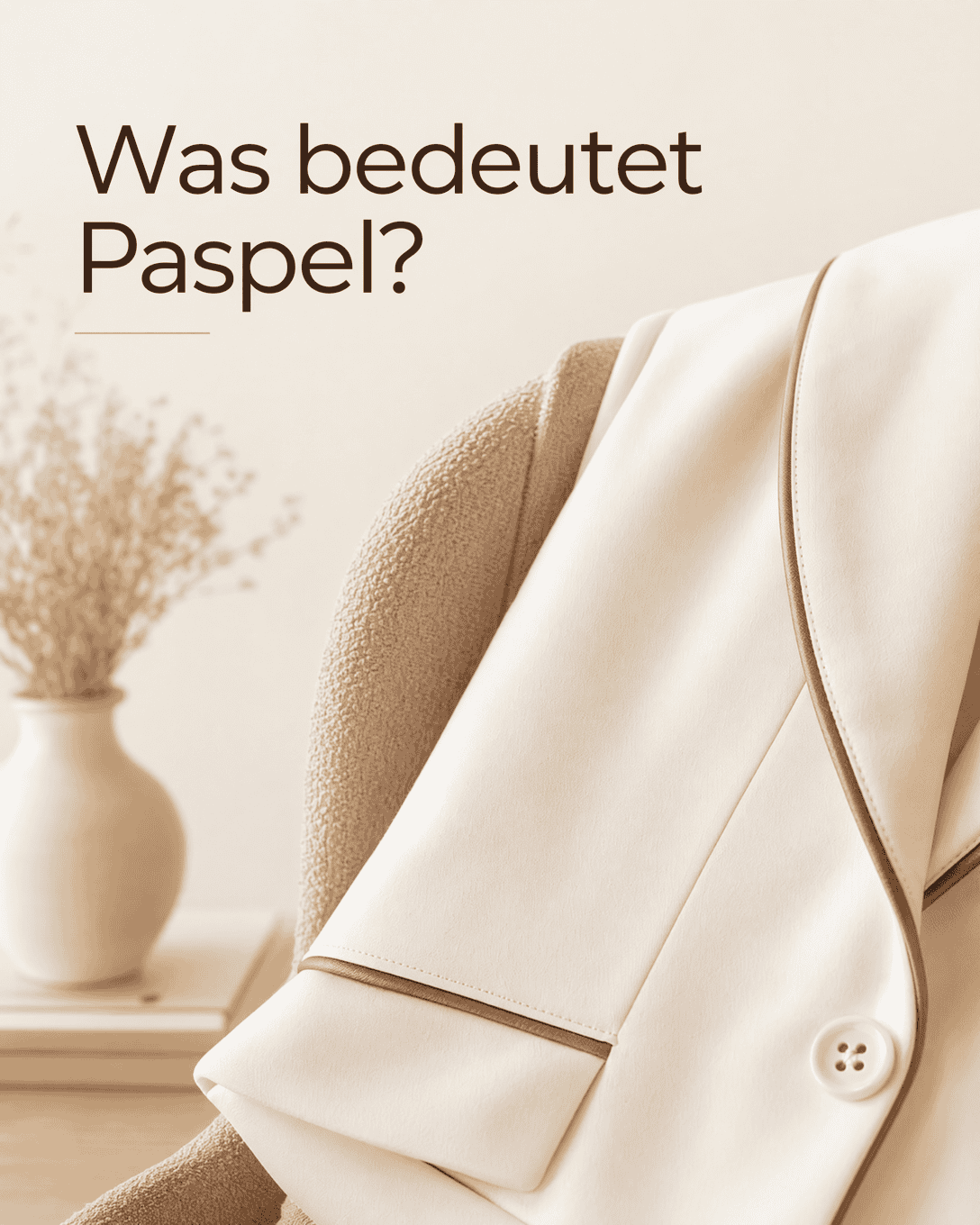
Piping Piping is a narrow fabric-covered cord or trim inserted into a seam to define edges, add contrast, and highlight garment construction.
Pique Pique is a textured fabric, often cotton, recognized by its raised geometric surface. Learn how piqué differs from jersey, where it is used, and what to consider when buying and caring for it.
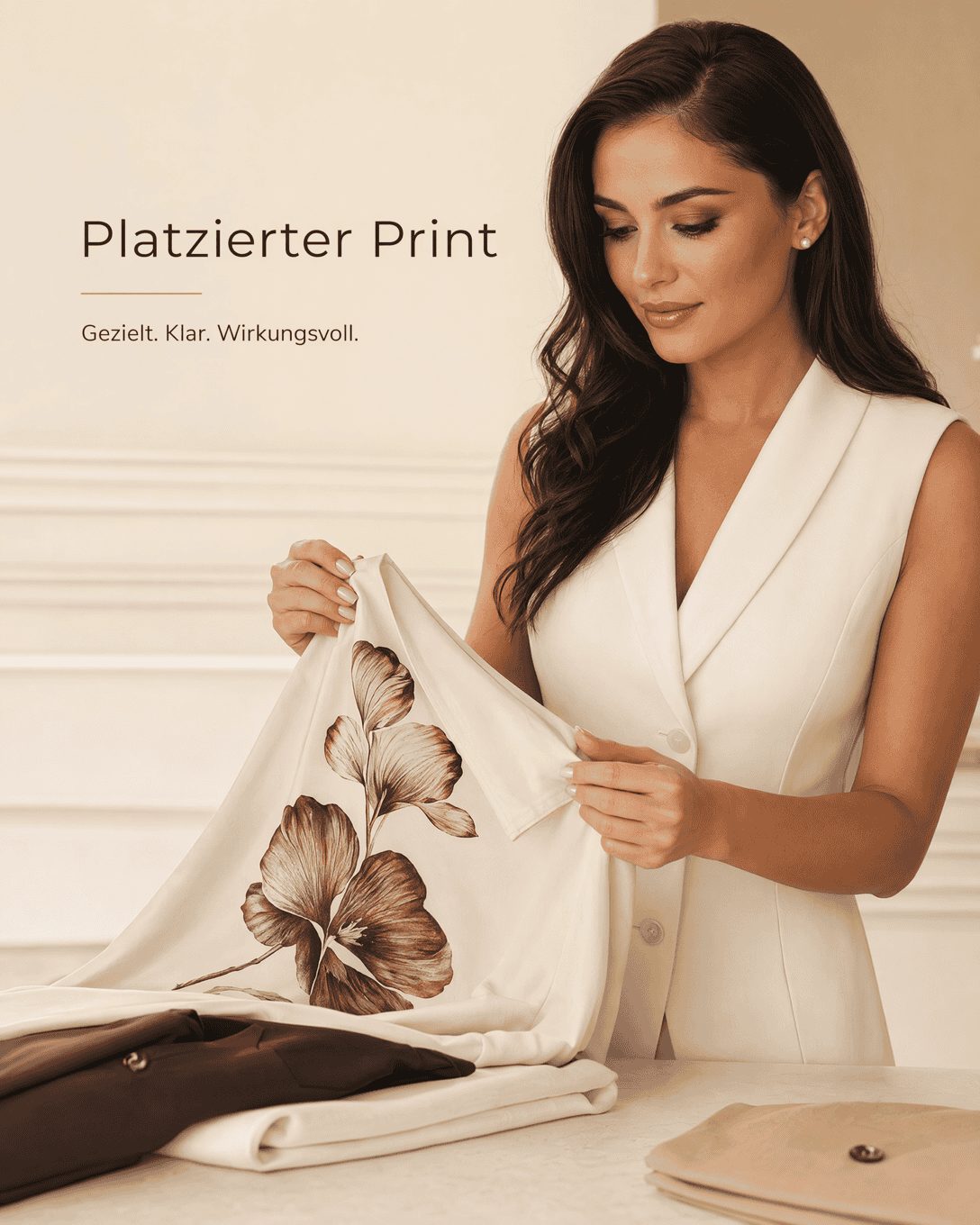
Placed Print A placed print is a design printed in a specific, planned position on a garment rather than repeated across the whole fabric. It can direct attention, shape proportions, and change the overall effect of an outfit.
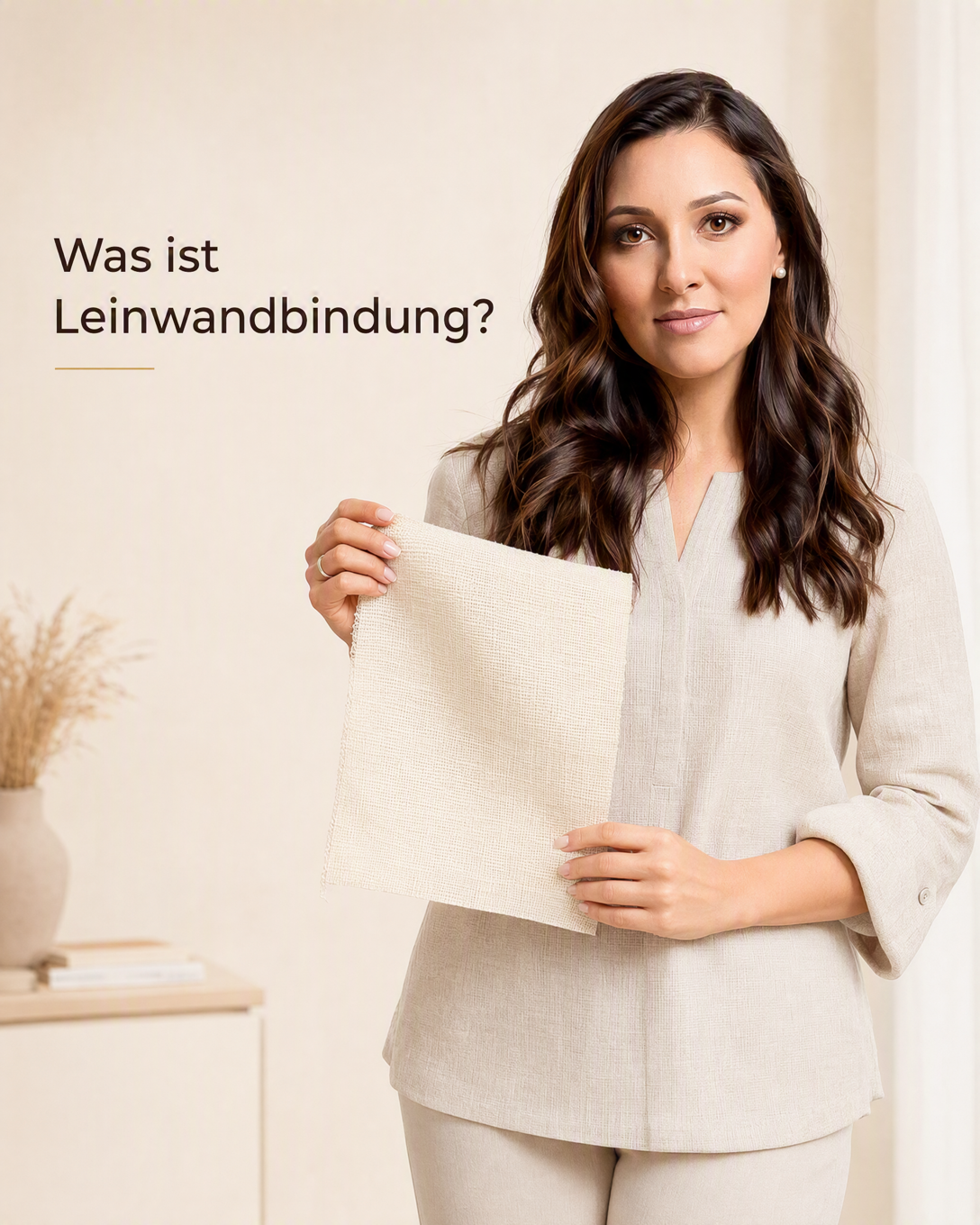
Plain Weave Plain weave is the simplest woven fabric structure, formed when each weft yarn passes alternately over and under each warp yarn.
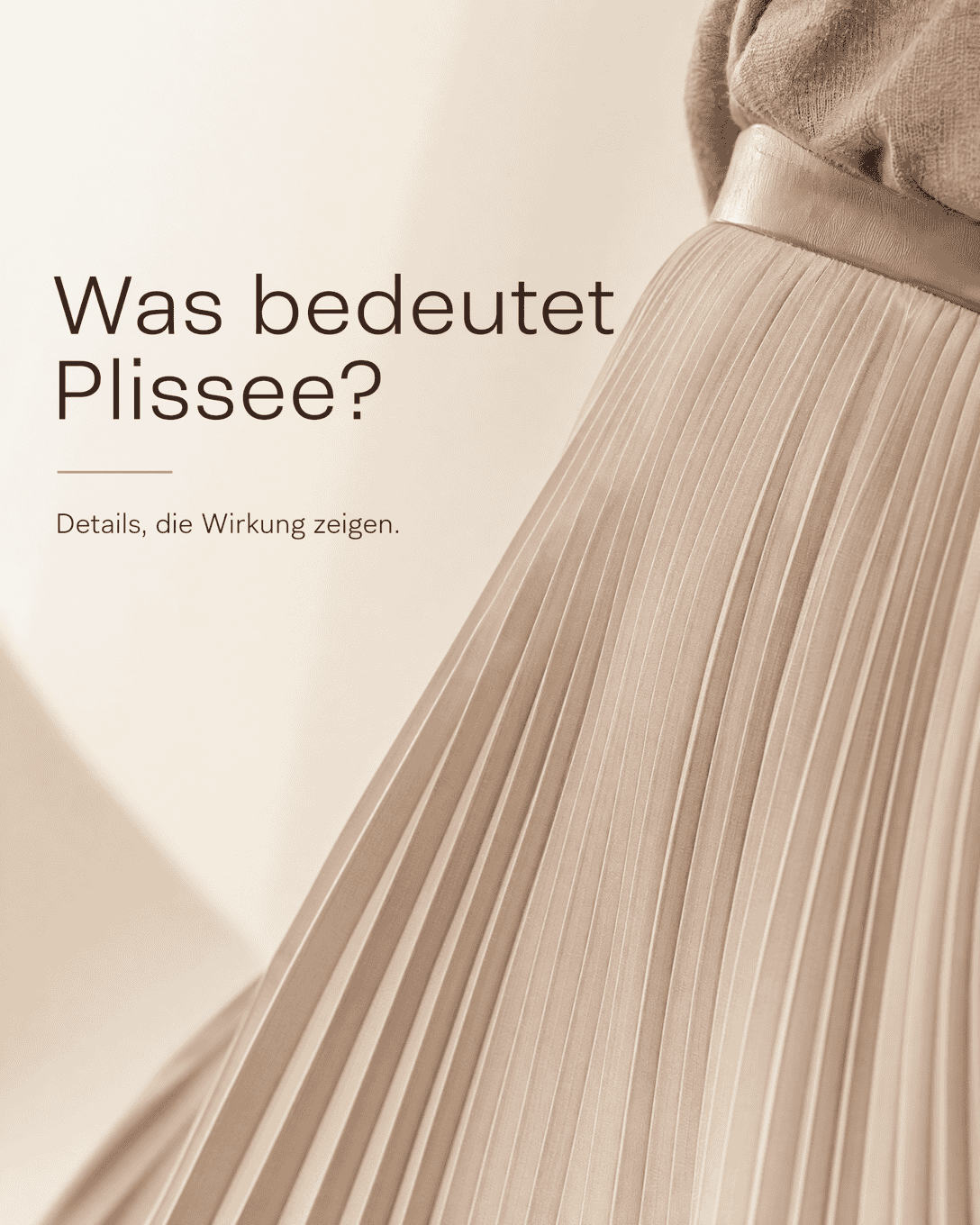
Pleated Fabric Pleated fabric is textile shaped into regular folds that add movement, texture, and changing volume to skirts, dresses, tops, and accessories.
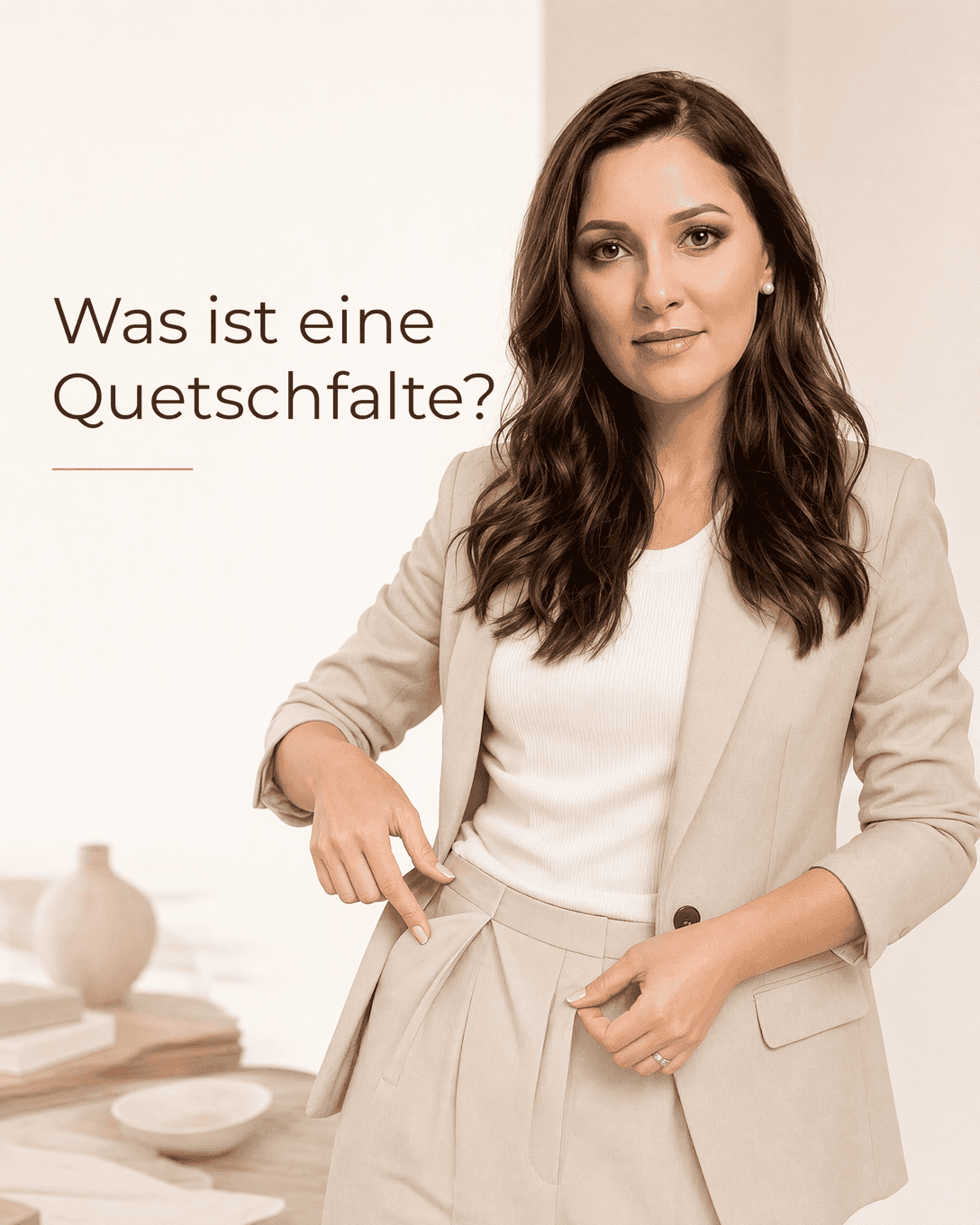
Pleats Pleats are intentional folds in fabric that add shape, volume, movement, and texture to clothing. Learn how different pleat types affect fit, silhouette, and styling.
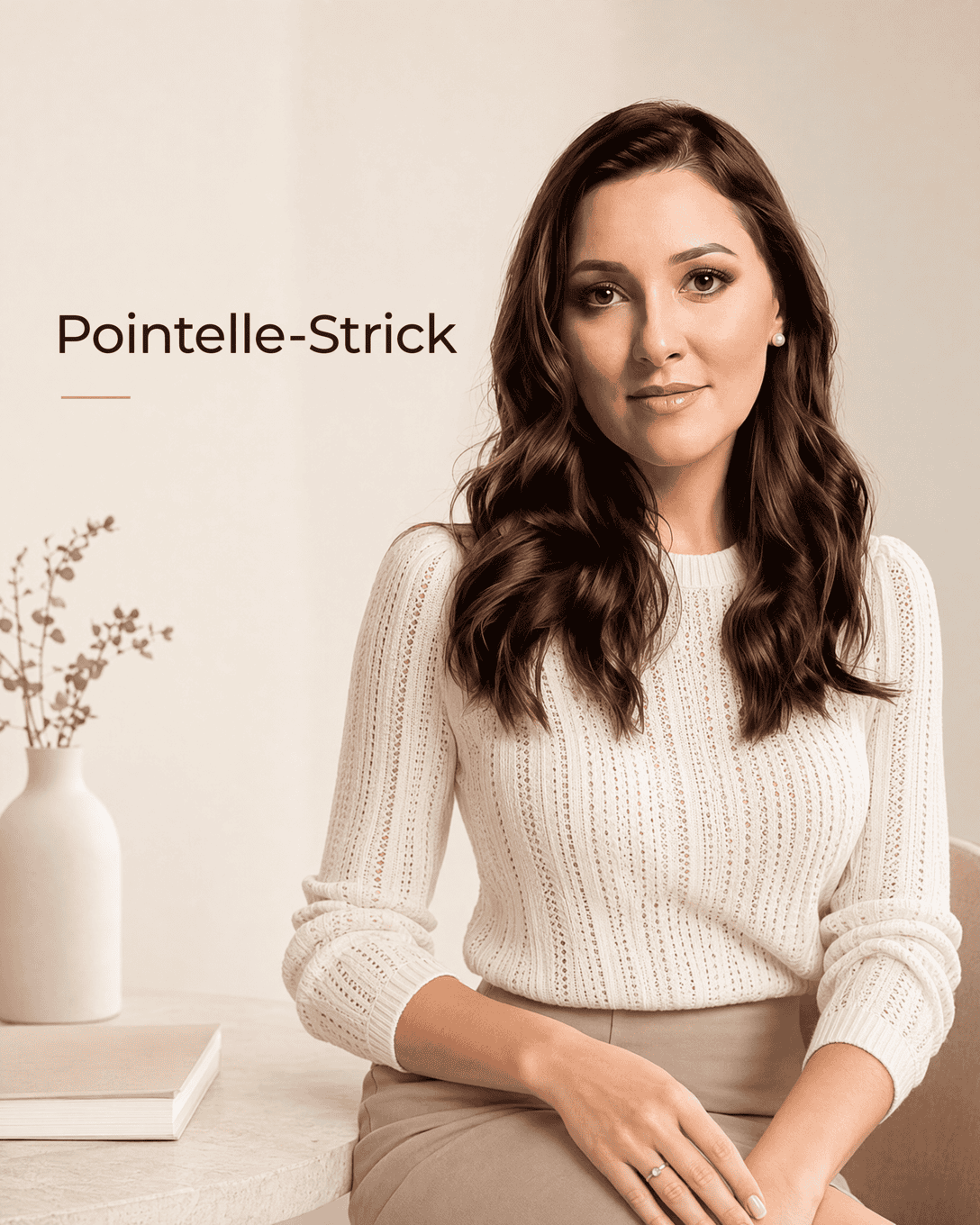
Pointelle Knit Pointelle knit is a fine knit fabric with small decorative eyelets that create a delicate openwork pattern. Learn how to recognize pointelle, style it, and care for its airy texture.
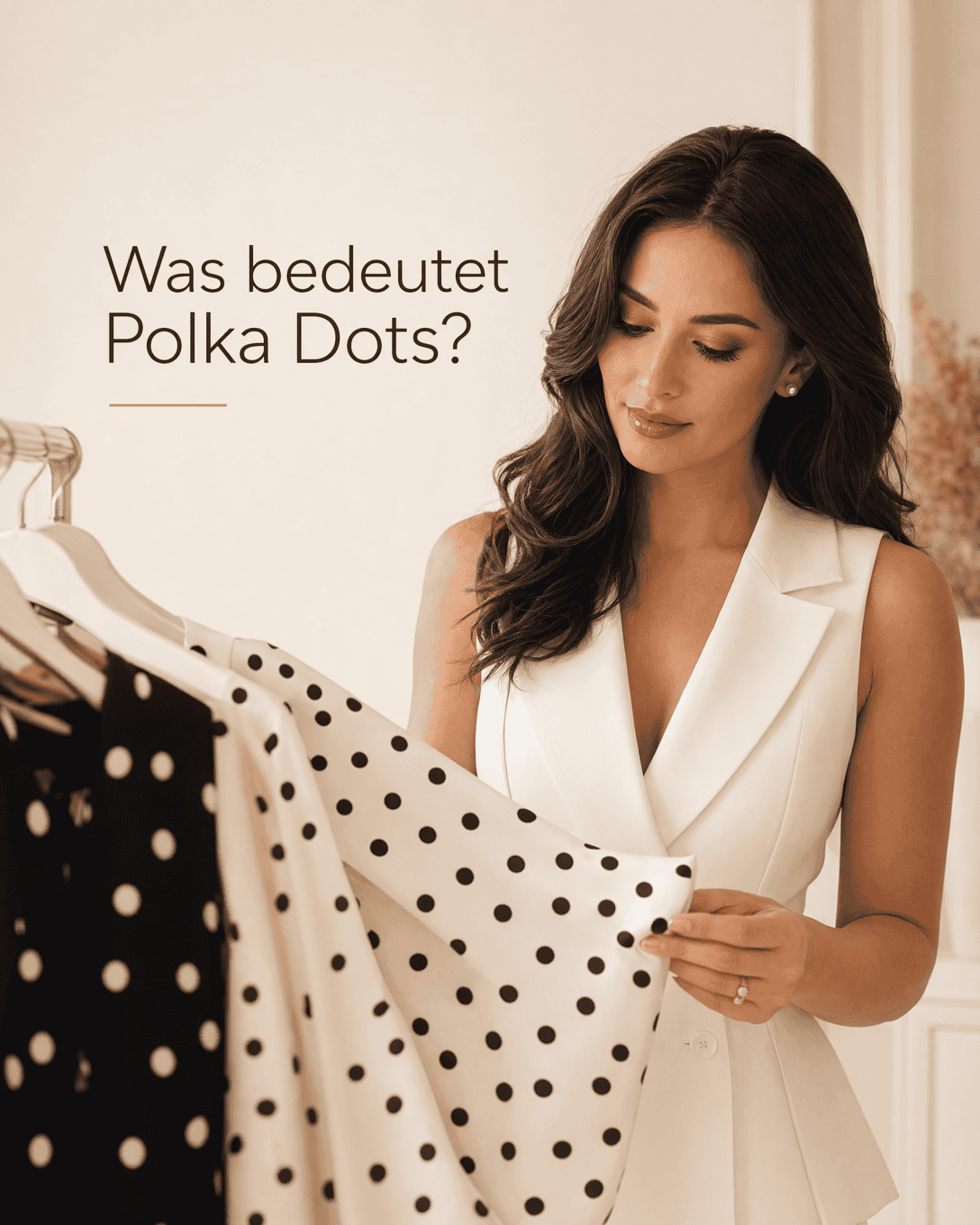
Polka Dots Polka dots are a repeating pattern of evenly spaced circular spots. Learn how dot size, contrast, and placement influence an outfit’s visual impact.
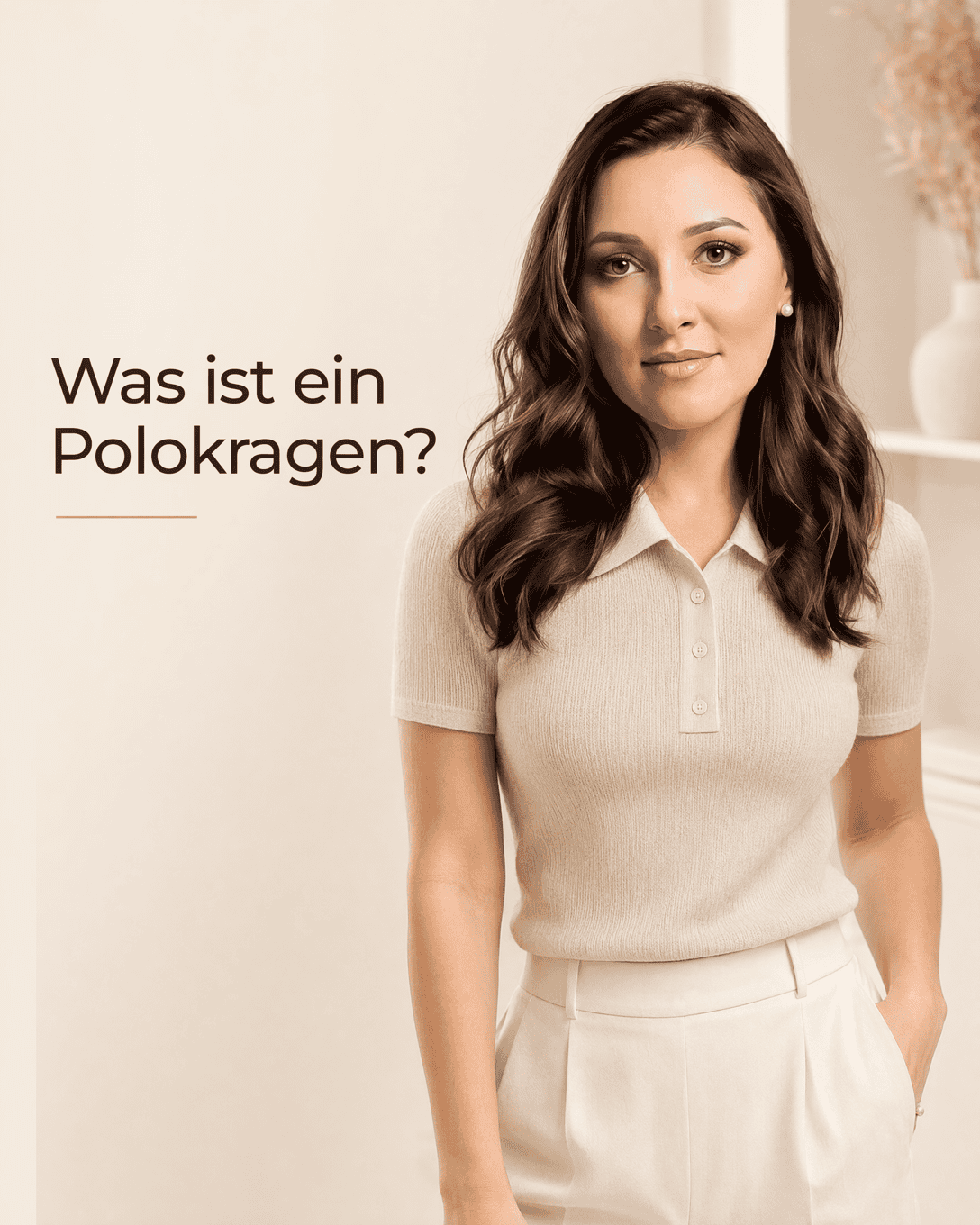
Polo Collar A polo collar is a soft, flat turn-down collar, usually paired with a short button placket on a polo shirt. Learn how it affects comfort, formality, fit, and everyday styling.
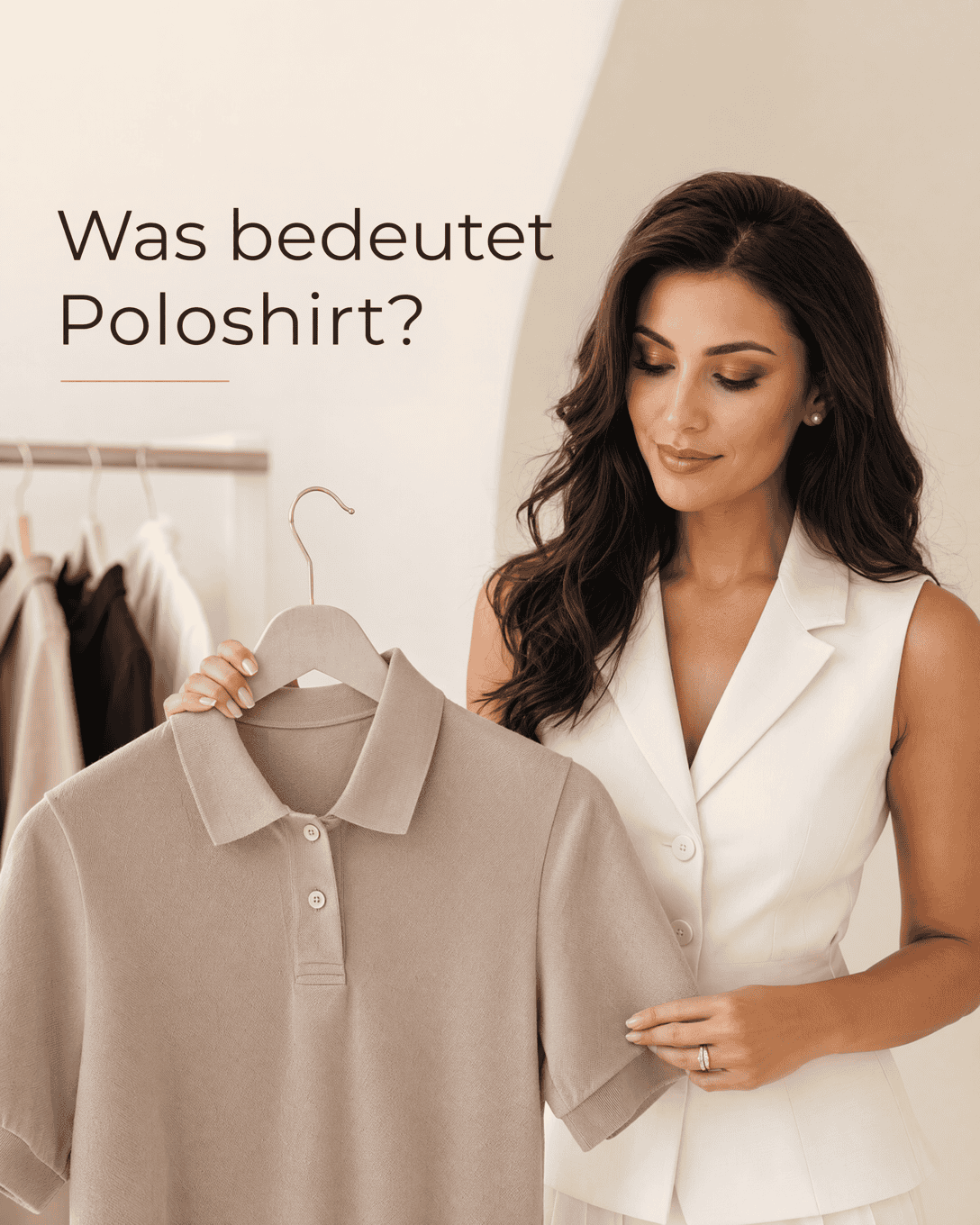
Poloshirt A poloshirt is a short-sleeved knit shirt with a collar and button placket, traditionally made from piqué cotton. Learn how polo shirts fit, how to style them, and what to look for when buying one.
Polyacrylic Polyacrylic is a synthetic fiber commonly used in knitwear, fleece, and fabric blends. Learn how acrylic fabric feels, performs, and what to check before buying.
Polyamid Polyamid, also known as polyamide, is a synthetic fiber used in clothing for its strength, light weight, and versatility. Learn how polyamid feels, performs, and affects garment care and comfort.
Polyester Polyester is a synthetic textile fiber valued for durability, crease resistance, and easy care. Learn how polyester feels, performs, and affects clothing quality and comfort.
Popeline Popeline, also called poplin, is a smooth, tightly woven fabric with a crisp feel and subtle horizontal rib. Learn how to identify popeline and use it in shirts, dresses, and everyday wardrobes.
Print A print is a design applied to fabric or clothing, such as flowers, stripes, dots, graphics, or abstract motifs. It shapes an outfit’s visual focus, scale, mood, and styling impact.
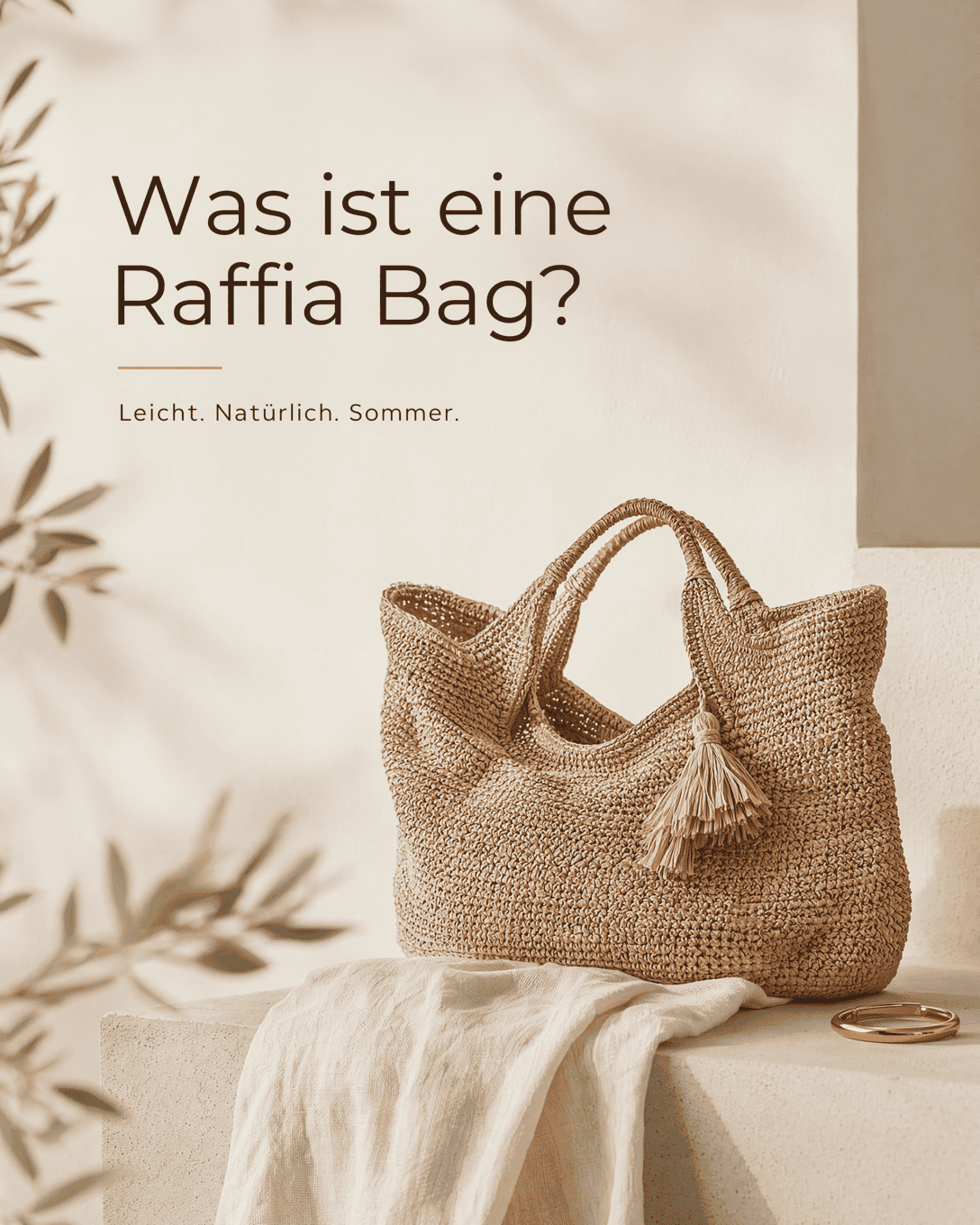
Raffia Bag A raffia bag is a handbag woven, braided, or crocheted from raffia fiber or a raffia-like material. It adds natural texture and a relaxed, summery character to an outfit.
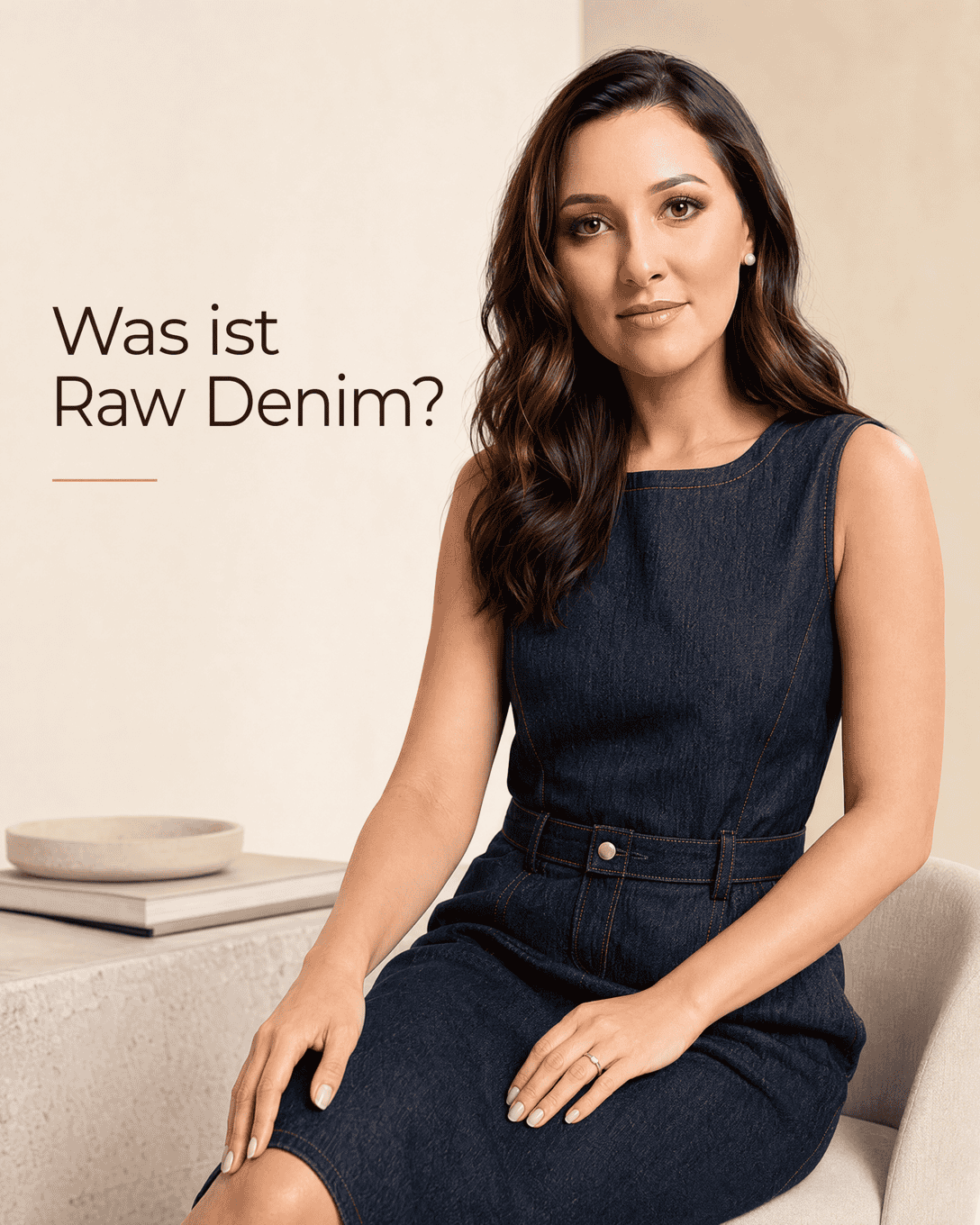
Raw Denim Raw denim is denim fabric that has not been washed or distressed after dyeing. Learn how raw denim fades, fits, shrinks, and how to choose and care for raw denim jeans.
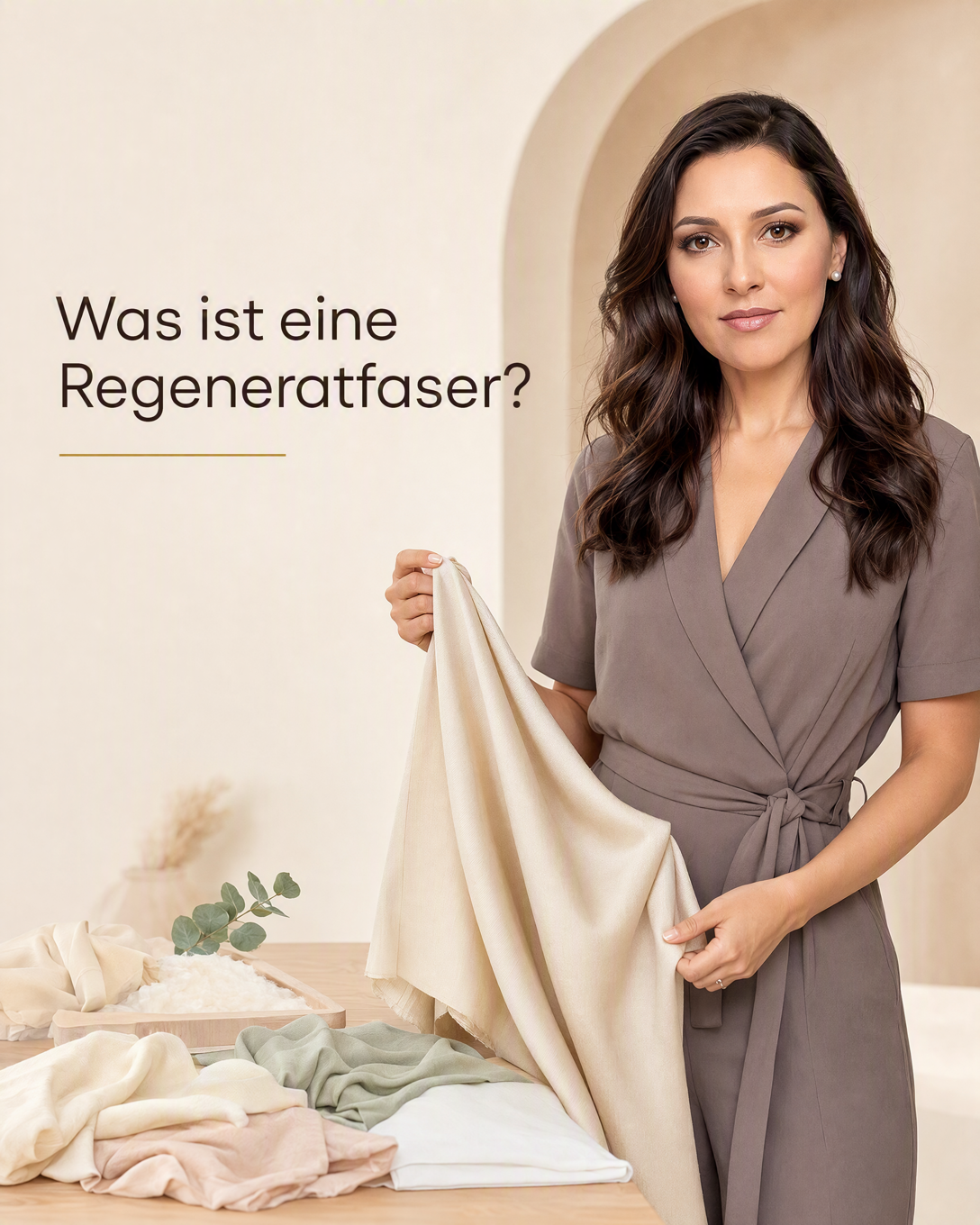
Regenerated Fiber A regenerated fiber is a manufactured textile fiber made by dissolving natural polymers, usually cellulose, and reforming them into filaments or staple fibers. Common regenerated fibers include viscose, modal, lyocell, cupro, and acetate.
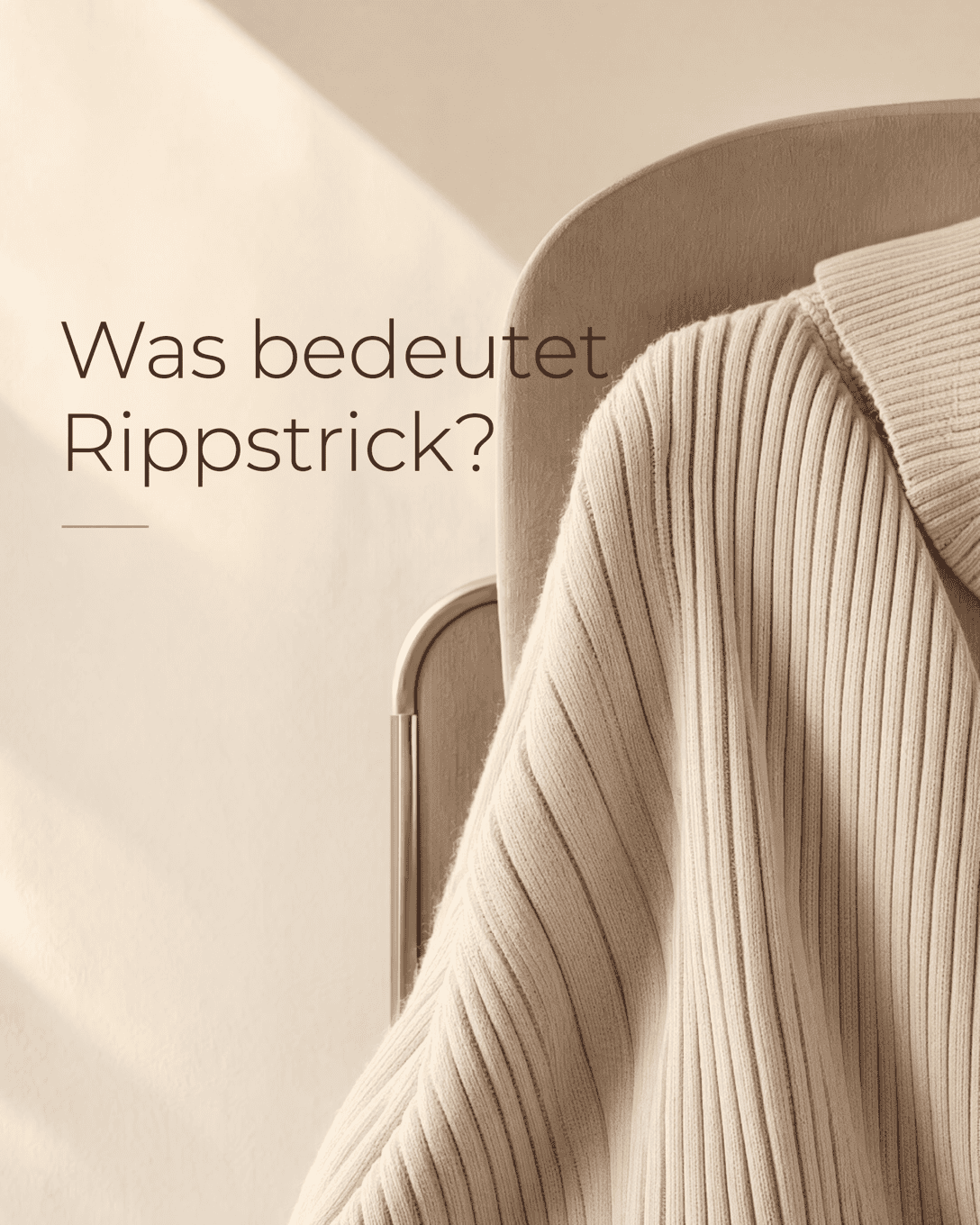
Rib Knit Rib knit is a knitted fabric with raised vertical ribs that create stretch, texture, and a close yet flexible fit. Learn how rib knit works, how to recognize it, and what to consider when buying or styling it.
Ring A ring is a piece of jewelry worn around a finger. Learn how ring materials, scale, fit, and design influence comfort, style, and outfit impact.
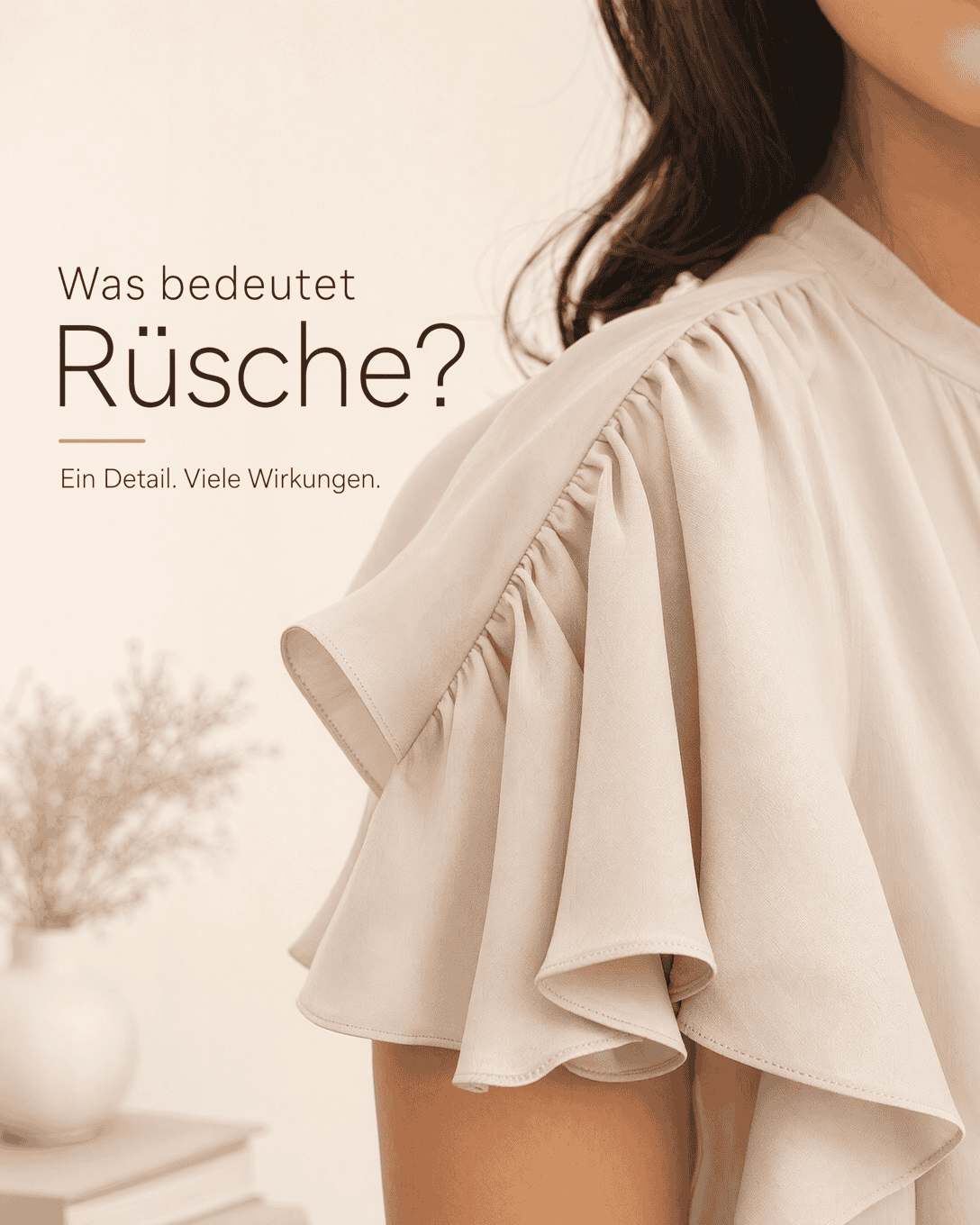
Ruffle A ruffle is a gathered, pleated, or shaped strip of fabric that creates decorative fullness along an edge. It adds movement, texture, and a more playful or romantic effect to clothing and accessories.
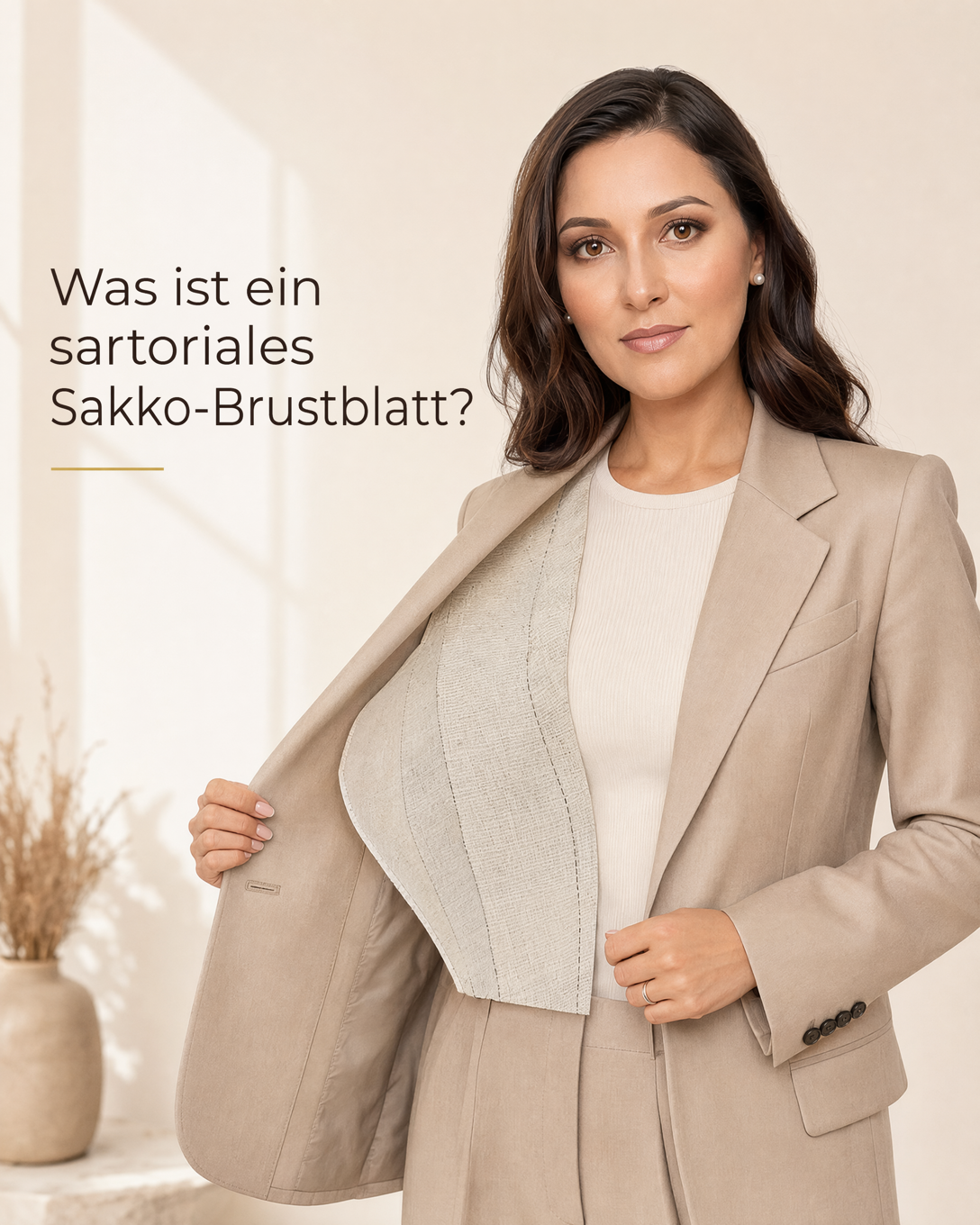
Sartorial Jacket Chest Canvas A sartorial jacket chest canvas is a heat-shaped horsehair interlining placed through the chest of a tailored jacket. It supports a natural chest curve and gives the front a refined, traditionally masculine shape.
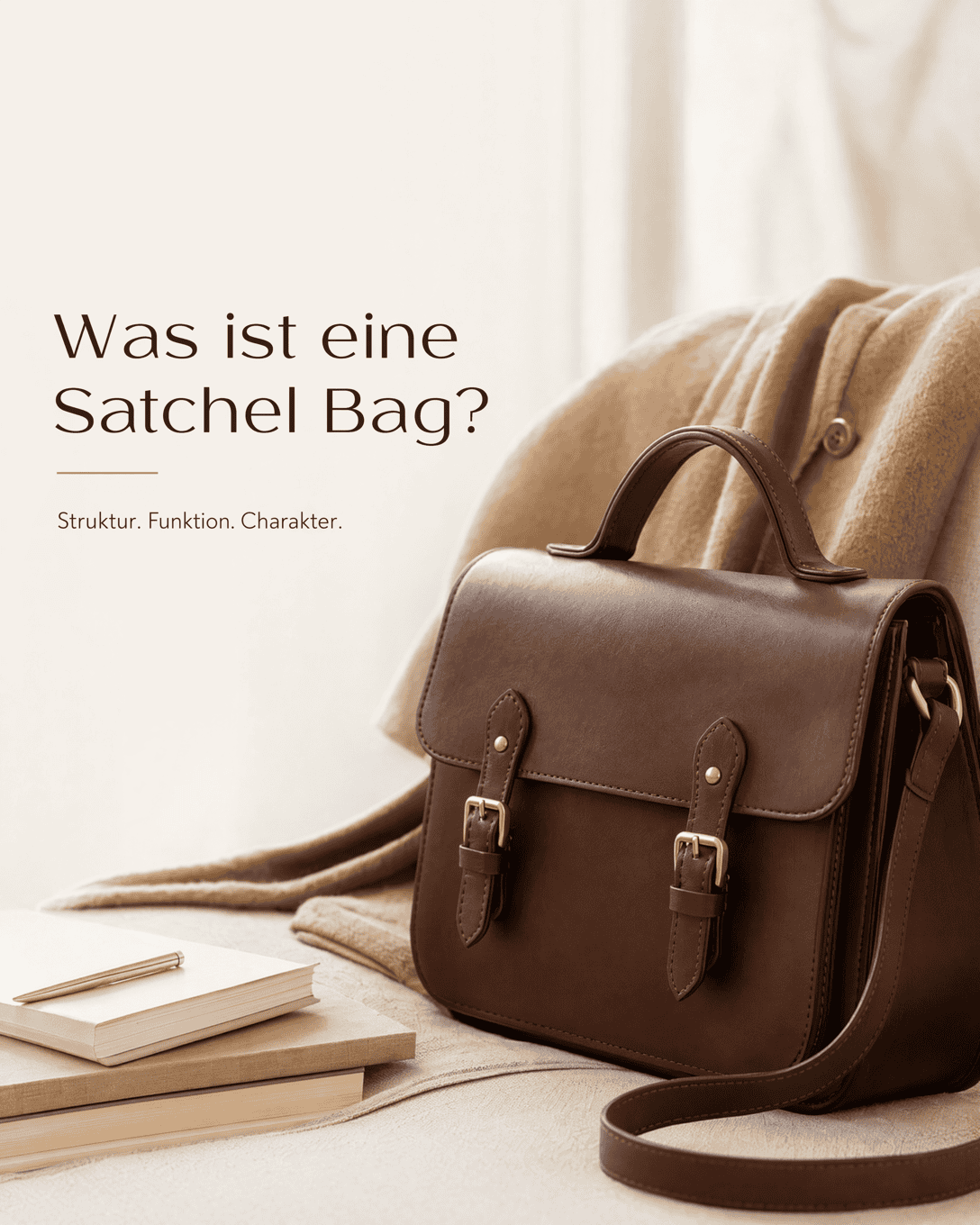
Satchel Bag A satchel bag is a structured bag with a flap front, top handle, and often a shoulder strap. Learn how to recognize a satchel and style it for work, everyday outfits, and polished looks.
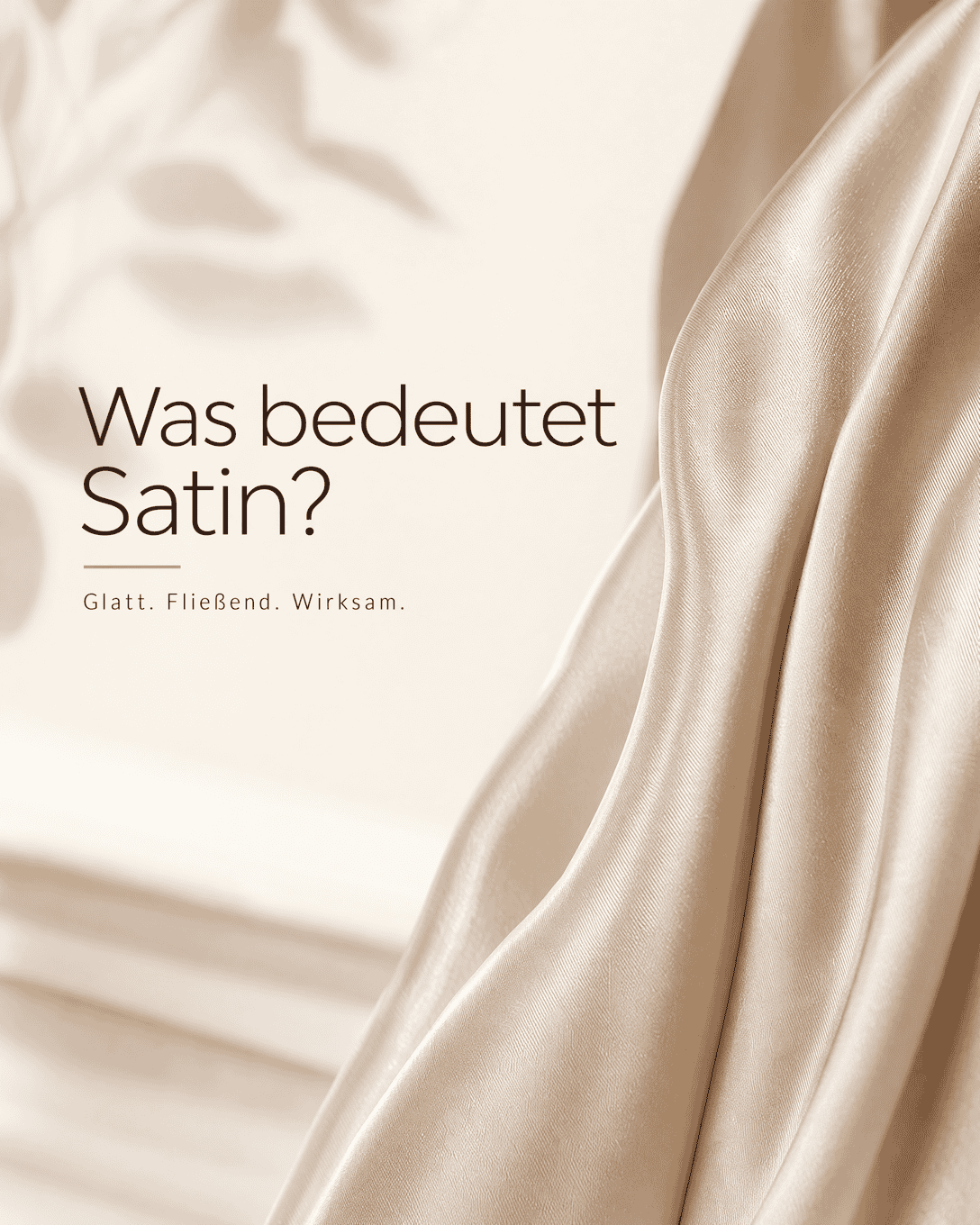
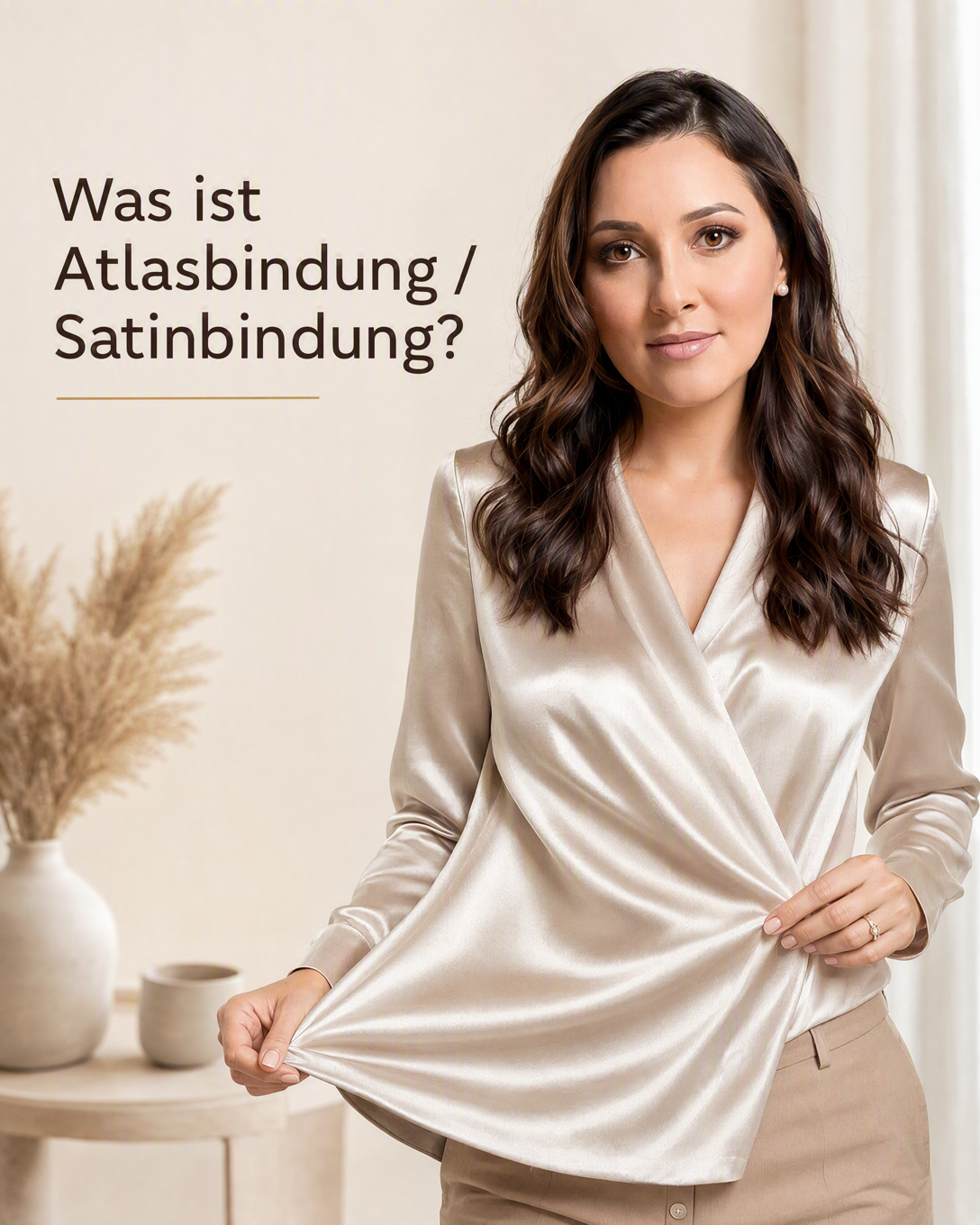
Satin Satin is a smooth, lustrous weave with a glossy face and a duller reverse. Learn how satin fabric differs by fiber, how it drapes, and how to style and care for it.
Satin Weave (Atlas Weave) Satin weave, also called atlas weave, is a fabric construction with long thread floats that create an exceptionally smooth surface and often a luminous sheen. It explains why satin fabrics can look fluid, polished, and light-reflective.
Scarf A scarf is a long piece of fabric worn around the neck, shoulders, head, or body for warmth, protection, color, texture, or personal style.
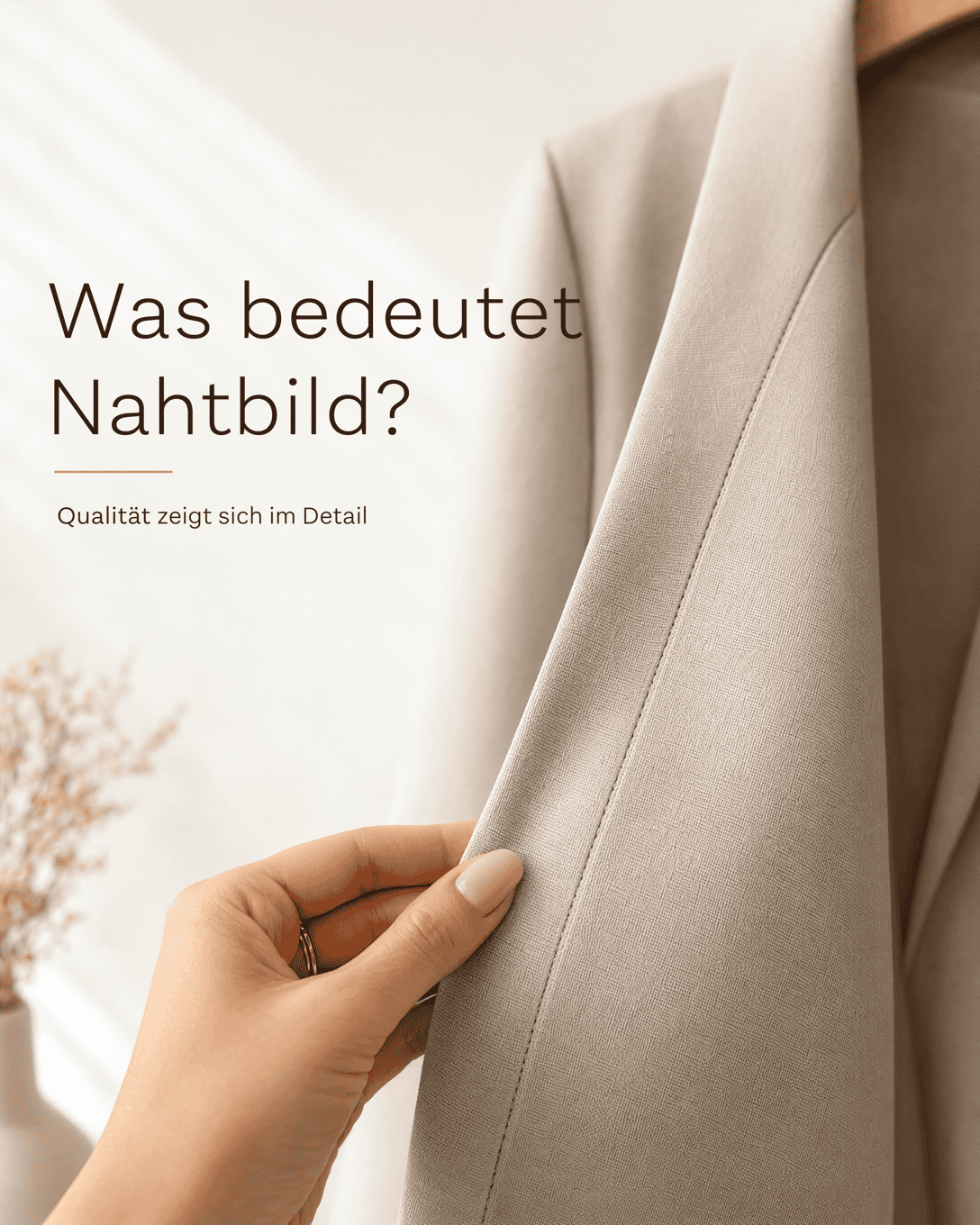
Seam A seam is the line where two or more pieces of fabric are joined. Seams shape a garment’s fit, durability, comfort, and visible finish.
Seam Appearance Seam appearance describes how a seam looks on the inside and outside of a garment. It is a useful sign of construction quality, durability, comfort, and visual finish.
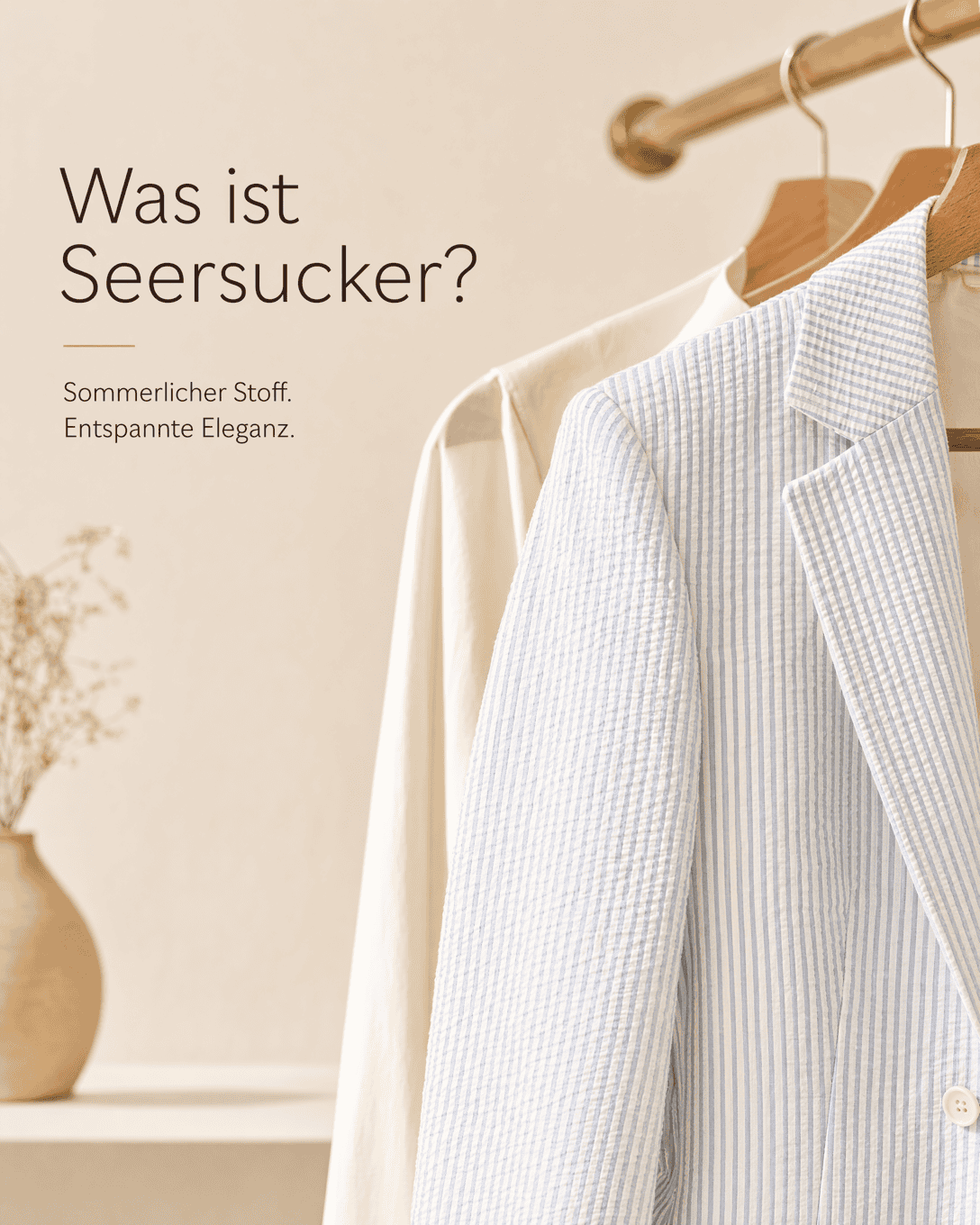
Seersucker Seersucker is a lightweight fabric with a permanently puckered surface that holds parts of the material away from the skin. It is valued for its airy feel, low-maintenance texture, and relaxed summer look.
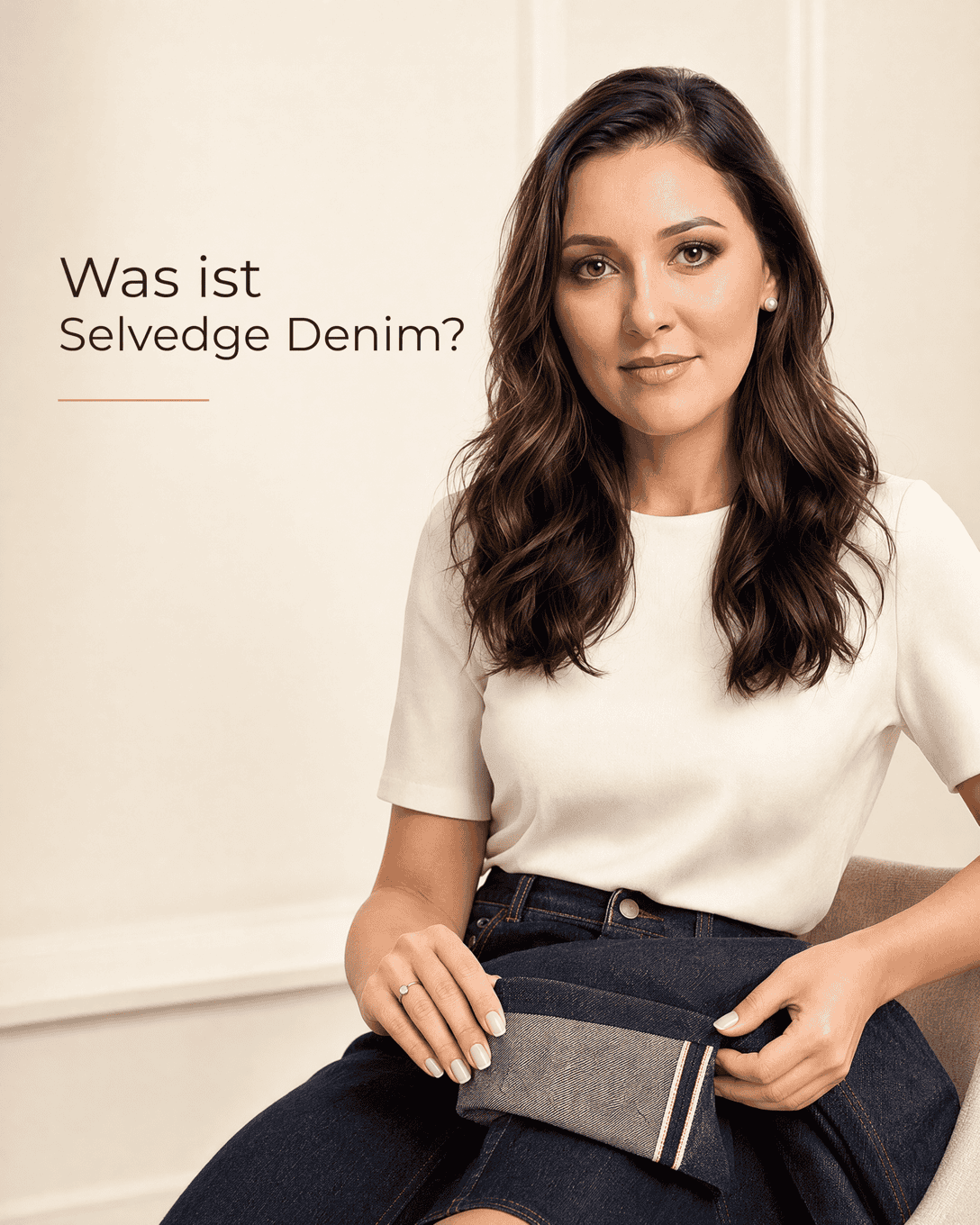
Selvedge Denim Selvedge denim is denim woven with a self-finished edge, traditionally on shuttle looms. Learn how to identify it, how it differs from raw denim, and what it means for fit, quality, care, and buying decisions.
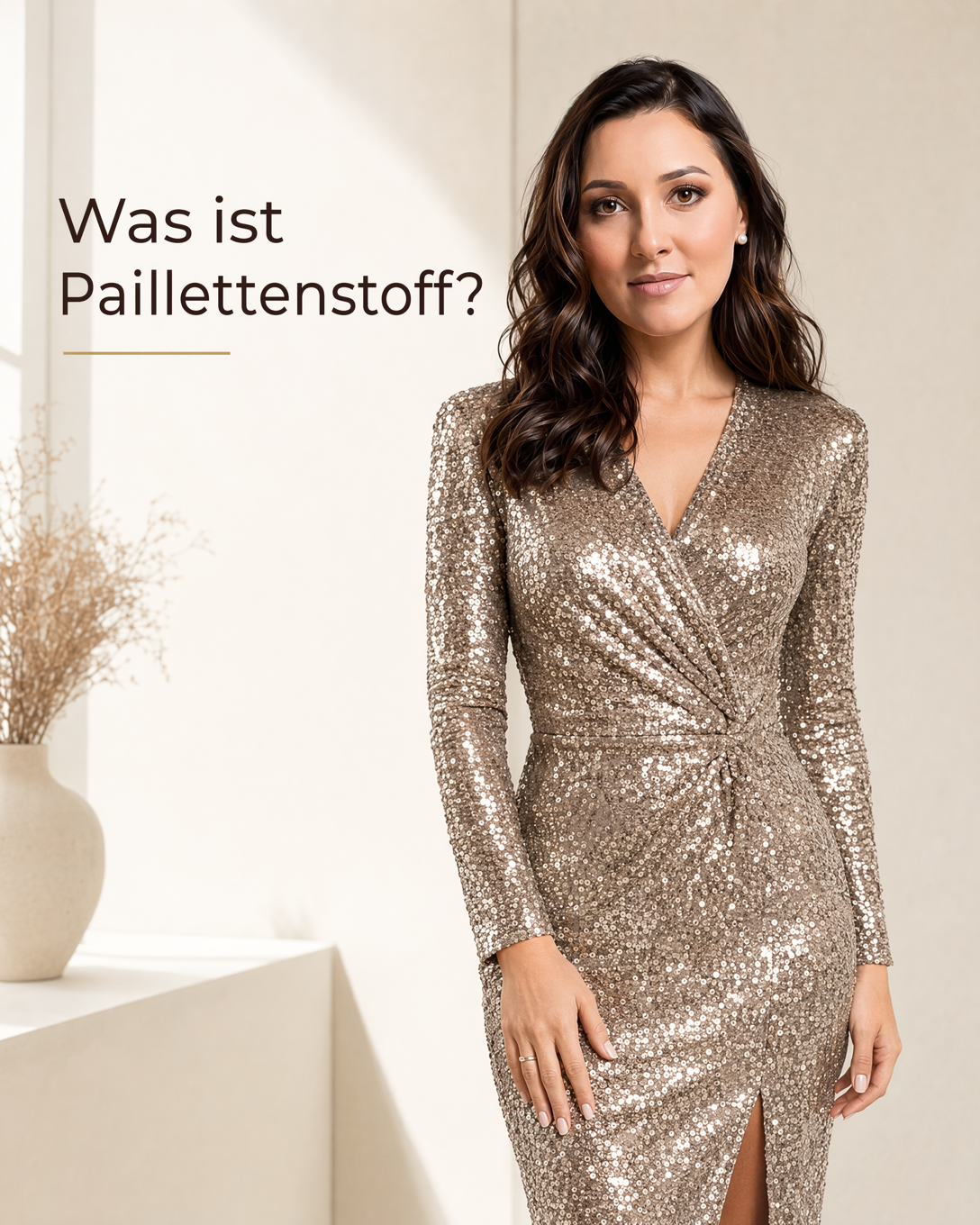
Sequined Fabric Sequined fabric is a textile covered with small, shiny discs called sequins. It creates a light-catching, decorative surface for eveningwear, costumes, accessories, and statement pieces.
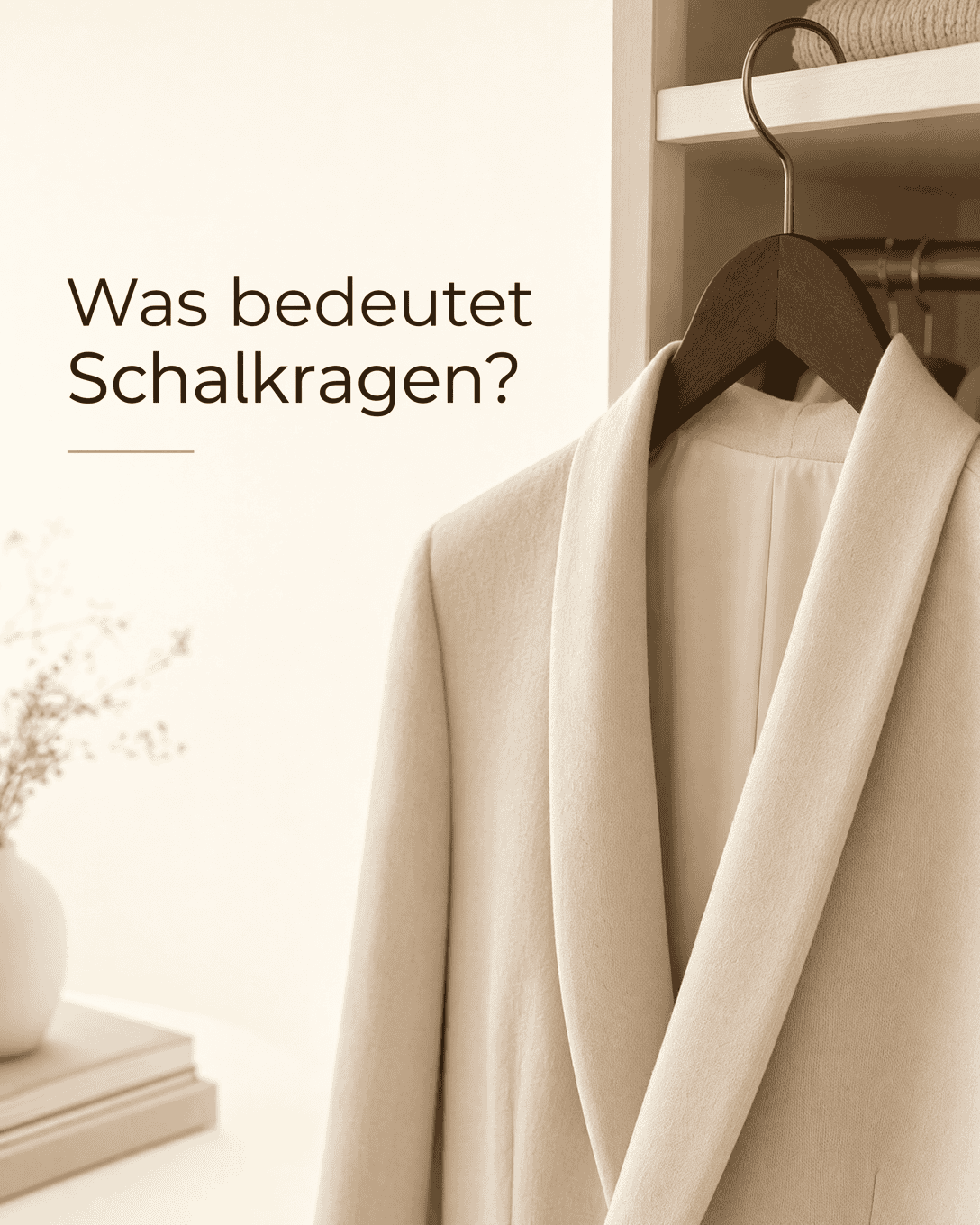
Shawl Collar A shawl collar is a smooth, rounded collar that continues into the lapel without a notch. It gives jackets, cardigans, robes, and formal eveningwear a soft, elegant line.
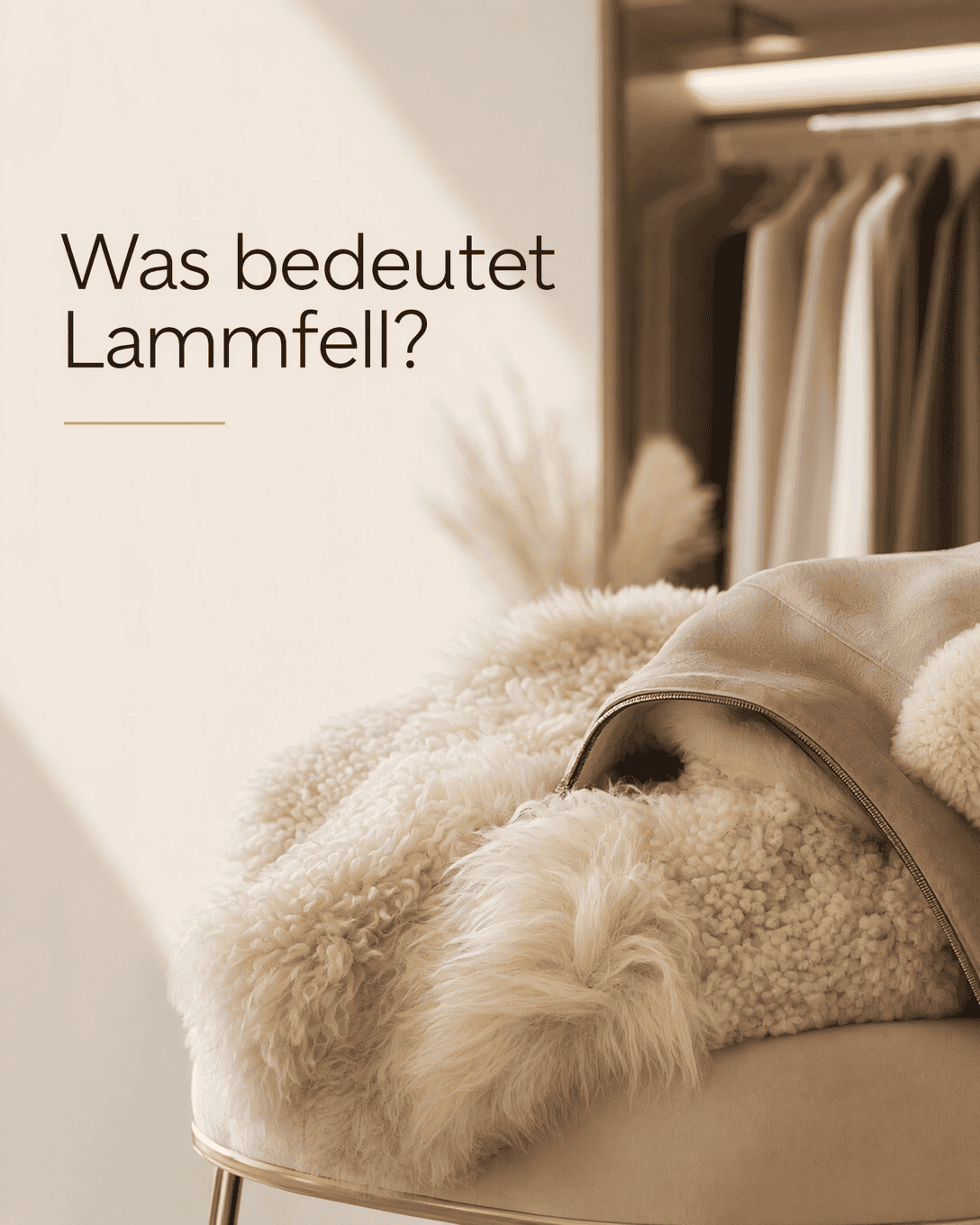
Shearling Shearling is a natural sheepskin material with the leather on one side and wool on the other. Learn what shearling is, how it differs from faux shearling, and what to consider when buying or caring for it.
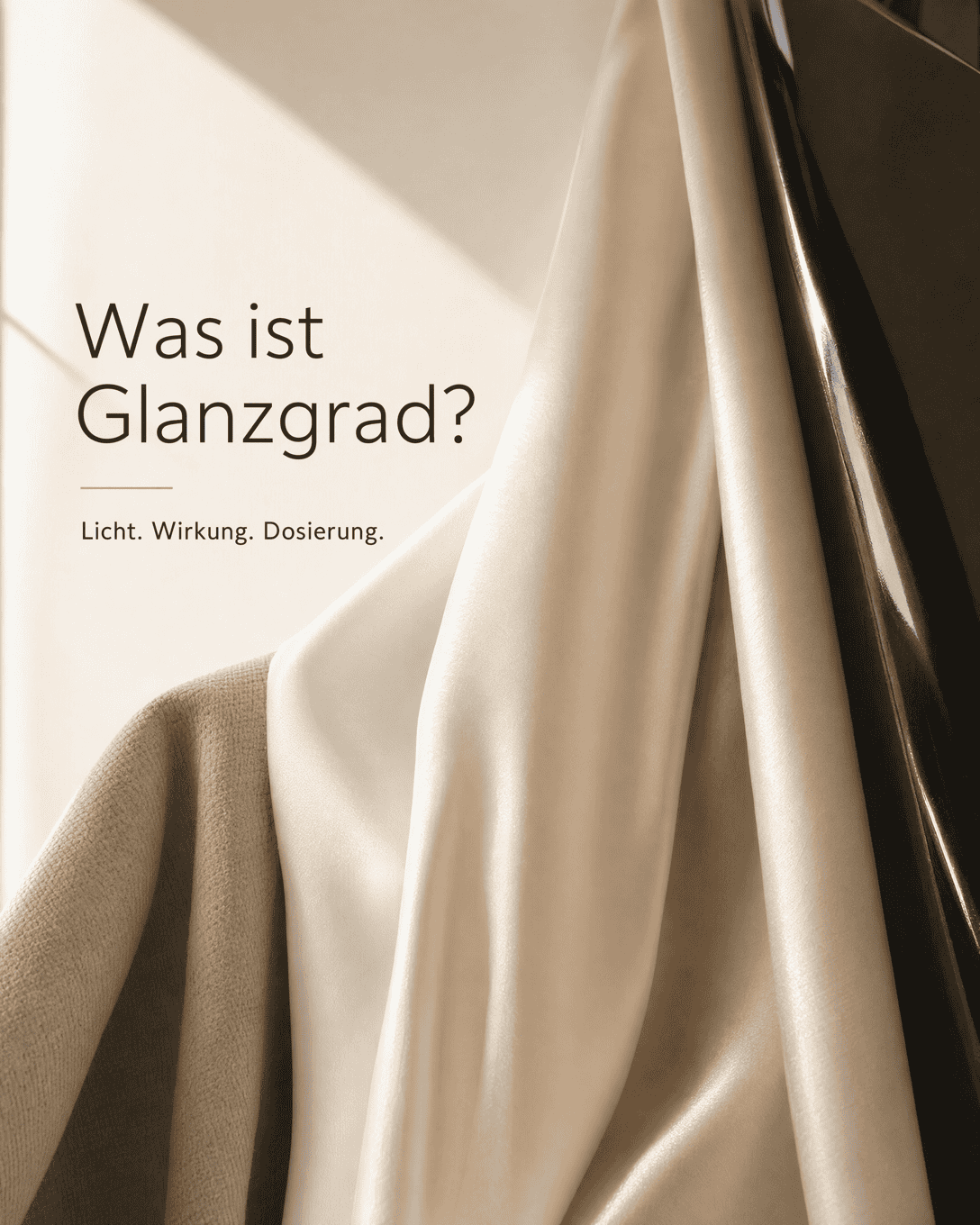
Sheen Level Sheen Level describes how much light a fabric or surface reflects. It affects whether clothing appears matte, softly luminous, glossy, casual, refined, or evening appropriate.
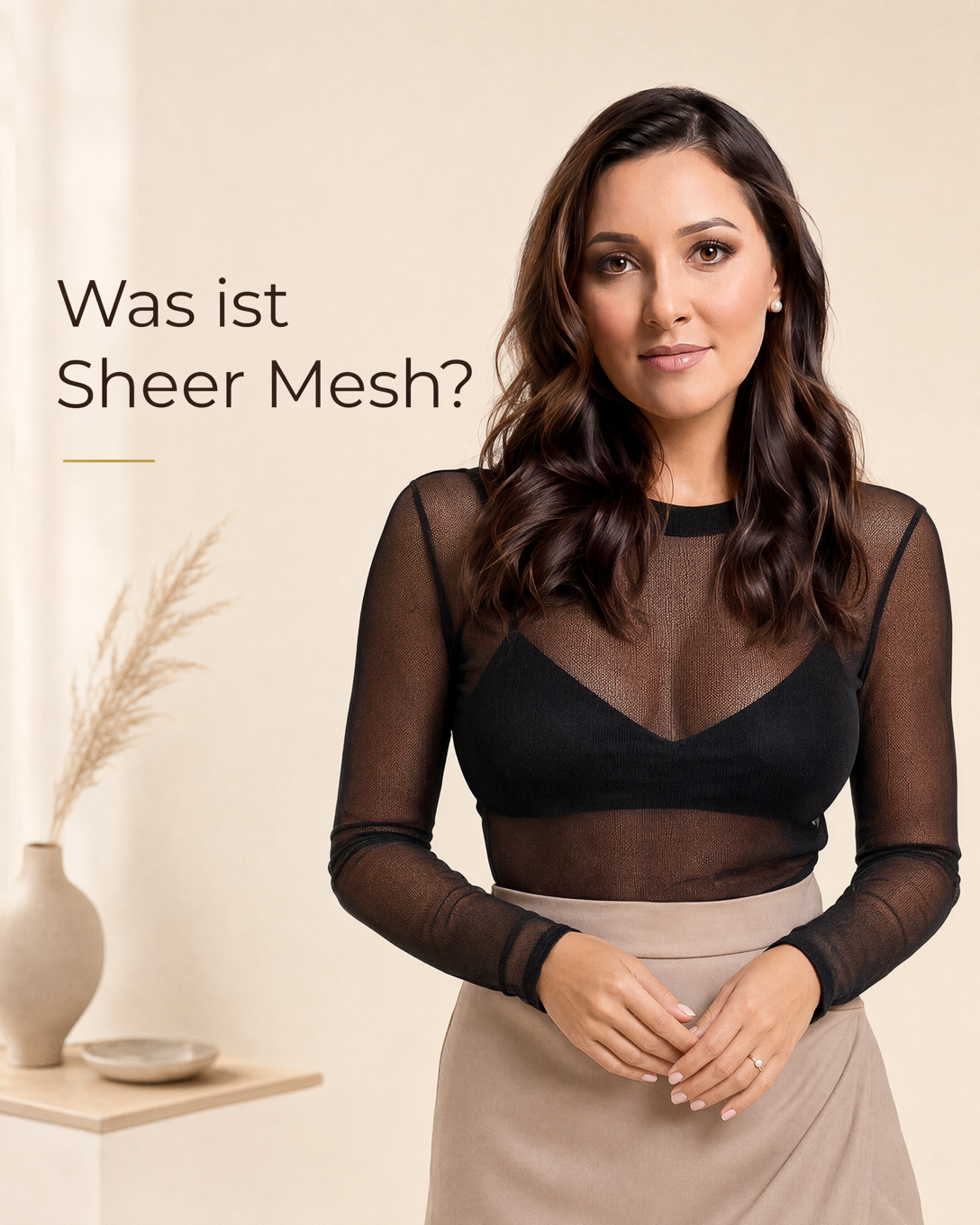
Sheer Mesh Sheer mesh is an ultra-light, net-like fabric that reveals the skin or layers beneath while adding texture, softness, and controlled transparency to an outfit.
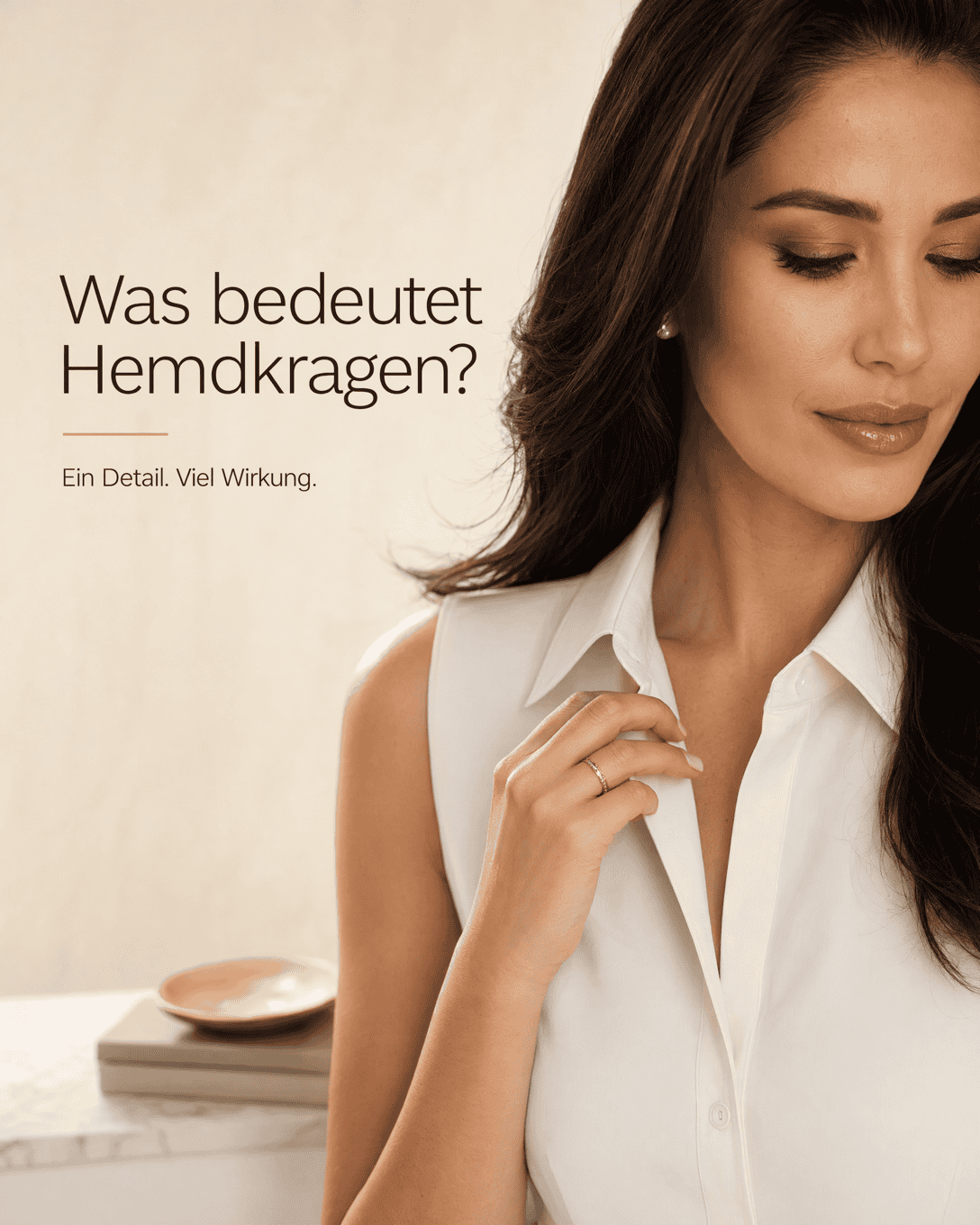
Shirt Collar A shirt collar is the structured neckline of a shirt or blouse, usually made of a collar stand and collar points. It frames the face and influences formality, proportion, and the overall style of an outfit.
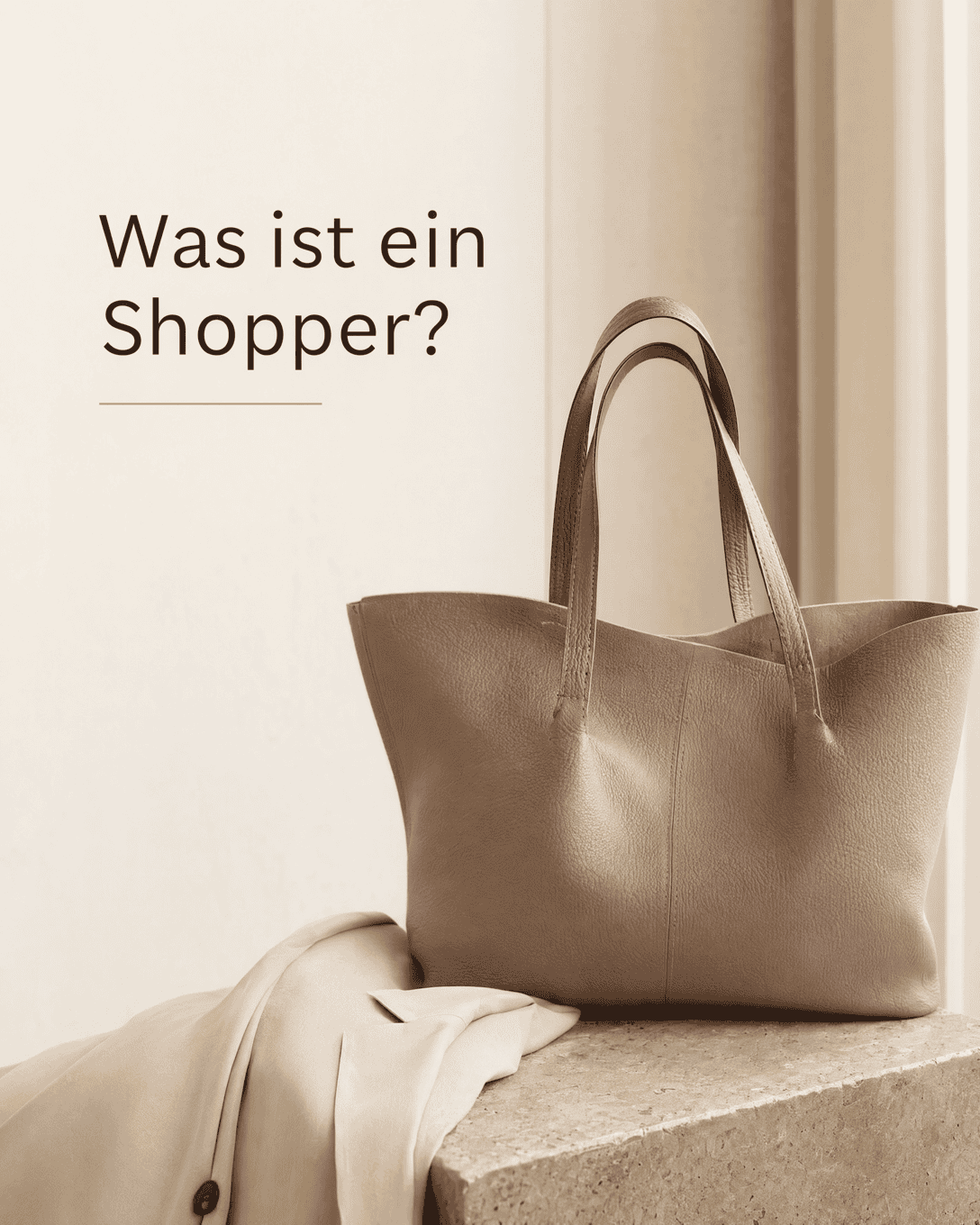
Shopper A shopper is a large, practical bag designed to carry everyday essentials, shopping, or work items. Learn what defines a shopper bag and how to style it.
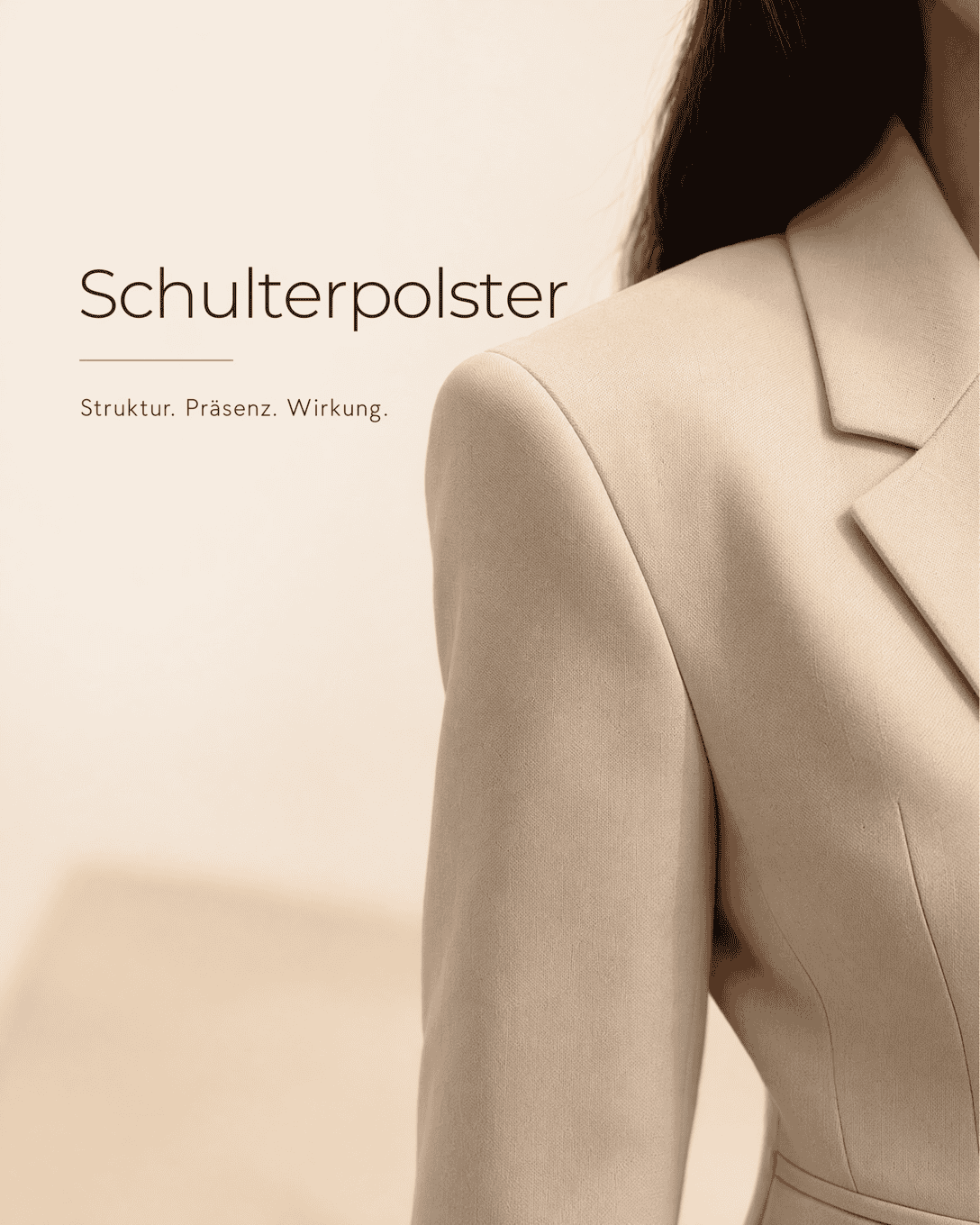
Shoulder Pads Shoulder pads are shaped inserts placed inside the shoulder area of a garment to create structure, support the silhouette, and alter visual proportion.
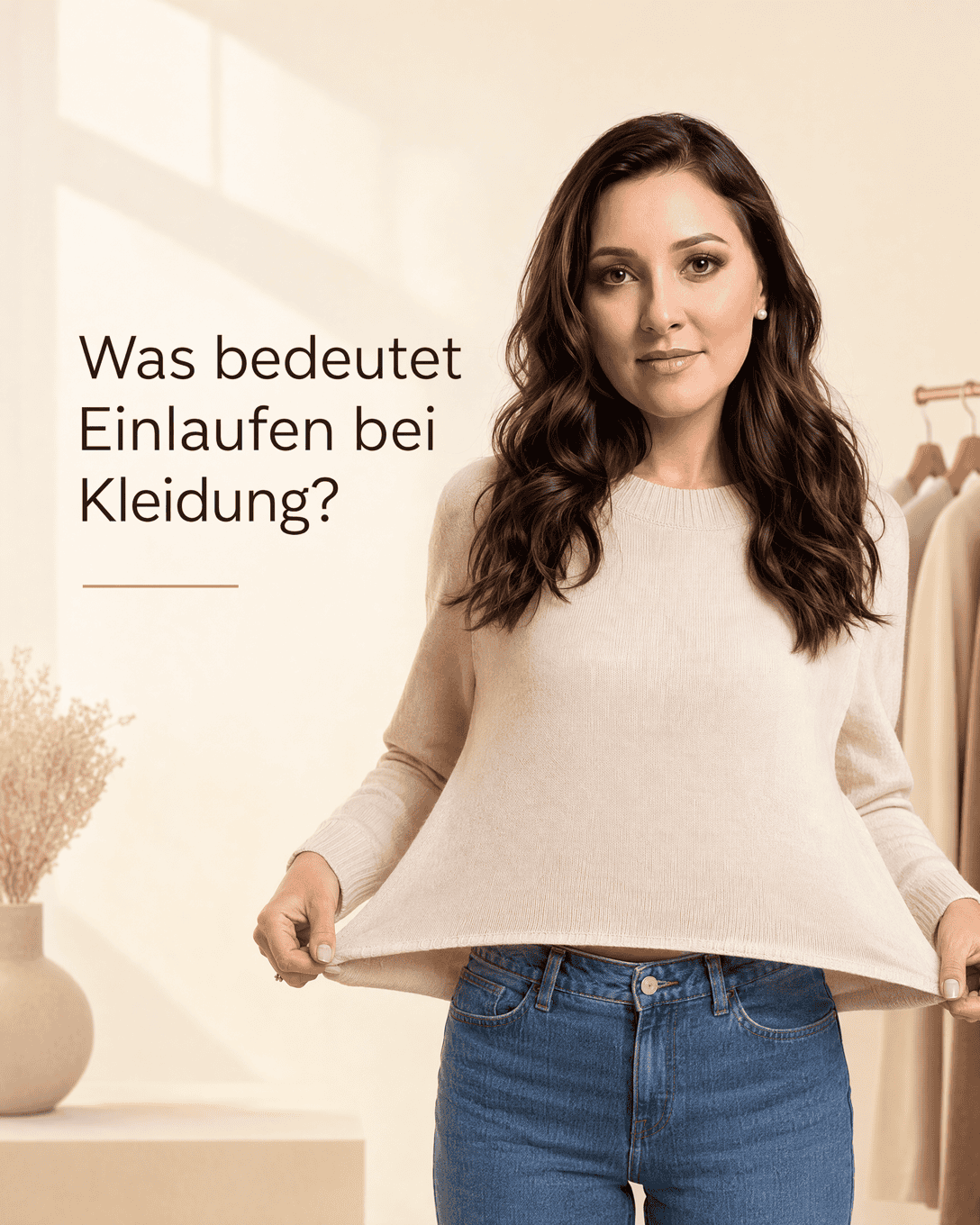
Shrinkage Shrinkage is the reduction in a garment’s dimensions after washing, drying, or finishing. Learn why fabric shrinkage affects fit, care, and smarter clothing purchases.
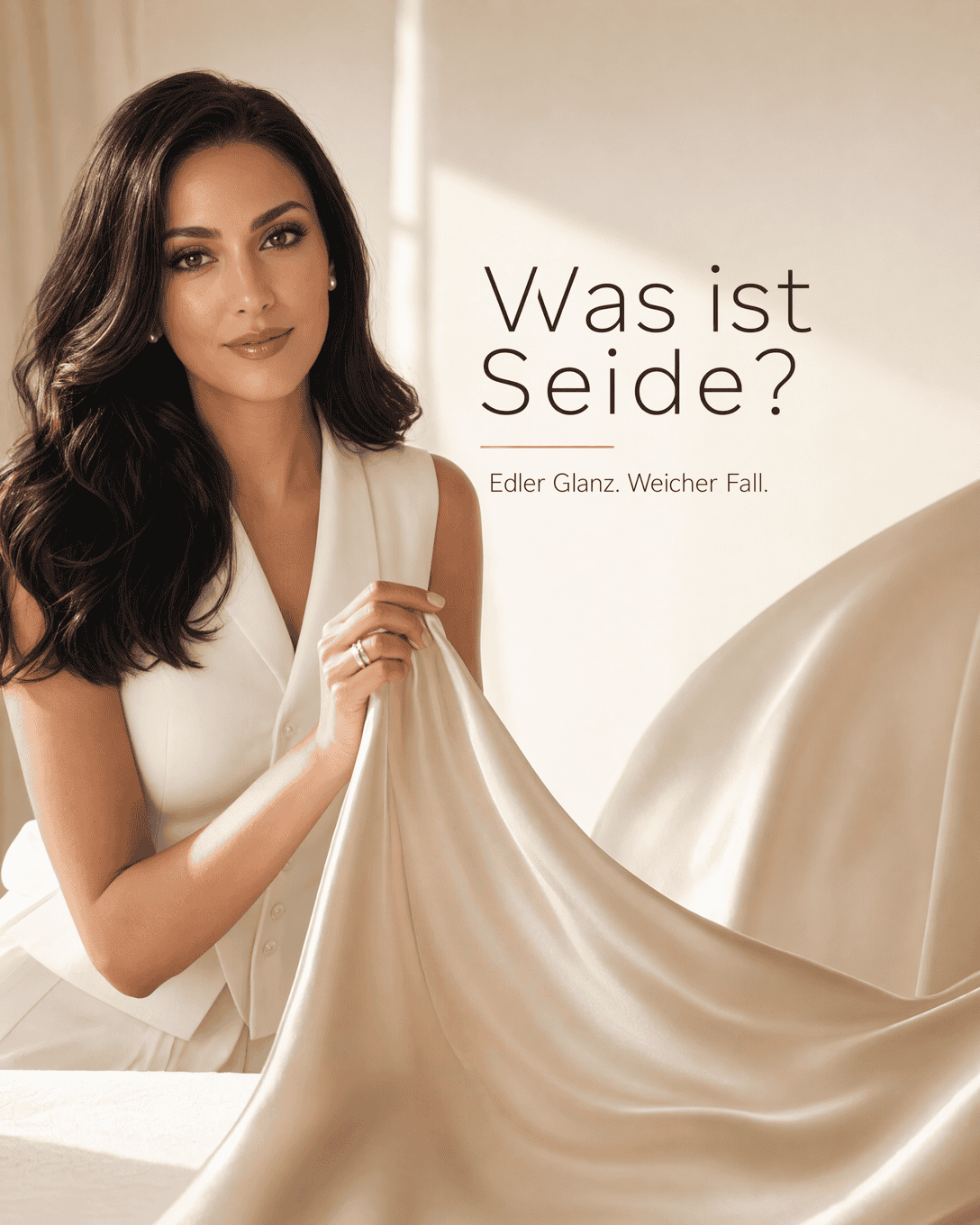
Silk Silk is a natural protein fiber known for its smooth feel, subtle sheen, and fluid drape. Learn how silk affects comfort, quality, care, and outfit impact.
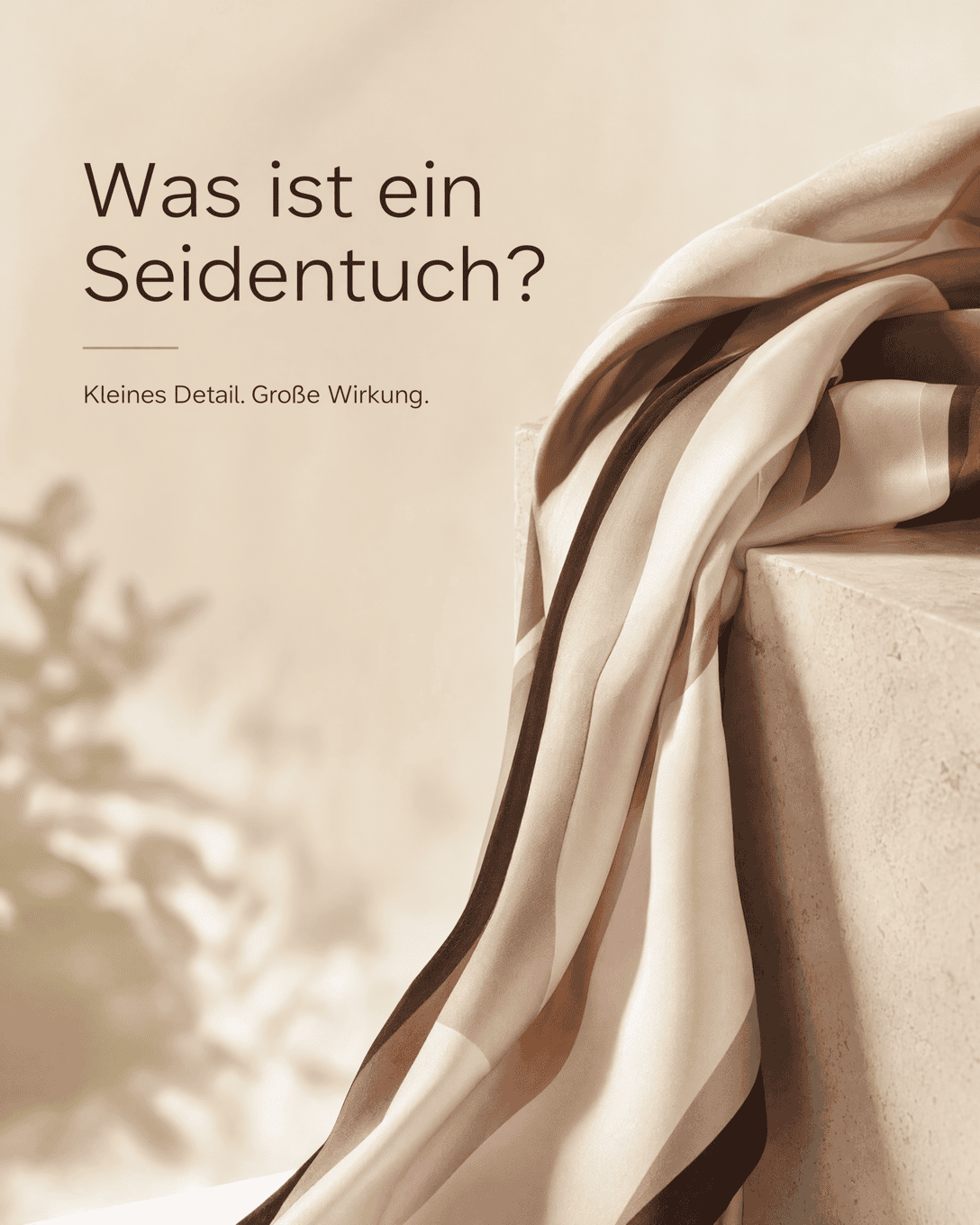
Silk Scarf A silk scarf is an accessory made from silk that adds color, pattern, softness, and movement to an outfit. Learn how to recognize, style, and care for a silk scarf.
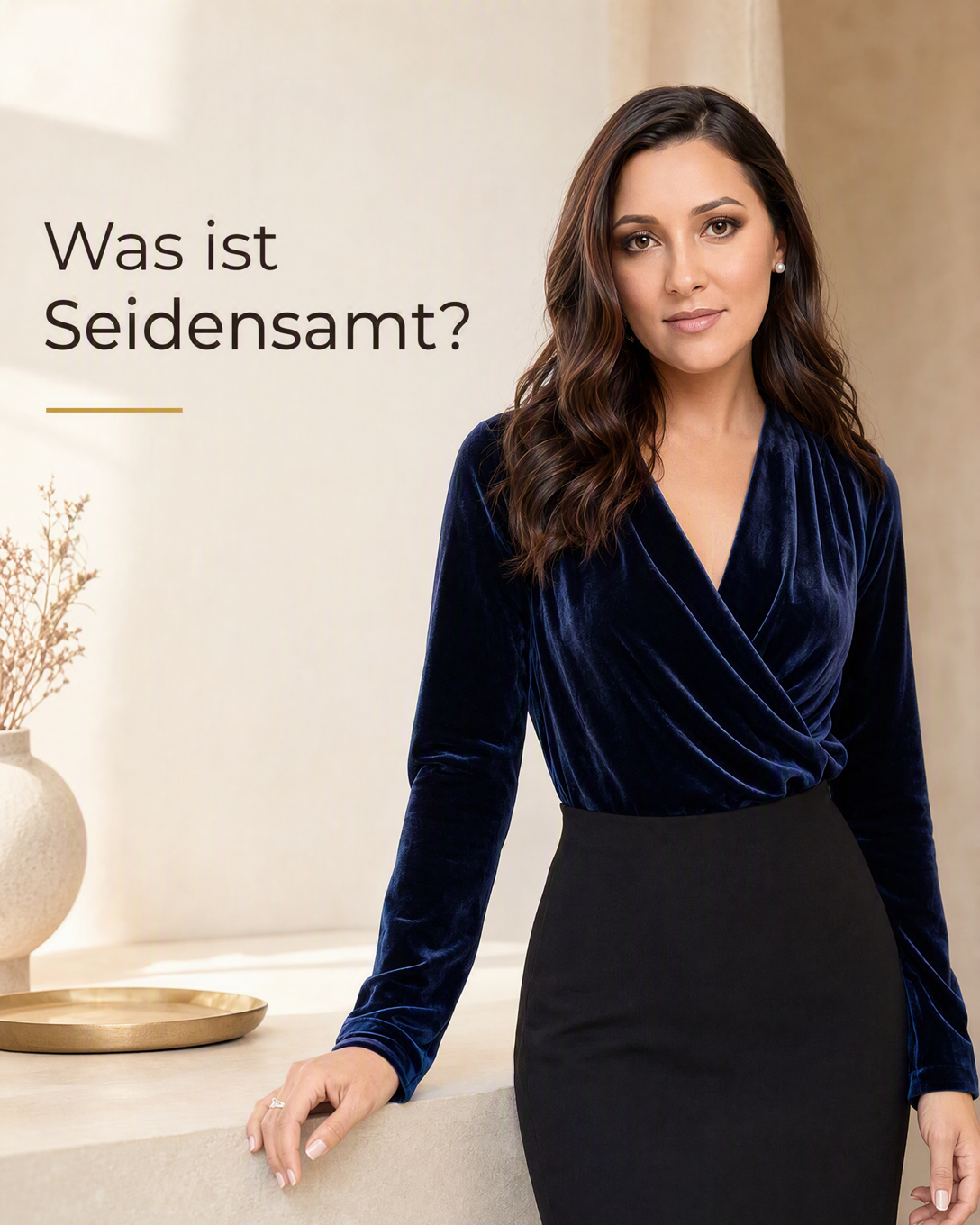
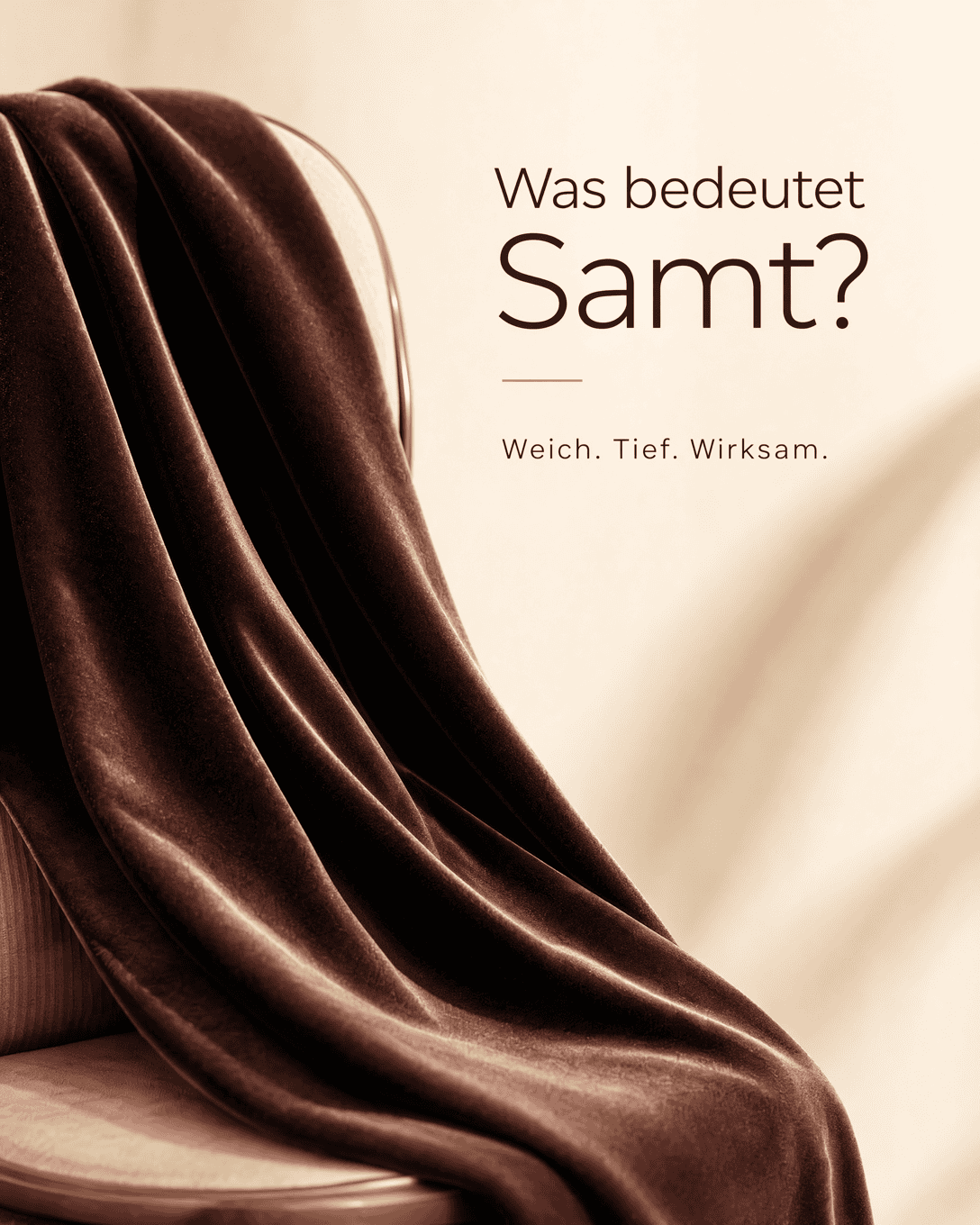
Silk Velvet Silk velvet is a luxurious pile fabric made with silk, valued for its exceptionally soft handfeel, deep color, and luminous changing surface.
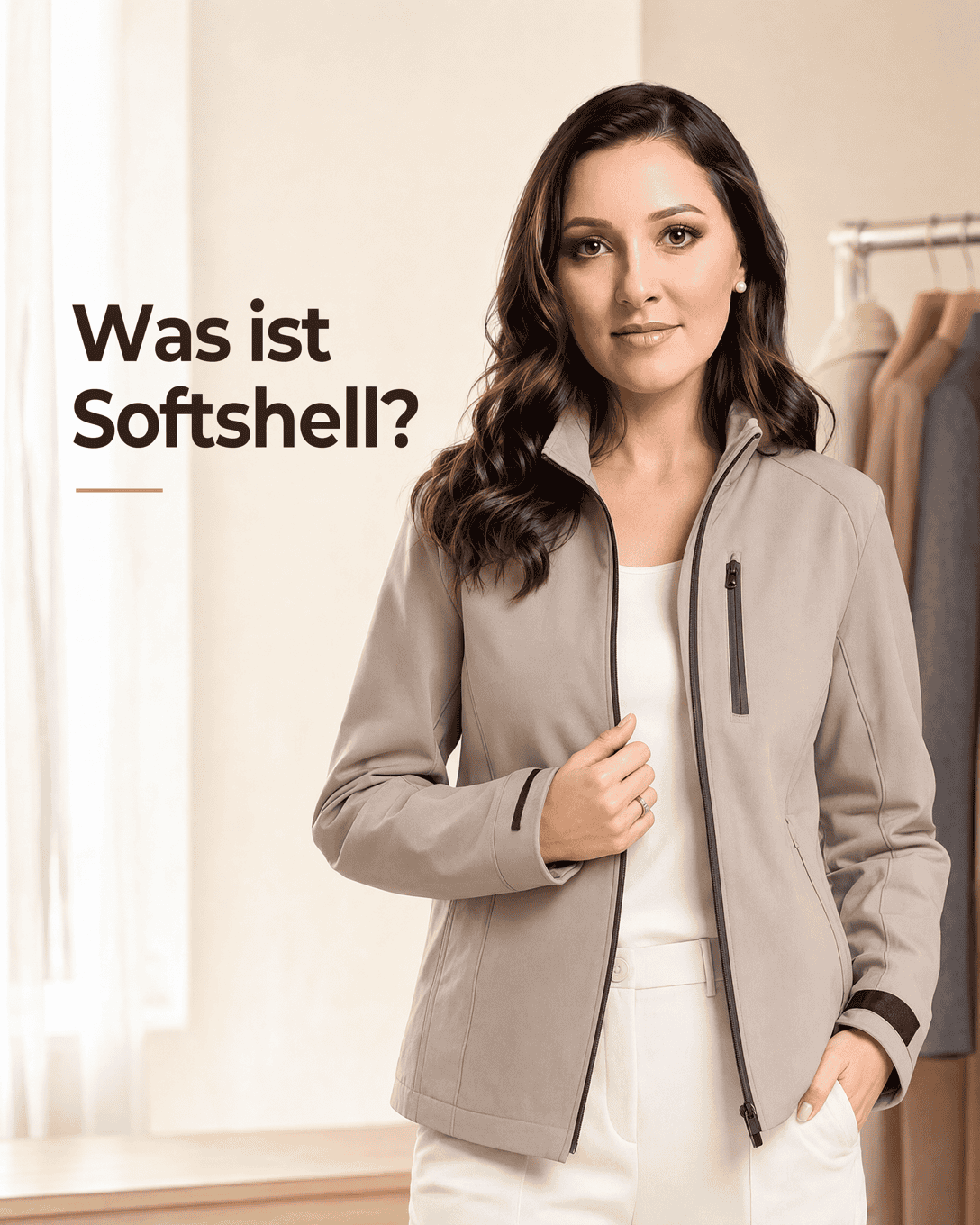
Softshell Softshell is a flexible, weather-resistant fabric construction commonly used for lightweight outdoor jackets and trousers. Learn how softshell differs from waterproof hardshell clothing and what to check before buying.
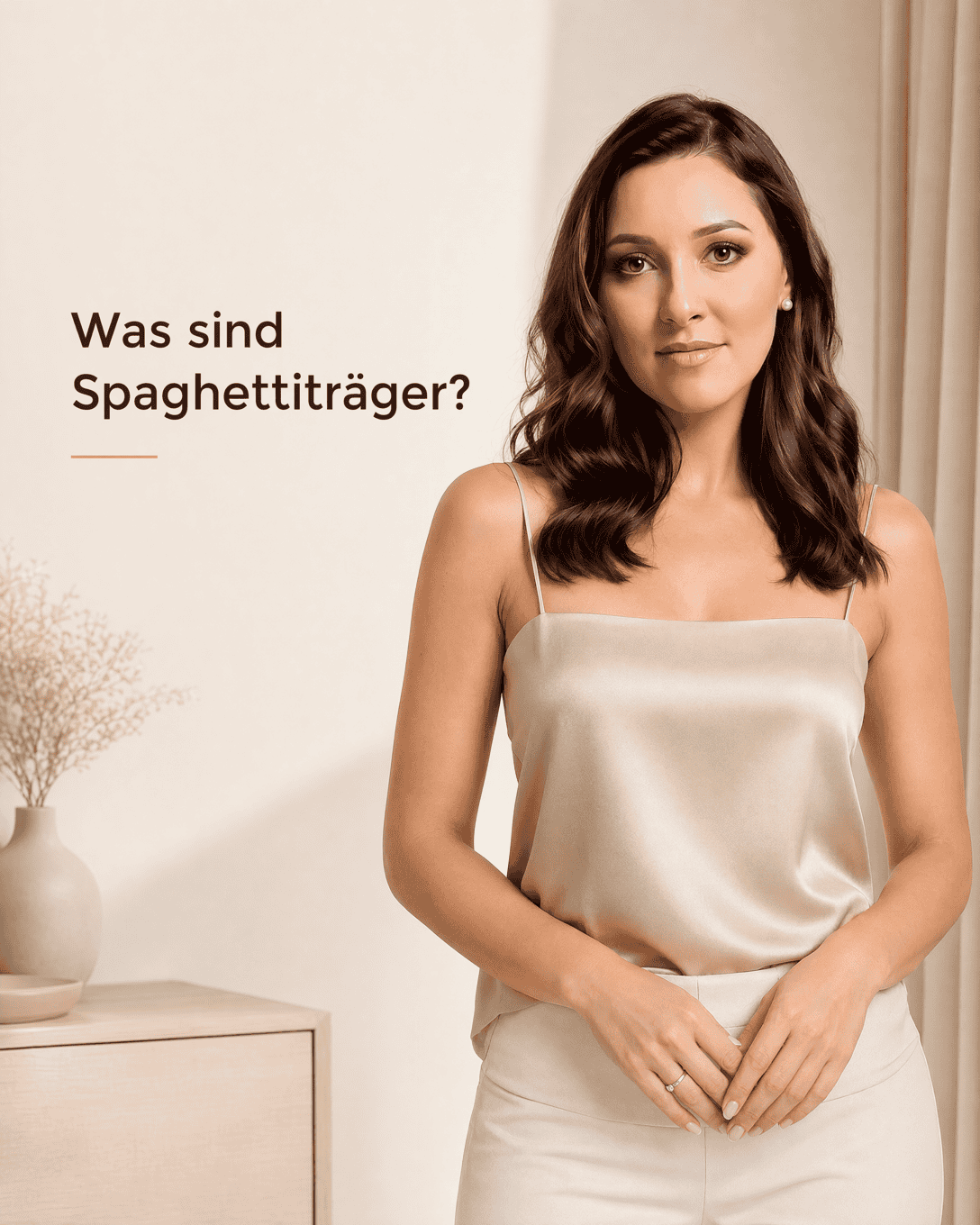
Spaghetti Straps Spaghetti straps are very thin, cord-like shoulder straps on dresses, tops, camisoles, and lingerie-inspired garments. Learn how they affect support, coverage, styling, and outfit suitability.
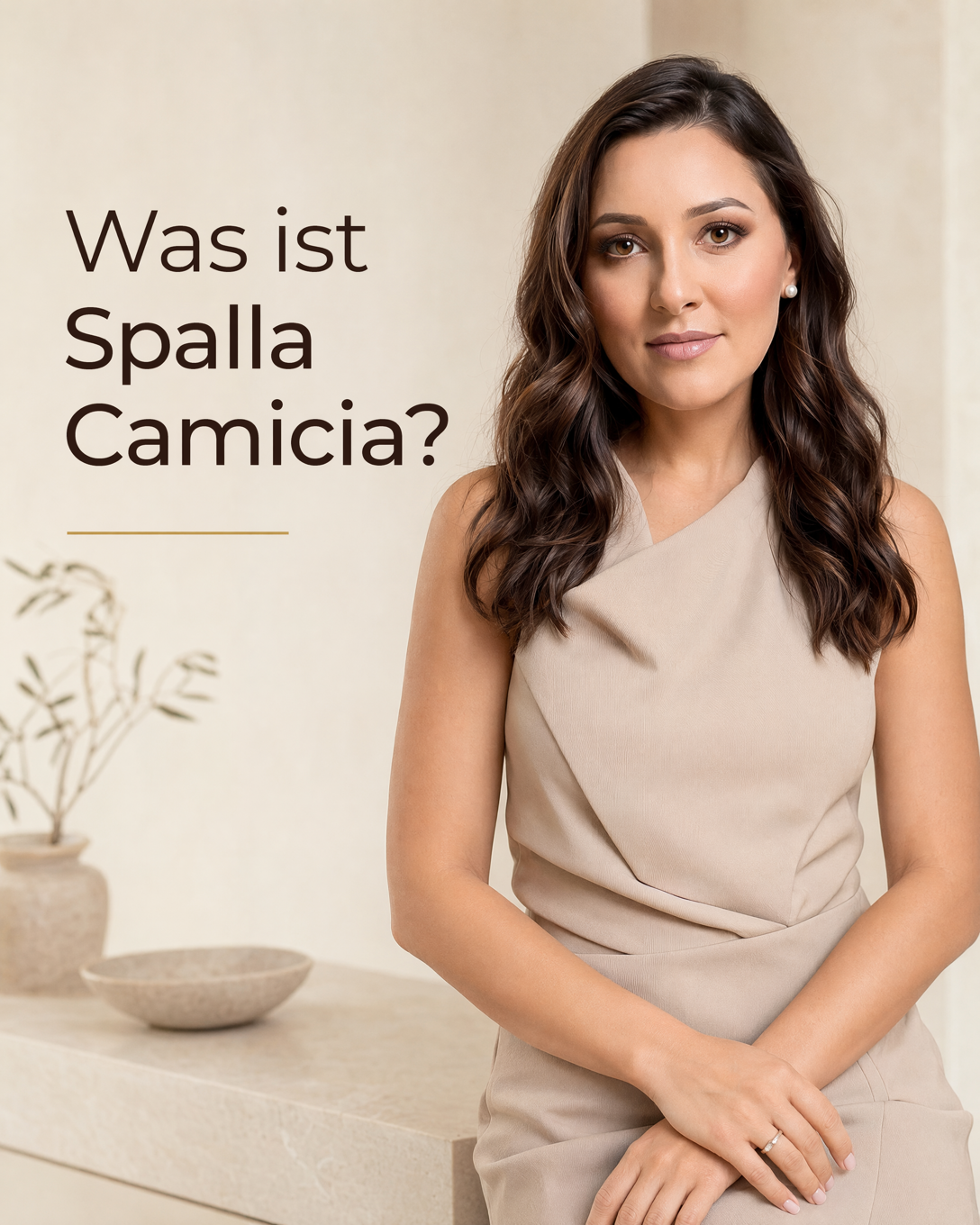
Spalla Camicia Spalla camicia is an Italian jacket shoulder construction with little or no padding, designed to create a soft, natural shoulder line and shirt-like fall.
Spread Collar A spread collar is a shirt collar with points set farther apart than a standard collar. Learn how it affects face framing, tie choice, formality, and everyday styling.
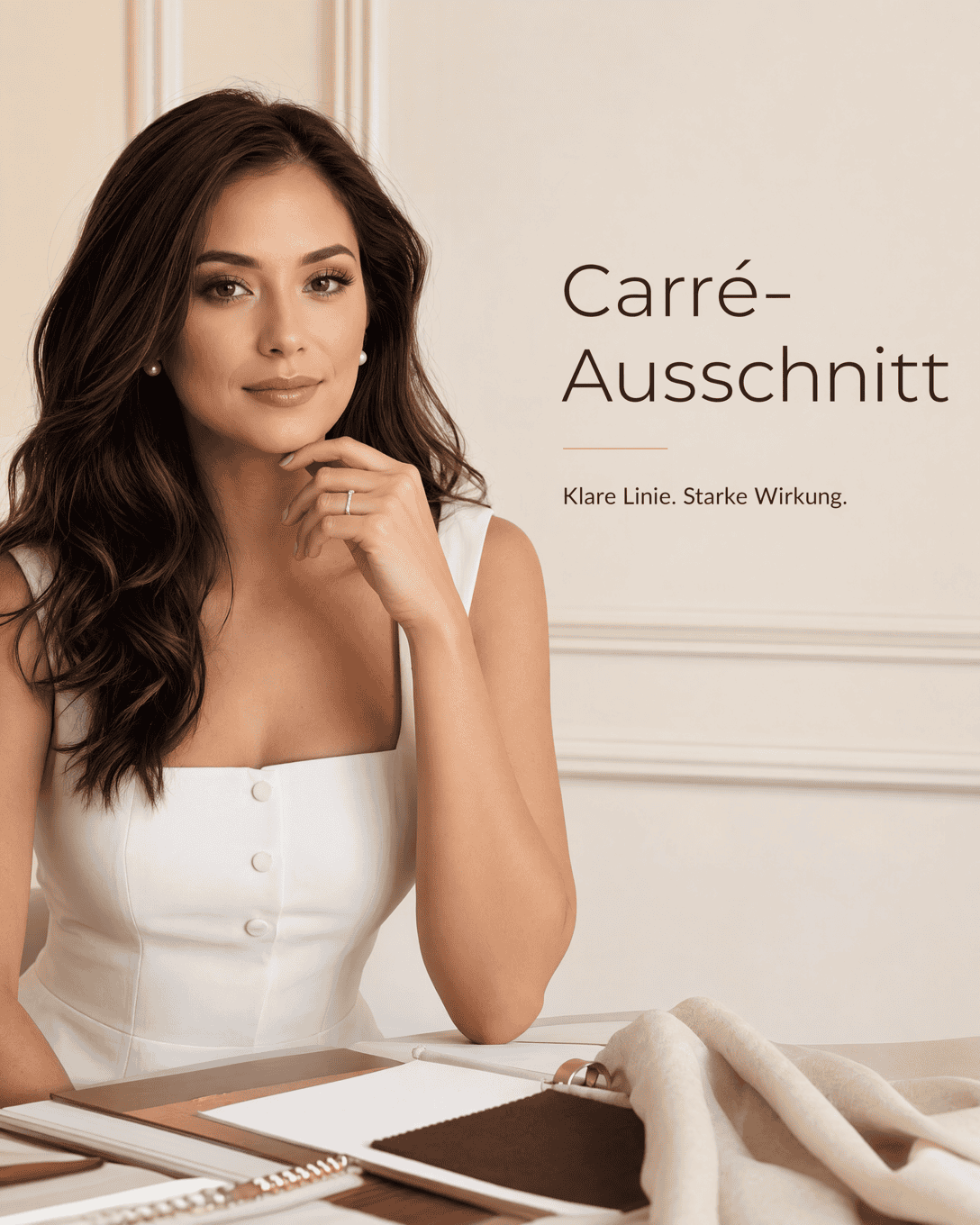
Square Neckline A square neckline, also called a carré neckline, has a straight horizontal upper edge and defined corners. Learn how this neckline shapes the shoulder area, frames the face, and works in everyday outfits.
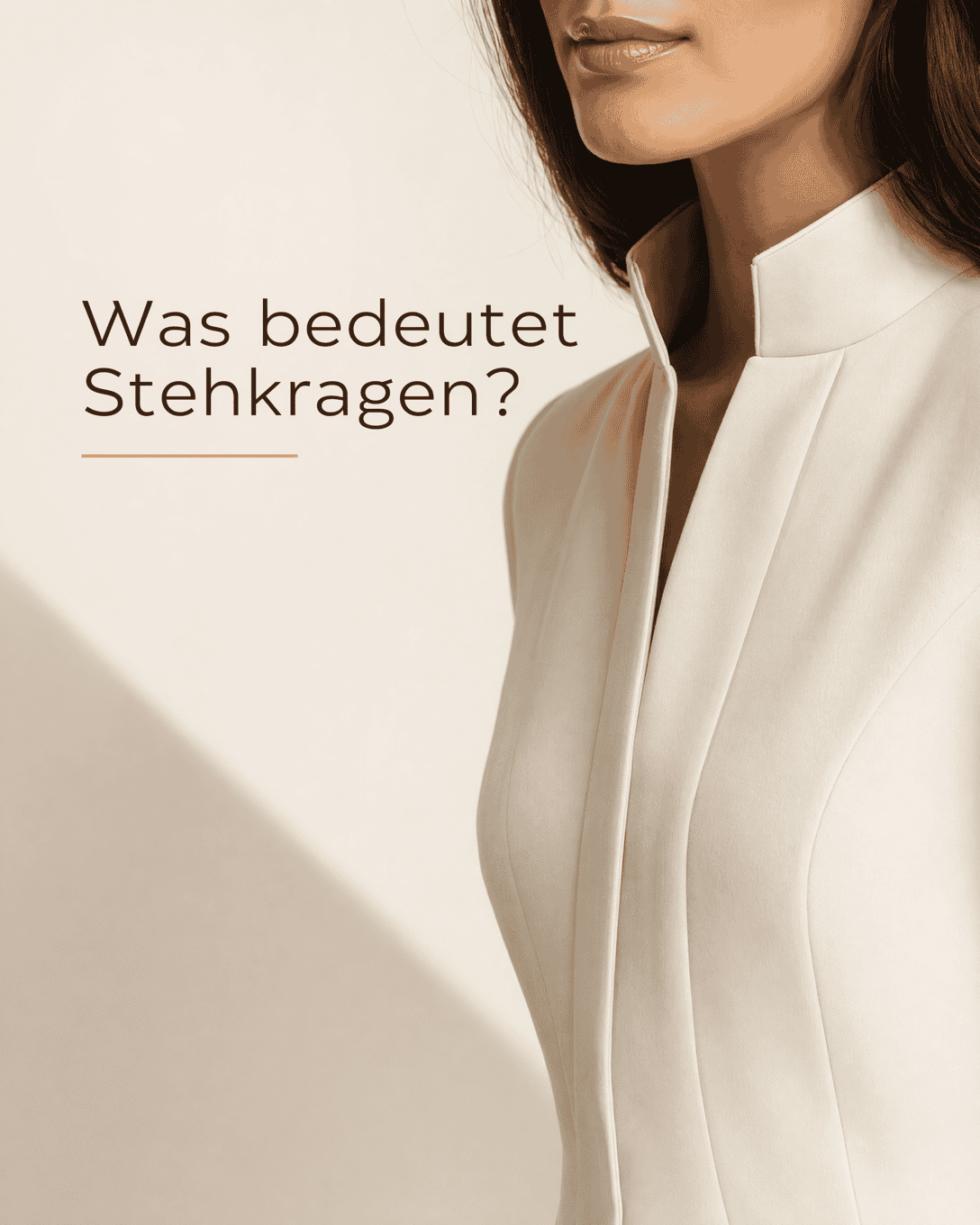
Stand Collar A stand collar is an upright collar that rises from the neckline instead of folding down. It creates a clean, structured frame around the neck and influences comfort, proportion, and outfit impact.
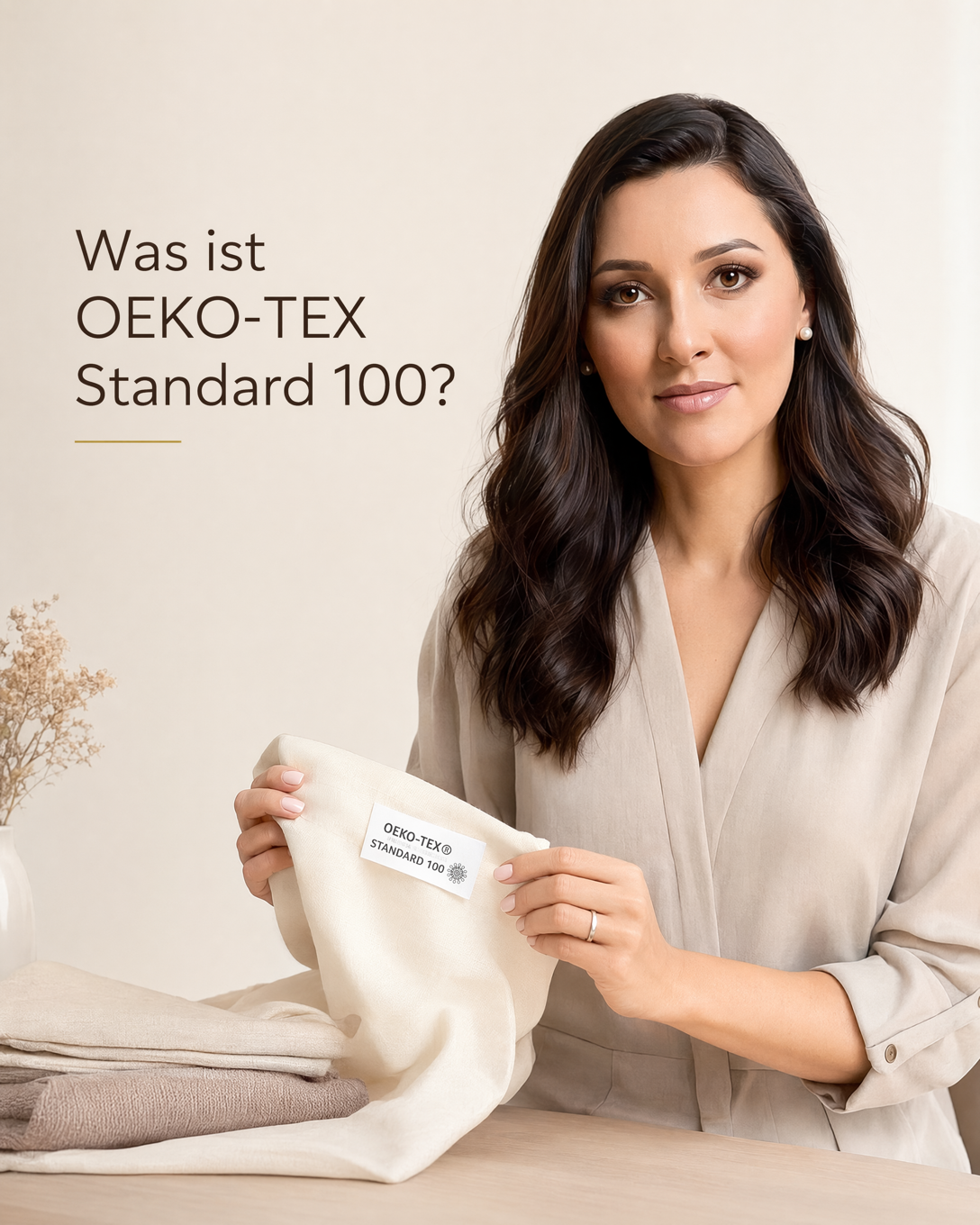
STANDARD 100 by OEKO-TEX® STANDARD 100 by OEKO-TEX® is an independent textile testing and certification system for harmful substances. It helps consumers identify textiles tested against regulated and unregulated substances that may be harmful to health.
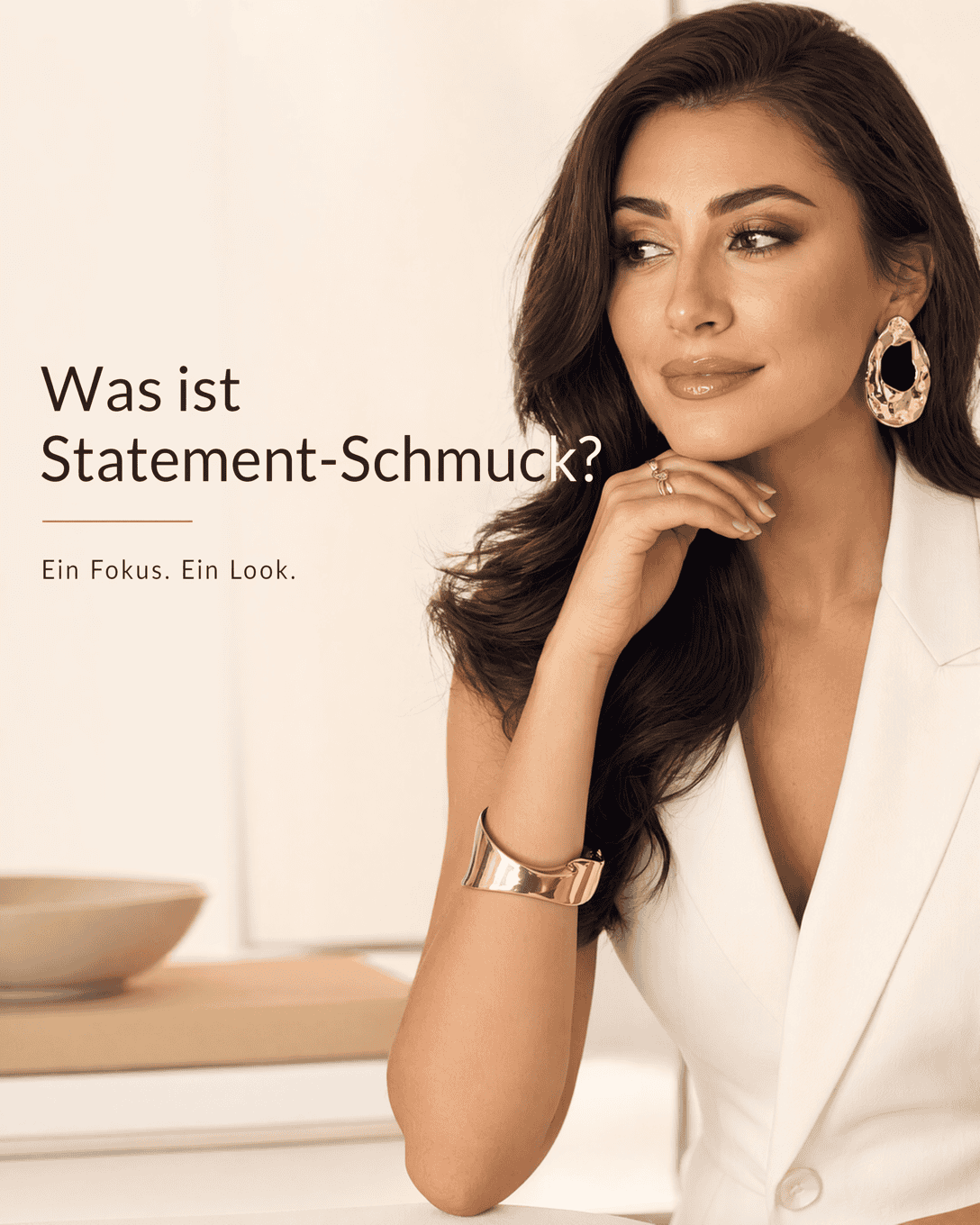
Statement Jewelry Statement jewelry is bold, noticeable jewelry designed to become a focal point of an outfit. Learn how statement necklaces, earrings, rings, and bracelets shape style, proportion, and occasion.
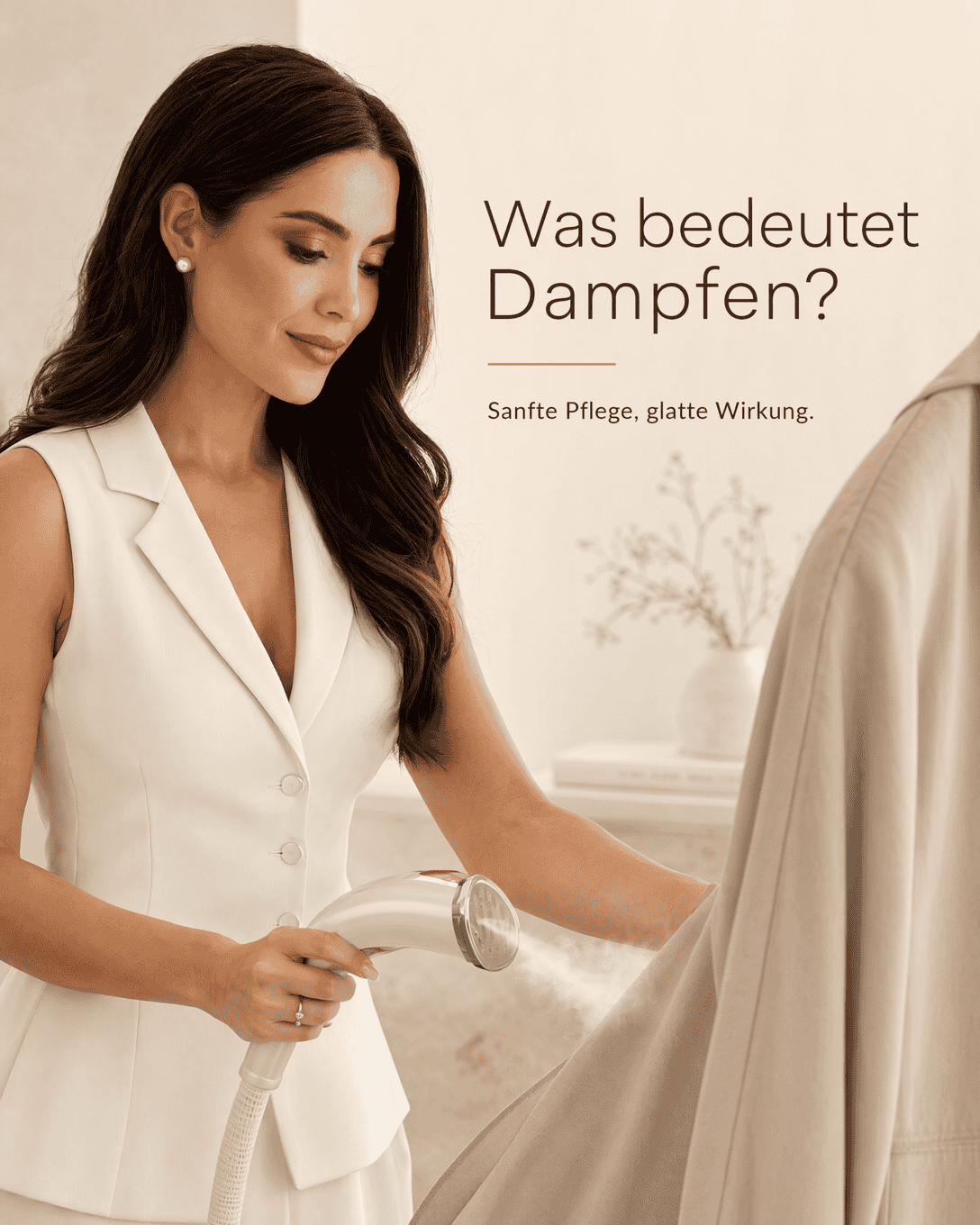
Steaming Steaming removes wrinkles and refreshes clothing with warm steam. Learn how garment steaming differs from ironing and which fabrics need extra care.
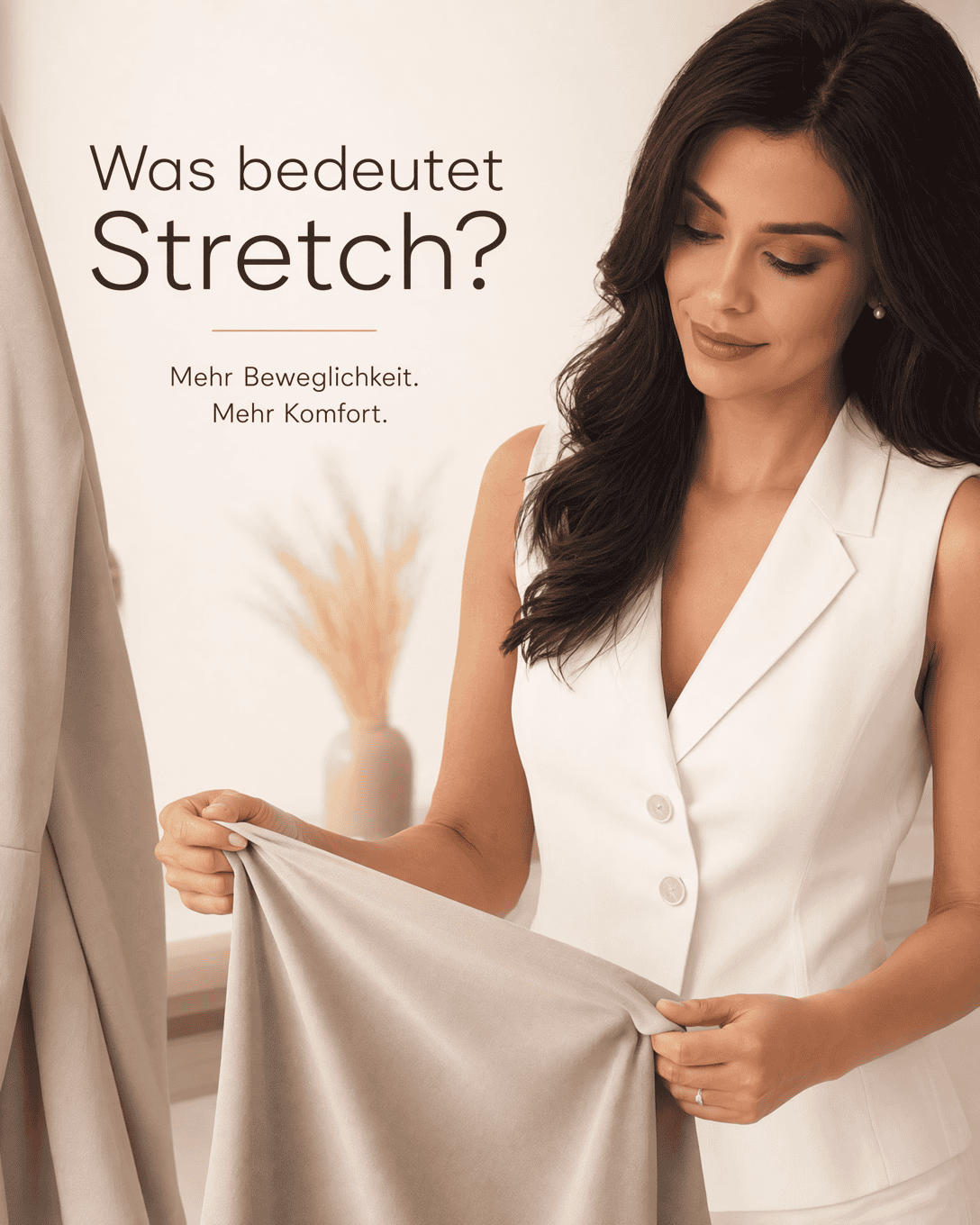
Stretch Stretch describes a fabric's ability to extend under tension. It affects fit, freedom of movement, comfort, shape retention, and how a garment feels when worn.
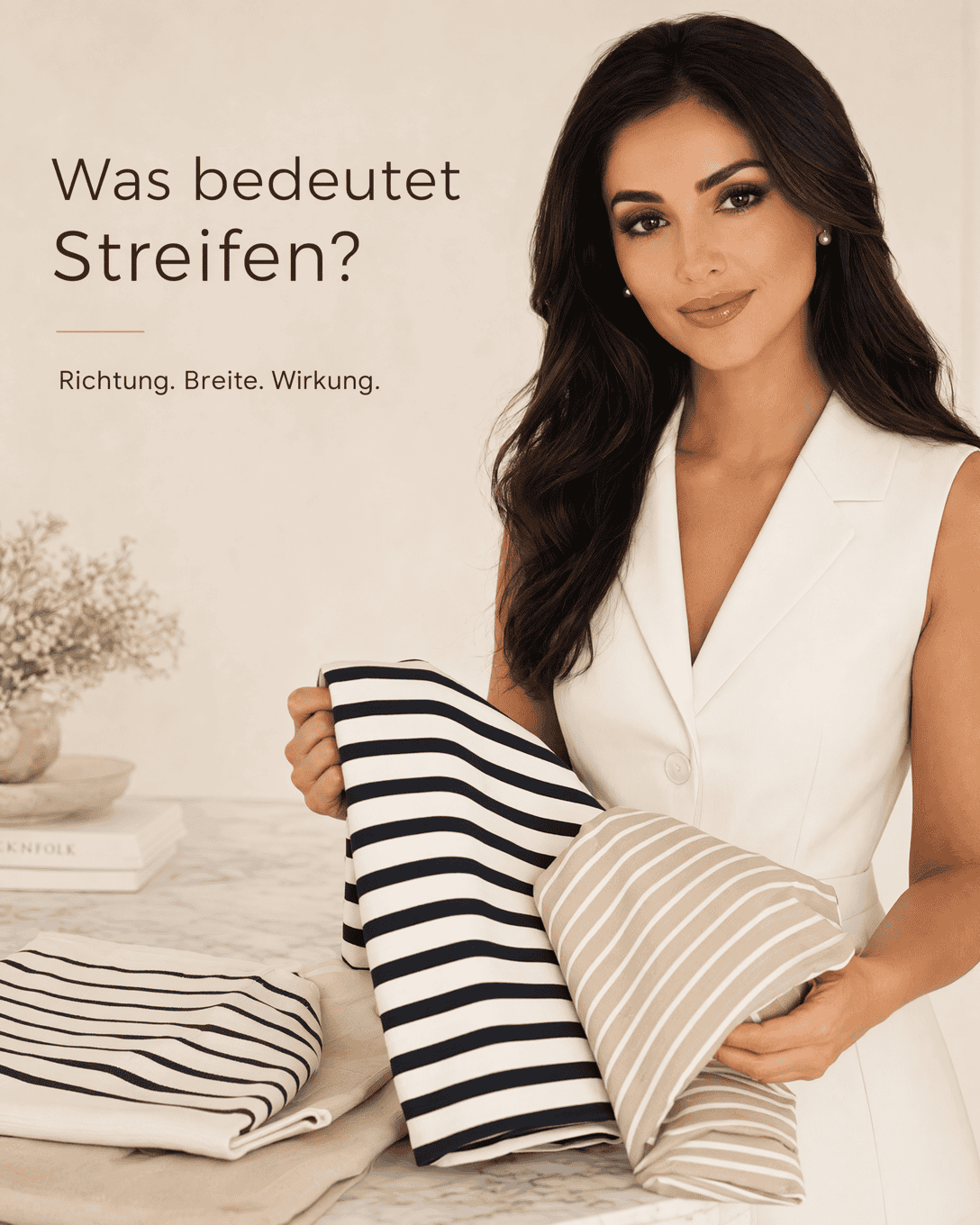
Stripes Stripes are linear patterns in fashion that can change an outfit’s visual direction, proportion, rhythm, and overall impact.
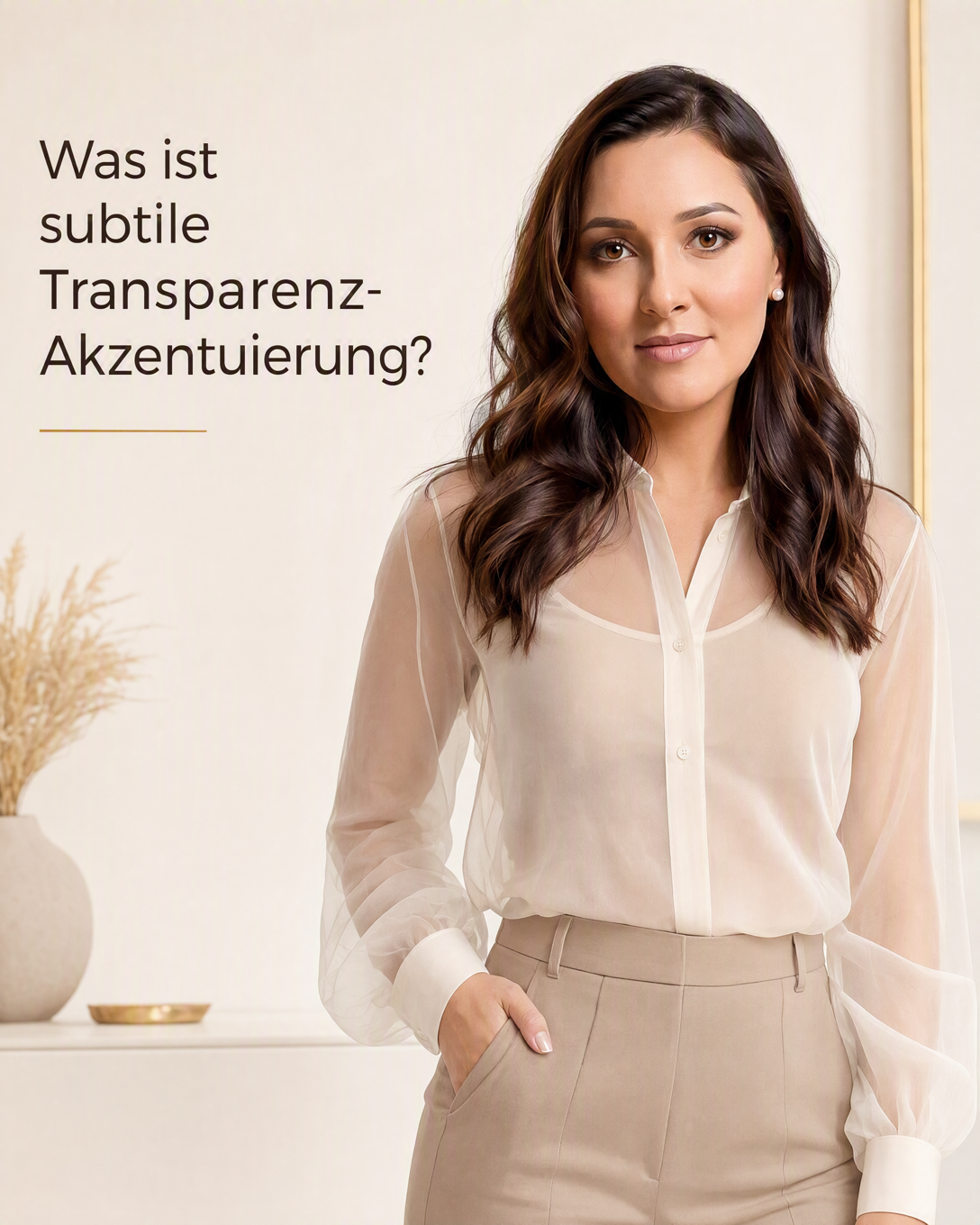
Subtle Sheer Layering Subtle sheer layering is the use of semi-sheer fabrics over opaque base pieces to add refined depth, softness, and controlled sensuality to an outfit.
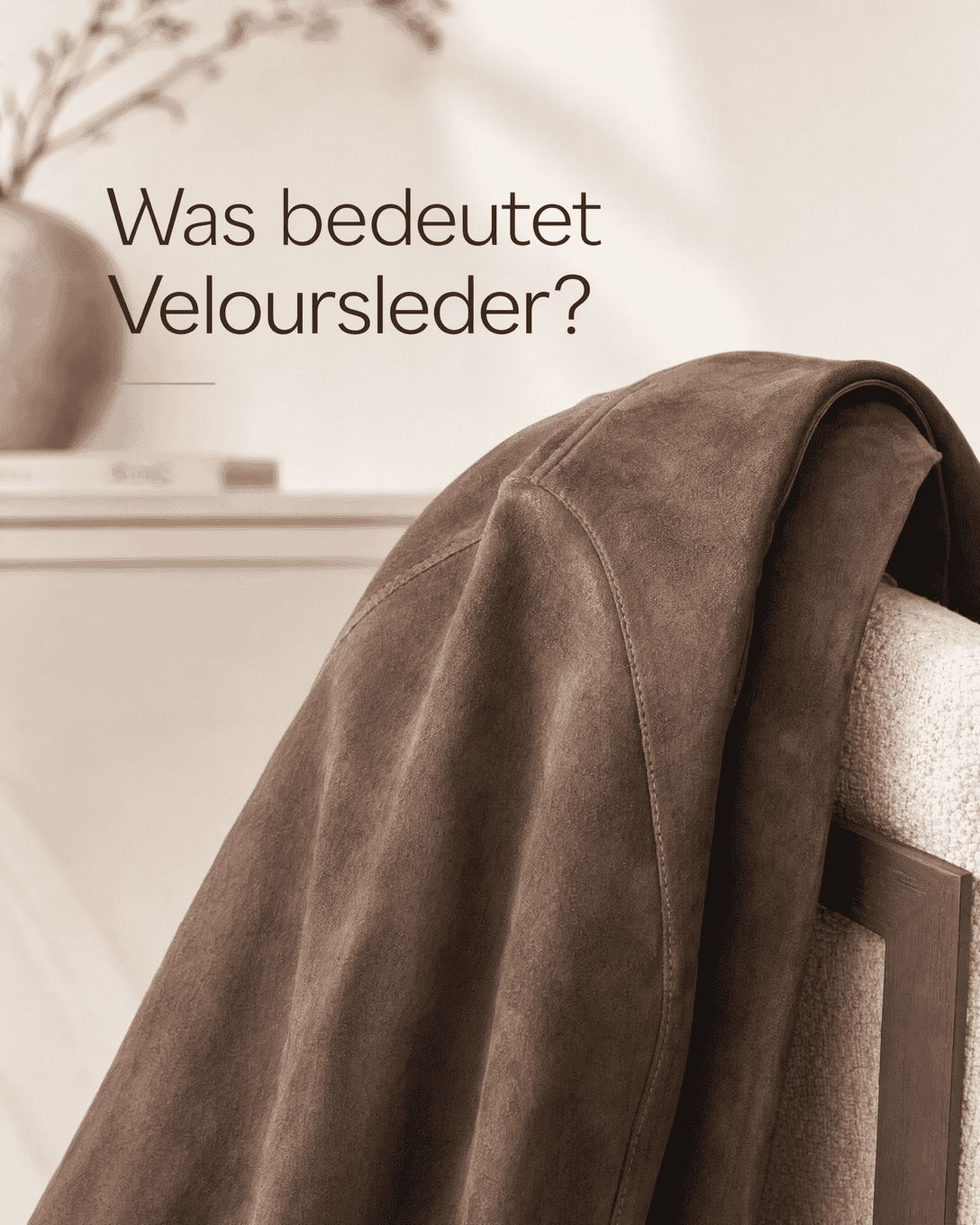
Suede Suede is leather with a soft, brushed nap. Learn what suede is, how it differs from smooth leather, and what to consider when buying, styling, and caring for it.
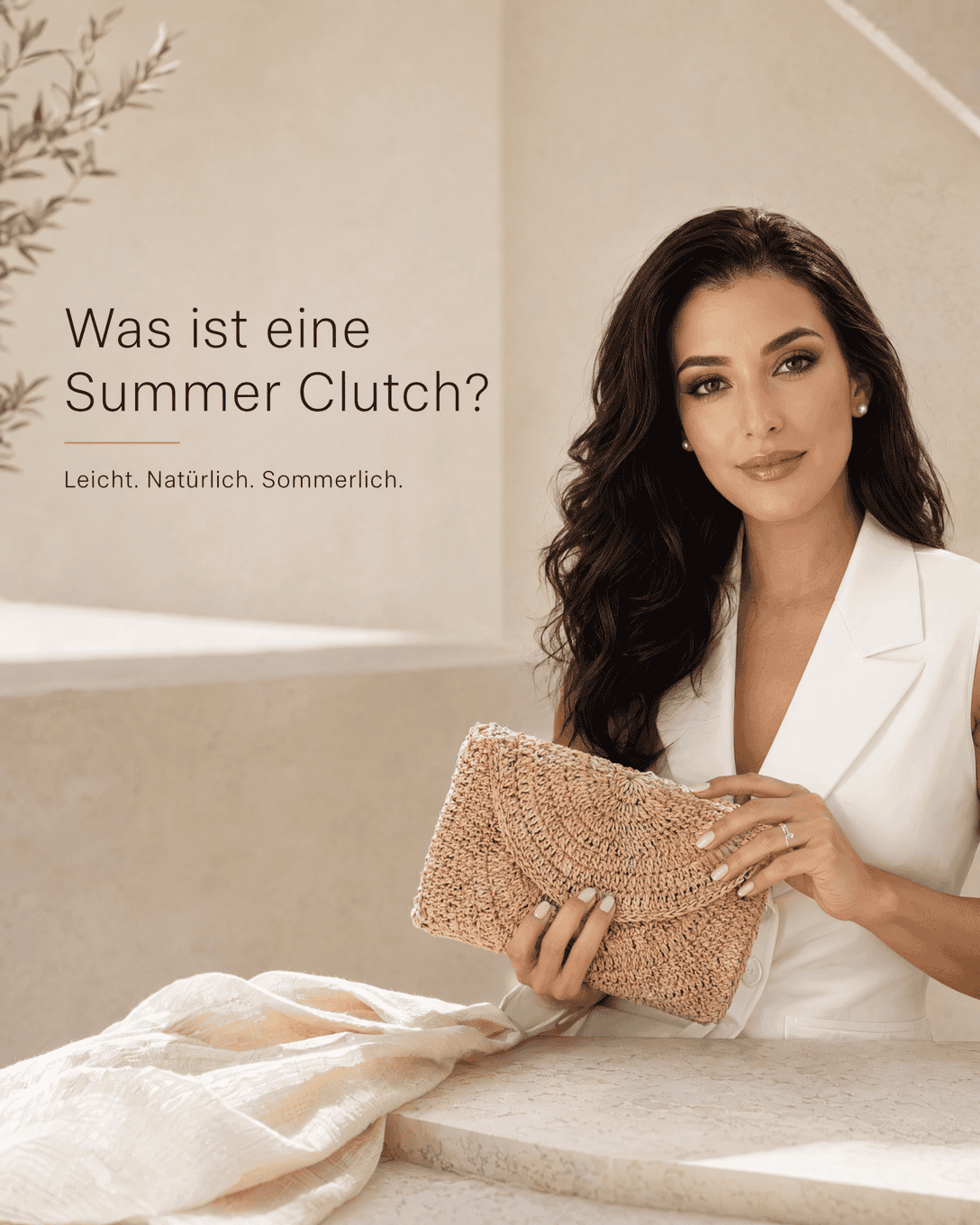
Summer Clutch A summer clutch is a small handheld bag chosen for warm-weather outfits, often made from light, textured, or natural-looking materials. It adds a polished finishing touch to holiday, garden party, wedding guest, and evening looks.
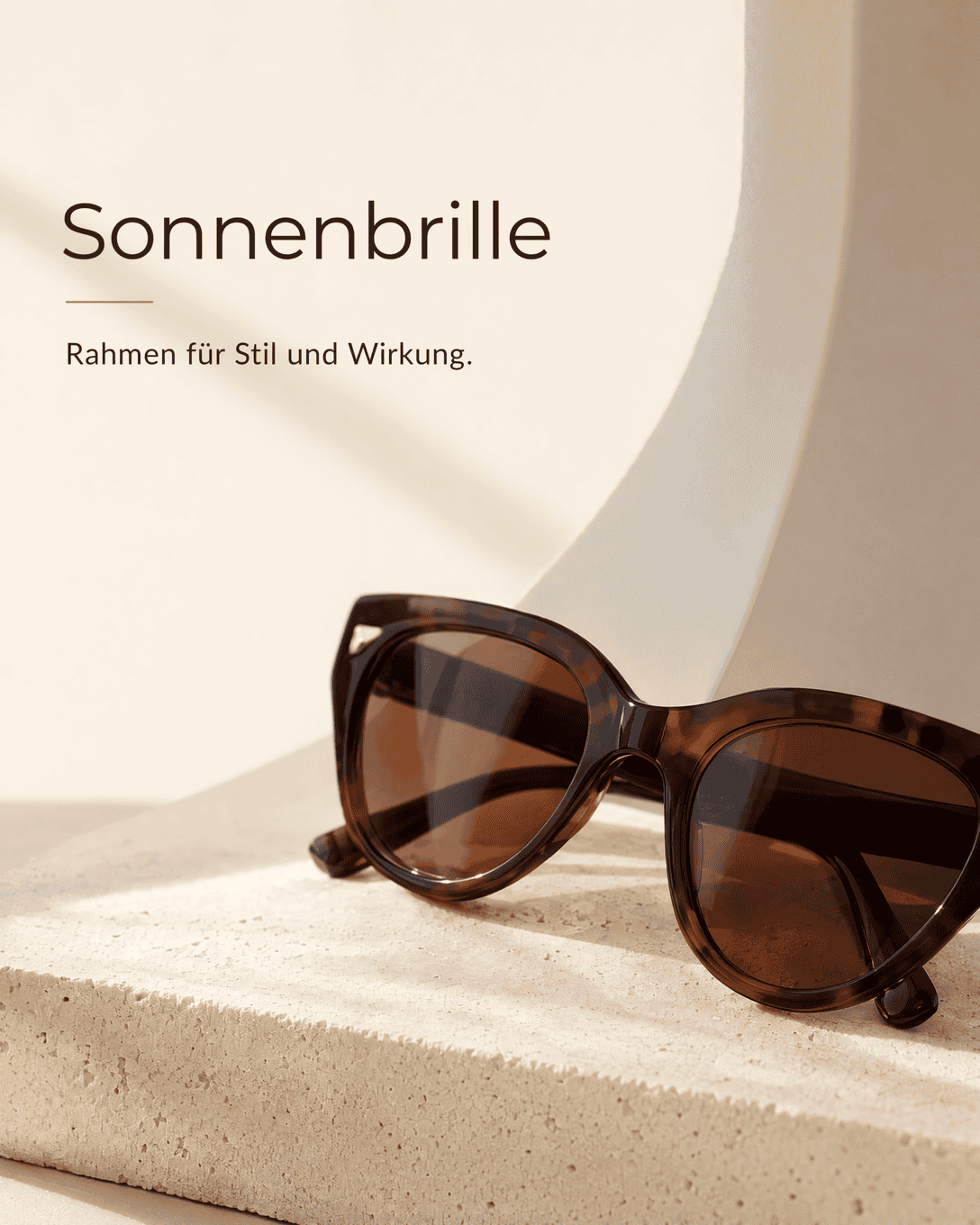
Sunglasses Sunglasses are tinted eyewear designed to reduce glare and bright light. They protect the eyes according to their lens specifications and shape the color, proportion, and overall impact of an outfit.
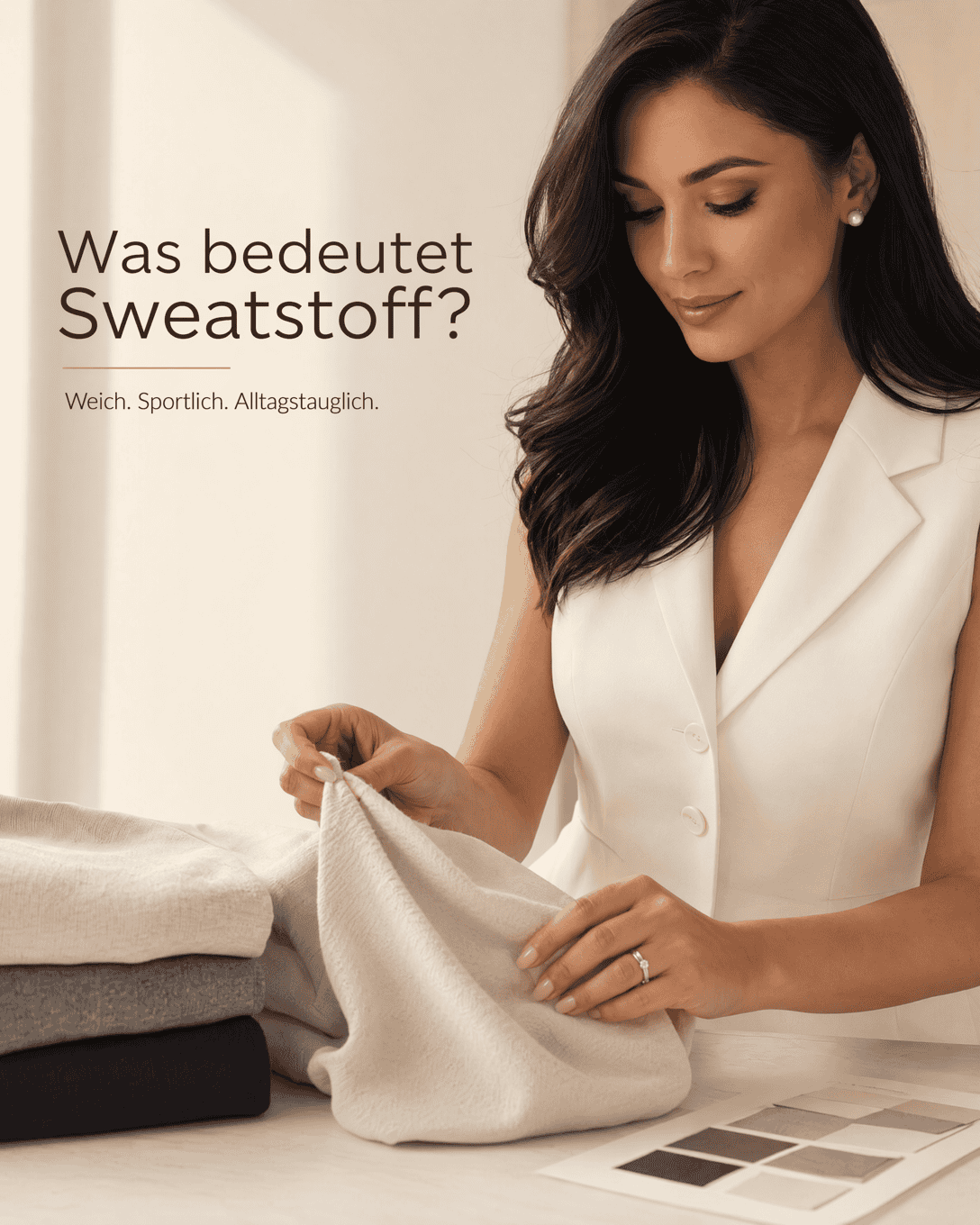
Sweatshirt Fabric Sweatshirt fabric is a soft knitted fabric used for sweatshirts, hoodies, joggers, and casual layers. Learn how to recognise loopback and brushed sweatshirt fabric, assess quality, and choose the right weight for your wardrobe.
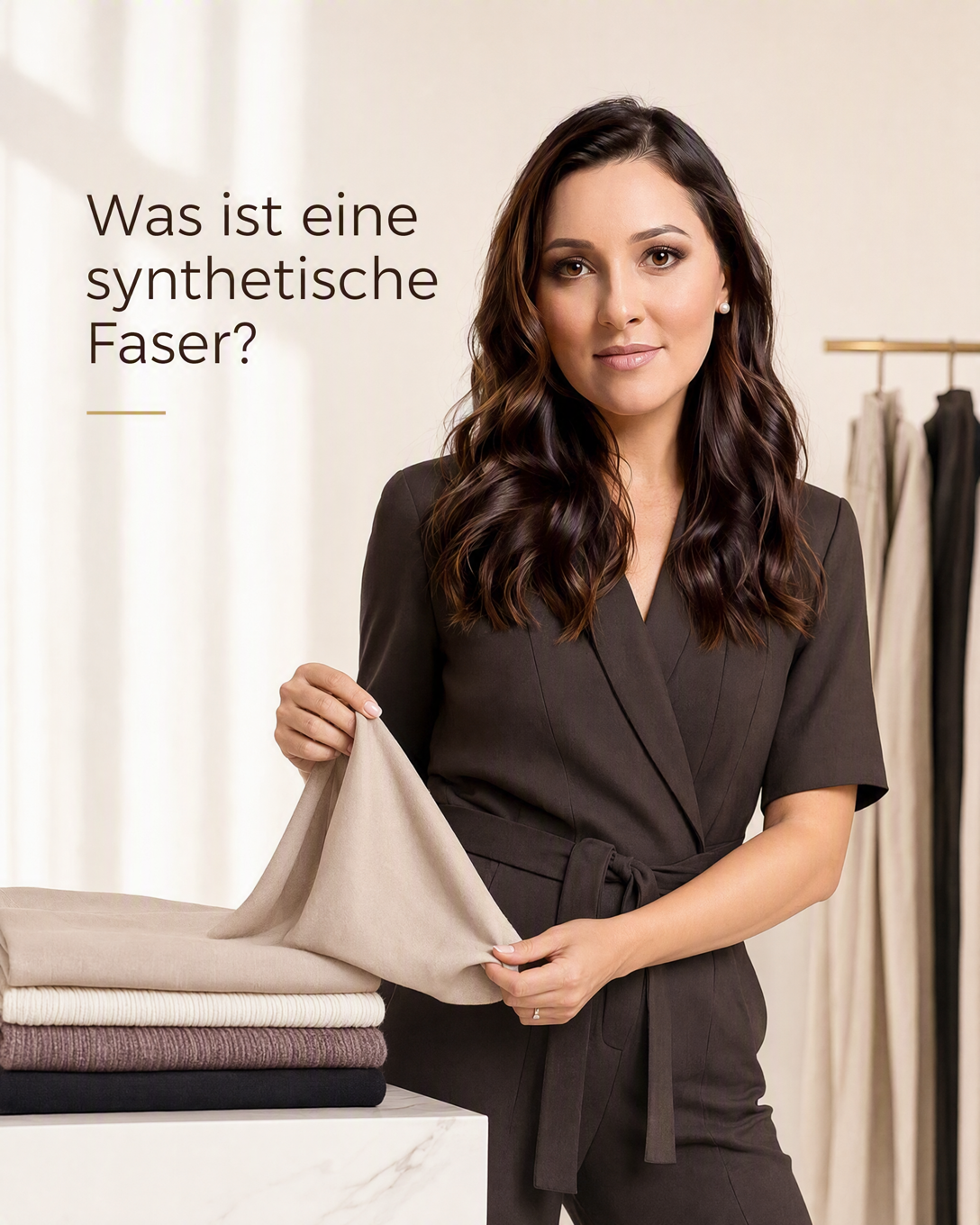
Synthetic Fiber A synthetic fiber is a man-made textile fiber produced from chemically manufactured polymers. Common examples include polyester, polyamide, acrylic, and elastane.
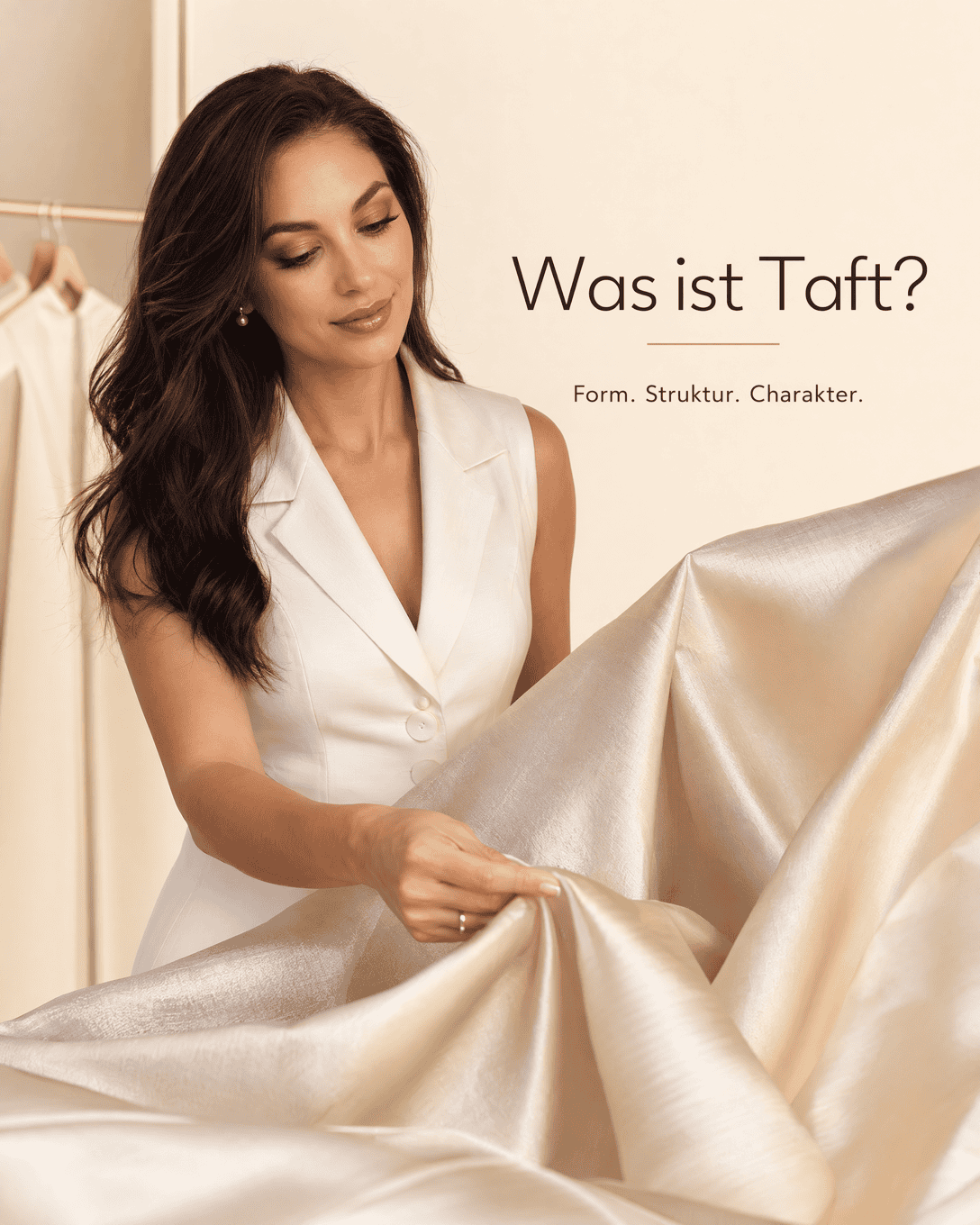
Taft Taffeta is a smooth, crisp plain-weave fabric known for its dry hand, subtle sheen, structured volume, and characteristic rustle. It is widely used for eveningwear, formal skirts, bows, and sculptural details.
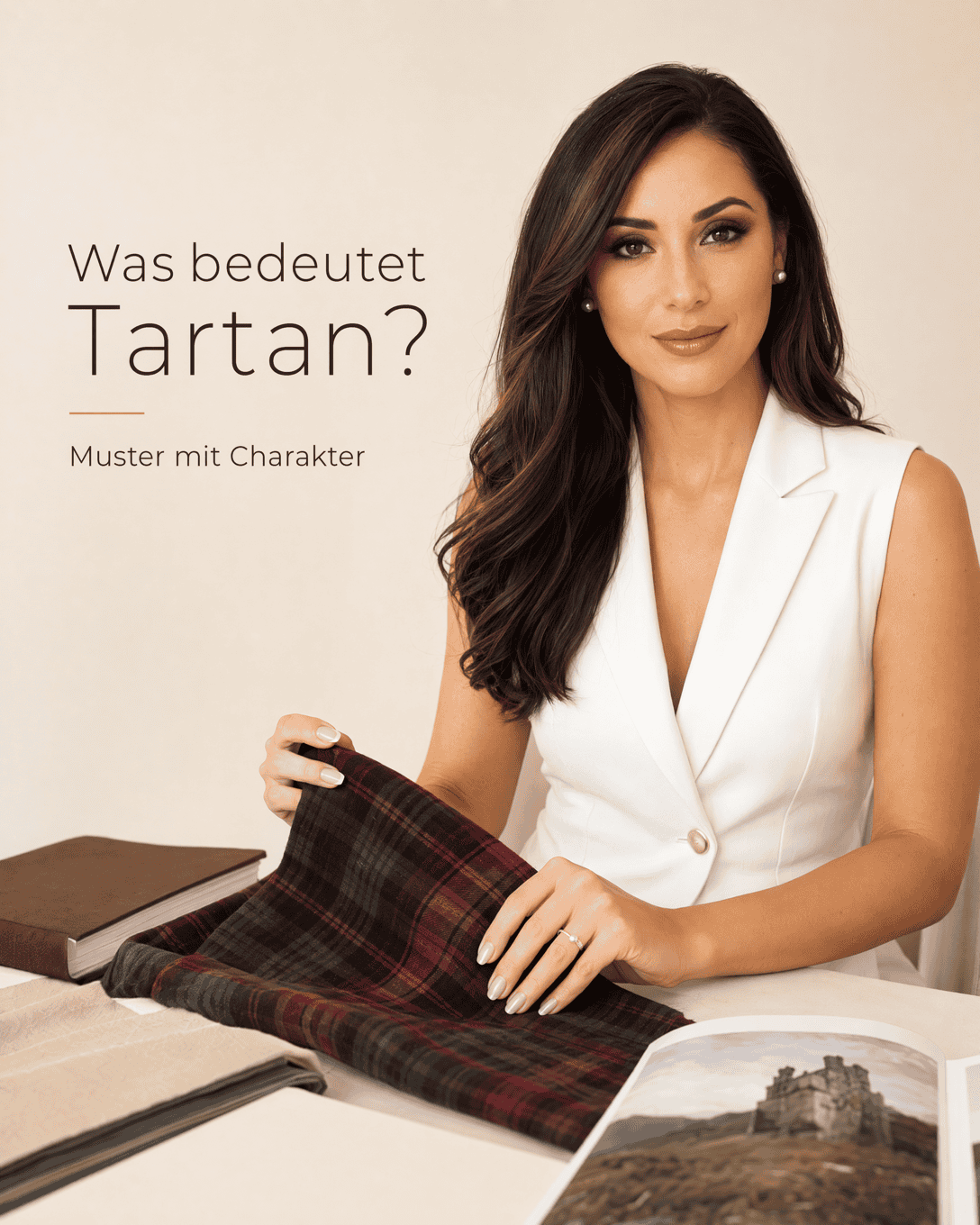
Tartan Tartan is a woven check pattern made from intersecting colored stripes. Learn what defines tartan, how it differs from other checks, and how to style it.
Terry Cloth Terry cloth, also called terry towelling, is an absorbent fabric with soft loops on its surface. It is widely used for towels, bathrobes, beachwear, and relaxed clothing.
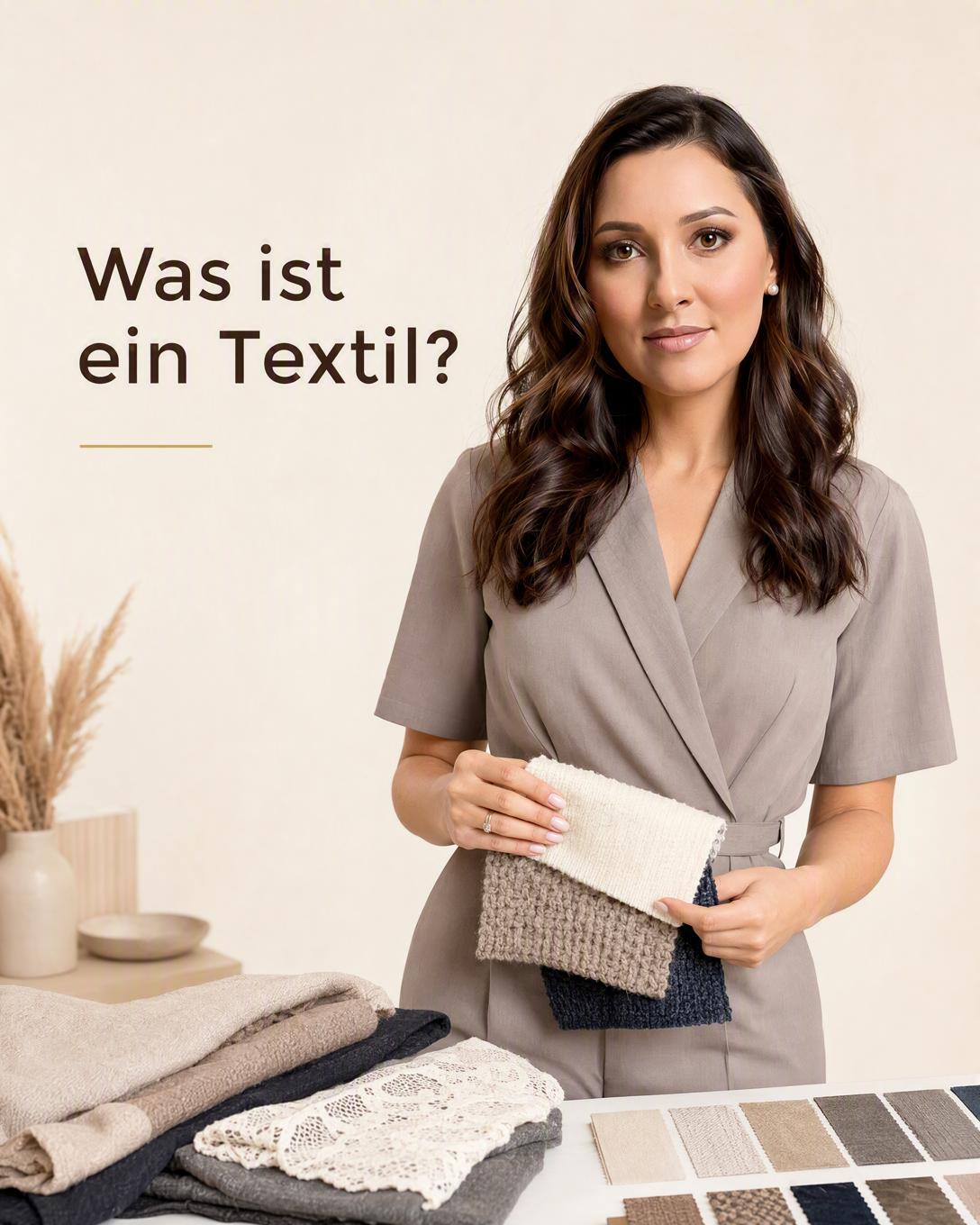
Textile A textile is a material or finished product made from fibers or yarns through processes such as weaving, knitting, felting, or bonding.
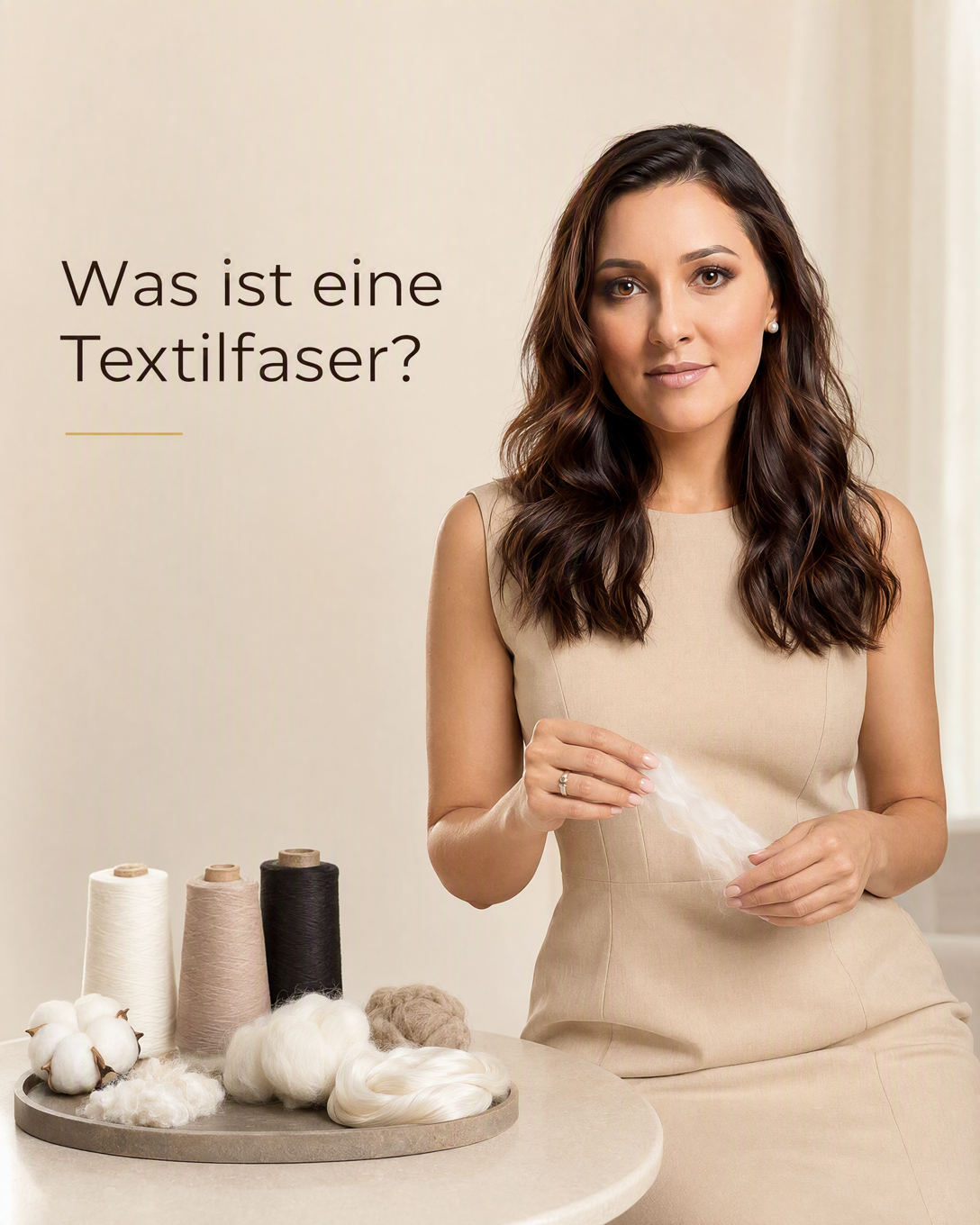
Textile Fiber A textile fiber is a fine, elongated material that can be spun, twisted, bonded, or otherwise processed into yarns, fabrics, and textile products.
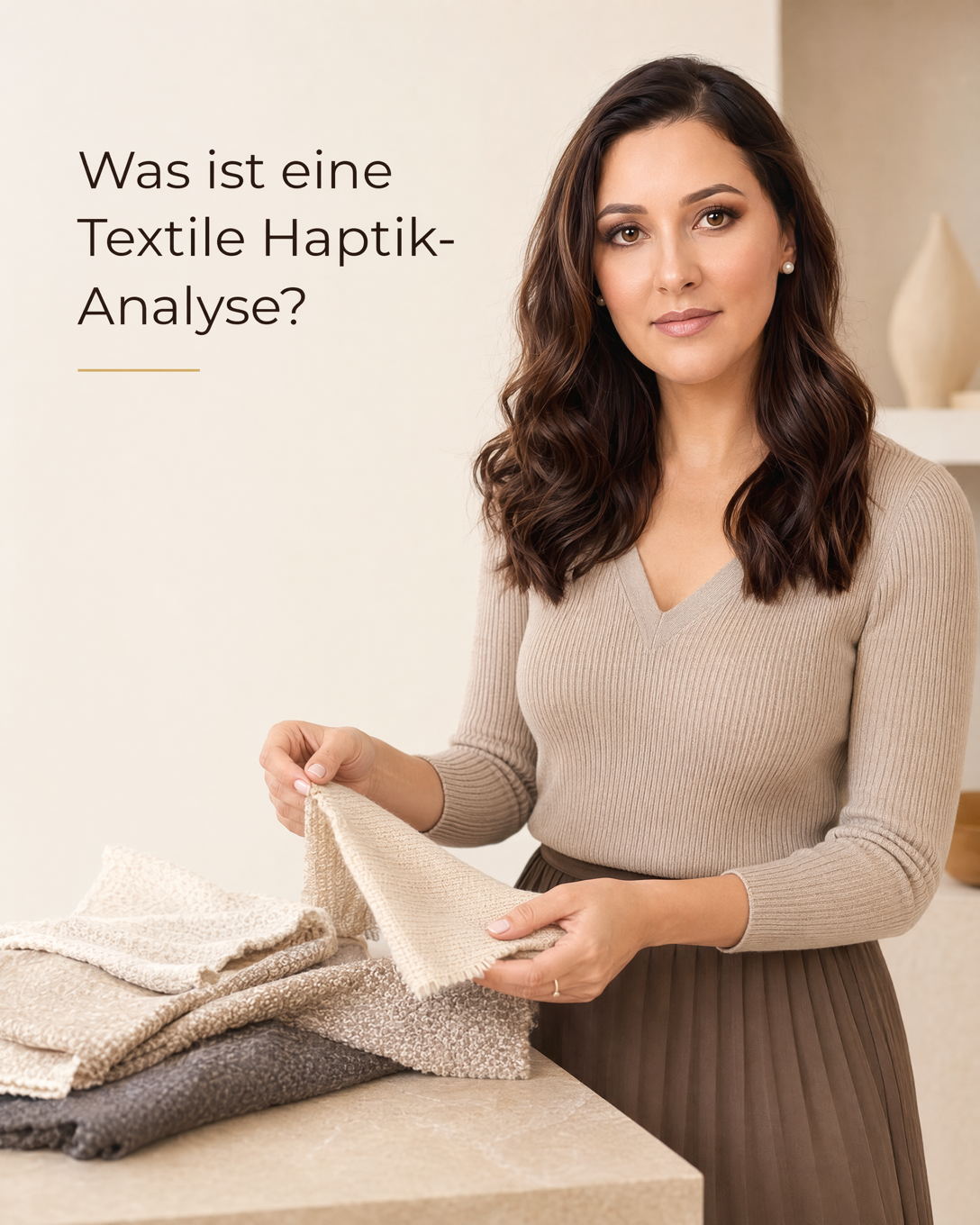
Textile Handfeel Analysis Textile handfeel analysis evaluates a fabric’s touch, drape, weight, surface texture, and next to skin comfort as part of style consultation.
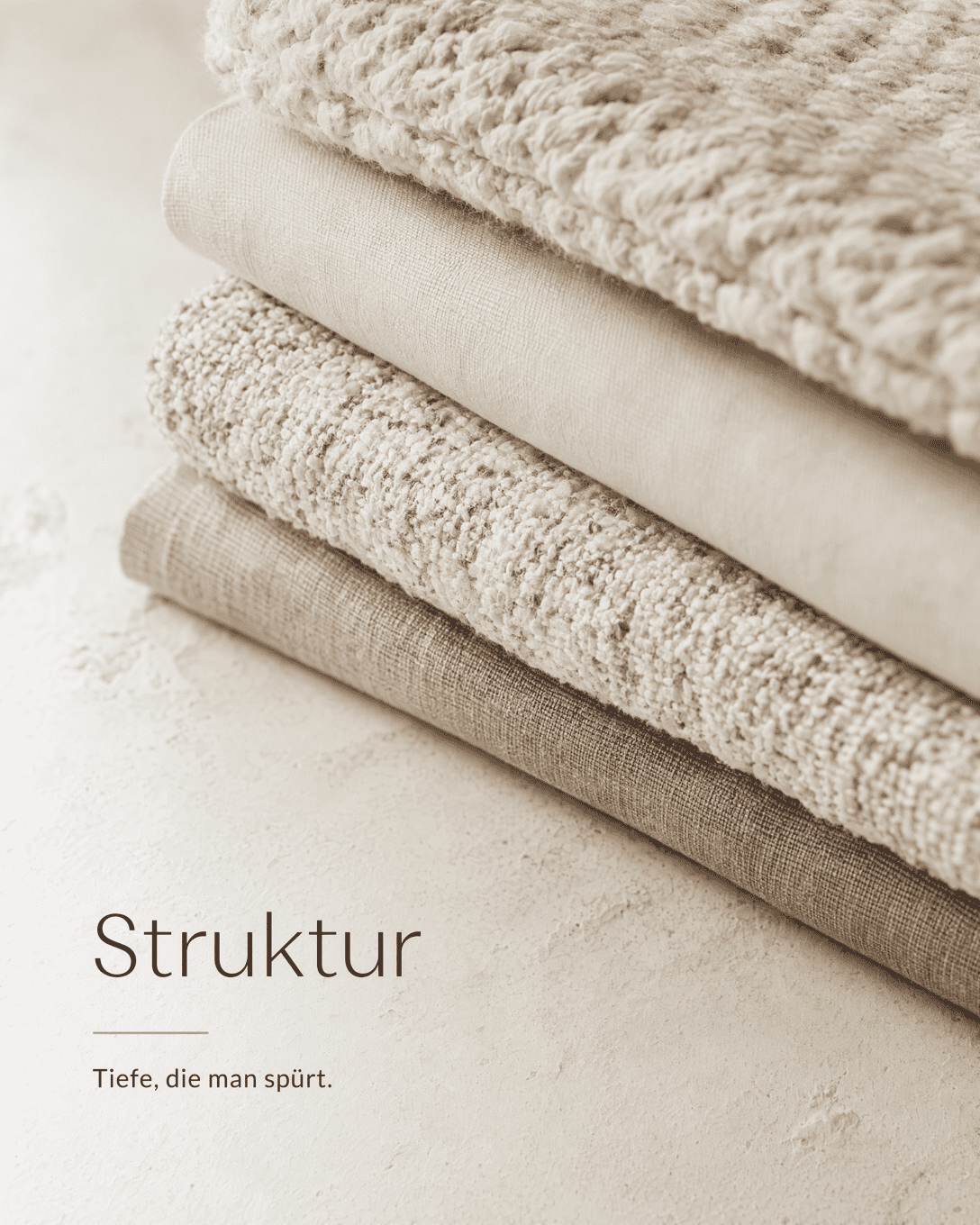
Texture Texture in fashion describes the visible surface and tactile feel of a fabric or detail. It affects comfort, perceived quality, light reflection, and the overall impression of an outfit.
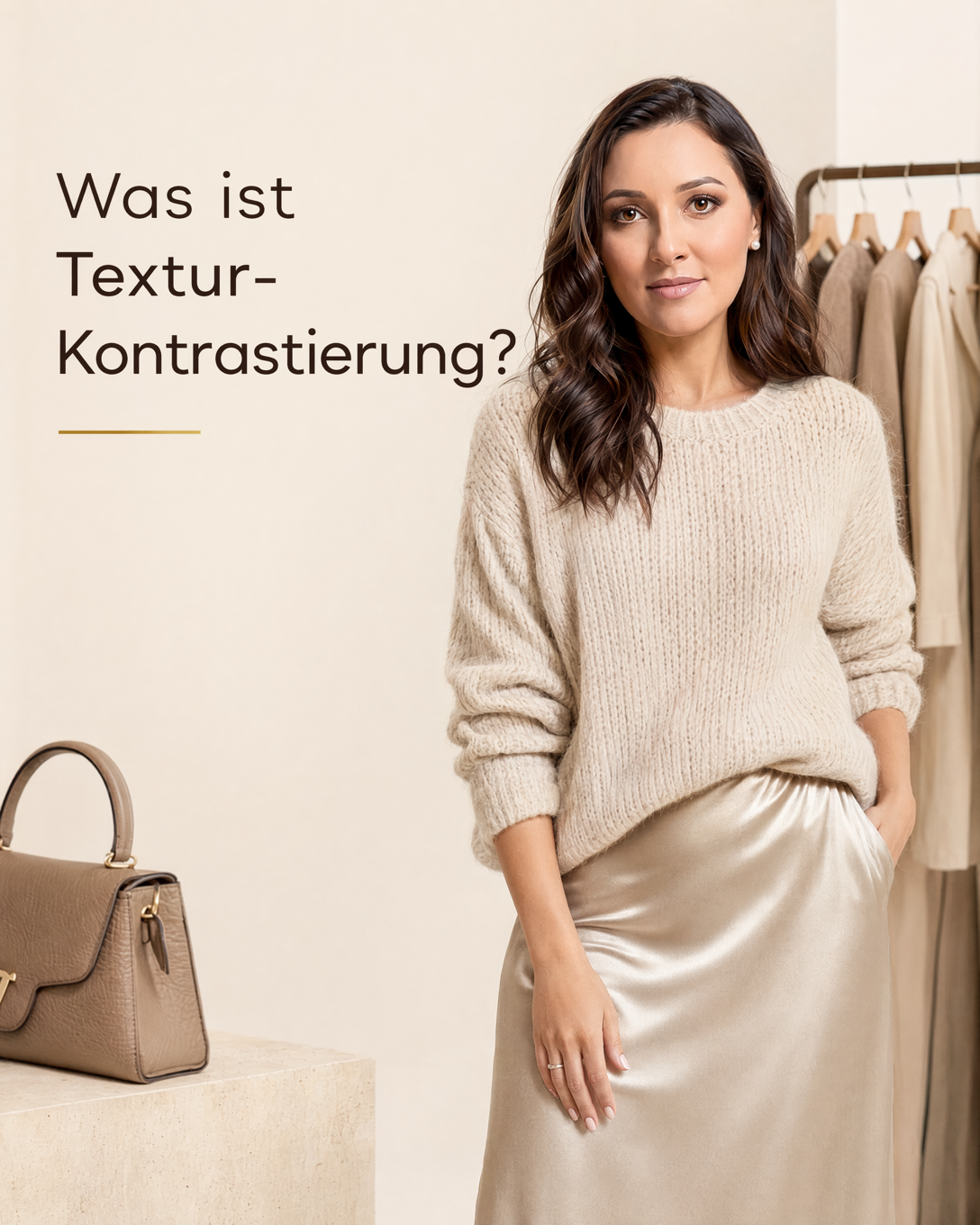
Texture Contrast Texture contrast is the intentional combination of different fabric surfaces in one outfit to create depth, definition, and visual interest, especially in monochrome looks.
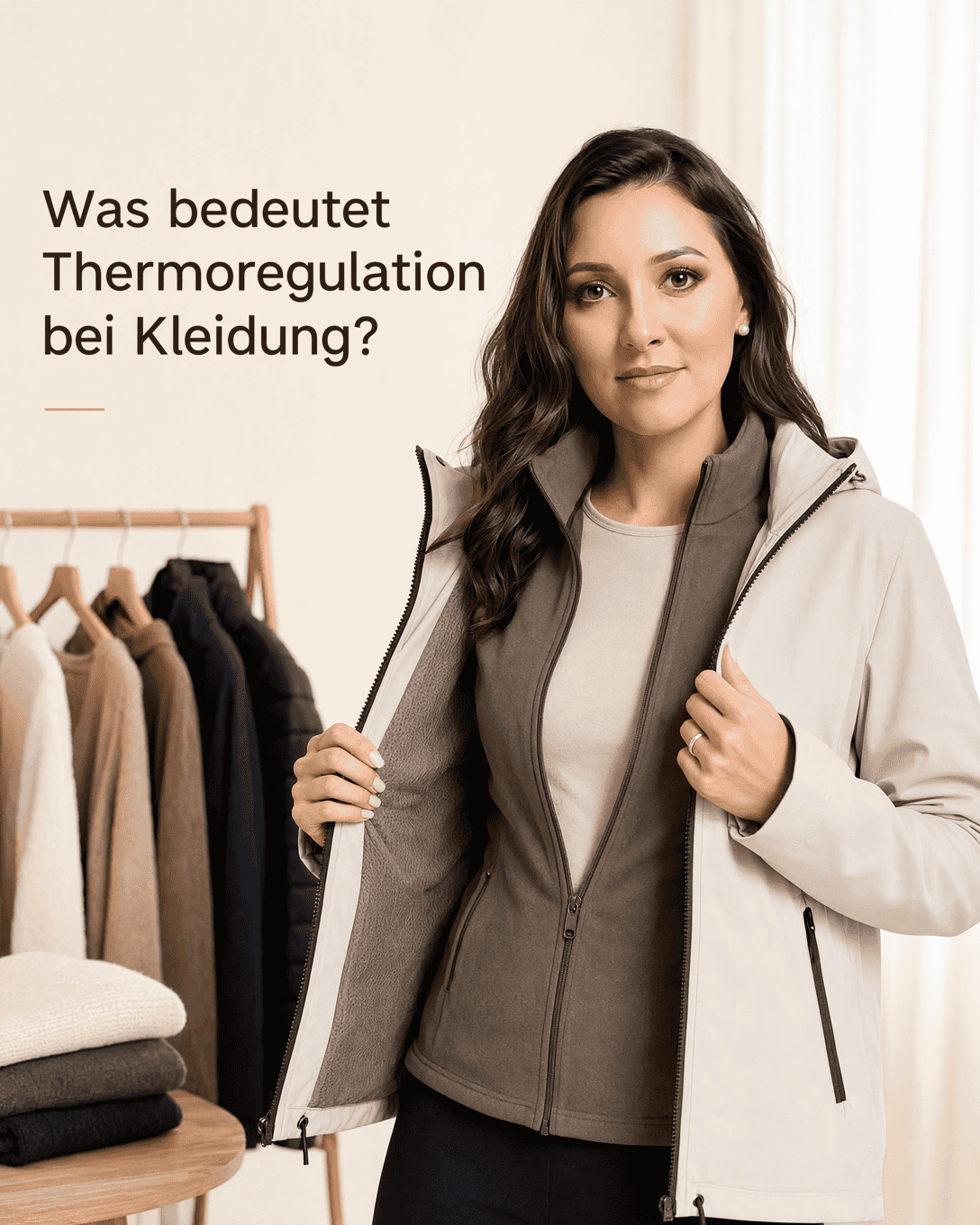
Thermoregulation Thermoregulation is the body's ability to maintain a stable temperature. In clothing, it describes how materials, fit, and layering support comfort in changing conditions.
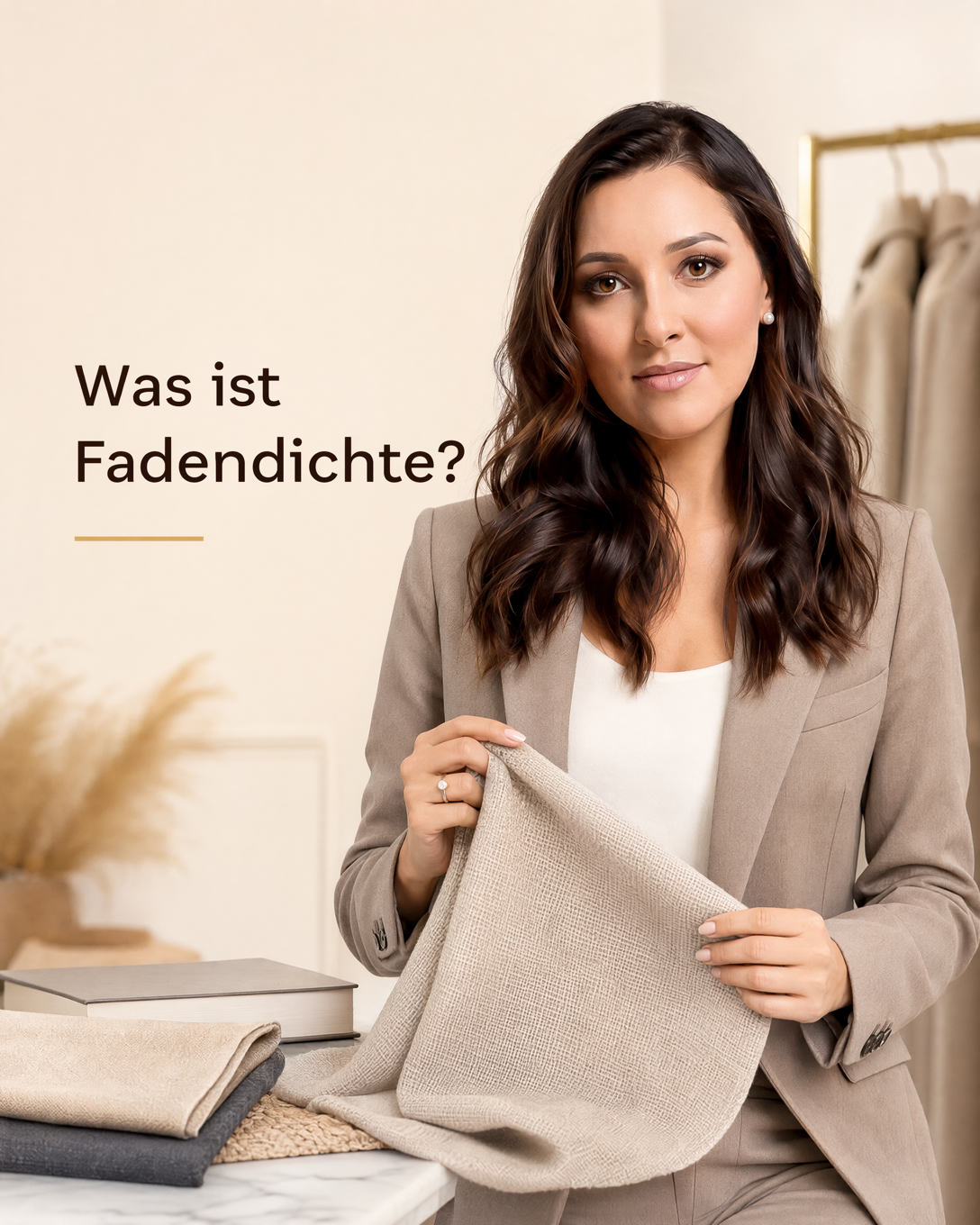
Thread Density Thread density describes how many warp and weft threads are present within a defined area of woven fabric. It helps explain a fabric’s strength, coverage, handfeel, and durability.
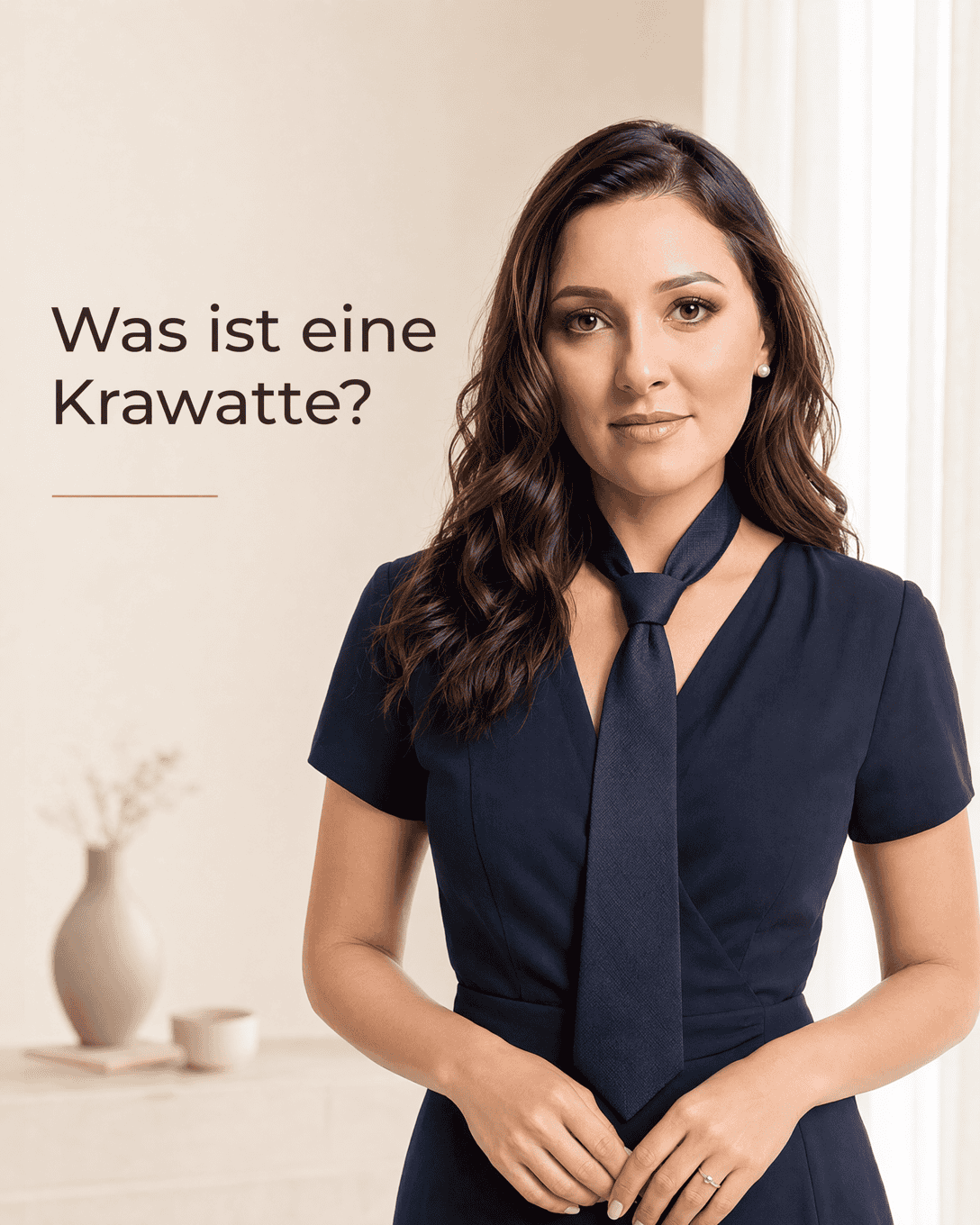
Tie A tie is a long neckwear accessory, usually worn with a collared shirt. Learn how to choose, wear, and style a tie for business, formal events, and everyday looks.
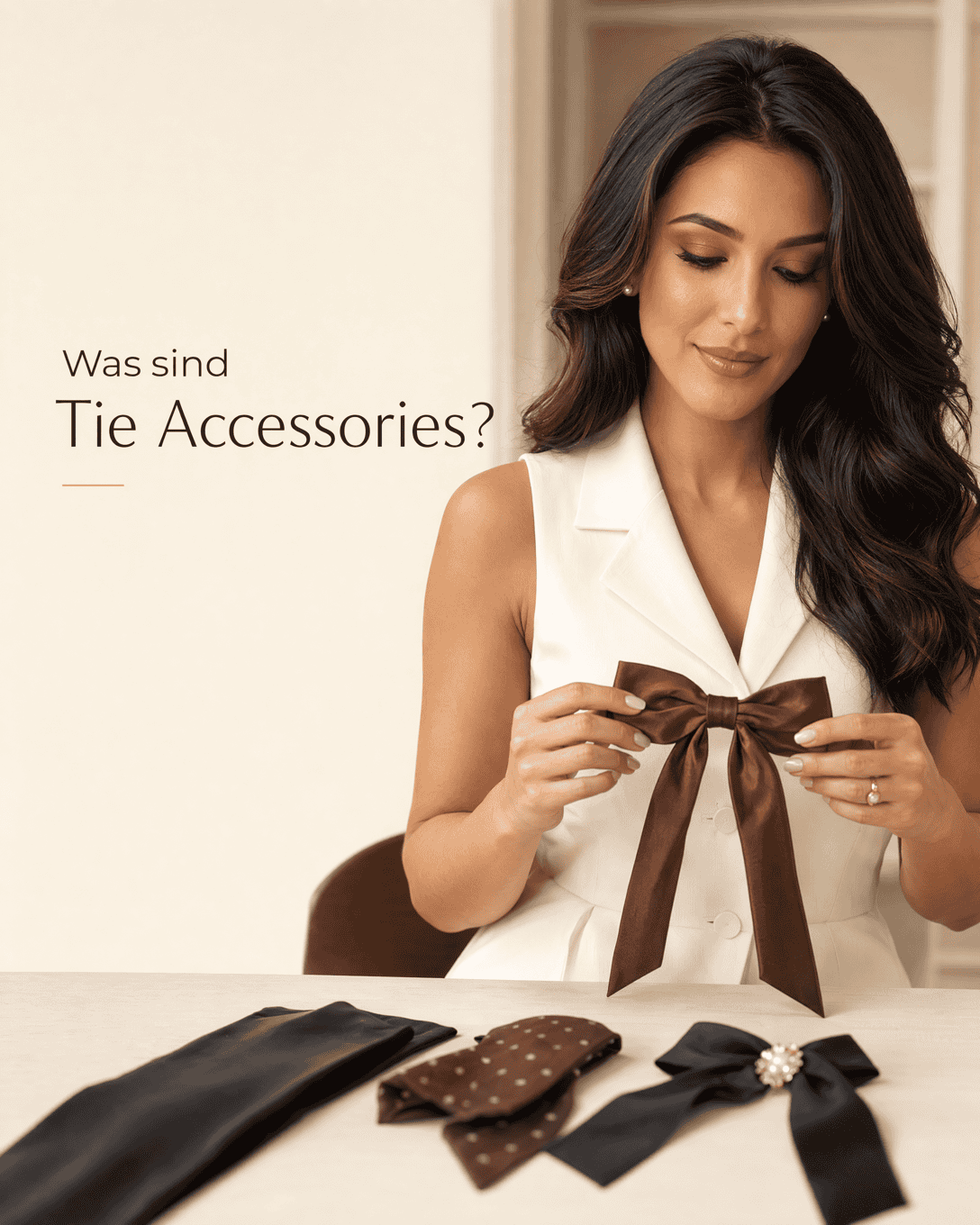
Tie Accessories Tie accessories are functional and decorative details worn with a necktie, such as tie bars, tie pins, tie chains, and tie tacks. They help keep a tie in place and can add a refined personal accent to formal outfits.
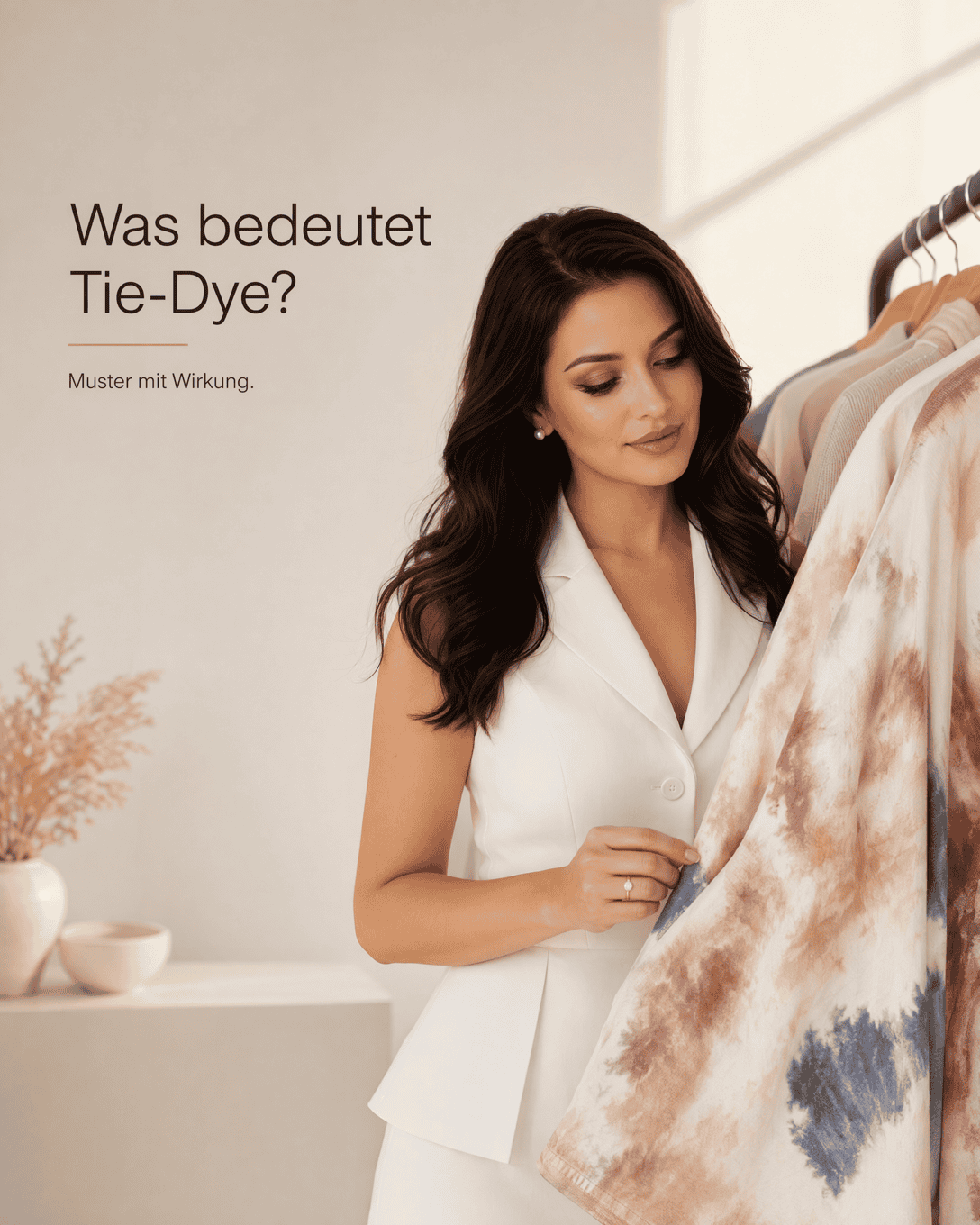
Tie-Dye Tie-dye is a resist-dyeing technique in which fabric is tied, folded, twisted, or bound before dye is applied to create irregular patterns.
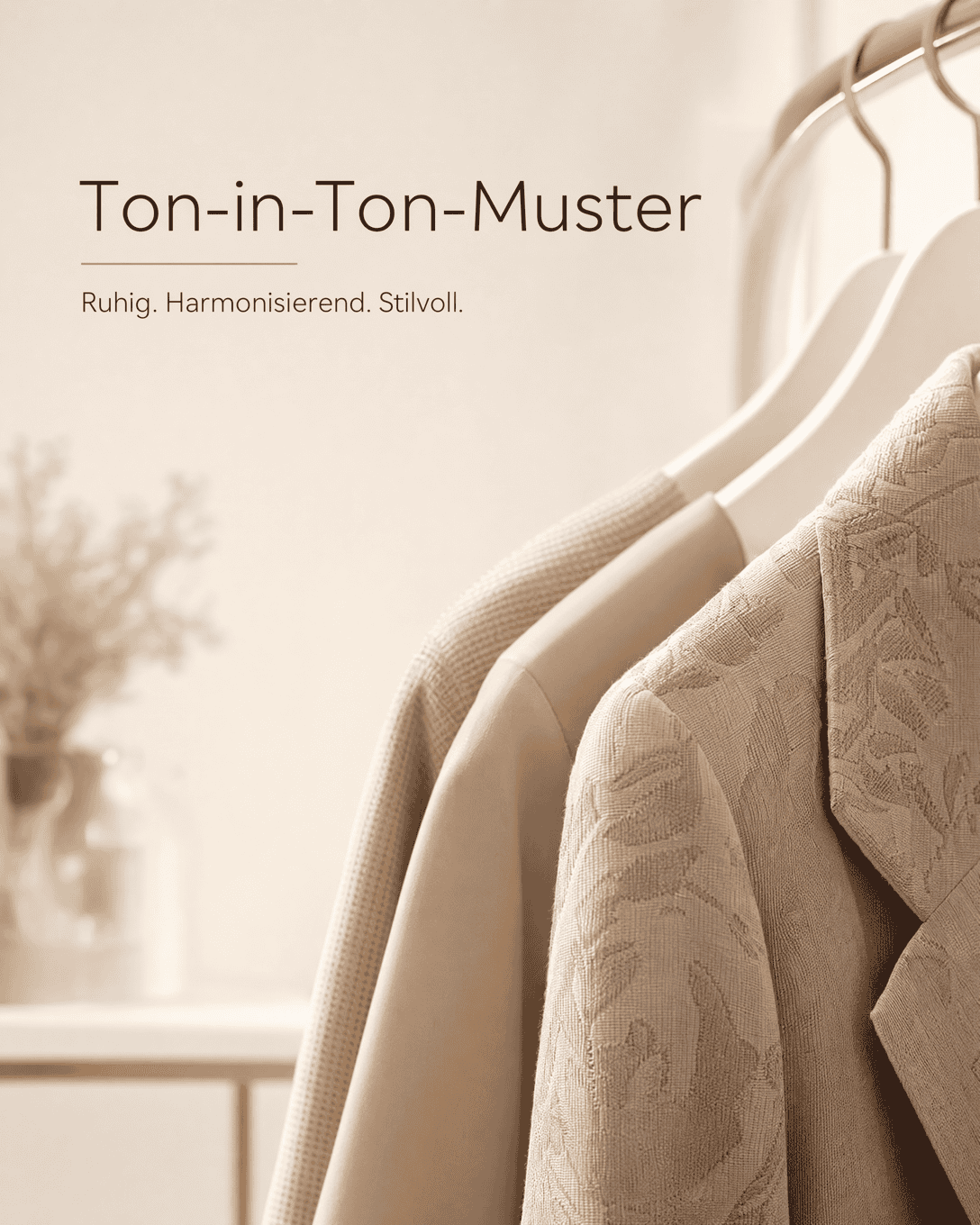
Tonal Pattern A tonal pattern uses closely related shades of one color or color family to create a subtle, low-contrast design. Learn how tonal patterns affect outfit harmony, texture, and styling.
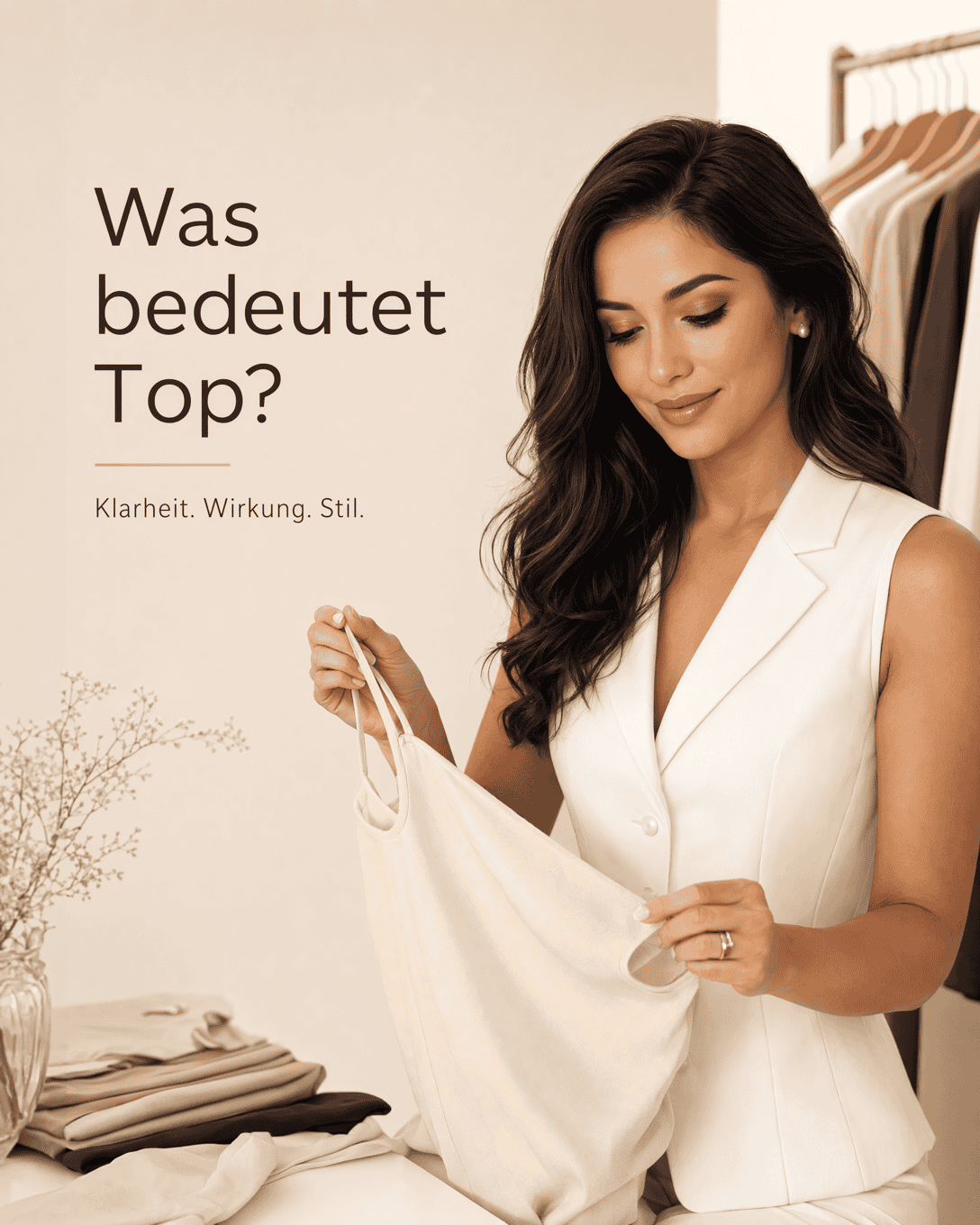
Top A top is a general term for an upper-body garment, from a T-shirt or tank top to a blouse, camisole, or dressy evening top.
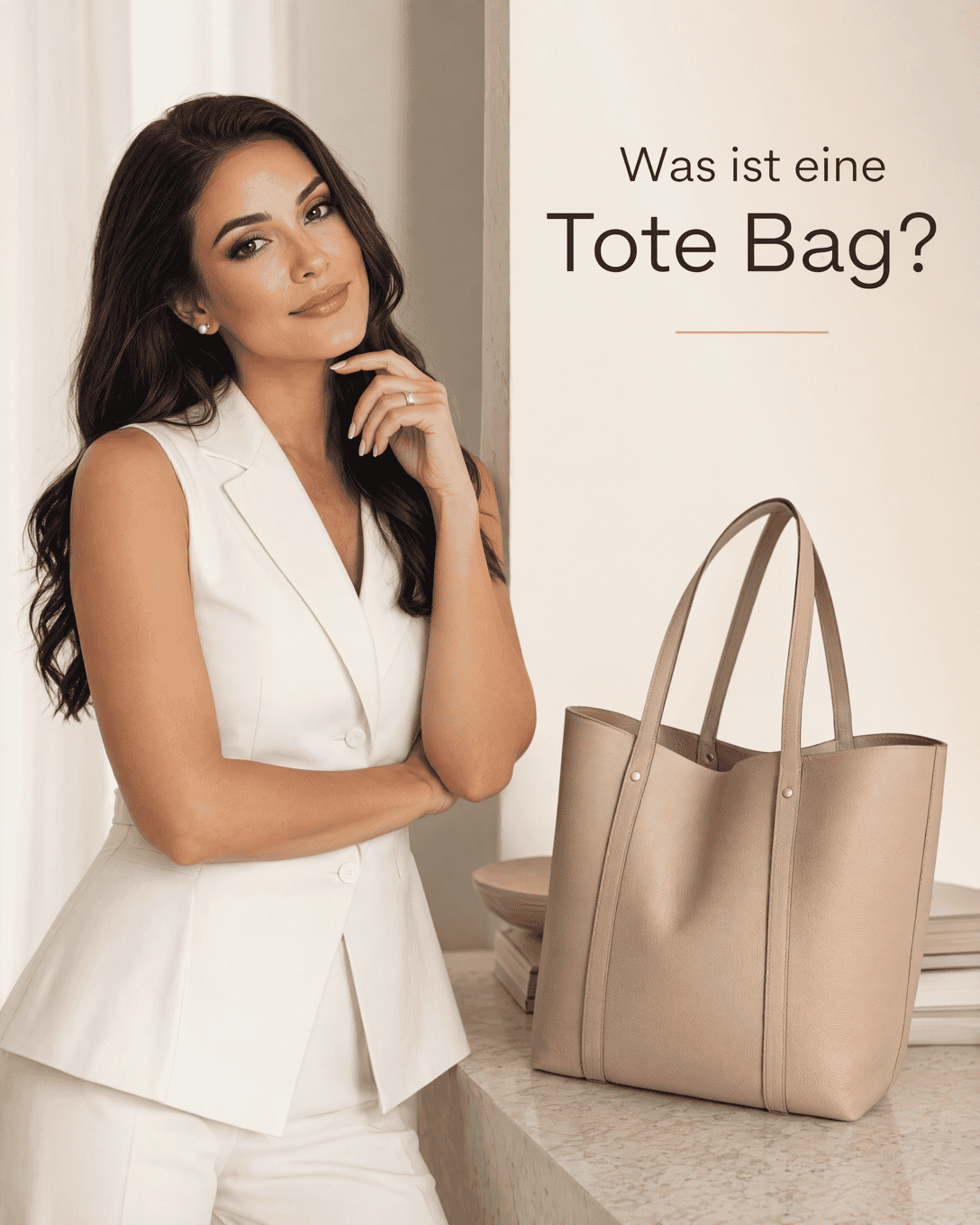
Tote Bag A tote bag is a large, open-top bag with two handles, designed to carry everyday essentials. Learn how tote bags differ from shoppers and how to choose one for work, travel, and daily outfits.
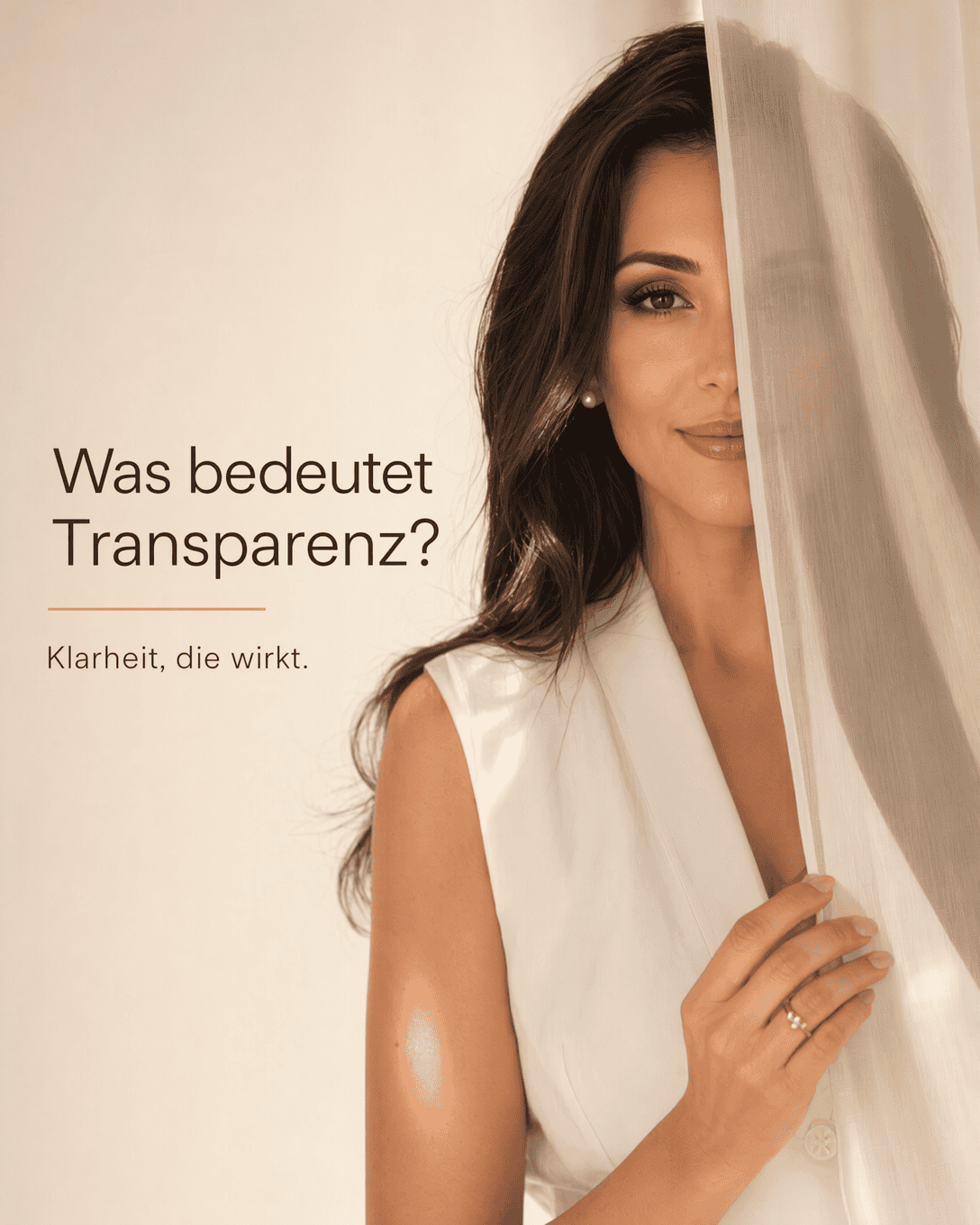
Transparency Transparency describes how much light passes through a fabric and how visible the skin, underwear, or layers beneath it are.
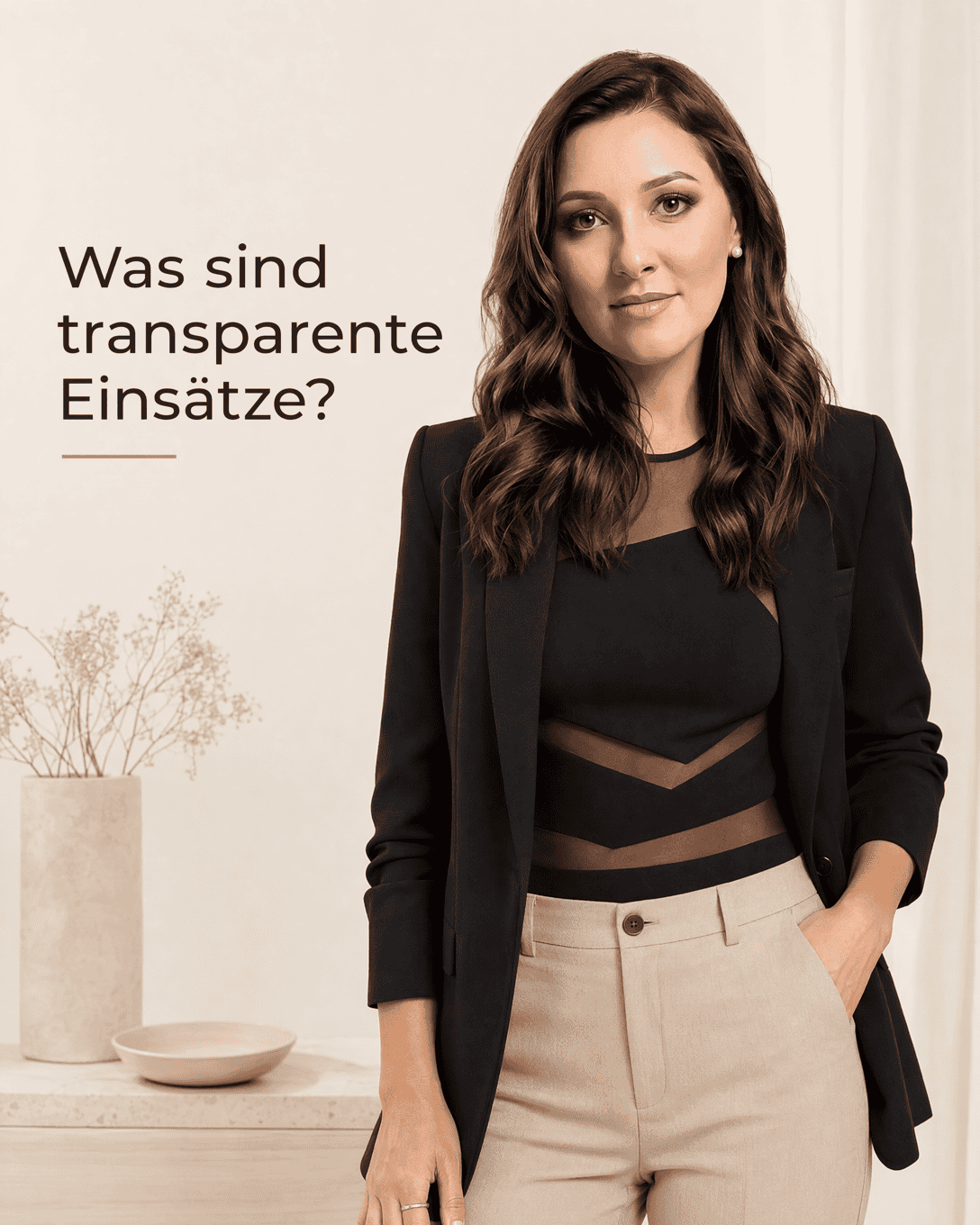
Transparent Panels Transparent panels are sheer or semi-sheer sections inserted into clothing to create controlled visibility, contrast, or lighter visual structure. Learn how to assess coverage, fit, layering, and occasion appropriateness.
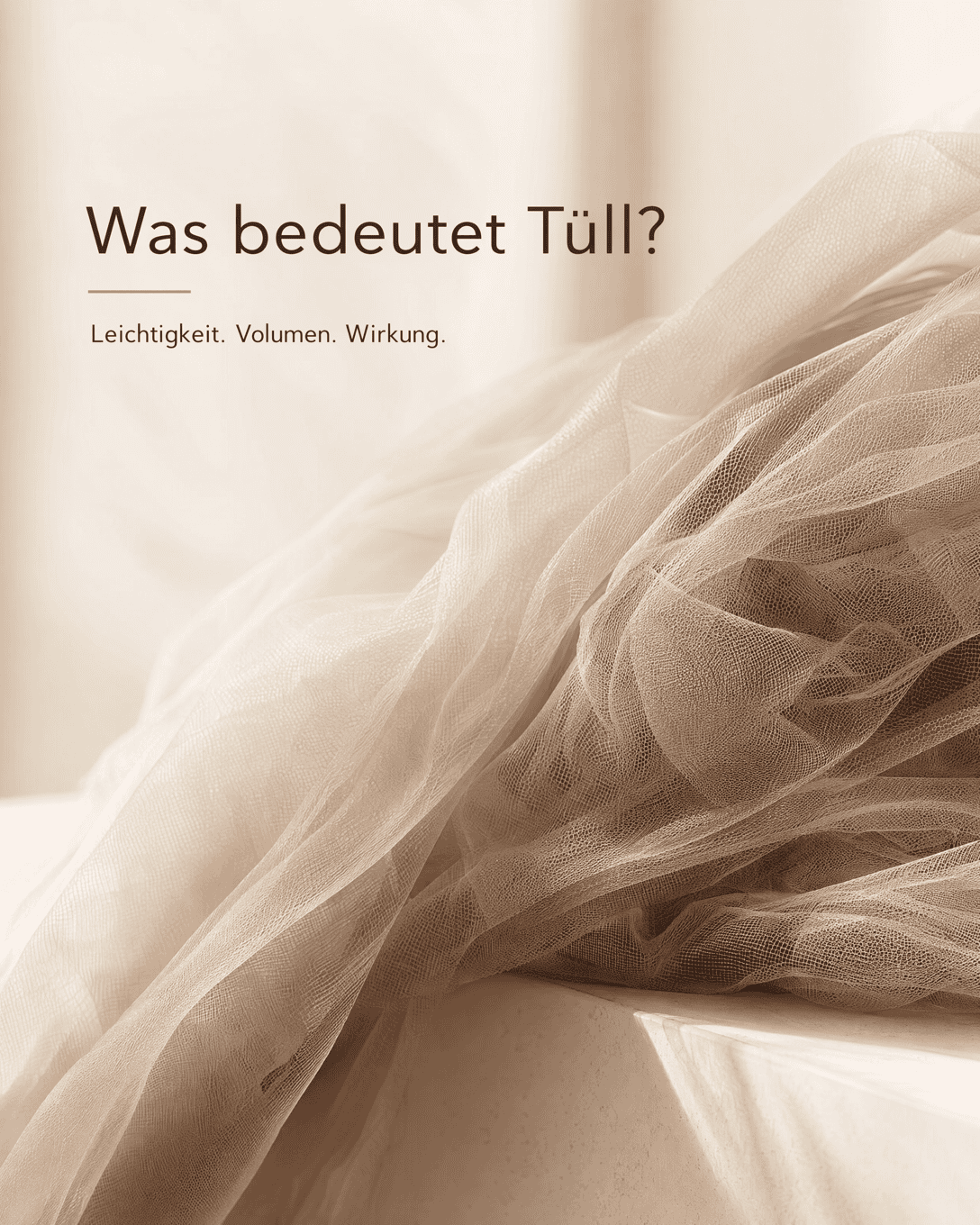
Tulle Tulle is a lightweight, open net fabric often used for veils, skirts, dresses, and decorative layers. Learn how tulle affects transparency, volume, movement, and outfit styling.
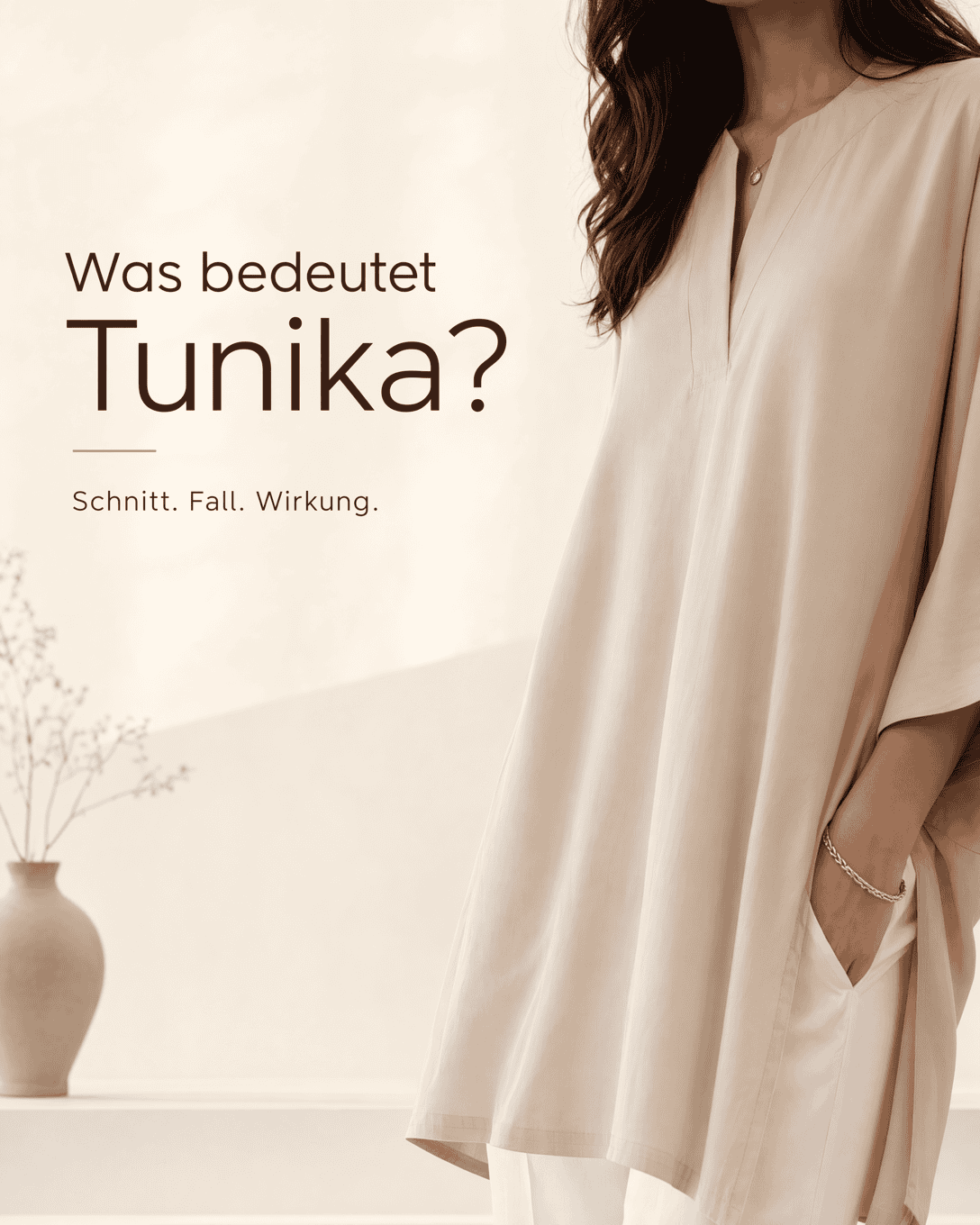
Tunic A tunic is a loose, longer top or short dress that usually falls below the hips. Learn how tunics fit, how to style them, and what to consider when choosing a length and silhouette.
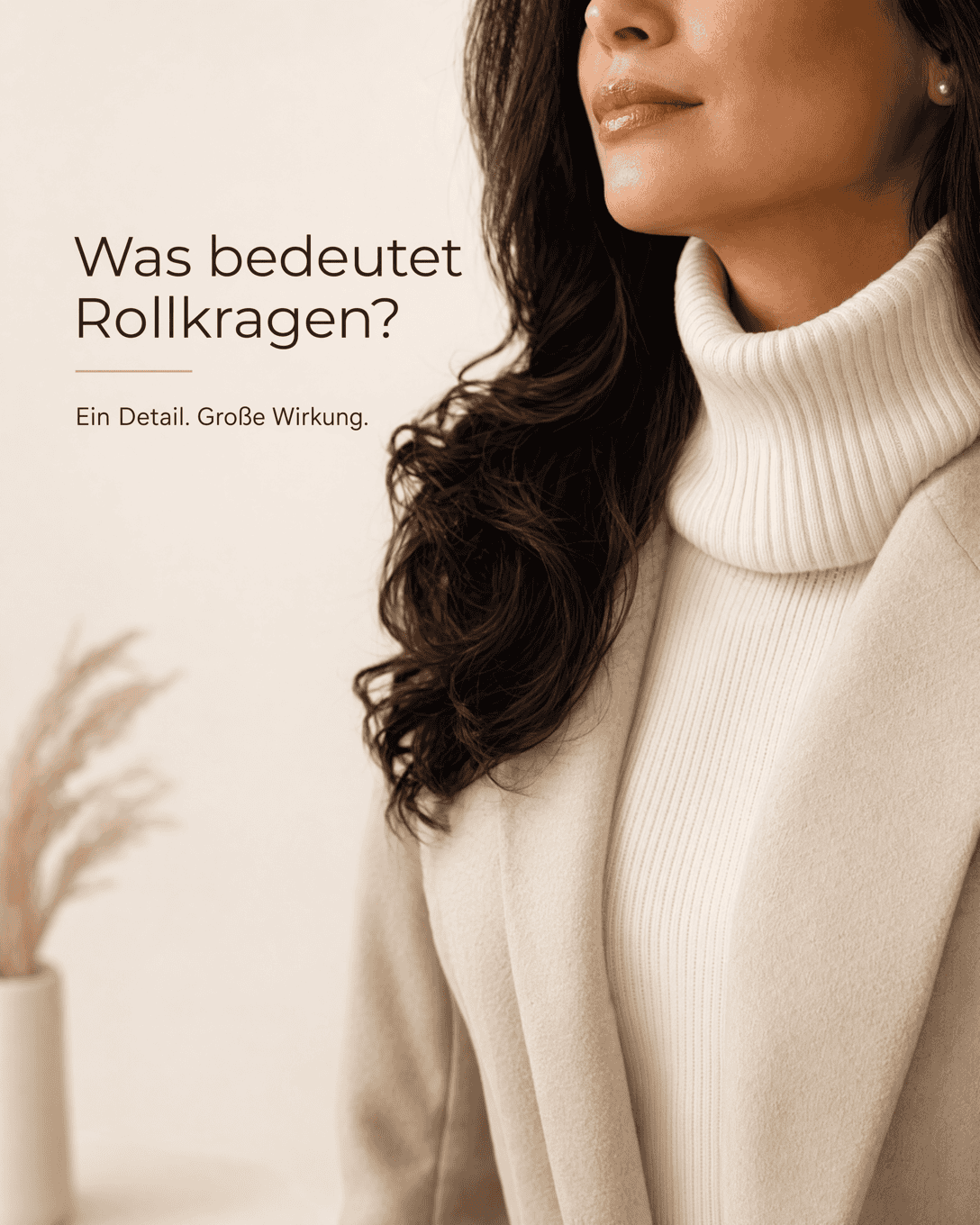
Turtleneck A turtleneck is a high, close-fitting collar that covers the neck and may be folded over. Learn how turtleneck necklines affect warmth, proportion, and outfit styling.
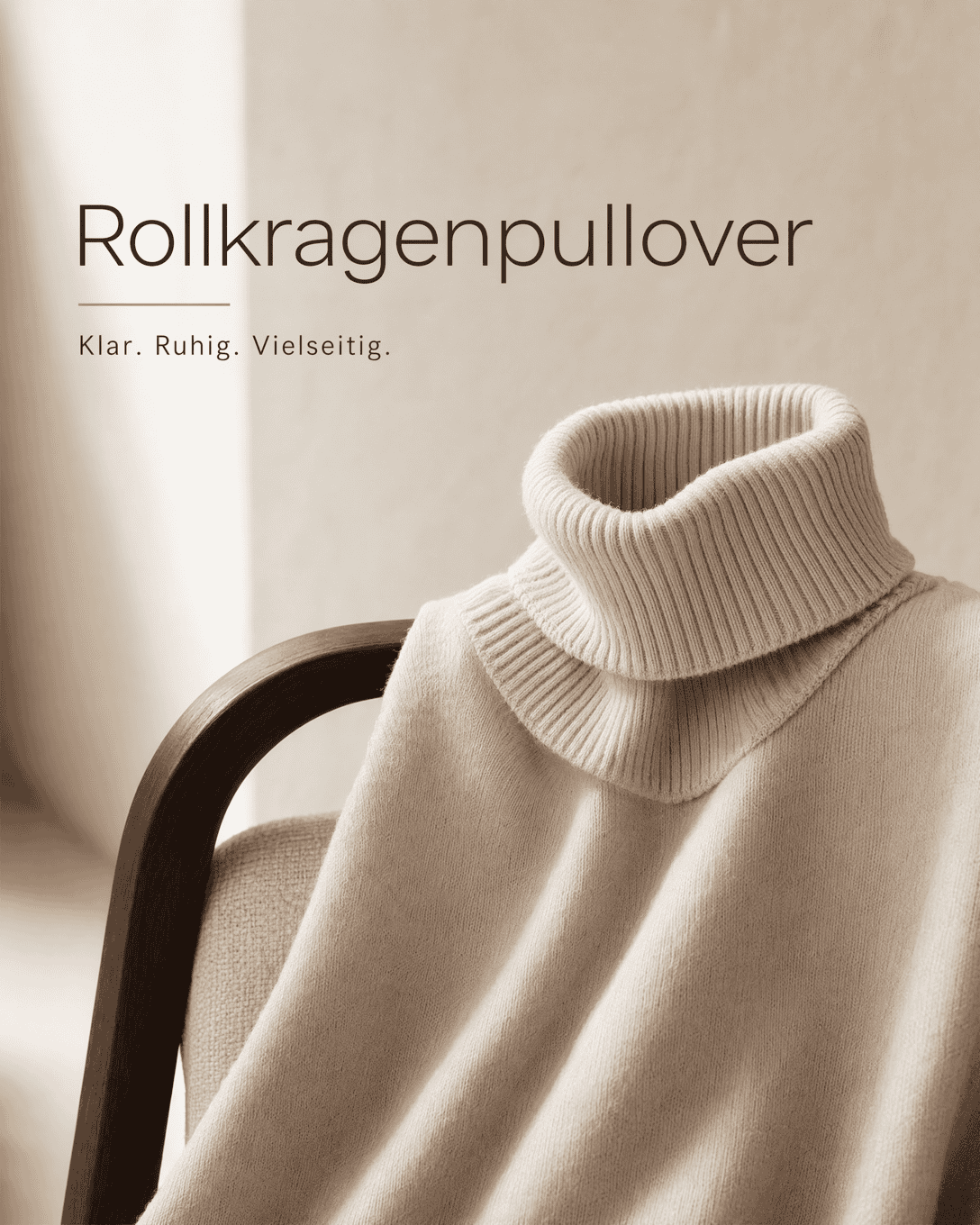
Turtleneck Sweater A turtleneck sweater is a knitted sweater with a high collar that covers or closely frames the neck. Learn how turtleneck sweaters affect warmth, proportion, face framing, and everyday outfit styling.
Tweed Tweed is a textured woven fabric, traditionally associated with wool, valued for its warmth, durability, and richly structured appearance in jackets, coats, skirts, and suits.
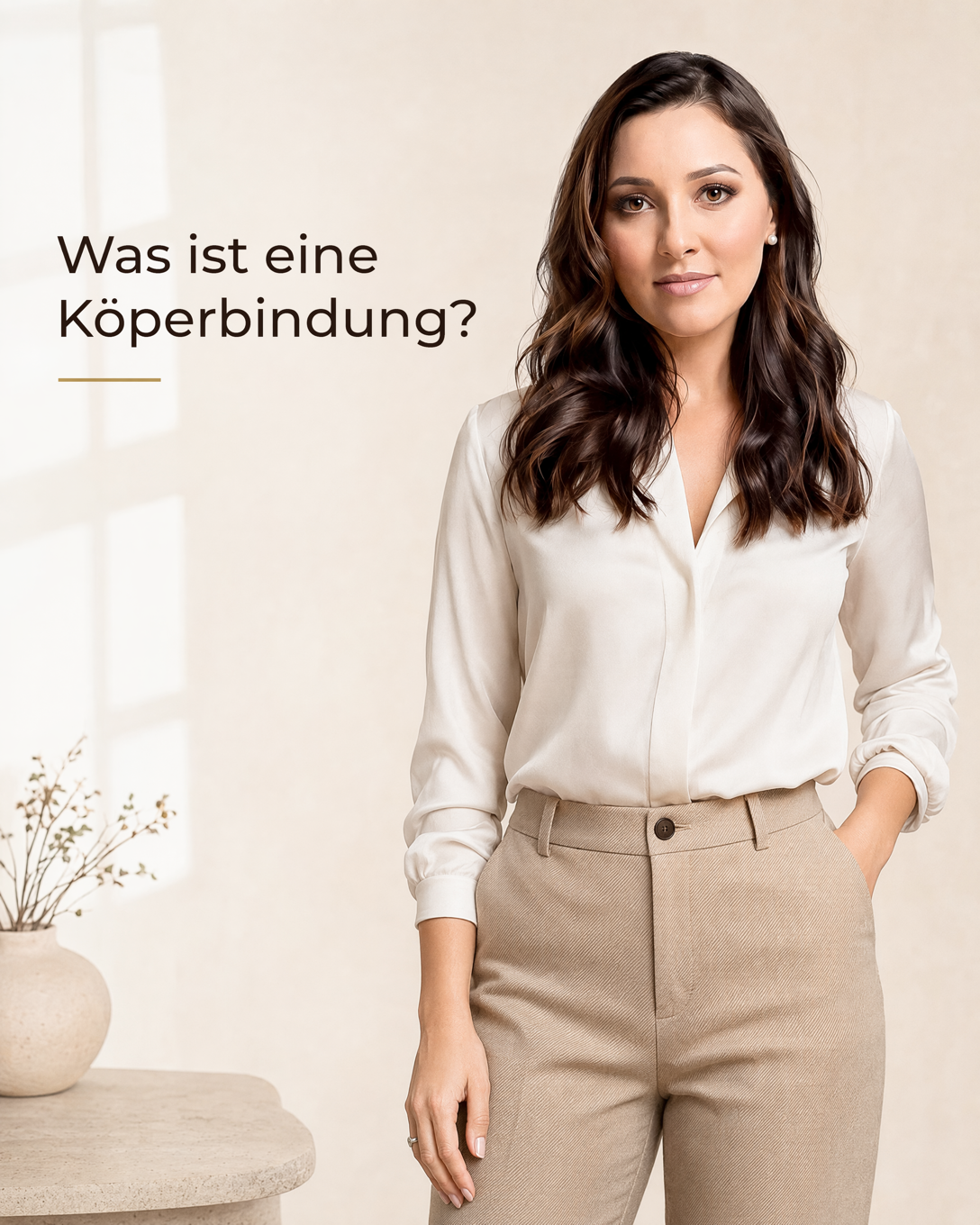
Twill Twill weave is a basic woven fabric structure recognized by its diagonal ribs. It is valued for its durable character, textured surface, and often fluid drape.
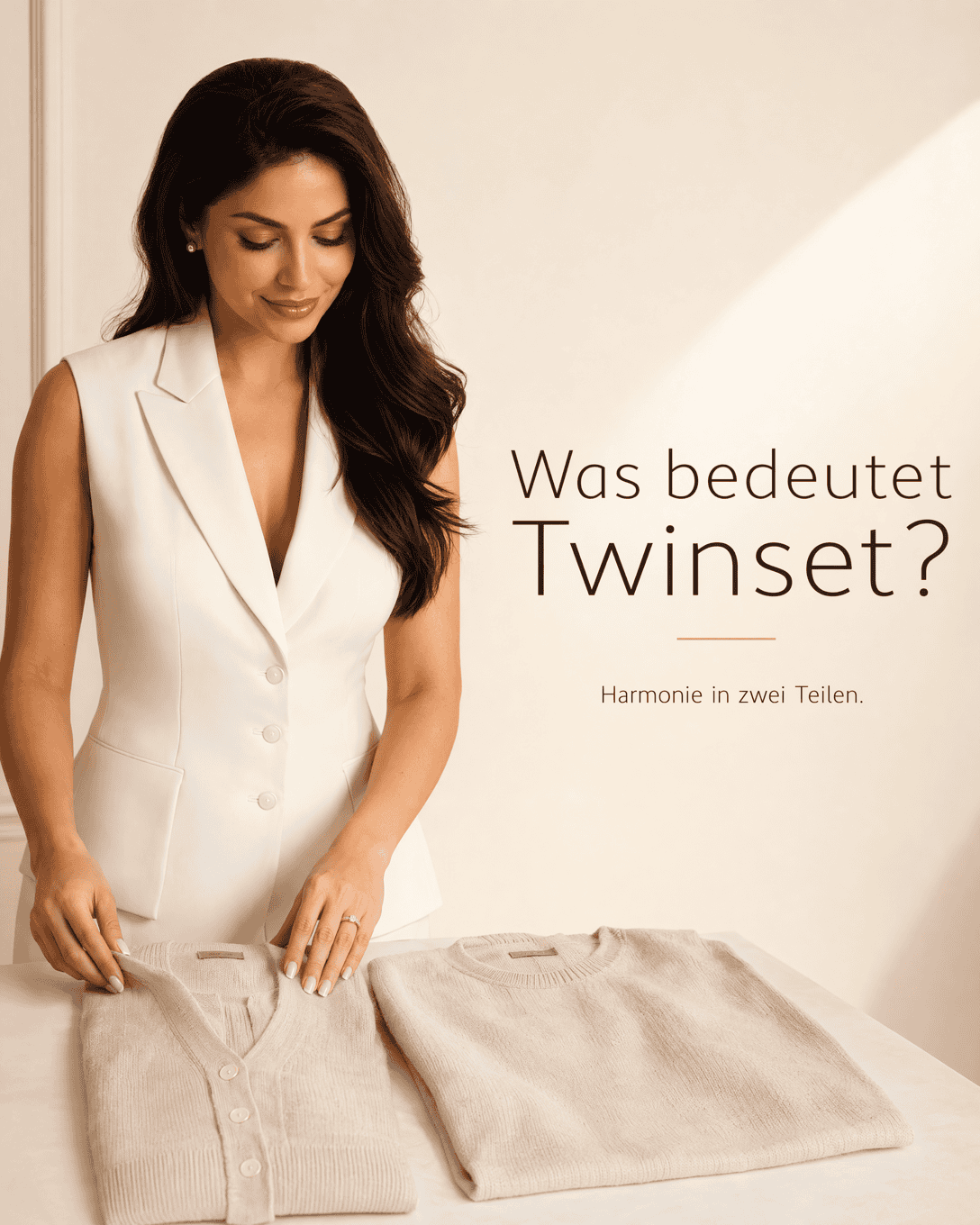
Twinset A twinset is a coordinated knitwear pairing, traditionally a cardigan worn over a matching short sleeved sweater or shell.
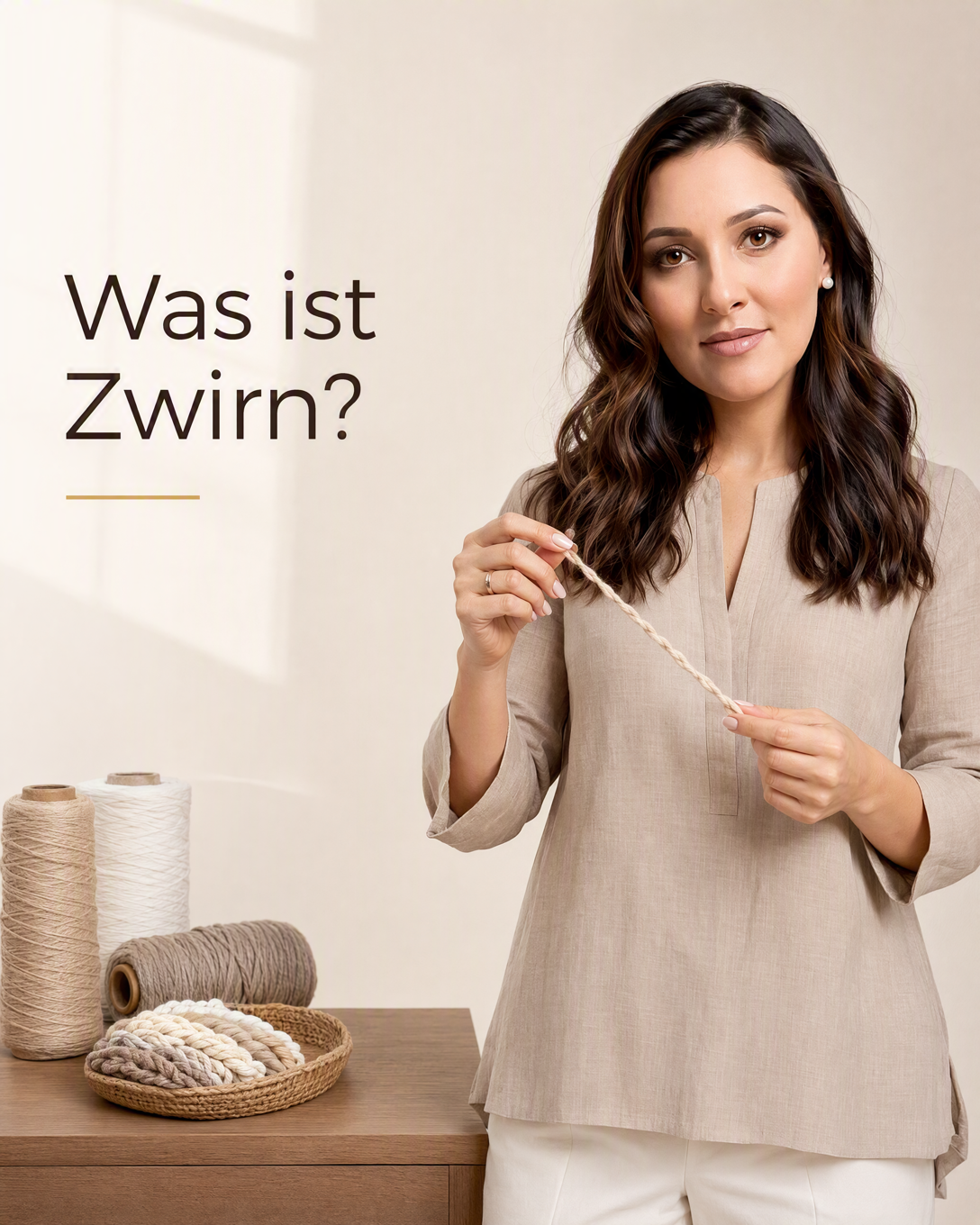
Twisted Yarn Twisted yarn, also called ply yarn, is made by twisting two or more individual yarns together. It can create a stronger, more even, or more decorative yarn for clothing and textiles.
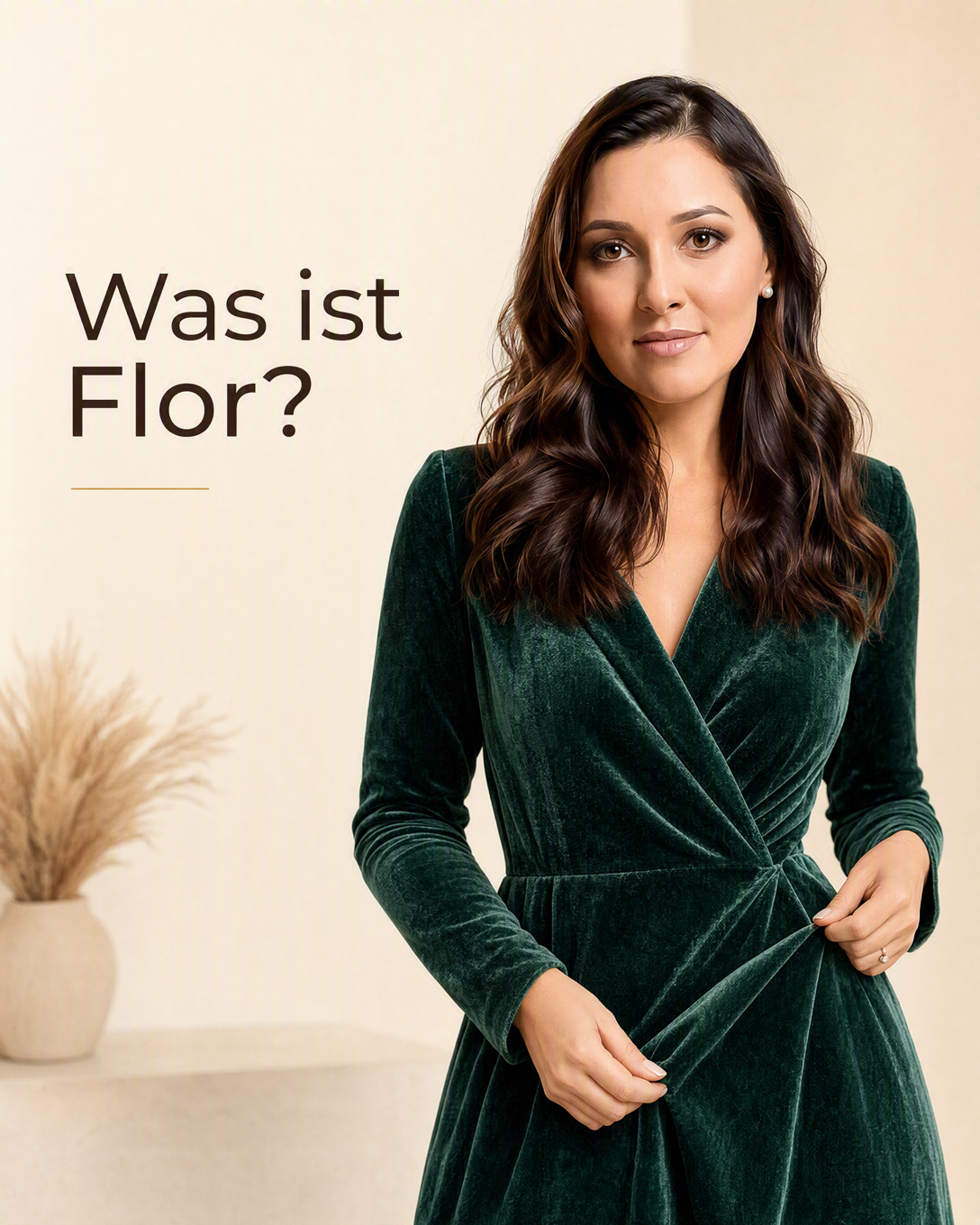
Velvet Velvet is a fabric with a dense, soft pile that creates a rich surface, changing sheen, and tactile depth in clothing and accessories.
Vertical Stripes Vertical stripes are lines or stripe patterns that run from top to bottom on a garment. They create direction in an outfit and can influence perceived length, width, proportion, and visual focus.
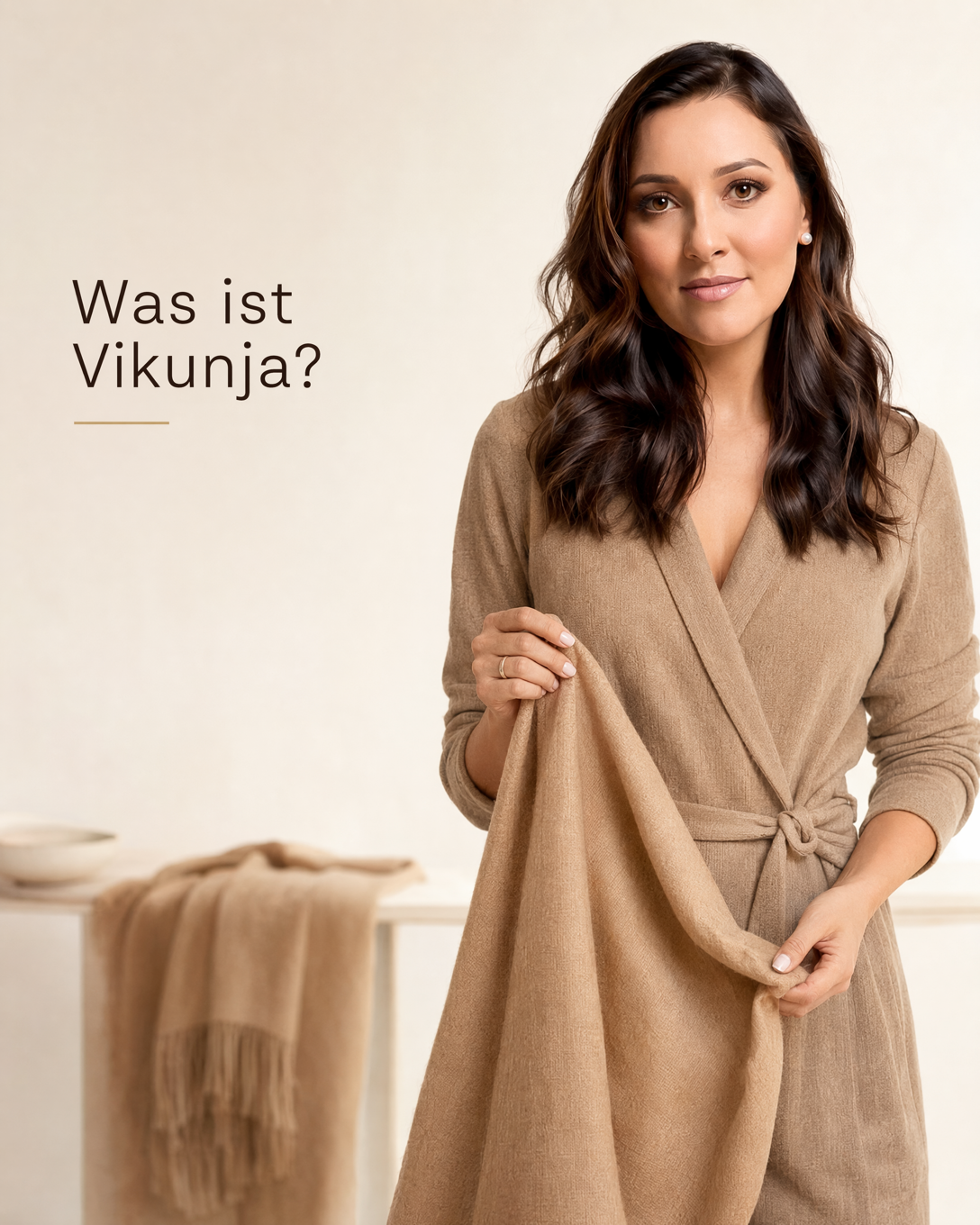
Vicuña Wool Vicuña wool is an exceptionally fine and rare luxury fiber collected from the fleece of the South American vicuña. It is valued for its remarkable softness, light warmth, and limited availability.
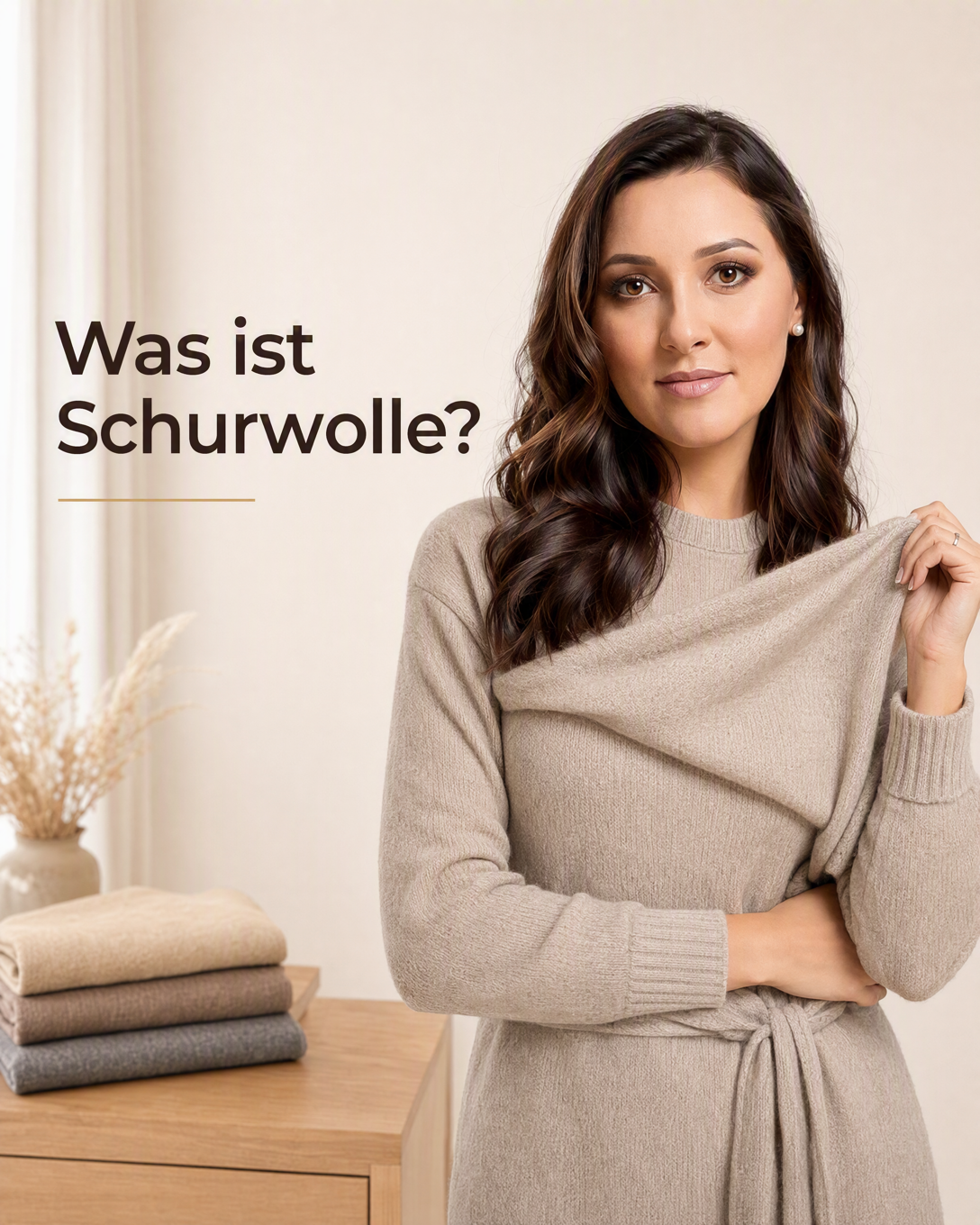
Virgin Wool Virgin wool is new wool made from fibers shorn from living sheep and processed for textile use for the first time. It is not made from reclaimed or recycled wool fibers.
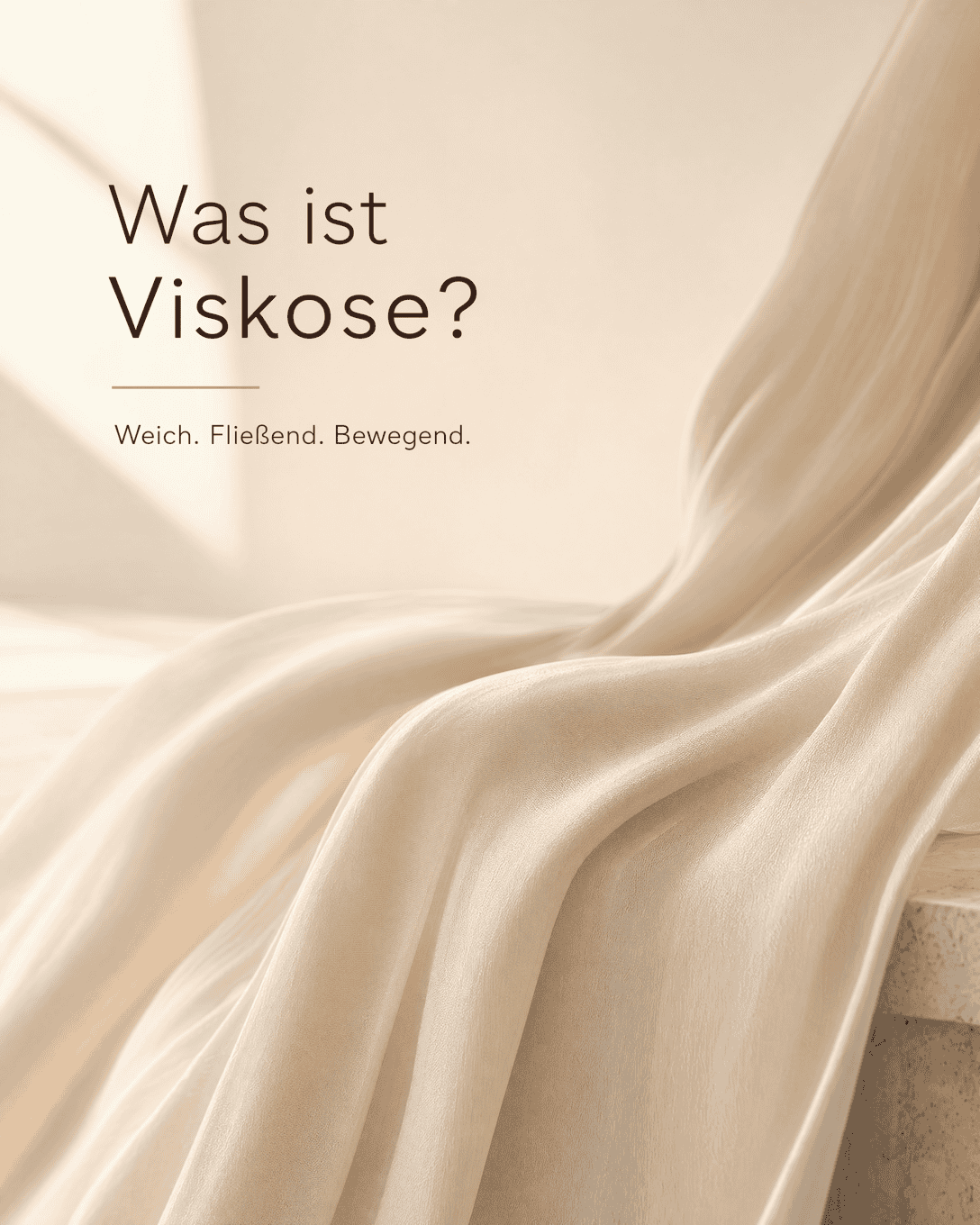
Viscose Viscose is a regenerated cellulose fiber known for its soft feel, fluid drape, and versatile use in dresses, blouses, trousers, and knitwear.
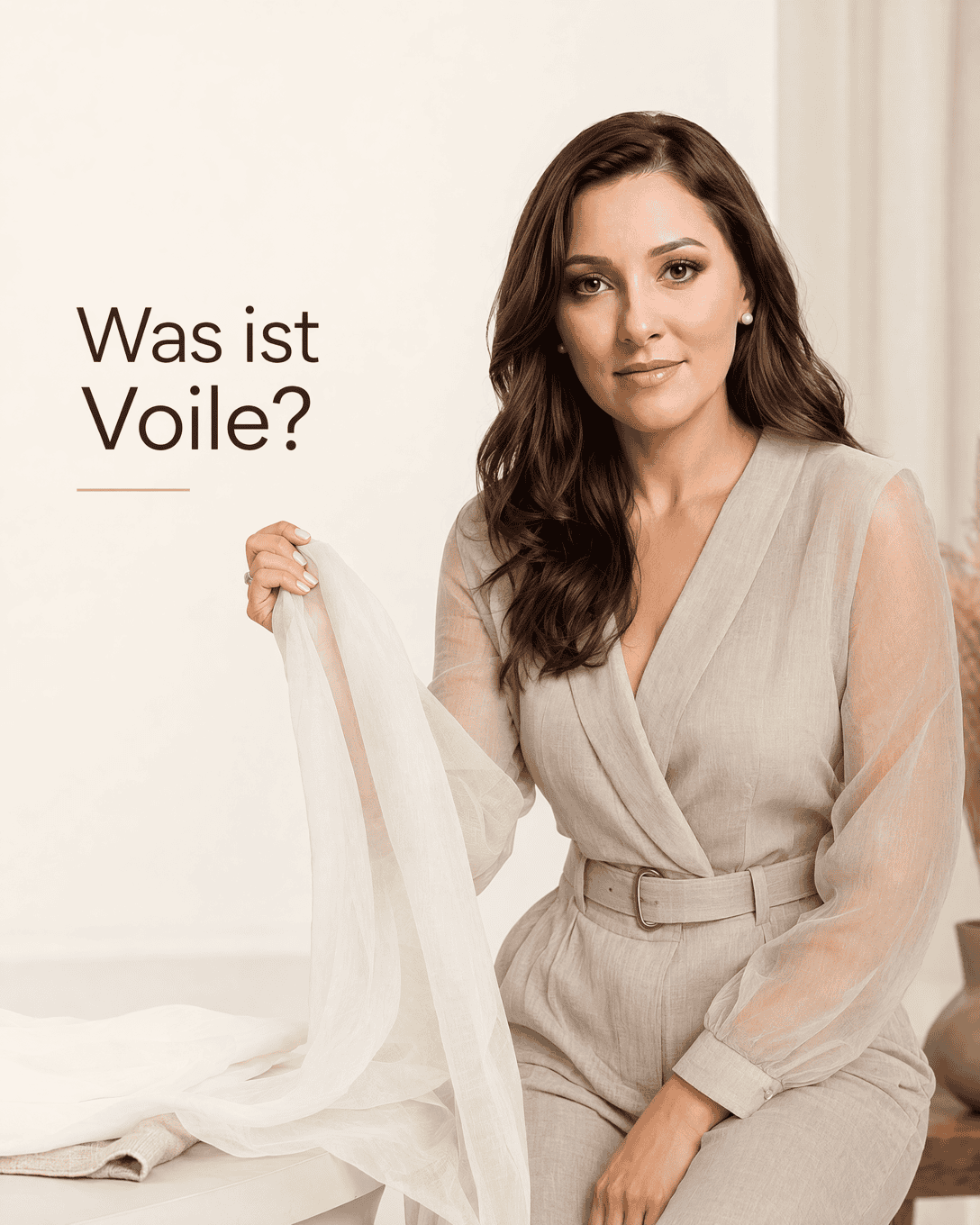
Voile Voile is a lightweight, plain-woven fabric with an airy, often semi-sheer appearance. Learn how voile feels, where it is used, how it differs from chiffon and organza, and what to consider before buying.
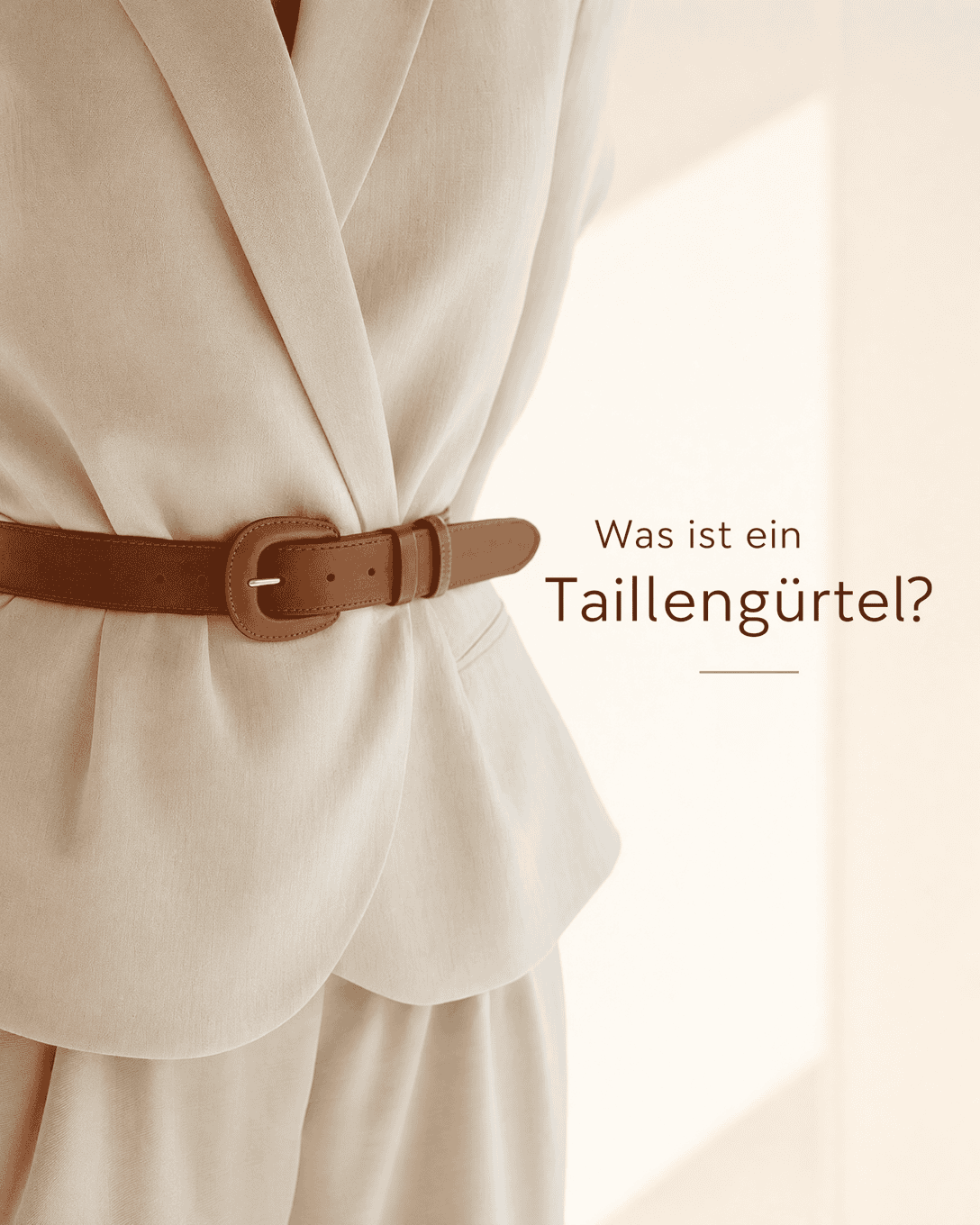
Waist Belt A waist belt is a belt worn at or near the waist to define the waistline, shape proportions, and add a deliberate styling accent to an outfit.
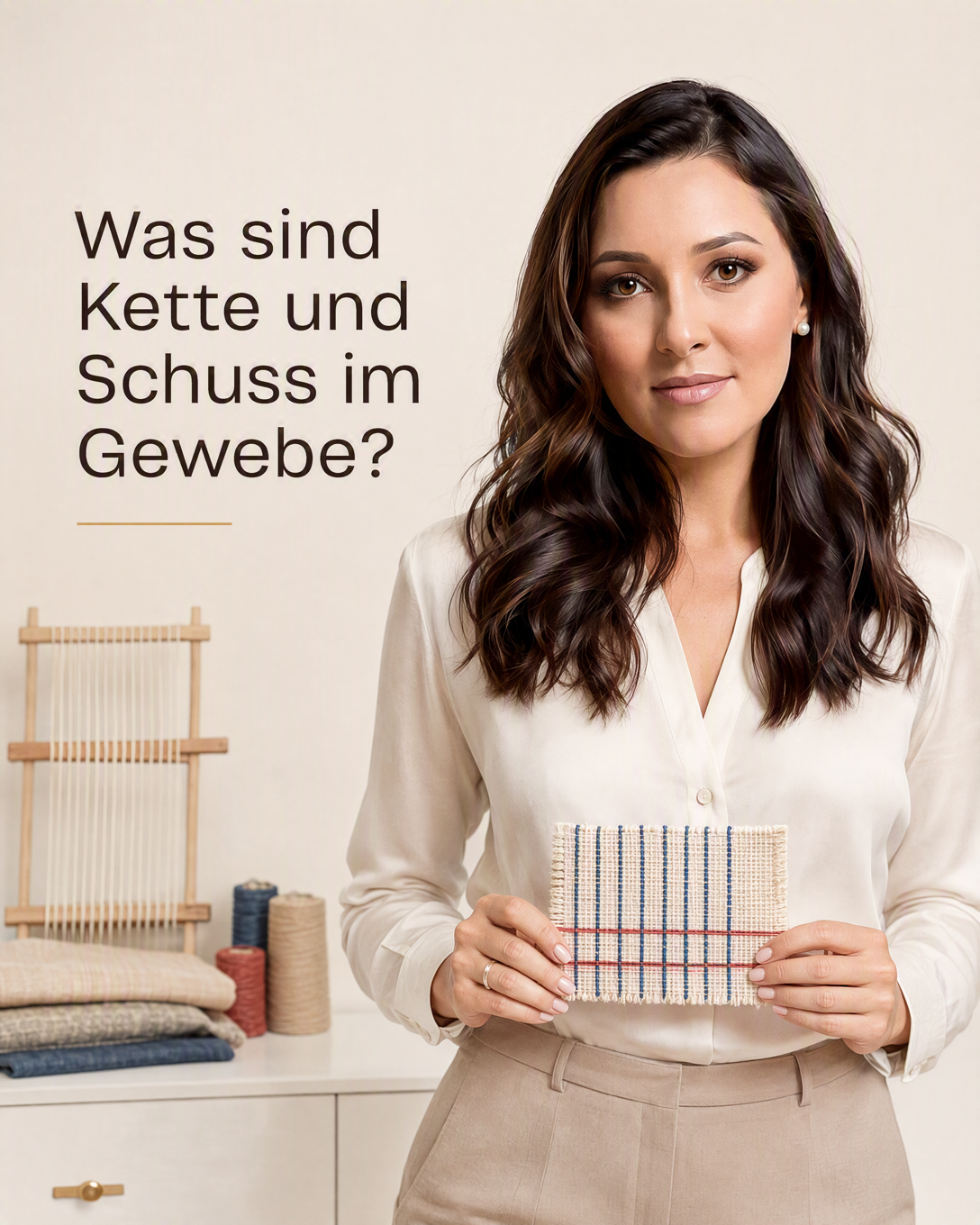
Warp and Weft Warp and weft are the lengthwise and crosswise yarns that interlace to form woven fabric. Understanding them helps you assess grain, drape, stability, stretch, and garment construction.
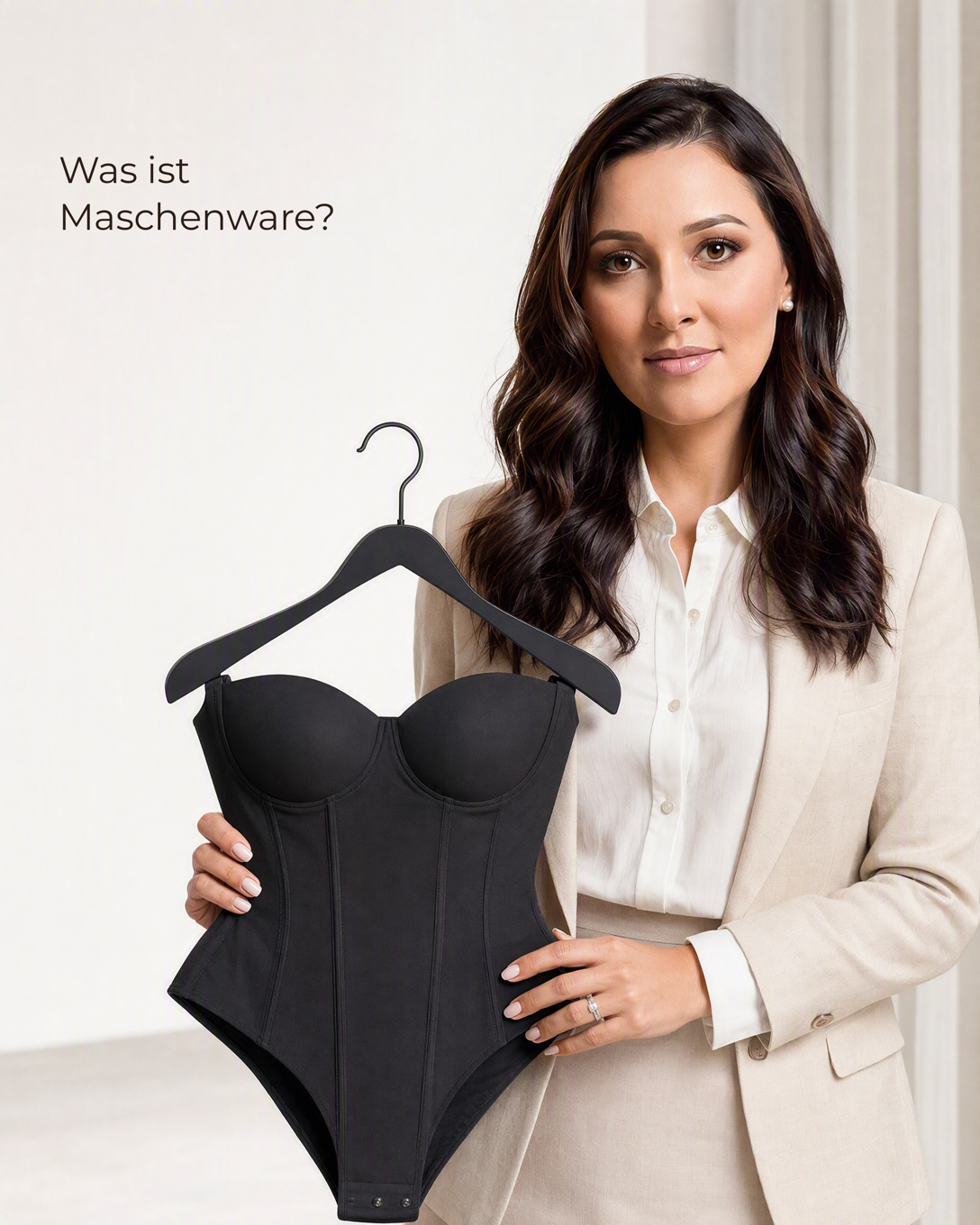
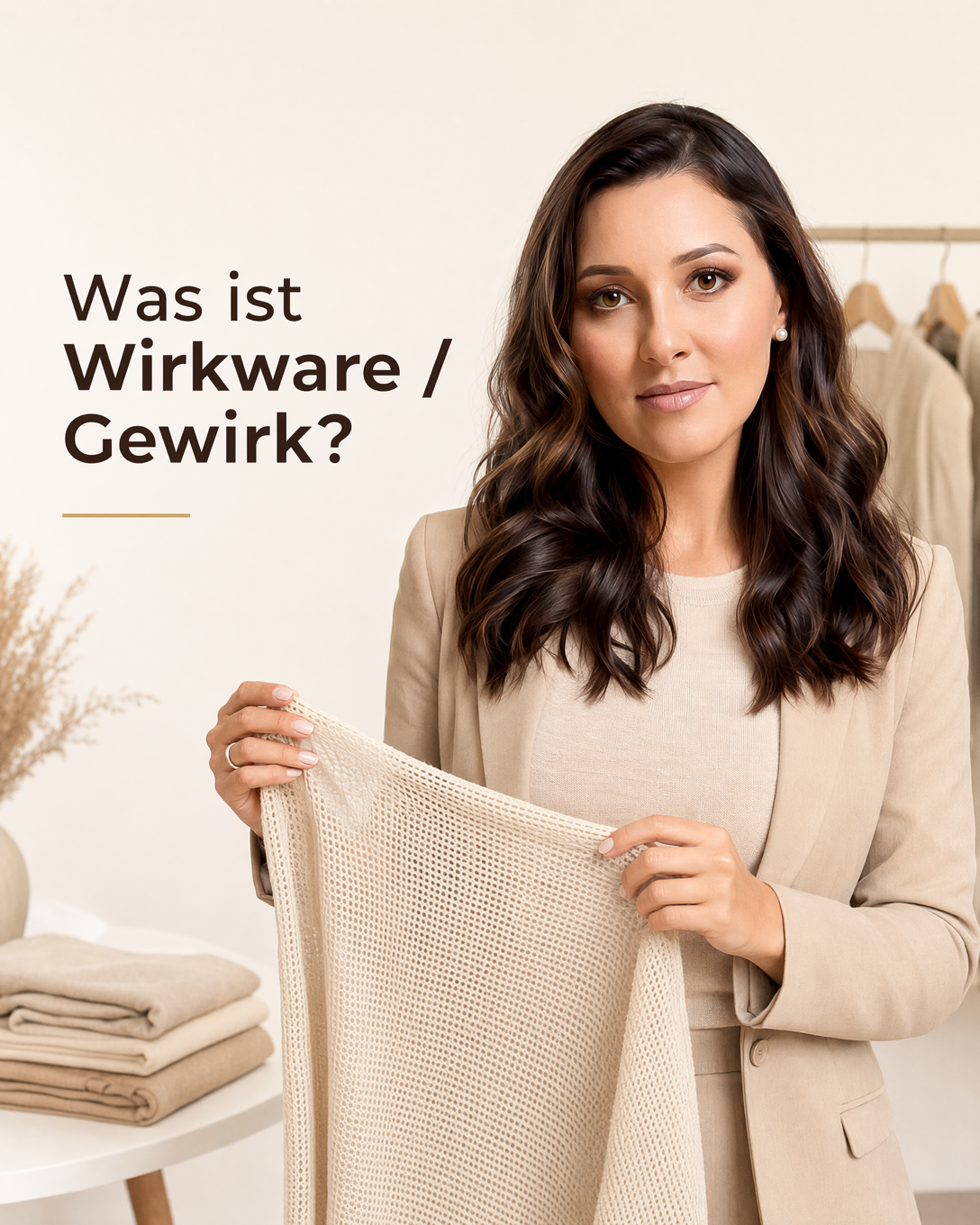
Warp Knit Fabric Warp knit fabric, known in German as Wirkware or Gewirk, is a machine-made looped textile formed from several yarns working simultaneously. It is often stable in shape and can be more resistant to runs than many weft-knit fabrics.
Watch A watch is a timepiece worn on the wrist that also functions as a styling accessory. Its size, strap, material, color, and finish can shape the formality and overall impression of an outfit.
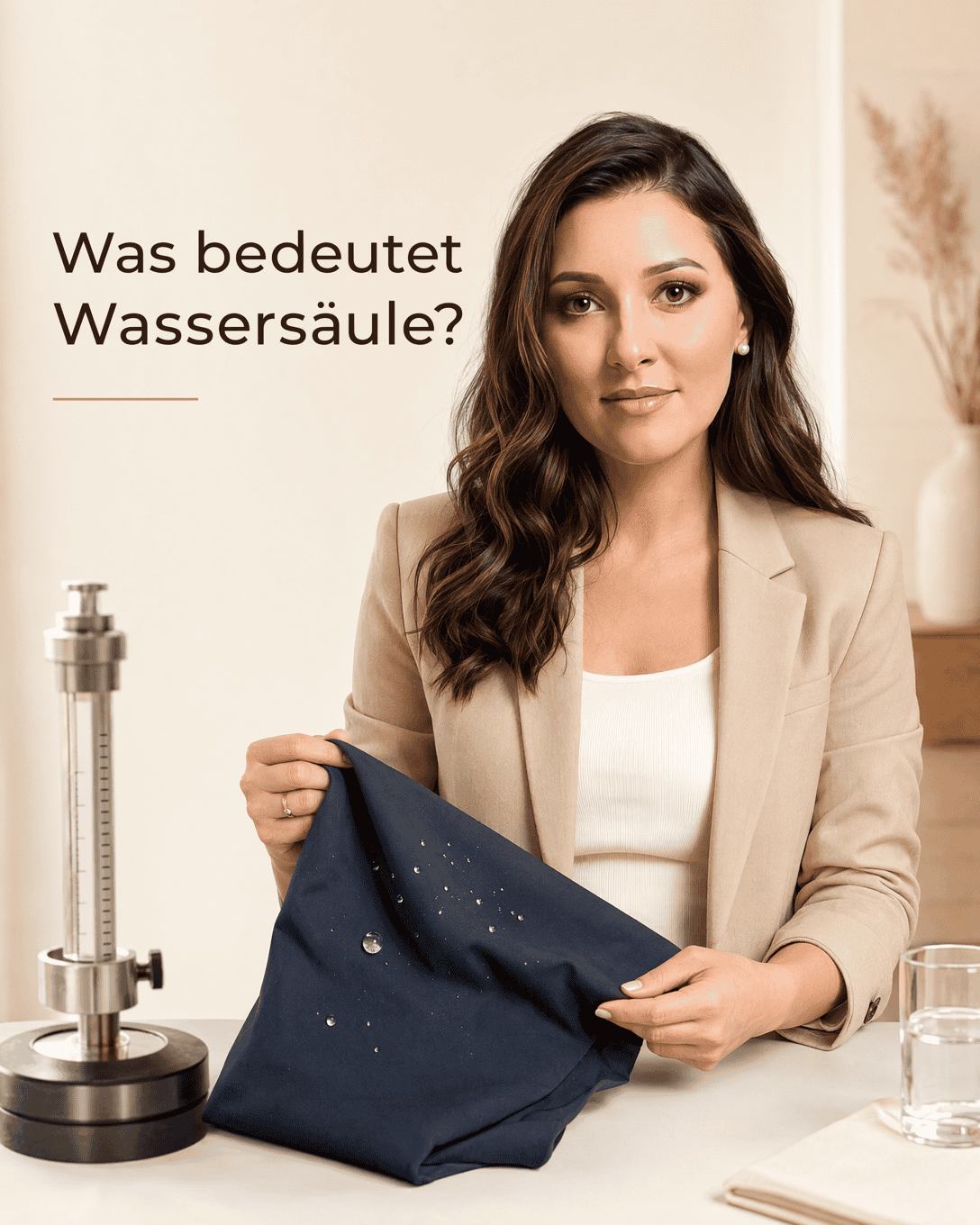
Water Column Water column, also called hydrostatic head, measures how much water pressure a fabric can resist before moisture penetrates. It helps you compare rainwear, outdoor jackets, and waterproof garments realistically.
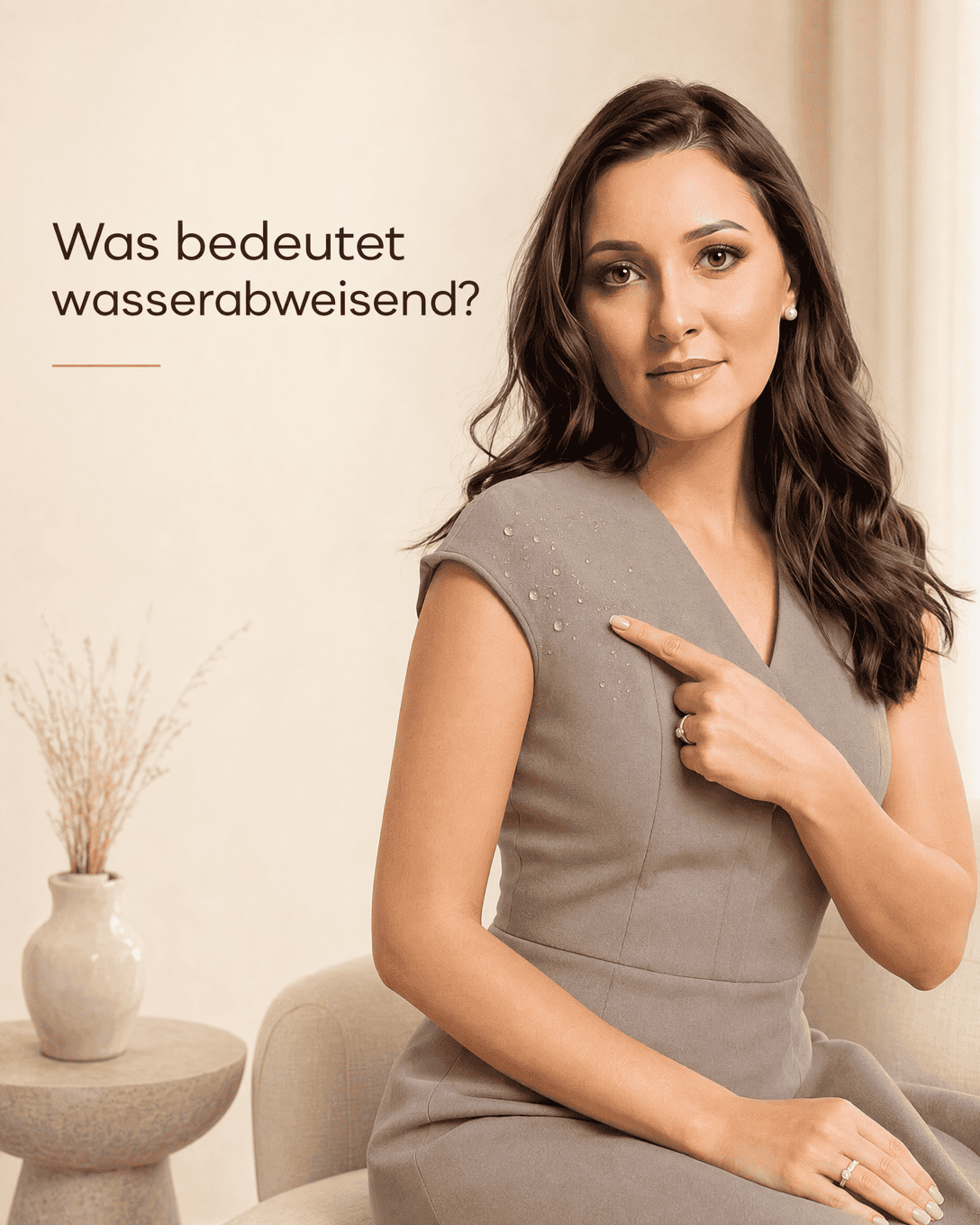
Water-Repellent Water-repellent describes a fabric or finish that causes light rain and moisture to bead up and run off the surface. Learn how it differs from waterproof clothing and what to check before buying.
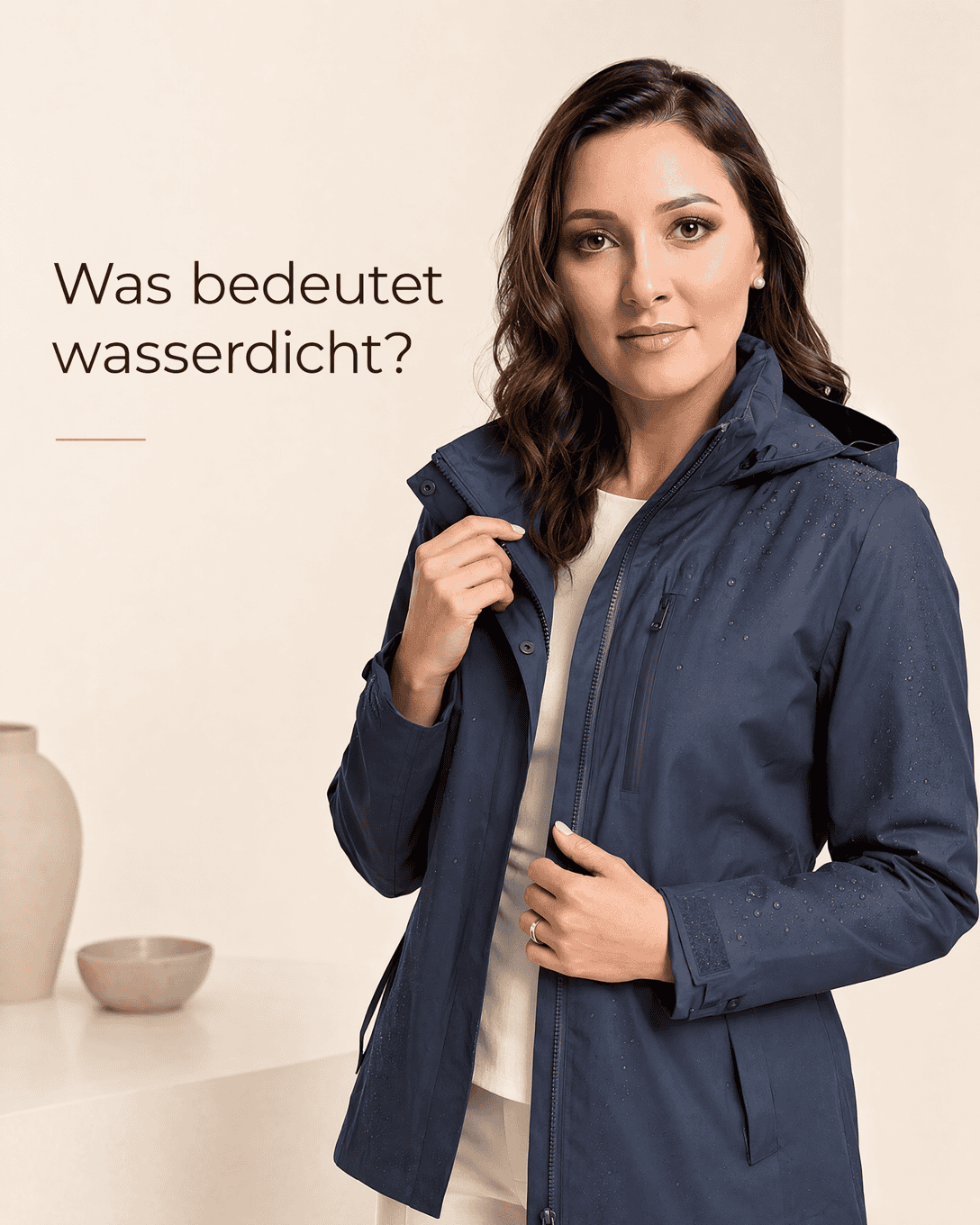
Waterproof Waterproof describes clothing and footwear designed to prevent water from passing through under defined conditions. Learn how to assess waterproof materials, construction, care, and everyday use.
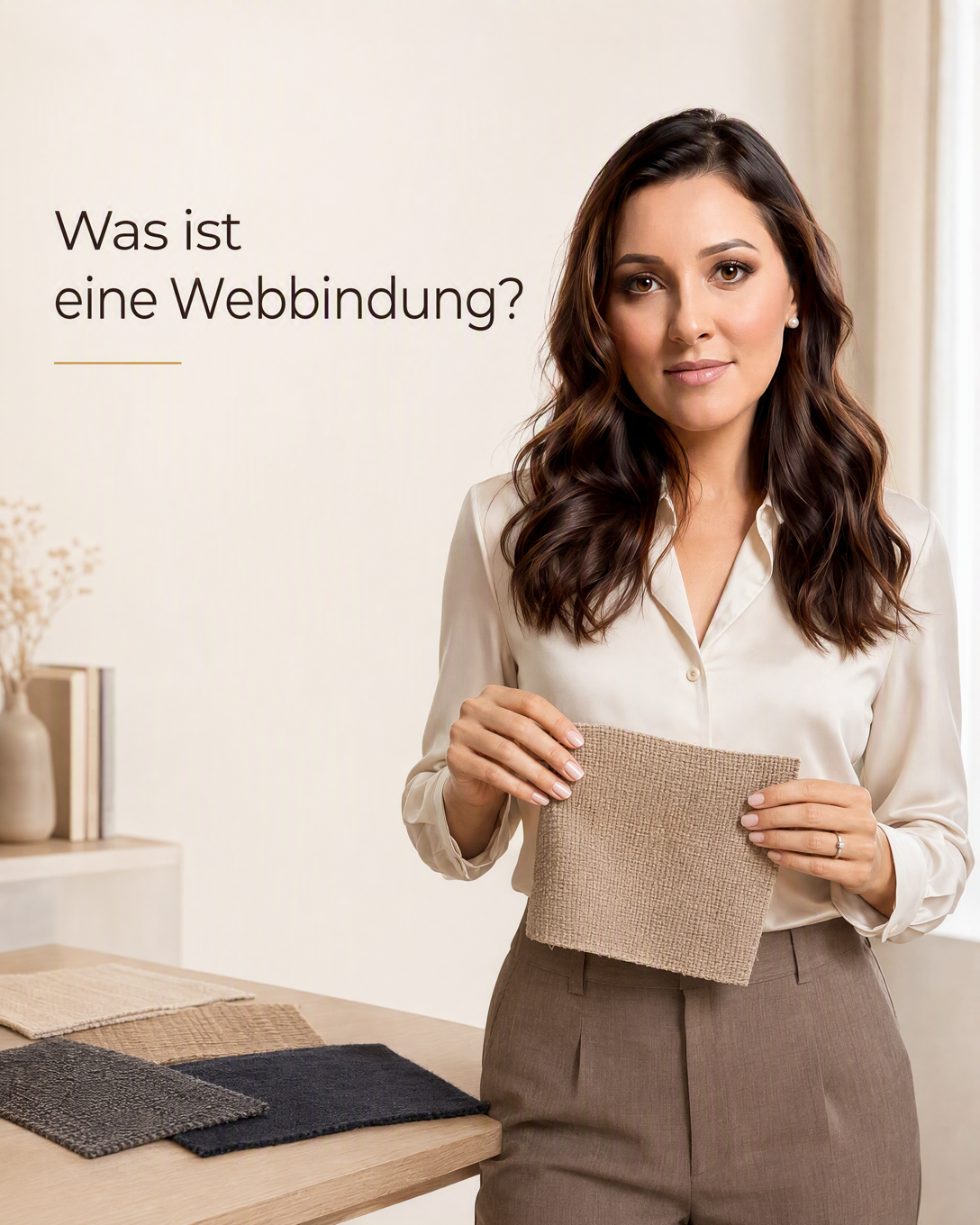
Weave Structure Weave structure describes how warp and weft threads interlace in a woven fabric. It shapes the fabric’s surface, strength, drape, stretch, and visual character.
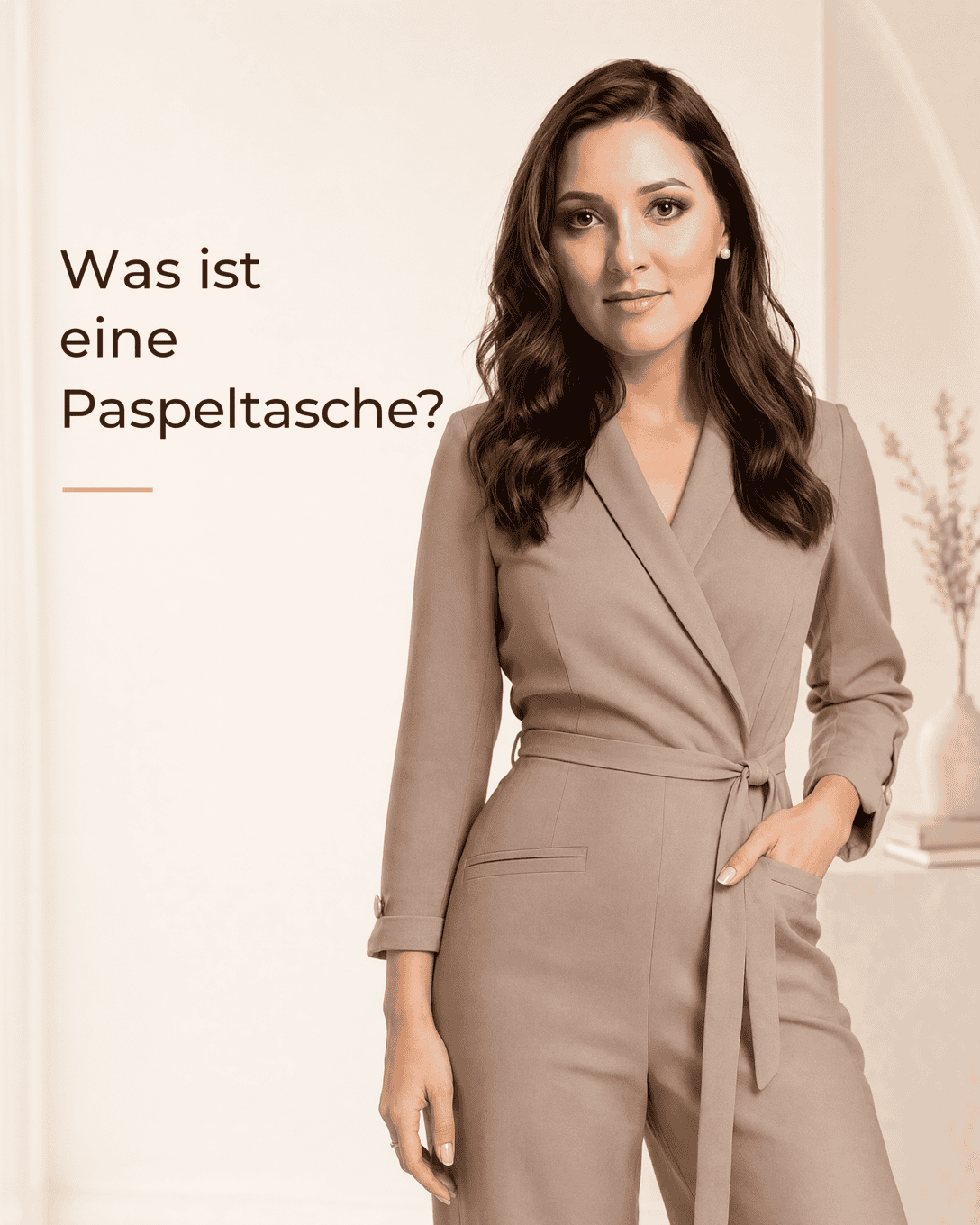
Welt Pocket A welt pocket is a flat, tailored pocket finished with narrow fabric strips at the opening. Learn how to identify welt pockets, where they are used, and what they reveal about garment construction.
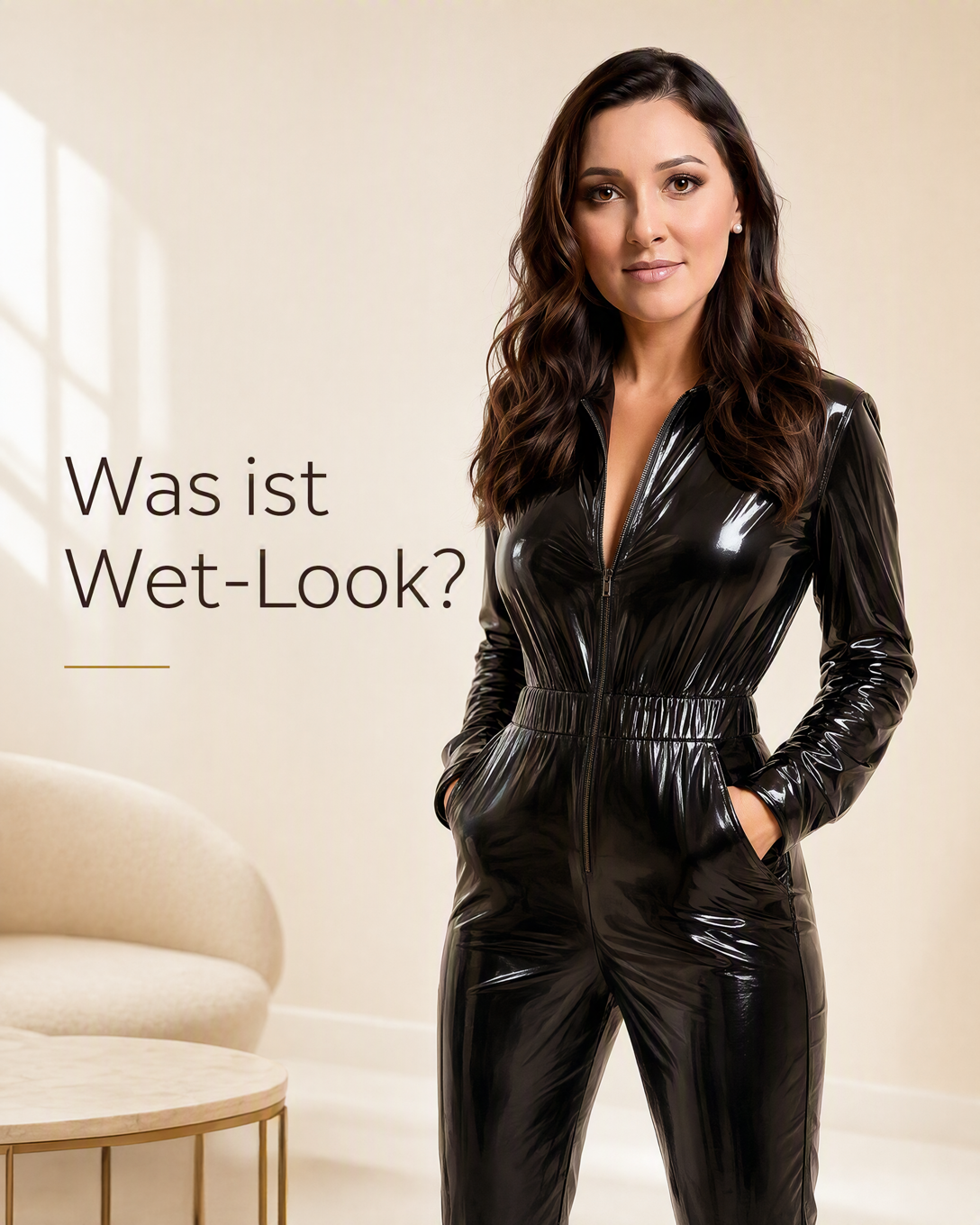
Wet Look Wet look is a high-shine fashion finish that makes materials such as vinyl, patent-style surfaces, or coated fabrics appear glossy and freshly wet. It creates a bold, sensual, high-impact effect in clothing, shoes, and accessories.
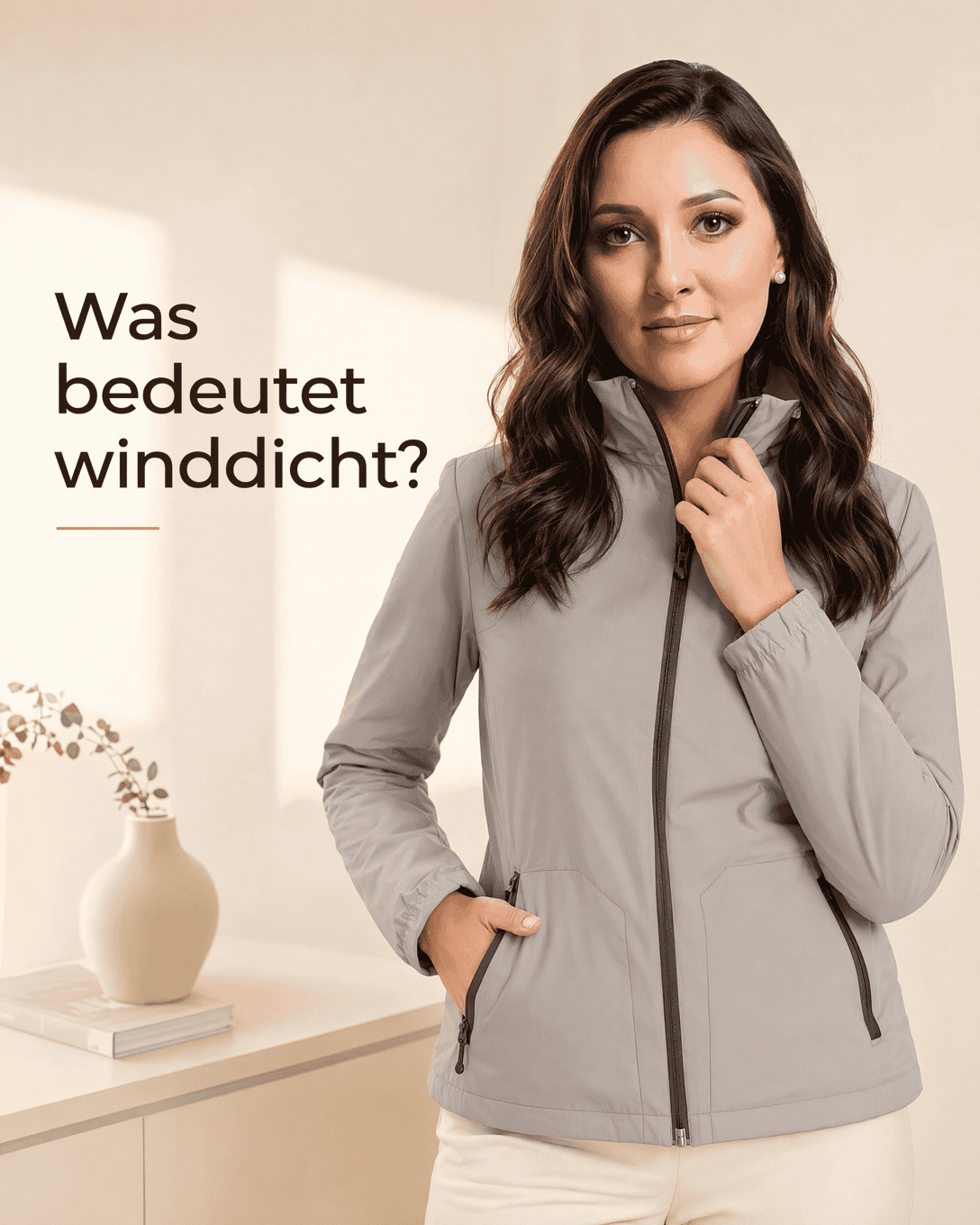
Windproof Windproof describes clothing designed to reduce the passage of wind through the fabric. Learn how windproof materials work, how they differ from waterproof clothing, and what to check before buying.
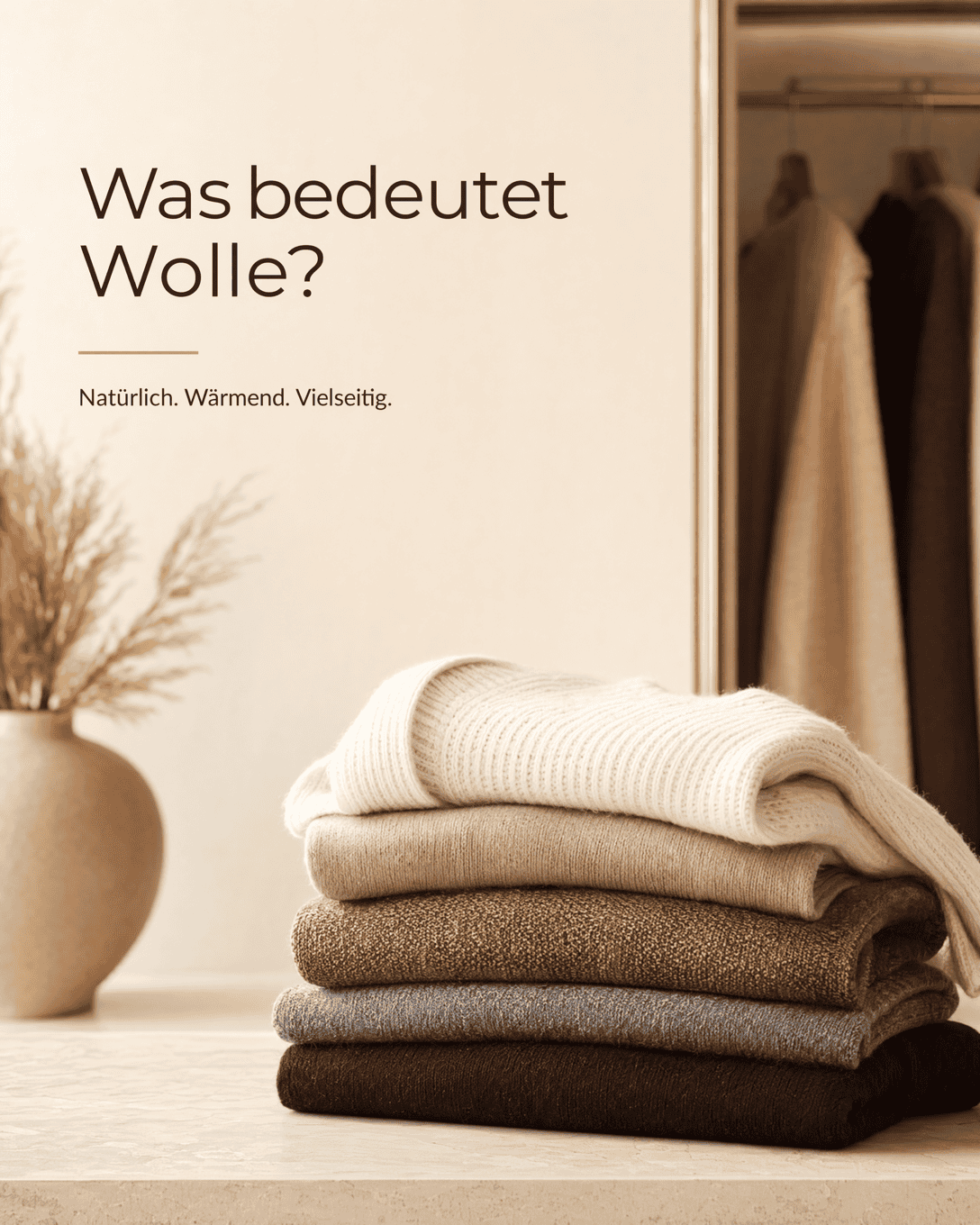
Wool Wool is a natural animal fiber, most commonly obtained from sheep, valued in clothing for warmth, resilience, moisture management, and distinctive texture.
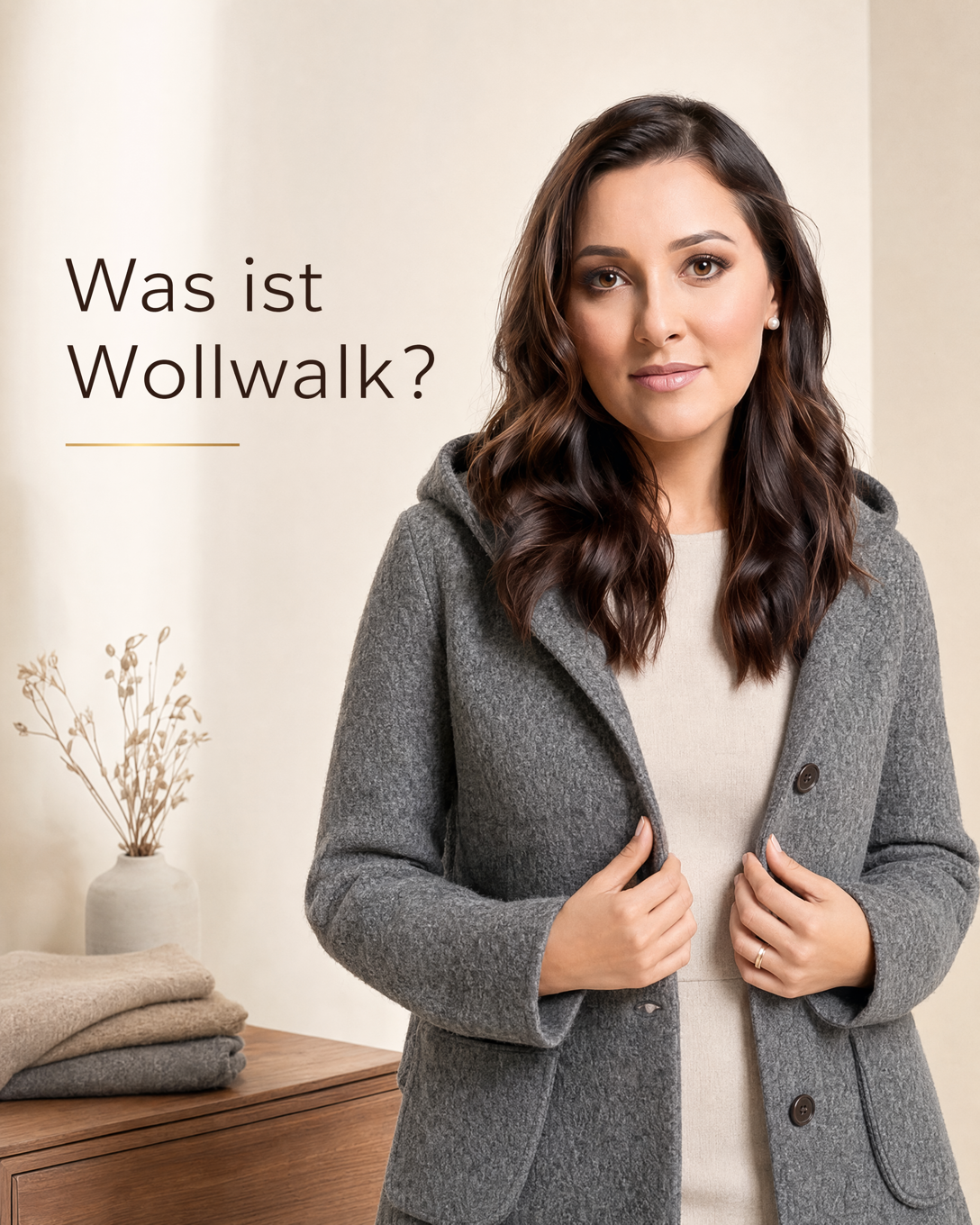
Wool Walk Fabric Wool walk fabric, also known as Wollwalk, is a densely fulled wool textile valued for warmth, shape retention, and natural resistance to wind and light moisture.
Woolen-Spun Yarn Woolen-spun yarn is made from shorter, less aligned wool fibers, creating a soft, lofty yarn with a fuller, often slightly fuzzy surface. It is commonly used where warmth, texture, and a relaxed appearance matter more than a crisp finish.
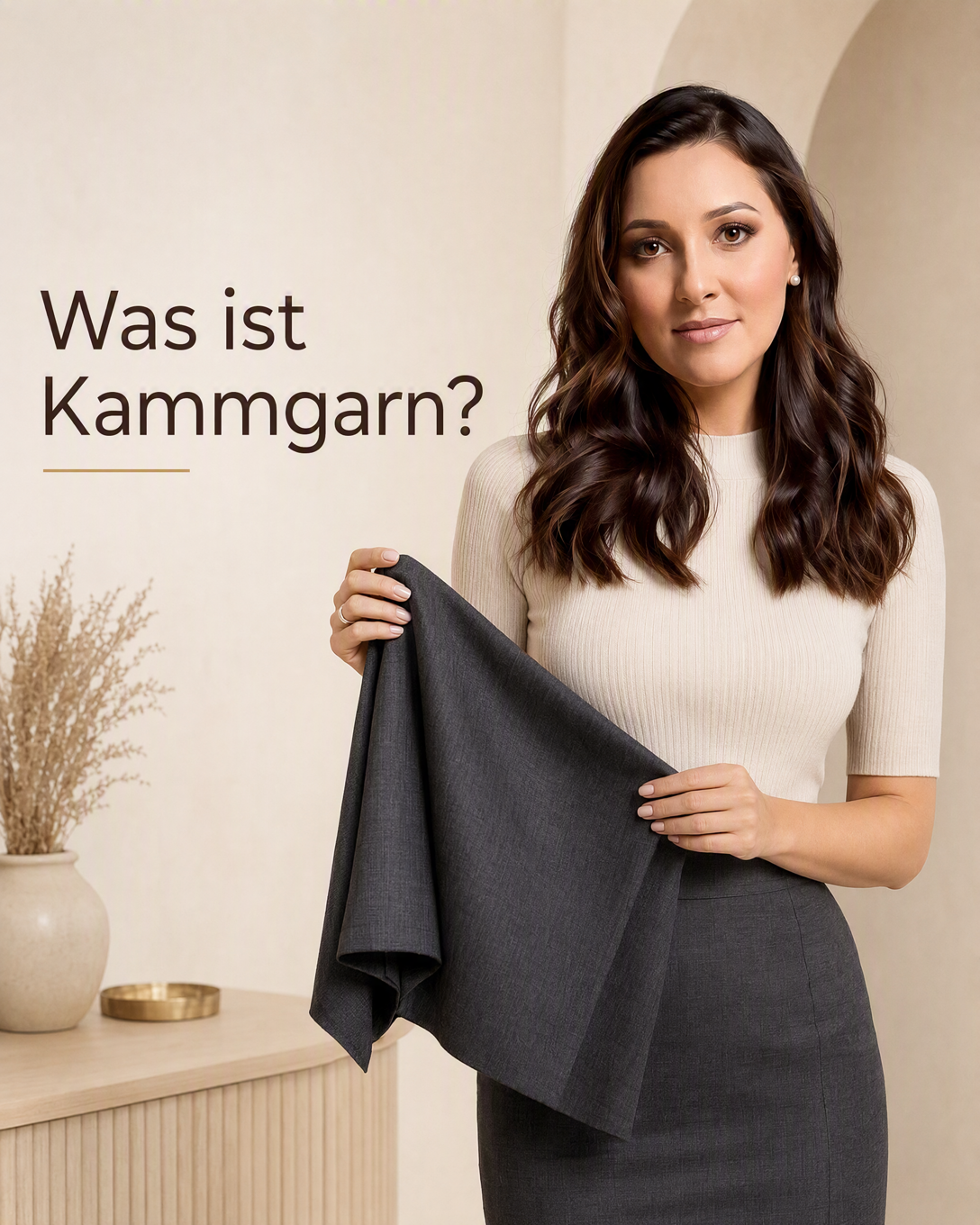
Worsted Wool (Kammgarn) Worsted wool, known as Kammgarn in German, is spun from long, combed wool fibers aligned in parallel. It creates smooth, fine, clear-looking fabrics often used for suits, trousers, and polished tailoring.
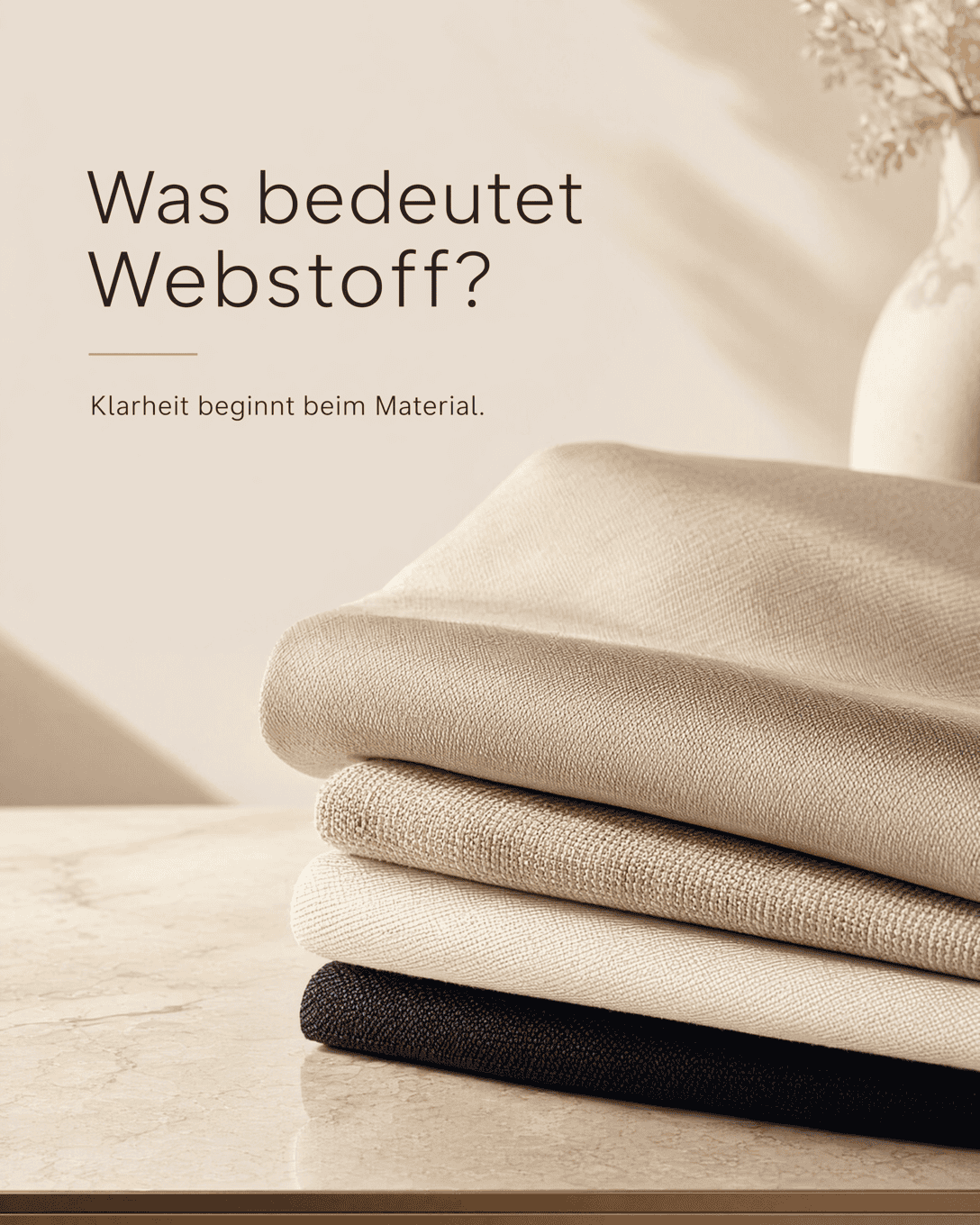
Woven Fabric Woven fabric is made by interlacing lengthwise and crosswise yarns. Learn how woven textiles differ from knits and what they mean for fit, drape, comfort, and garment quality.
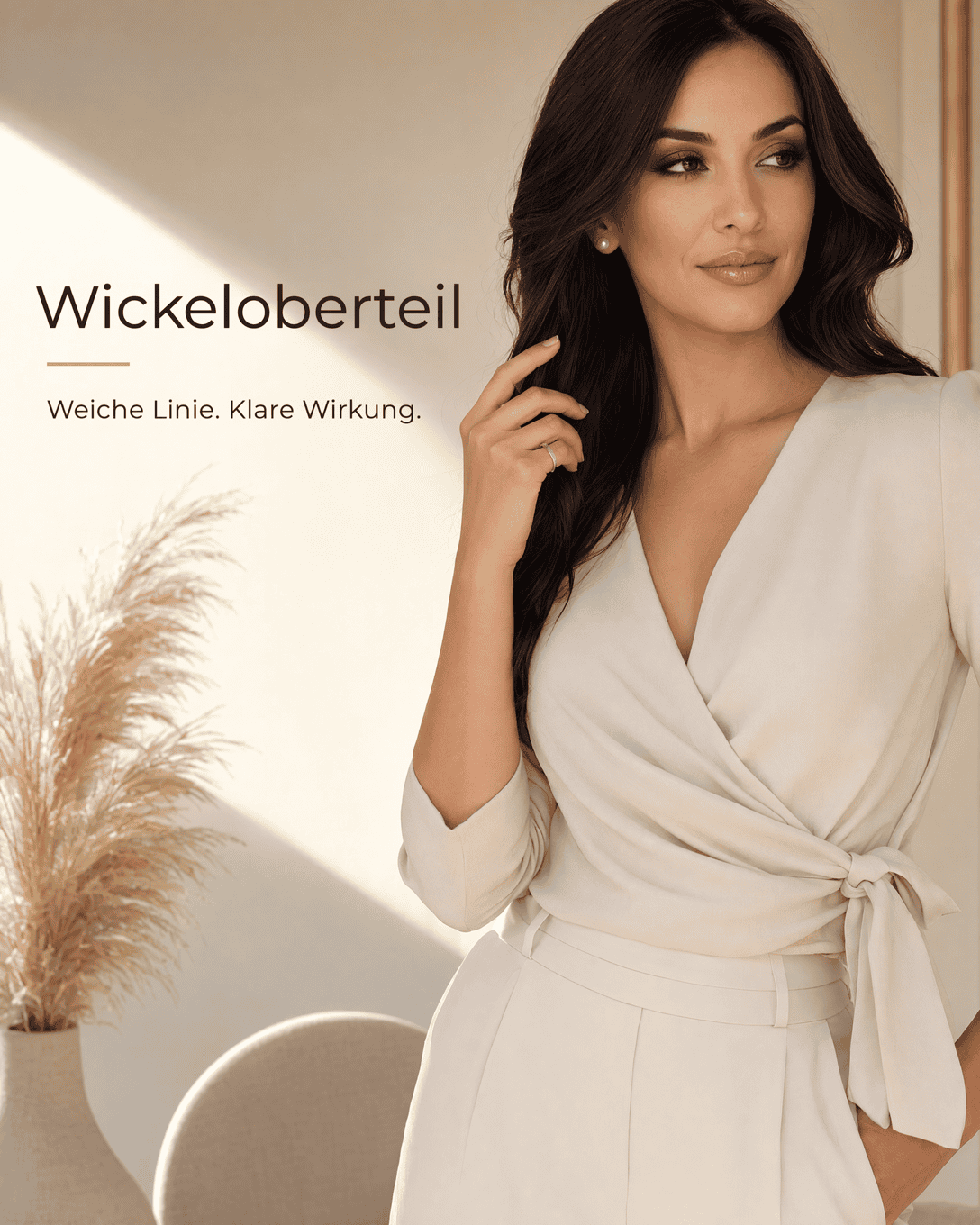
Wrap Top A wrap top is a top with overlapping front panels that fasten or appear to fasten at the waist. Learn how wrap tops fit, how to style them, and what to check before buying.
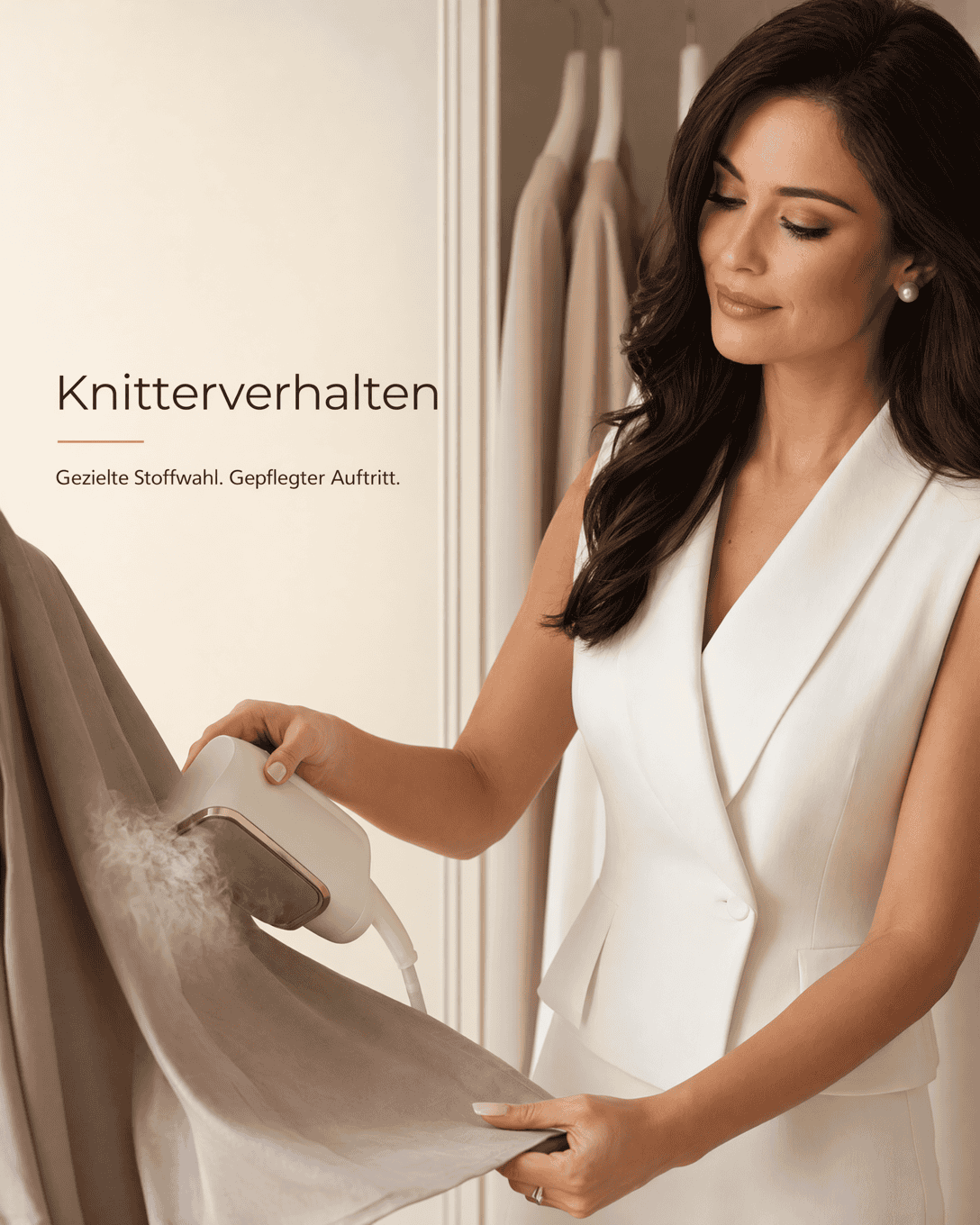
Wrinkling Behavior Wrinkling behavior describes how easily a fabric creases during wear and how noticeable those creases remain. It affects a garment’s polish, care needs, comfort, and suitability for everyday life or travel.
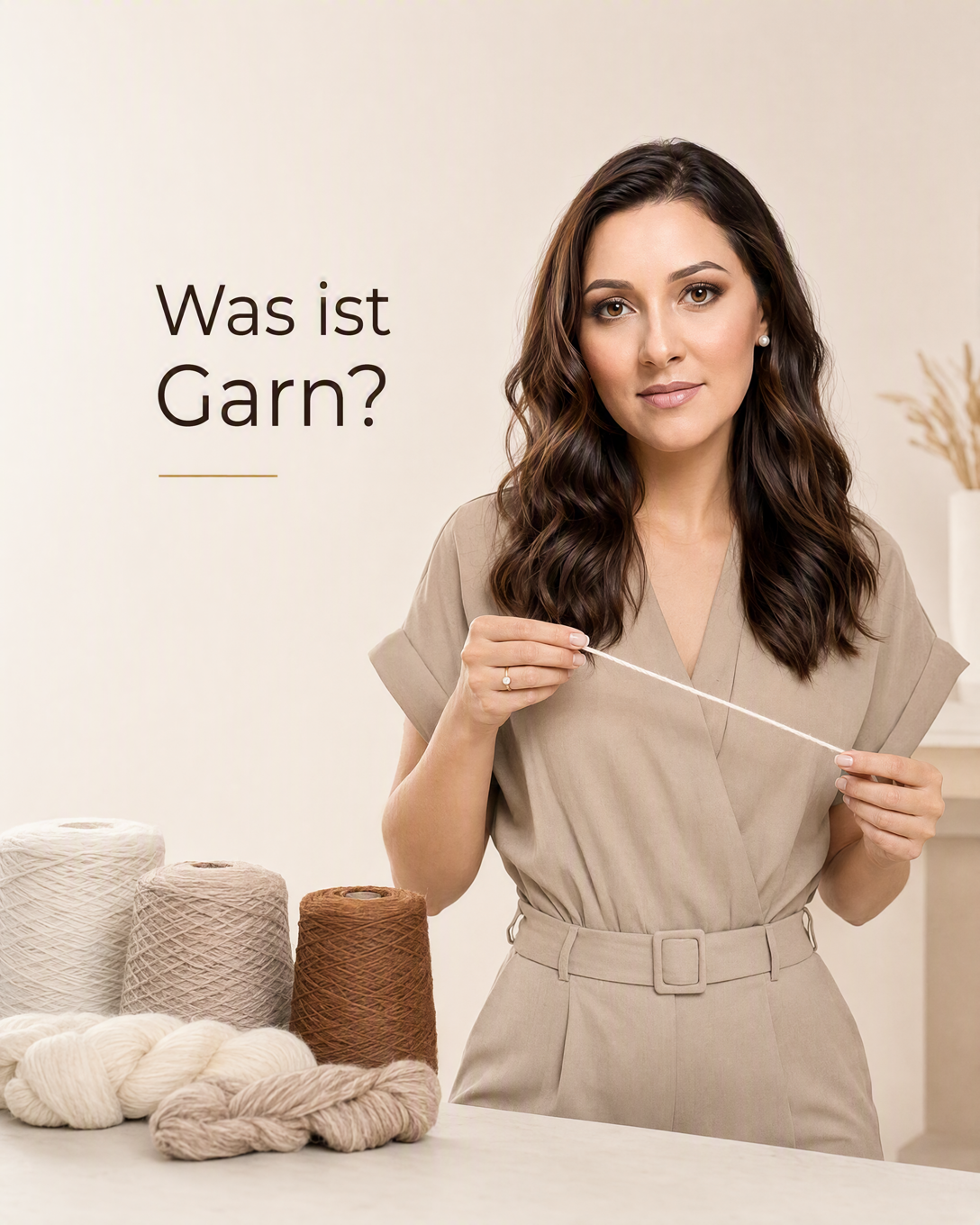
Yarn Yarn is a continuous strand of spun fibers or filaments used to make textiles through weaving, knitting, crochet, sewing, and embroidery.
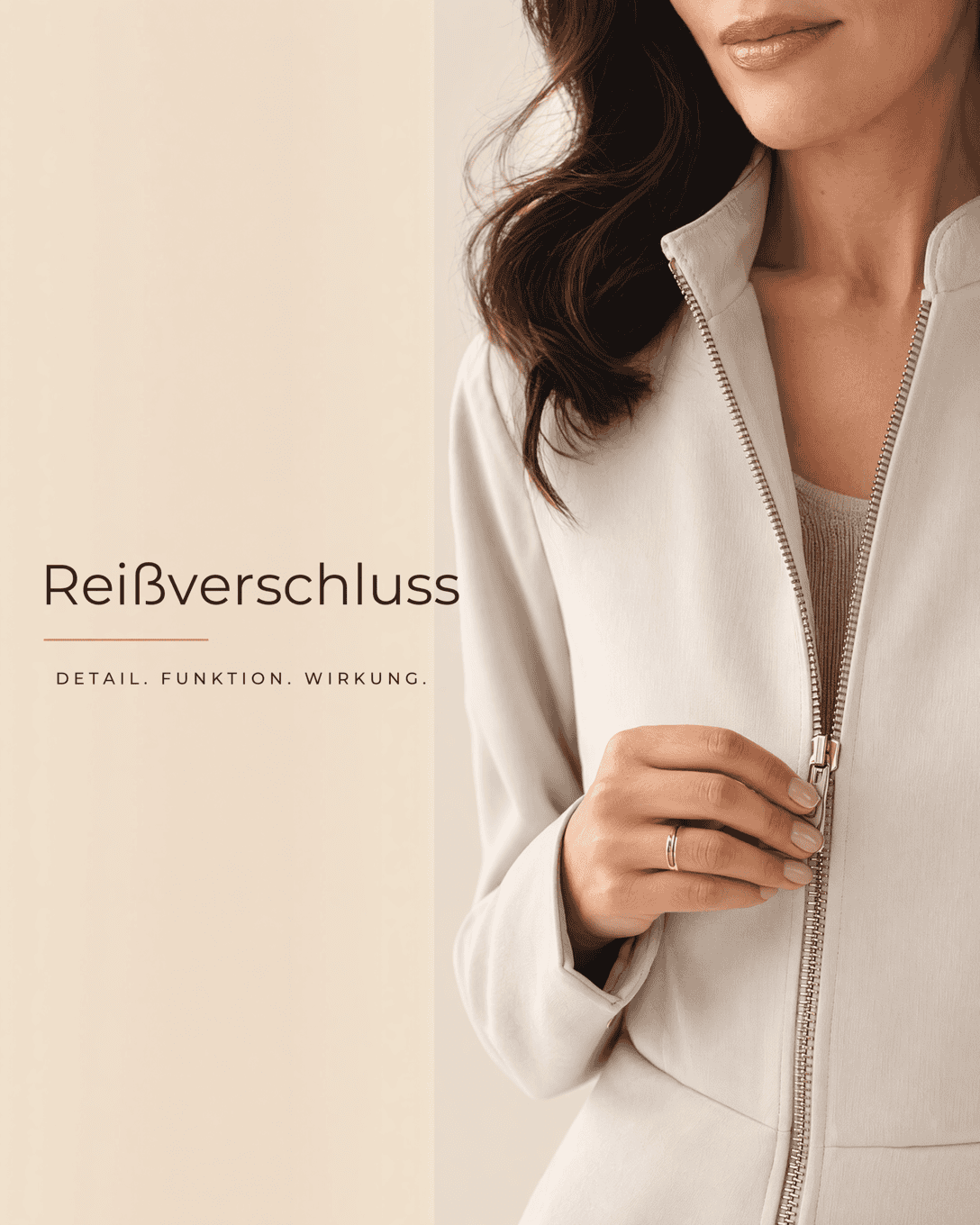
Zipper A zipper is a fastening made of interlocking teeth, a slider, and tape. It affects how a garment fits, functions, feels, and looks.