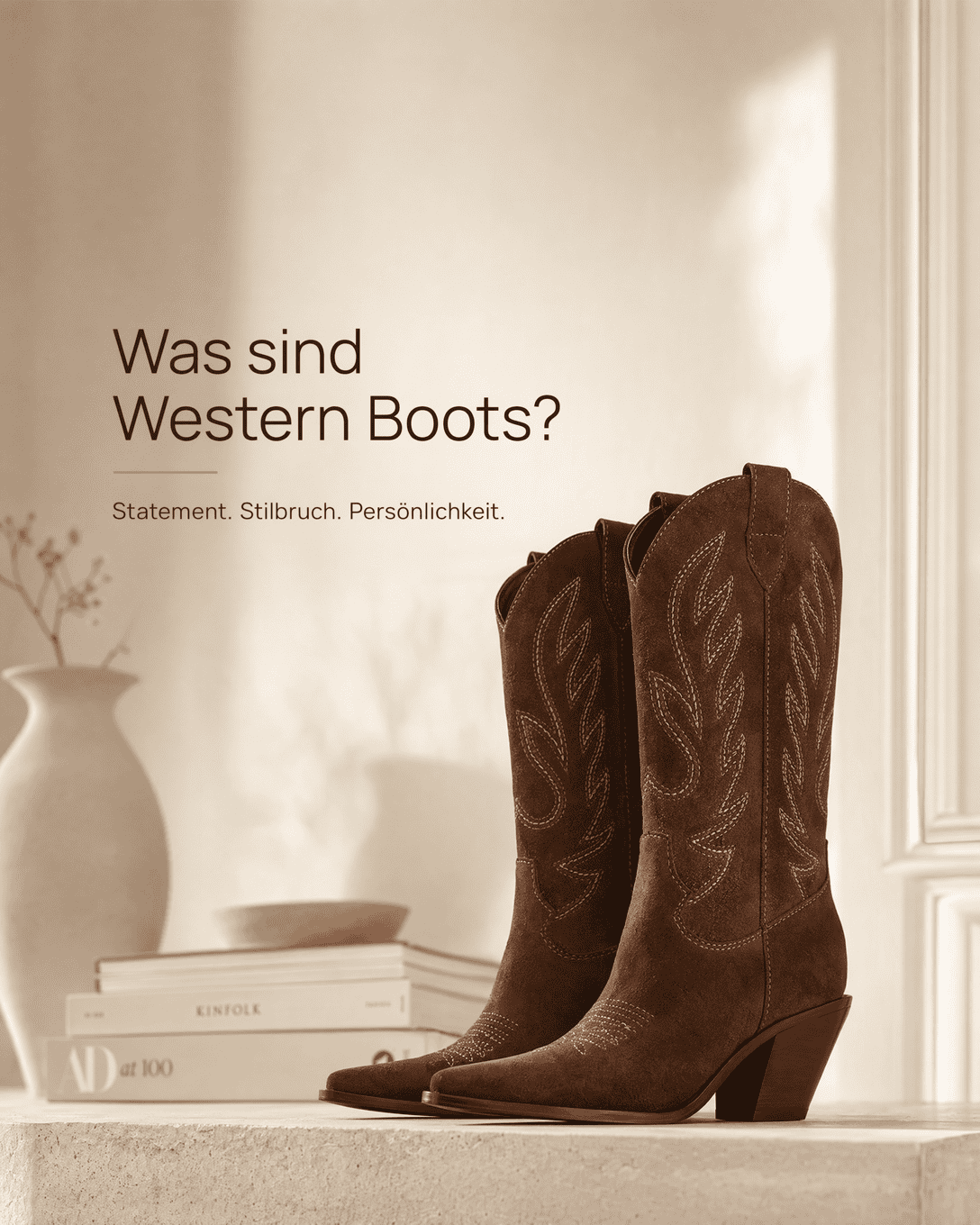
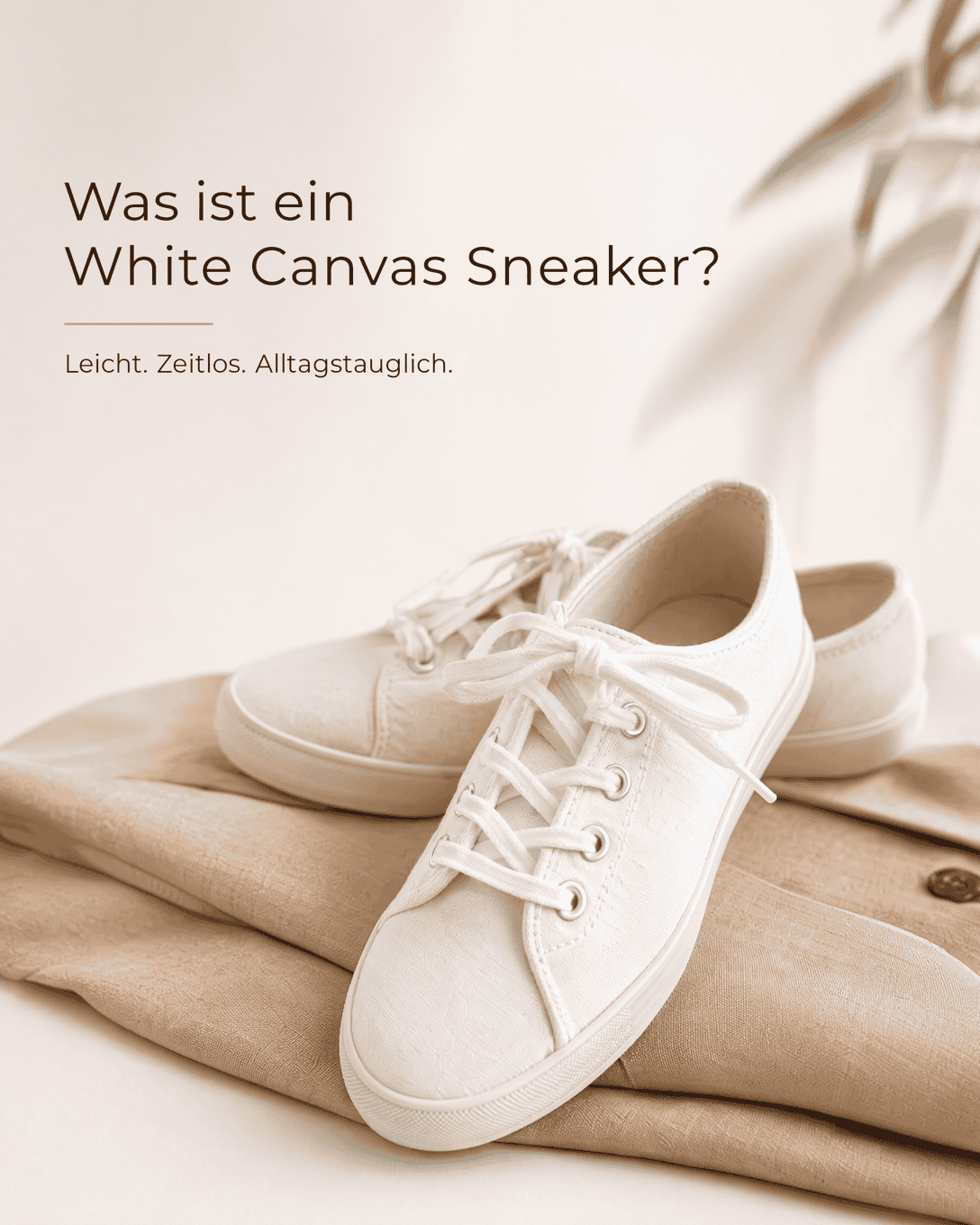
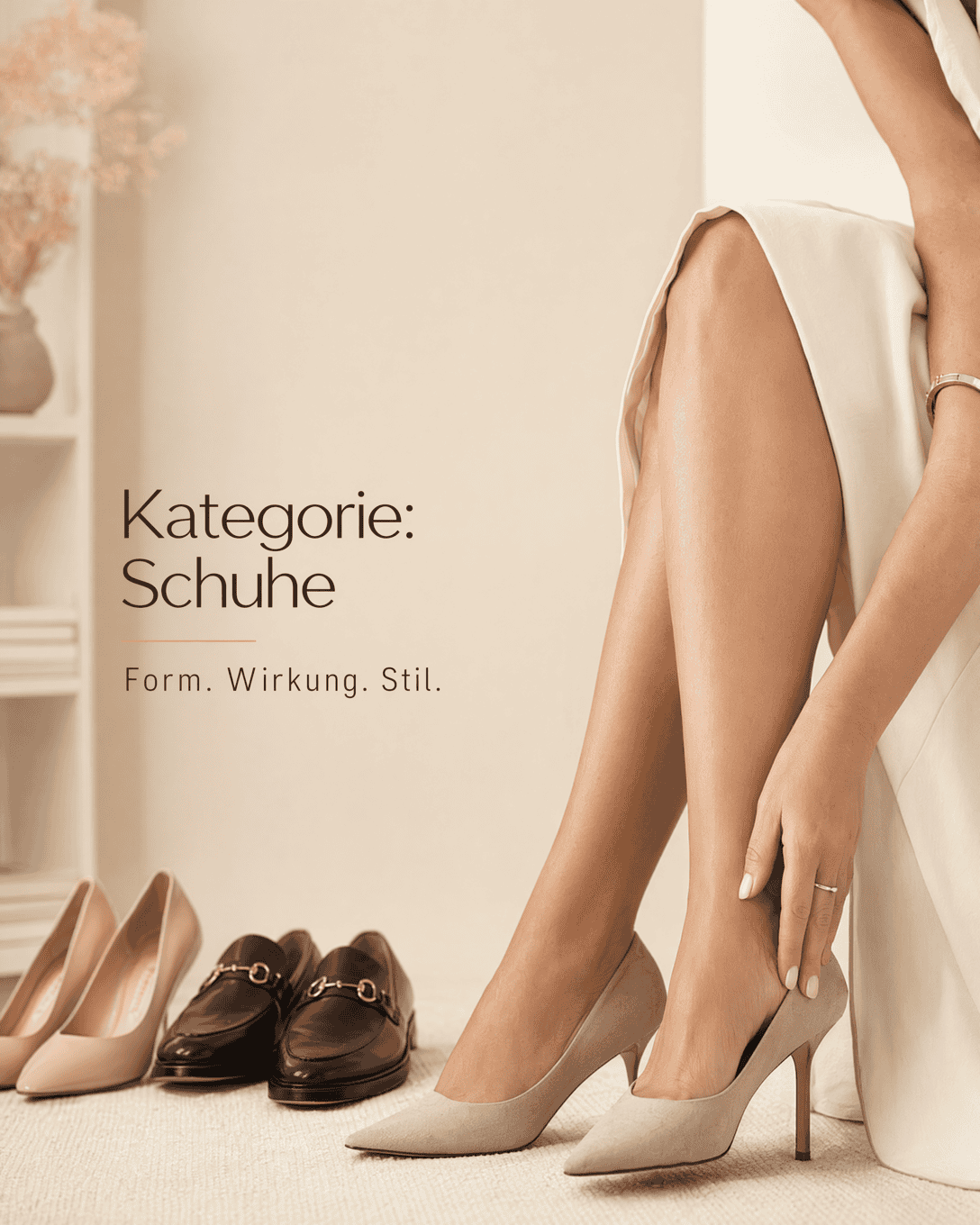
Category: Shoes
Explore shoe terms for footwear shapes, heel types, boot heights, soles, fit, and styling details. Learn how shoes influence comfort, proportion, dress code, and the overall impact of an outfit.
What the Shoes Category Covers
Shoes complete an outfit, but they do much more than finish the look. Footwear affects how you stand, walk, and feel, while also shaping the outfit’s formality, visual weight, and proportions.
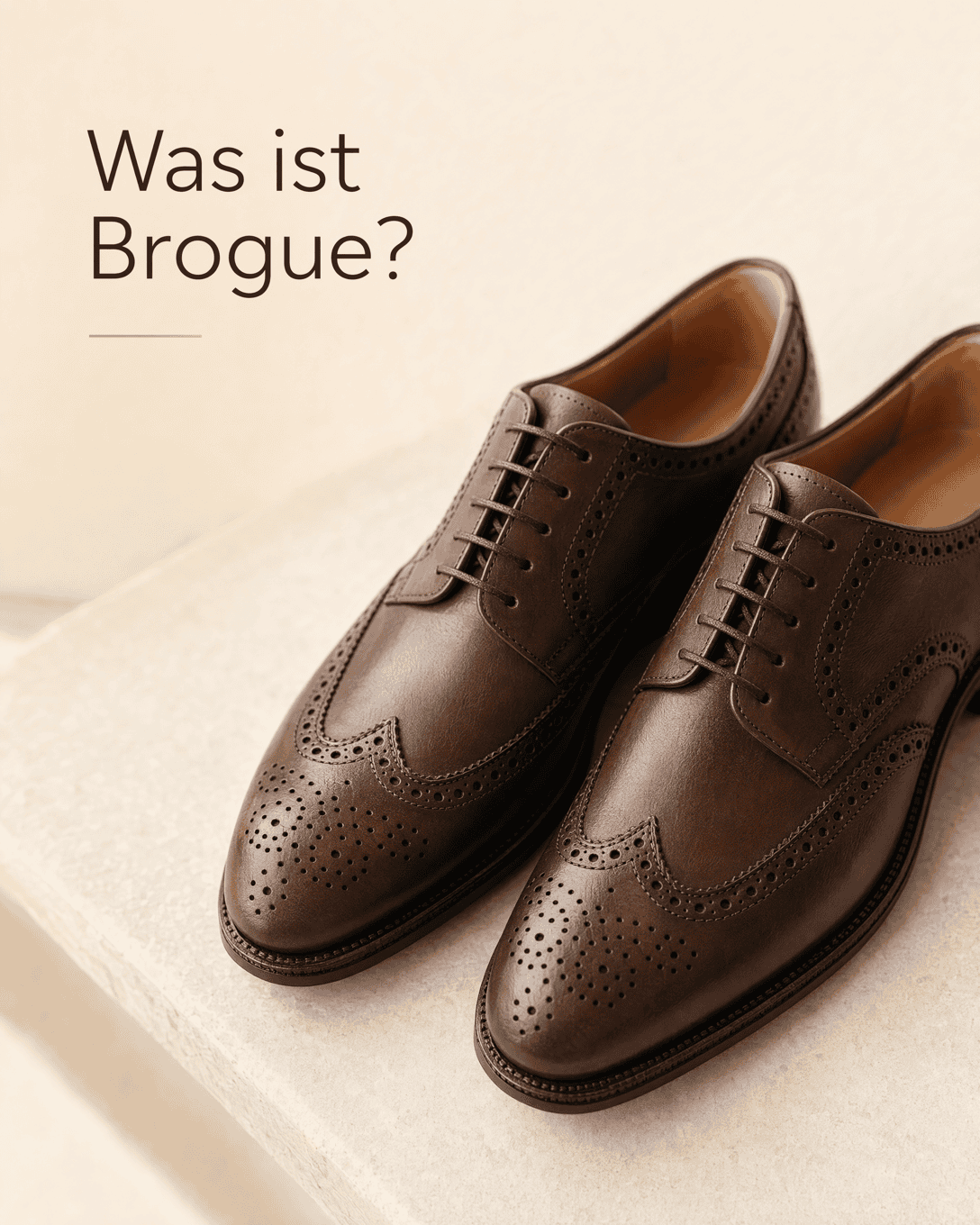
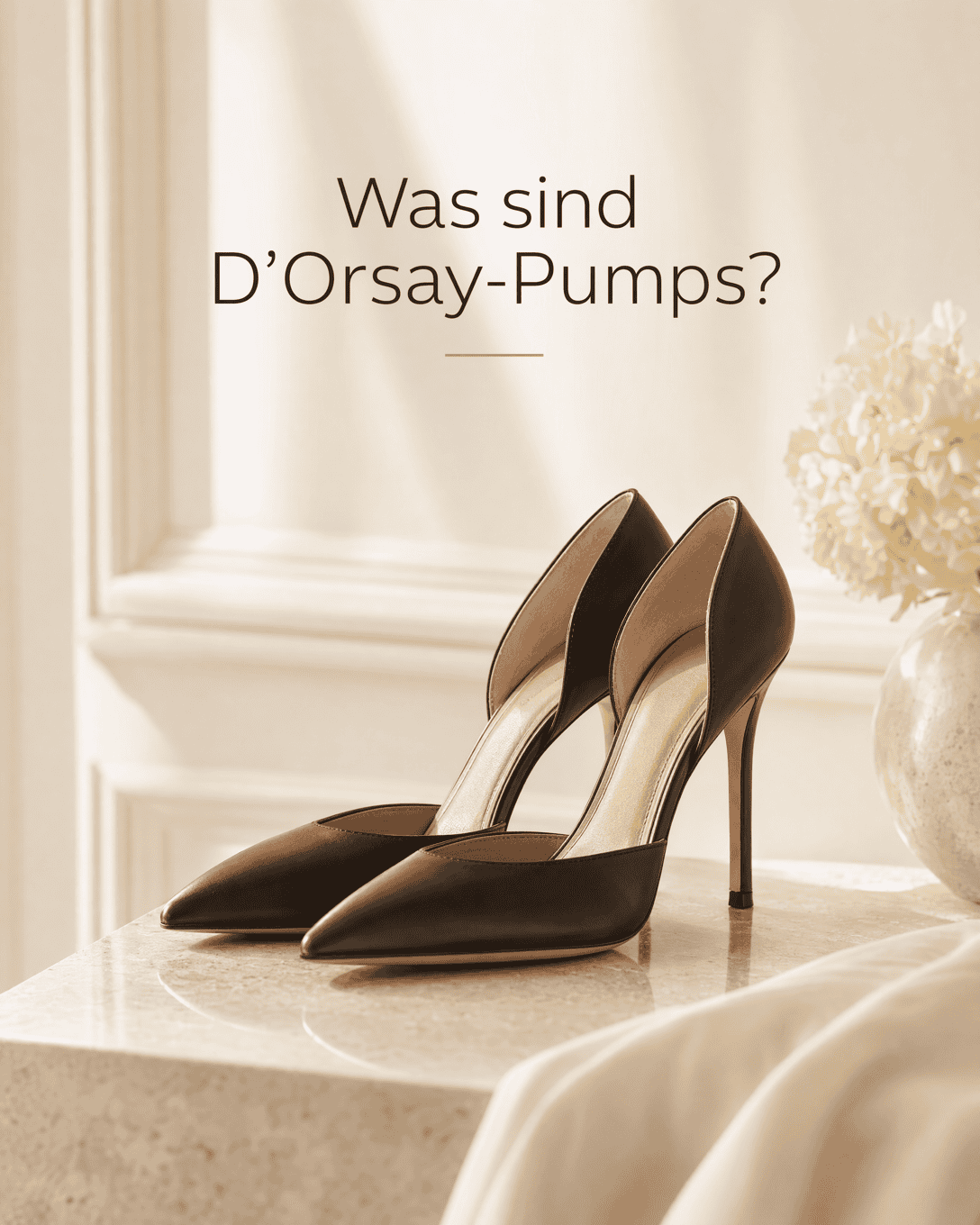
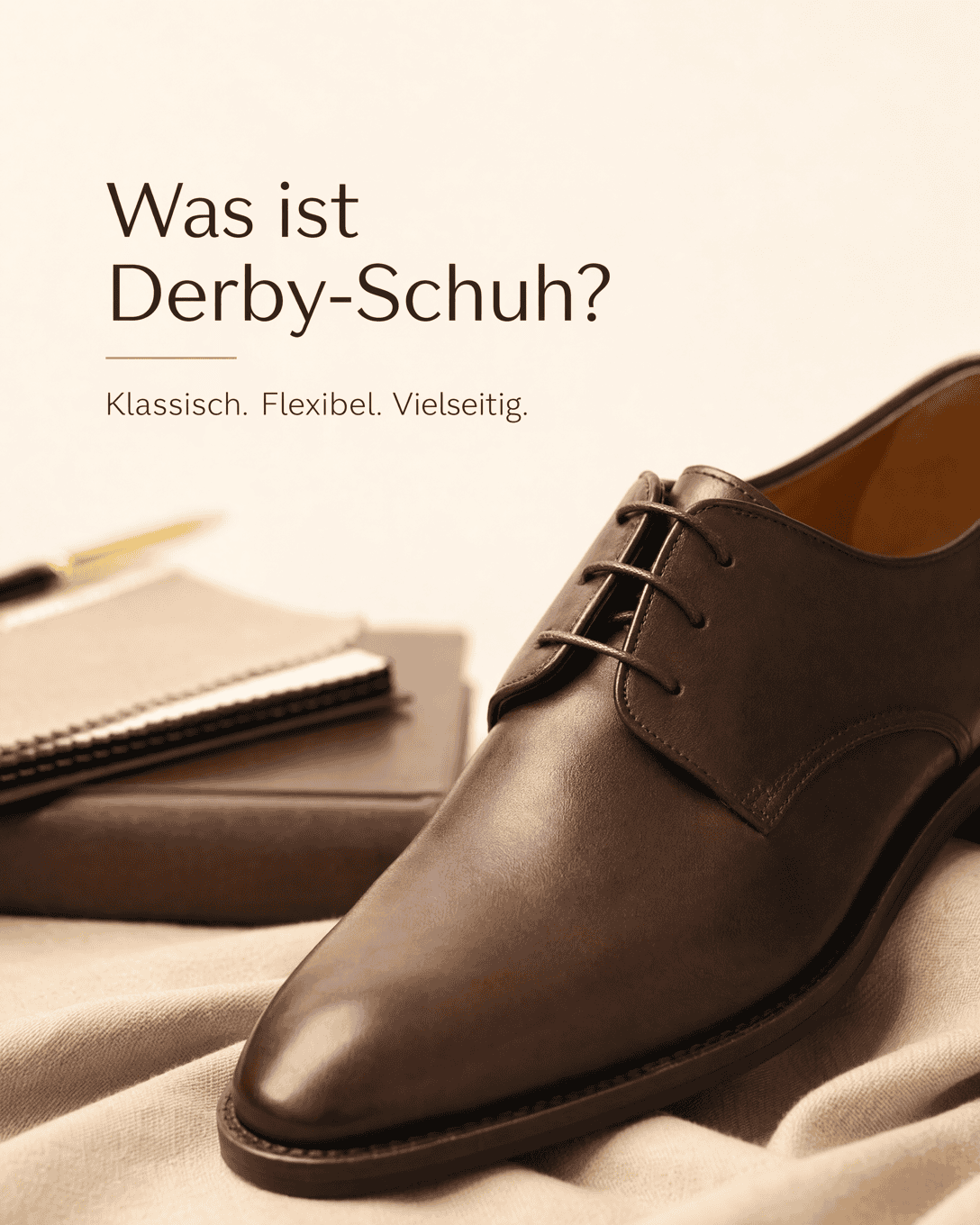
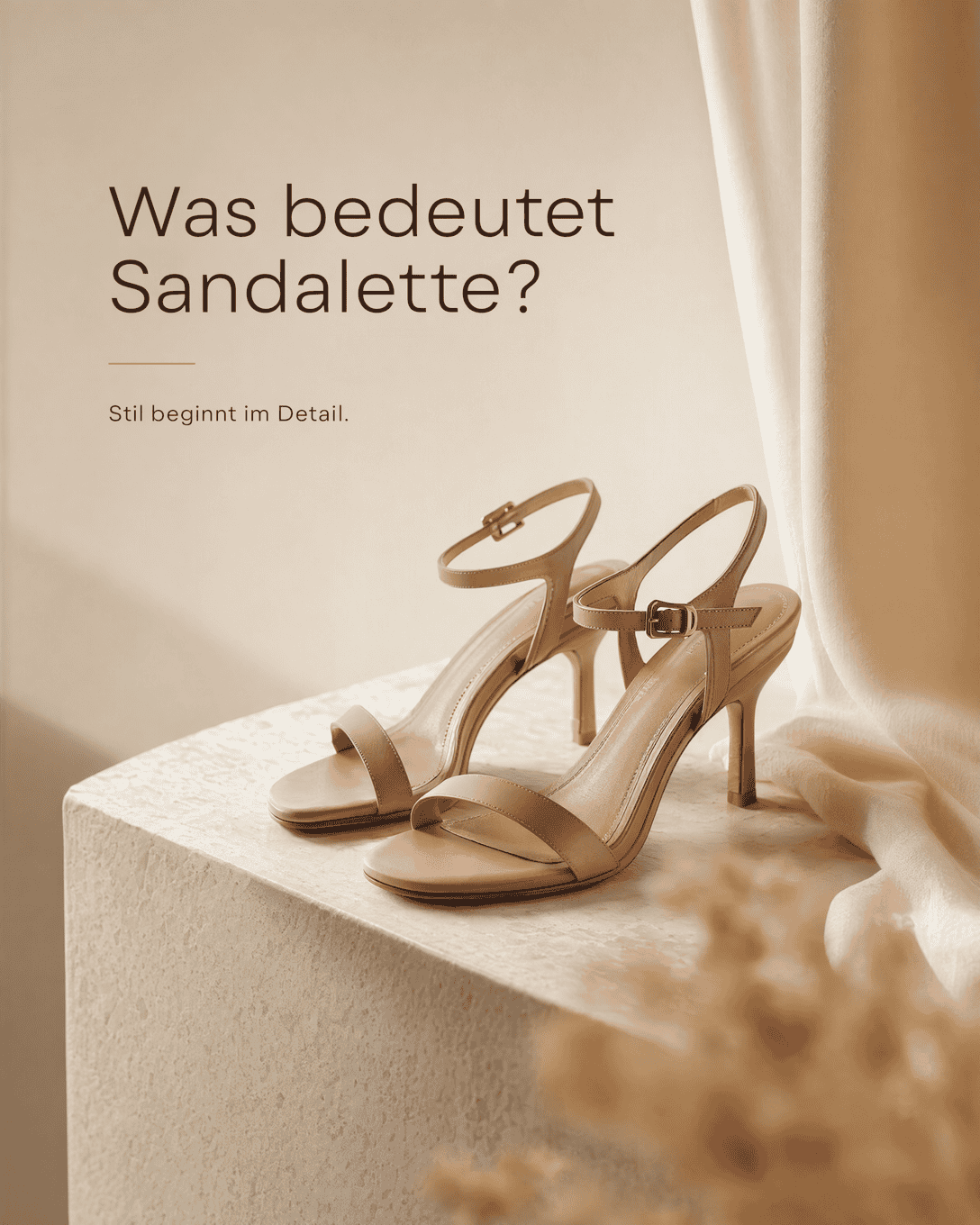
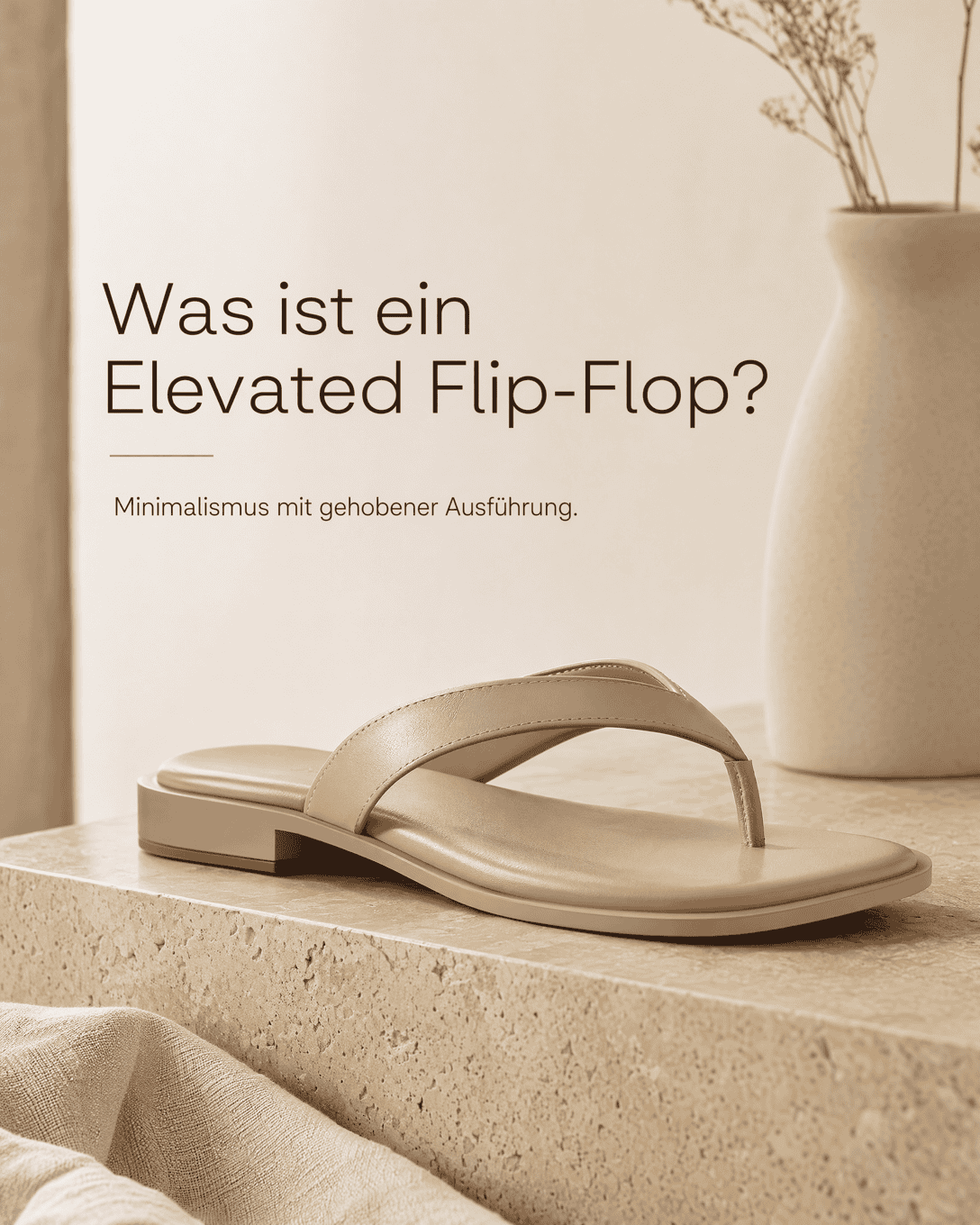
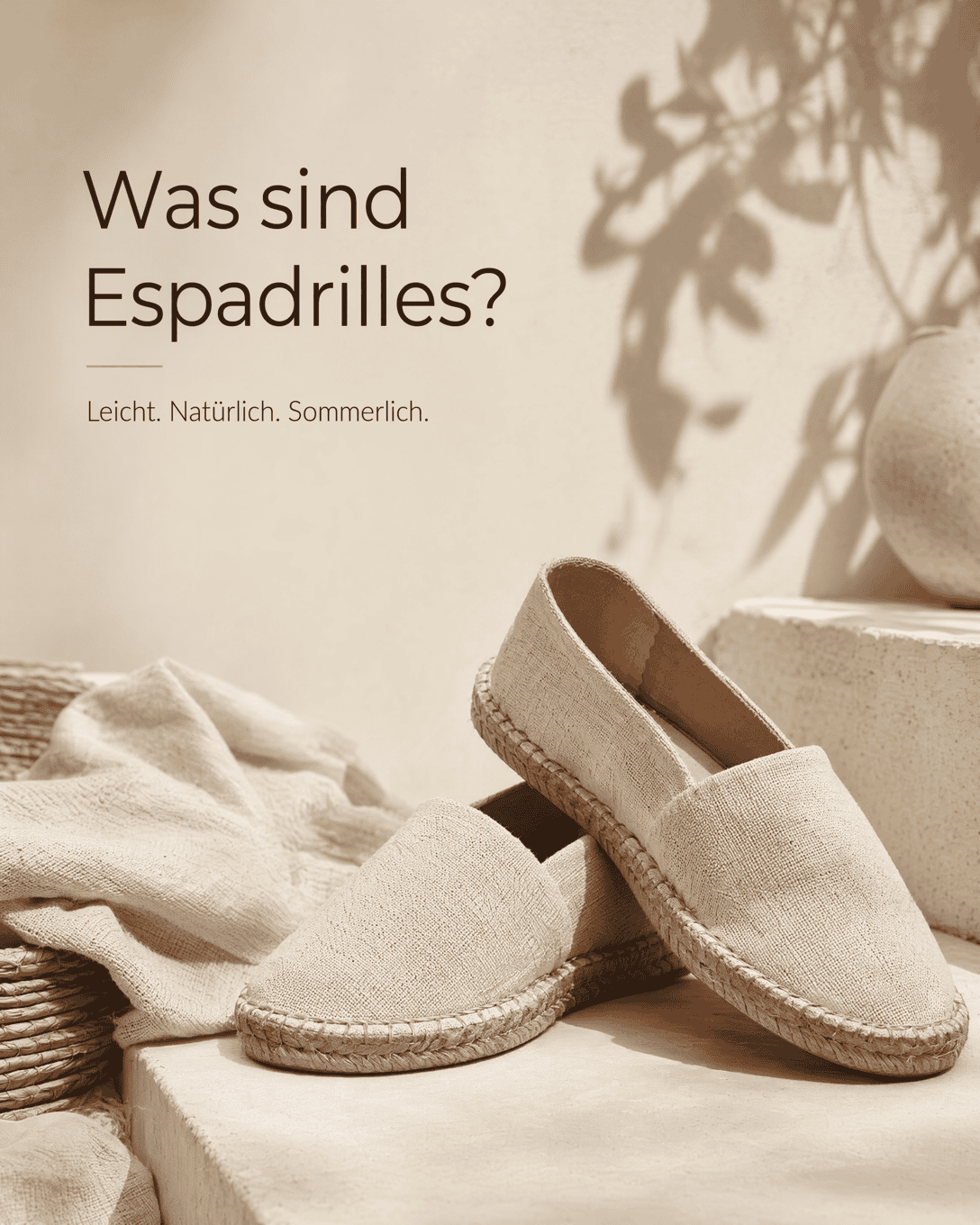
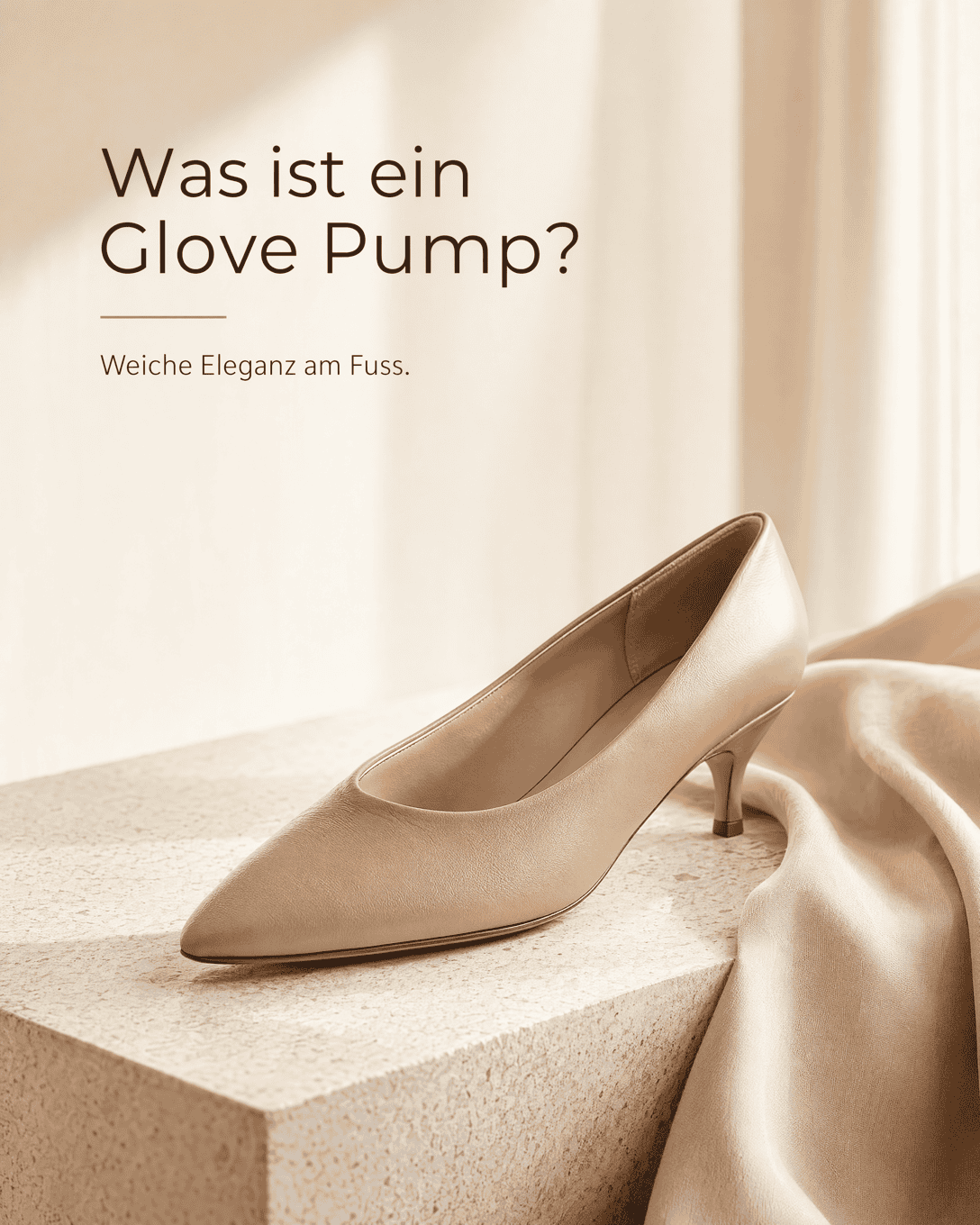
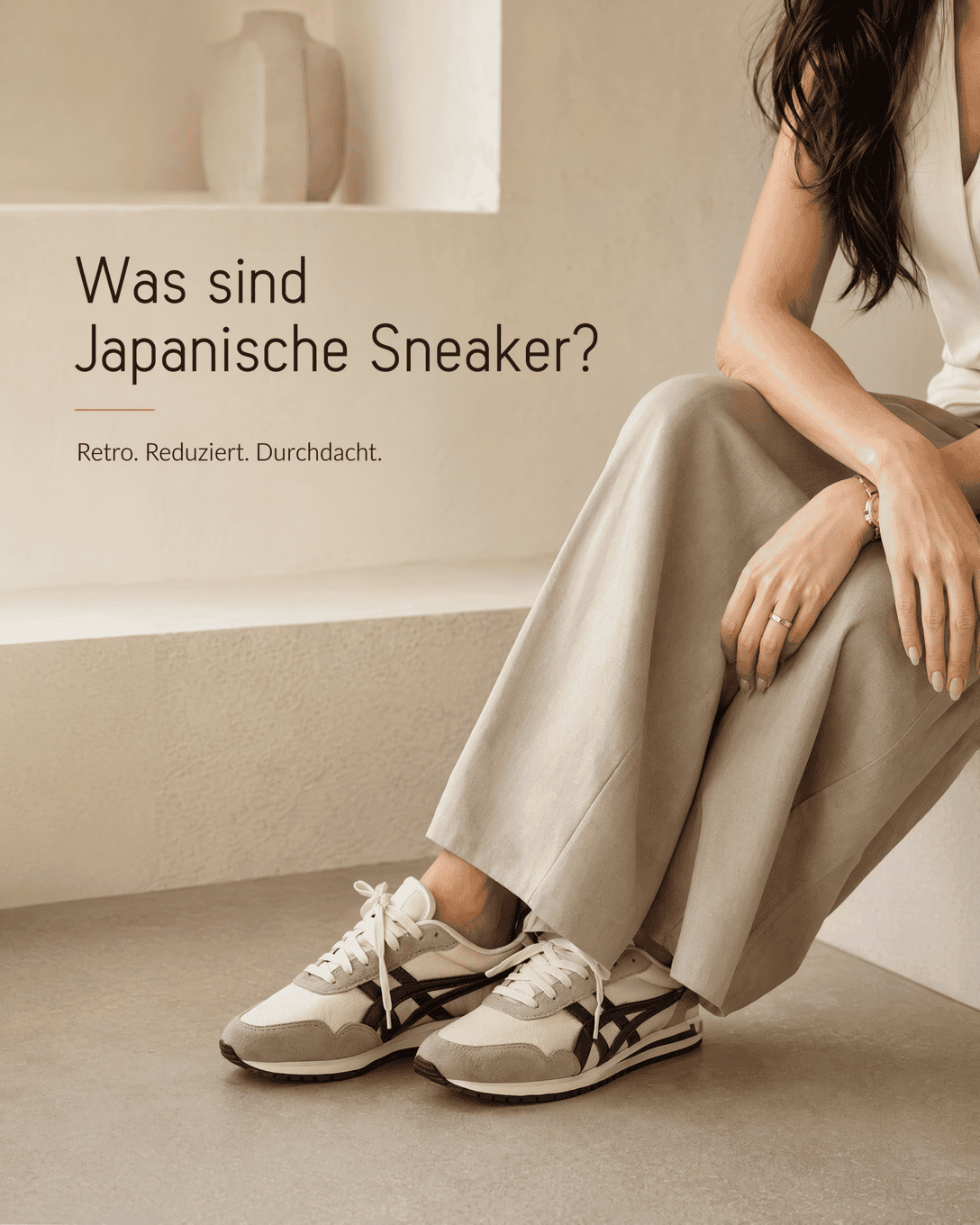
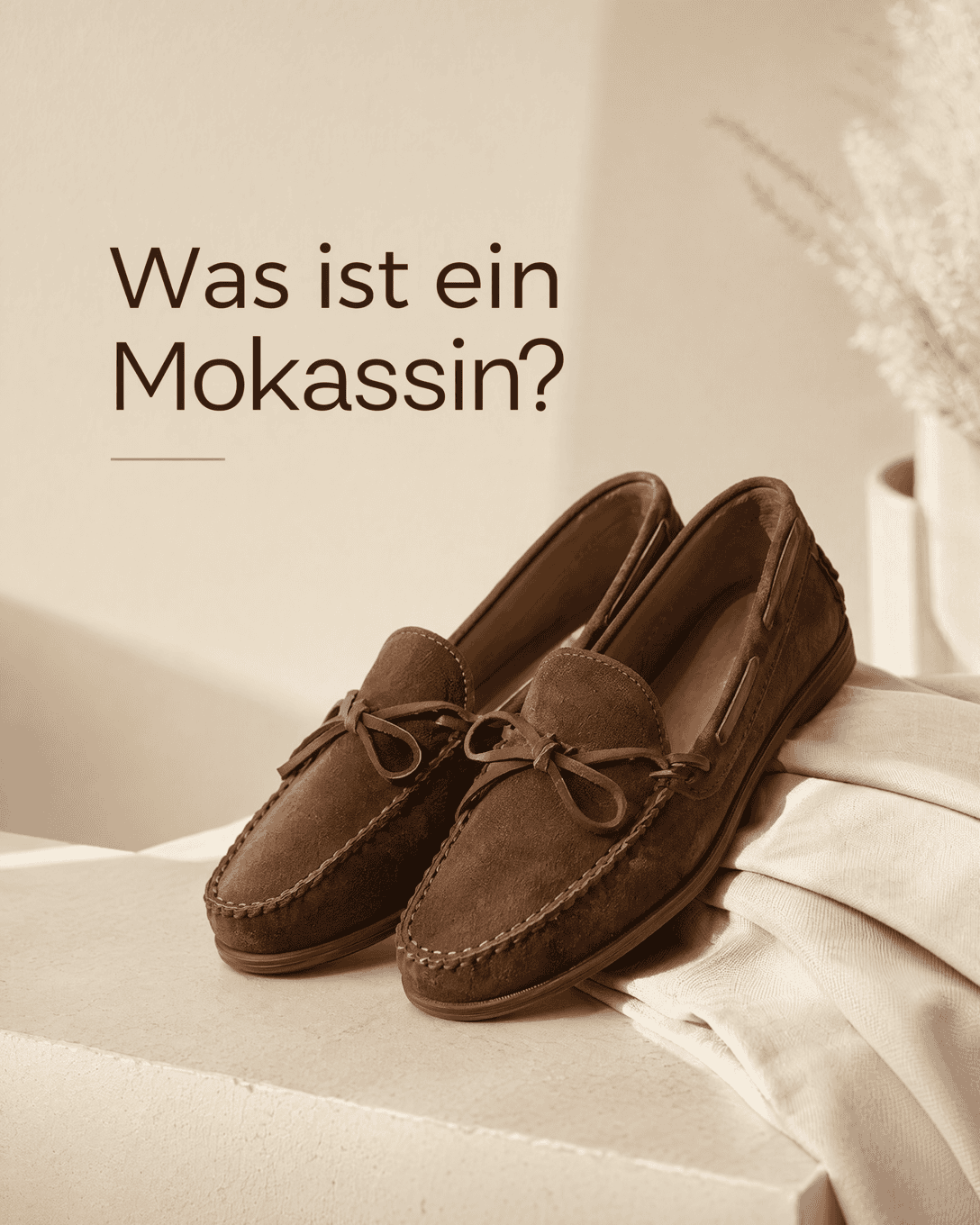
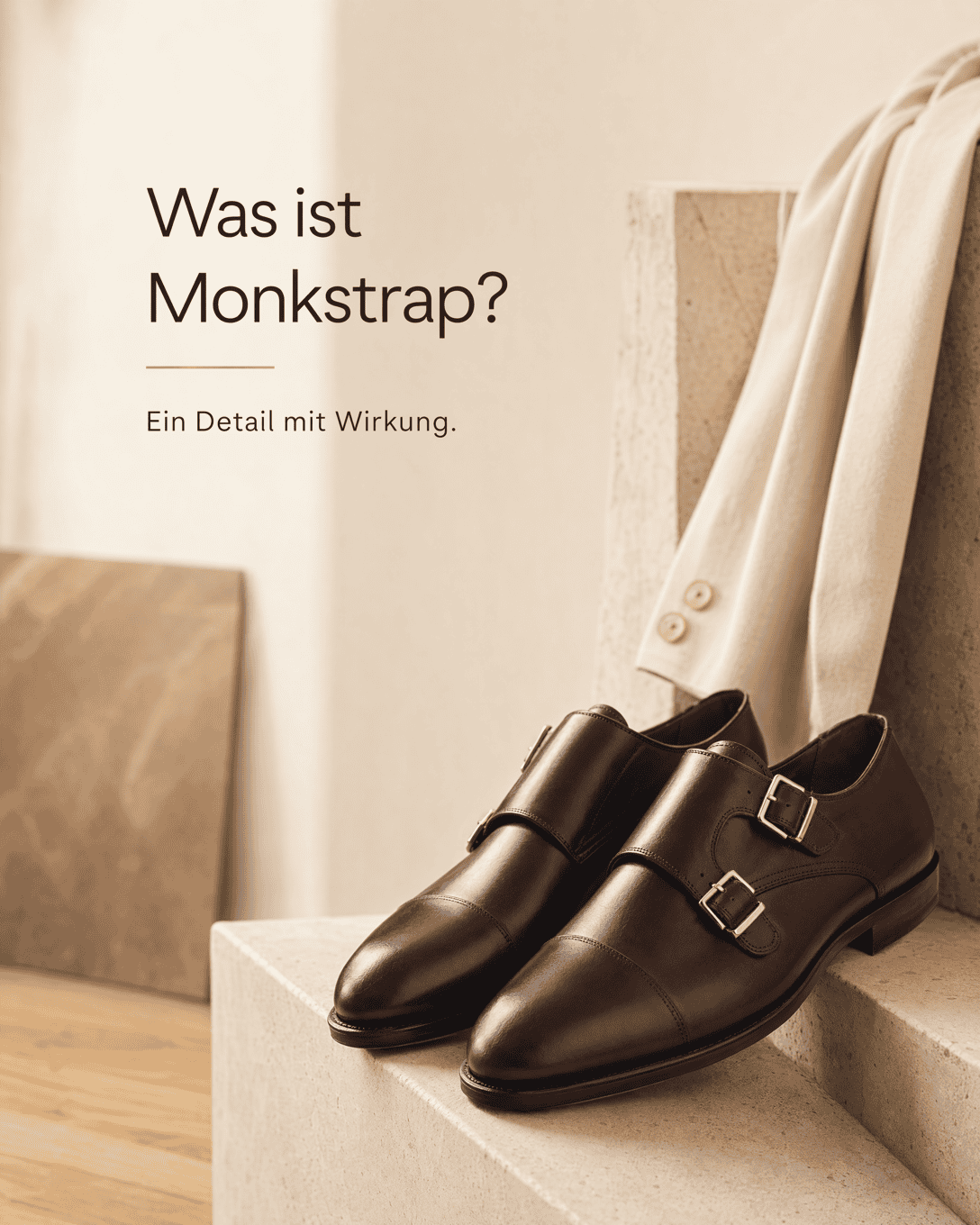
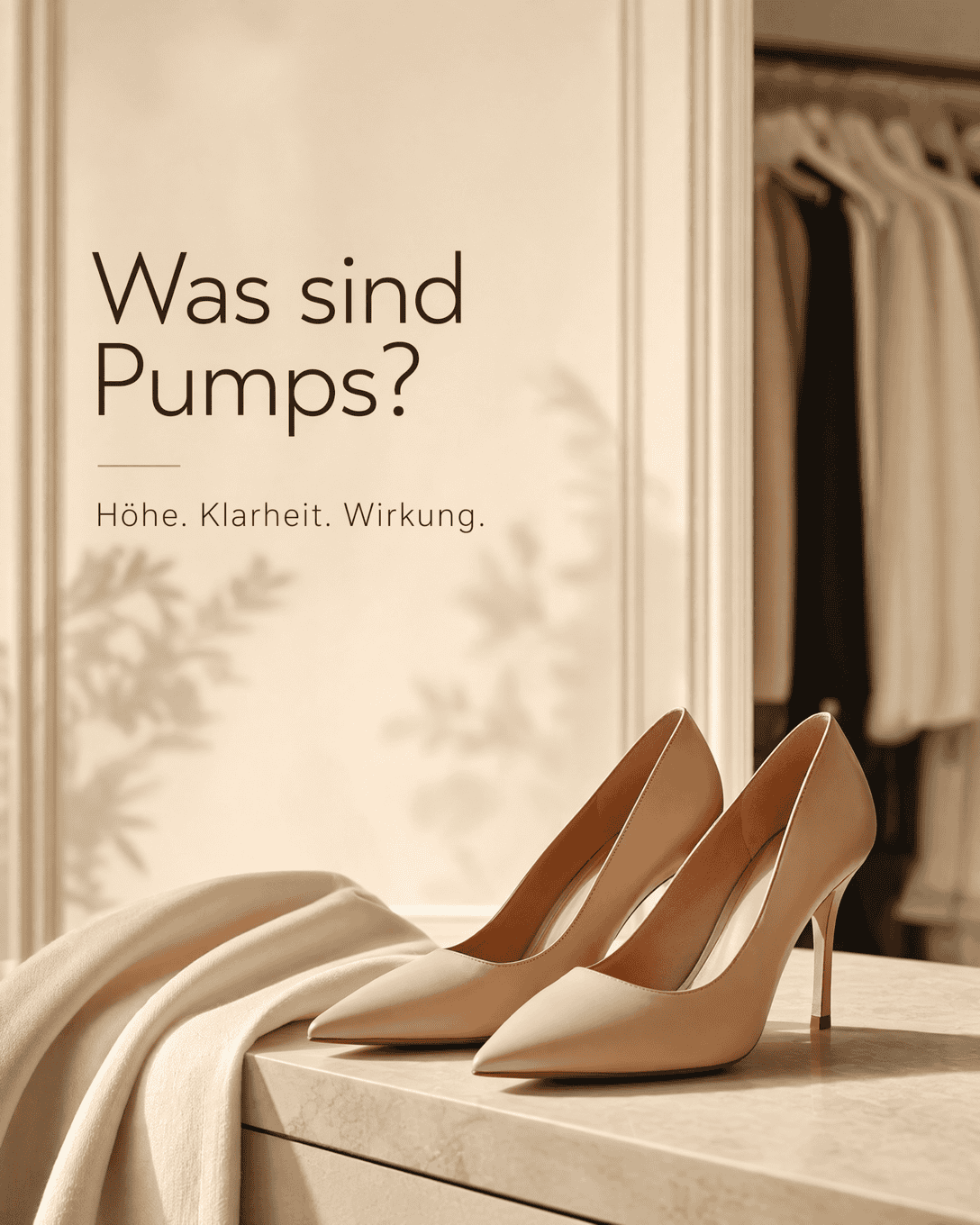
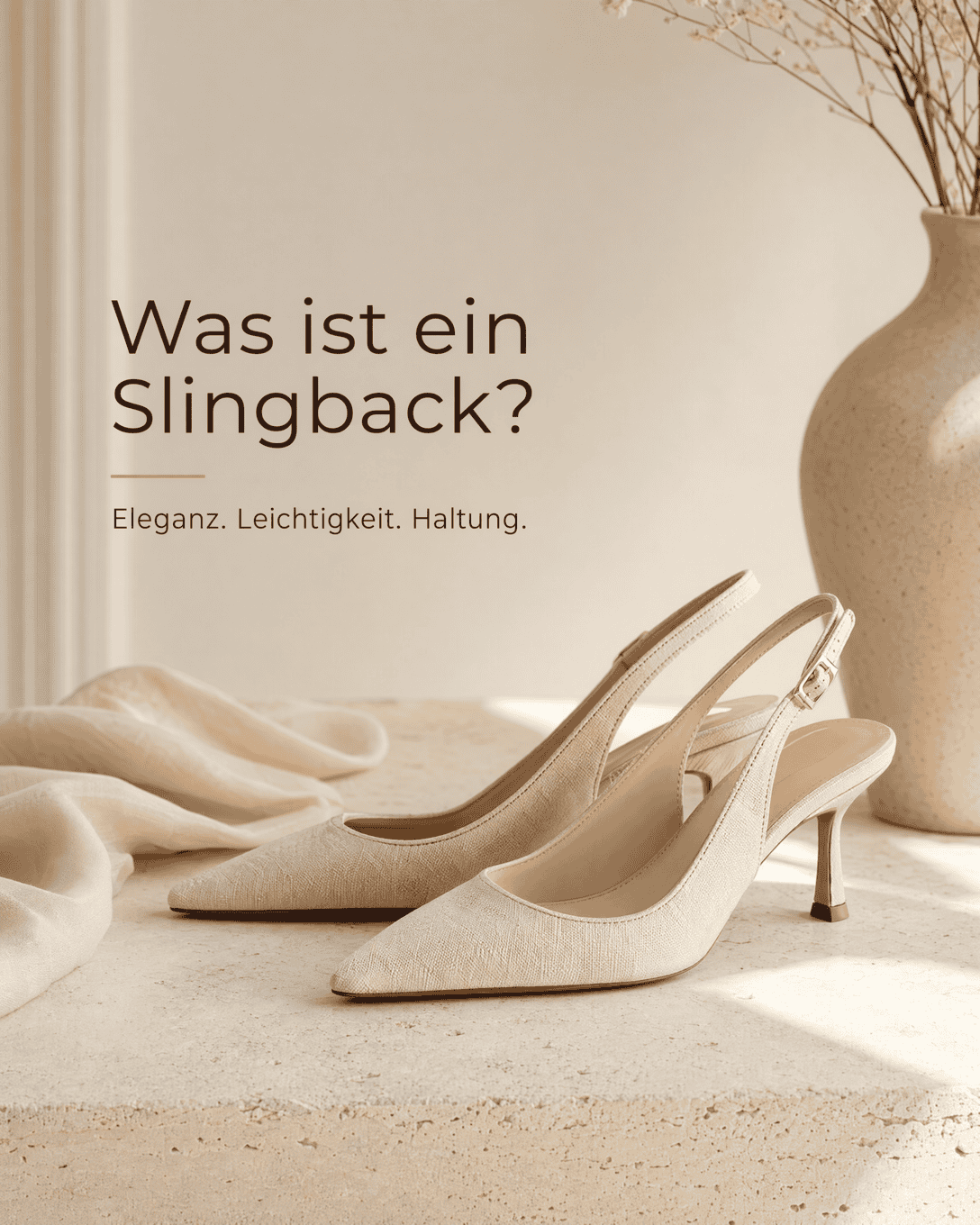
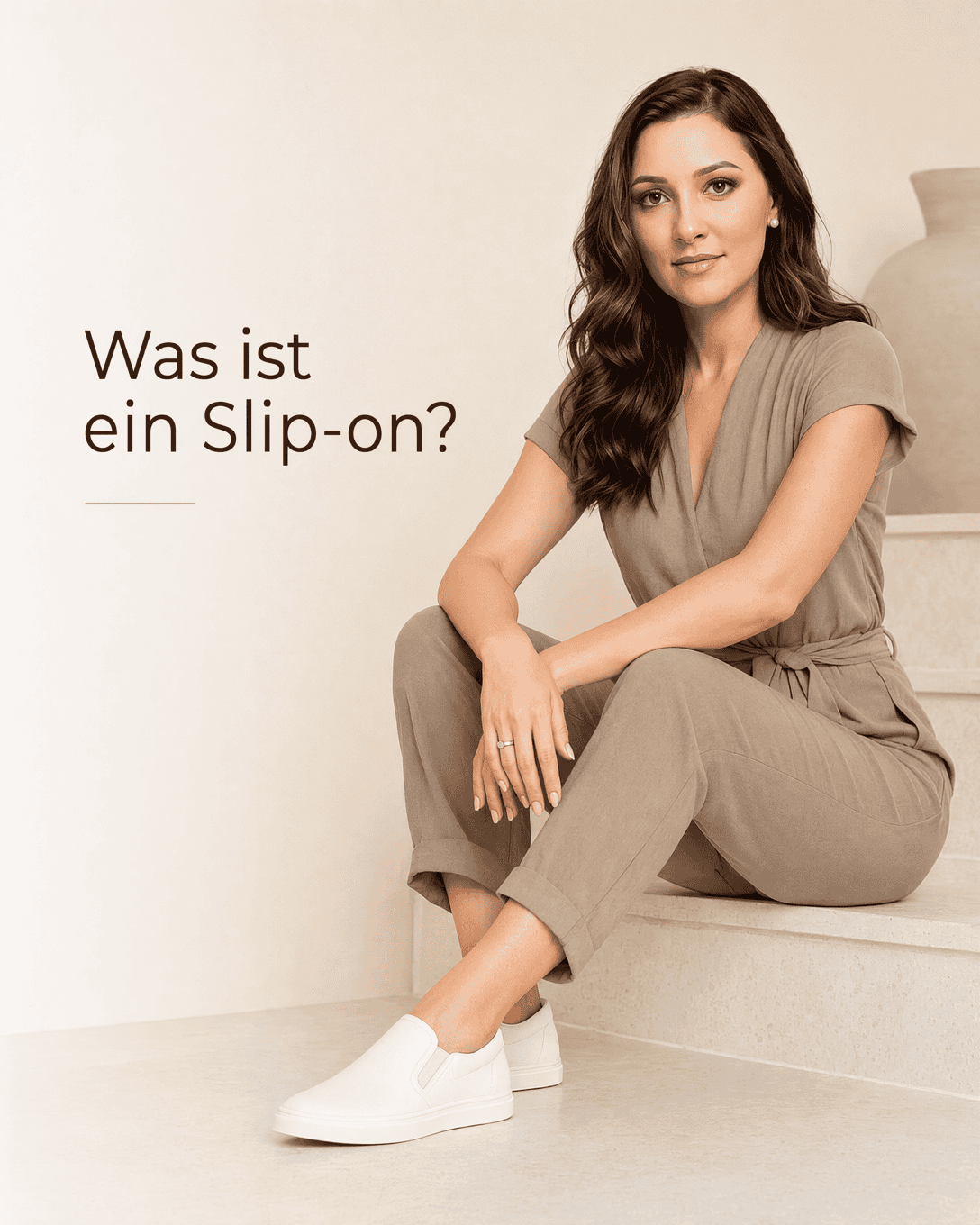
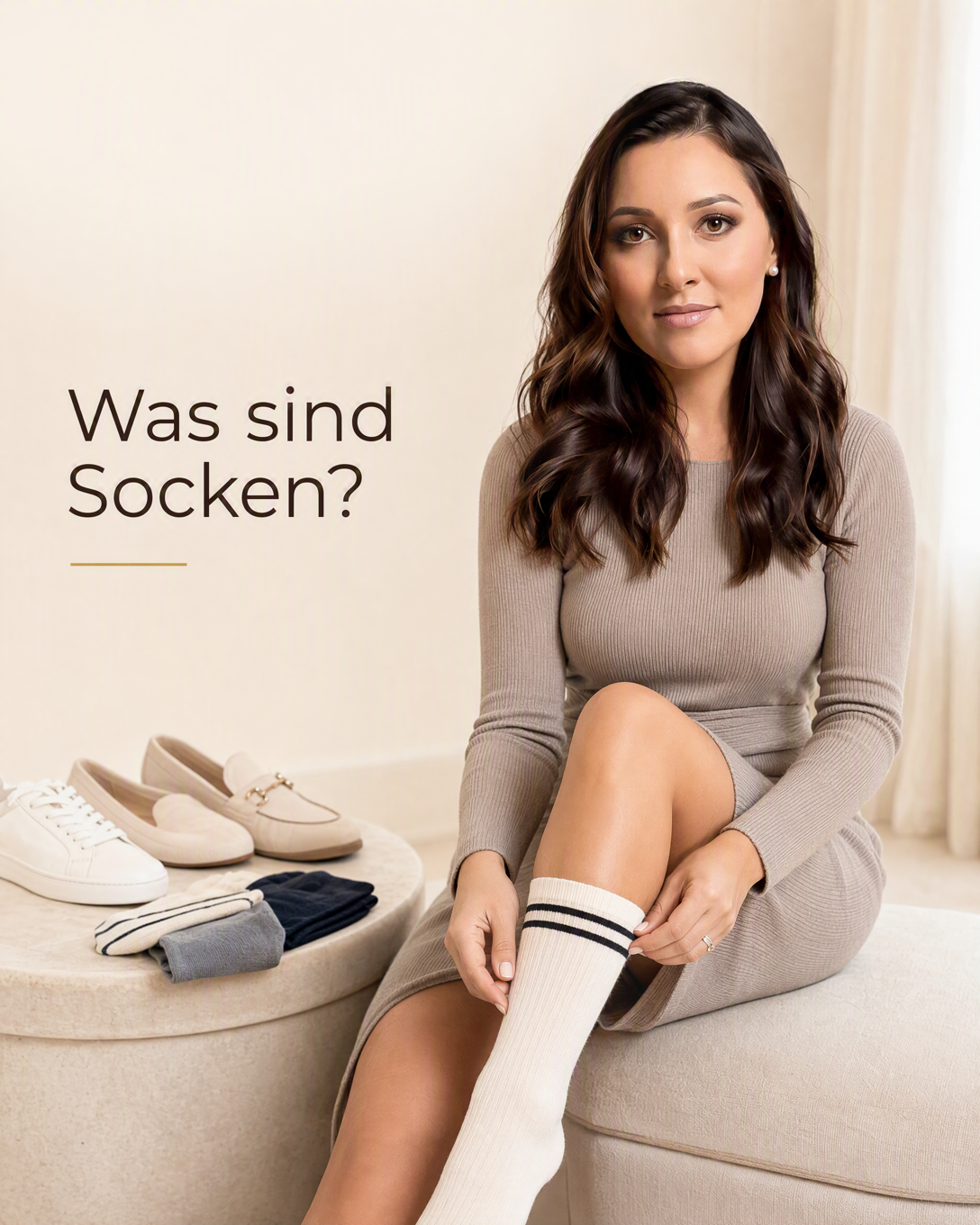
This category explains the vocabulary used for shoe shapes, heel types, boot heights, soles, materials, and fit. It covers everyday footwear such as Sneakers , Loafers , and Ankle Boots , as well as more formal styles including Pumps , Slingbacks , and Oxford shoes .
Why Shoes Matter in an Outfit
A shoe can make the same clothing look relaxed, polished, sporty, sensual, or formal. For example, a tailored trouser with a sneaker reads differently from the same trouser worn with a pointed pump or a chunky boot.
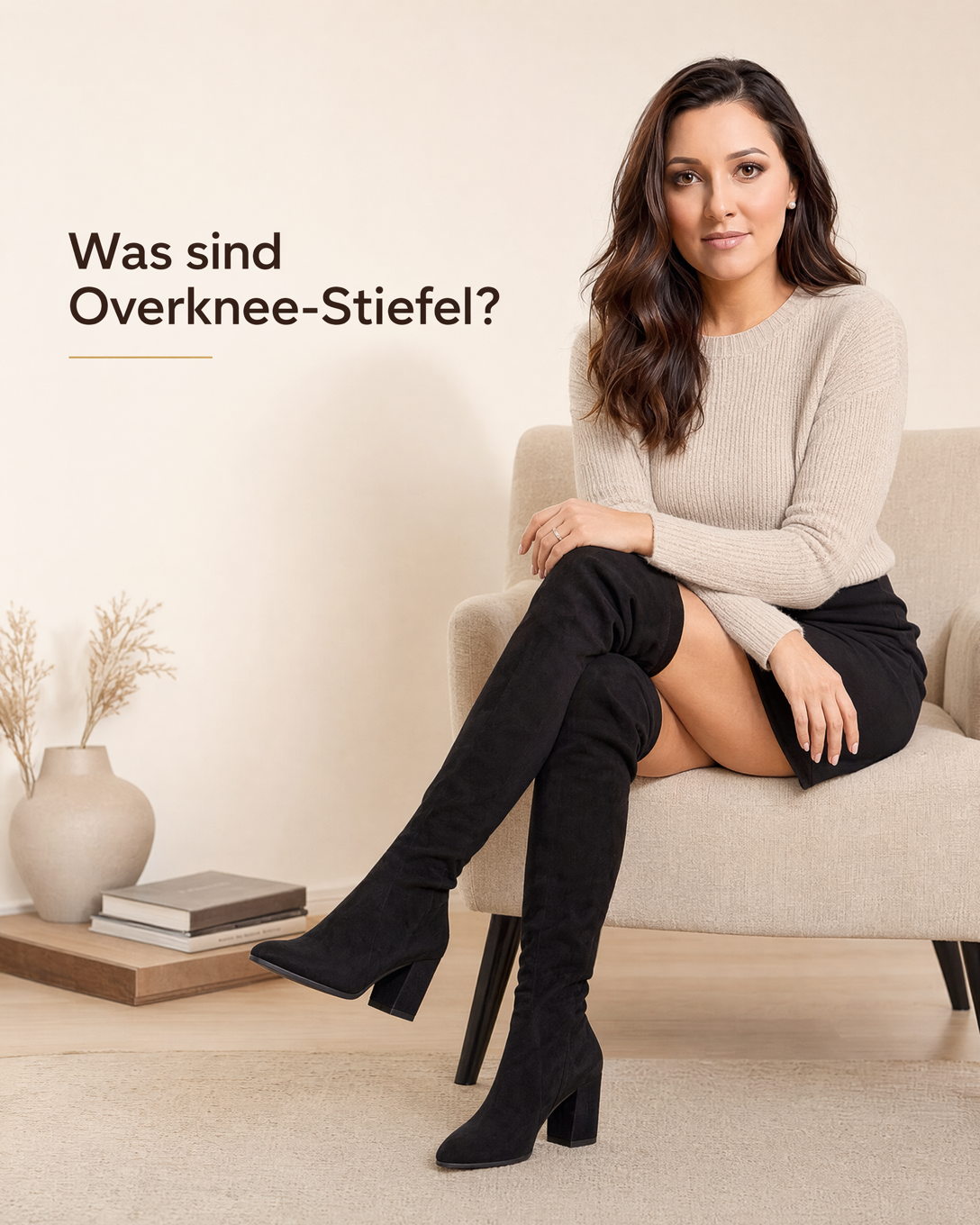
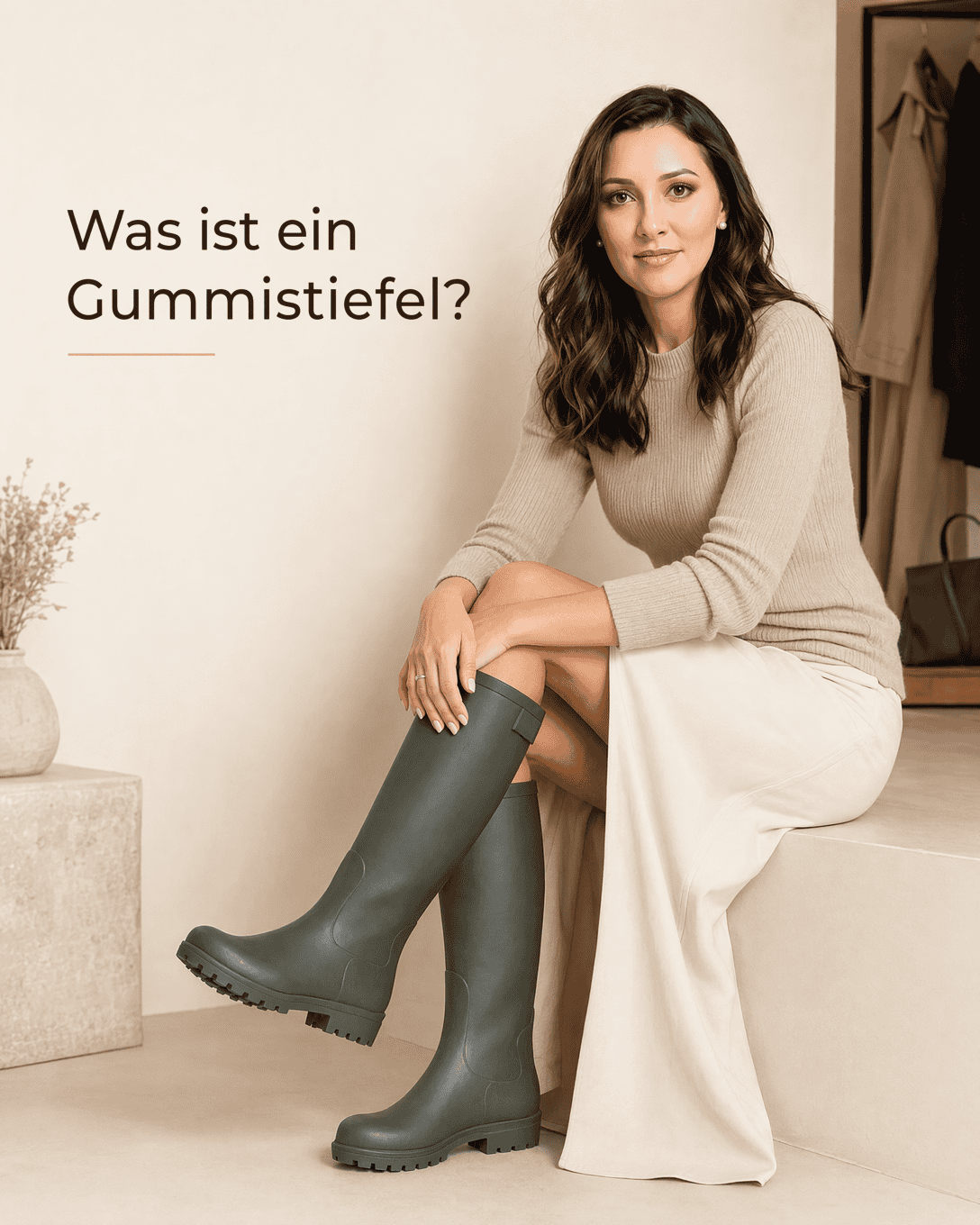
Footwear also has a strong effect on perceived leg length. The height of the shaft, the shape of the toe, the contrast between shoe and trouser, and the visible amount of ankle all influence the line of the lower body. The Shoe-Hem Relationship is therefore one of the most useful principles for building balanced outfits.
How to Use Shoe Terms When Styling
When choosing shoes, consider the full outfit rather than the shoe in isolation:
- Check the hem: Try the shoe with the exact trousers, skirt, or dress length you plan to wear.
- Consider the toe shape: A Toe Shape can make a shoe look softer, more classic, more directional, or visually longer.
- Match the level of formality: A refined shoe can elevate casual clothing, while a casual shoe can relax tailoring.
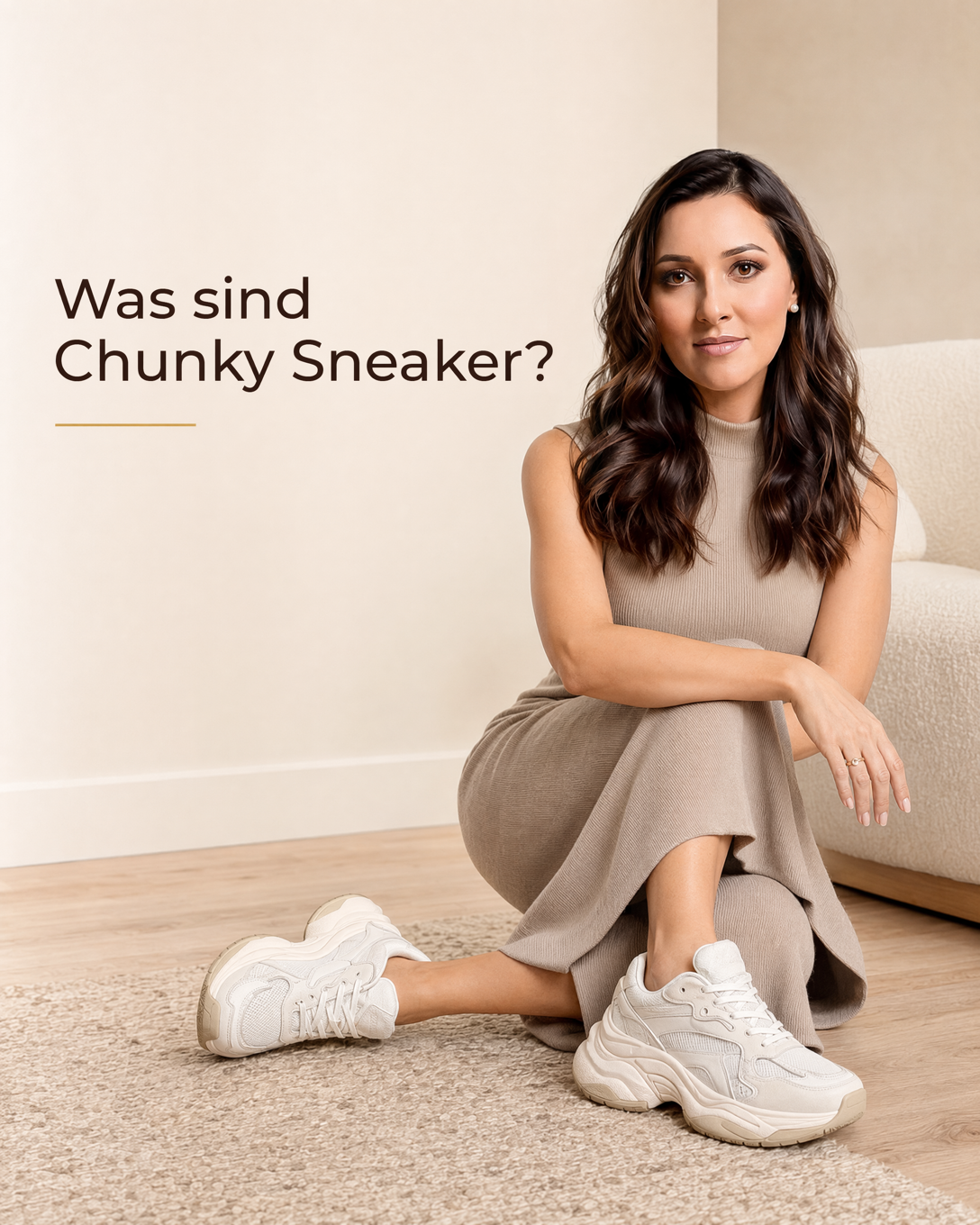
- Balance visual weight: Chunky soles, heavy boots, and delicate sandals create very different proportions.
- Prioritize fit and movement: Good Fit helps you walk naturally and wear the shoe more often.
Key Shoe Topics in This Glossary
Shoe shapes and silhouettes
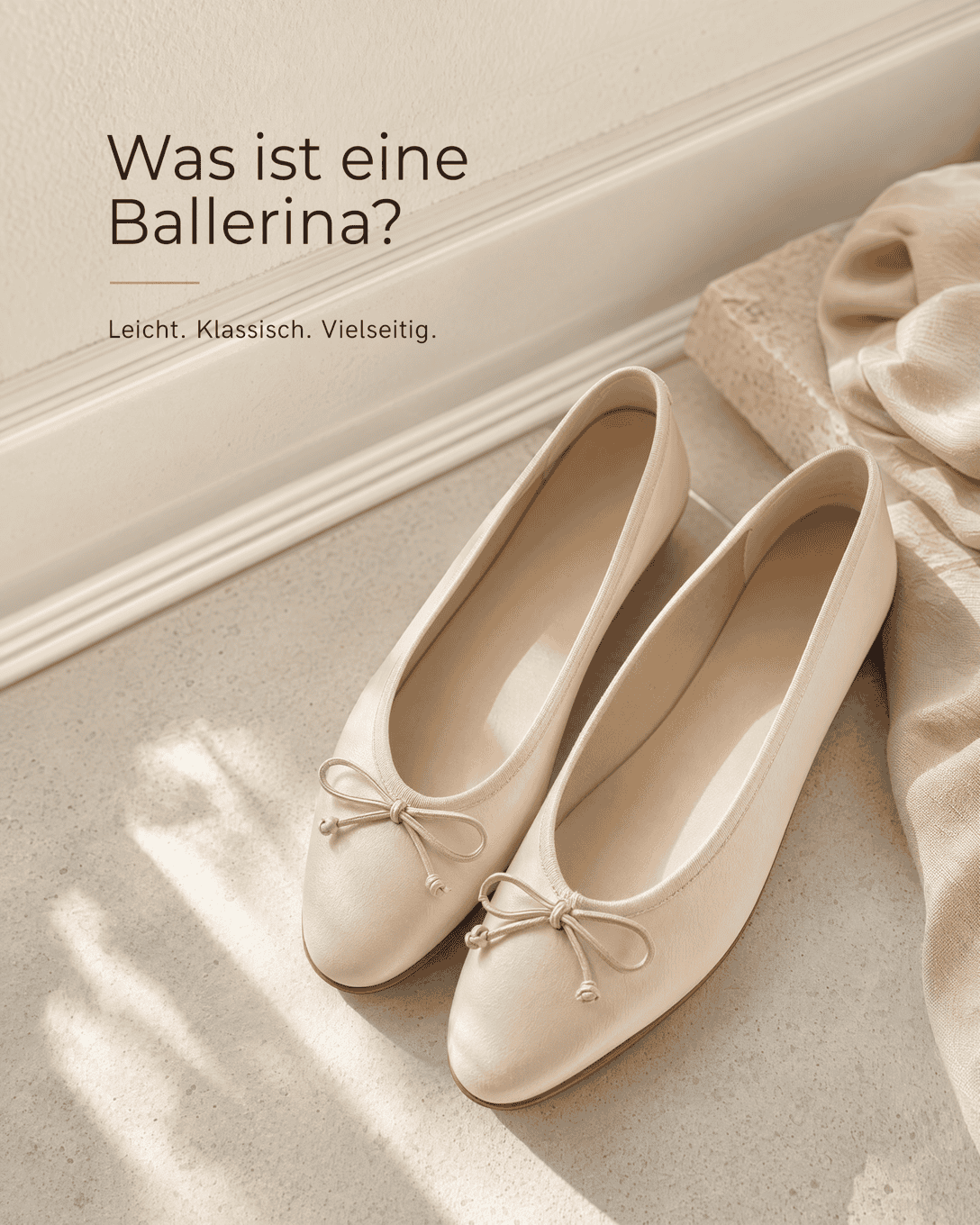
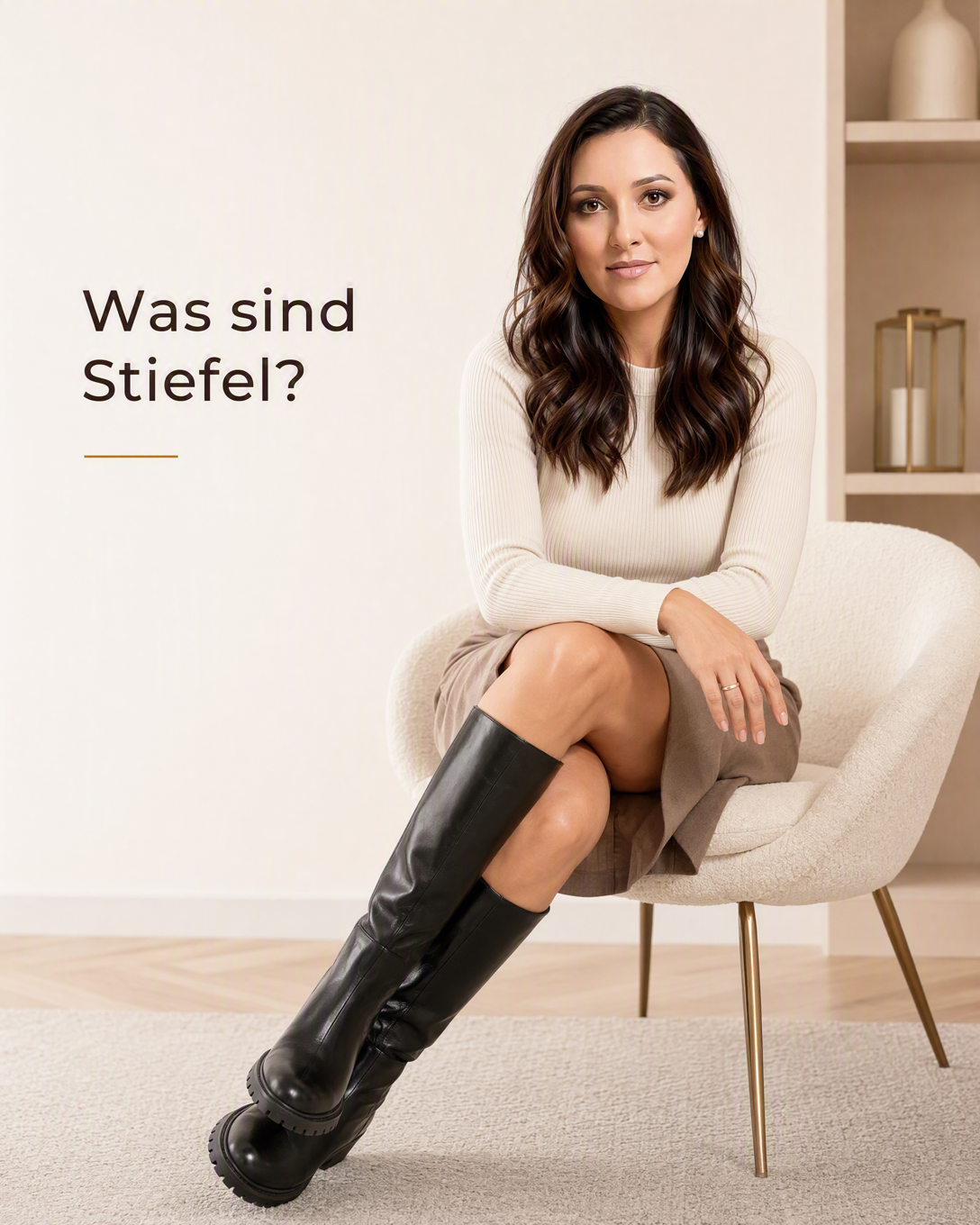
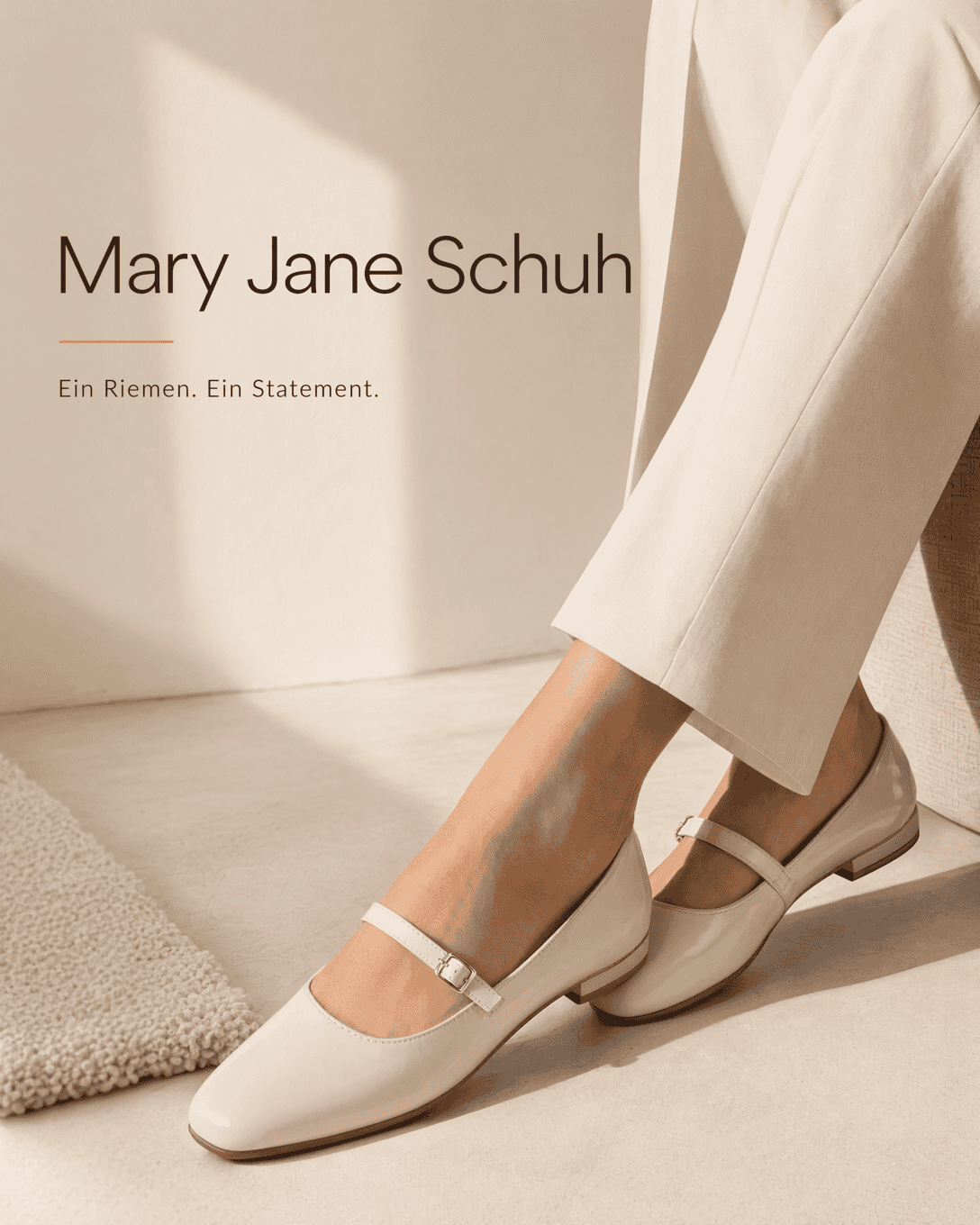
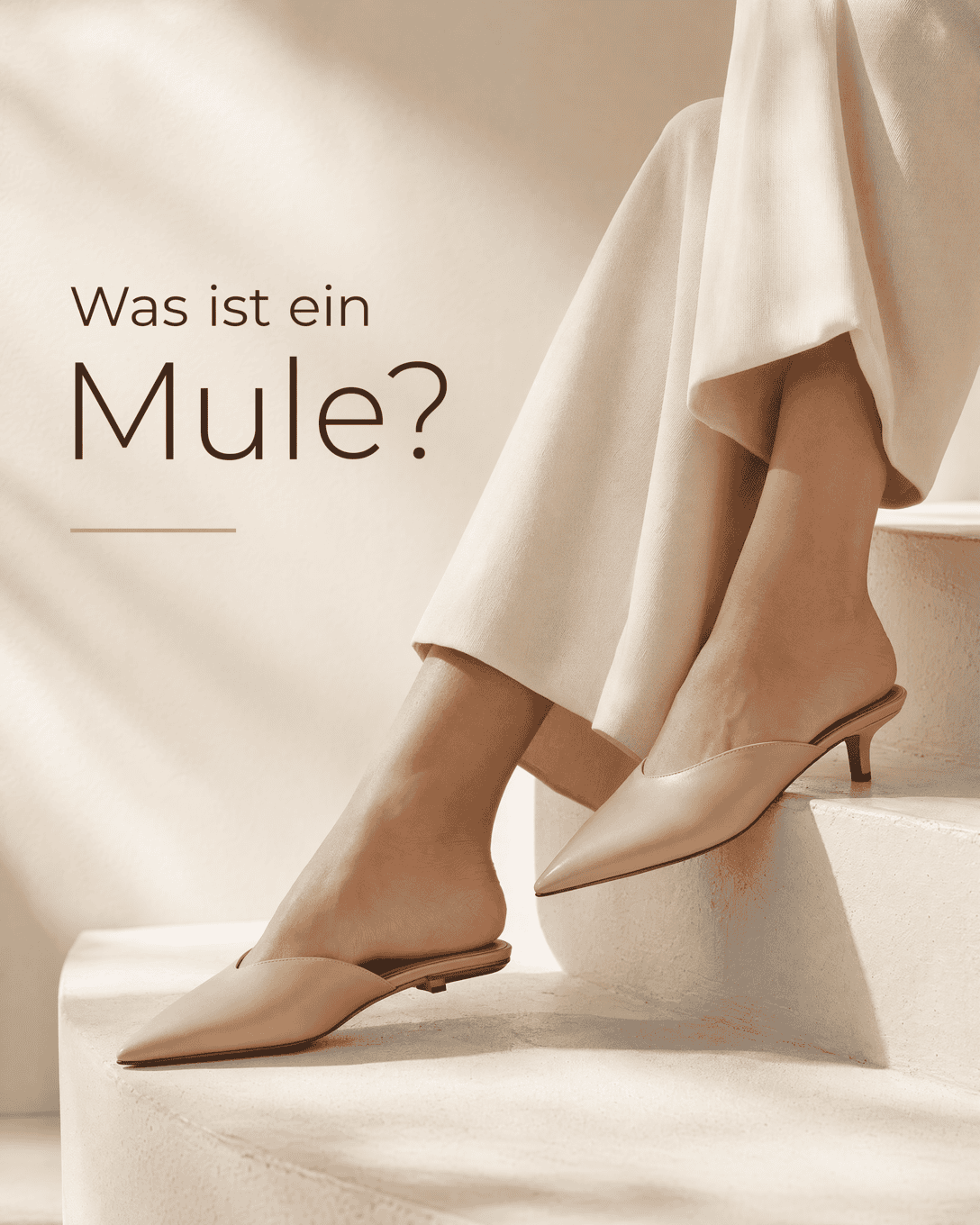
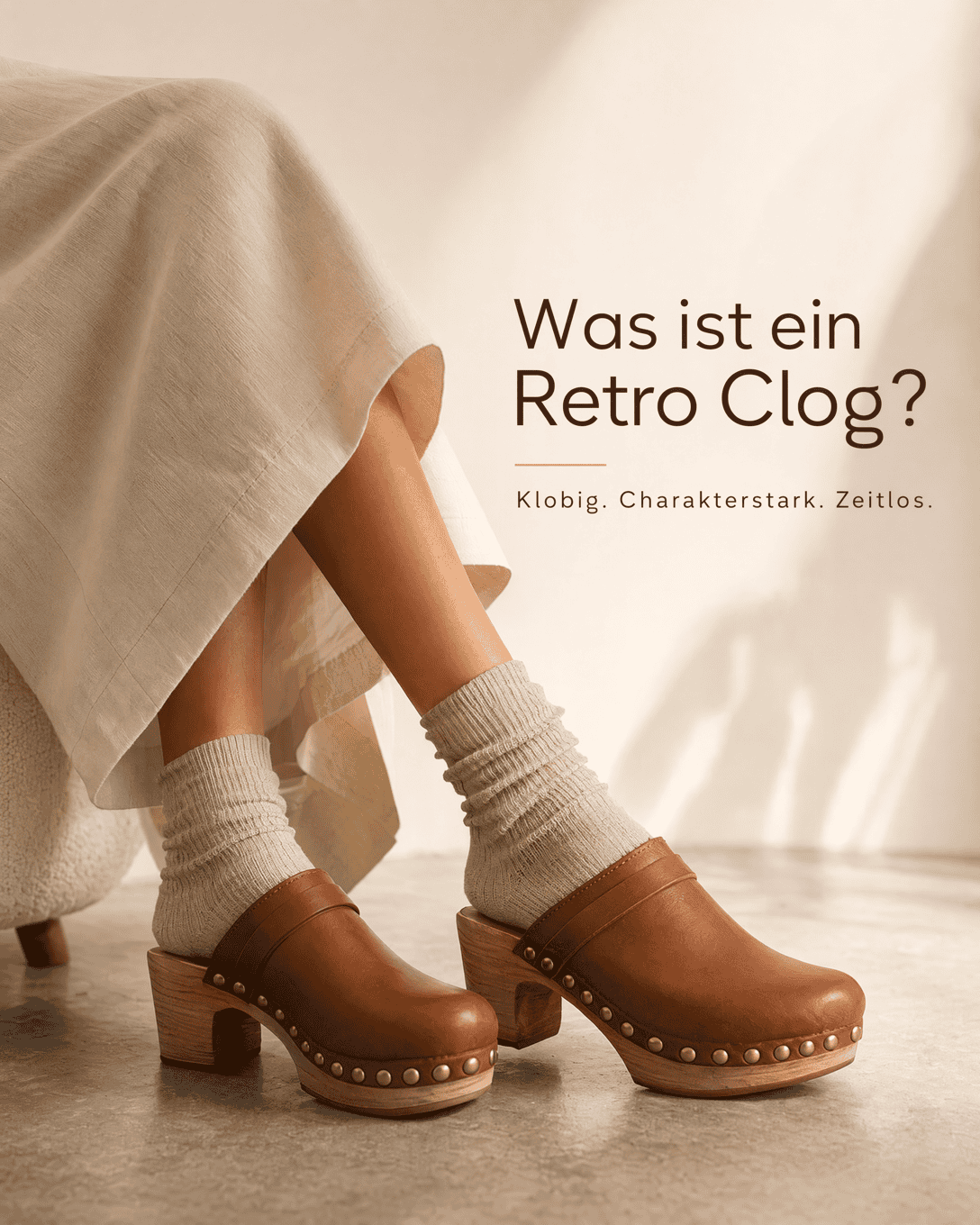
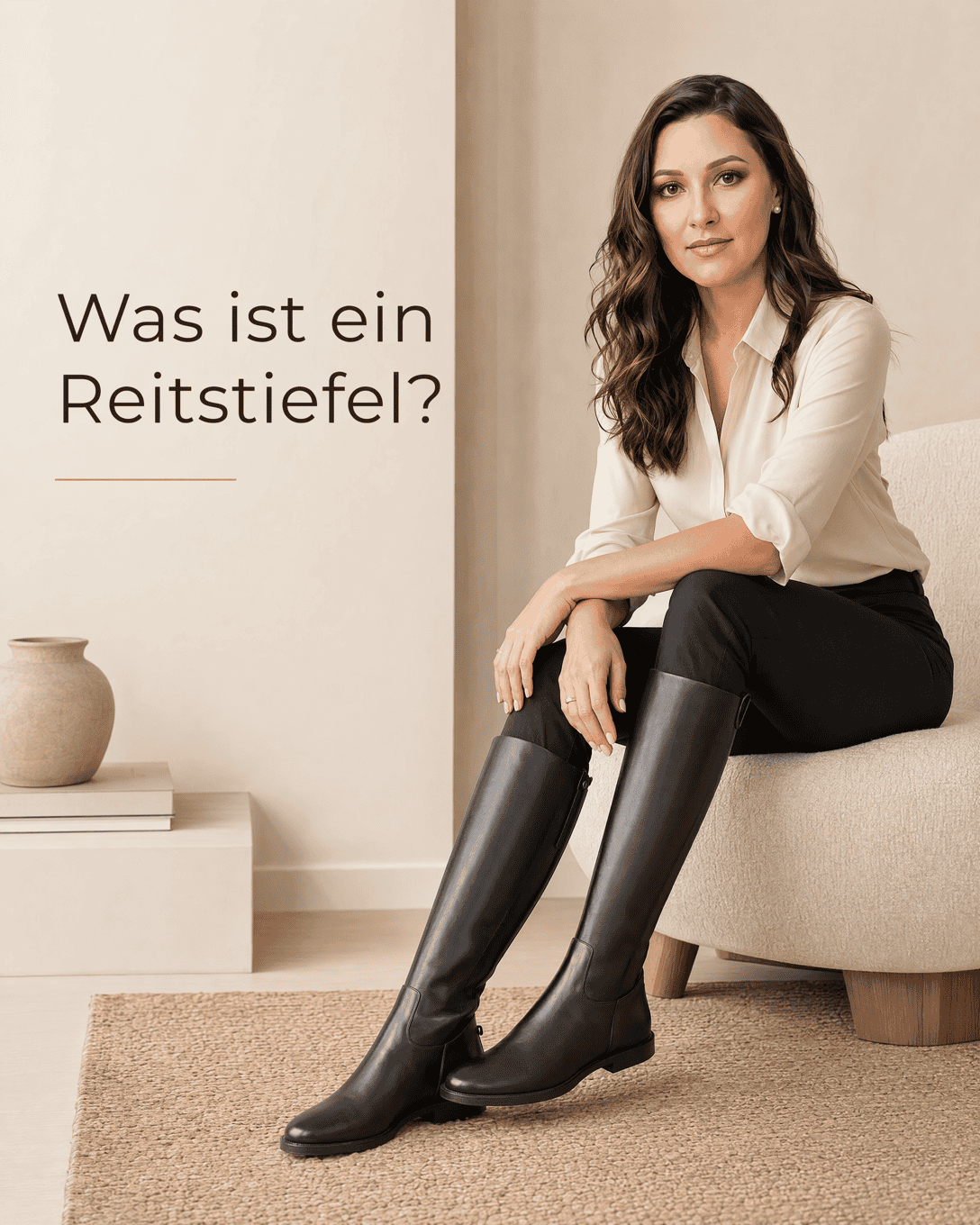
Learn the differences between footwear styles such as Ballerinas , Mary Janes , Mules , Chelsea Boots , and Knee-High Boots . Each shape brings a different line and mood to an outfit.
Heels, soles, and height
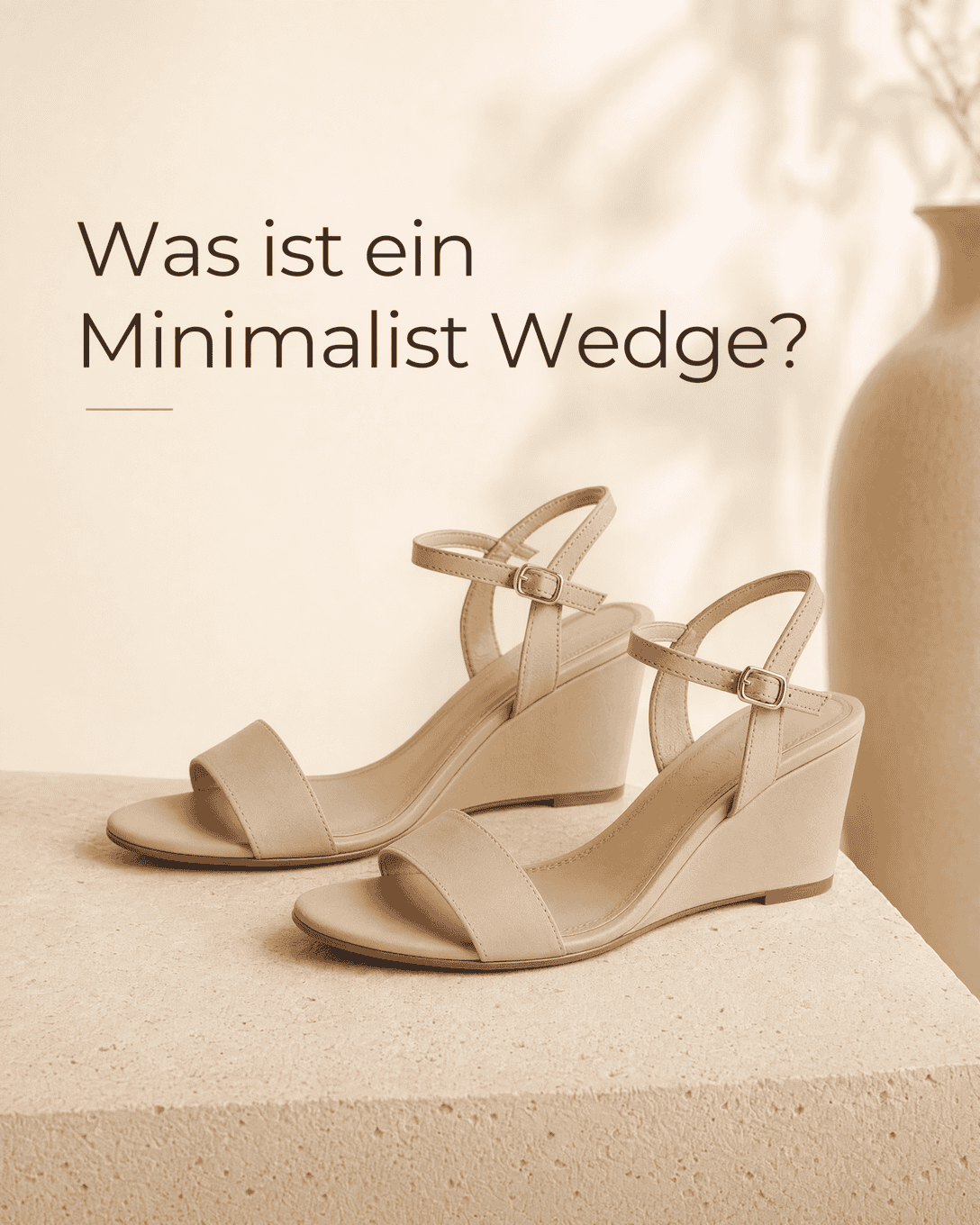
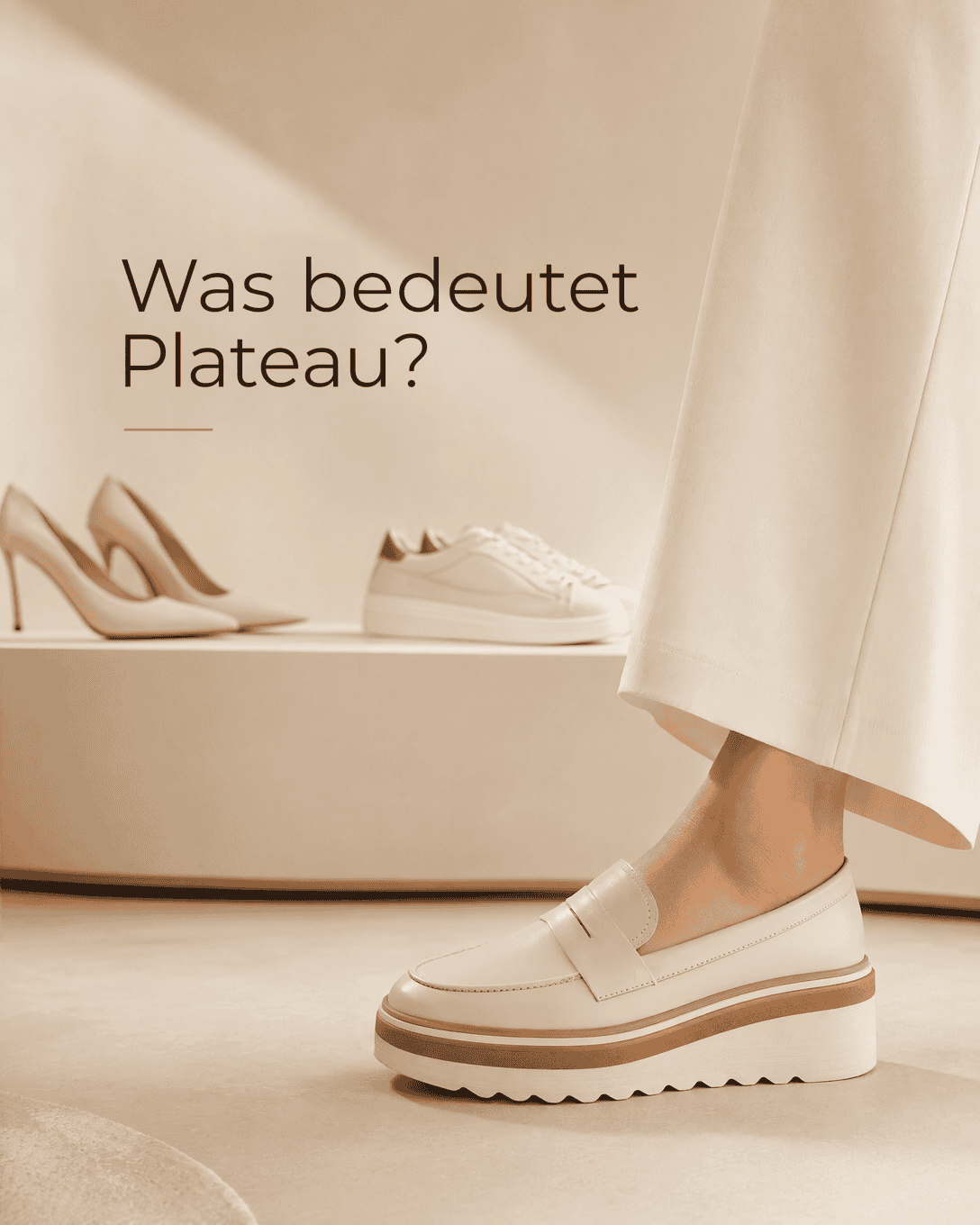
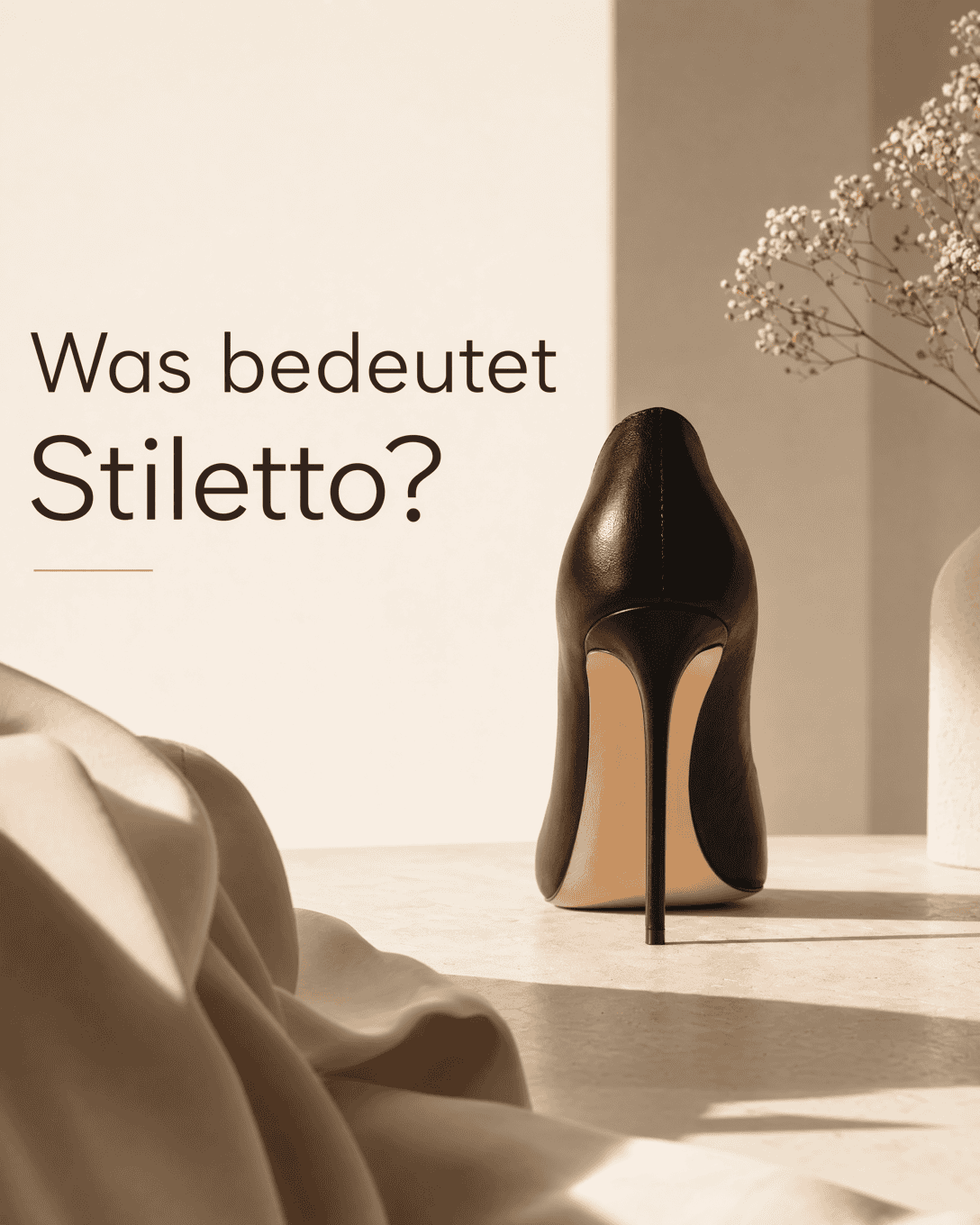
Heel construction changes both comfort and impact. Terms such as Block Heel , Kitten Heel , Wedge Heel , and Plateau help you identify how a shoe is built and how it may work in daily life.
Shoe fit and comfort
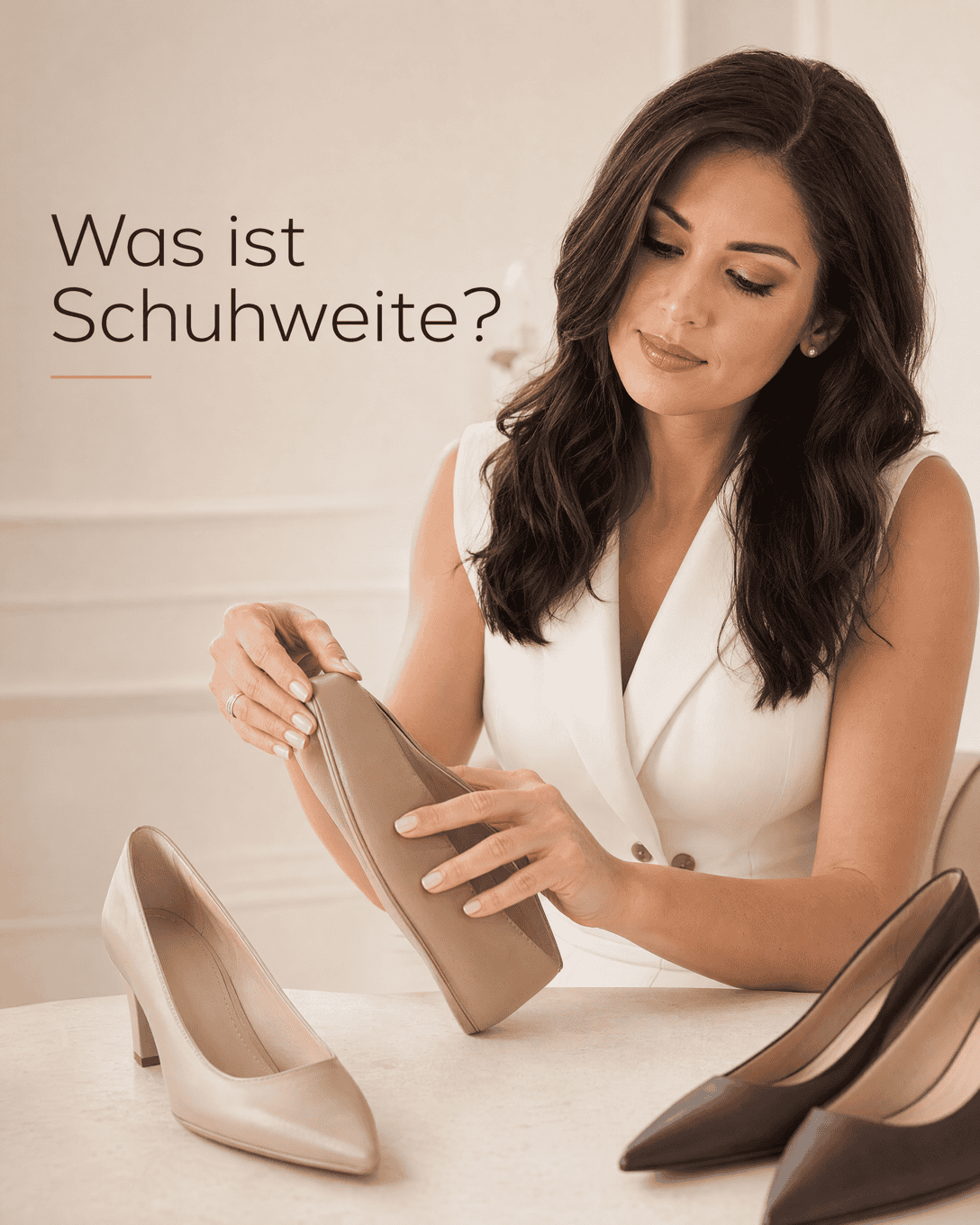
Comfort is part of style impact. A shoe that causes pressure, changes your gait, or feels unstable can distract from even the most considered outfit. Understanding Shoe Width , the Toe Box , and the Shoe Last makes it easier to choose footwear that supports your movement.
Dress code and occasion
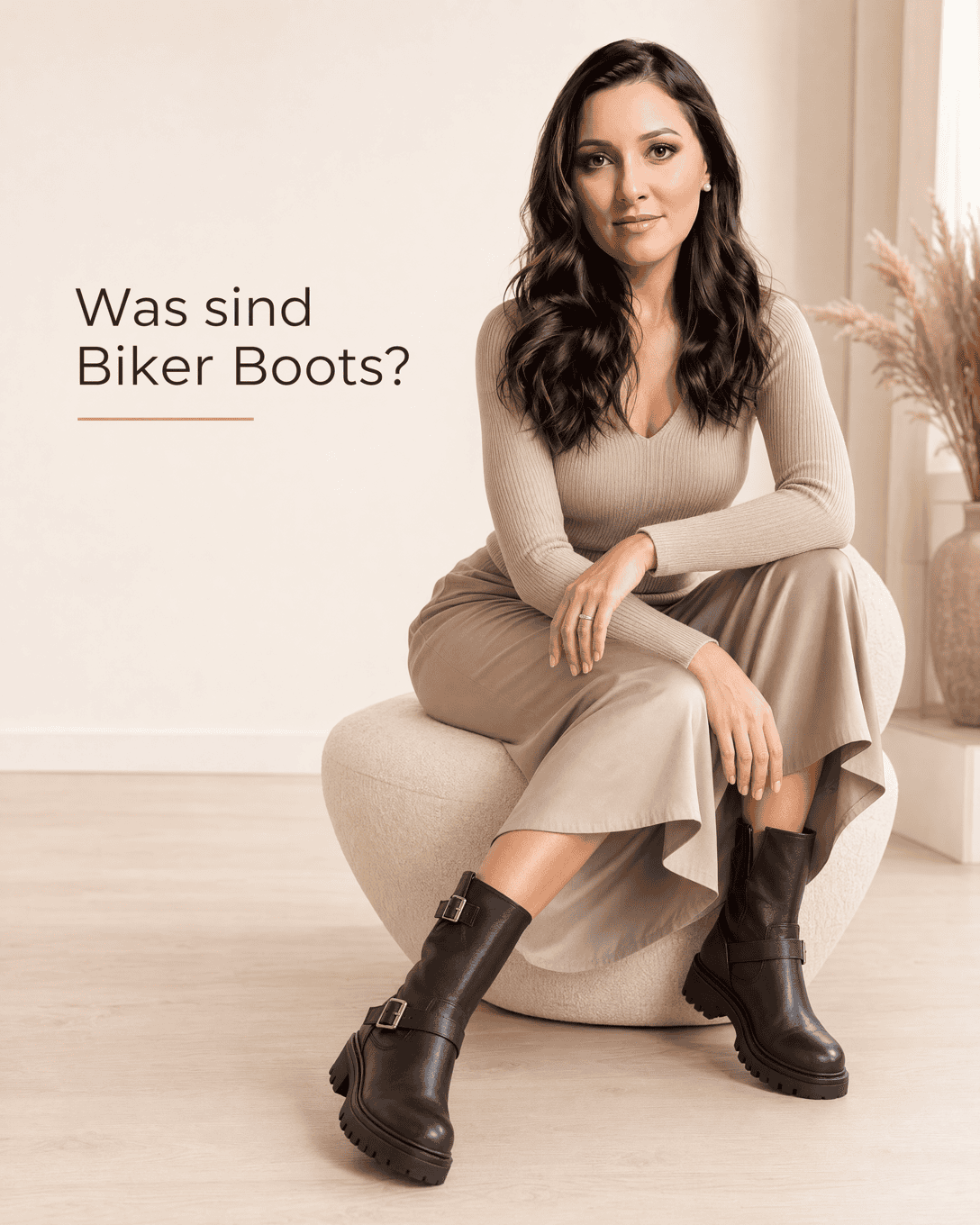
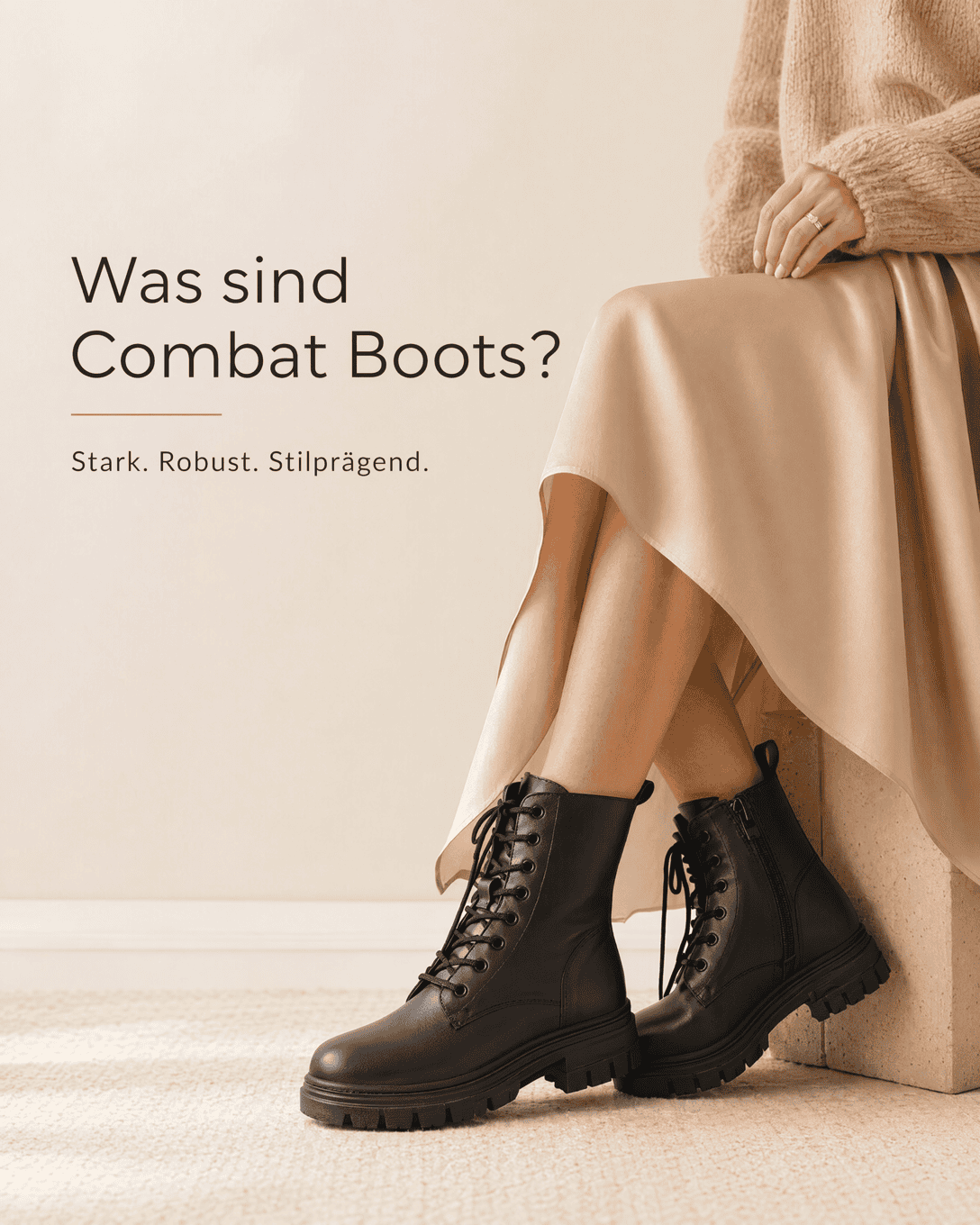
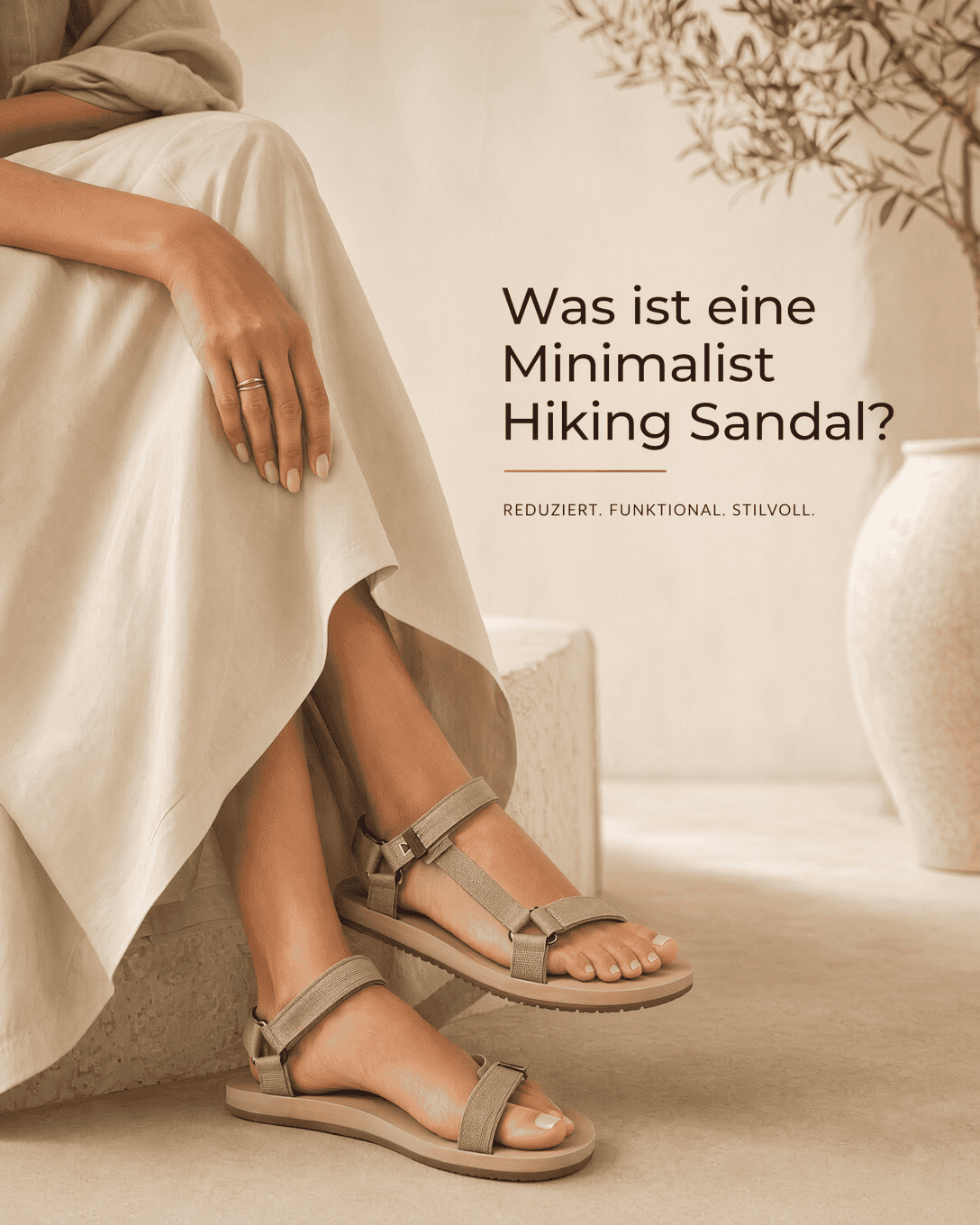
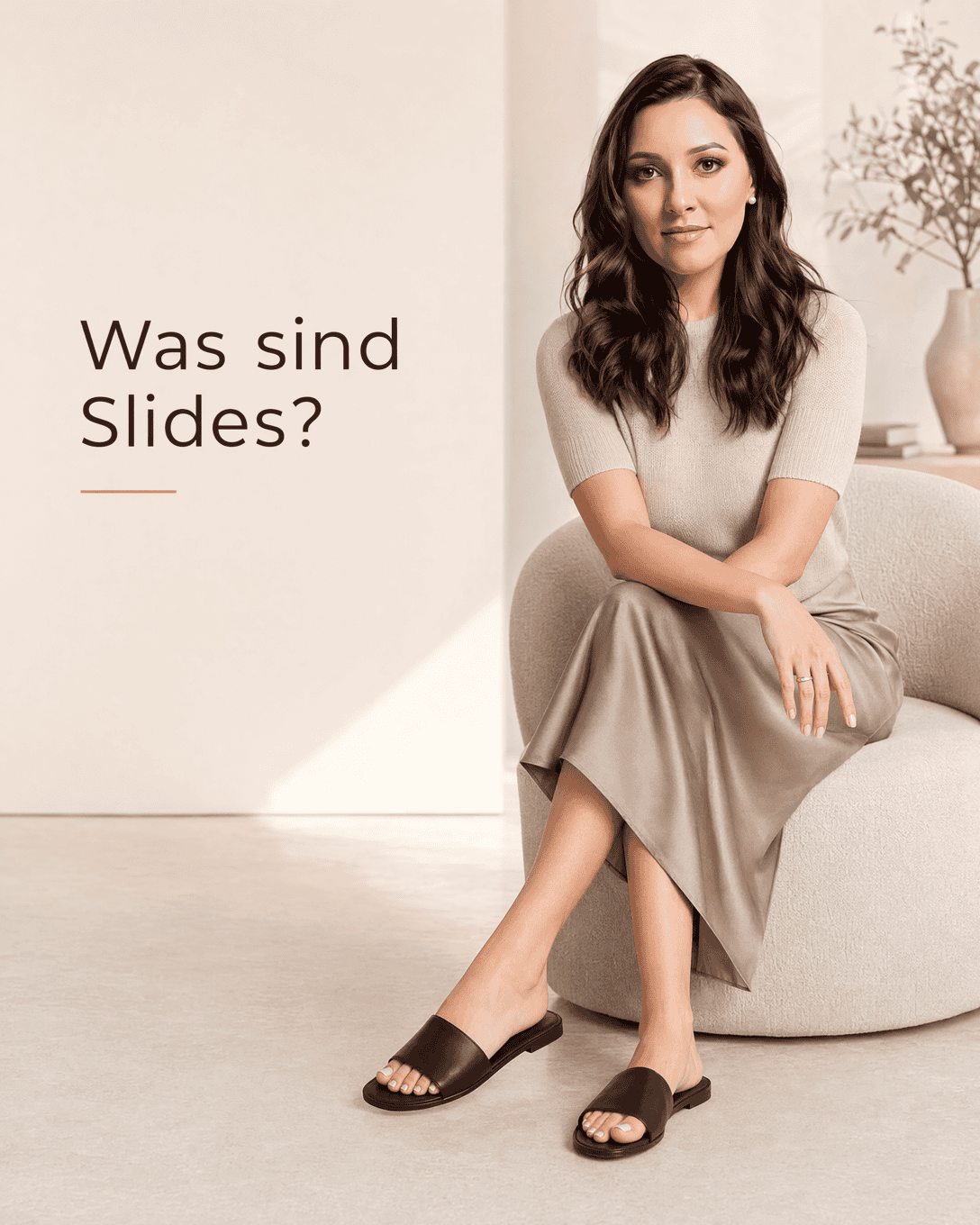
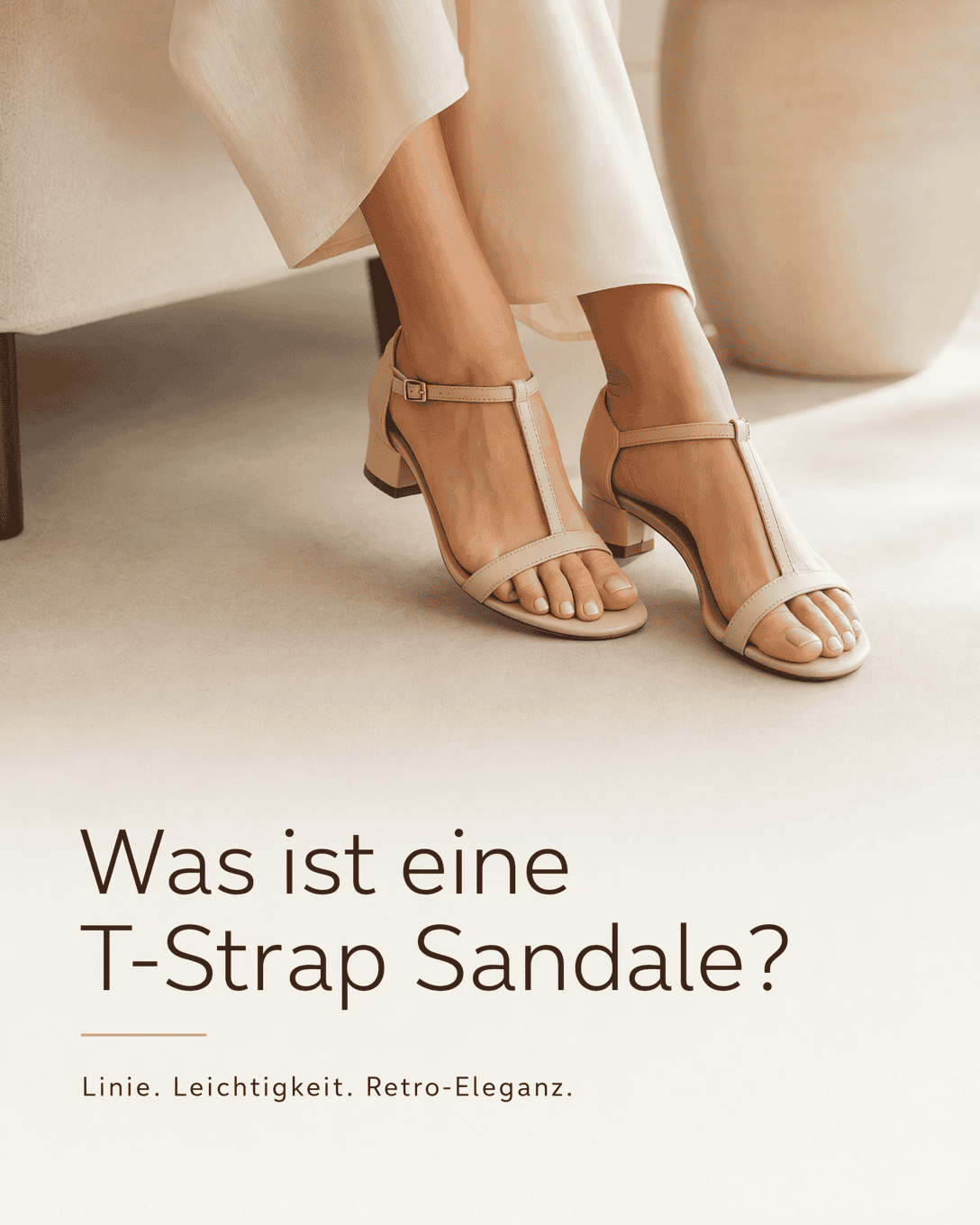
Shoes can clarify whether an outfit suits work, an event, or a relaxed weekend. A Dress Sandal or elegant pump may suit cocktail attire, while Combat Boots or a sneaker create a more casual, grounded effect. The right choice depends on the occasion, the clothing, and the message you want your outfit to communicate.
Practical Shoe Check Before You Buy
Before adding a pair of shoes to your wardrobe, ask:
- Can I walk, stand, and move comfortably in them?
- Which trouser hems, skirt lengths, or dress silhouettes do they work with?
- Do they suit my real occasions and everyday routine?
- Do they add a useful shape or function that my wardrobe does not already have?
- Will I be able to care for and wear them regularly?
A shoe earns its place in a wardrobe when it is comfortable, versatile, and coherent with the rest of your clothing.
ESKYNA Key Line
Shoes are not an afterthought. They shape proportion, comfort, confidence, and the final message of an outfit.
Shoes 52