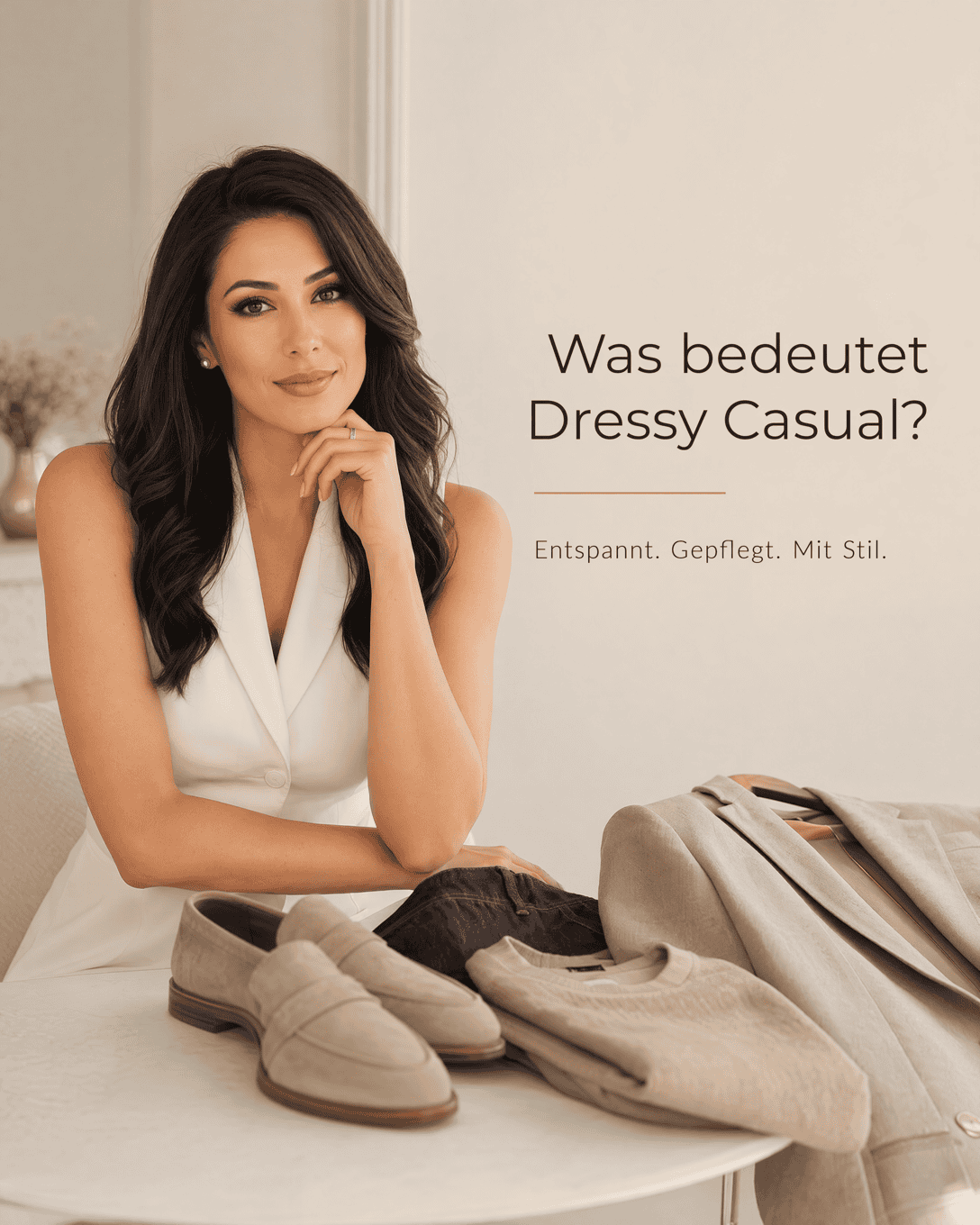
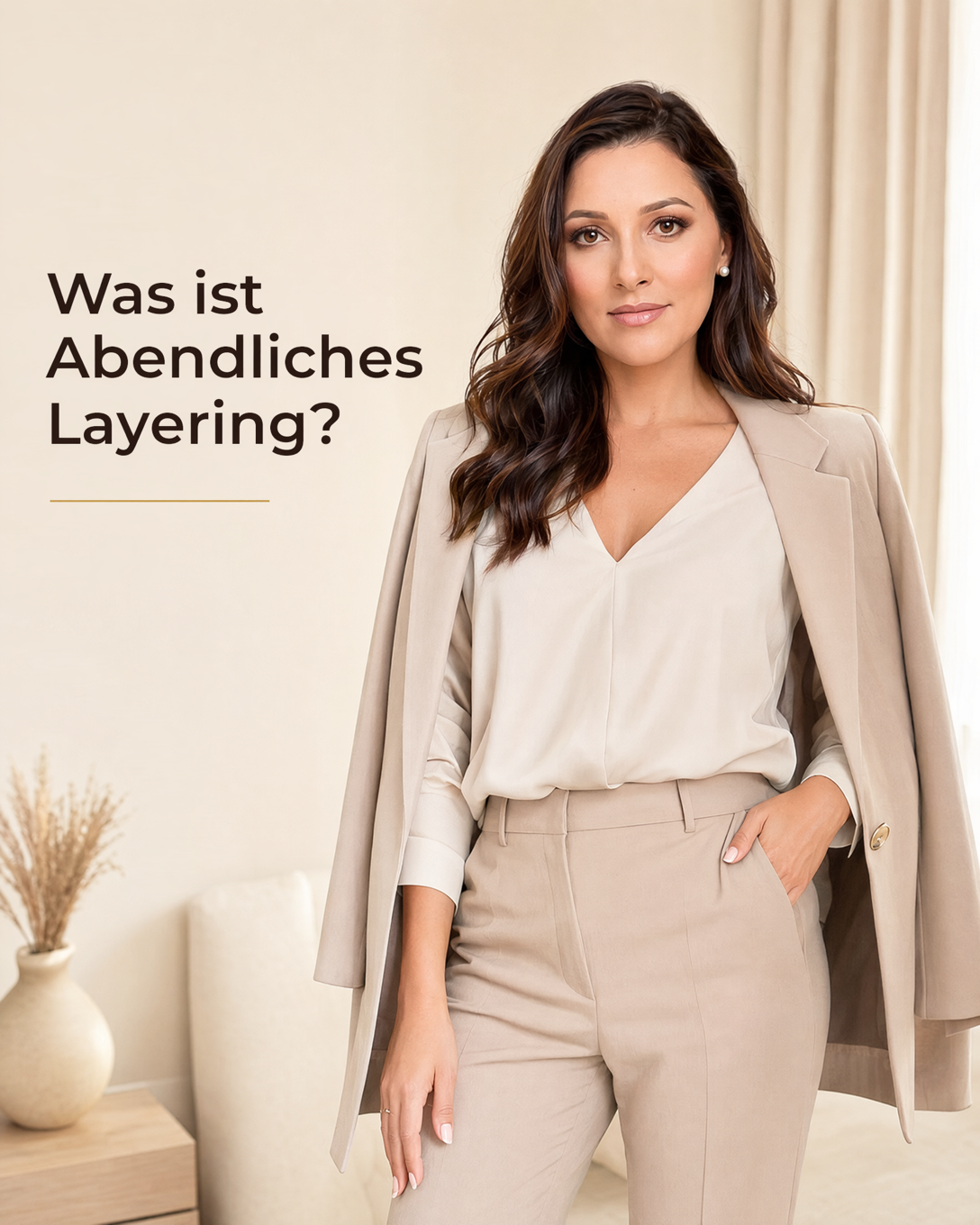
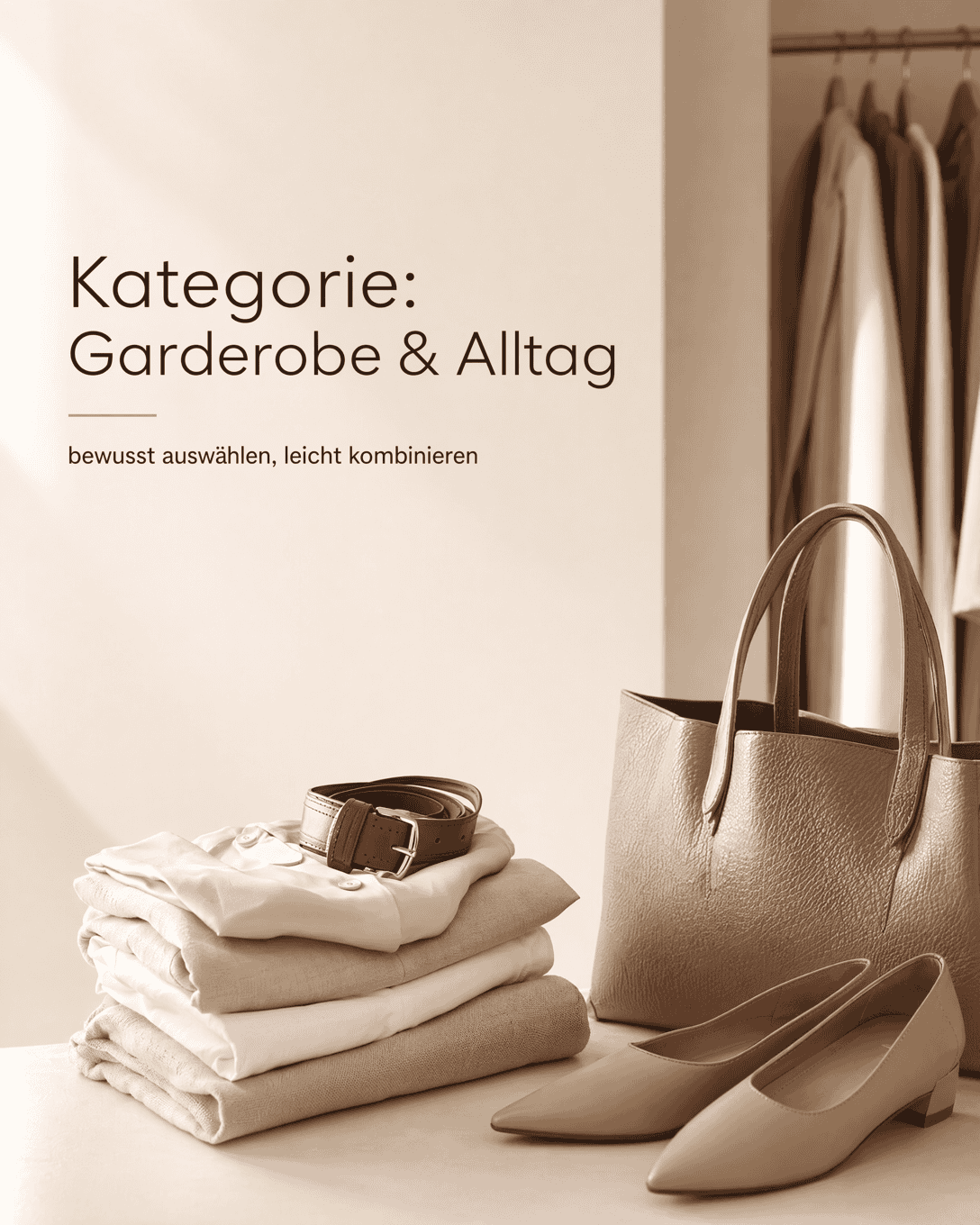
Category: Wardrobe & Everyday Style
Practical wardrobe terms for building a useful, versatile wardrobe, making everyday outfit decisions, shopping with intention, and creating long-term style clarity.
What this category covers
Wardrobe and everyday style are about turning fashion knowledge into clothing decisions that work in real life. This category explains how to build a wardrobe that supports your routines, reflects your personal style , and makes getting dressed feel more straightforward.
The terms here cover practical questions such as:
- Which clothes do you actually wear and repeat?
- What makes a piece easy to combine?
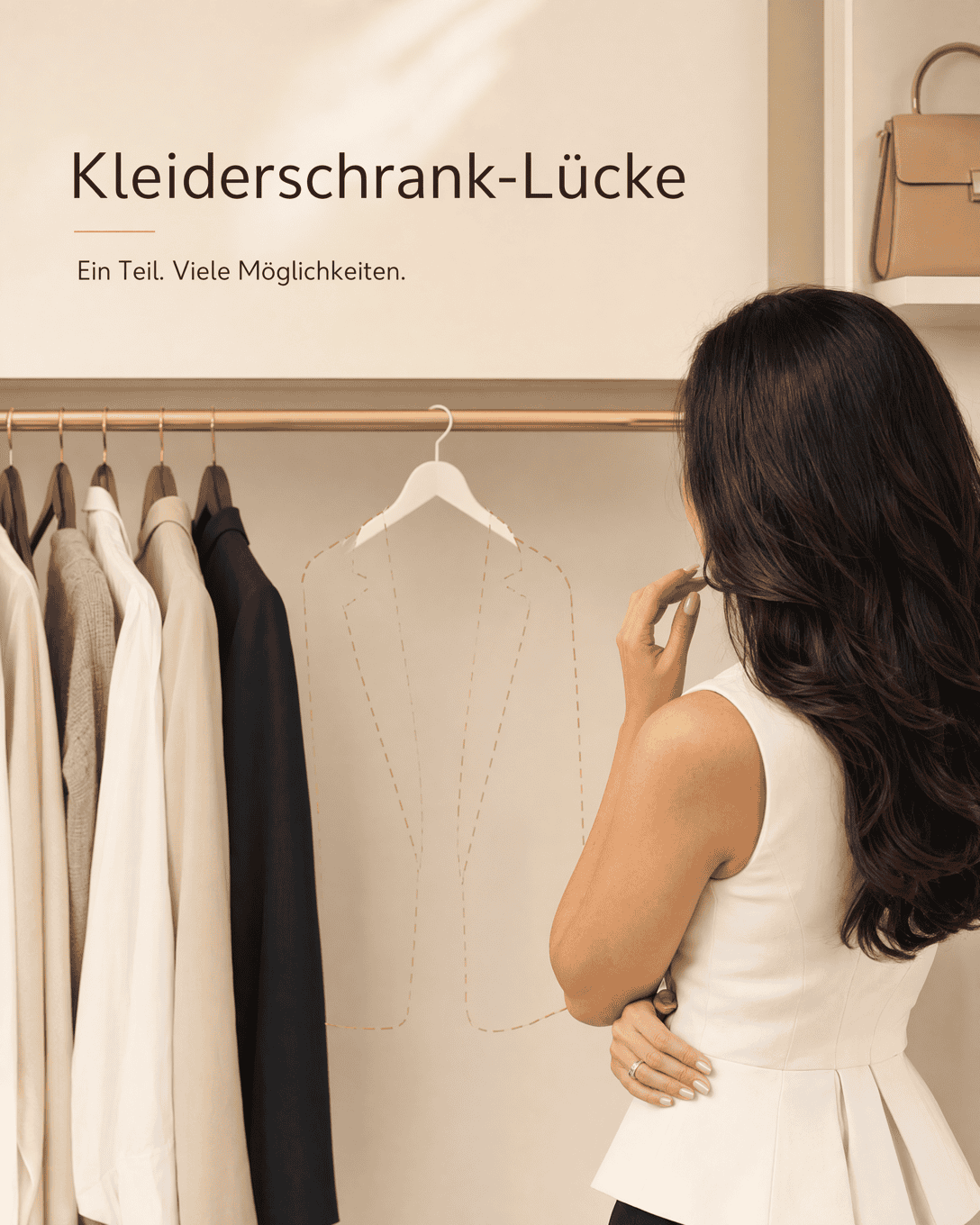
- How do you identify a genuine wardrobe gap?
- Which purchases suit your lifestyle, budget, and existing clothes?
- How can you create reliable outfits for work, weekends, travel, or events?
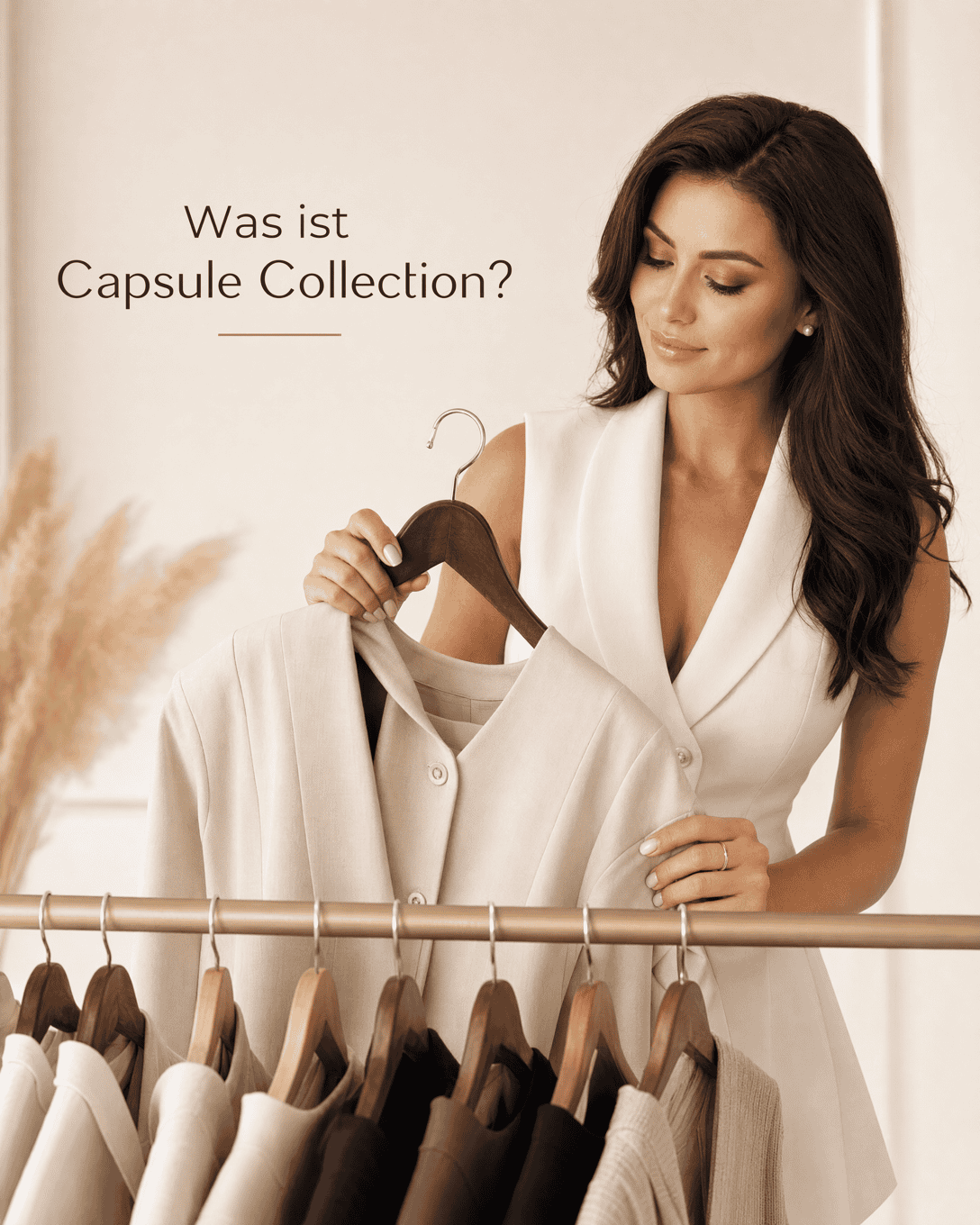
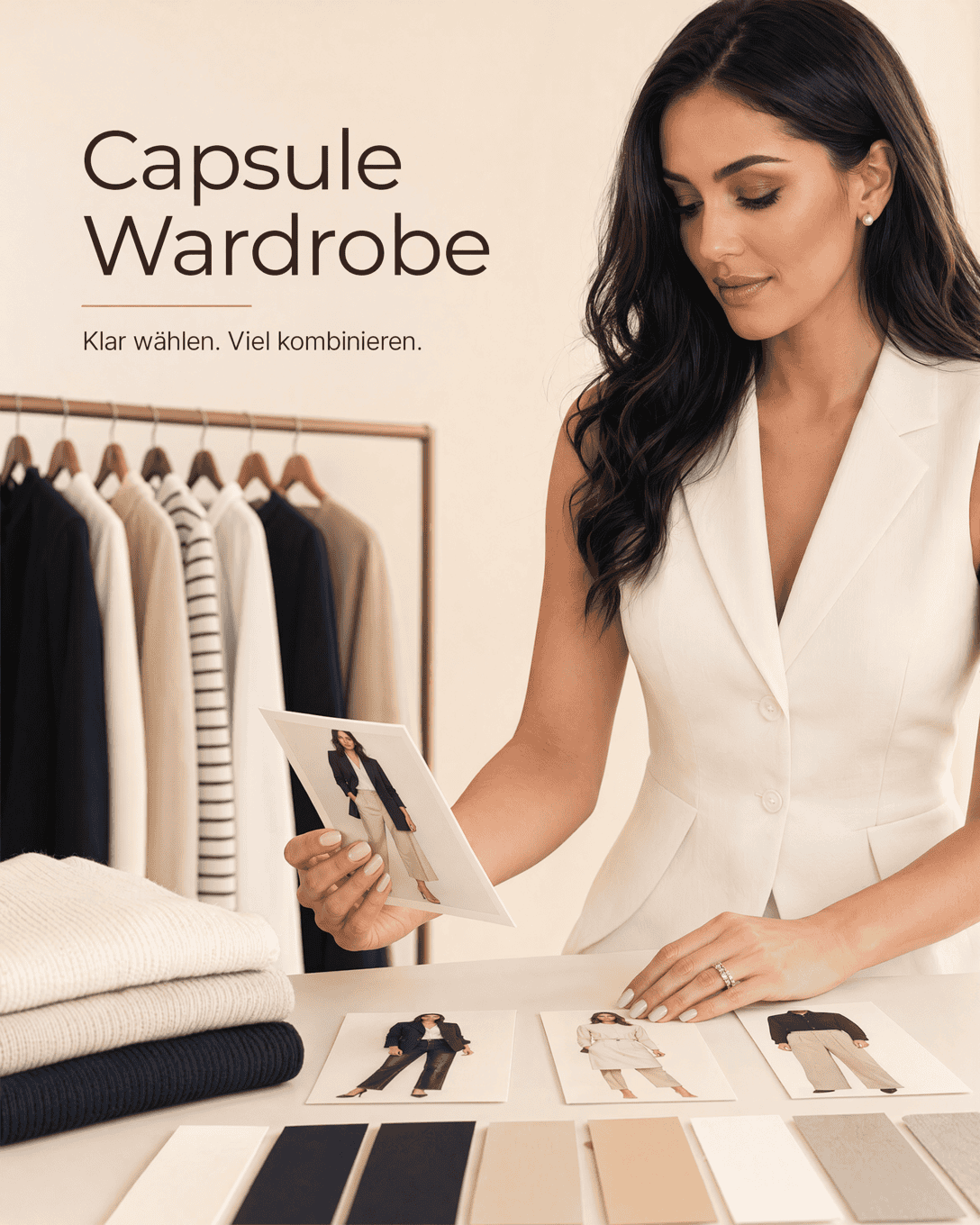
Explore concepts such as wardrobe planning , capsule wardrobes , outfit formulas , shopping lists , cost per wear , and versatility .
Build a wardrobe for your actual life
A strong wardrobe is not necessarily a full wardrobe. It is a collection of clothes that fits your daily reality and gives you enough options without creating unnecessary decisions.
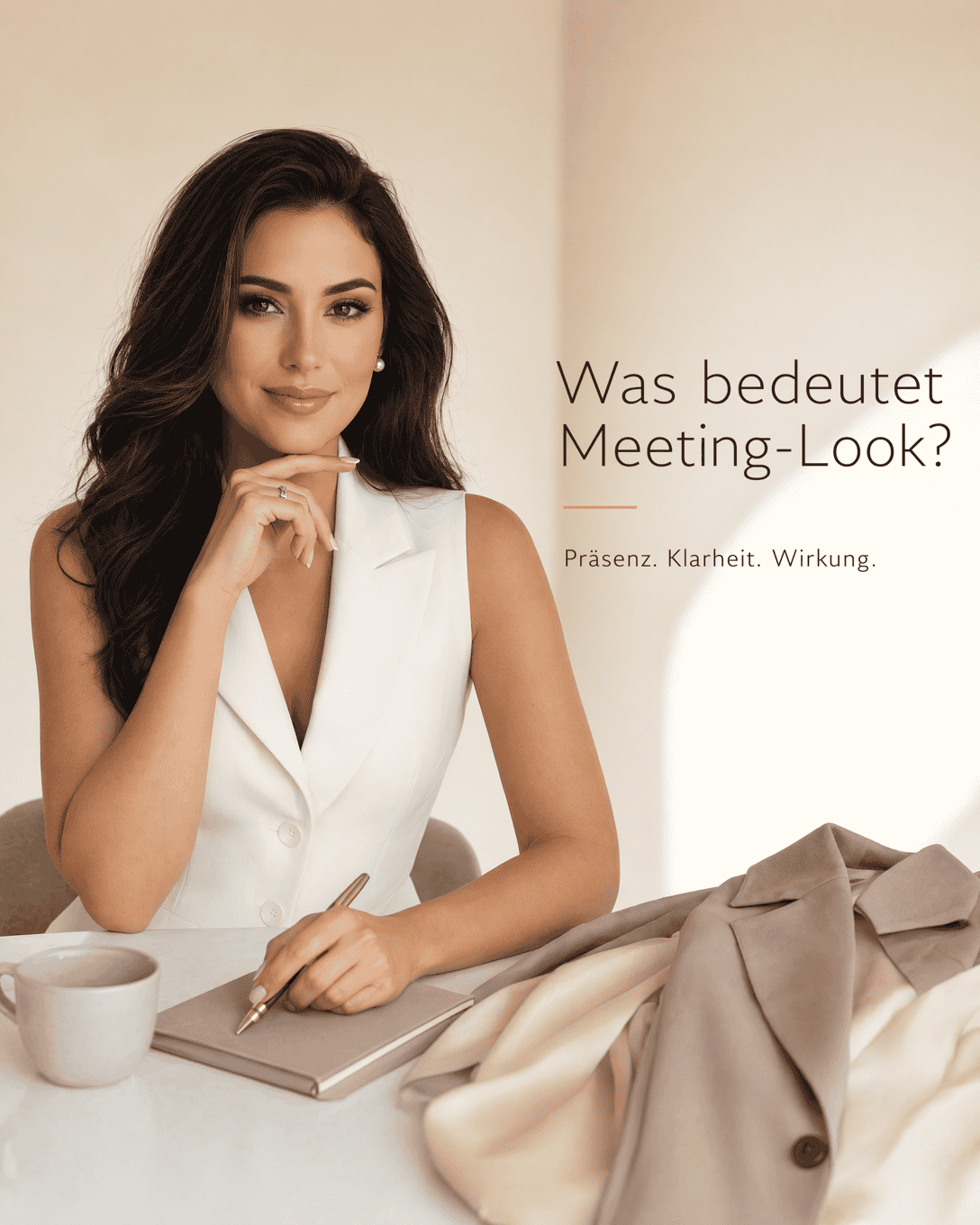
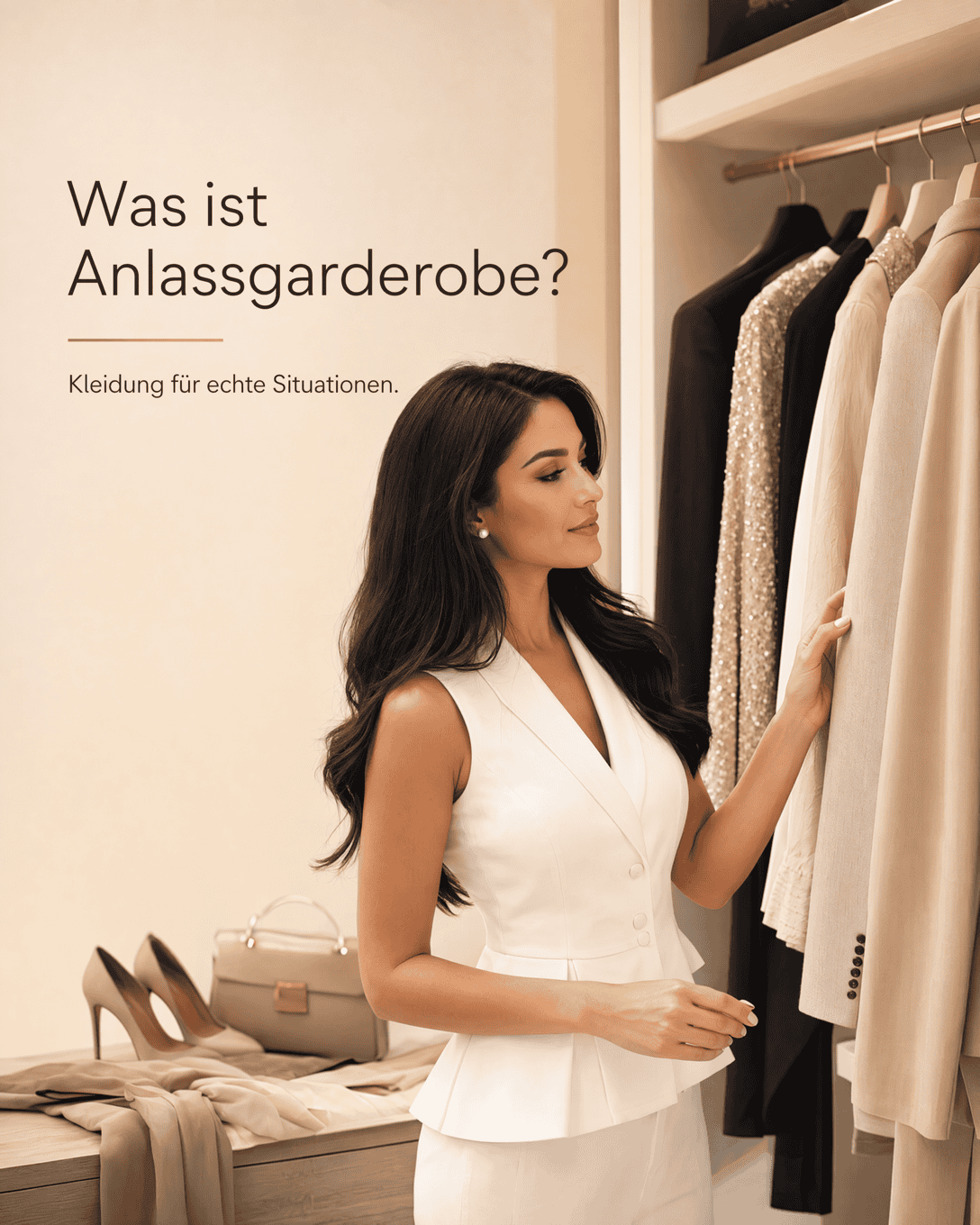
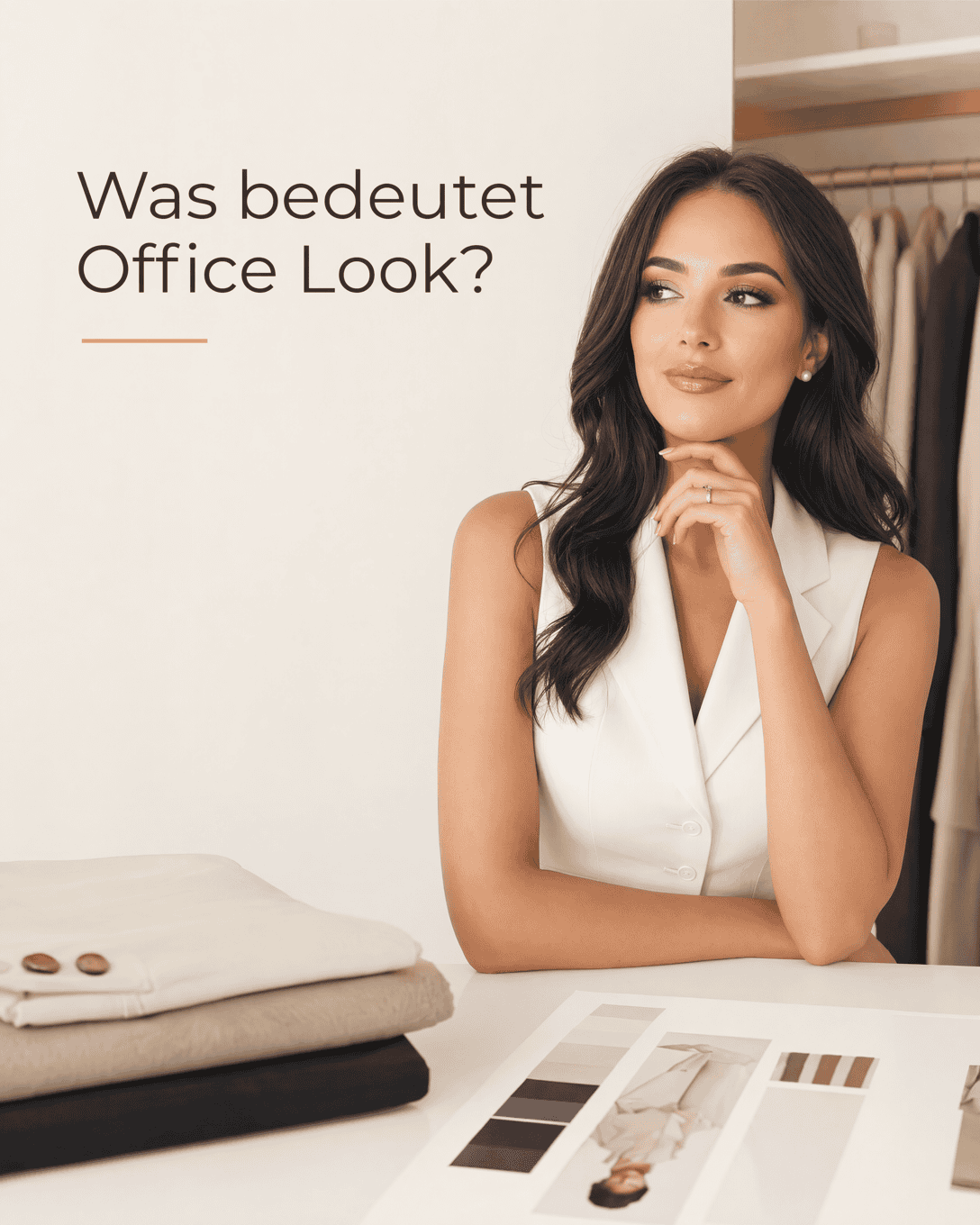
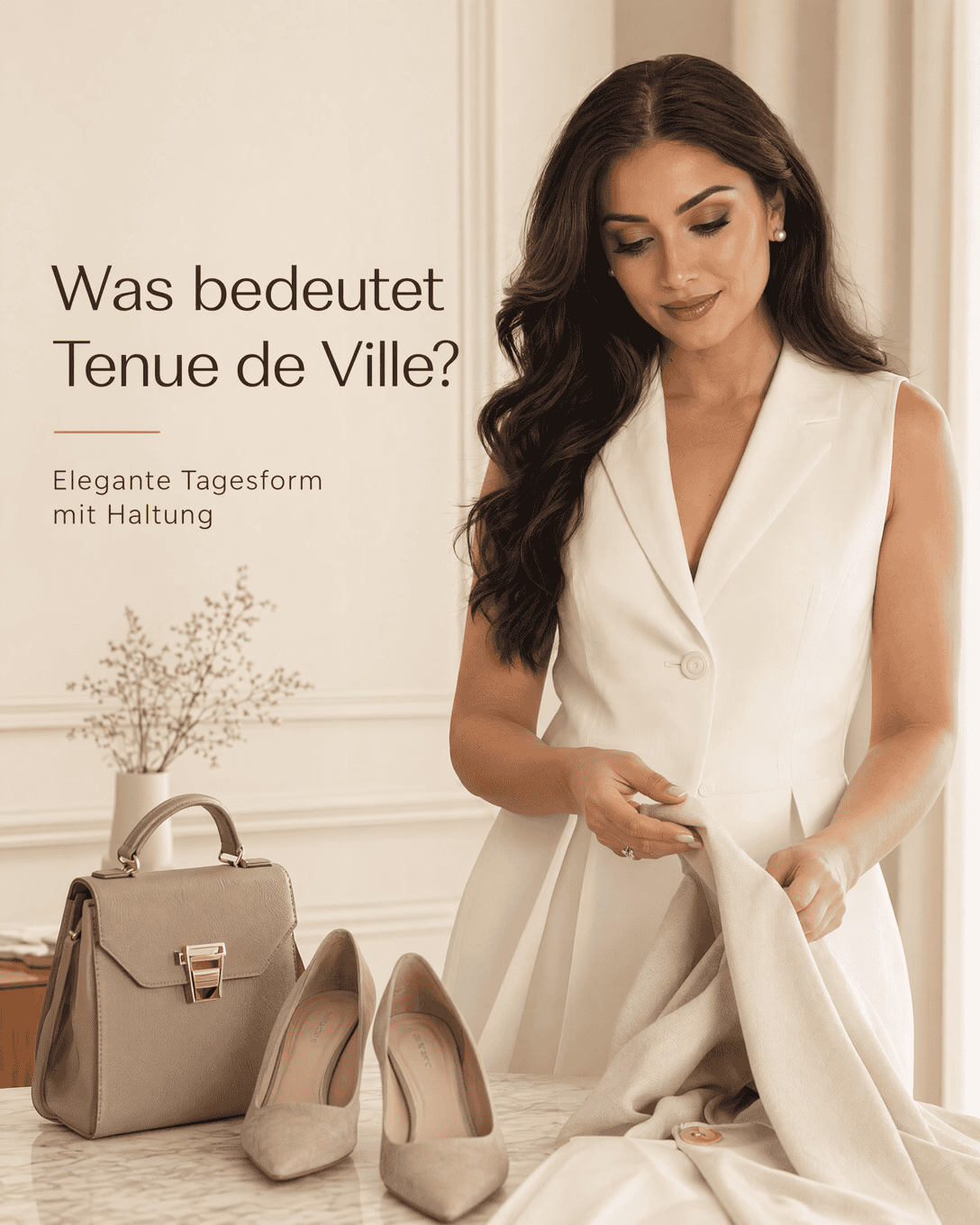
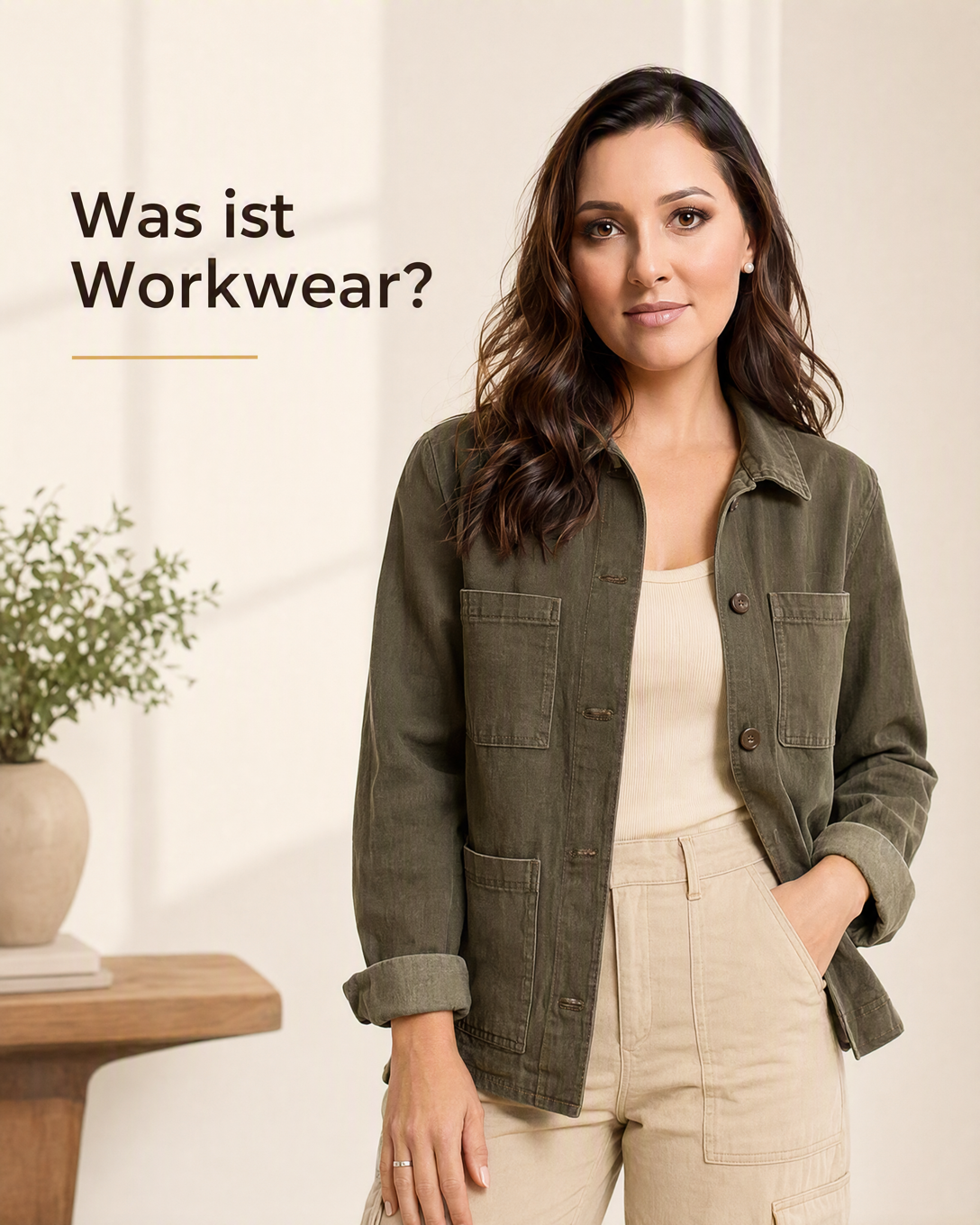
Start with the situations you dress for most often. You may need clothes for an office, a relaxed workplace, travel, school runs, meetings, dinner plans, or occasional formal events. An occasion wardrobe helps you see whether your clothing matches these demands.
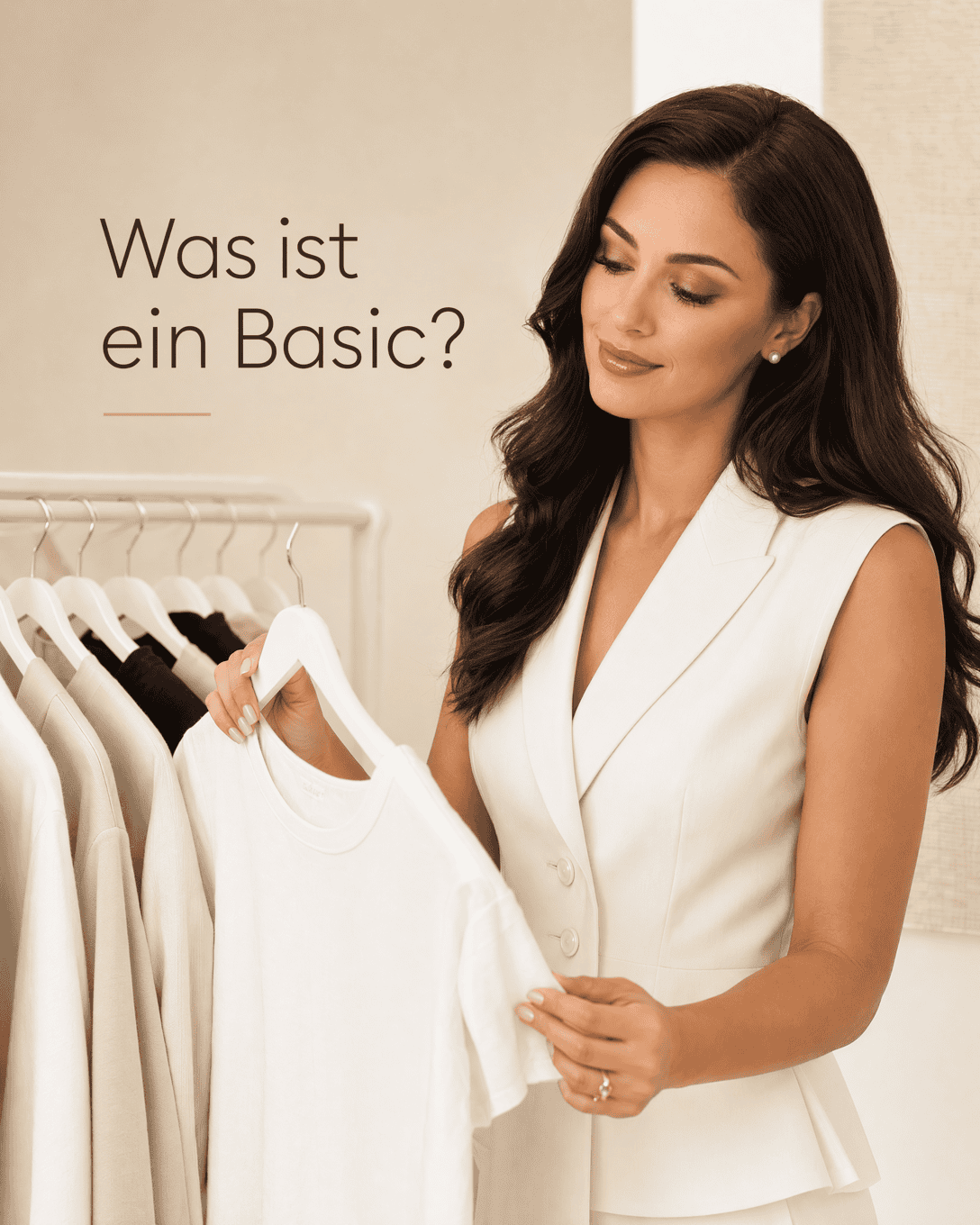
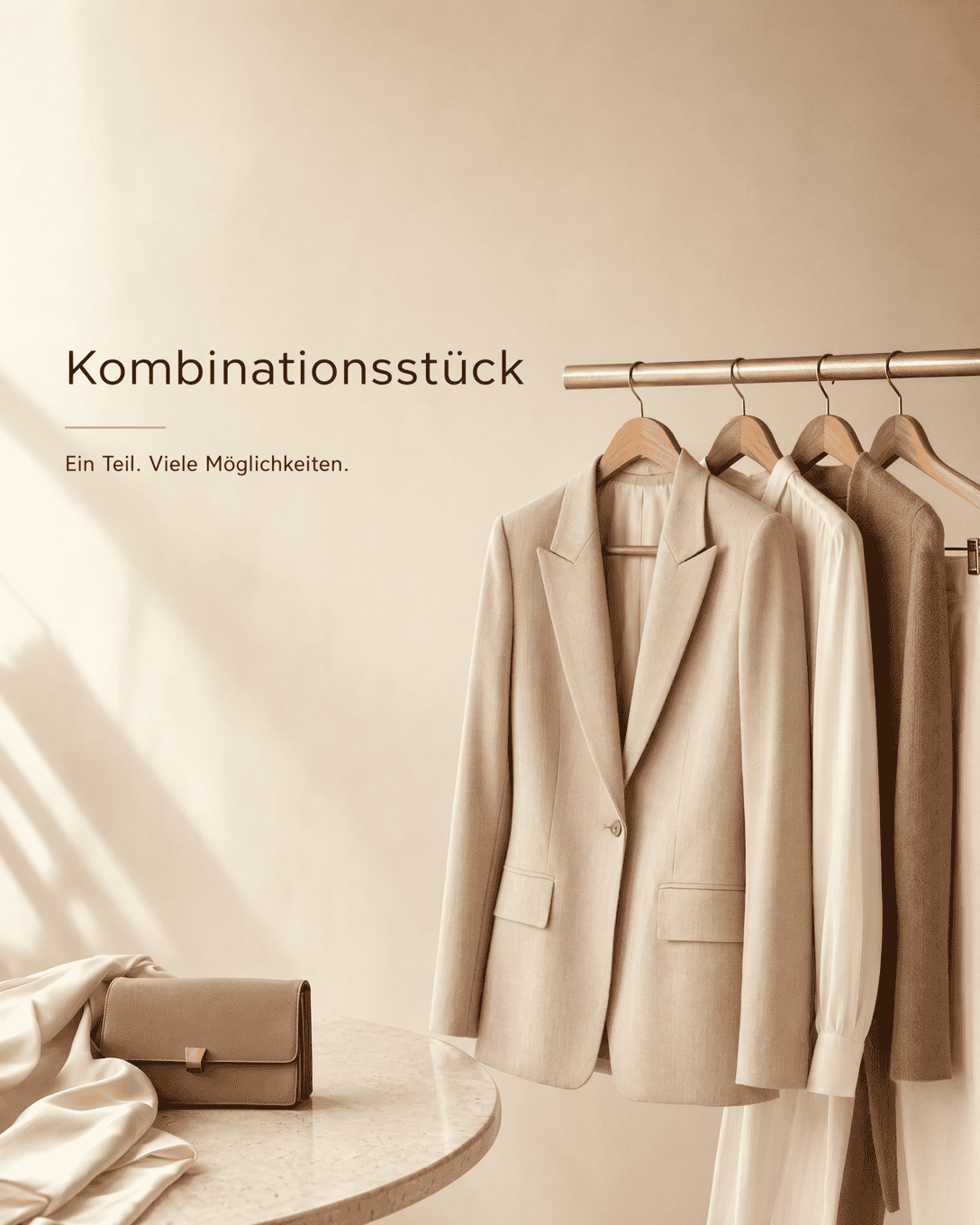
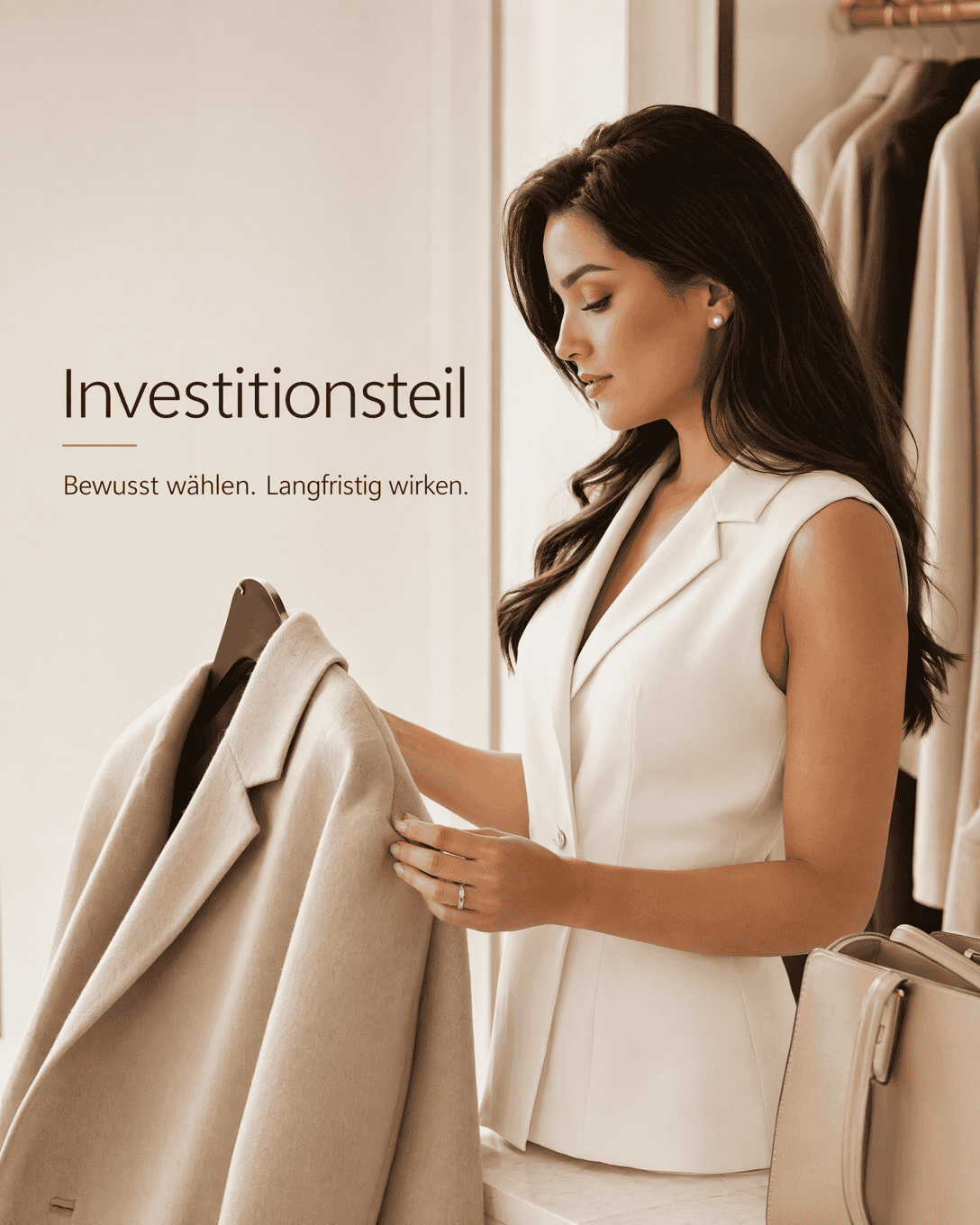
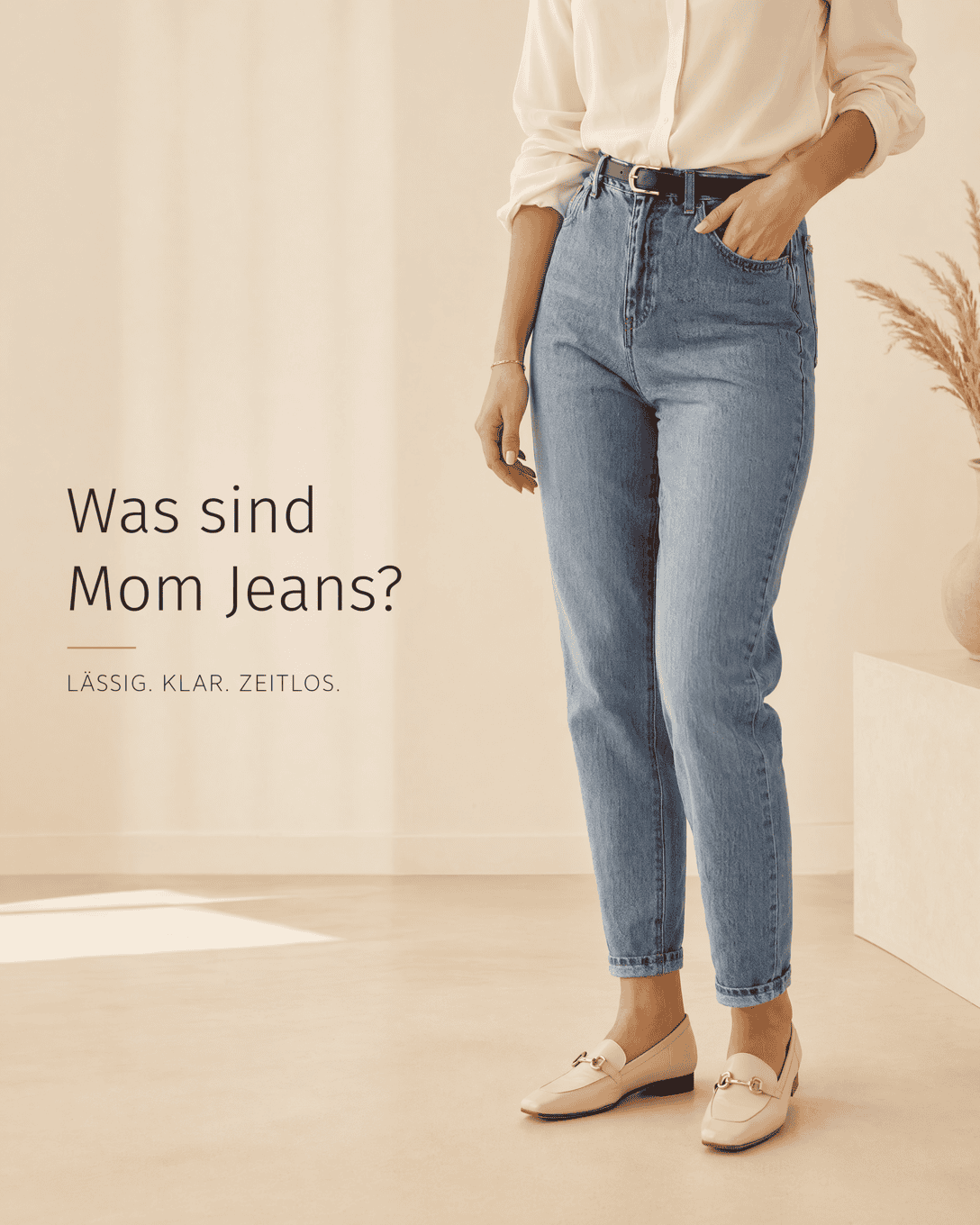
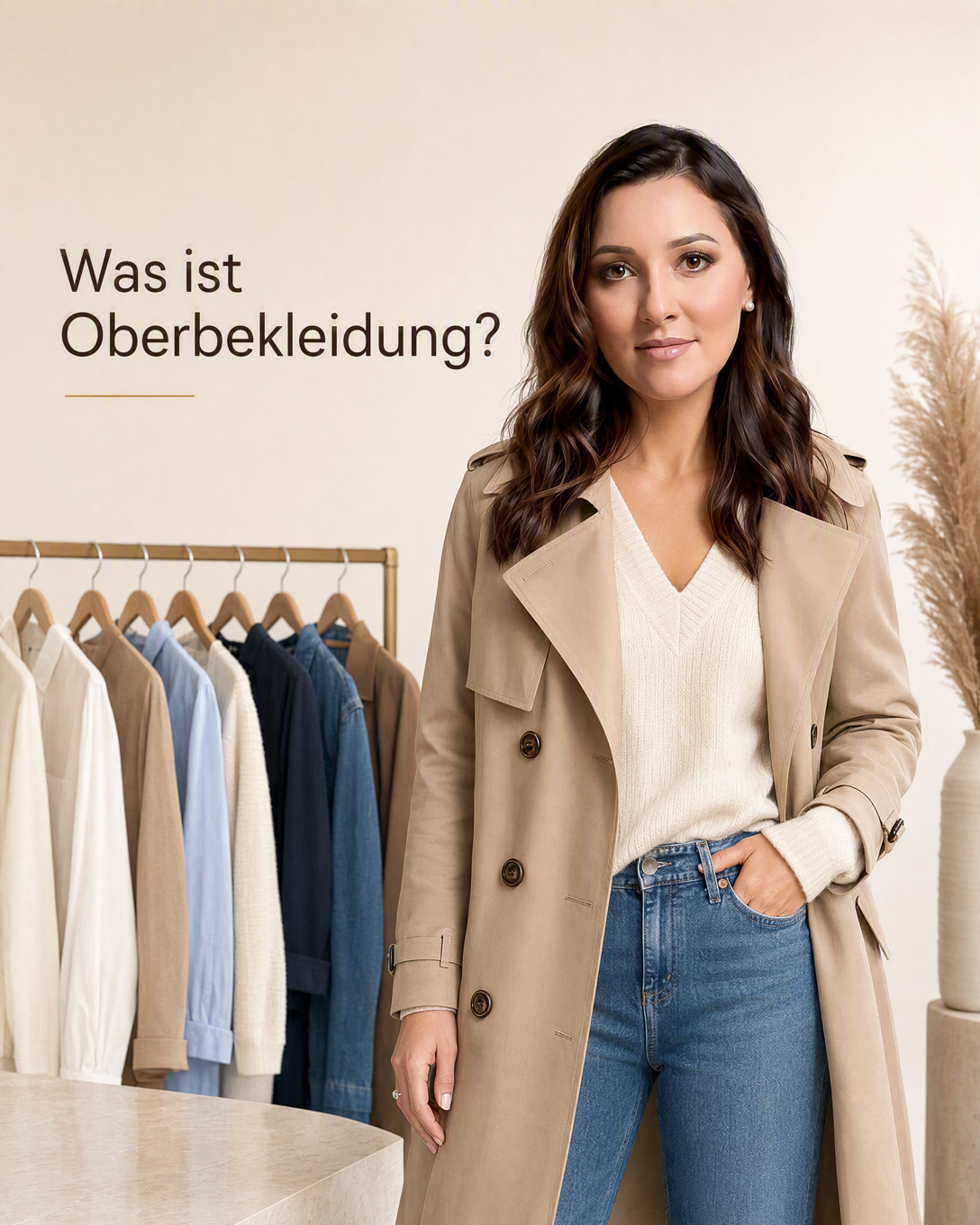
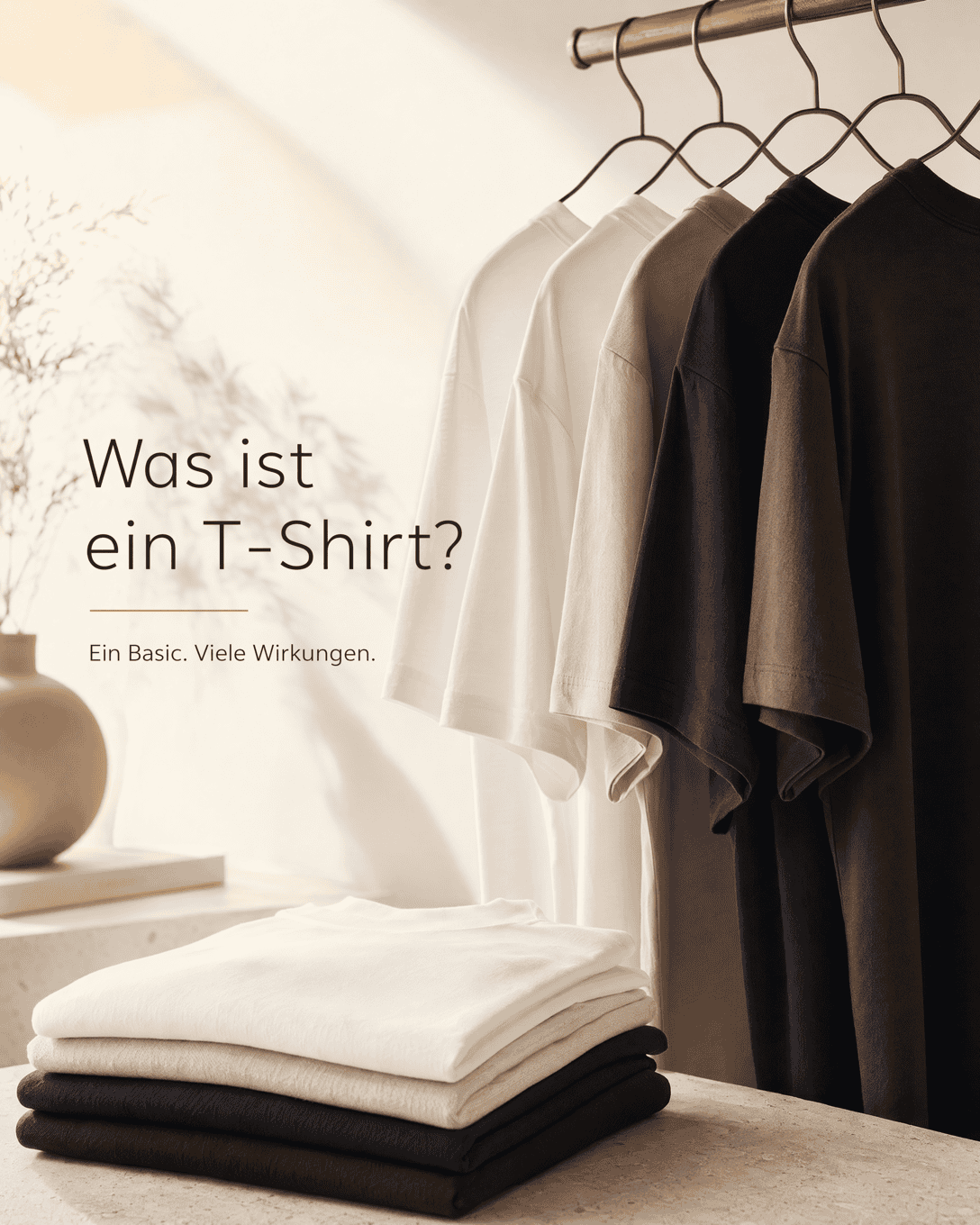
Then consider which pieces already form the foundation. A dependable basic , a well-used combination piece , or a true favorite piece can support many outfits. The goal is not to own identical items, but to recognize which cuts, colors, and materials make your wardrobe easier to use.
Make better everyday outfit decisions
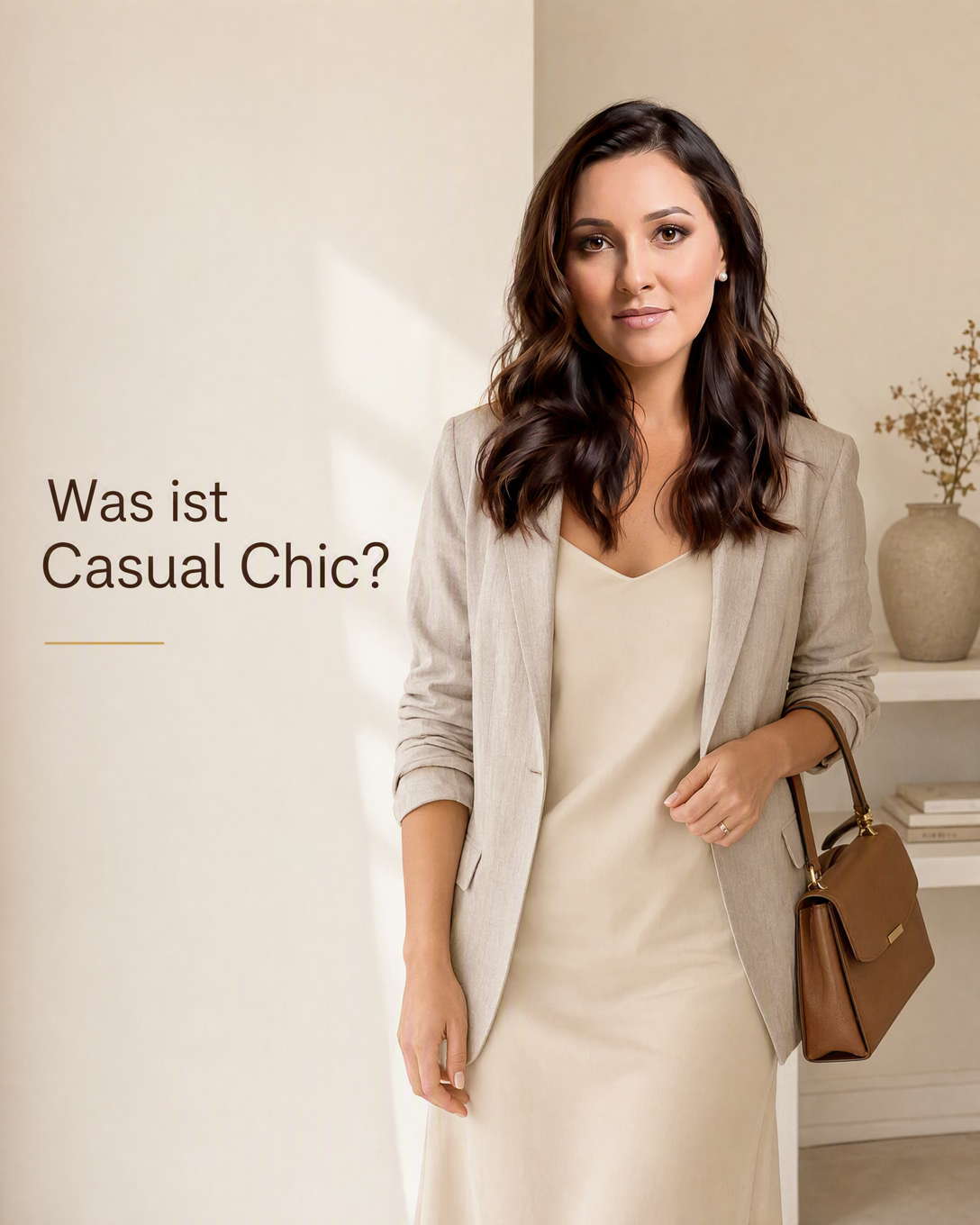
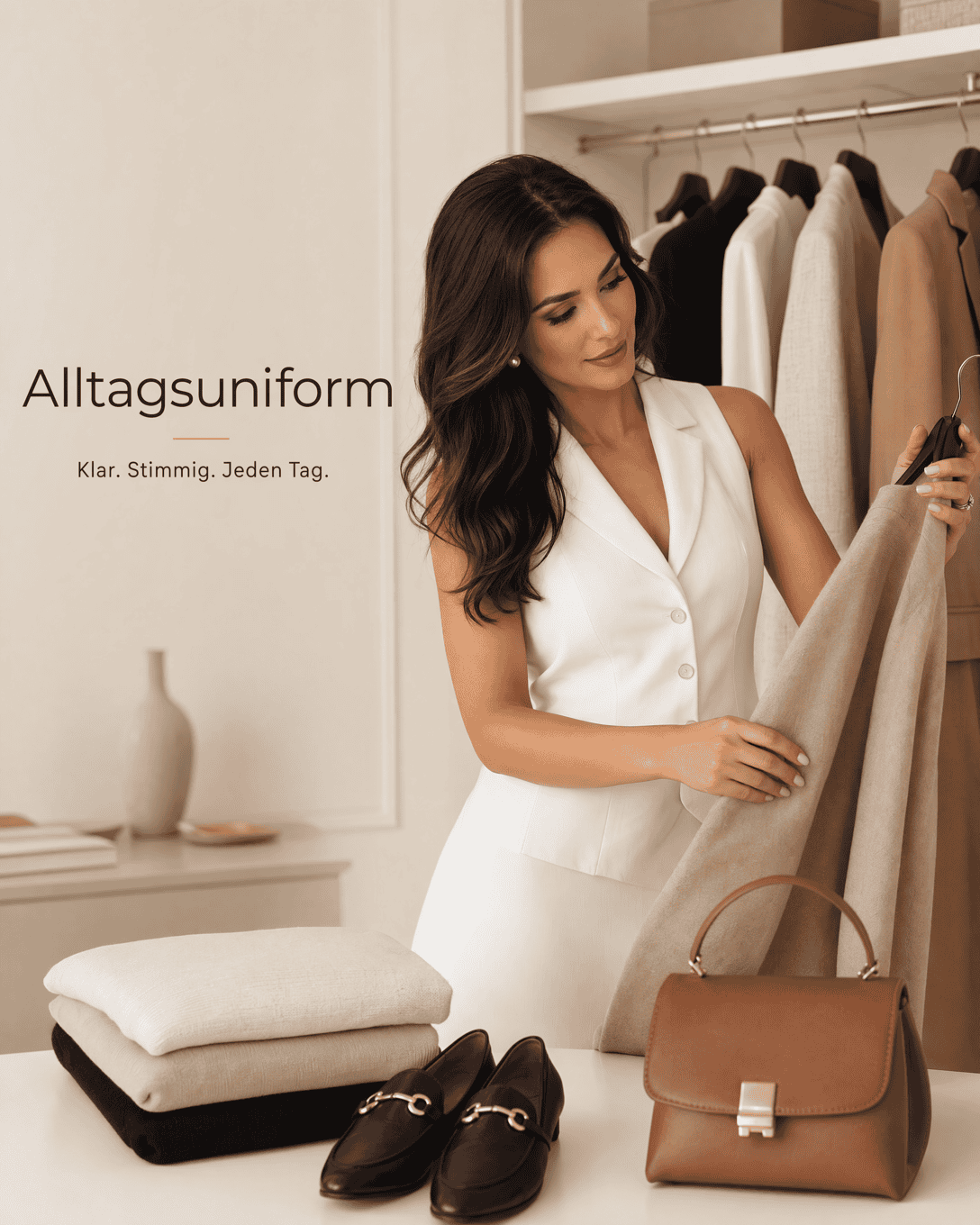
Everyday style becomes easier when you have a few clear principles. An everyday uniform or personal uniform can offer a repeatable starting point without making every outfit look the same.
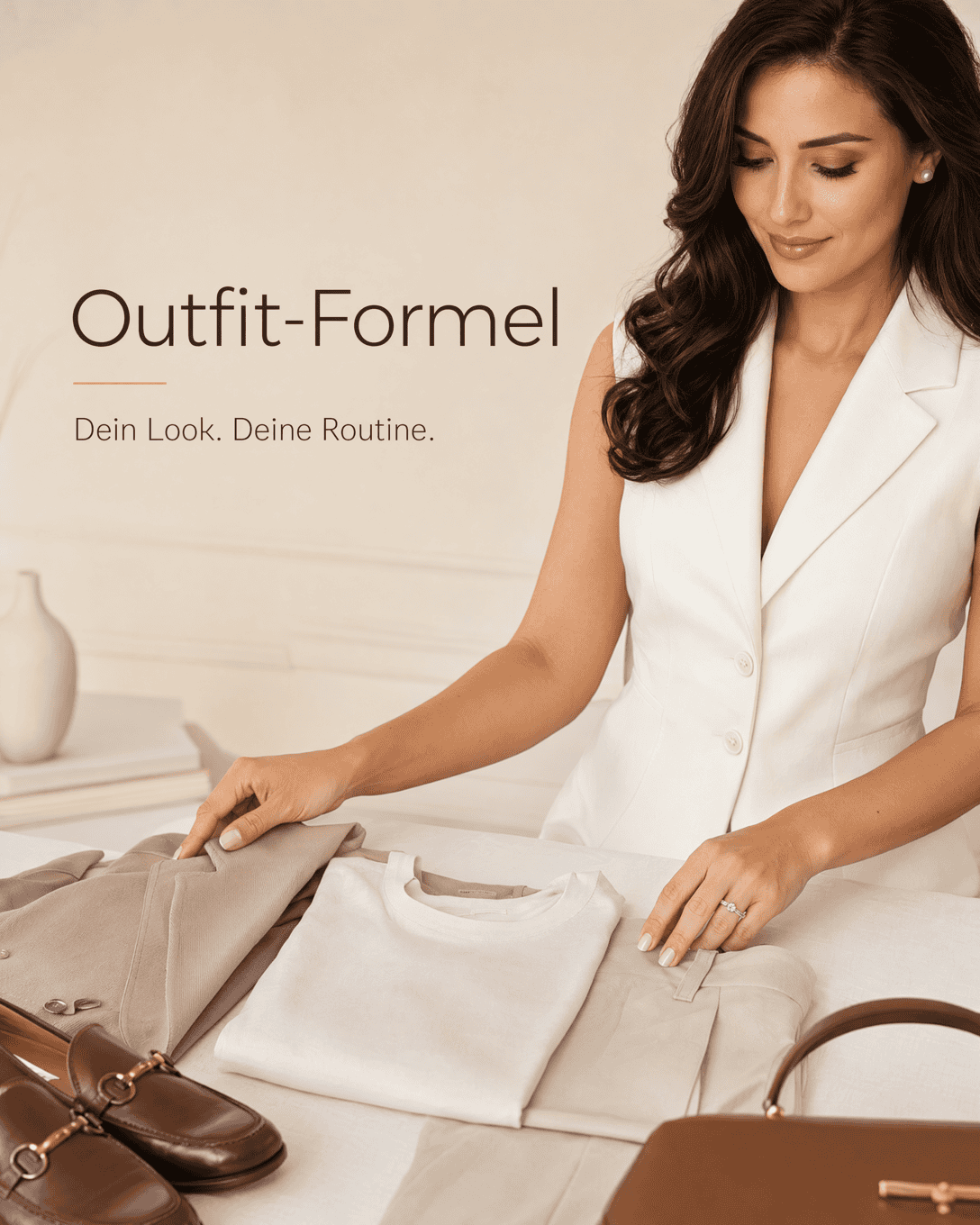
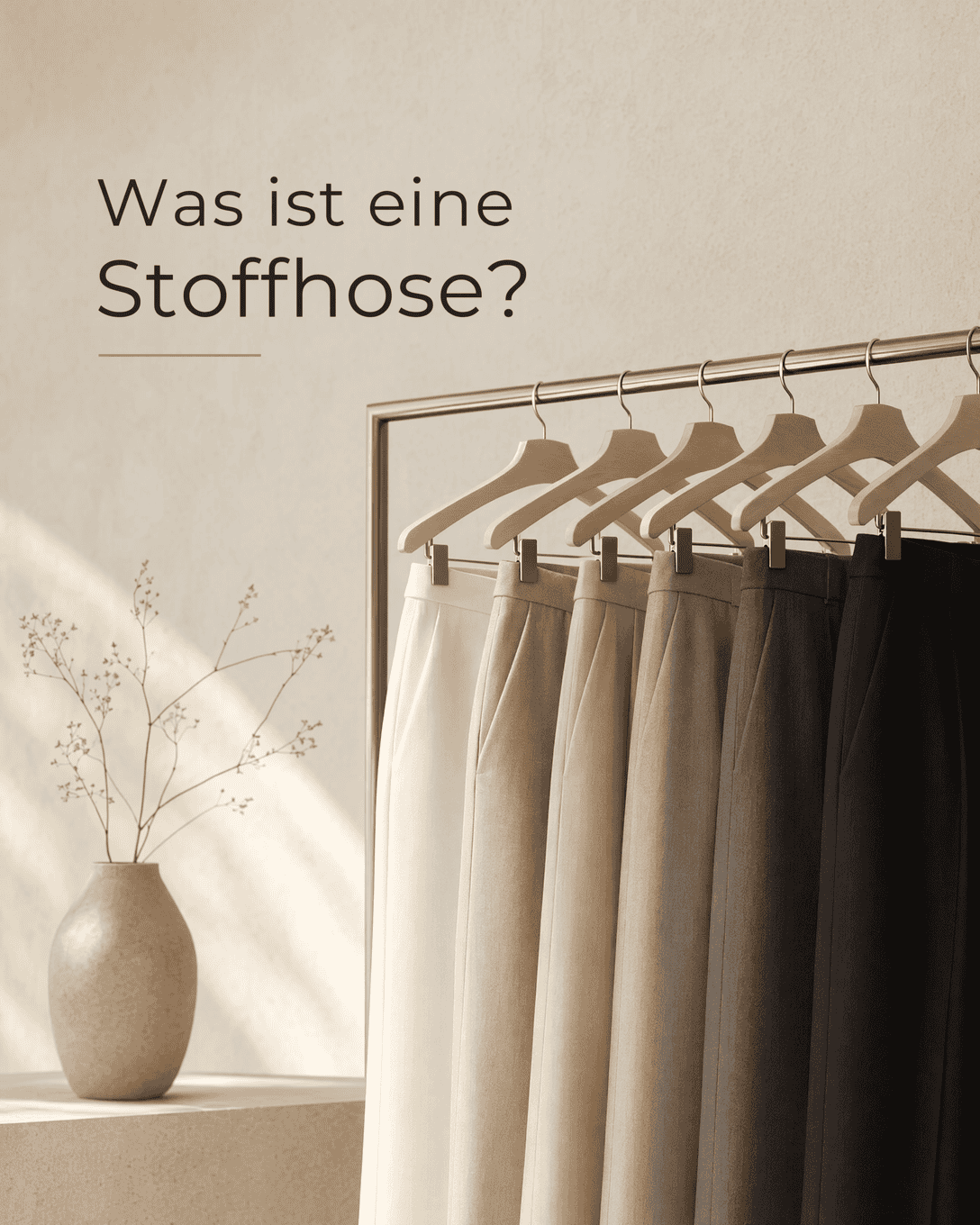
An outfit formula is especially useful when time is short. For example, a simple formula might combine trousers, a knit, and structured shoes, with the specific color, texture, or accessory changing from day to day. This creates variety while preserving visual coherence.
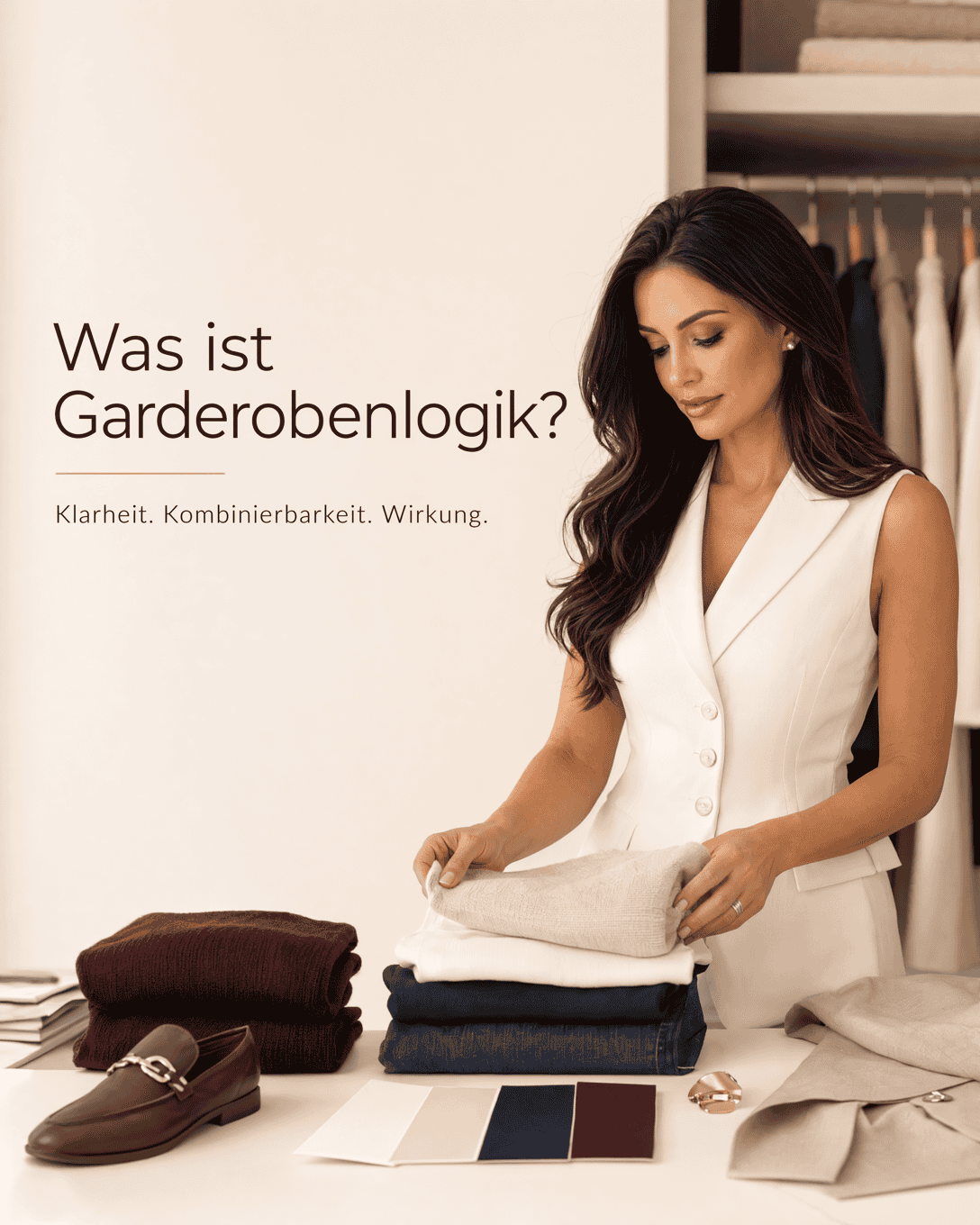
Pay attention to proportion, comfort, and context. An outfit can look appealing on its own but still be impractical if it does not allow movement, suit the weather, or work for the places you spend time. Wardrobe logic connects these everyday factors so that individual pieces become a functional whole.
Shop with intention and avoid bad purchases
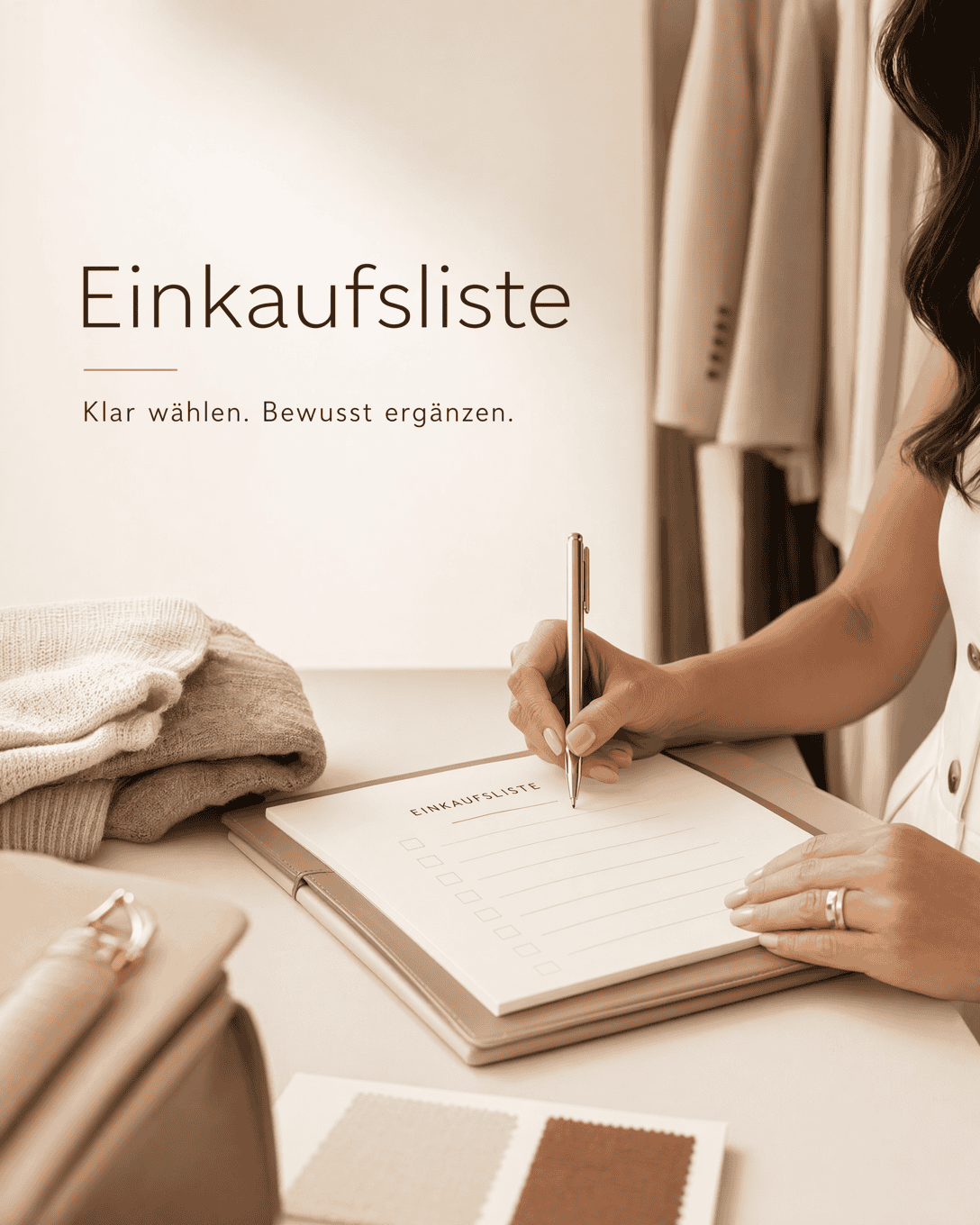
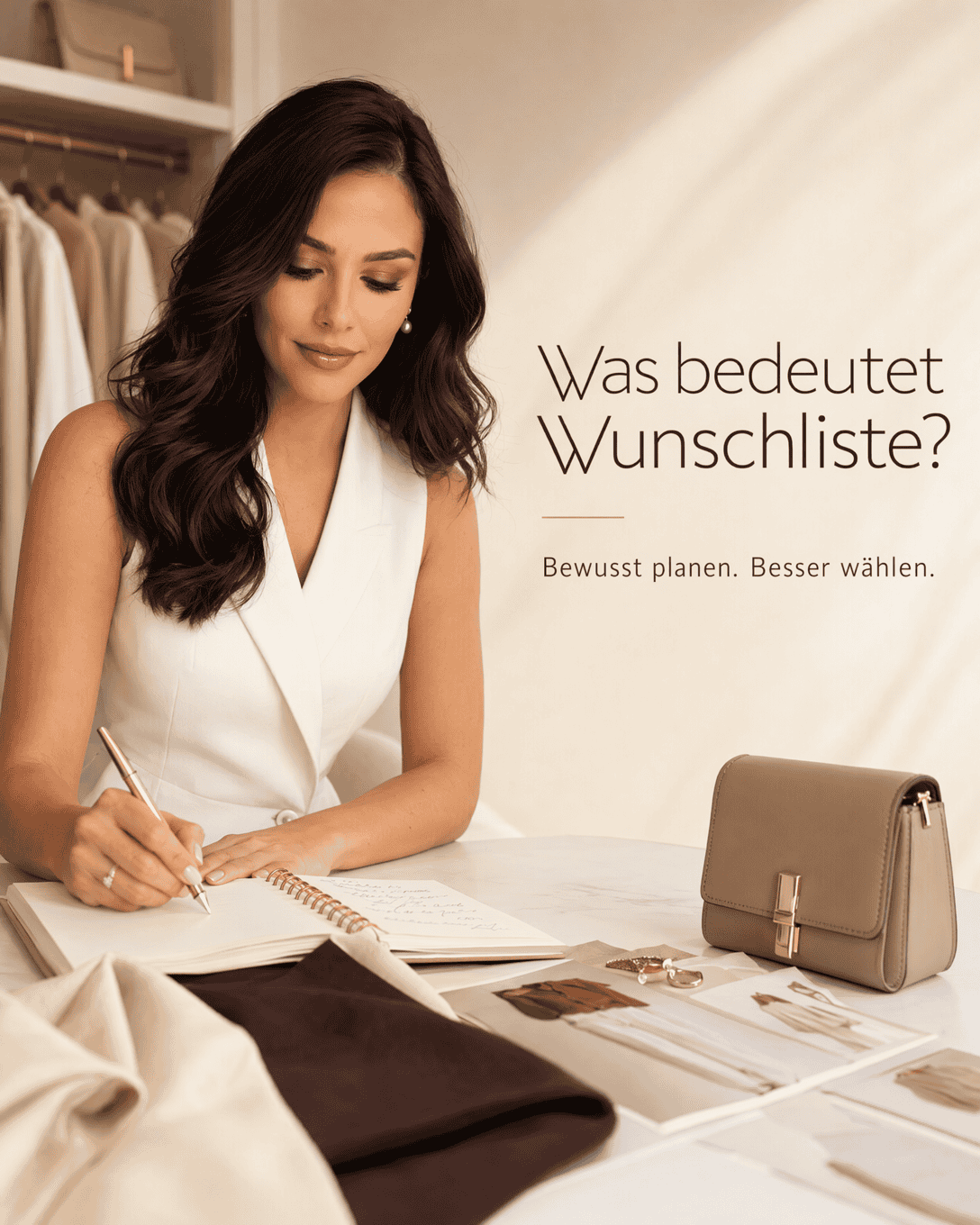
Thoughtful shopping begins before entering a shop or opening a browser. A clear wish list separates real needs from passing interest, while defined buying criteria help you assess fit, quality, price, care, and combinability.
Before buying, ask:
- Does this fill a specific wardrobe gap ?
- Can I imagine at least three outfits with clothes I already own?
- Does the fit work when I sit, walk, and move?
- Will I wear it in the next season or only for one imagined occasion?
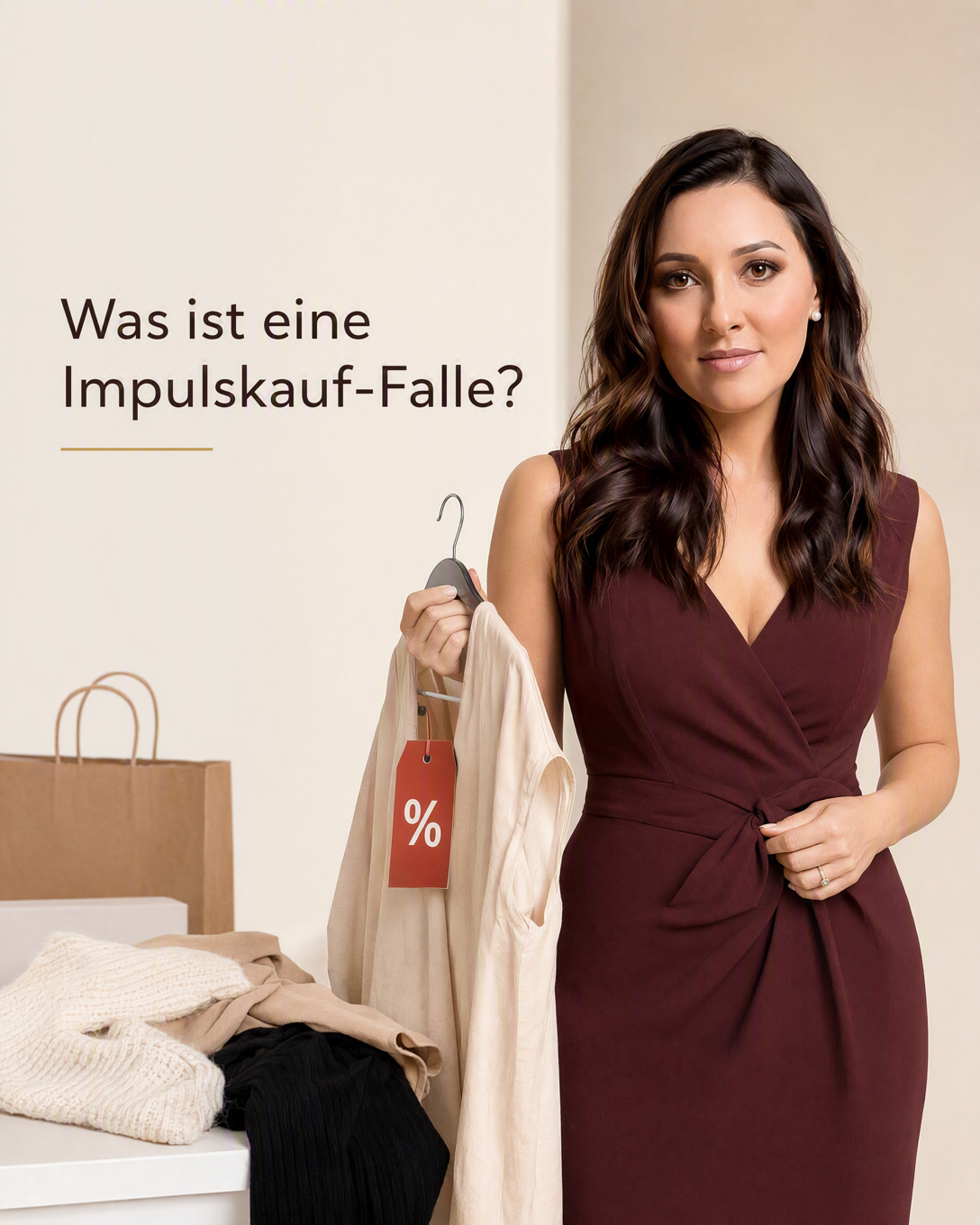
- Is it a useful addition or an impulse purchase ?
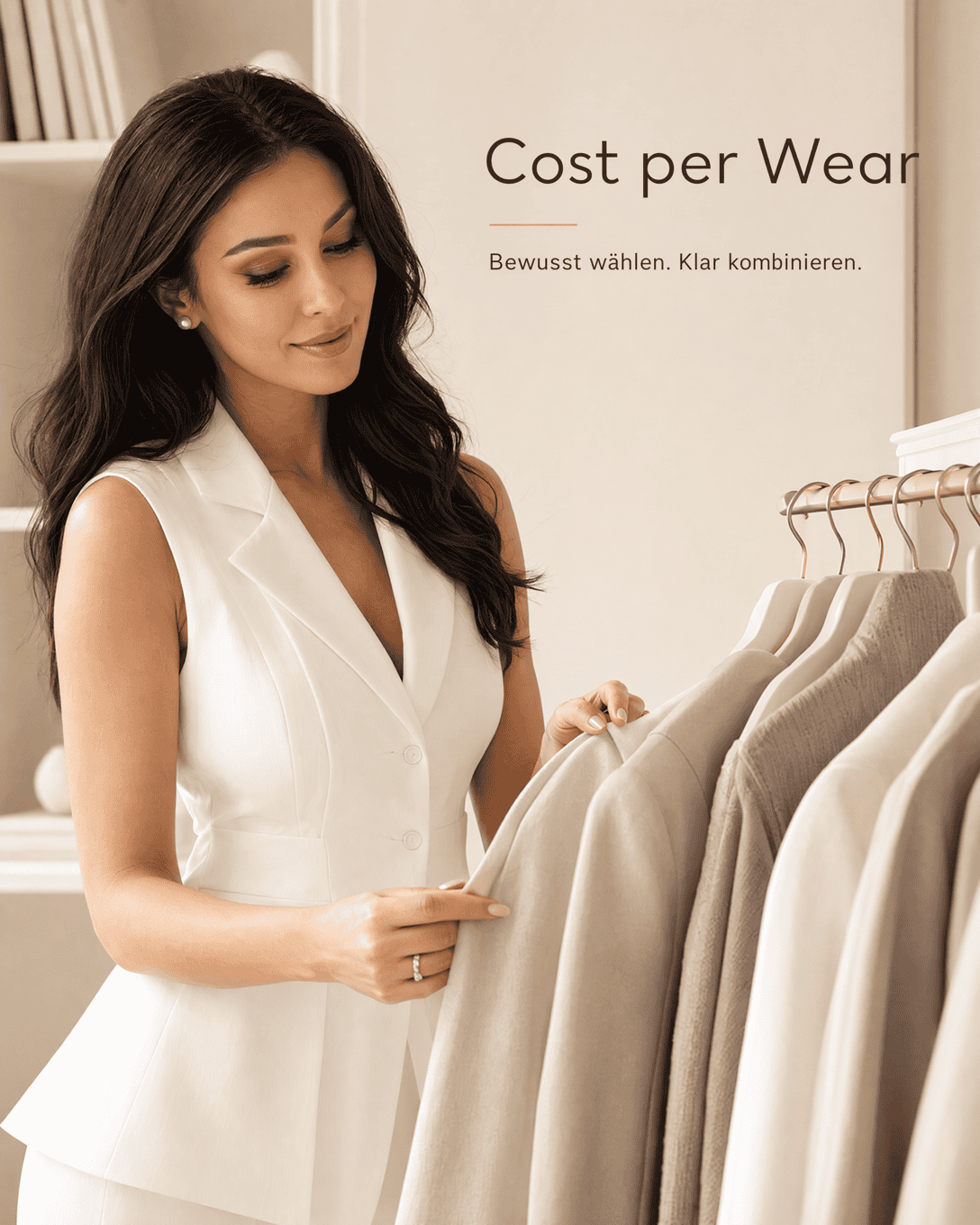
A bad purchase is not always about price. It may be a beautiful piece that does not fit well, does not suit your routines, or has nothing to combine with. Reviewing purchases through cost per wear and long-term versatility can make future choices more confident.
Create long-term wardrobe clarity
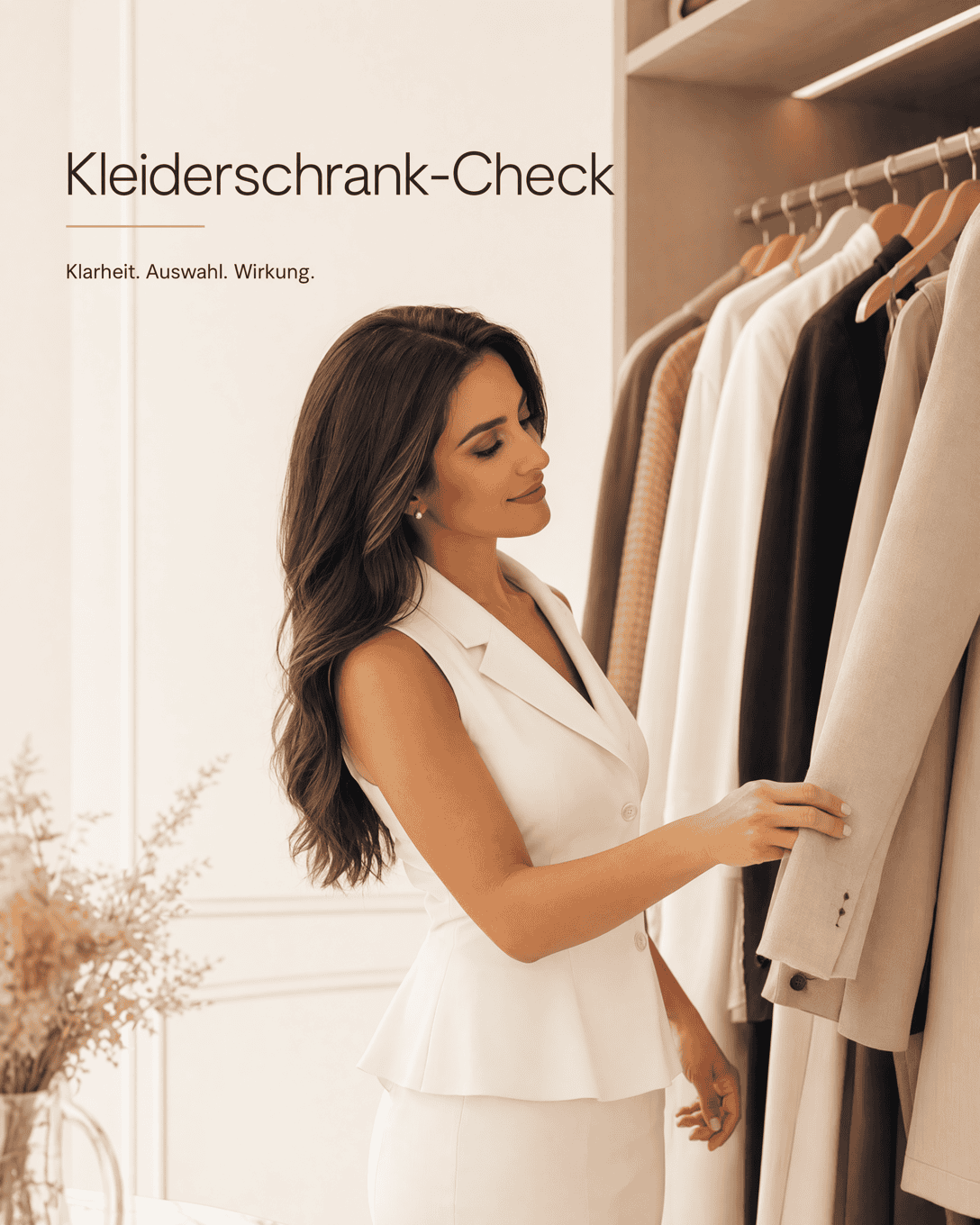
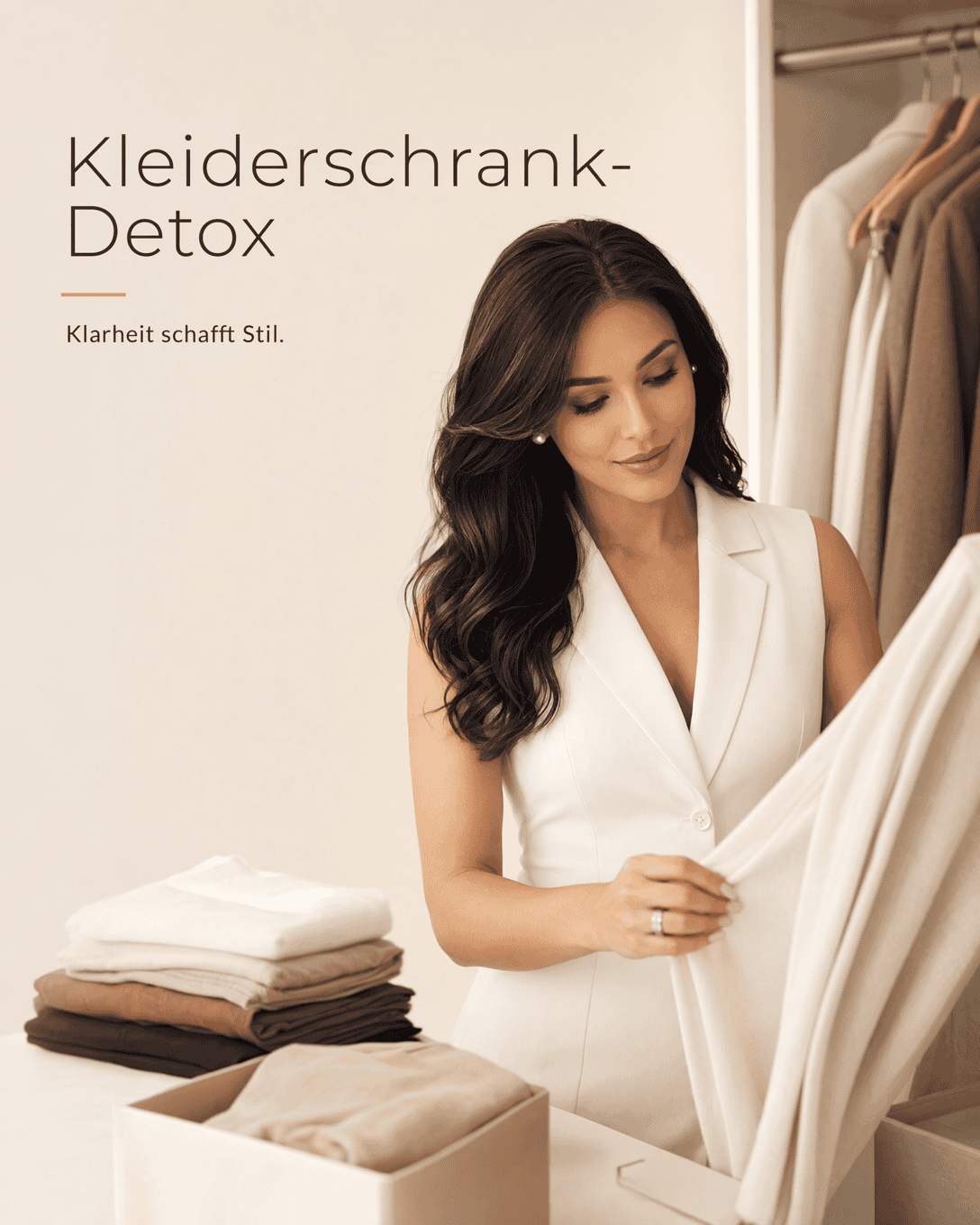
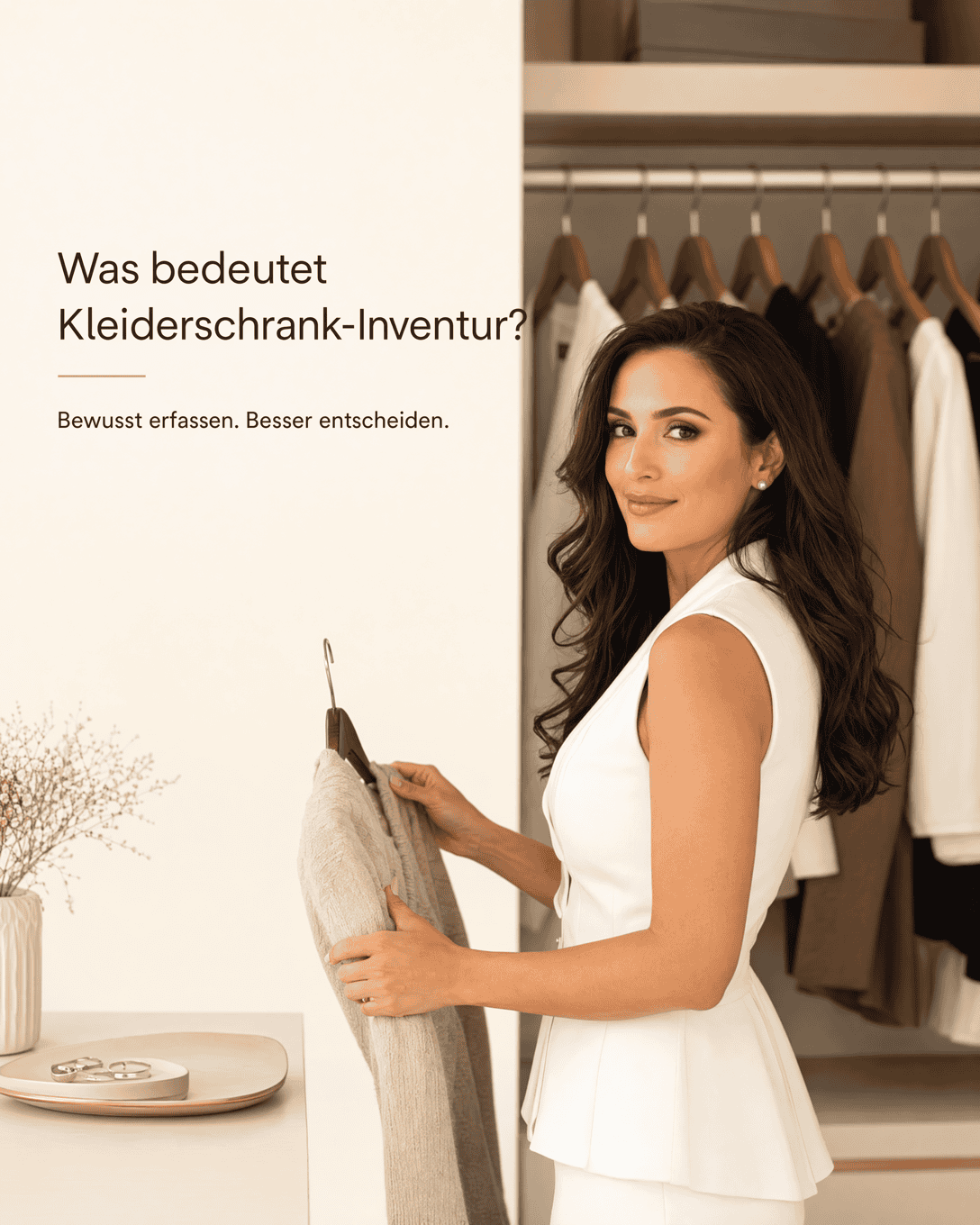
Wardrobe clarity develops through observation rather than strict rules. A regular wardrobe check can reveal what is worn, what needs tailoring or care, and what is taking up space without serving you. A wardrobe inventory is useful when you want a fuller overview of categories, colors, duplicates, and missing essentials.
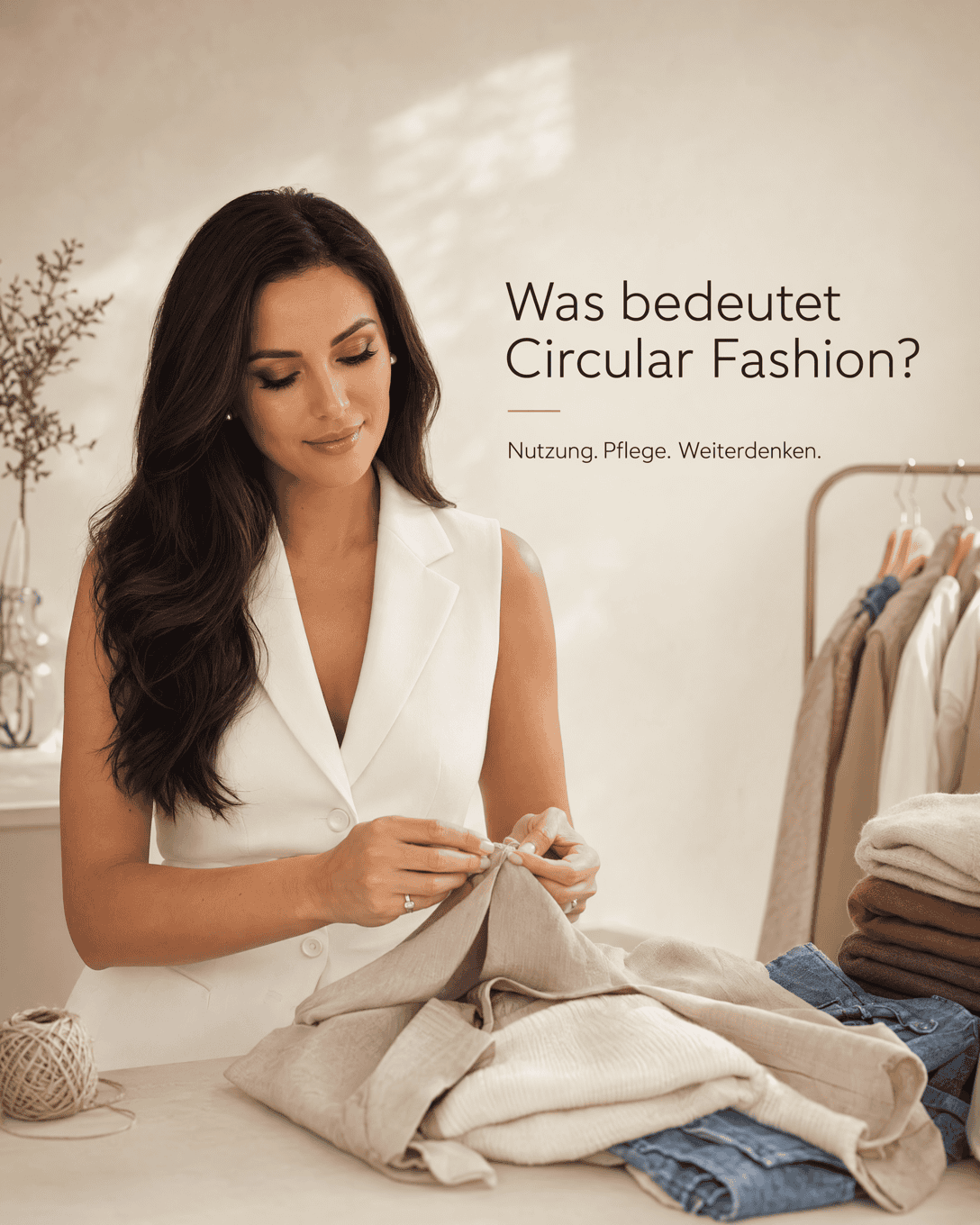
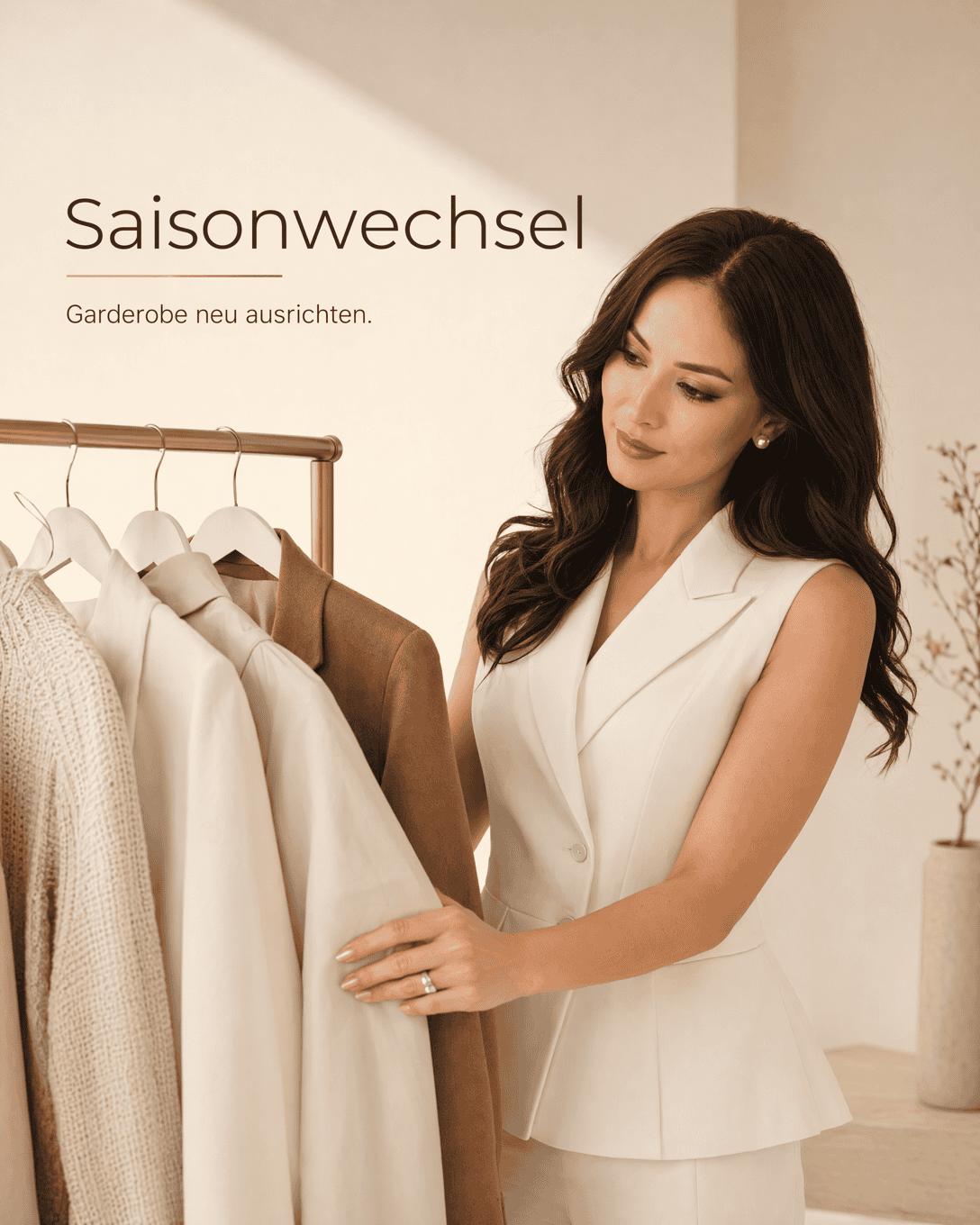
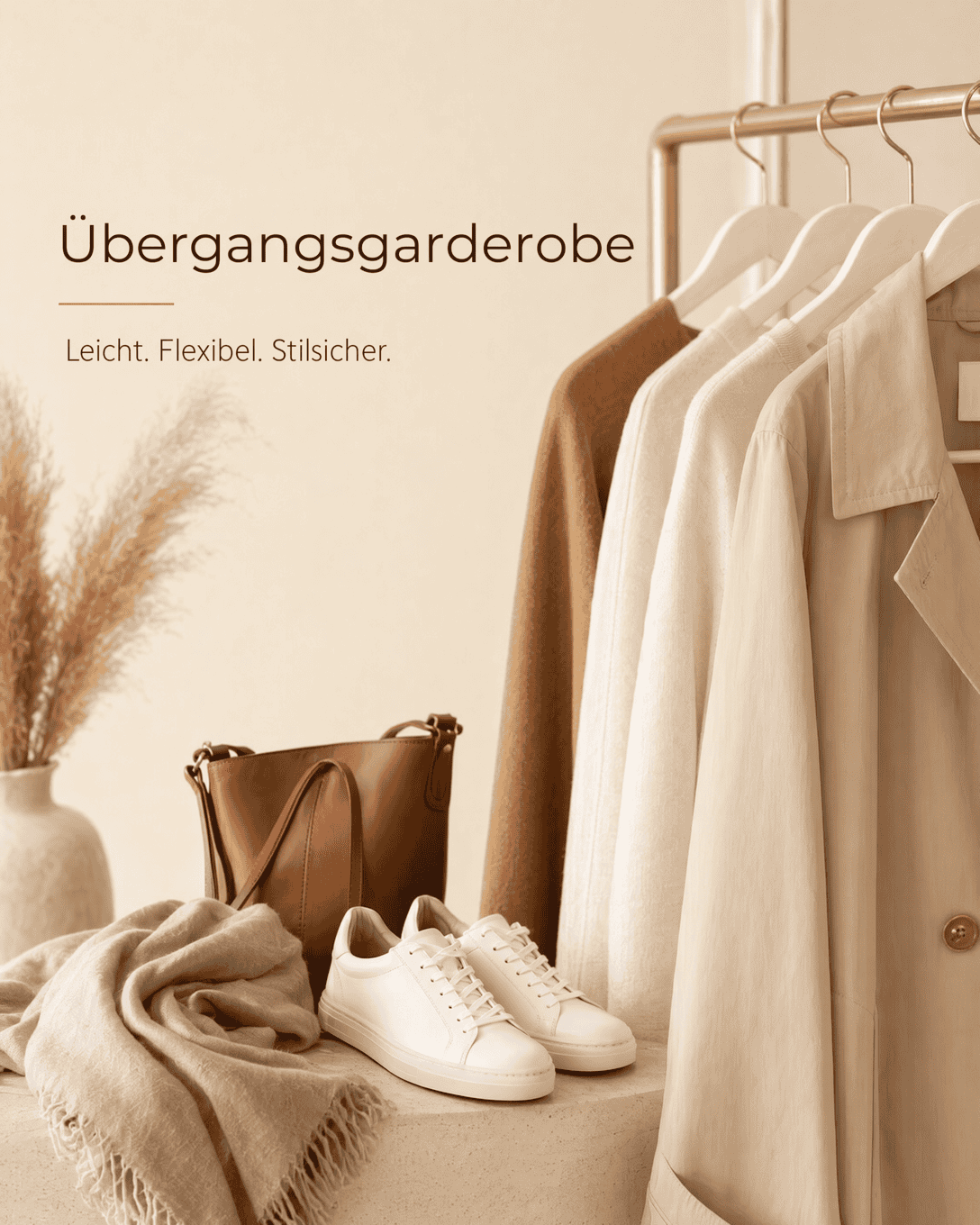
For longer-term goals, wardrobe strategy connects your current clothing with the way you want to dress in the future. It can include seasonal needs, professional changes, a shift in lifestyle, or a more sustainable wardrobe .
The most effective wardrobe is not built all at once. It becomes clearer through repeated use, careful editing, and purchases that support the clothes you already enjoy wearing.
Practical starting points
If you want to make your wardrobe more useful, begin with one of these steps:
- Complete a wardrobe audit to understand what is already there.
- Create a short shopping list based on genuine needs.
- Photograph a few successful outfits and turn them into repeatable outfit formulas .
- Identify your most worn colors, silhouettes, and fabrics.
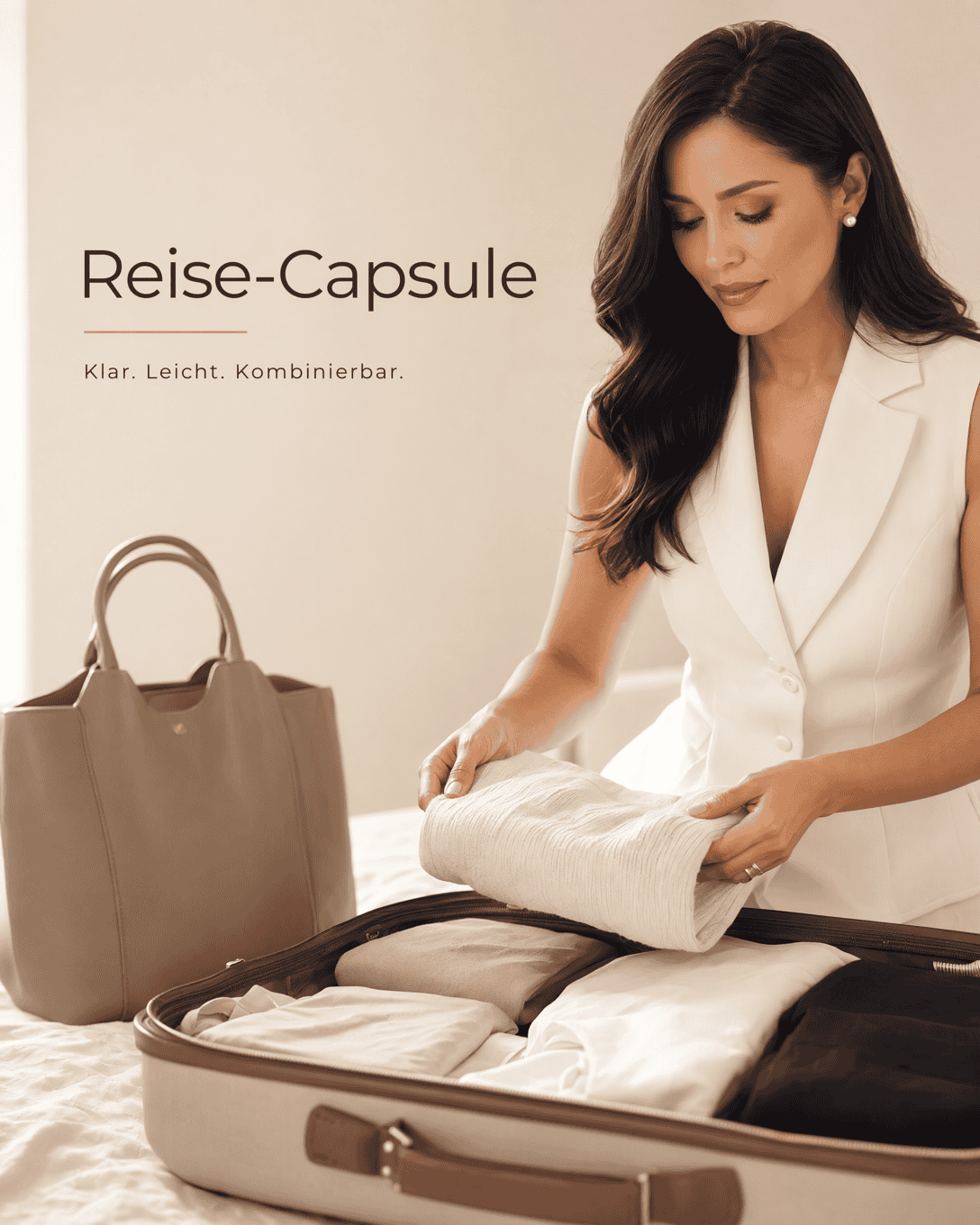
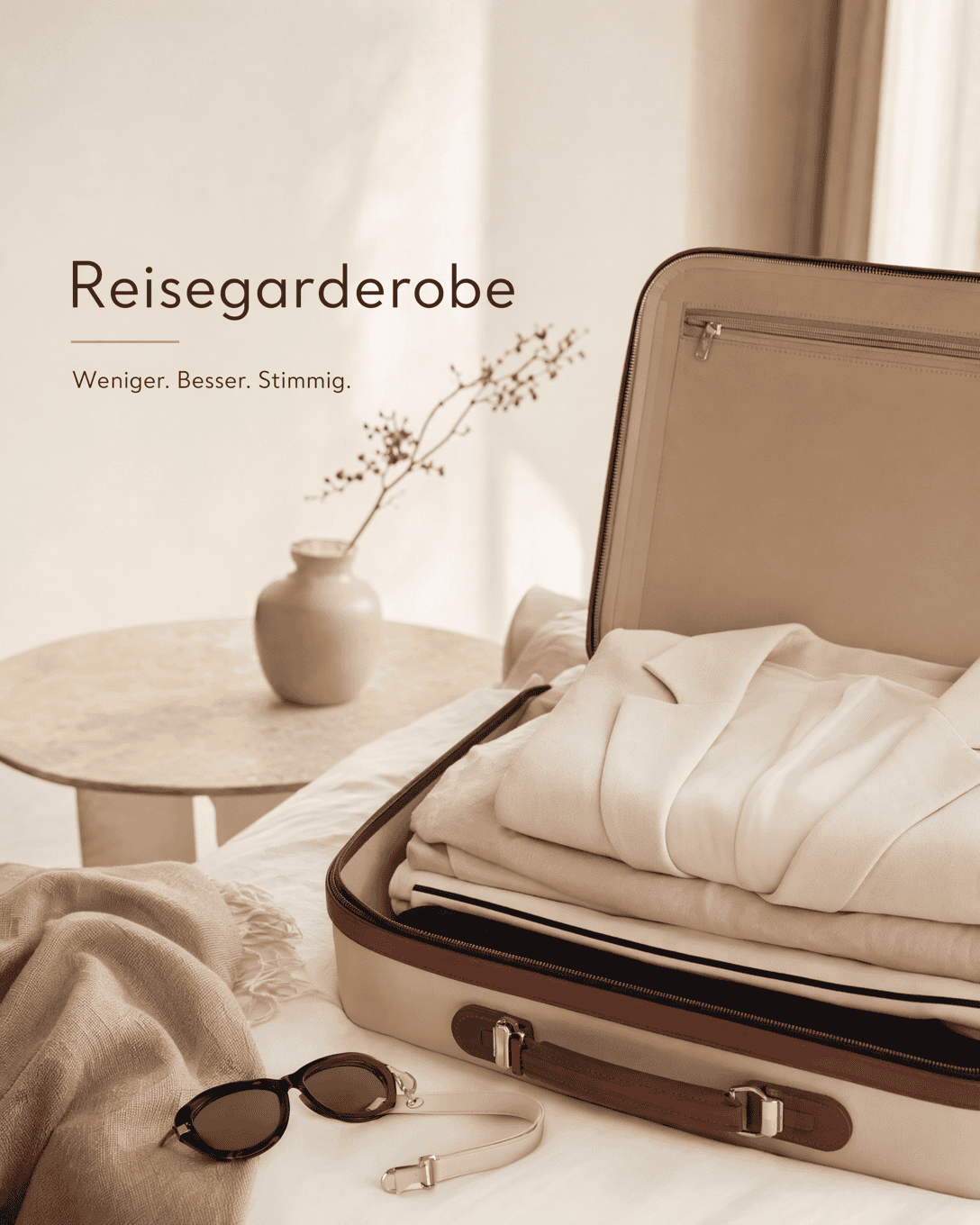
- Build a small travel capsule or seasonal edit to test how well your pieces combine.
ESKYNA Key Line
A good wardrobe supports your real life: it gives you clothes you enjoy wearing, reliable outfit options, and fewer unnecessary purchases.
Next step
If your wardrobe no longer fits your everyday life, begin with a Wardrobe Check .
Wardrobe & Everyday Style 192